A Dutch Street — History & Analysis
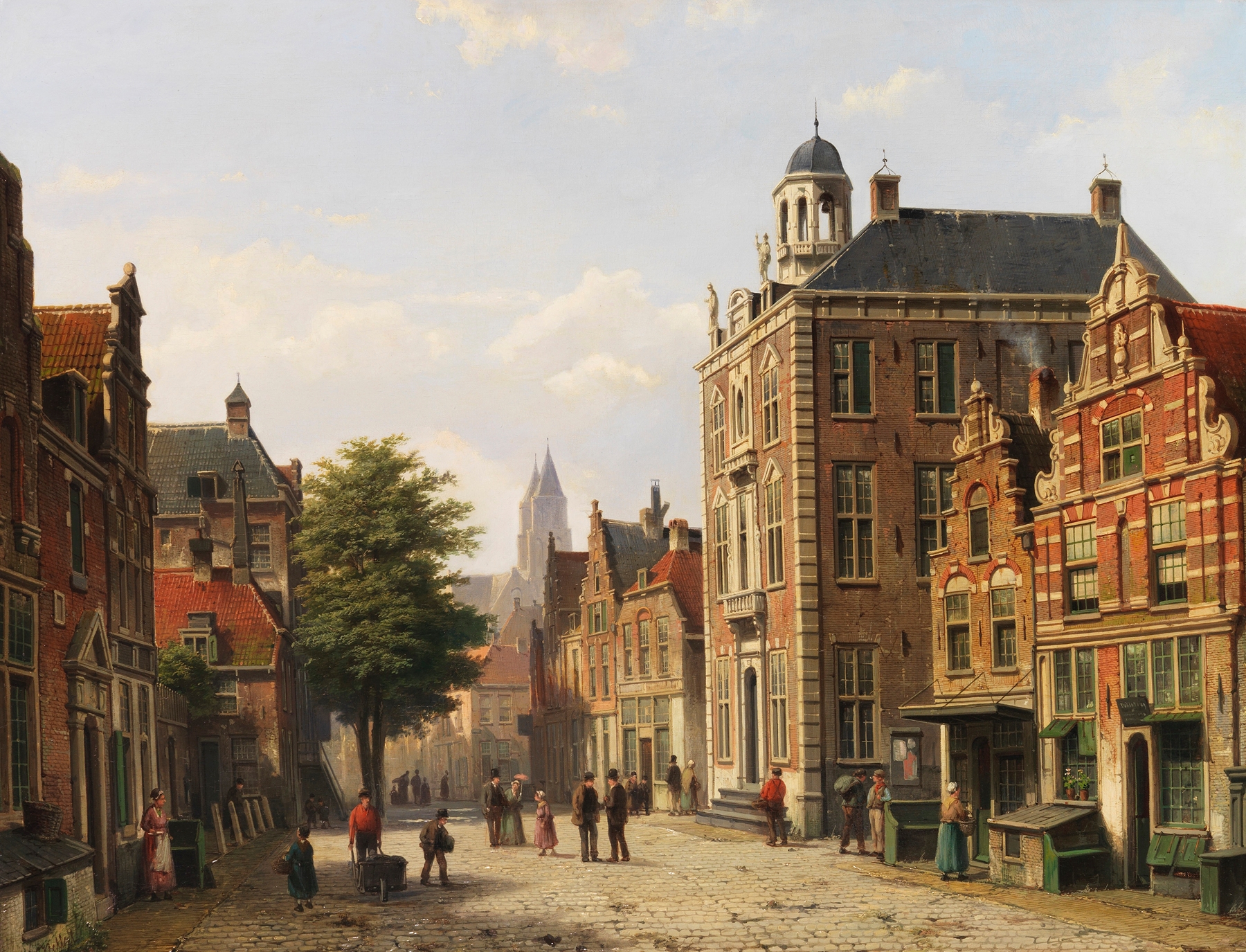
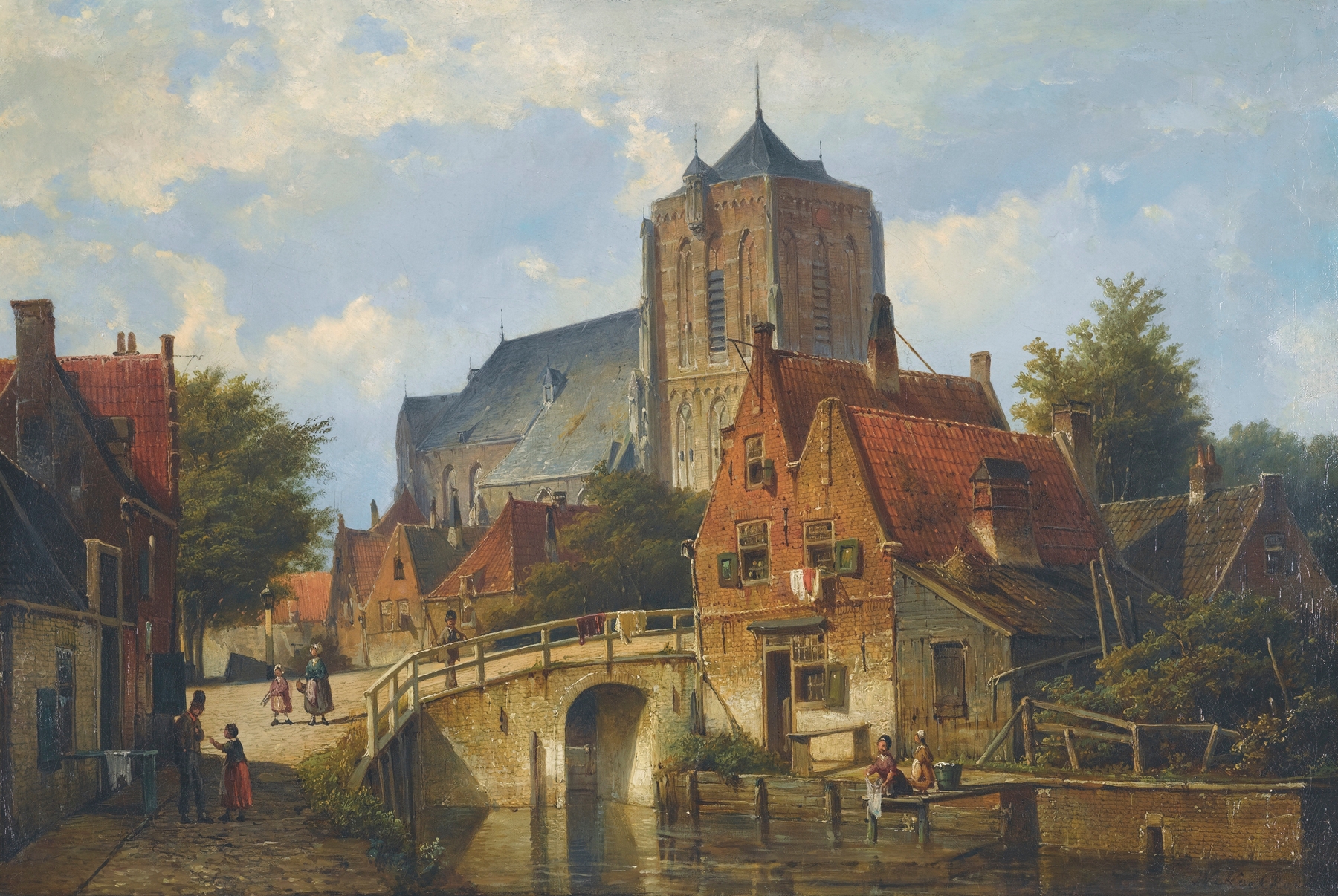
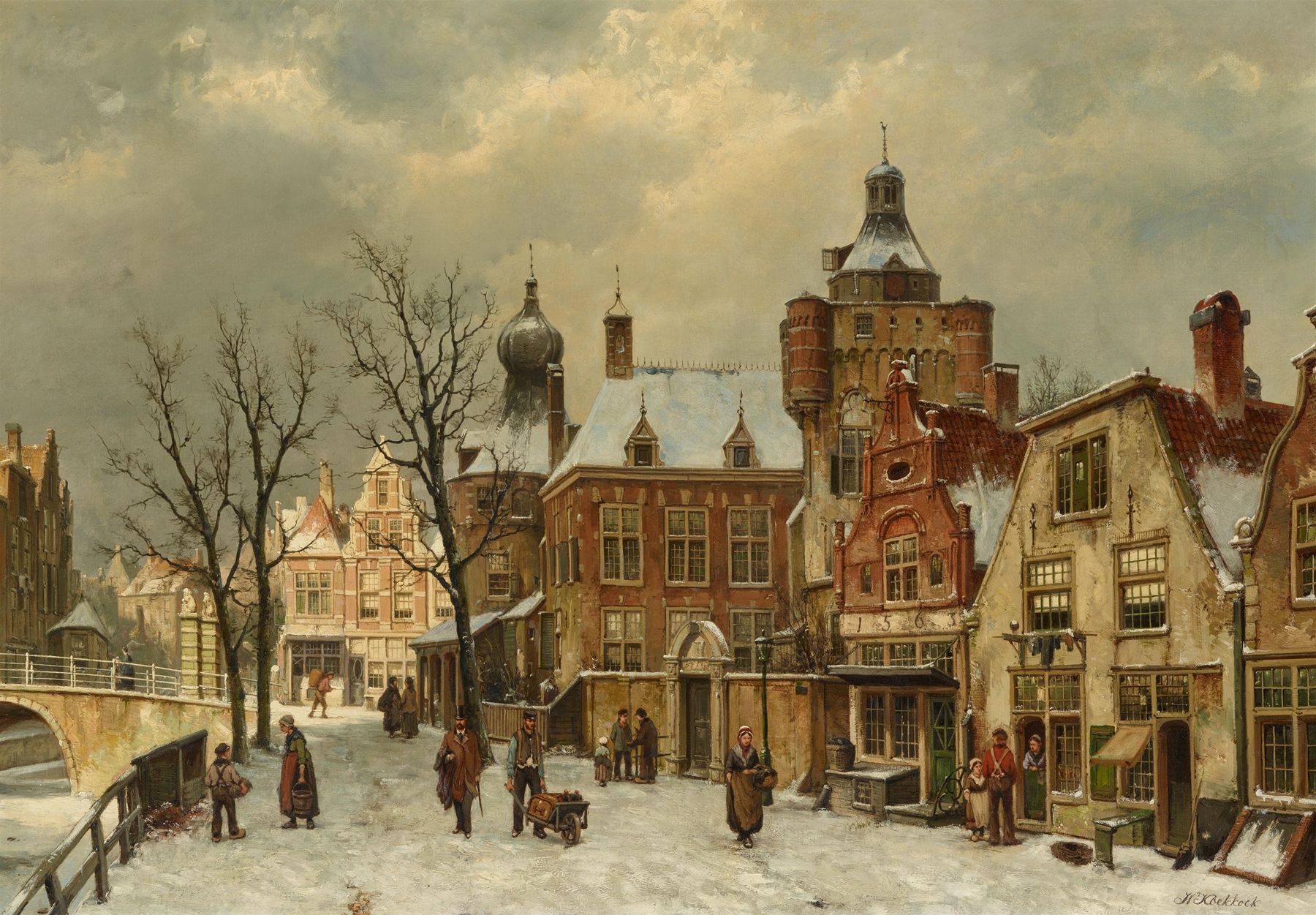
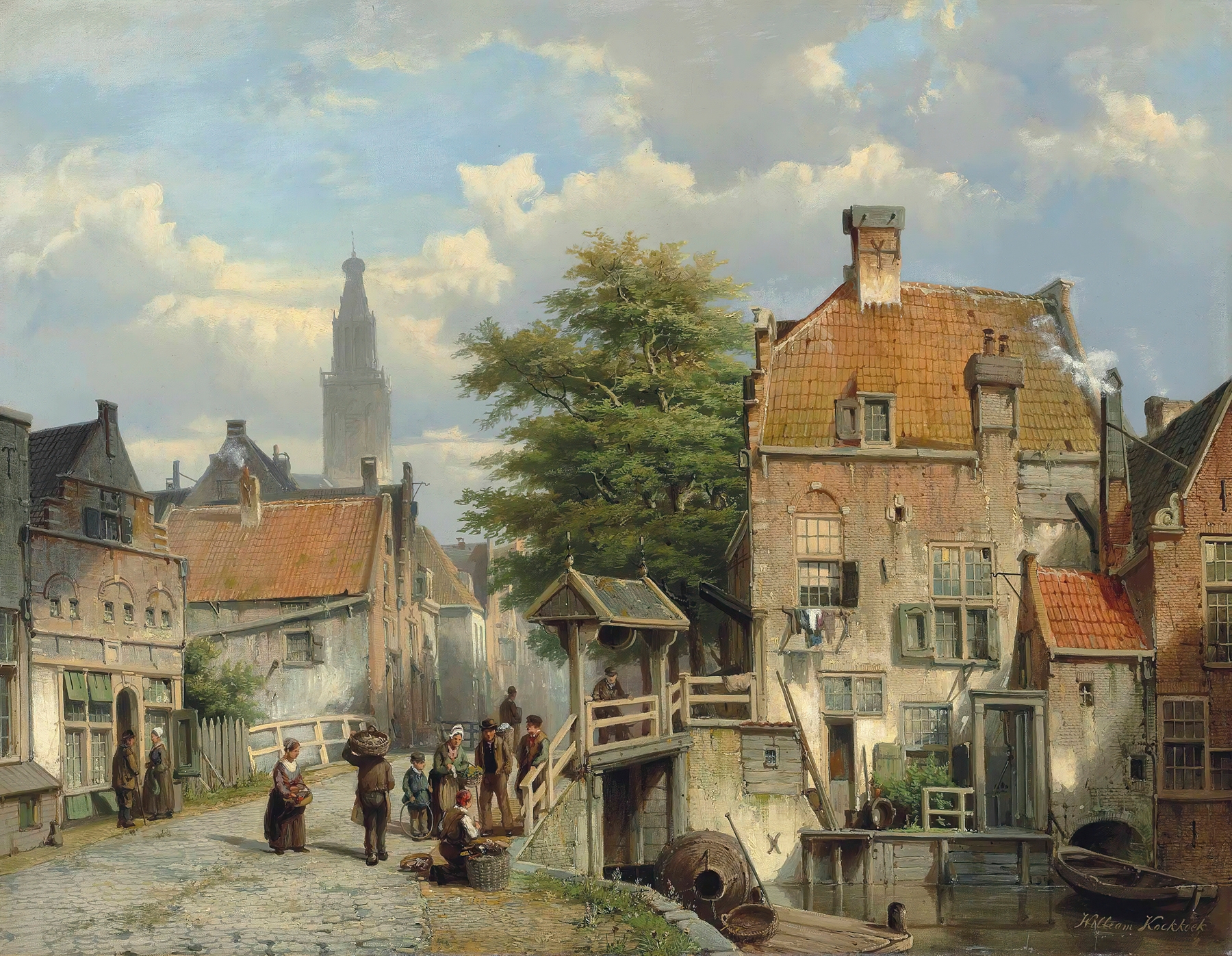
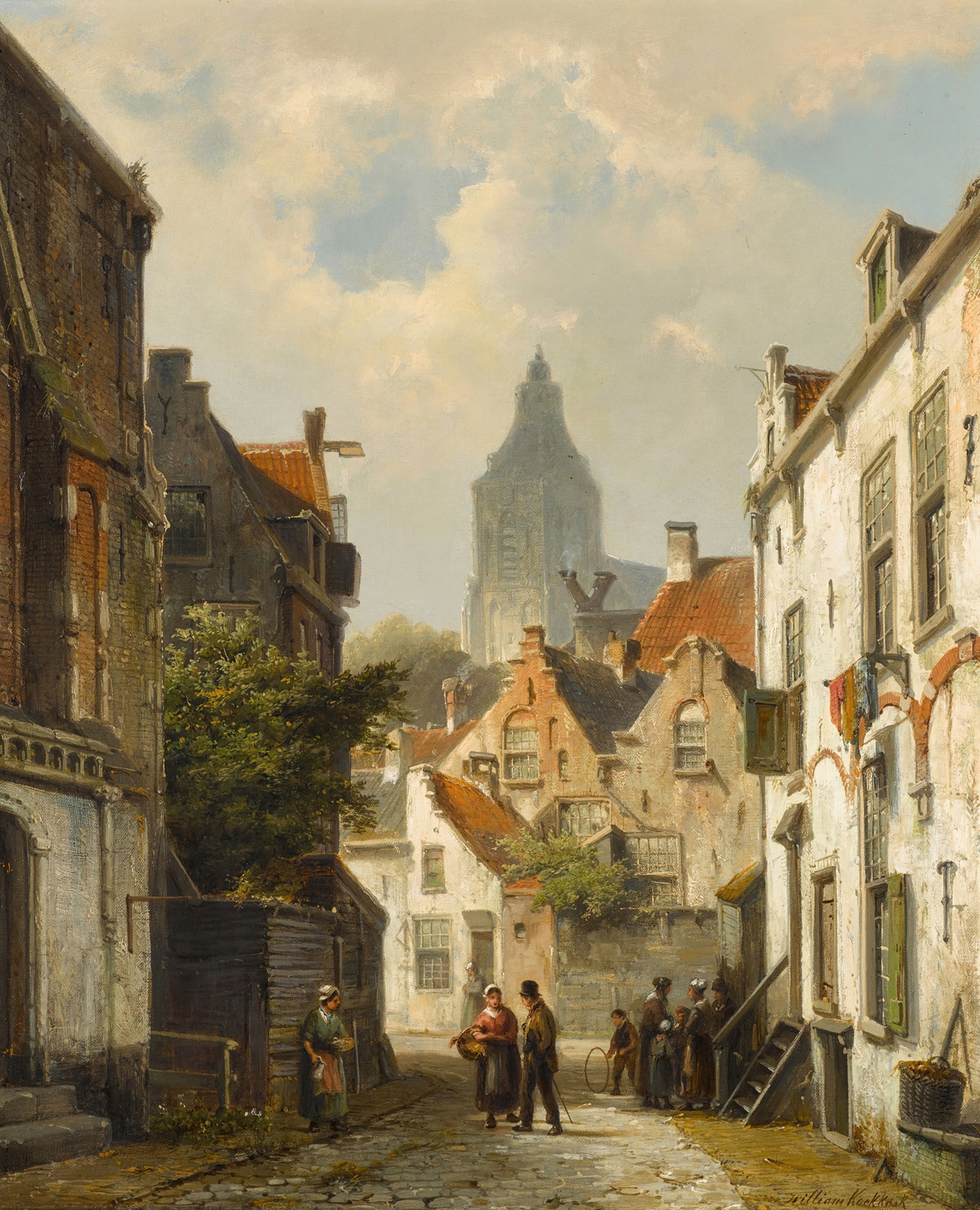
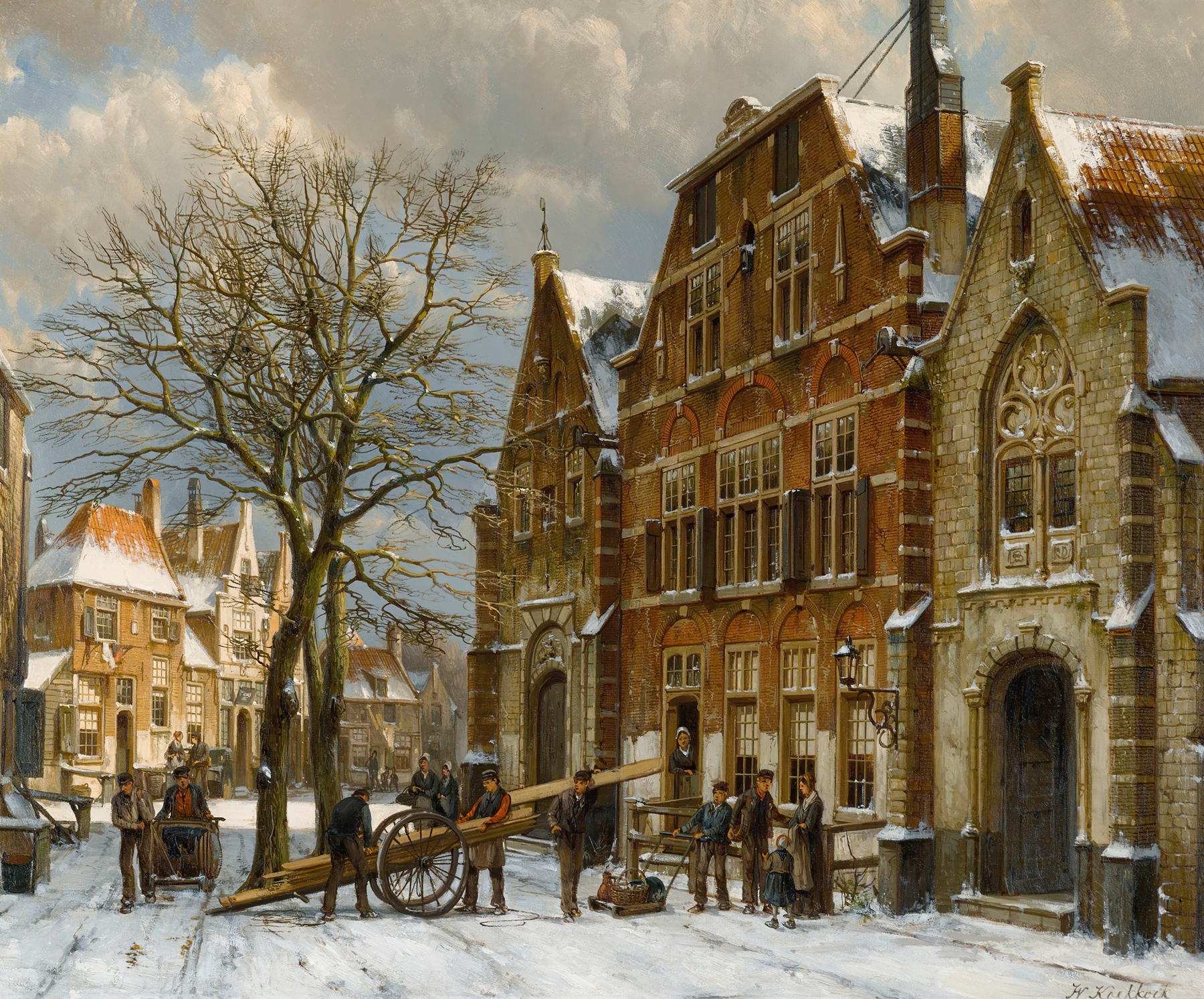
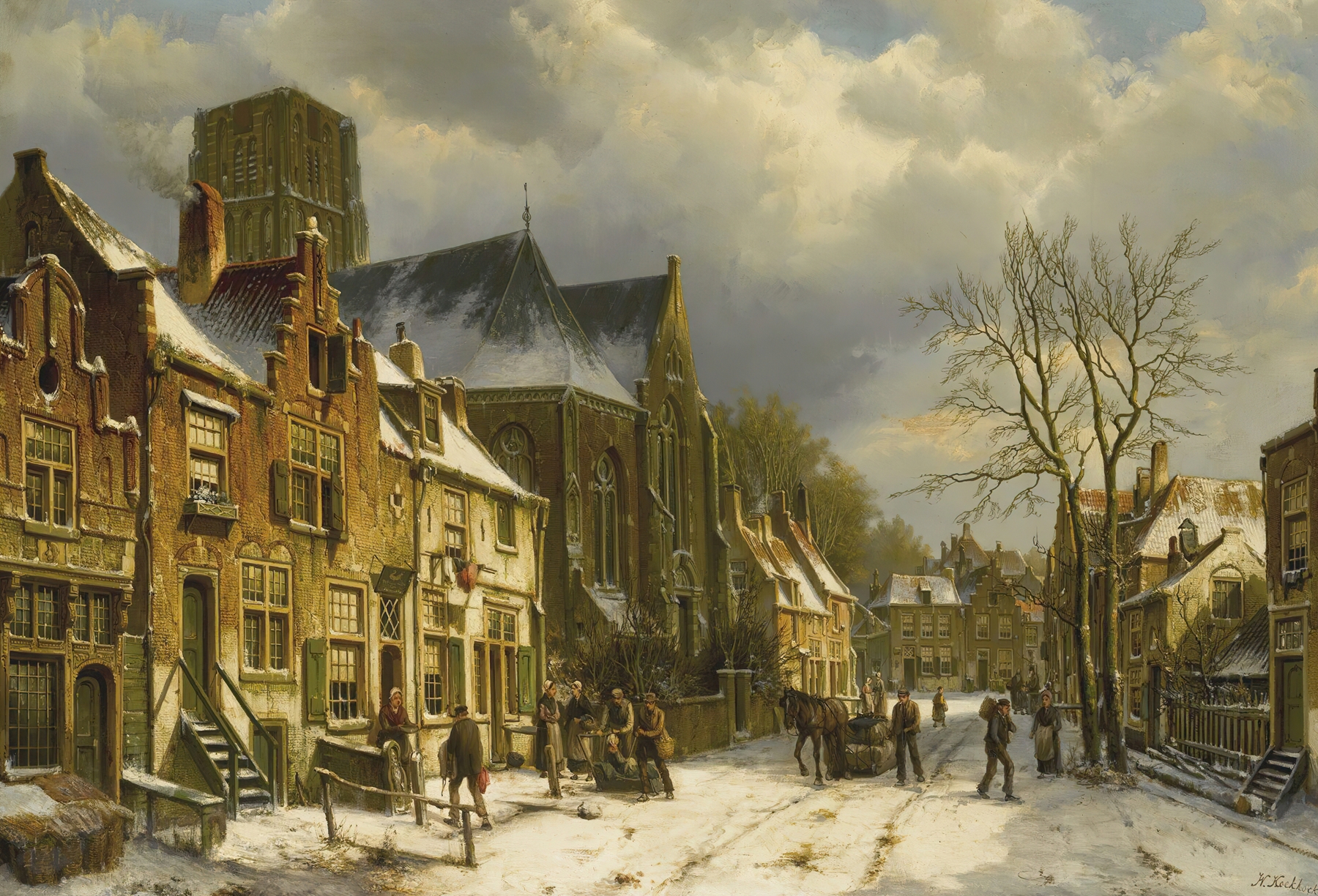
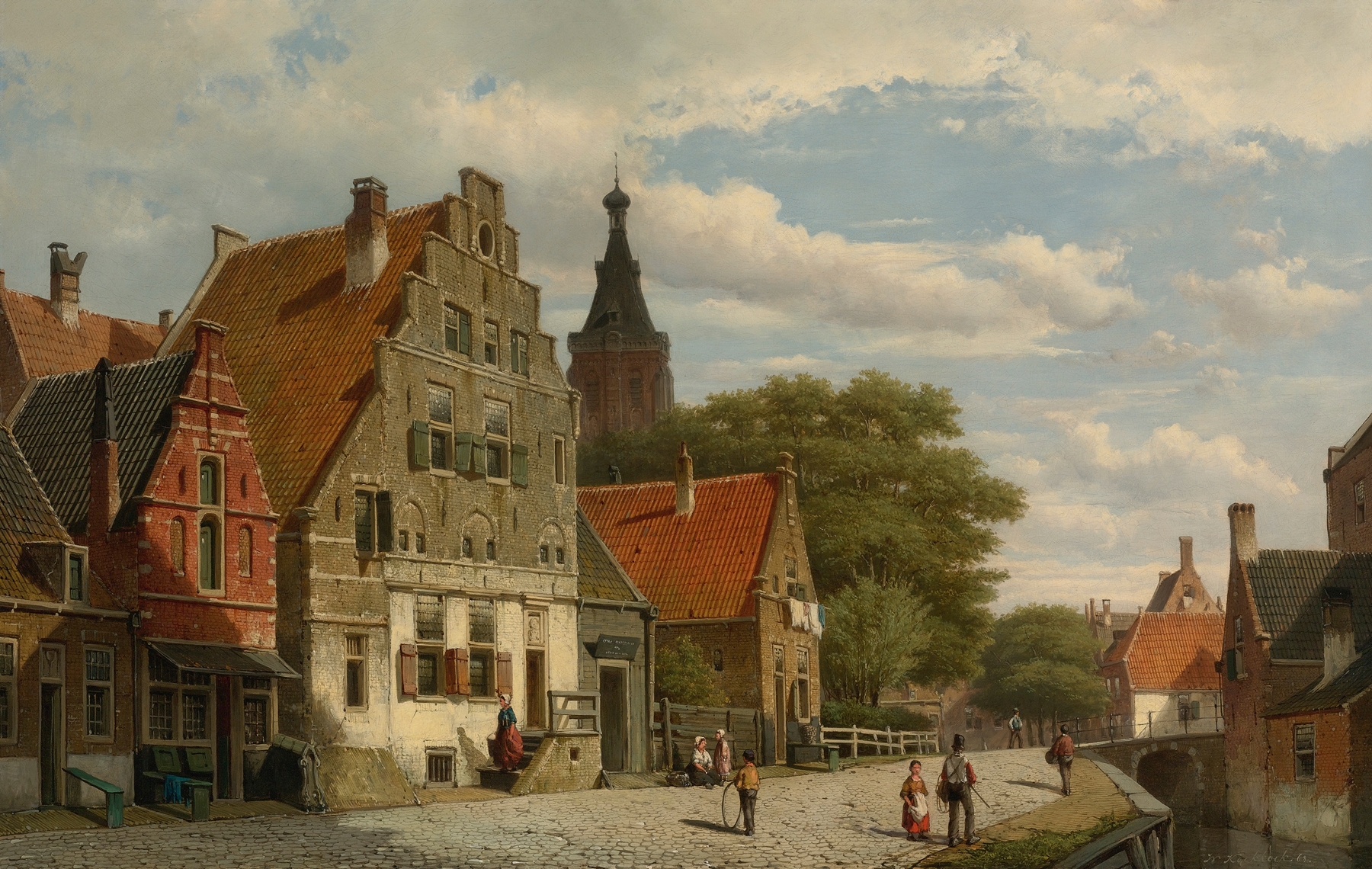
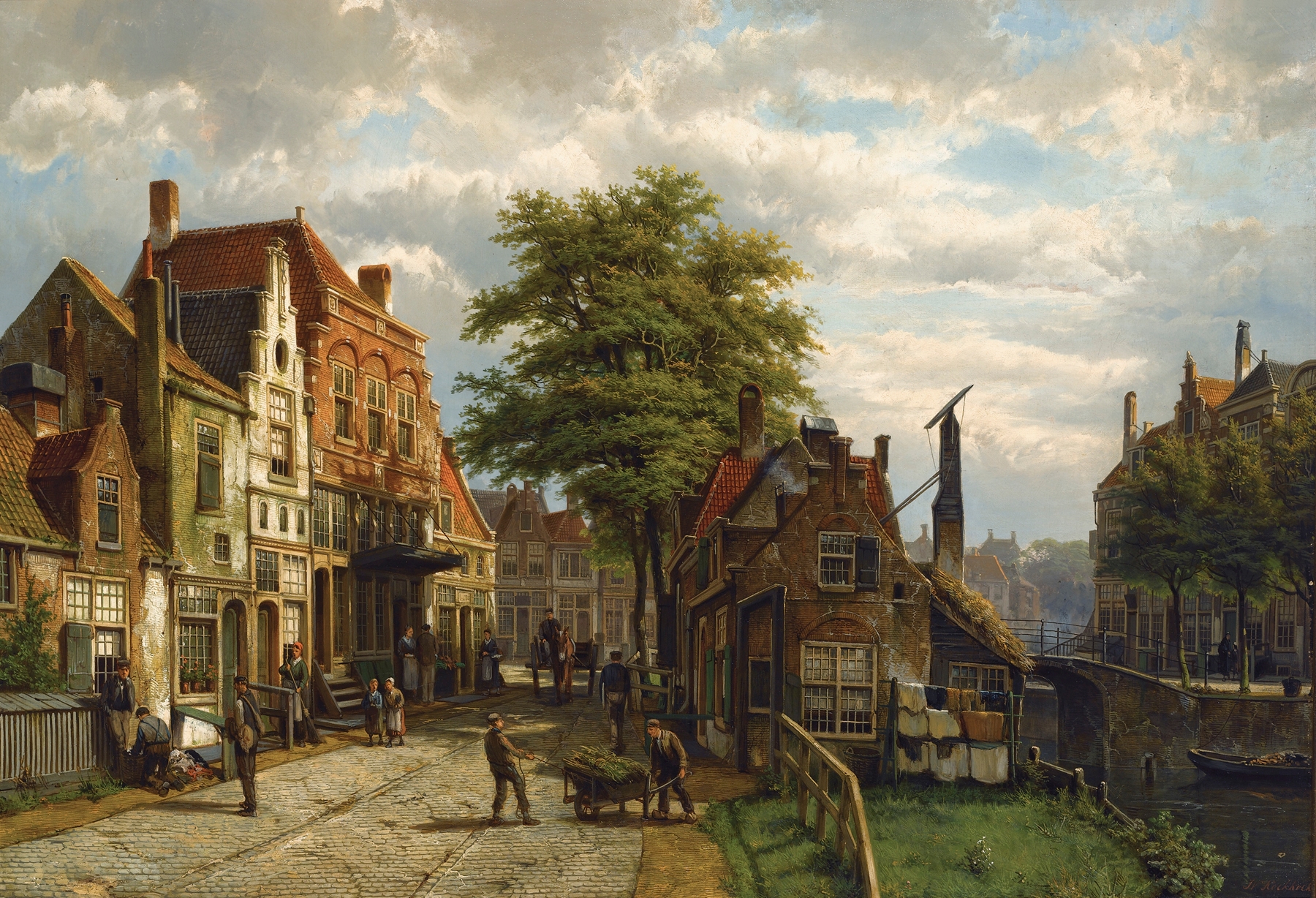
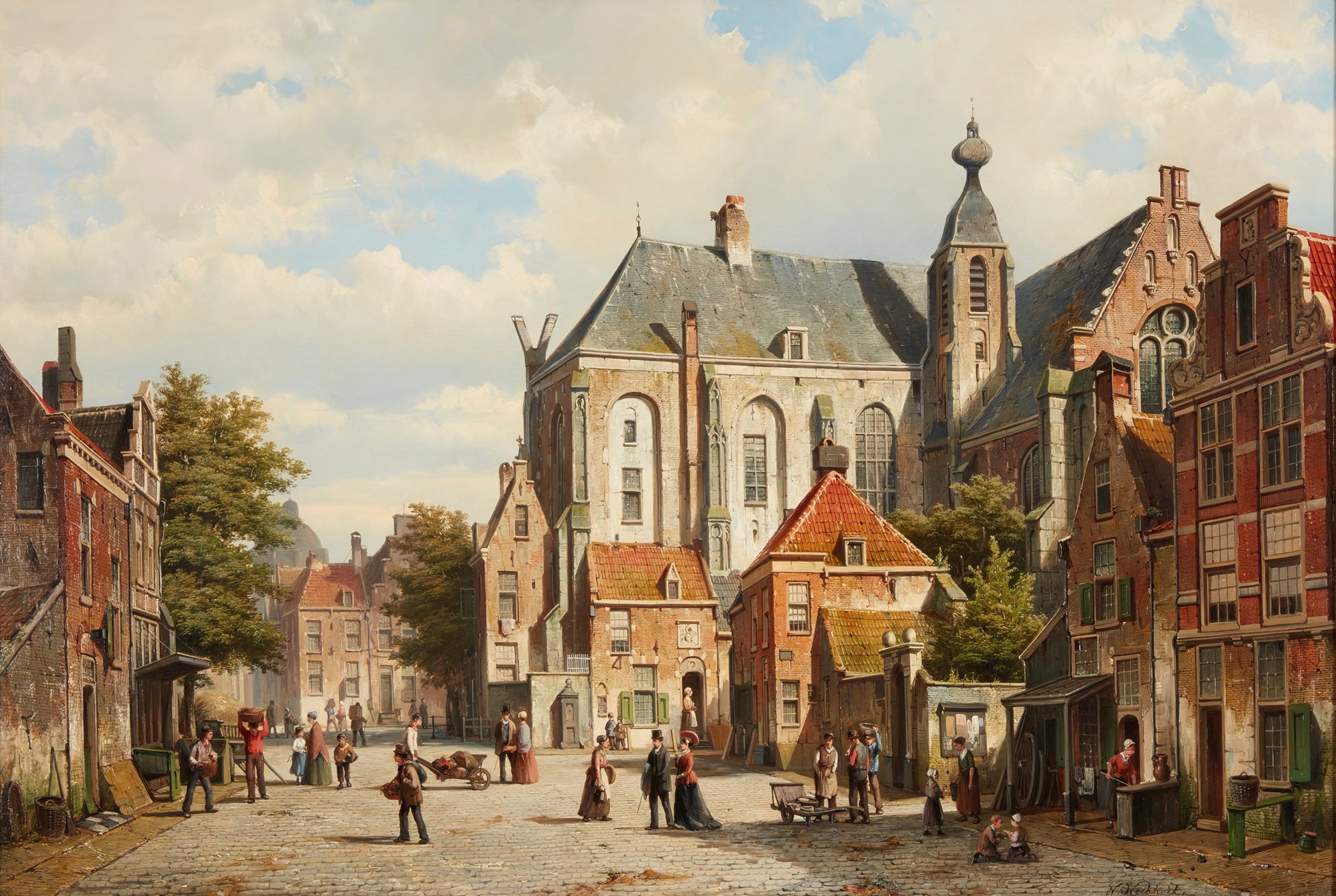
Is this a mirror — or a memory? In A Dutch Street, the canvas becomes a portal to a world where time wavers, inviting us to ponder the destinies that drift through narrow pathways, glimmering with the whispers of bygone days. Look to the left at the cobblestone streets, where the subtle play of light catches every uneven surface, illuminating the vibrant facades of quaint buildings that stand like watchful sentinels. The warm hues of ochre and muted blues harmonize beautifully, drawing us deeper into the scene.
Notice how the figures, dressed in the attire of an earlier era, appear almost ethereal, as if their very presence breathes life into the street, creating a juxtaposition between the stillness of their environment and the vibrancy of their moments. Yet, beneath this picturesque exterior lies a more profound commentary on the passage of time. The shadows stretch long, suggesting both the inevitability of change and the potential for rebirth. The solitary figure in the foreground, gazing off into the distance, evokes a sense of yearning, hinting at dreams unfulfilled or paths not taken.
Each aspect of the composition intertwines to remind us of the delicate dance between memory and destiny, where every choice leads us down a unique avenue. Willem Koekkoek painted this work during a period marked by a fascination with realism and the portrayal of everyday life in the 19th century. Living in the Netherlands, he was deeply influenced by the rich traditions of Dutch painting and the evolving art scene that sought to capture not just landscapes but also the intimate narratives of urban life.