Winter In The Streets Of A Dutch Town — History & Analysis
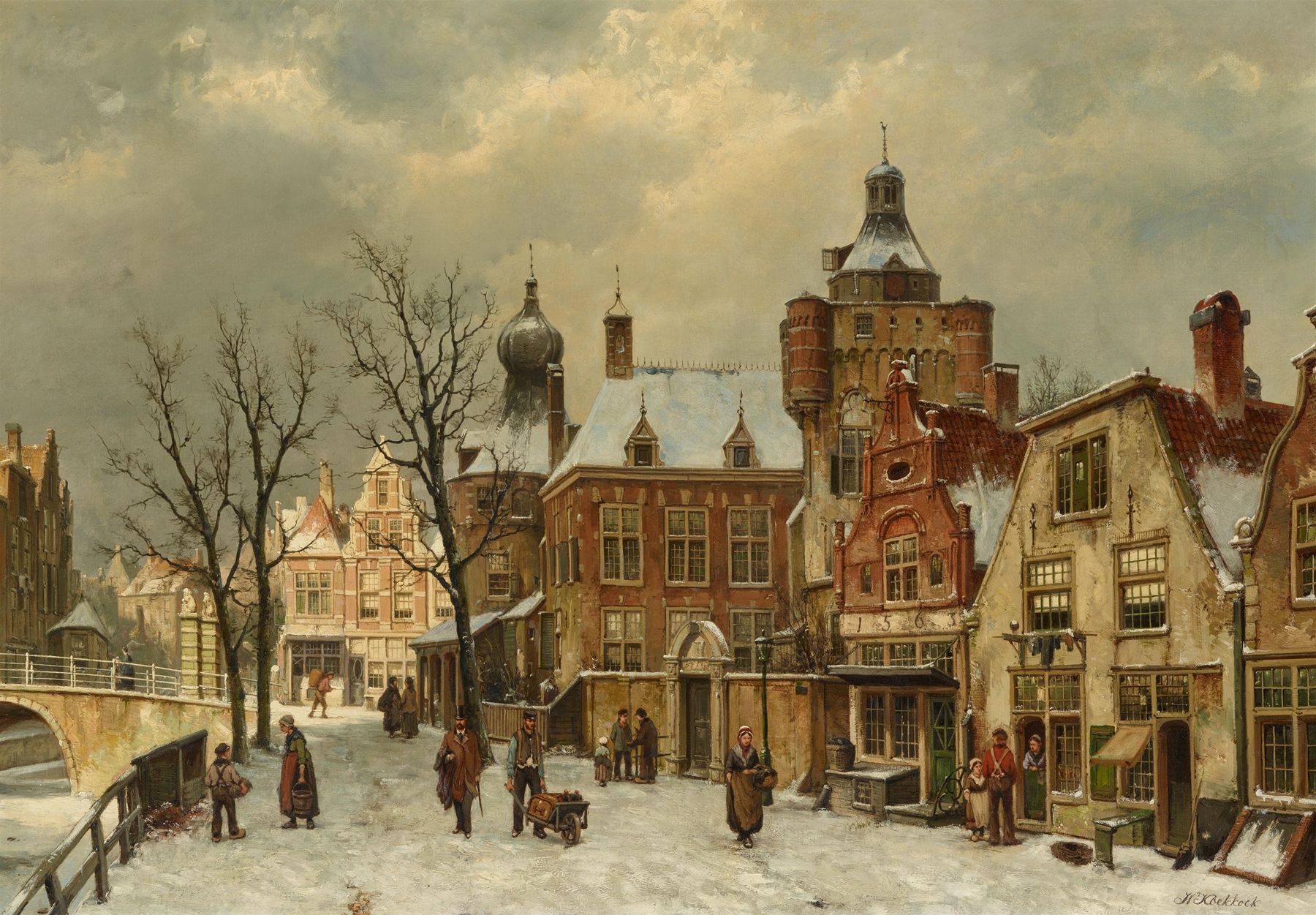
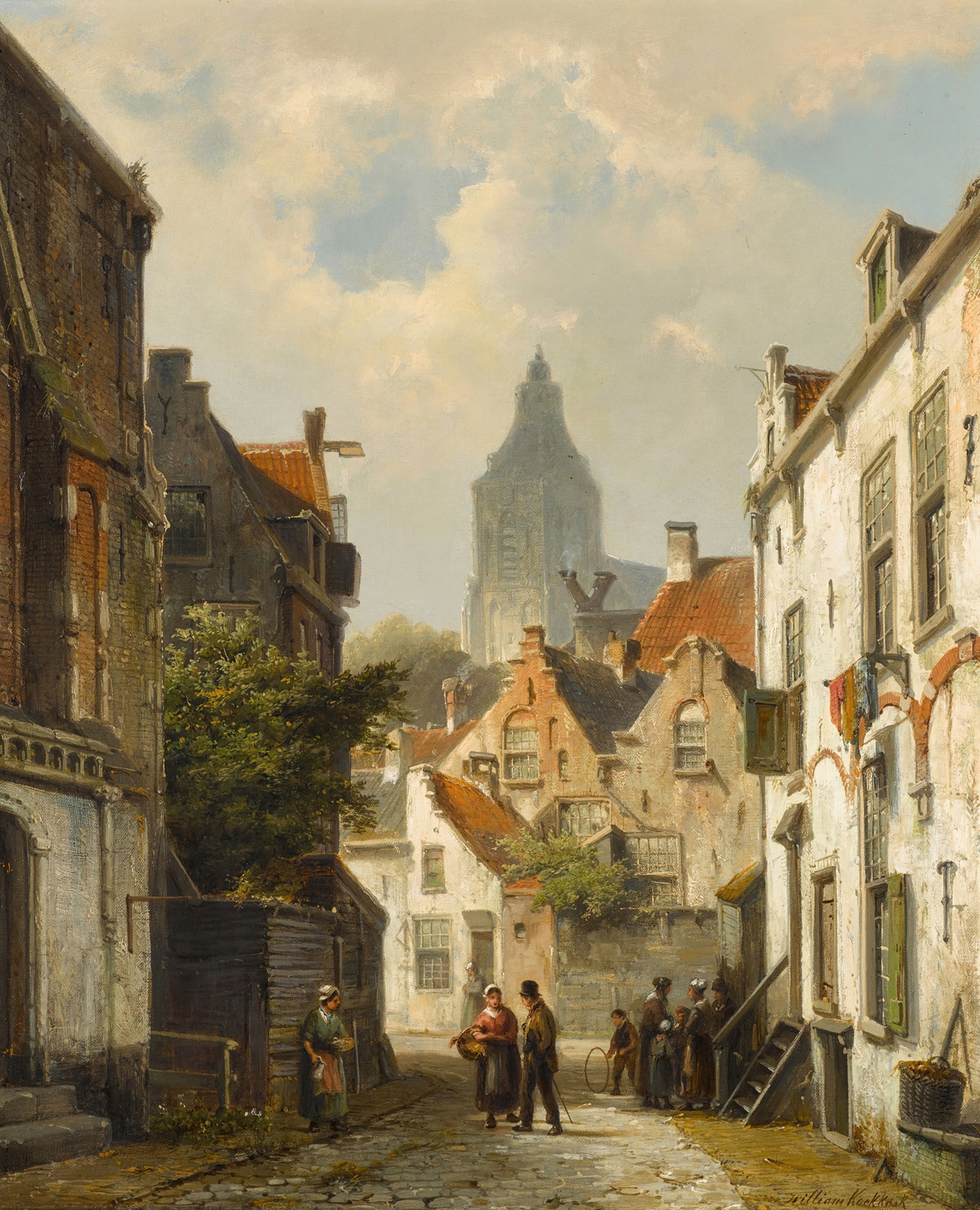
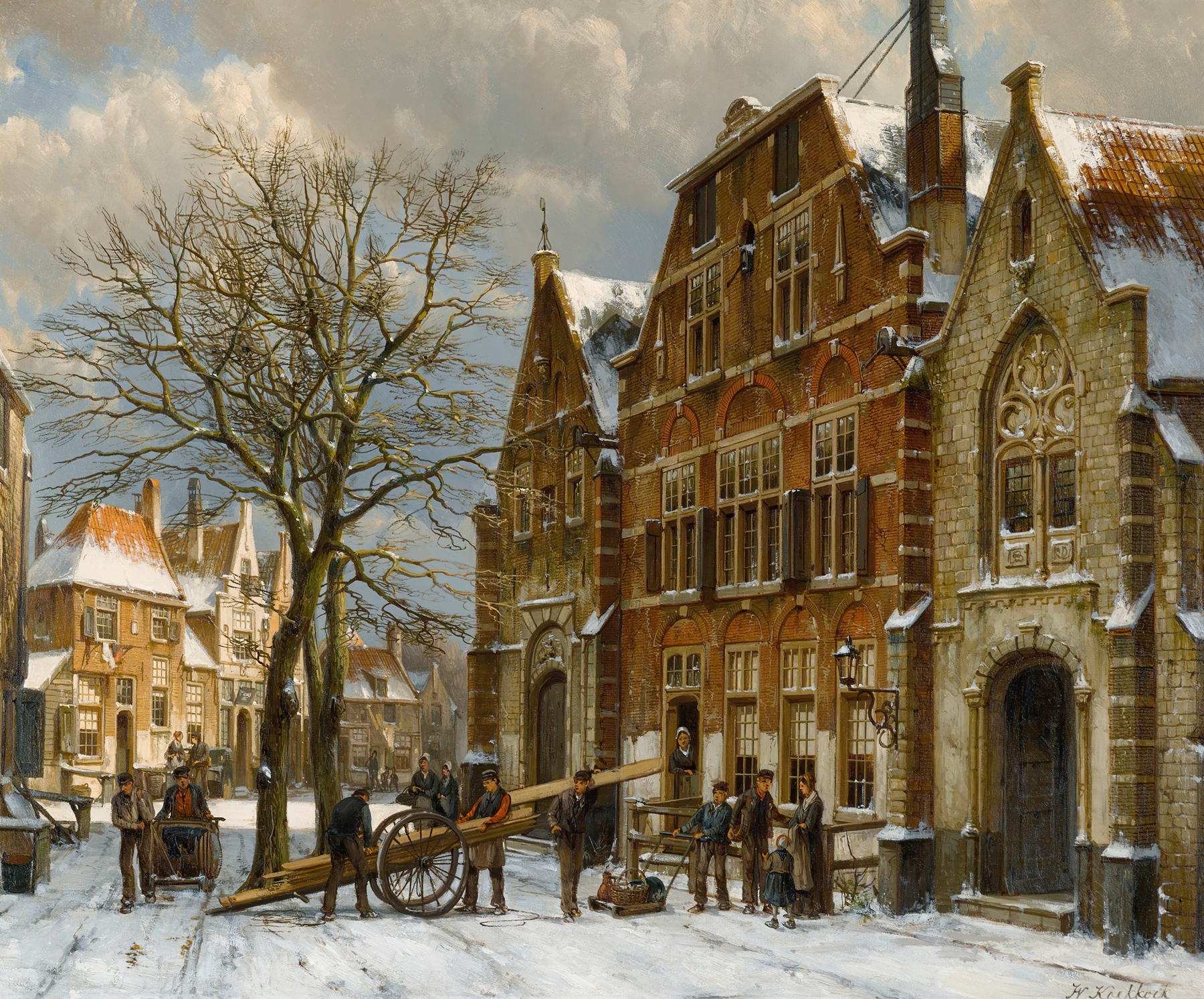
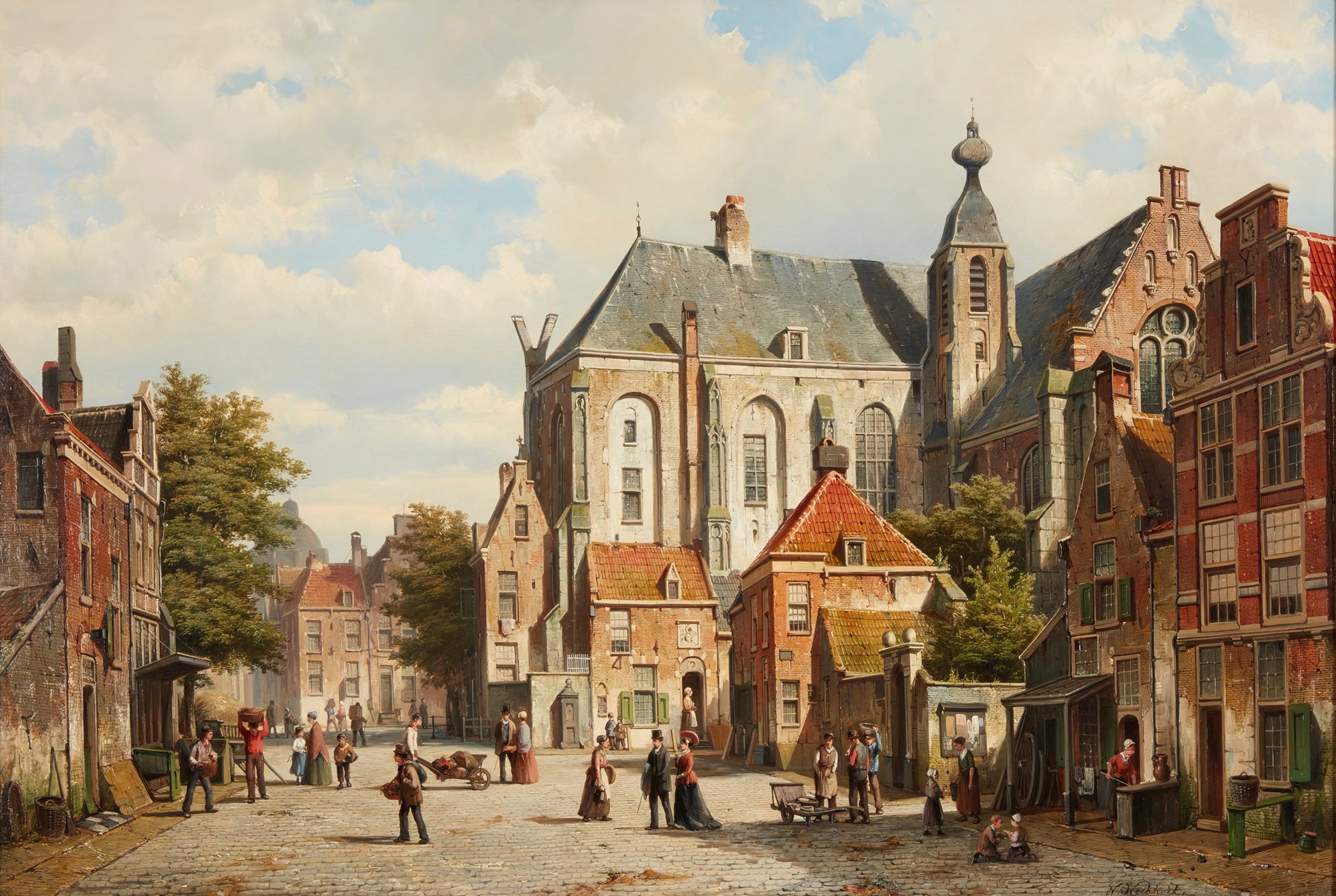
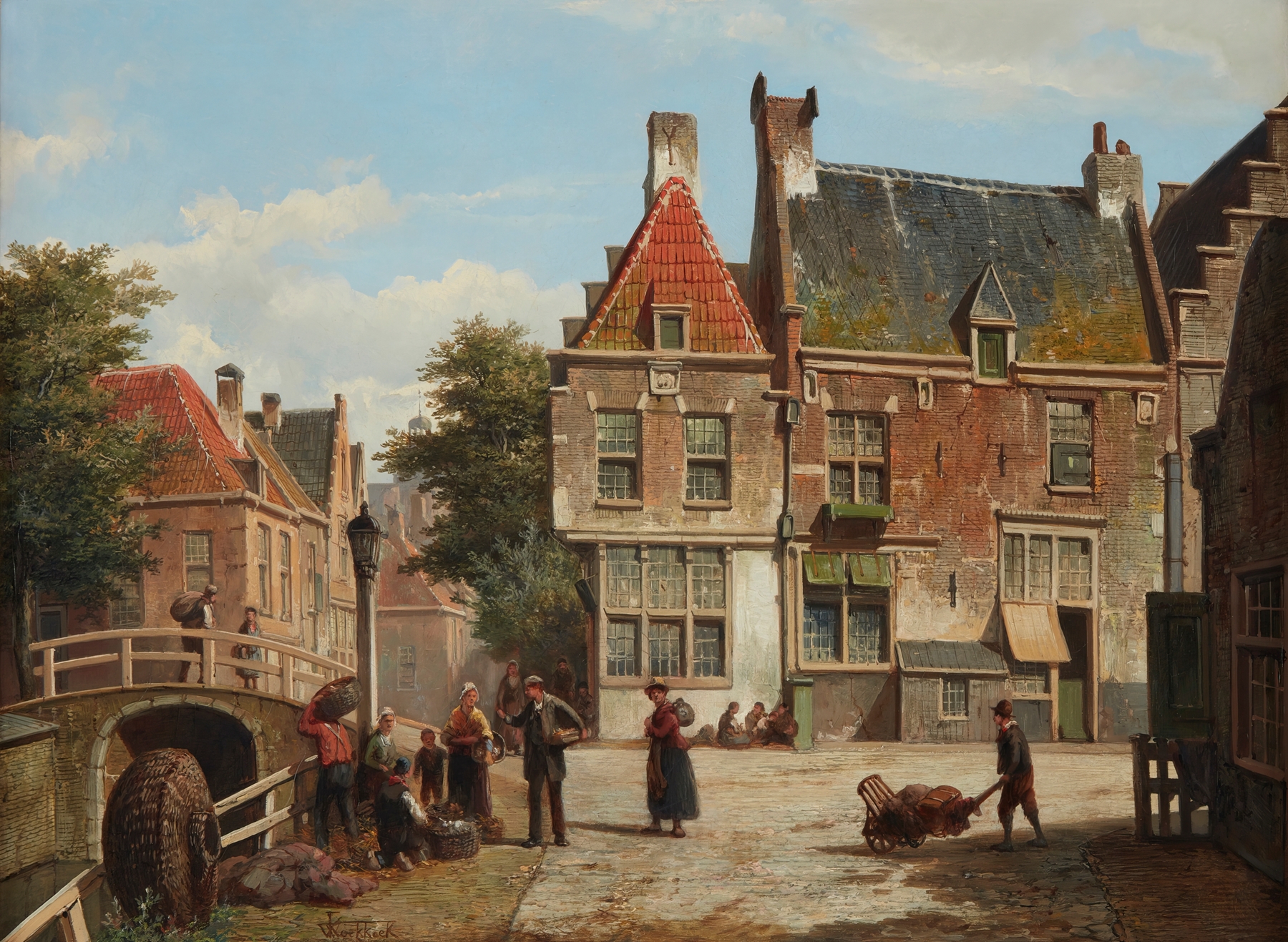
Where does light end, and longing begin? In the chilly embrace of a Dutch winter, the streets pulse with a haunting fear, manifesting in whispers and shadows. Look to the right at the narrow, cobblestoned path leading into the distance, flanked by old, gabled buildings. The muted palette of blues and grays dominates, evoking a sense of coldness, both physical and emotional. Notice how the light, pale and shivering, barely touches the windows, reinforcing a feeling of isolation.
Each figure, bundled in heavy coats, moves quietly, their gestures suggesting an urgency or an unspoken dread in the crisp air. Delve deeper into the scene, and you'll find layers of contrast. The warmth within the buildings serves as a poignant reminder of comfort, yet outside, the icy atmosphere creates a palpable tension. The figures, though part of the same community, are emotionally distanced, hinting at a collective fear of the harshness beyond their doorsteps.
Together, they embody the struggle between the safety of home and the trepidation of the unknown. Willem Koekkoek, active during the 19th century, painted this evocative scene amidst a shifting art world. Known for his depictions of city life, he captured the essence of societal moments during a time marked by industrialization and urban change. The atmosphere of vulnerability and resilience in his work reflects not just personal insights, but also the collective anxiety of an era grappling with modernity.