A Forest Glade — History & Analysis
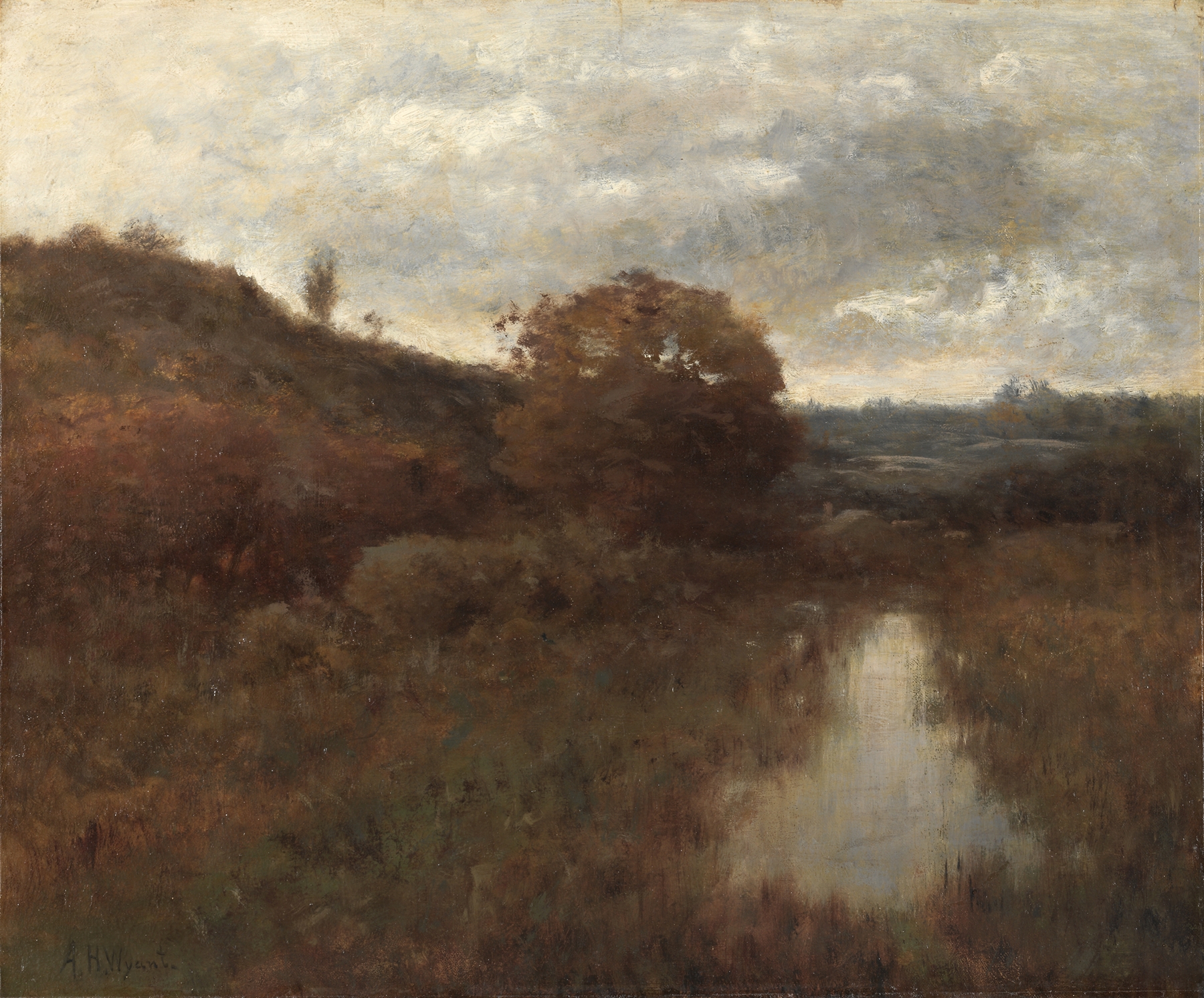
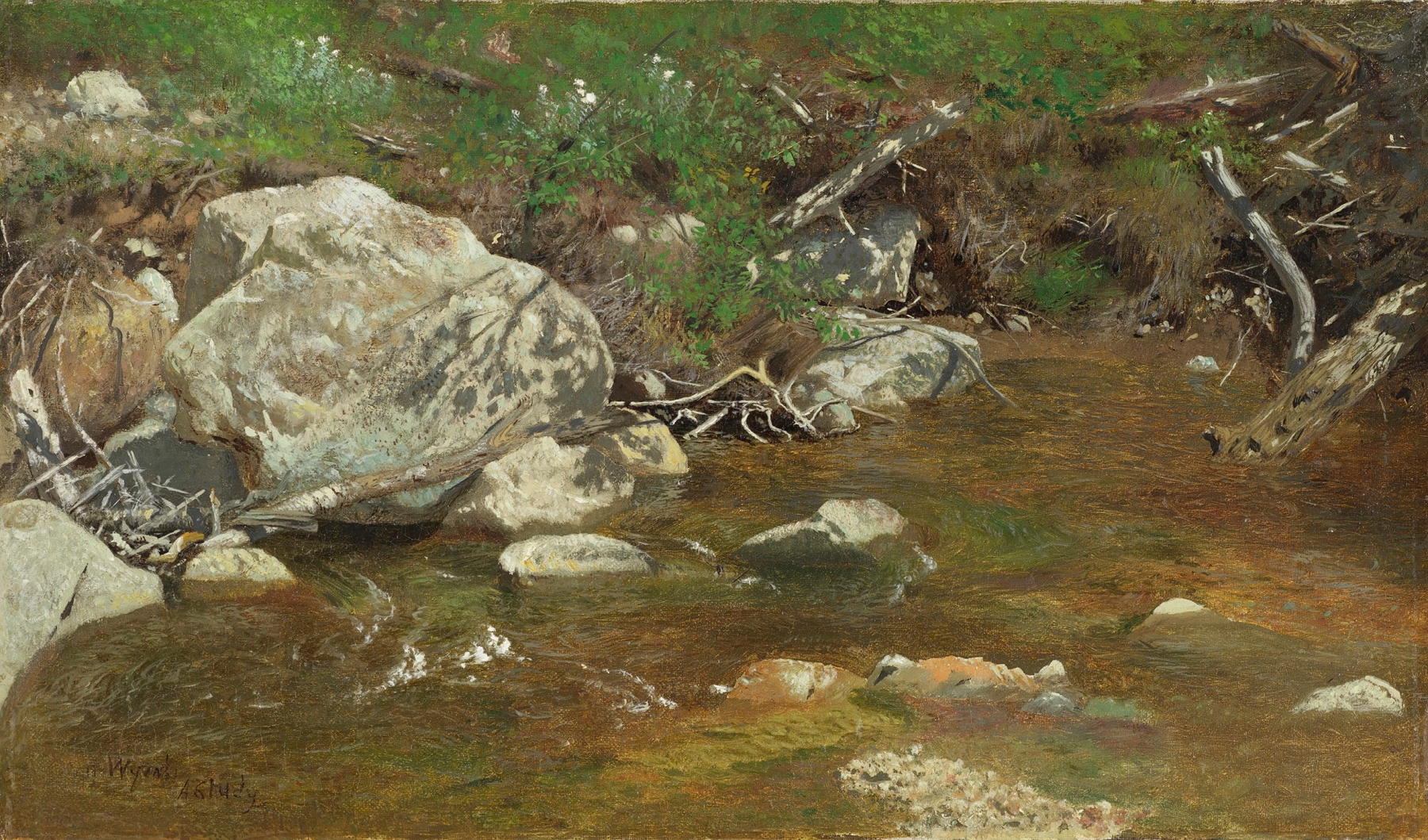
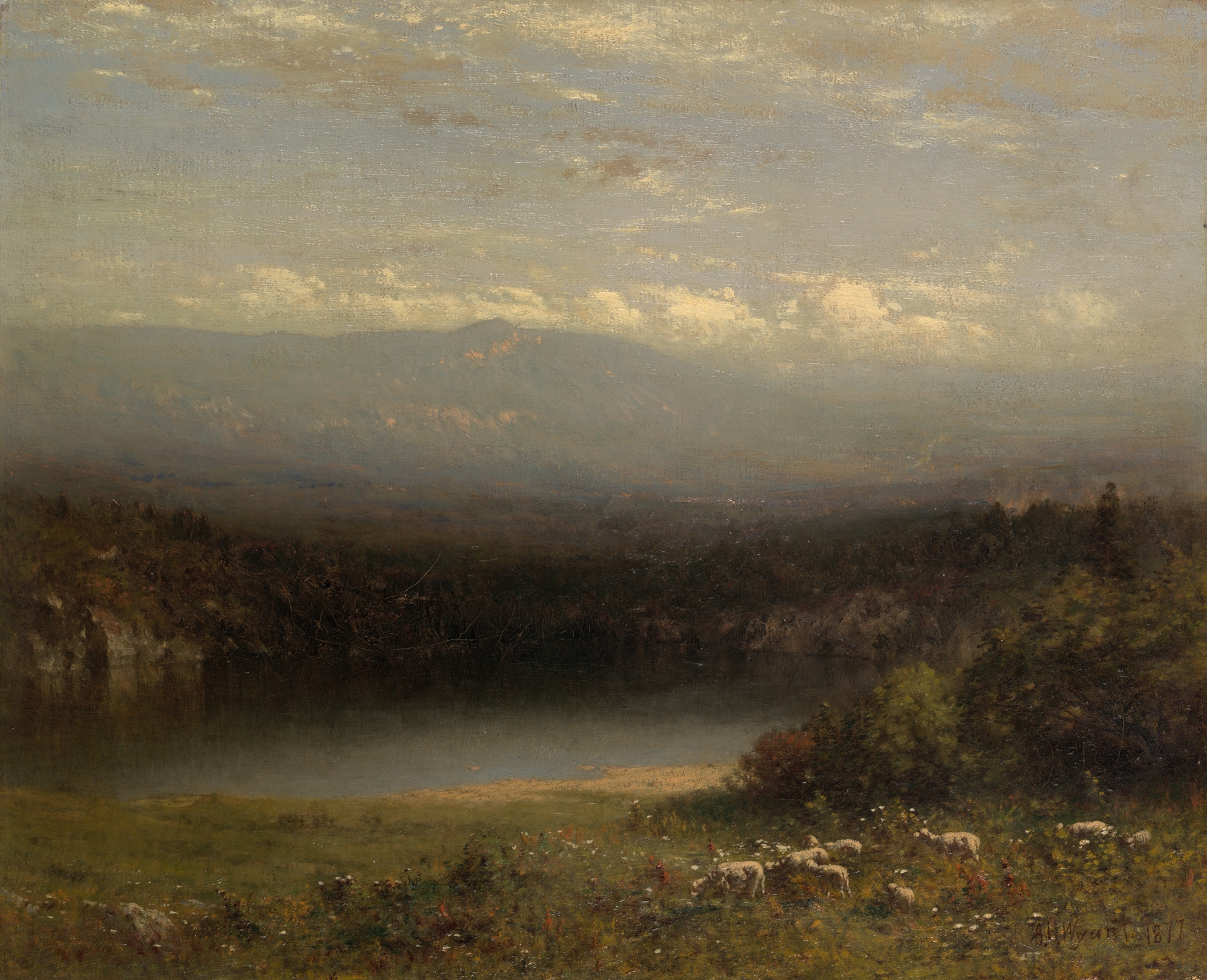
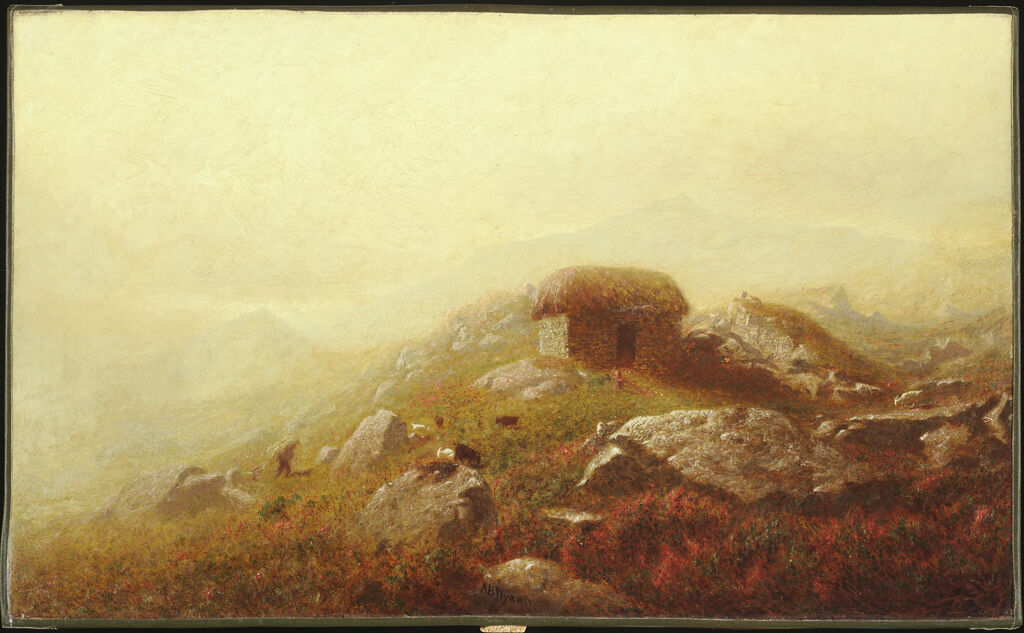
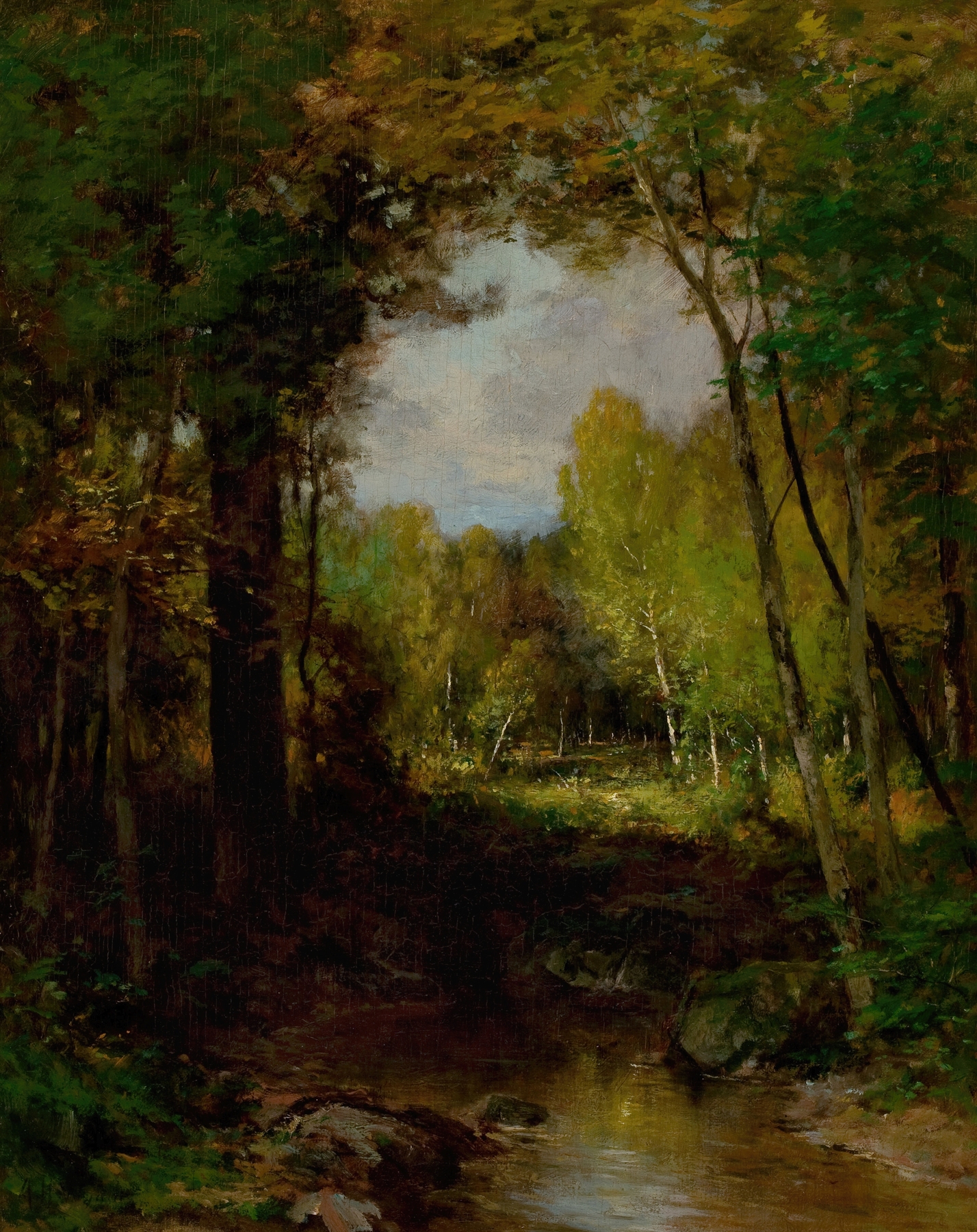
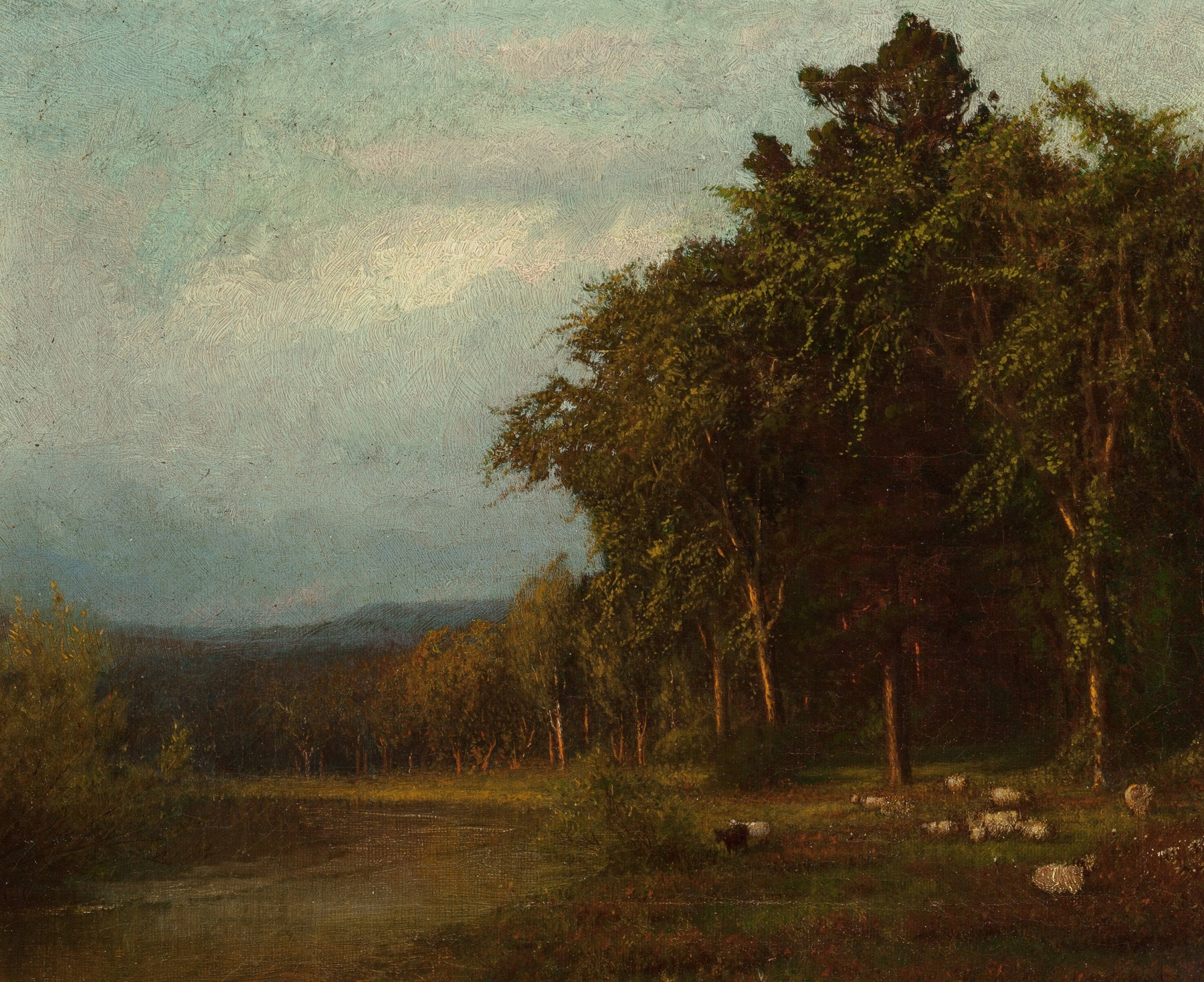
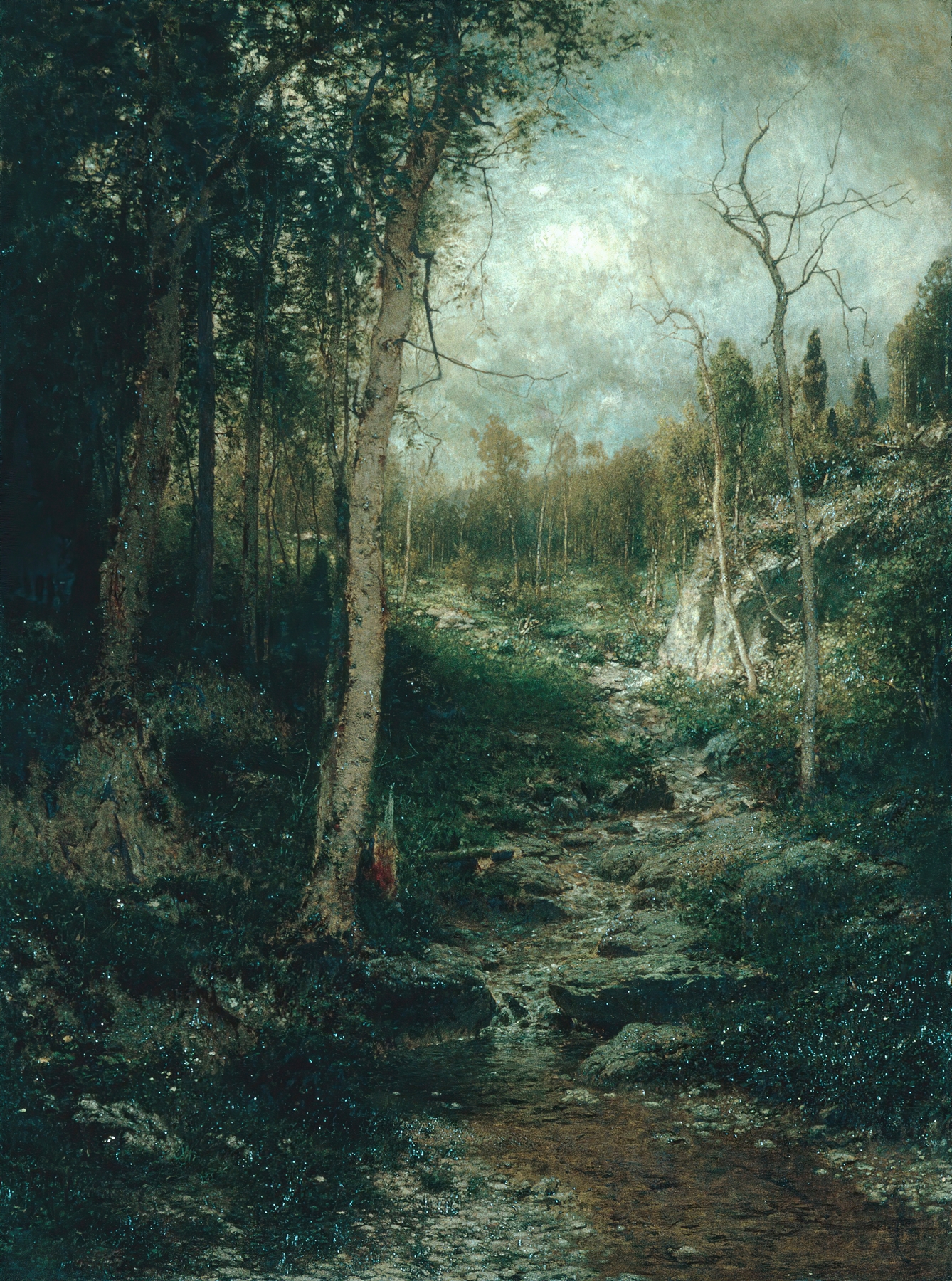
“Under the brush, chaos becomes grace.” In a world where moments slip like whispers through the fingers of time, nature stands still, offering reflections of eternity. Focus on the interplay of sunlight filtering through the verdant canopy. Look to the center, where dappled light bathes the forest floor, revealing a tapestry of greens and earthy browns. Notice the soft, blending strokes that evoke the gentle rustle of leaves, inviting you to step into this serene sanctuary.
The composition draws the eye deeper into the glade, creating an enchanting sense of depth and tranquility. The contrasting elements of shadow and light suggest a dialogue between the fleeting and the eternal. Each brushstroke carries a pulse—the vivid hues of life juxtaposed with the calming shadows of encroaching dusk. The delicate playfulness of the scene may provoke thoughts on the passage of time, where what is vibrant may soon fade, yet remains infinitely beautiful in memory.
The stillness captures a moment that transcends the chaos of daily life, urging one to pause and reflect. In 1882, A Forest Glade emerged from Alexander Helwig Wyant’s canvas during a period of exploration within the American landscape painting movement. He was deeply influenced by the natural world, seeking to capture its sublime qualities at a time when industrialization loomed on the horizon. This was a pivotal moment for many artists as they grappled with the balance between nature and modernity, striving to preserve the beauty of untouched wilderness through their art.