Misty Morning Near the Lakes of Killarney — History & Analysis
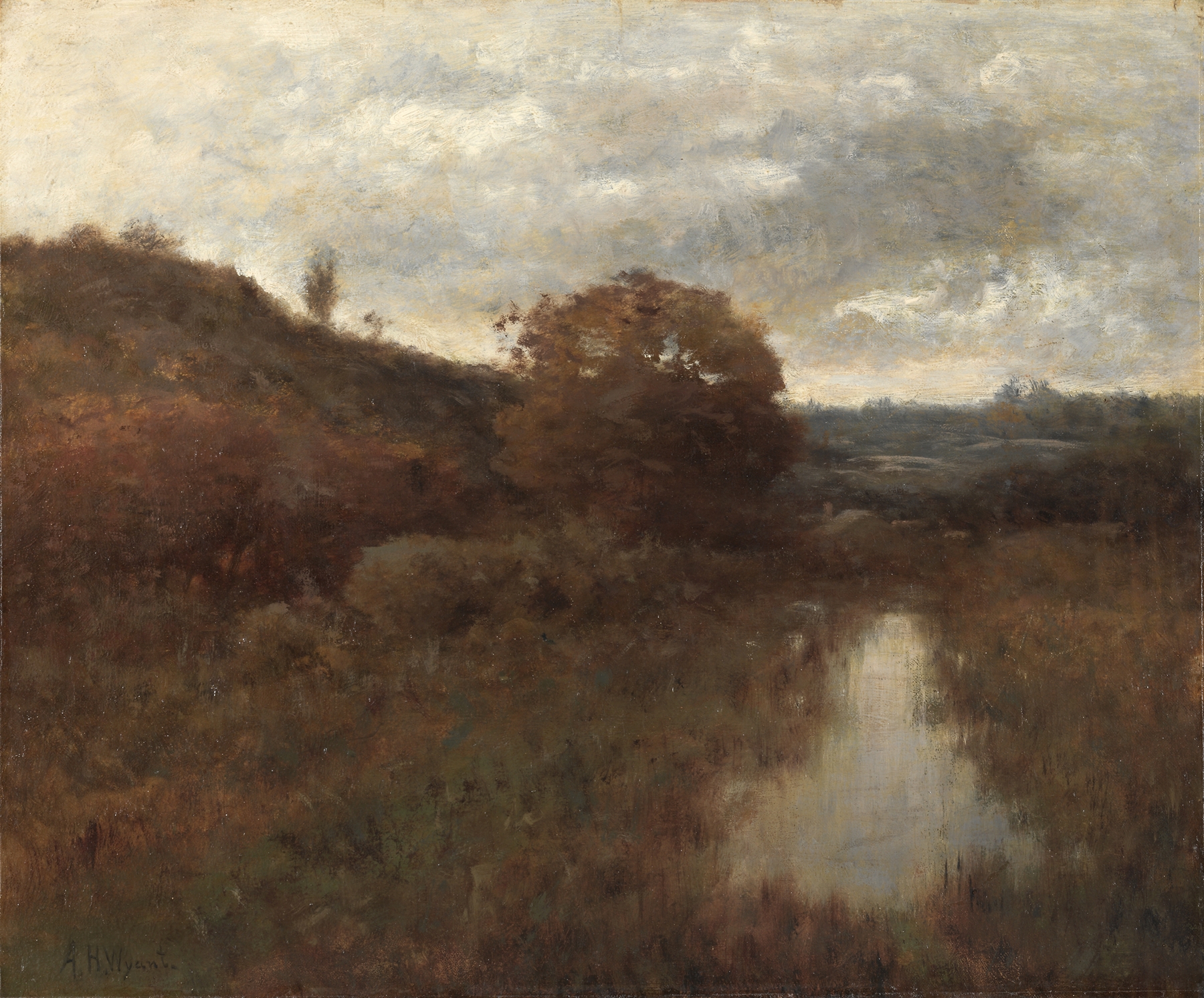
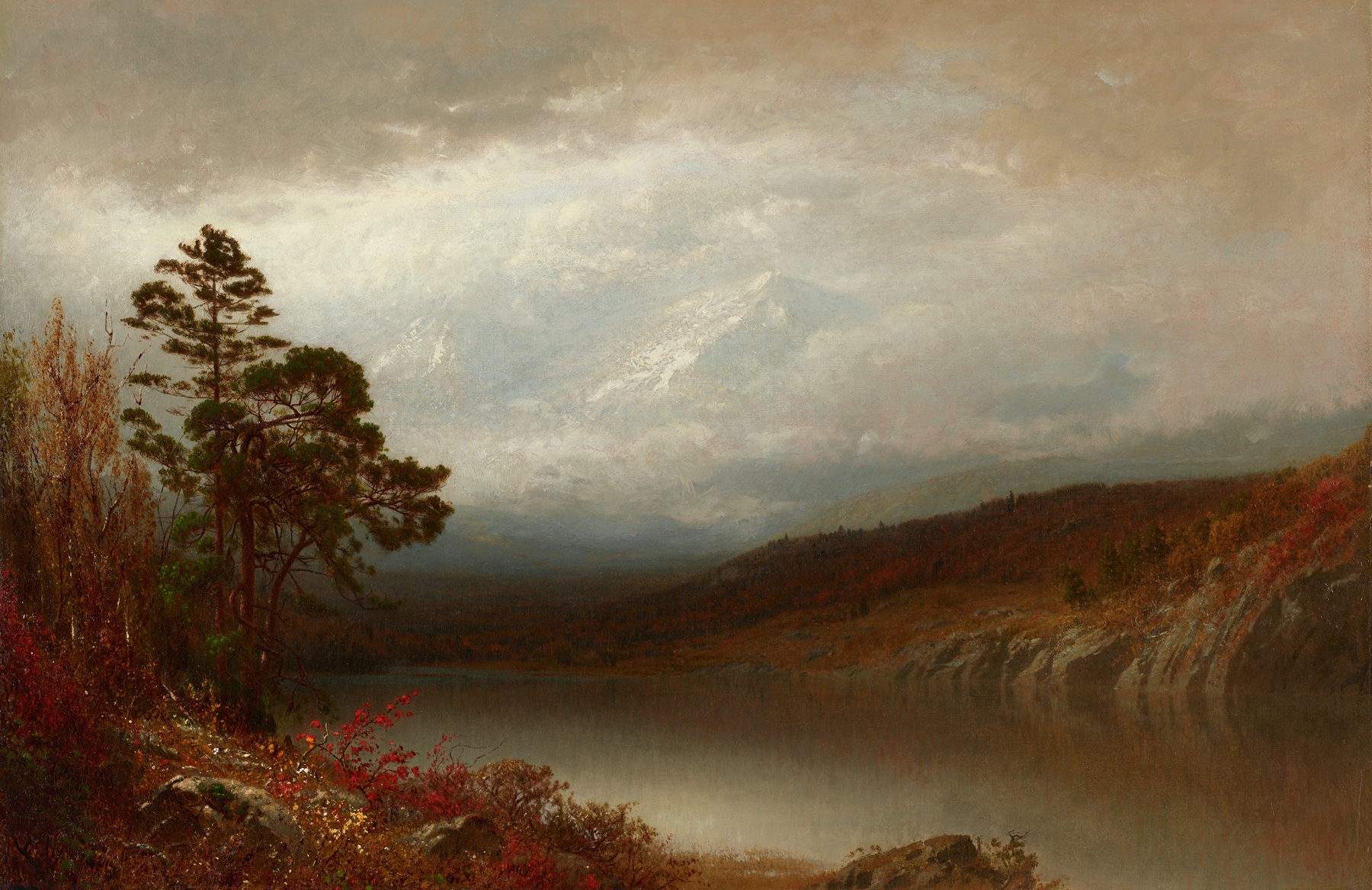
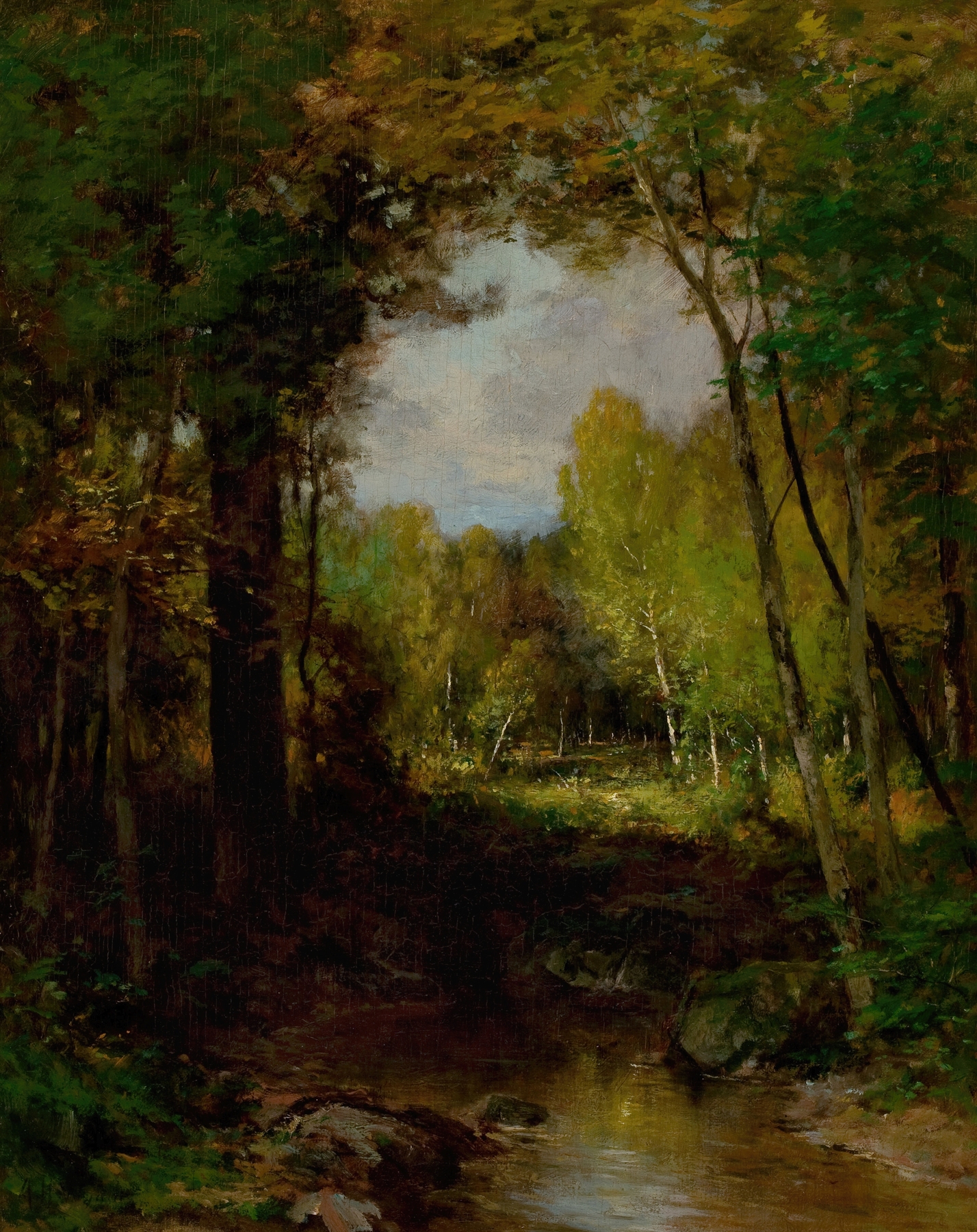
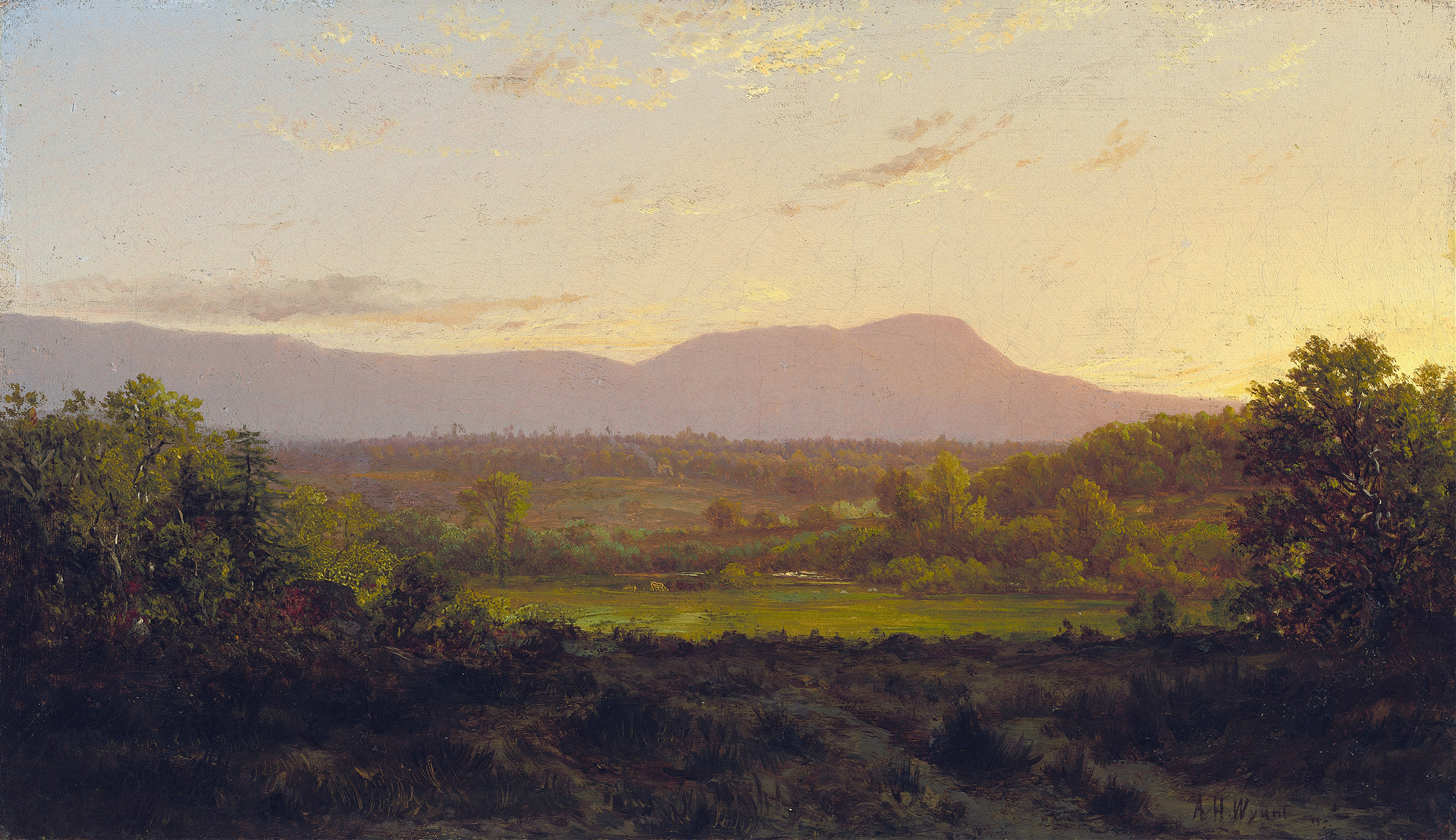
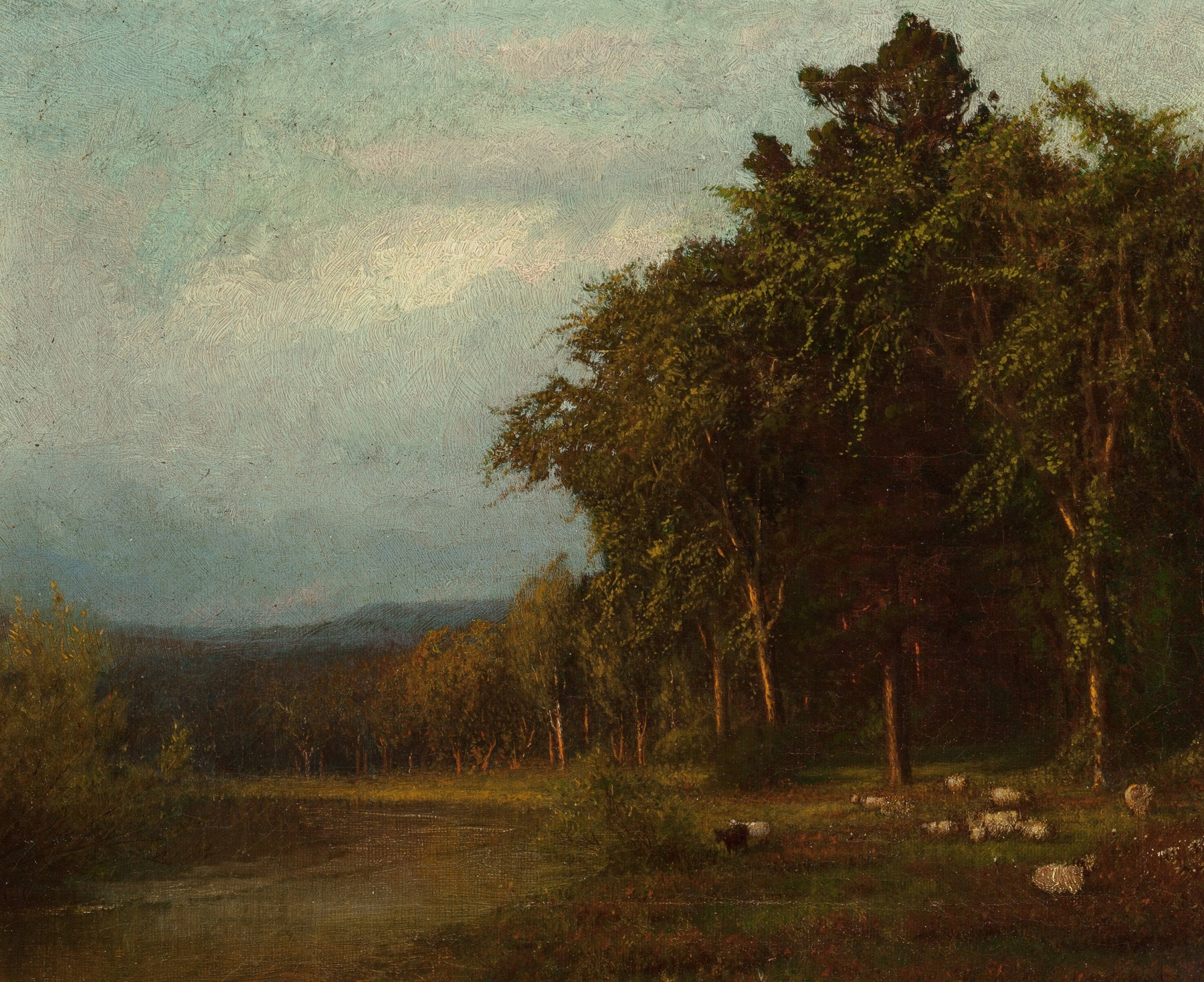
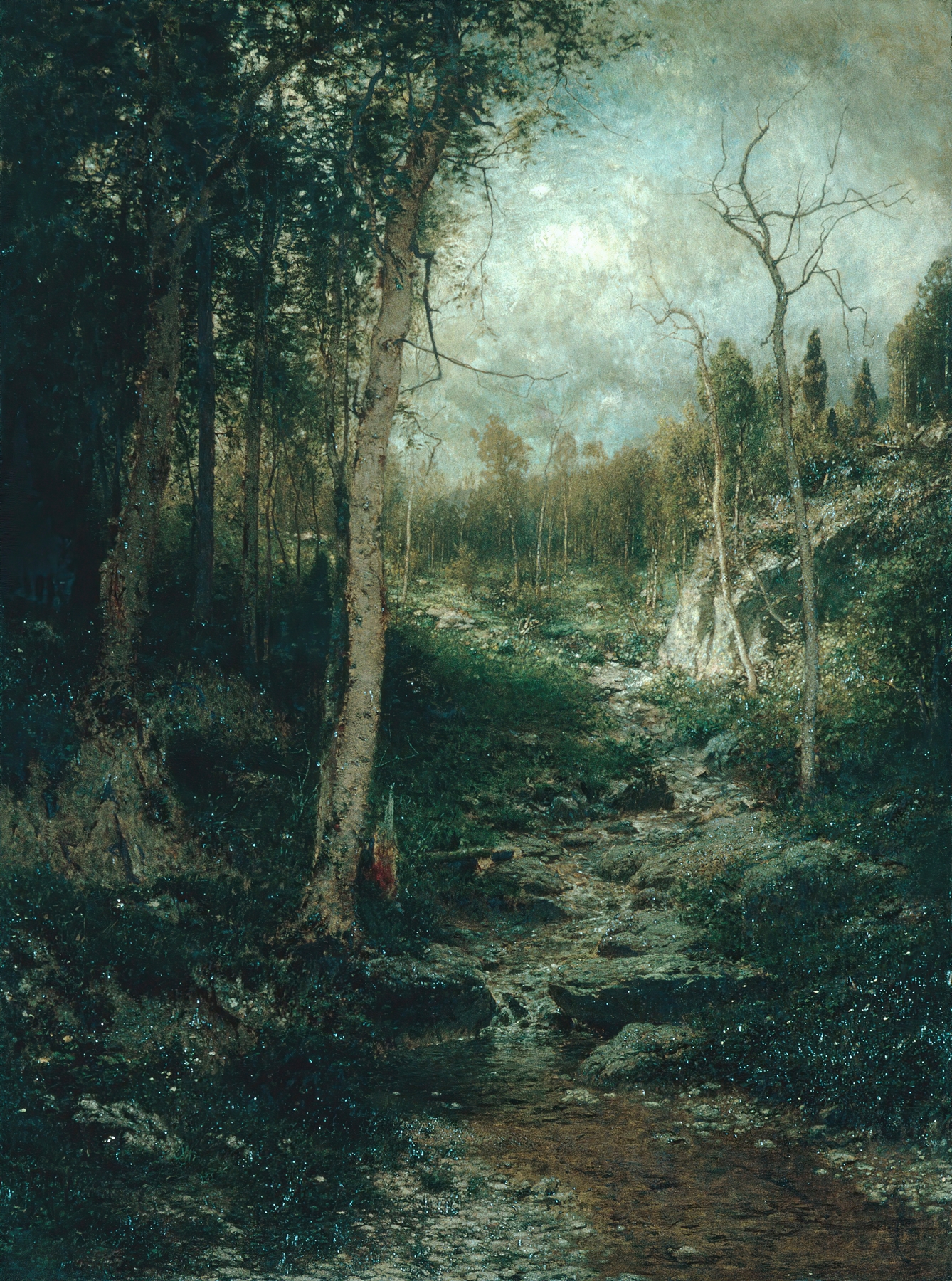
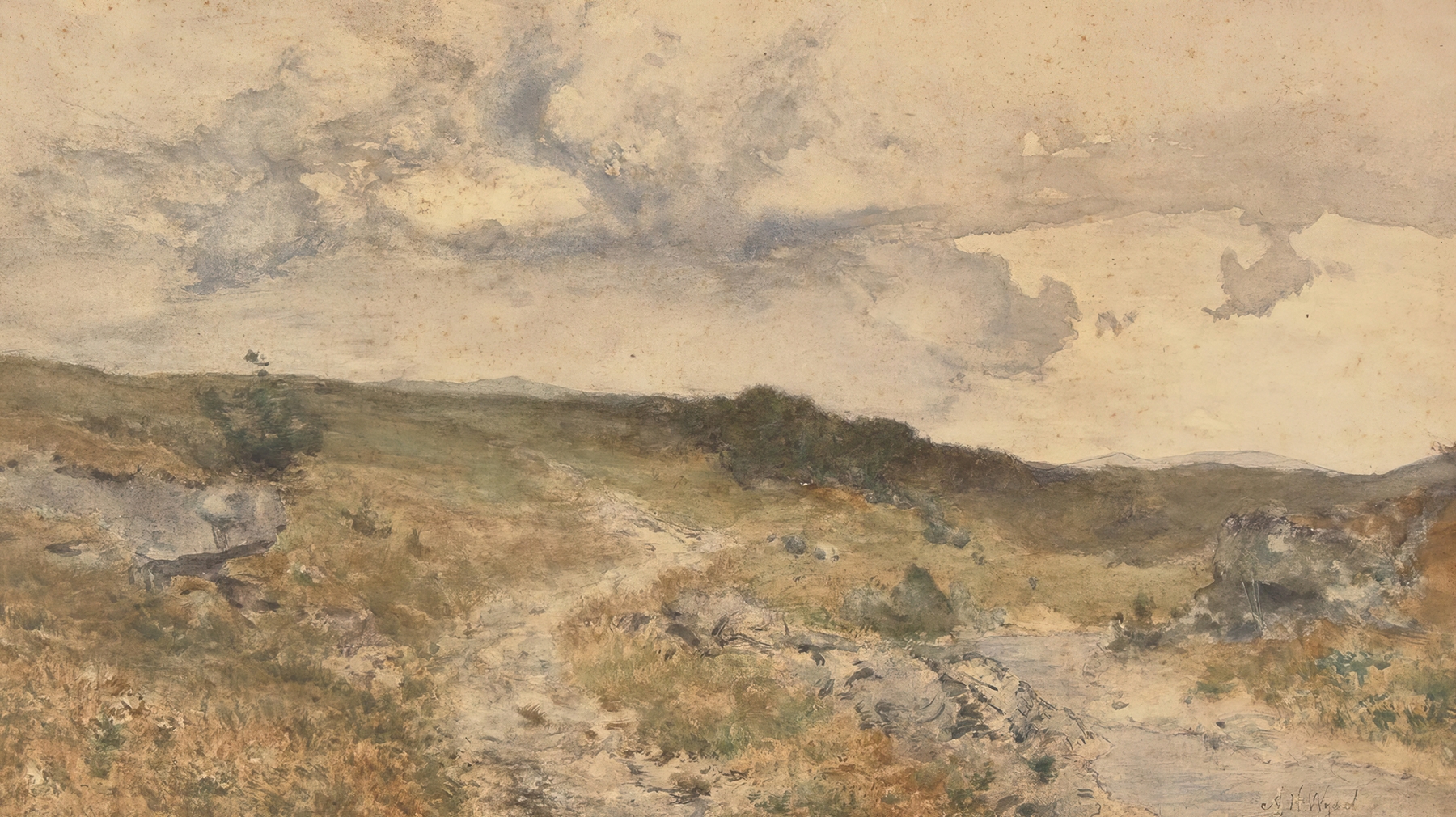
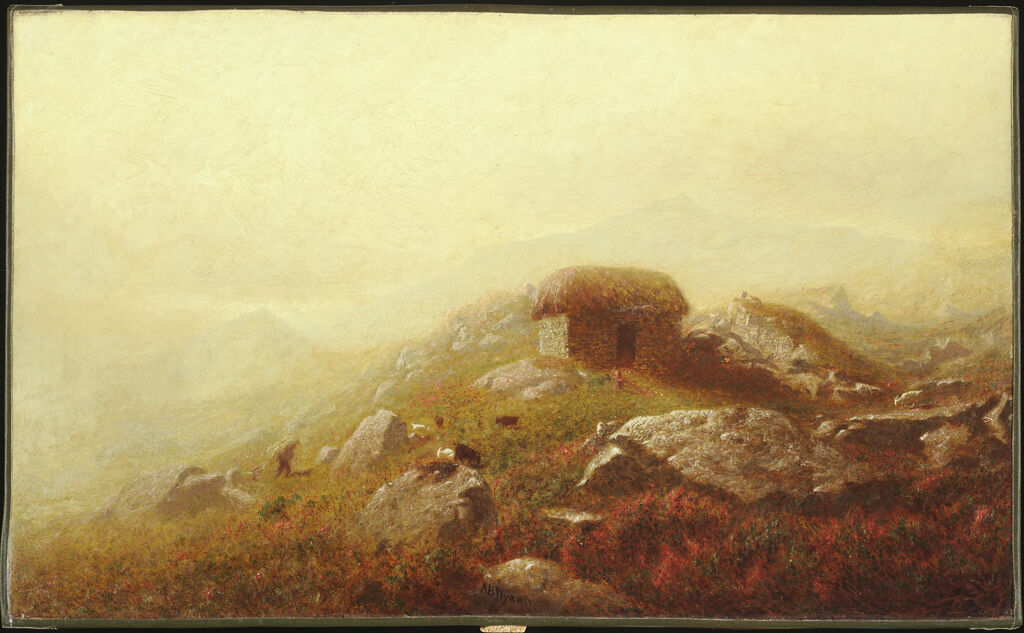
What if beauty was never meant to be finished? In Misty Morning Near the Lakes of Killarney, the ethereal atmosphere suggests that nature’s allure is an everlasting journey, forever unfolding yet never fully captured. Look to the left at the mist that gently caresses the surface of the water. Notice how the soft blues and muted greens blend harmoniously, creating an impression of tranquil serenity.
The brushwork is fluid, evoking a sense of movement as the fog rolls in, blurring the boundaries between land and sky. Each stroke seems to whisper the untold stories of the landscape, inviting viewers to step closer and lose themselves in the haze. Delve deeper into the scene, where the interplay of light and shadow reveals the emotional tensions at play. The distant hills, shrouded in fog, symbolize the allure of the unknown, while the stillness of the foreground reflects a moment of pause before the day begins.
This juxtaposition evokes a sense of nostalgia, hinting at the impermanence of beauty and the fleeting nature of time, as if the viewer stands on the edge of a memory that is both vivid and elusive. During the years Misty Morning Near the Lakes of Killarney was created, Wyant was immersed in the American artistic movement influenced by the Hudson River School, emphasizing the profound connection between nature and emotion. He painted this work around 1873-1875, during a period when he was exploring atmospheric effects in his landscapes, aiming to capture not just what he saw but also what he felt amidst the breathtaking beauty of the natural world.