Housatonic Valley — History & Analysis
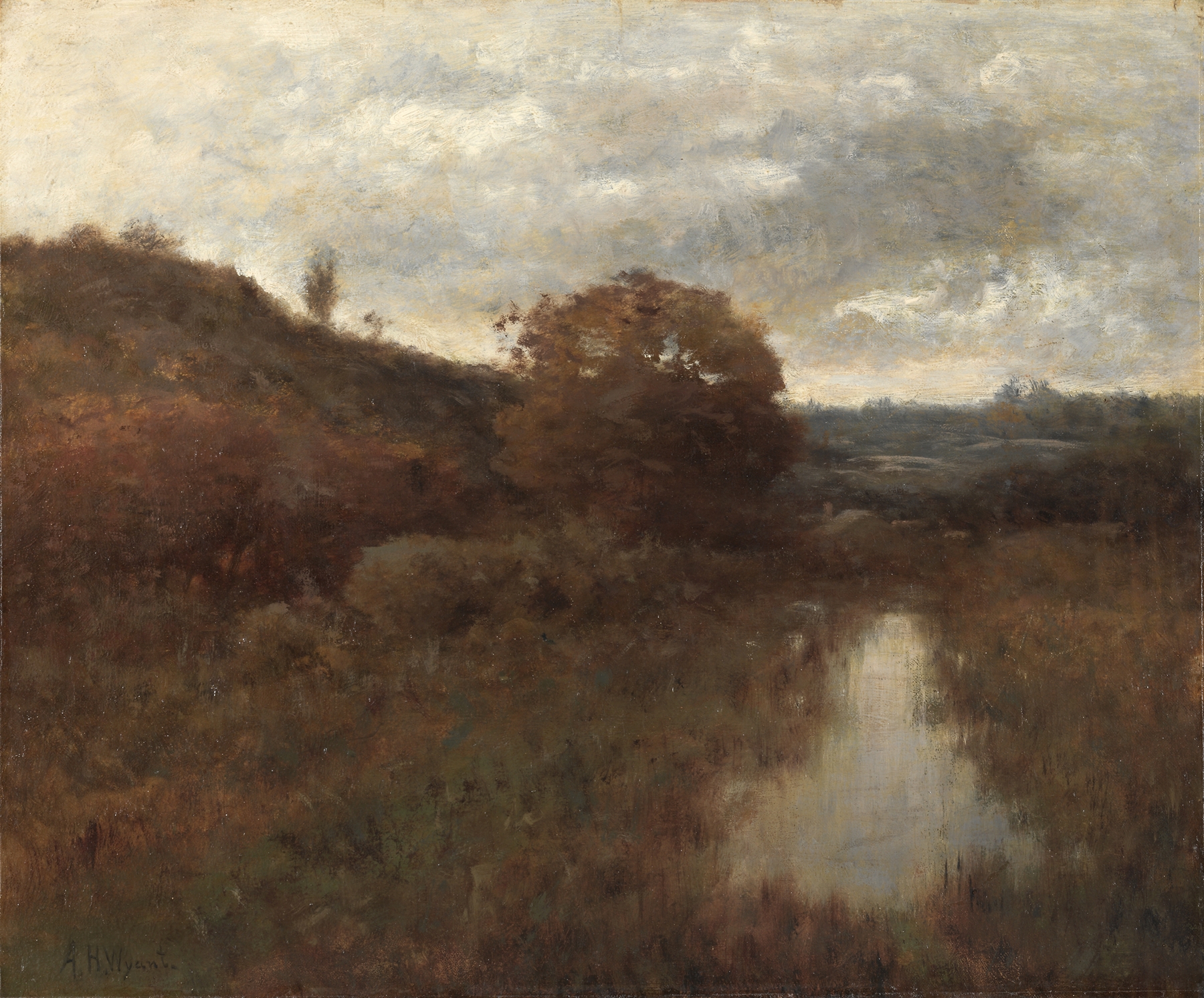
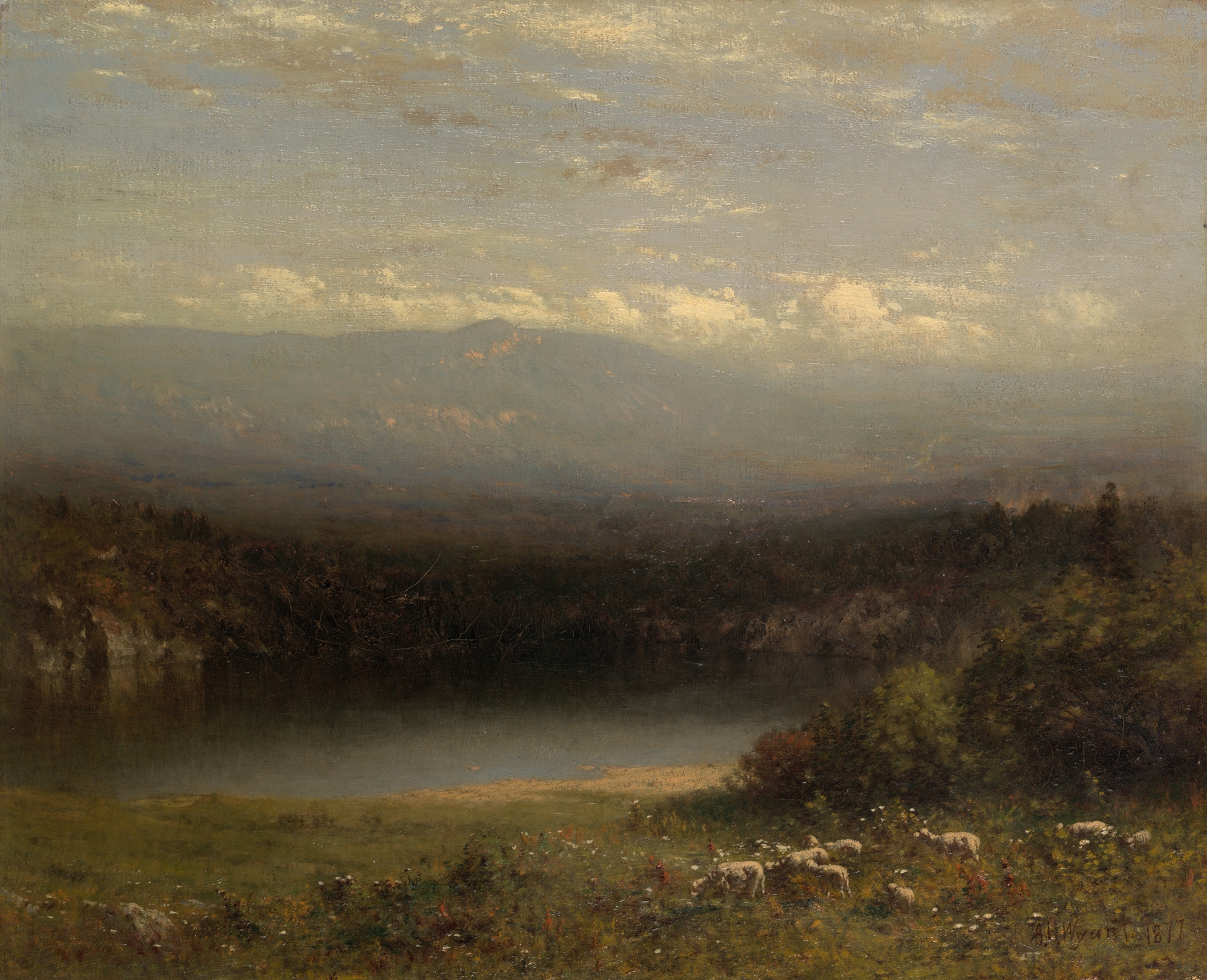
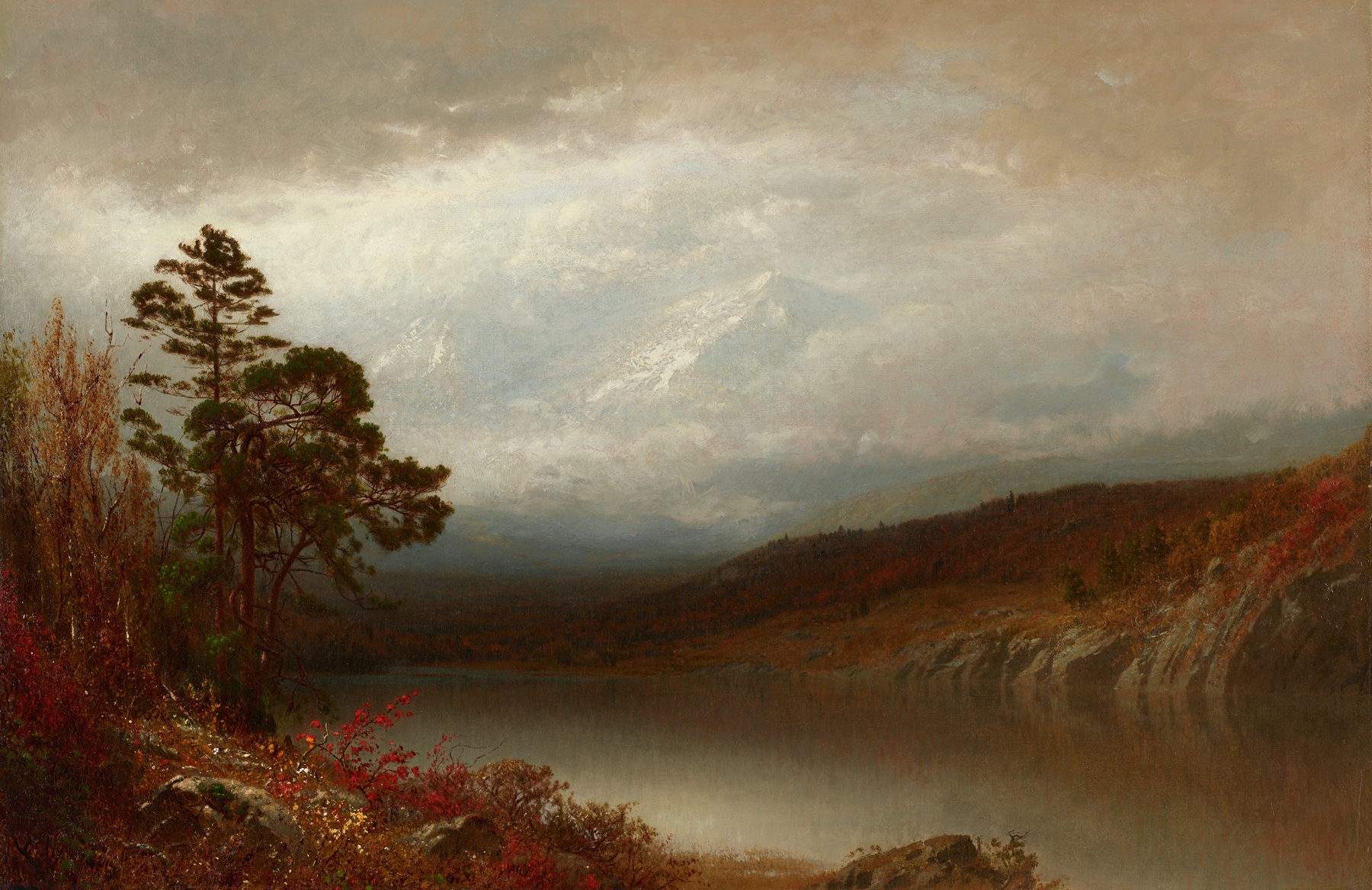
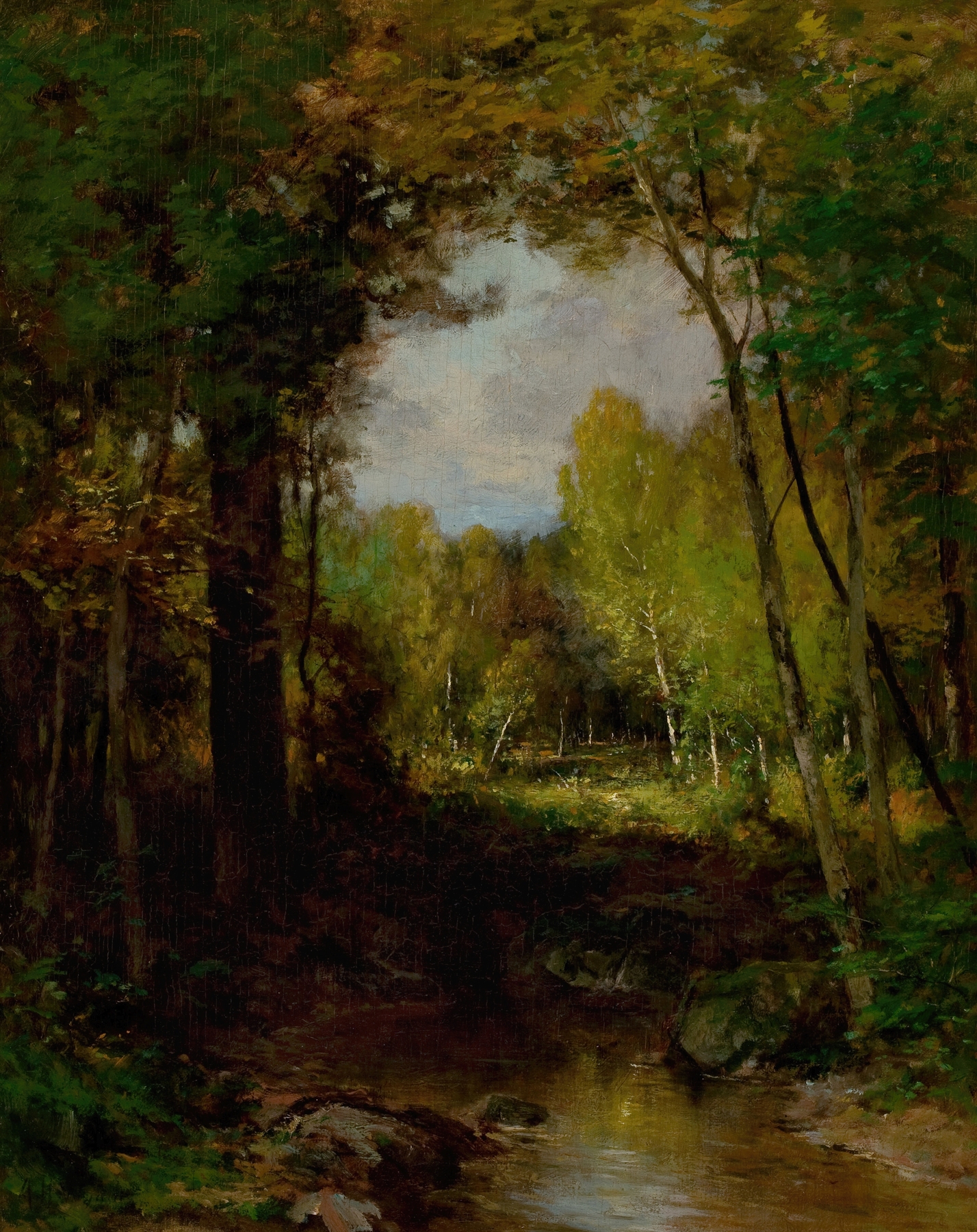
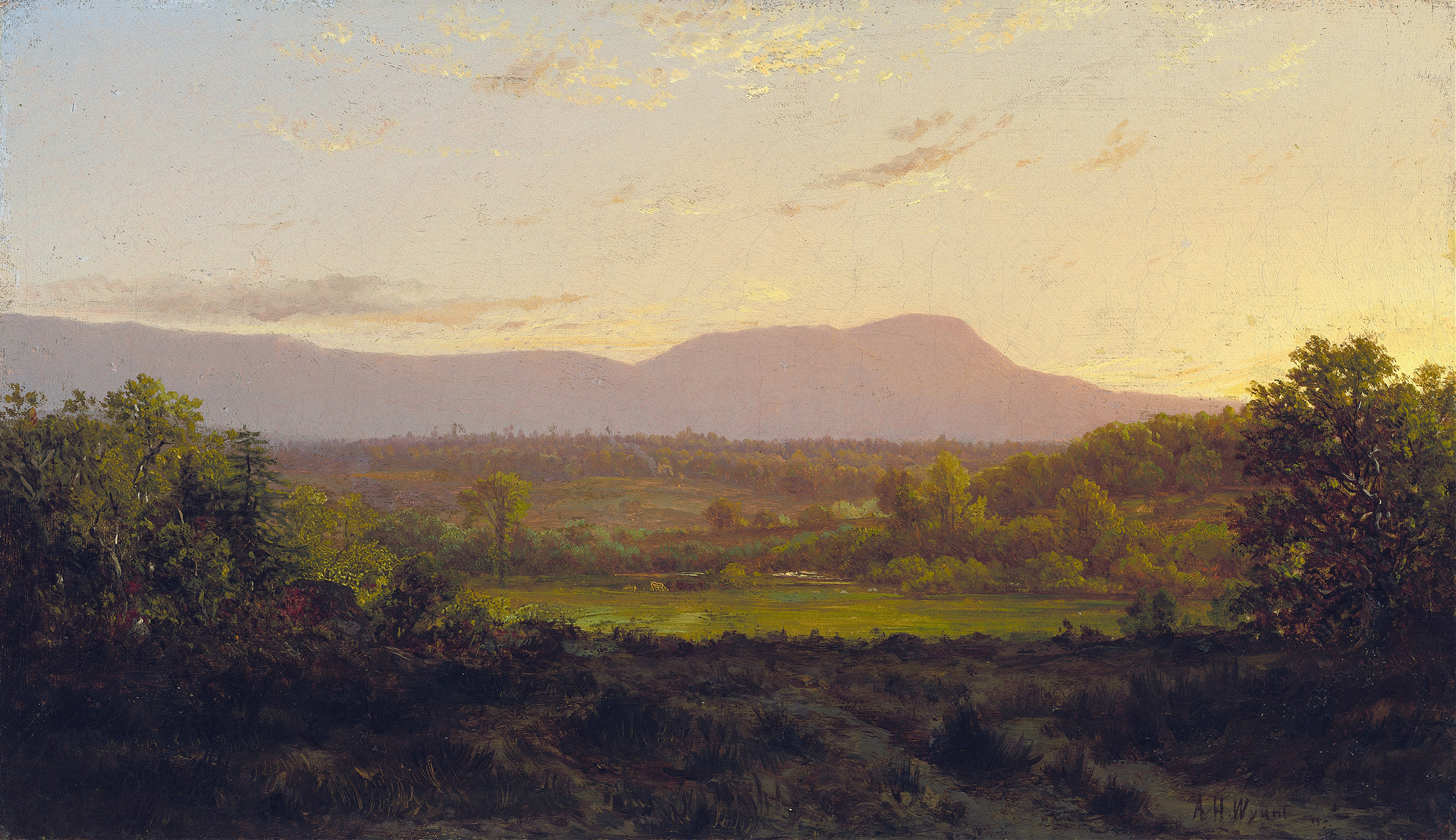
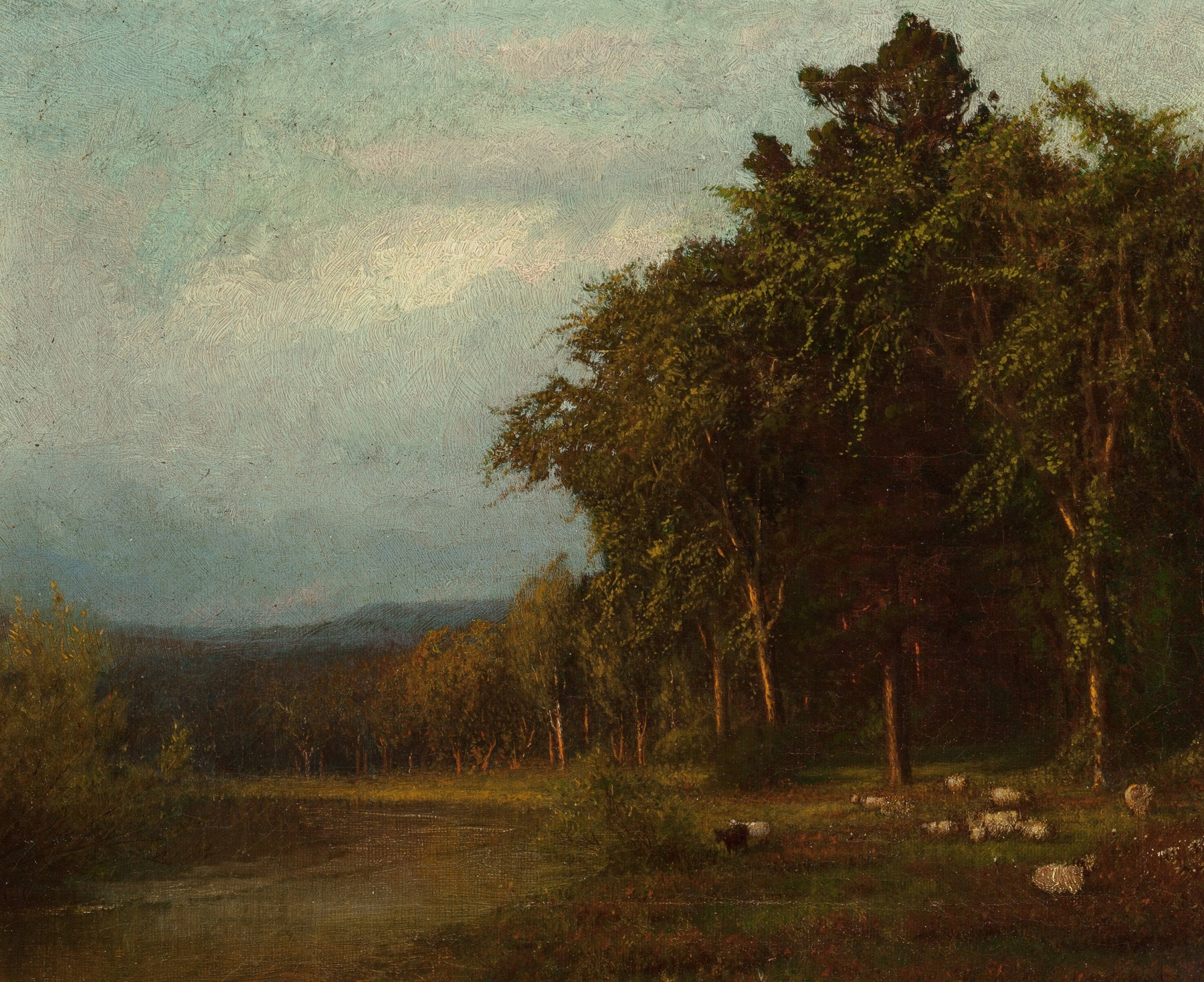
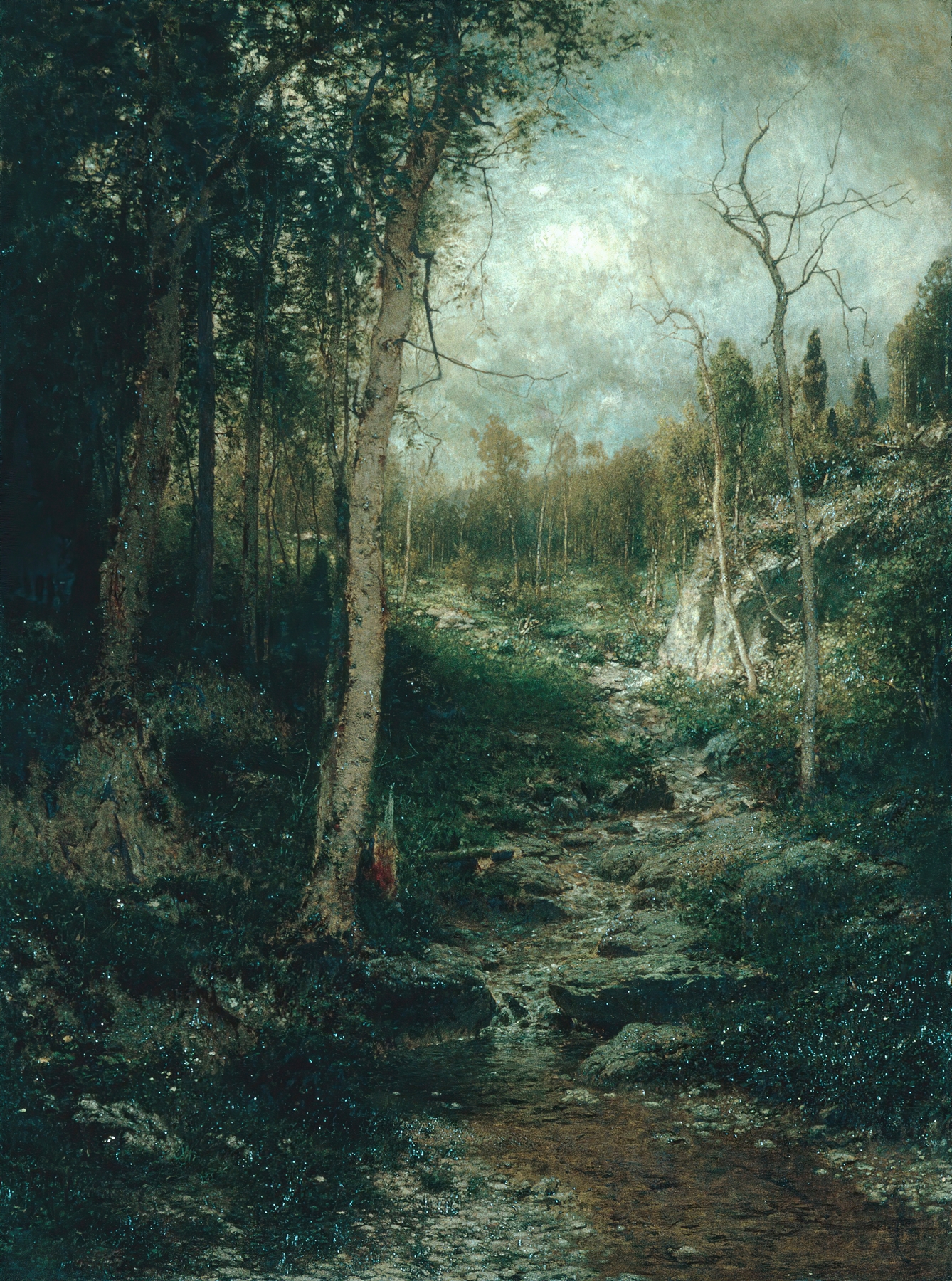
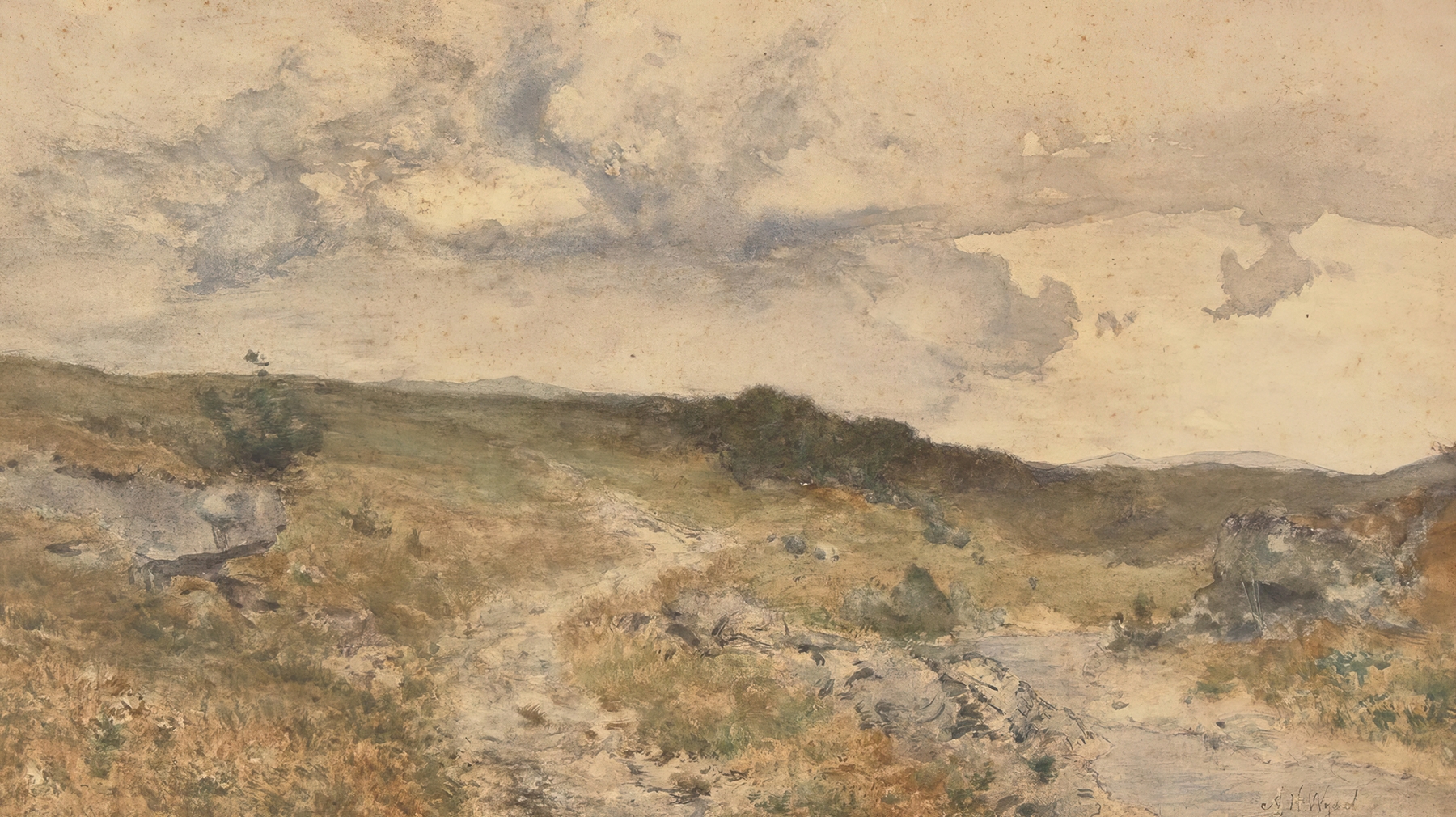
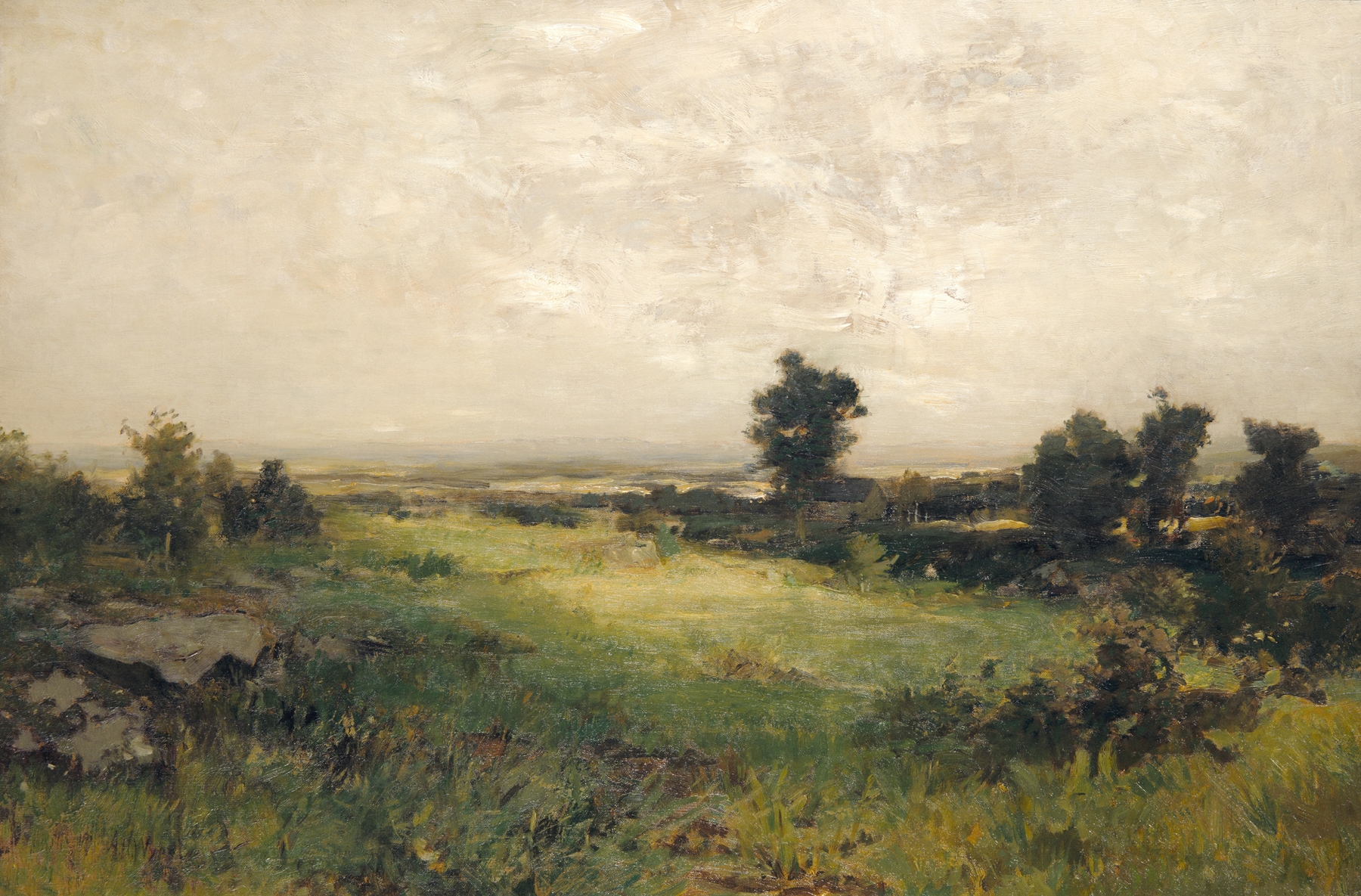
“Sometimes beauty is just pain, disguised in gold.” In the ephemeral light of dusk, we linger in the delicate embrace of nature, where the Housatonic Valley whispers tales of faith and solace. Focus on the shimmering water to the left, where sunlight dances upon its surface, inviting your gaze to the tranquil flow. Notice how the artist meticulously layers the paint, creating depth in the rolling hills that cradle the valley, their muted greens and ochres fading into soft shadows. The clouds above, alive with hues of lavender and rose, lend an ethereal quality to the scene, compelling viewers to lose themselves in its serene beauty. Yet, within this idyllic vista lies a tension, a complexity that reveals itself upon closer inspection. The contrast between the bright foreground and the looming shadows in the distance suggests a journey—perhaps one from clarity to uncertainty. The trees, robust yet somber, stand stoically as they bear witness to the fleeting light, a reminder that faith often resides in the unseen, the spaces between joy and sorrow. In the late 1880s, the artist found himself deeply inspired by the American landscape, which was reflective of his own exploration of identity and belonging. Creating this piece during a period of personal and artistic development, he navigated the broad currents of the Hudson River School while seeking to infuse his works with individual expression, reflecting the transformative power of nature during a tumultuous time.