Mountain Brook; A Study — History & Analysis
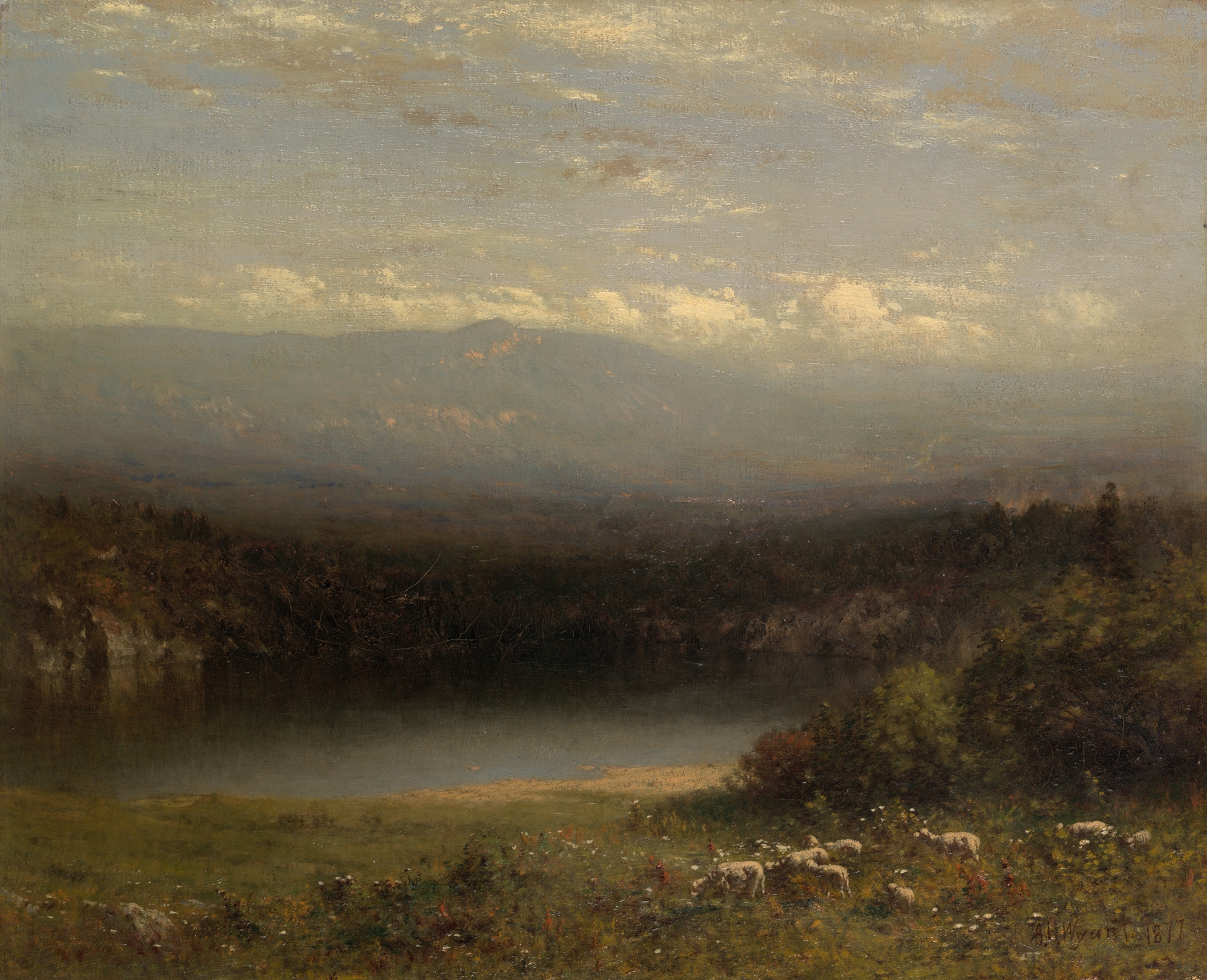
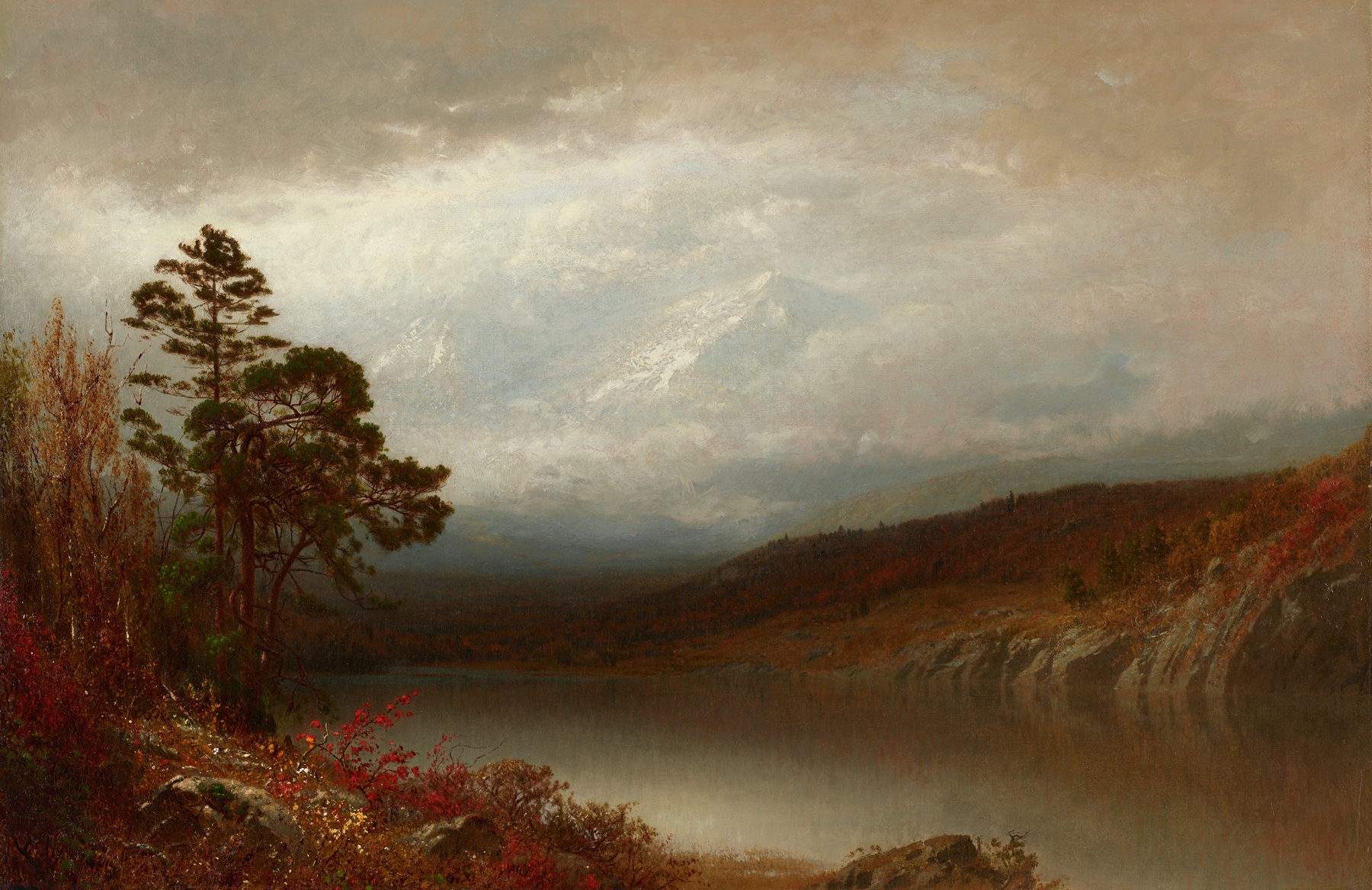
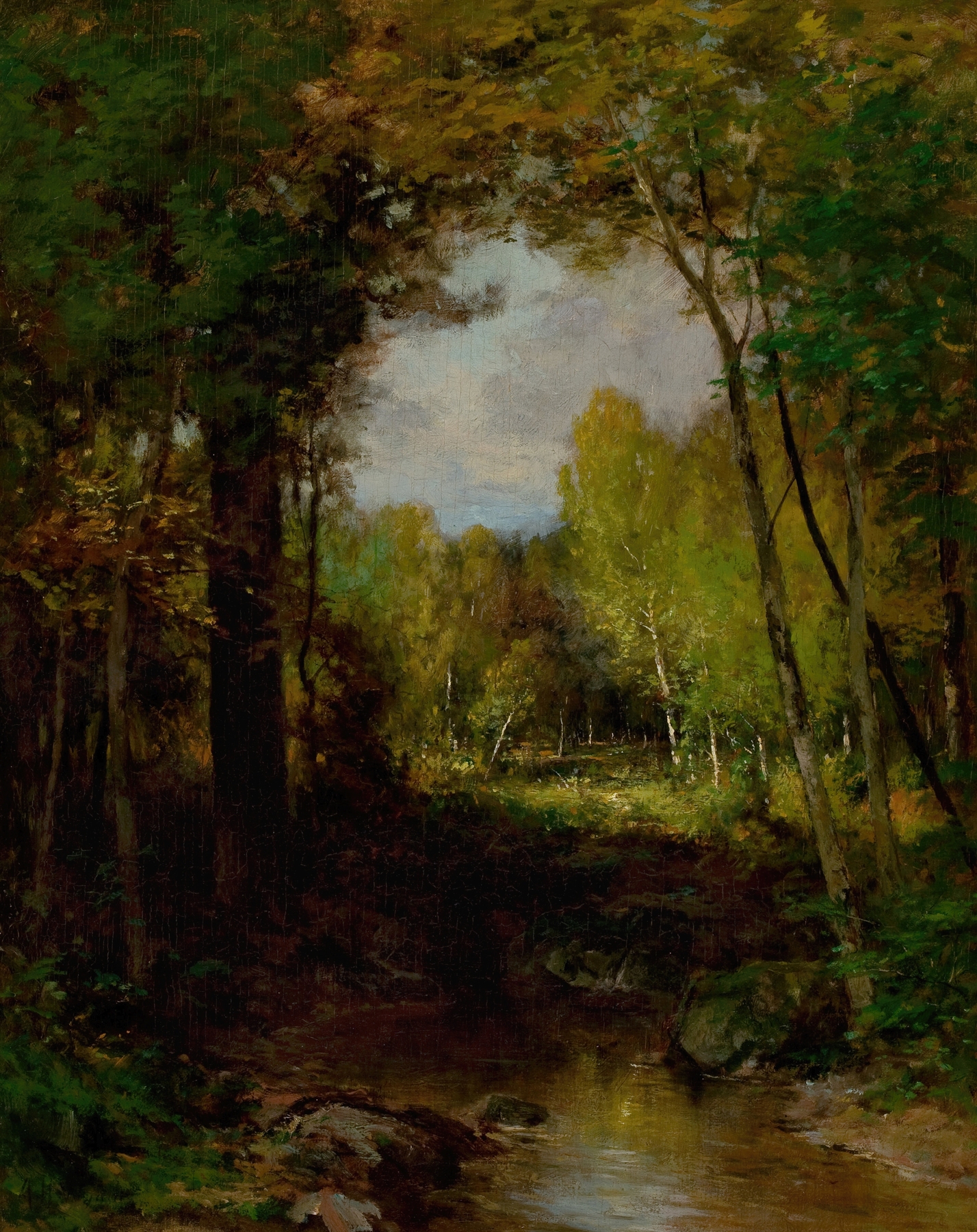
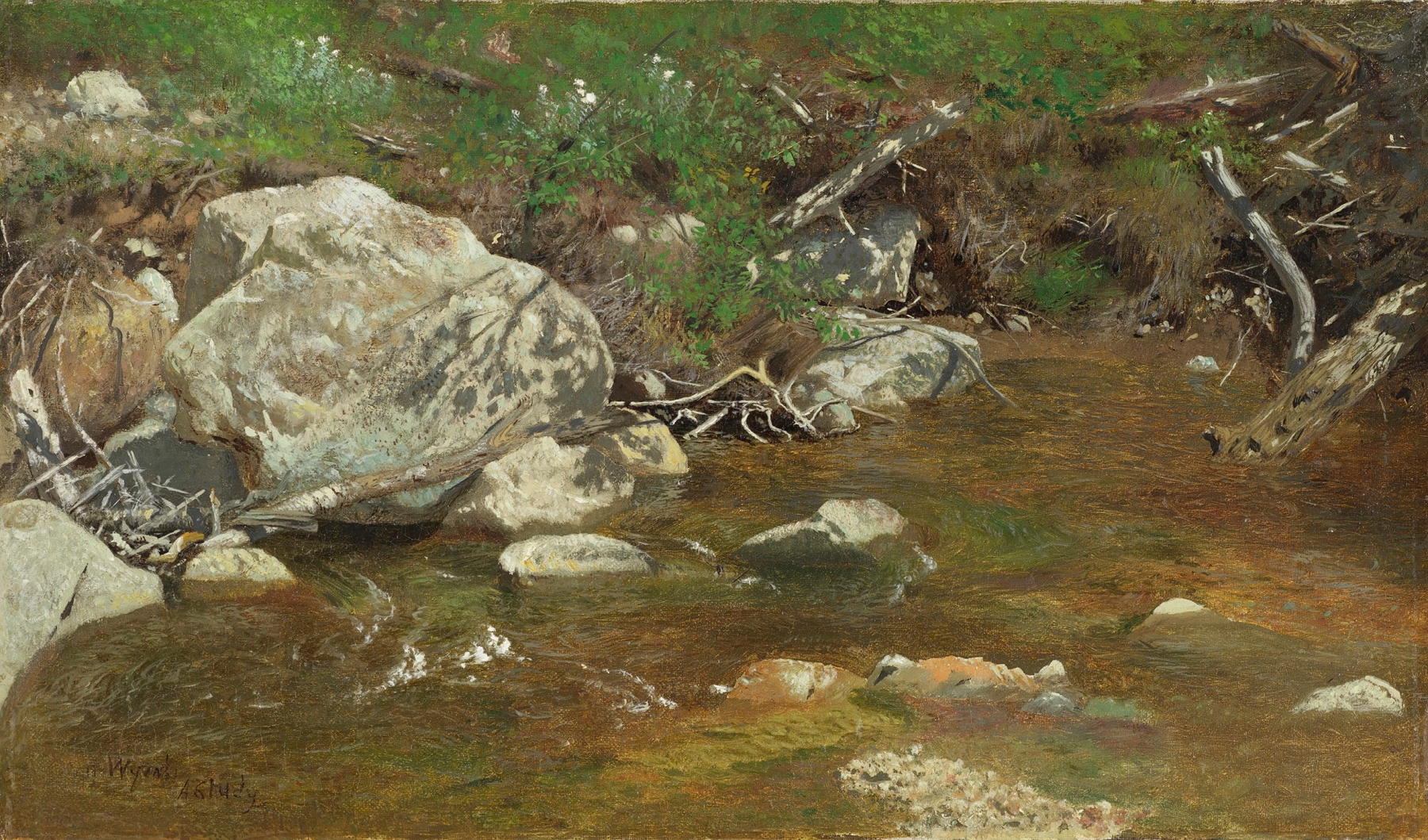
What if beauty was never meant to be finished? In the delicate strokes of a serene landscape, a memory lingers—a whisper of nature’s quiet grace captured in time. Look to the soft, flowing brook that meanders through the canvas, its lively waters dancing with reflections of the overhanging trees. Notice how the light spills gently onto the surface, illuminating the greens and browns that evoke the essence of the forest.
The artist's use of muted colors creates a tranquil atmosphere, drawing the eye toward the intricate details of the foliage and the gentle contour of the land, inviting you to explore the scene as if wandering through a hidden glade. In this ethereal moment, contrasts emerge. The calmness of the brook stands in stark relief to the dense canopy overhead, suggesting the duality of tranquility and chaos inherent in nature. The interplay of shadow and light hints at fleeting moments in our own lives—how memories are shaped by both clarity and obscurity.
Each brushstroke seems to breathe life into the landscape, capturing the essence of a memory that feels both intimate and ephemeral. Created between 1863 and 1869, Mountain Brook; A Study reflects Alexander Helwig Wyant’s growing fascination with nature’s solitude amidst a rapidly changing world. During this period, the artist was deeply influenced by the Hudson River School, emphasizing the beauty of the American wilderness. This work emerged in a time where the allure of untouched landscapes resonated with a nation grappling with the aftermath of the Civil War, seeking solace and inspiration in the natural world.