Autumn in the Adirondacks — History & Analysis
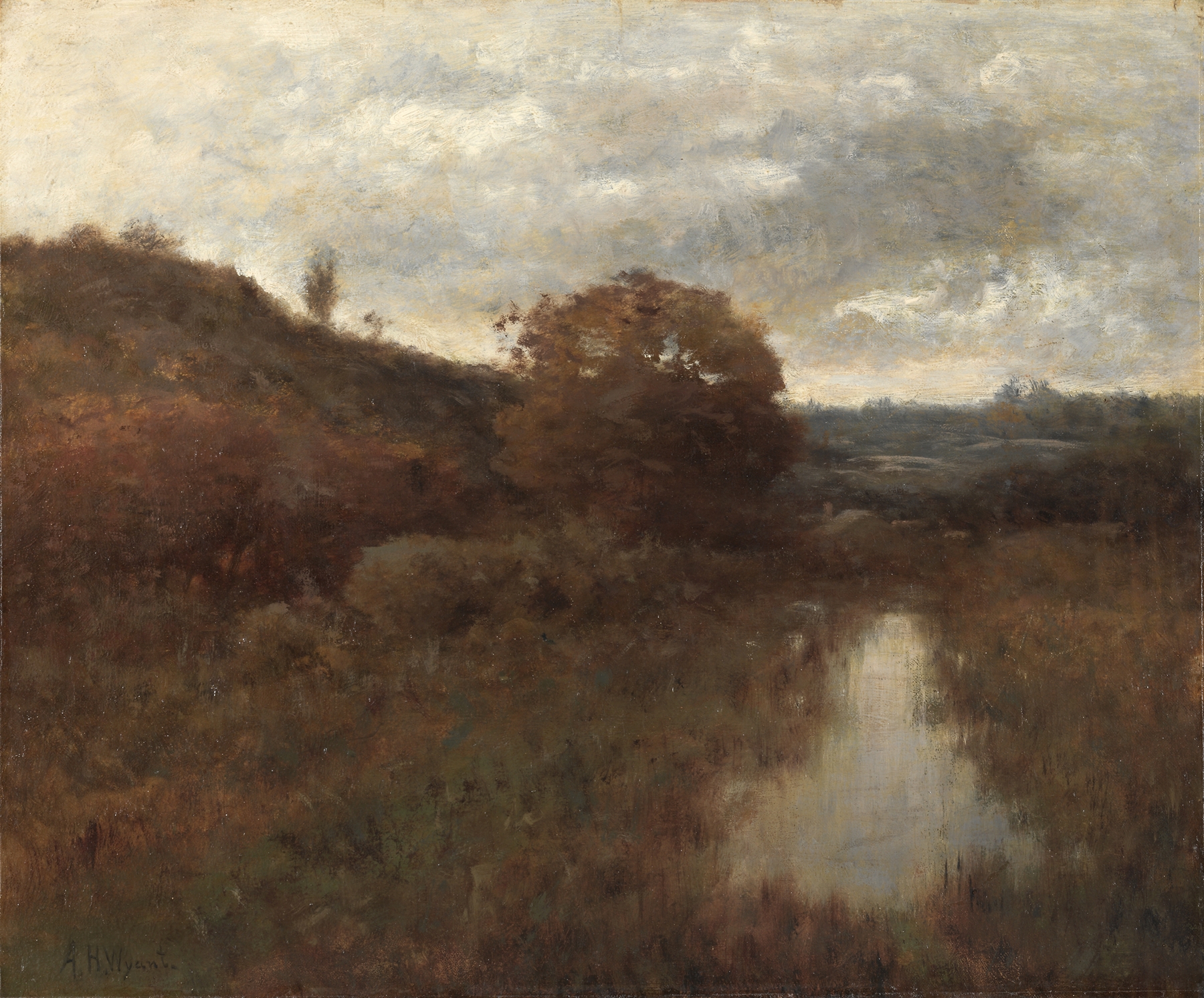
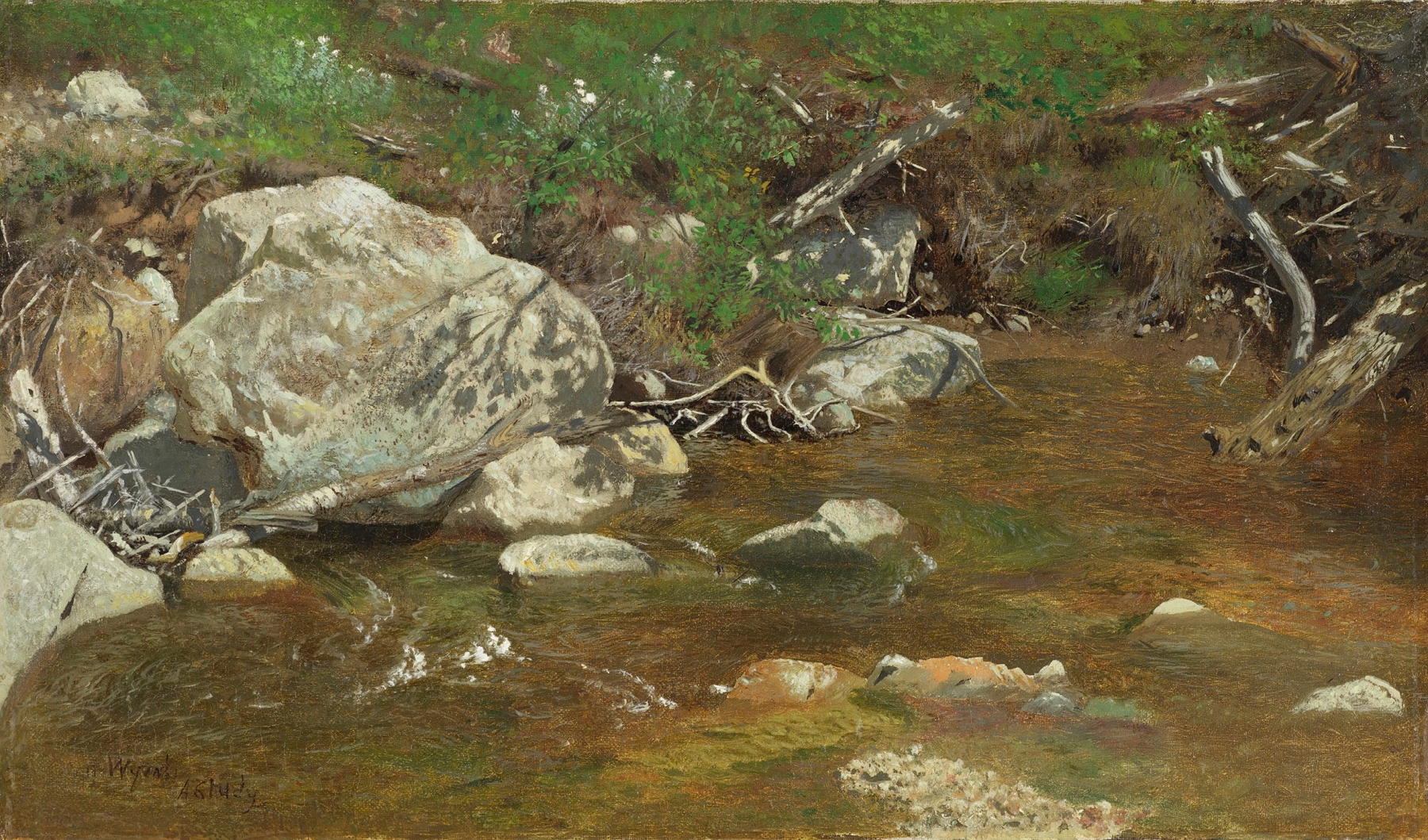
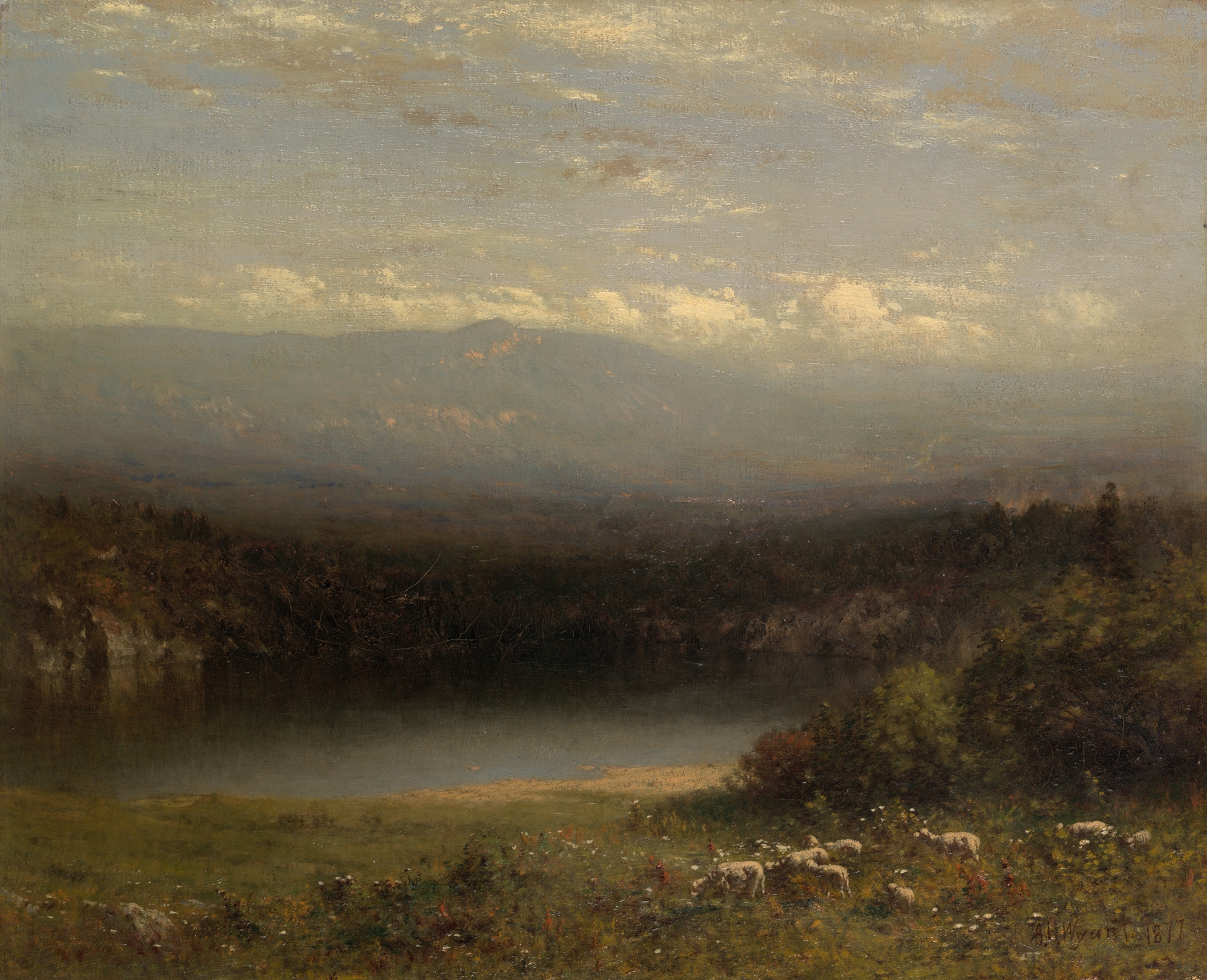
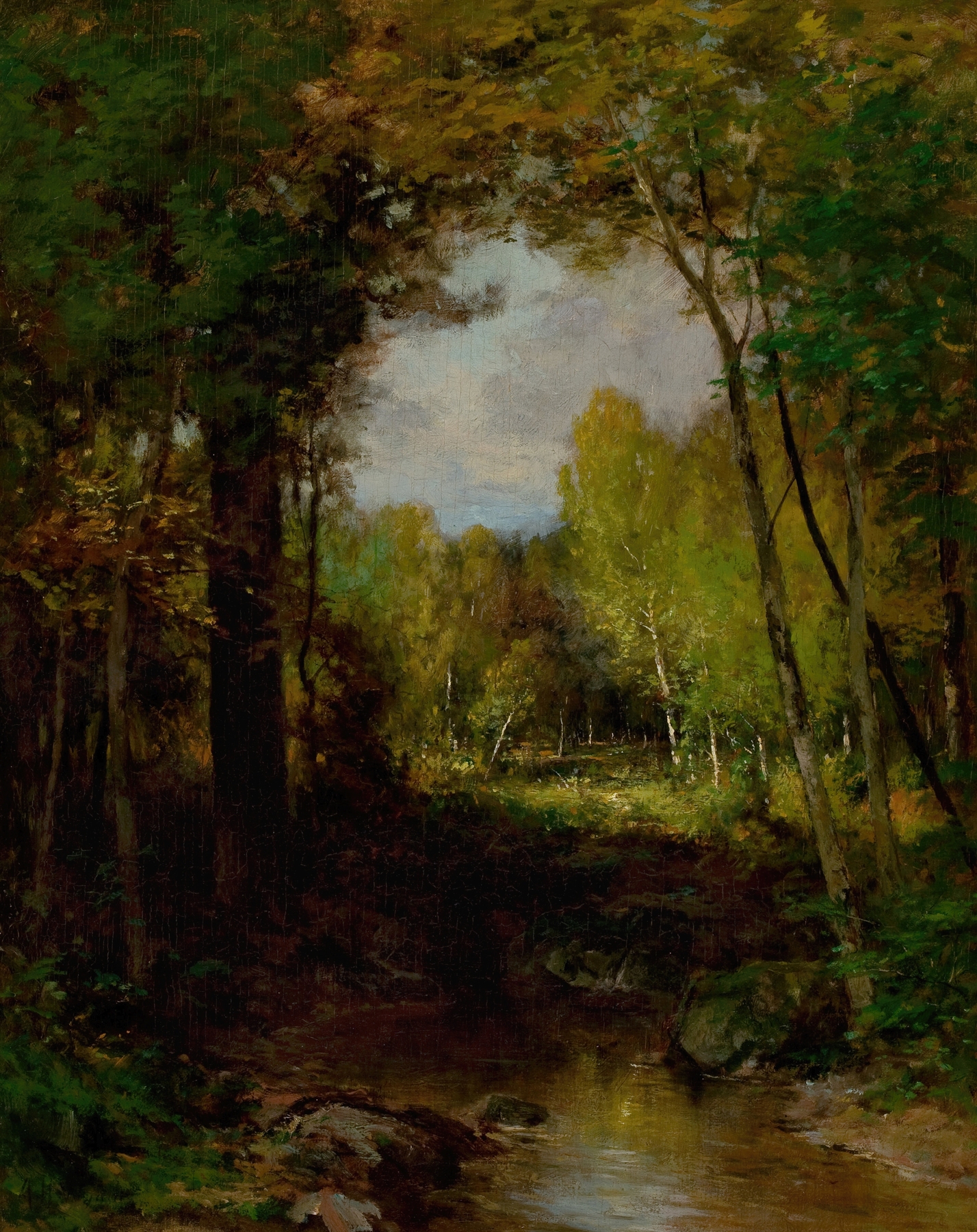
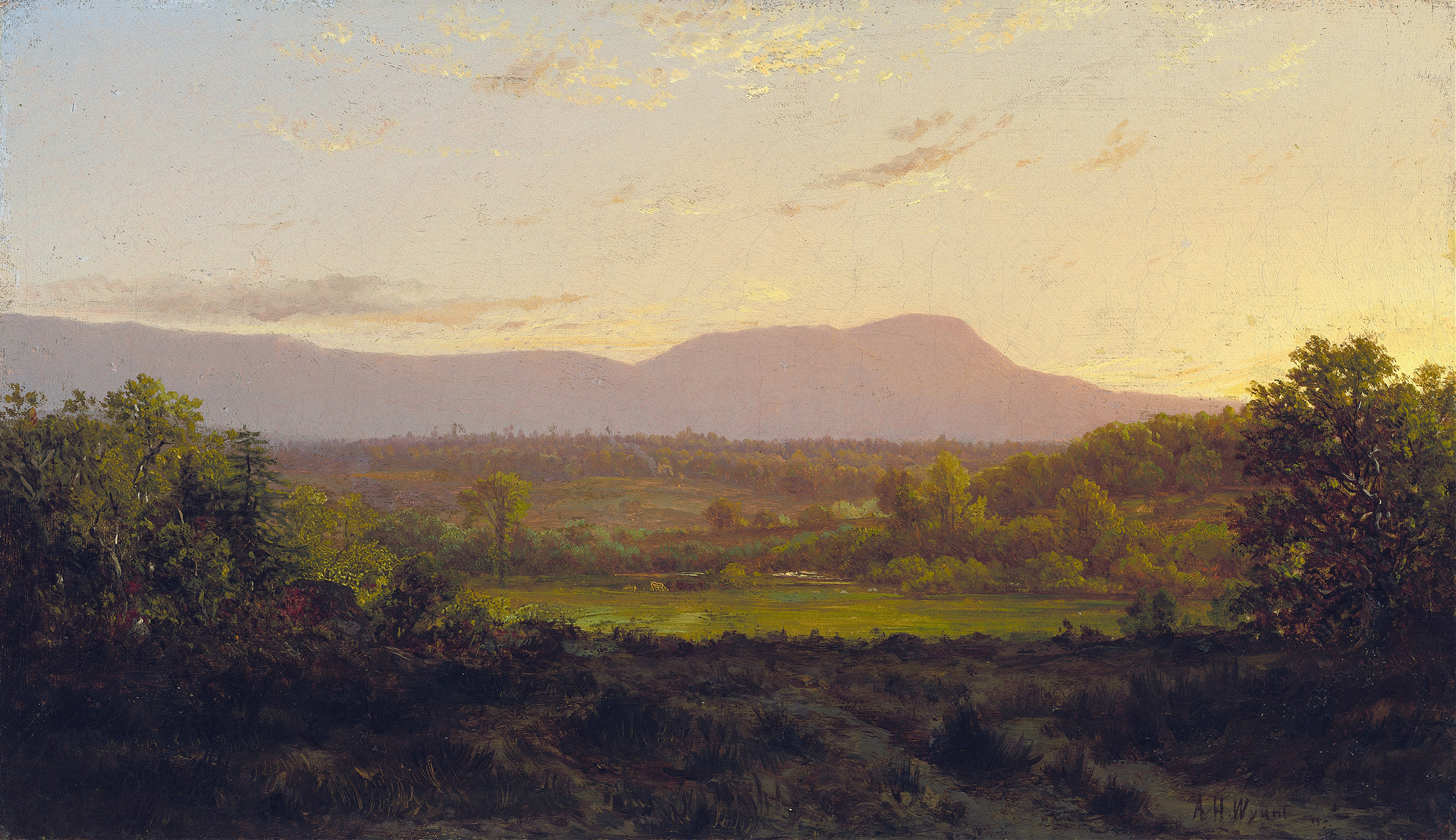
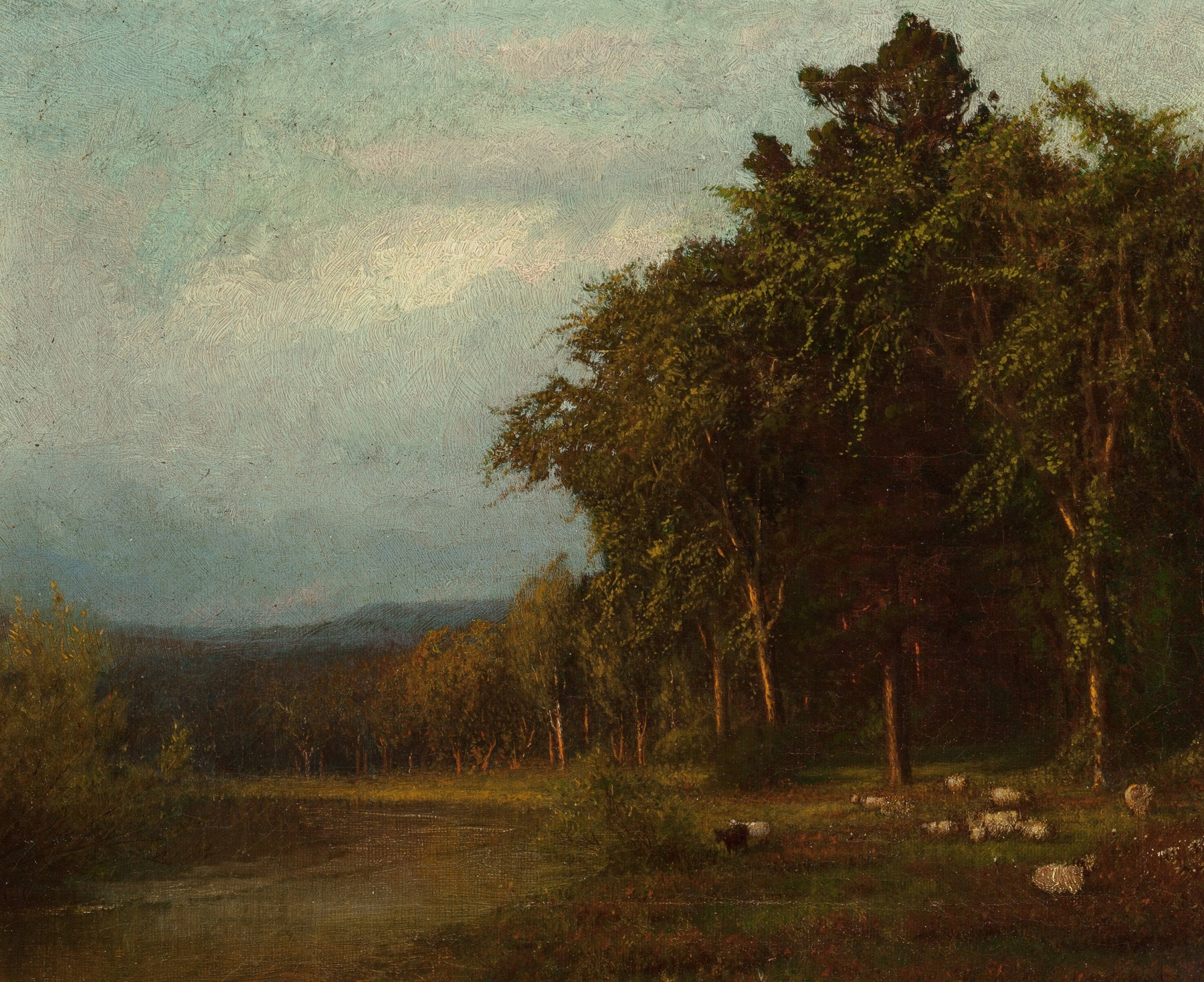
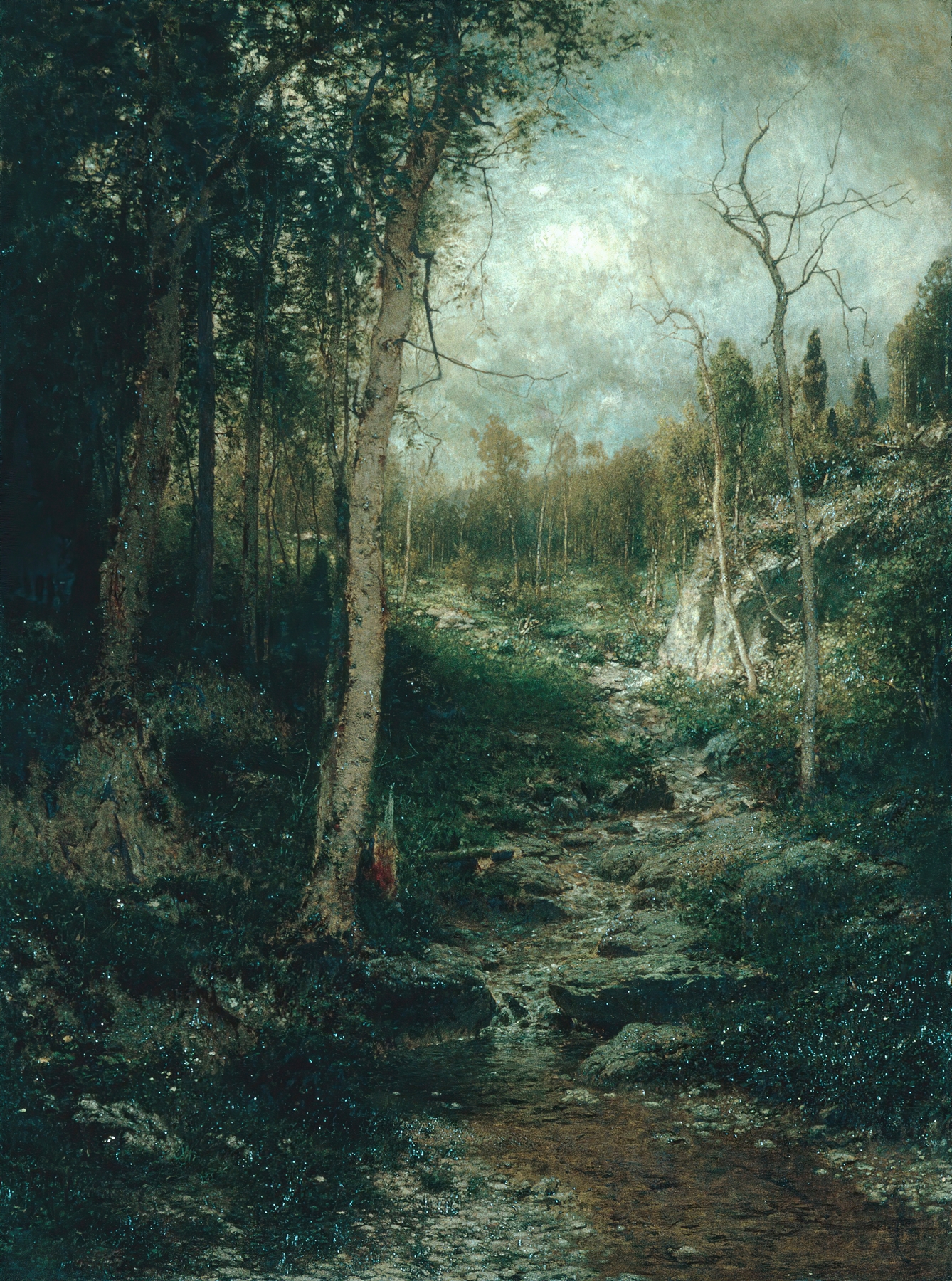
Can beauty exist without sorrow? In Autumn in the Adirondacks, a tranquil landscape evokes a poignant stillness, whispering of the transience of life. Focus on the rich hues that blanket the canvas, where fiery oranges and deep reds dance among the evergreens. Your eyes should first land on the distant mountains, their peaks softened by a wispy veil of clouds, hinting at both majesty and mystery.
Notice how the light filters through the foliage, casting gentle shadows that create a rhythm of contrast—a reminder of the inevitable cycle of decay and renewal that permeates the scene. Delve deeper into the painting’s emotional layers, where the vibrant autumn leaves symbolize both beauty and the bittersweet passage of time. Each brushstroke reflects a moment caught between vibrancy and fading essence; the fleeting beauty of autumn serves as an allegory for mortality. The serene water below mirrors the trees, creating a stillness that invites contemplation, drawing the viewer into a dialogue with nature's own impermanence.
Created around 1872-73, this work emerged during a period when Alexander Helwig Wyant was establishing his reputation in the Hudson River School, a movement noted for its reverent landscapes. Living in New York, he was influenced by the great American wilderness and the Romantic ideals of the time, which celebrated both the beauty and the sublime within nature. Autumn in the Adirondacks stands as a testament to his artistic evolution, capturing a landscape rich with emotional depth amid the majestic scenery of upstate New York.