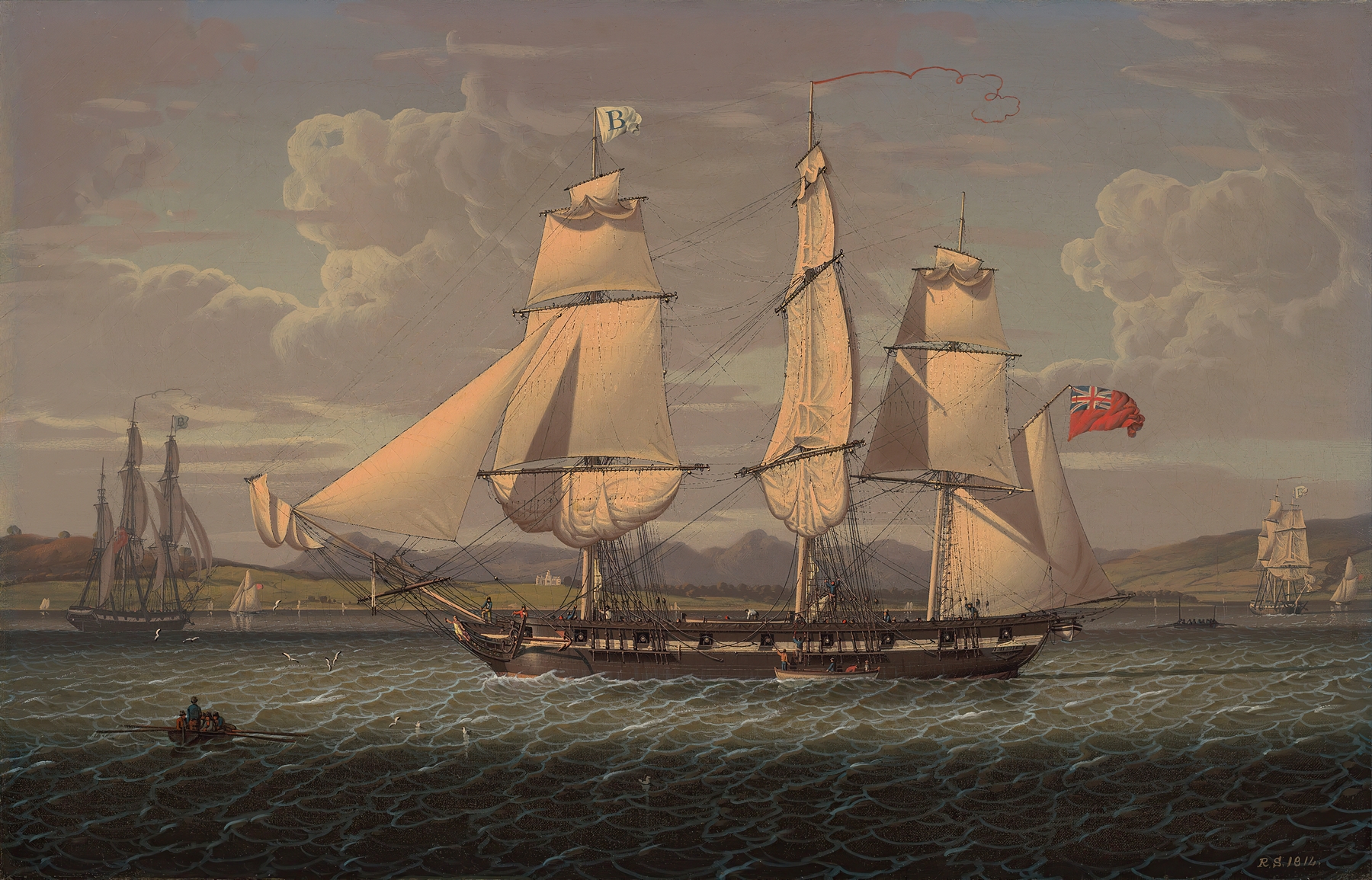
A Man-Of-War Of The Red Squadron, Departing The ‘tail Of The Bank’ Anchorage On The Clyde — History & Analysis
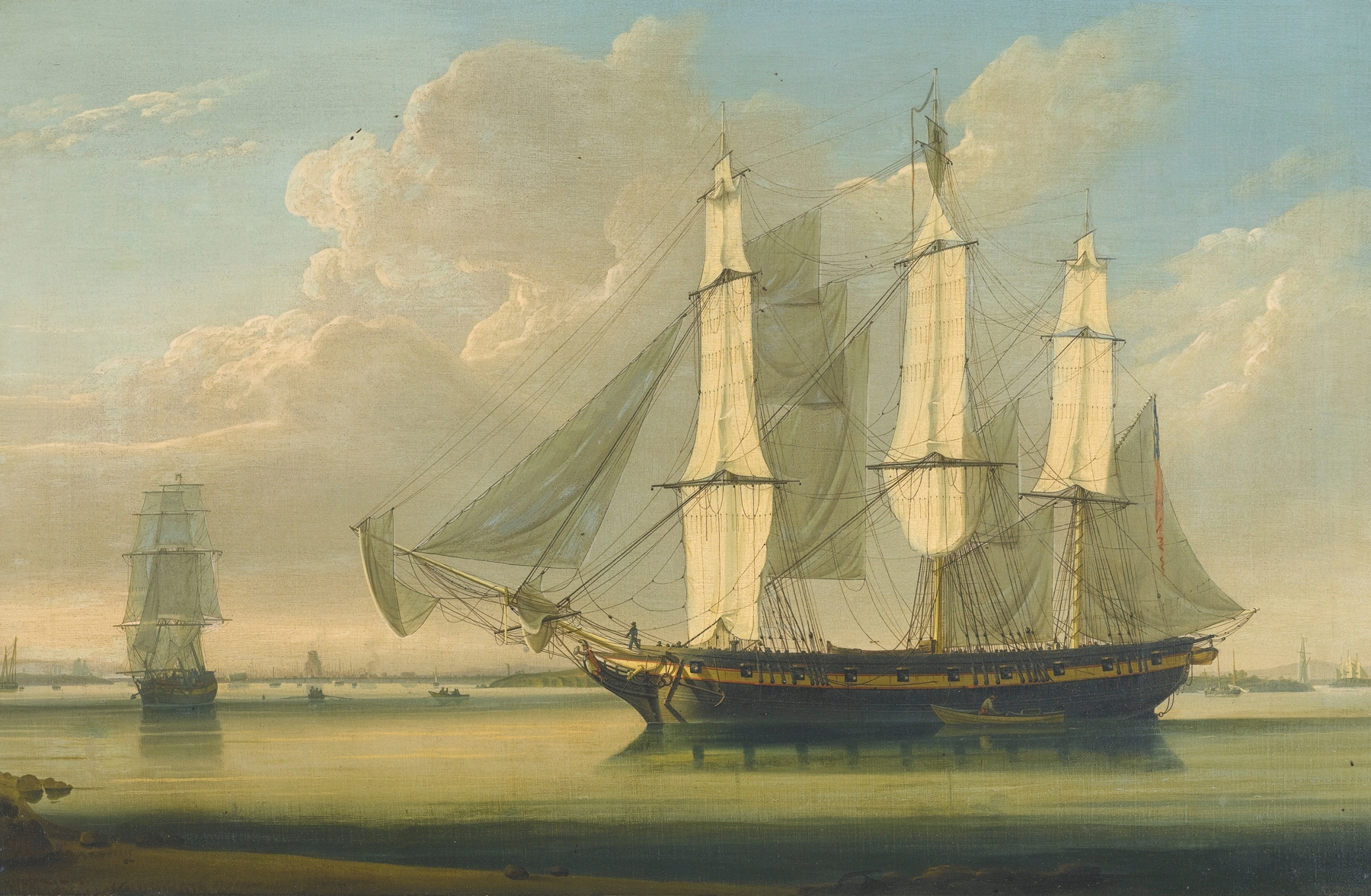
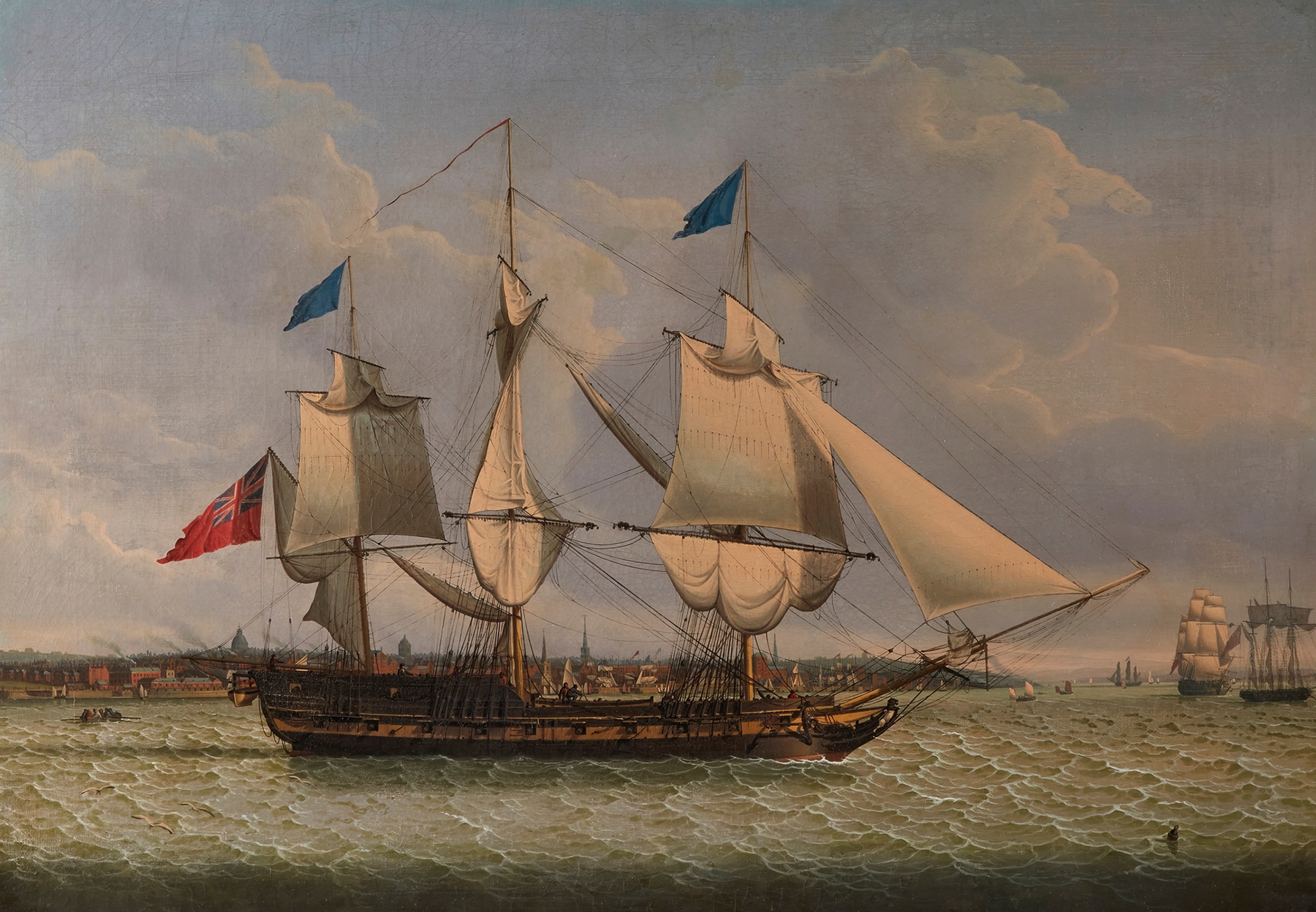
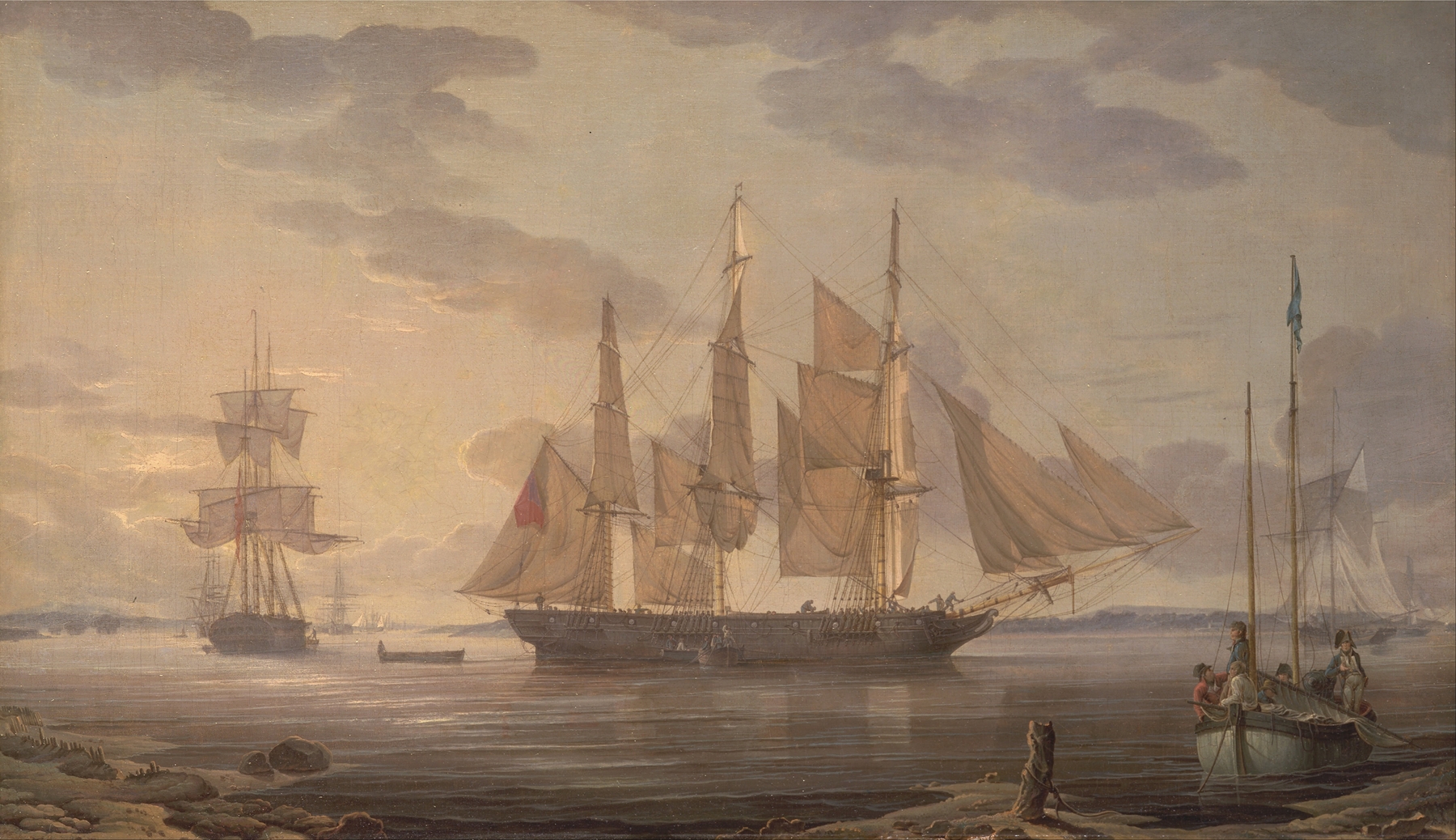
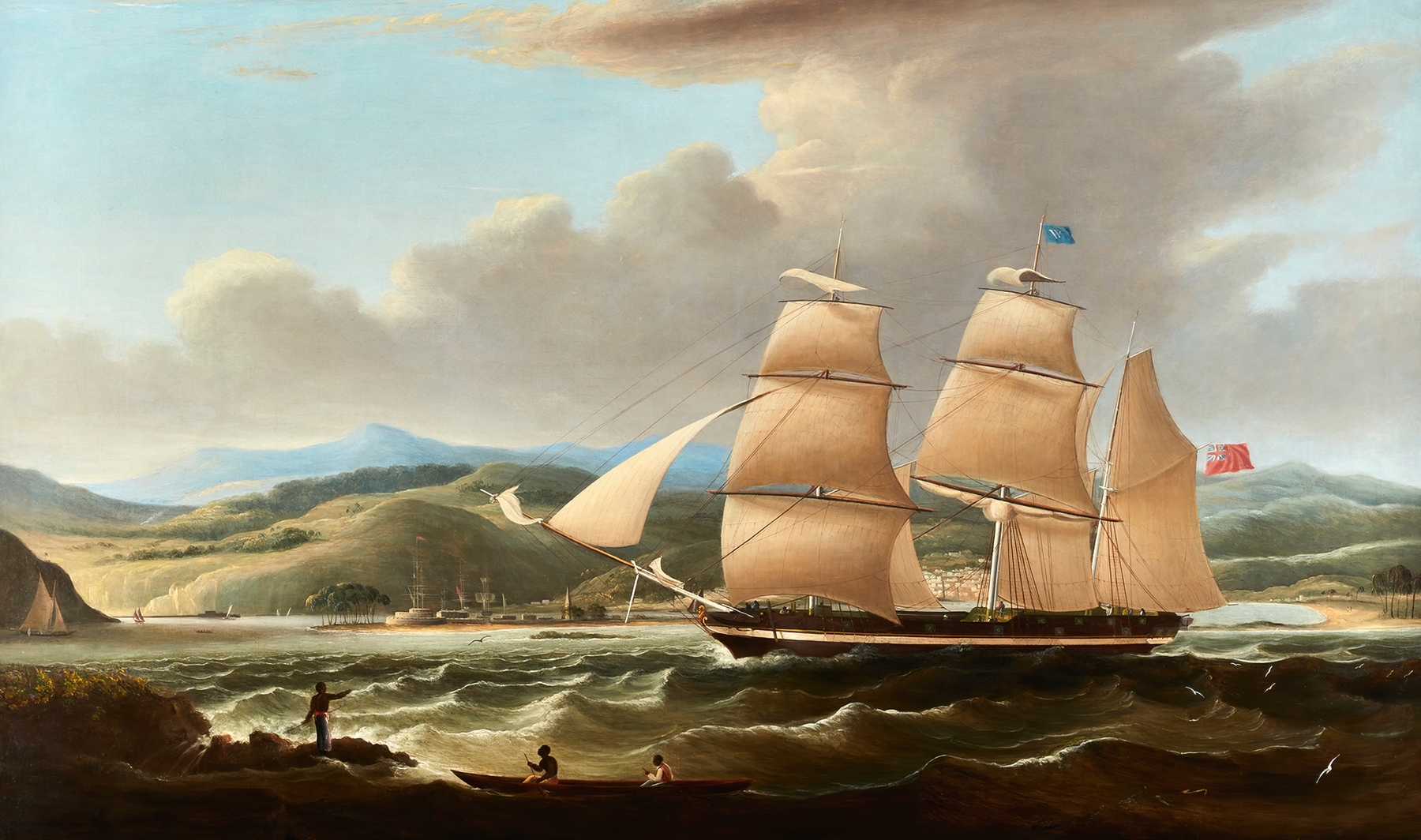
“Between color and silence, truth hides.” In the quiet of a harbor, the weight of departure looms heavy, mingling with the crisp scent of saltwater and the bittersweet taste of farewell. Vessels, like whispers of lost dreams, gently bob against the tide, their silhouettes etched against the fading light. Look to the left, where the majestic man-of-war stands proud, its sails billowing as if caught mid-breath. The deep blues and greens of the water reflect a somber sky, while the warm hues of the ship contrast starkly, evoking a sense of both grandeur and melancholy.
The meticulous brushwork captures the intricate rigging, offering a window into the craftsmanship of seafaring life, while the soft diffusion of light hints at the fleeting nature of these moments. The painting is rich with emotional layers; the ship’s departure symbolizes not only the journey ahead but also the inevitable loss that accompanies it. Each wave lapping against the hull resonates with echoes of past voyages, whispering tales of adventure intertwined with sorrow. The stillness of the surroundings juxtaposed with the ship's looming movement creates a tension that speaks to the heart of human experience—departure, longing, and the ephemeral nature of time.
In 1815, Salmon created this piece during a period of transition in his life, having settled in London after years in the United States. The art world was experiencing a shift toward Romanticism, emphasizing emotion and individual experience, which influenced his portrayal of maritime life. The backdrop of post-Napoleonic War Britain, with its burgeoning naval power and a longing for adventure, further informed his work, capturing the duality of pride and loss inherent in the maritime world.