Man O’ War Off Liverpool — History & Analysis
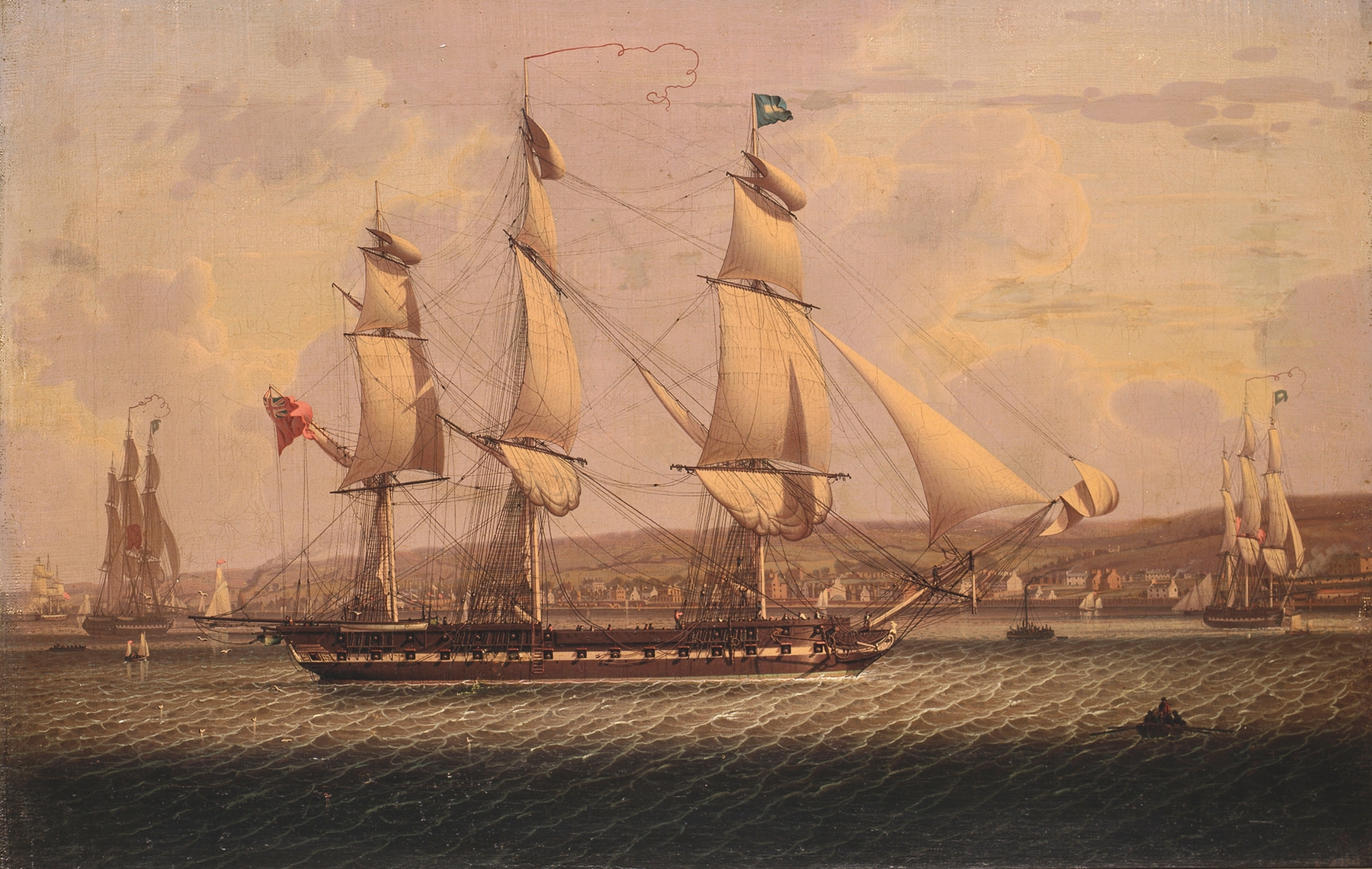
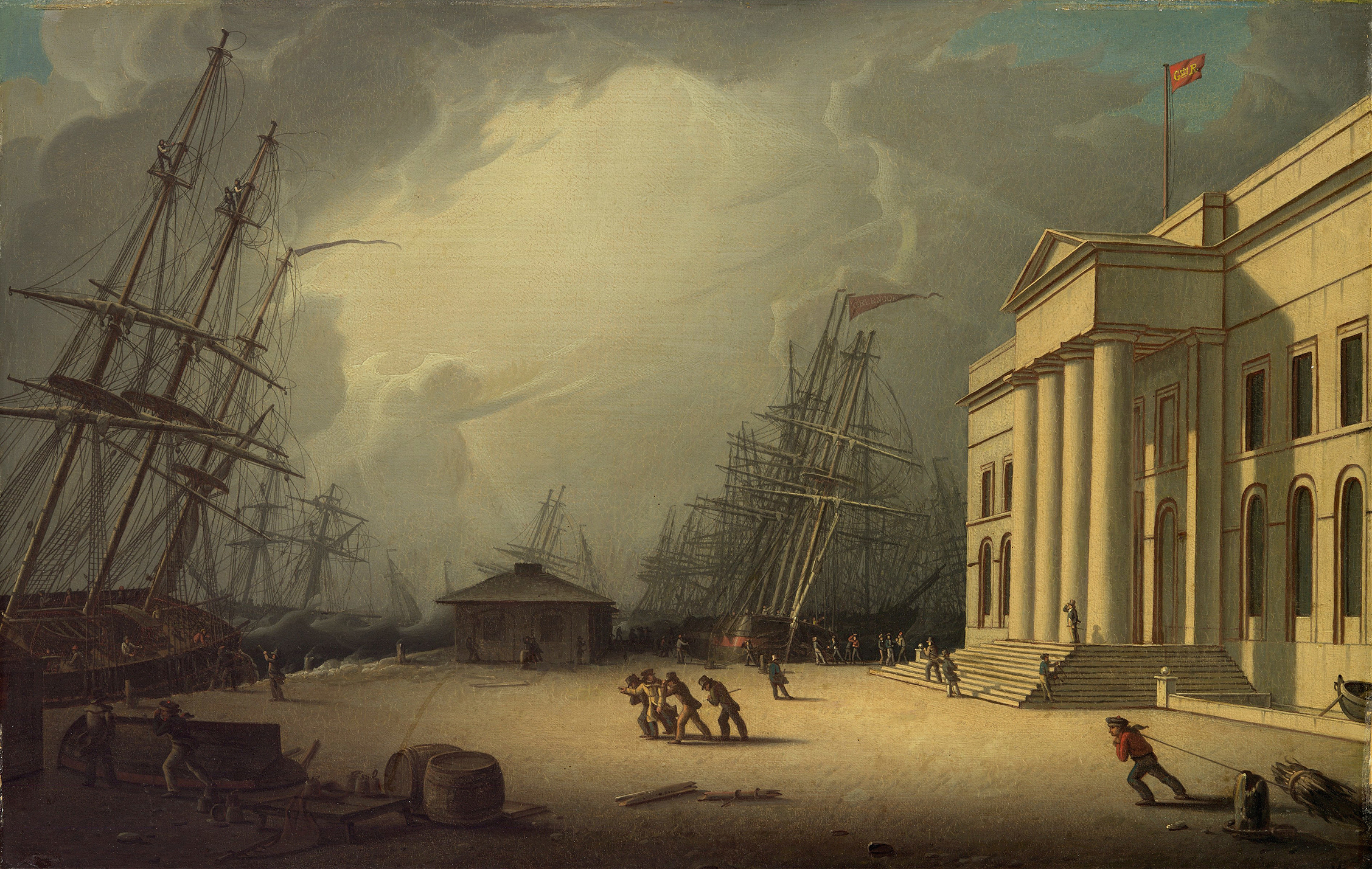
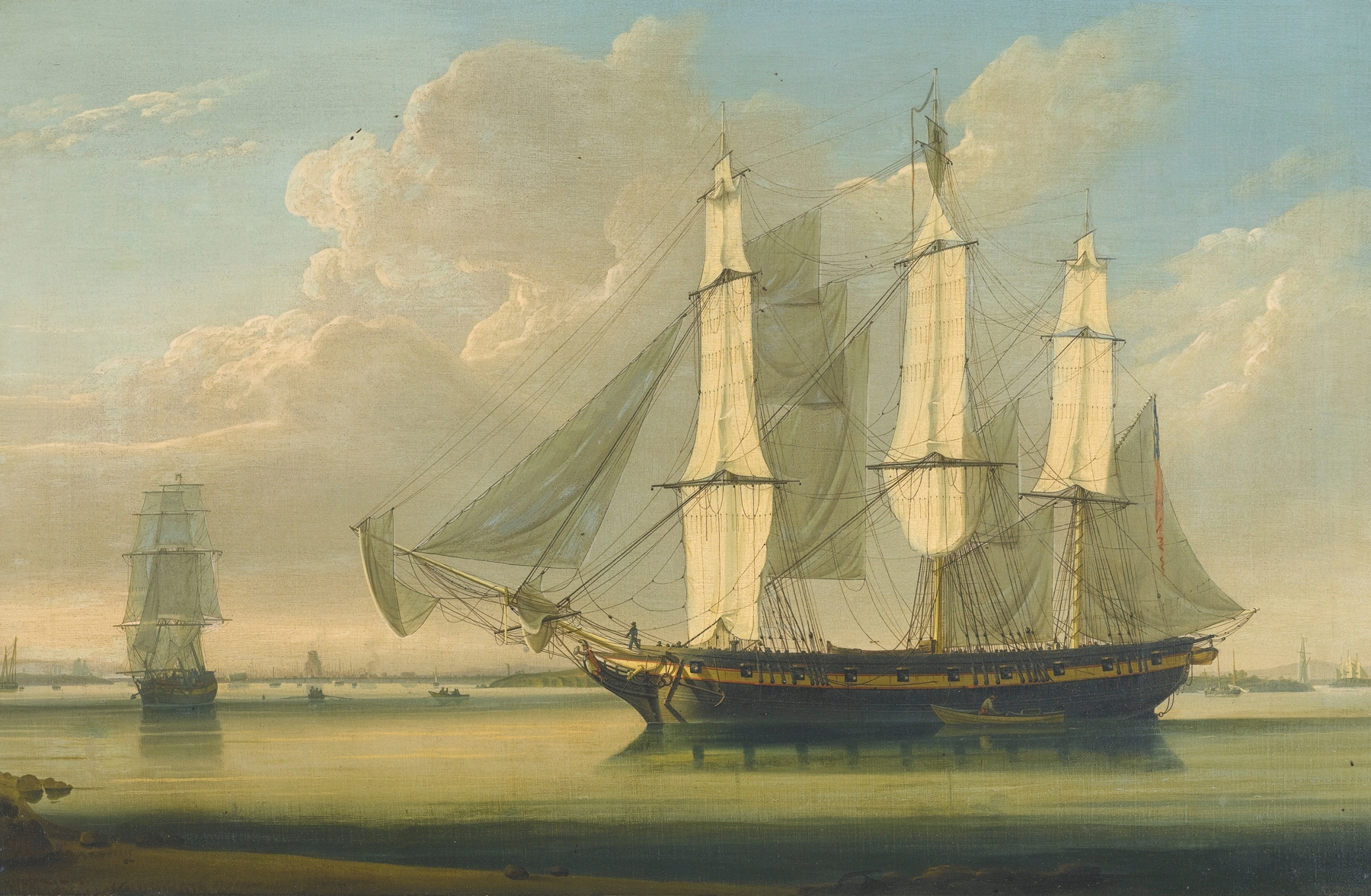
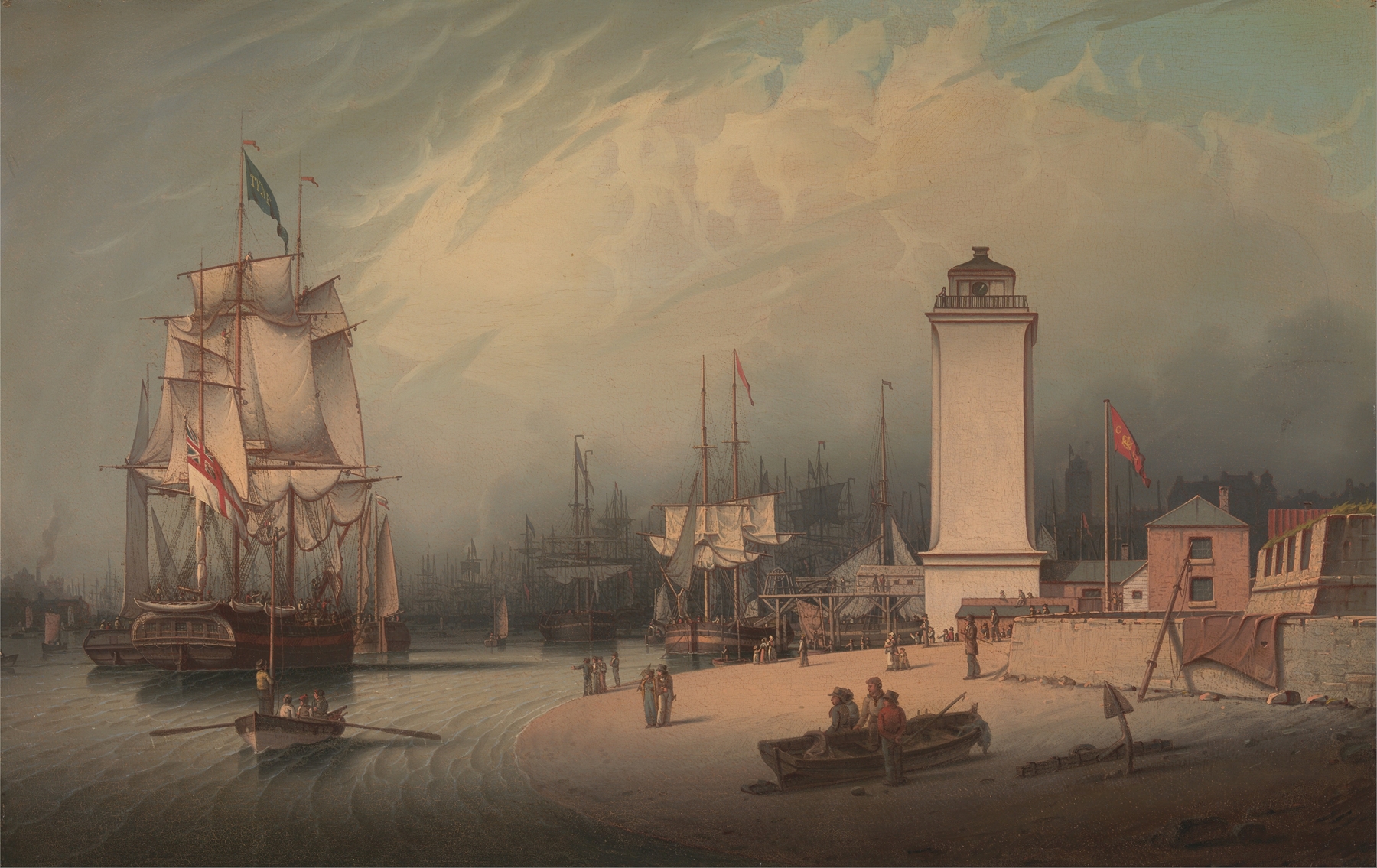
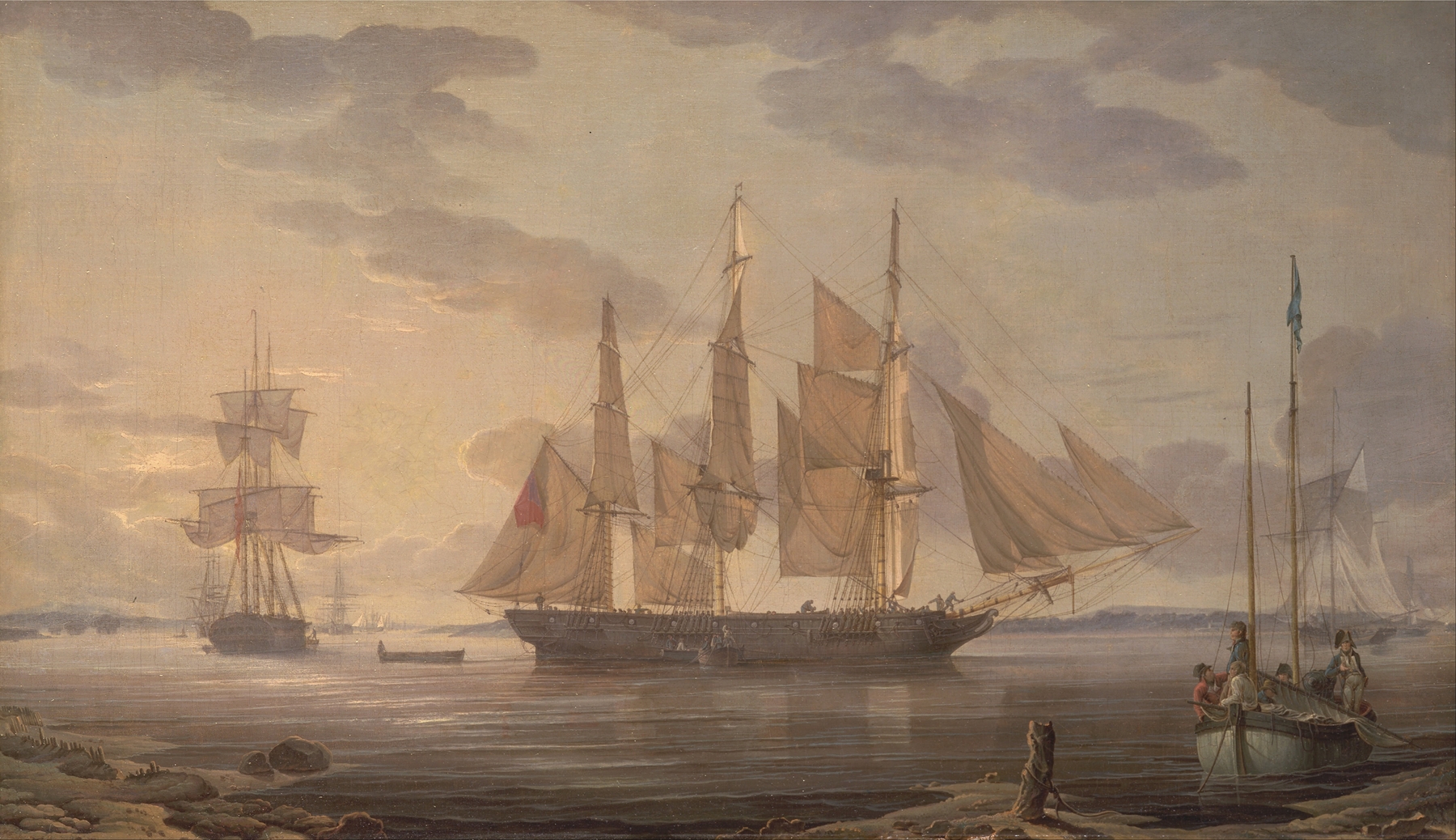
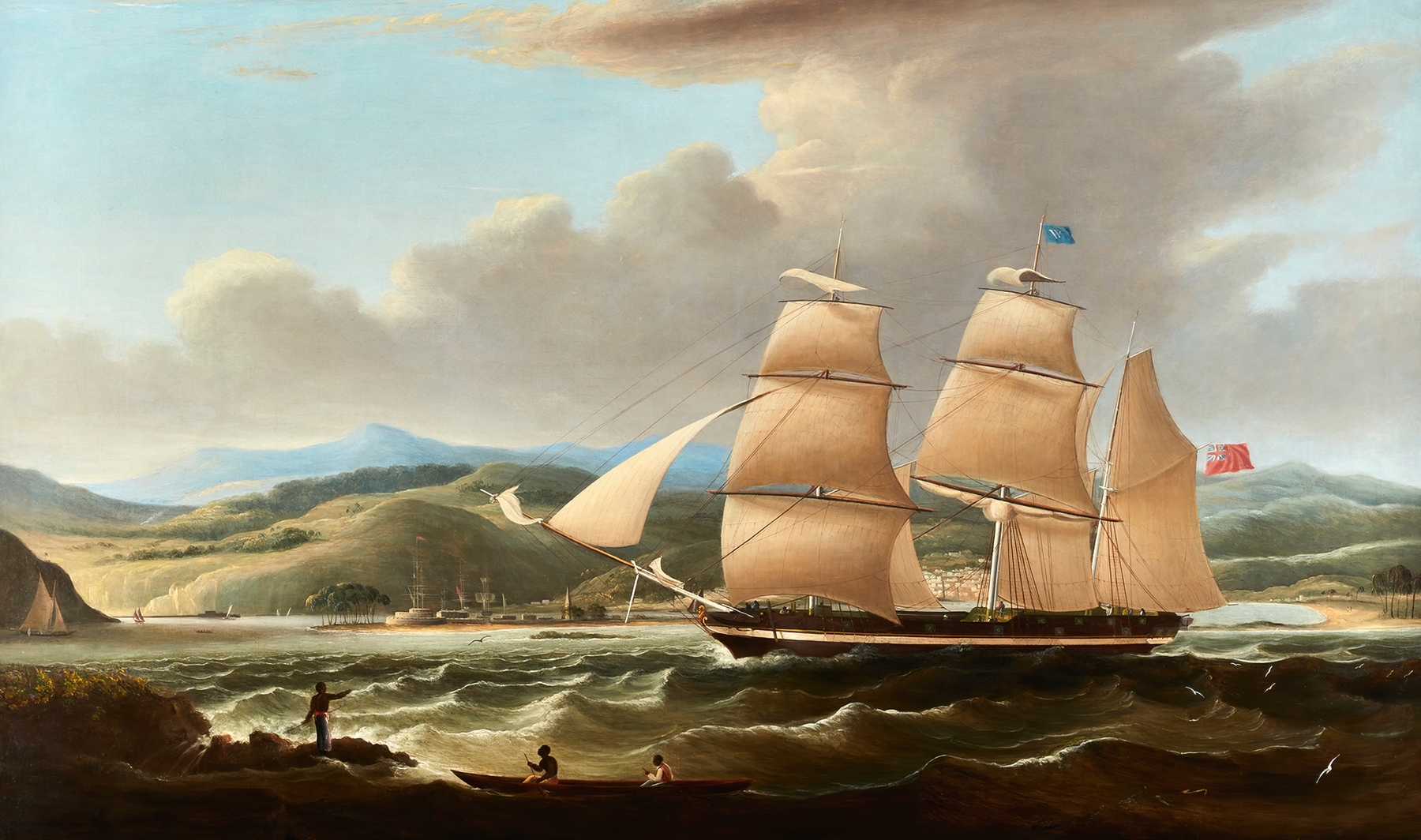
Could beauty survive in a century of chaos? This question lingers in the air, heavy with the weight of history and truth. In an era where tumult was a constant companion, art stood as a fragile testament to resilience. Focus first on the majestic vessel, its sails billowing against the backdrop of a moody sky. Notice how the artist deftly captures the interplay of light and shadow, reflecting the turbulent waters that surround the ship.
The hues of blue and gray dominate the canvas, evoking both a sense of foreboding and the vastness of the sea. The sharp lines of the ship contrast with the gentle waves, guiding your gaze towards the horizon where the sky seems to collide with the ocean. Beneath the surface, a deeper narrative unfolds. The ship, a symbol of human ingenuity and ambition, floats precariously amid the tumultuous waves, mirroring the struggle of life during this period. The distant figures on the deck, though small, hint at the stories of those who navigated these waters, grappling with both nature's might and their own destinies.
The painting invites contemplation on the duality of beauty and chaos, embodying a truth that resonates beyond its frame. Created during a time of transition in the maritime world, the artist painted this piece while grappling with the challenges faced by seafarers in the 19th century. In the bustling port of Liverpool, the ship represented both a culmination of technical progress and the ongoing uncertainties of the age. Salmon's focus on such subjects reflects a broader shift in the art world towards realism, capturing not only the beauty of ships at sea but also the underlying narratives of the human experience.