The Low Lighthouse, North Shields — History & Analysis
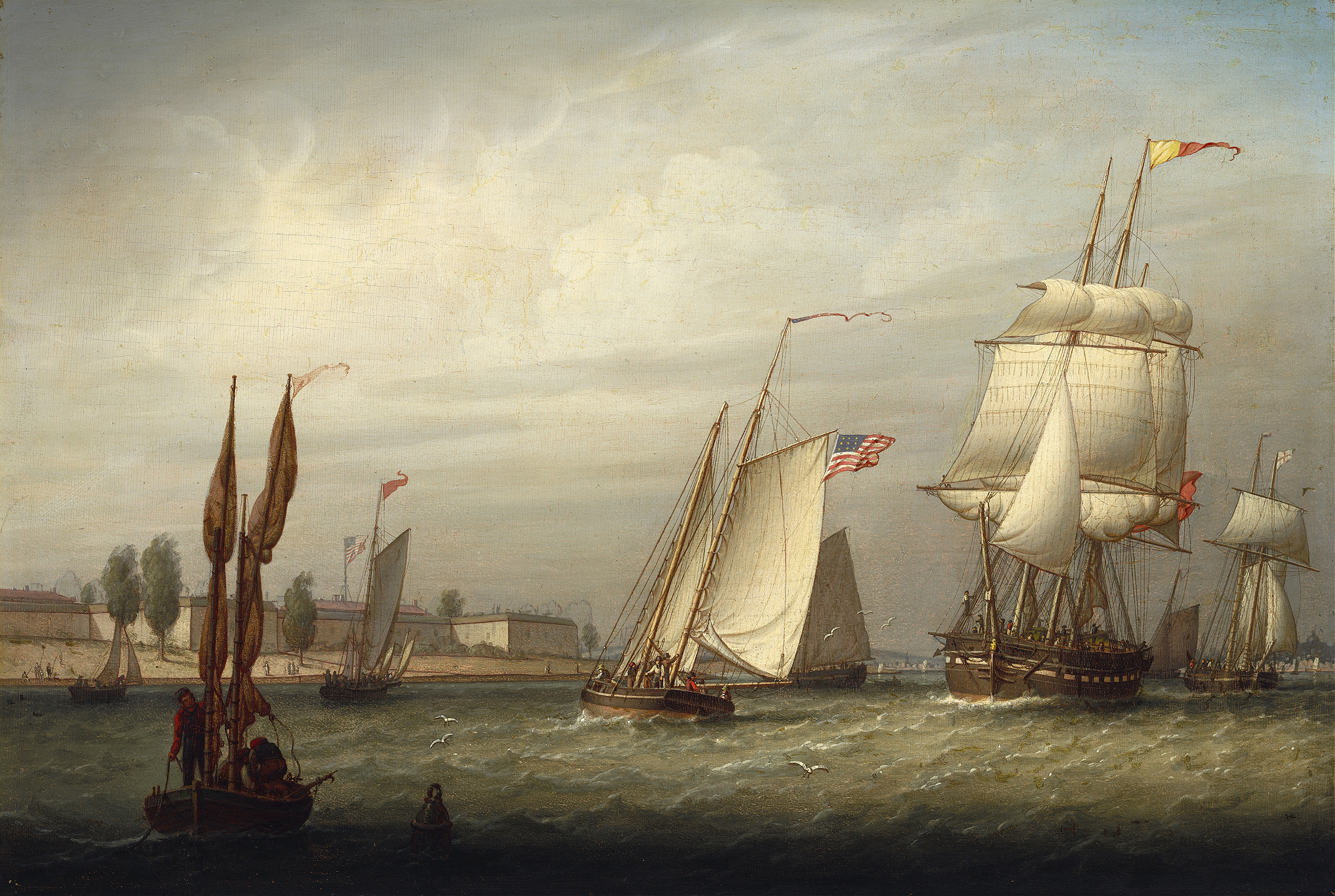
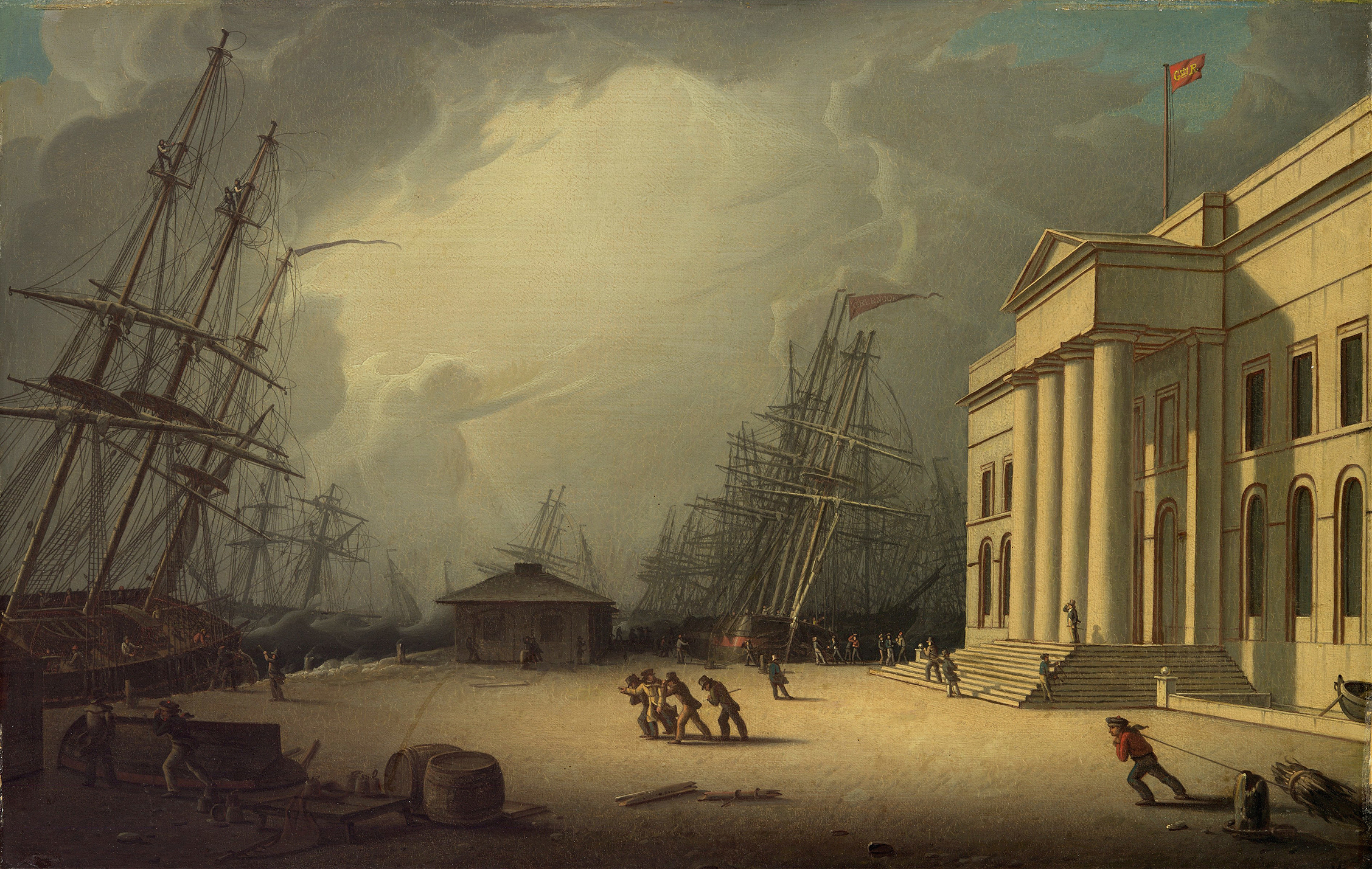
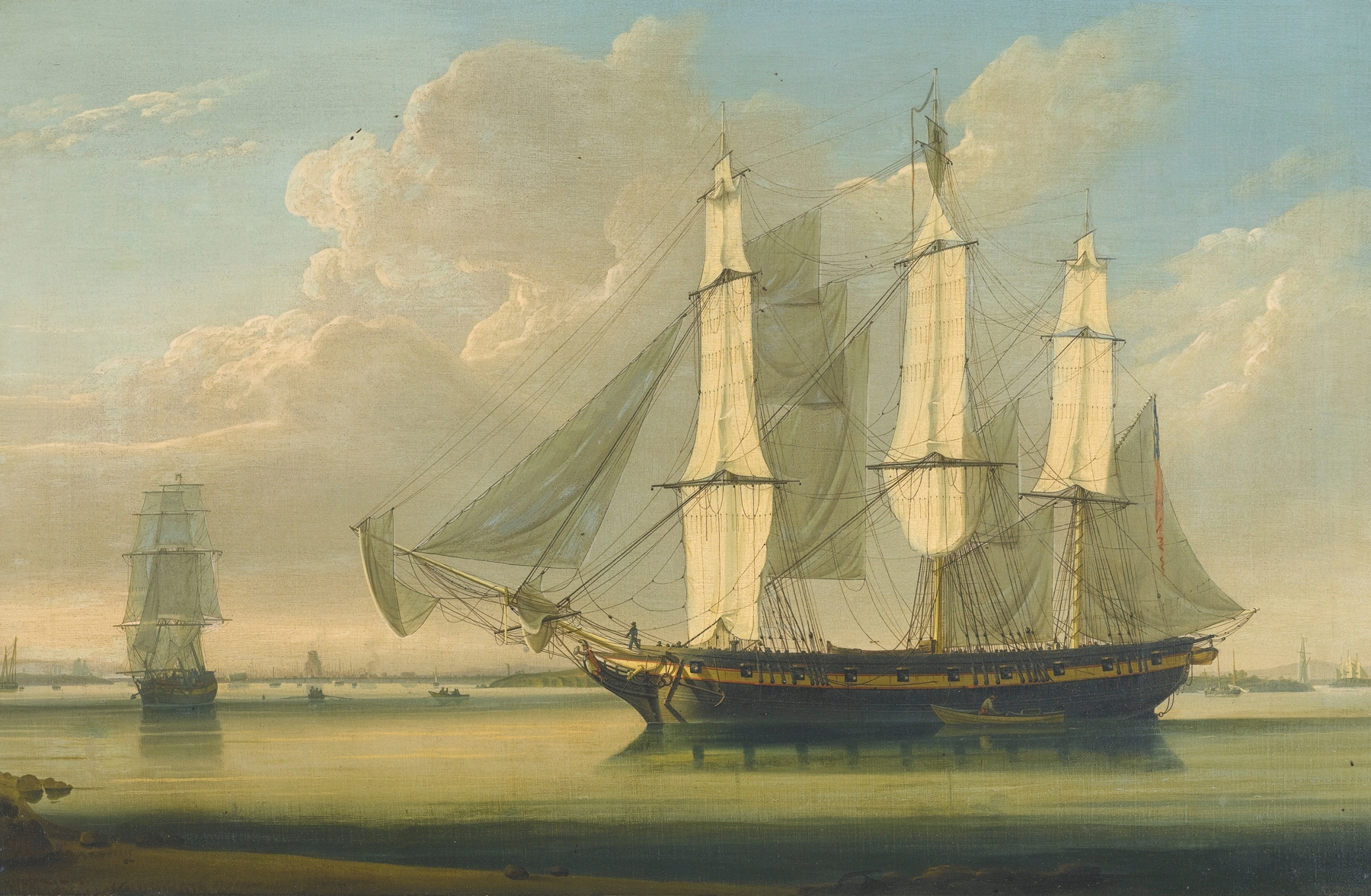
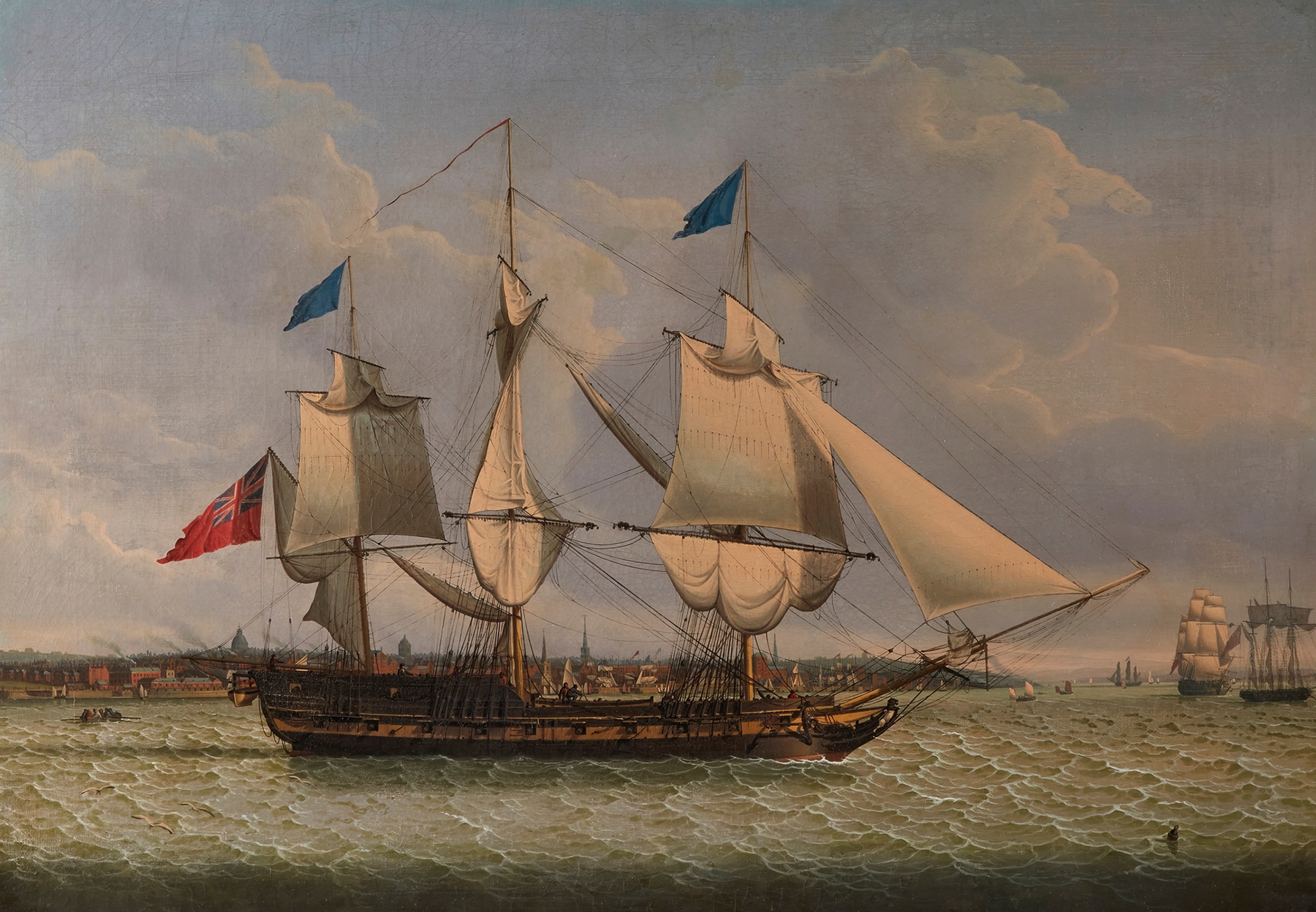
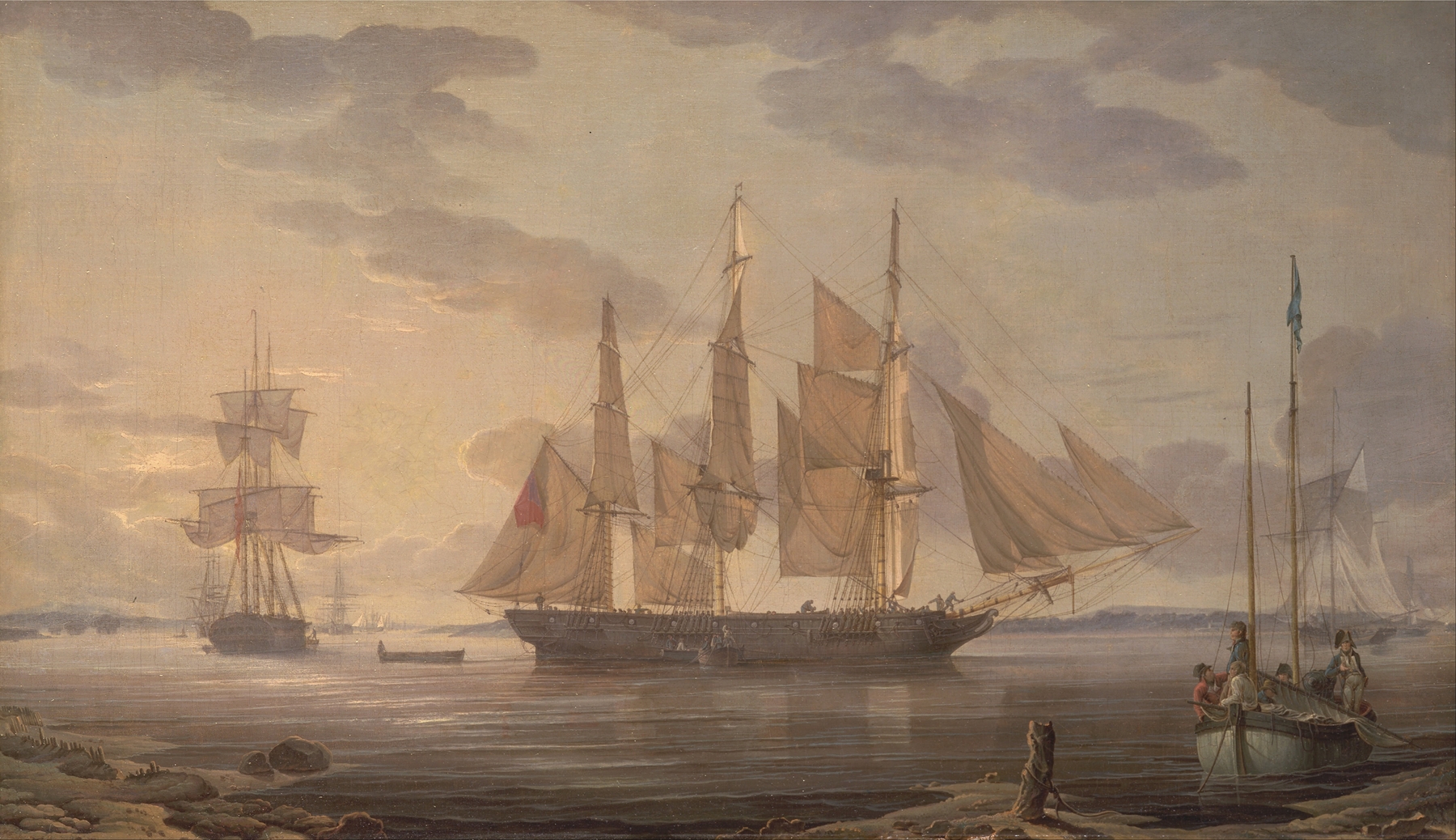
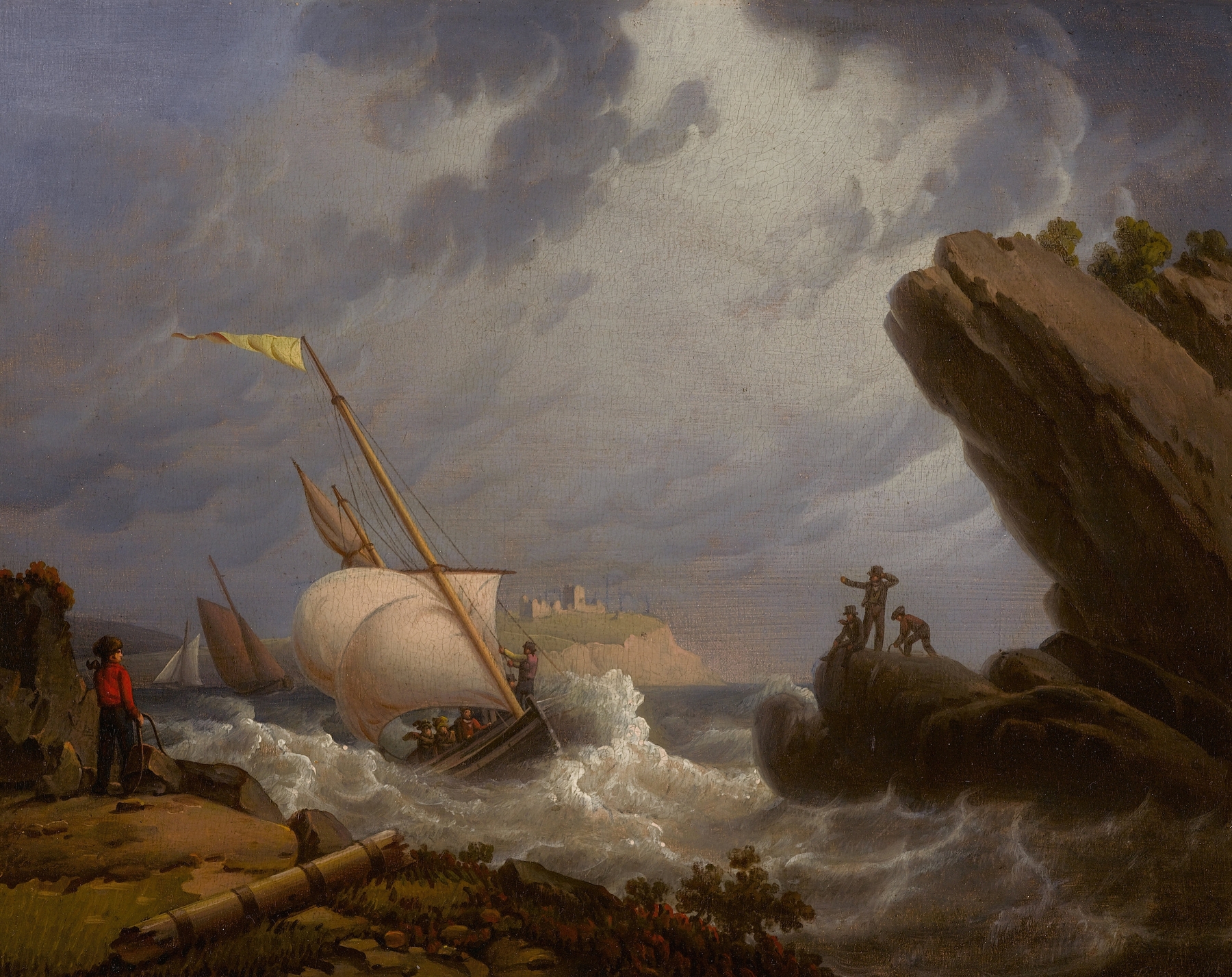
“To paint is to remember what time wants us to forget.” In this poignant reflection lies the essence of mortality—a fleeting whisper captured on canvas. The act of painting becomes a vessel for eternity, a way to pause the relentless march of time. Focus on the interplay of light and shadow in The Low Lighthouse, North Shields. The soft hues of the sky transition from golden yellows to muted blues, hinting at the twilight of day and perhaps, metaphorically, the twilight of life itself. Notice how the lighthouse stands resolute against the backdrop of an expansive sea, its stoic presence symbolizing guidance amid the tumultuous waves.
The textured brushstrokes create a sense of movement in the water, contrasting with the stillness of the structure—a visual representation of the delicate balance between permanence and transience. As you delve deeper, consider the juxtaposition of the lighthouse and the shifting tides. This contrast serves as a reminder of our own mortality; while the lighthouse may stand firm, the sea is ever-changing, much like the moments of our existence. Look closely at the small boats caught in the waves—each one a tribute to the lives that navigate the unpredictable waters of fate.
The painting invites contemplation on what remains constant and what inevitably slips away. During the time Robert Salmon created this work, he was solidifying his reputation as a maritime painter in the 19th century, often depicting the coastlines of England. The world was undergoing significant industrial changes, and the artist's focus on such enduring landmarks hinted at a yearning for stability amid transformation. While the exact date of this piece is unknown, it captures a moment in time where the artist grappled with the themes of permanence and passage, echoing the sentiments of an era caught between tradition and modernity.