Ferryboat — History & Analysis
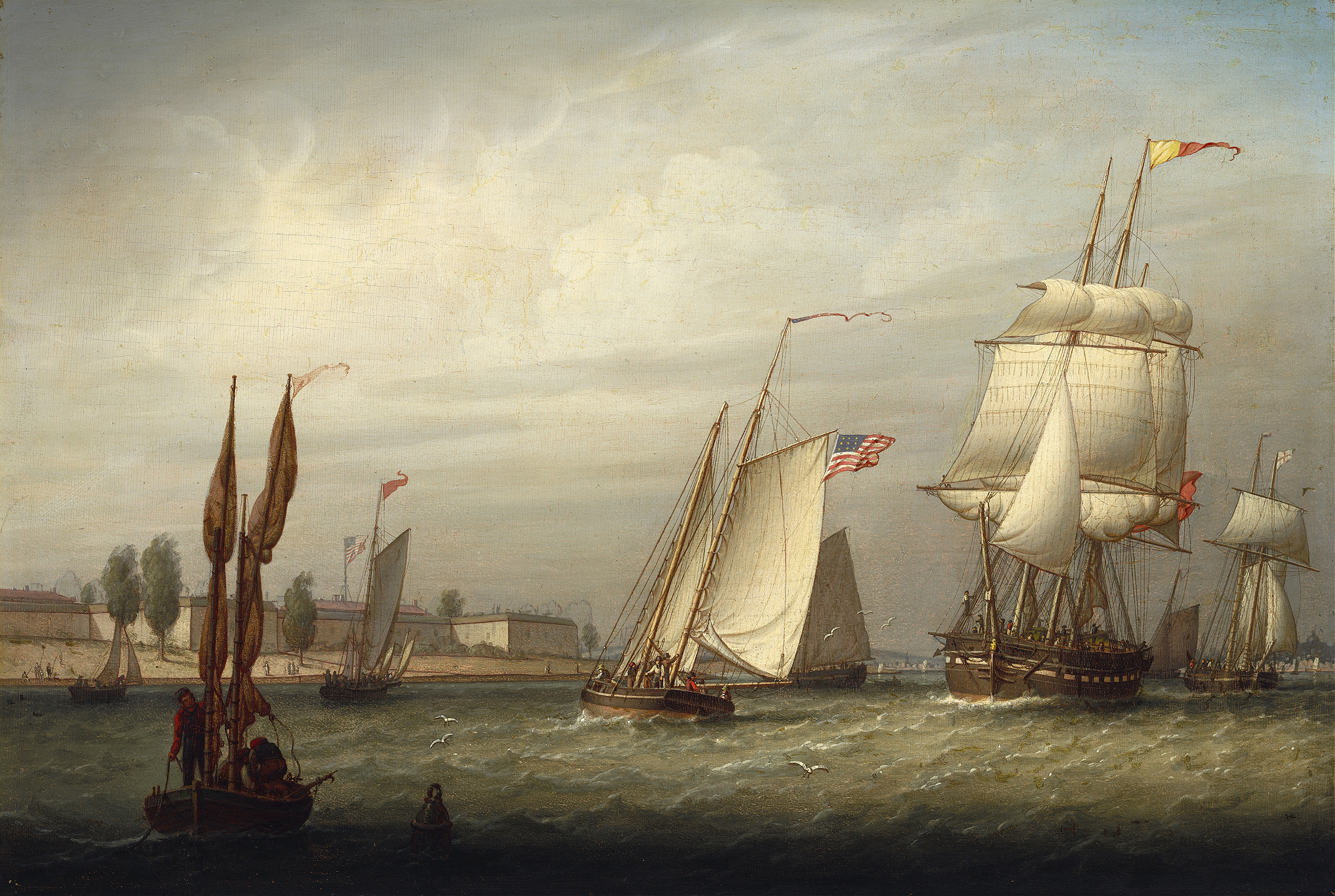
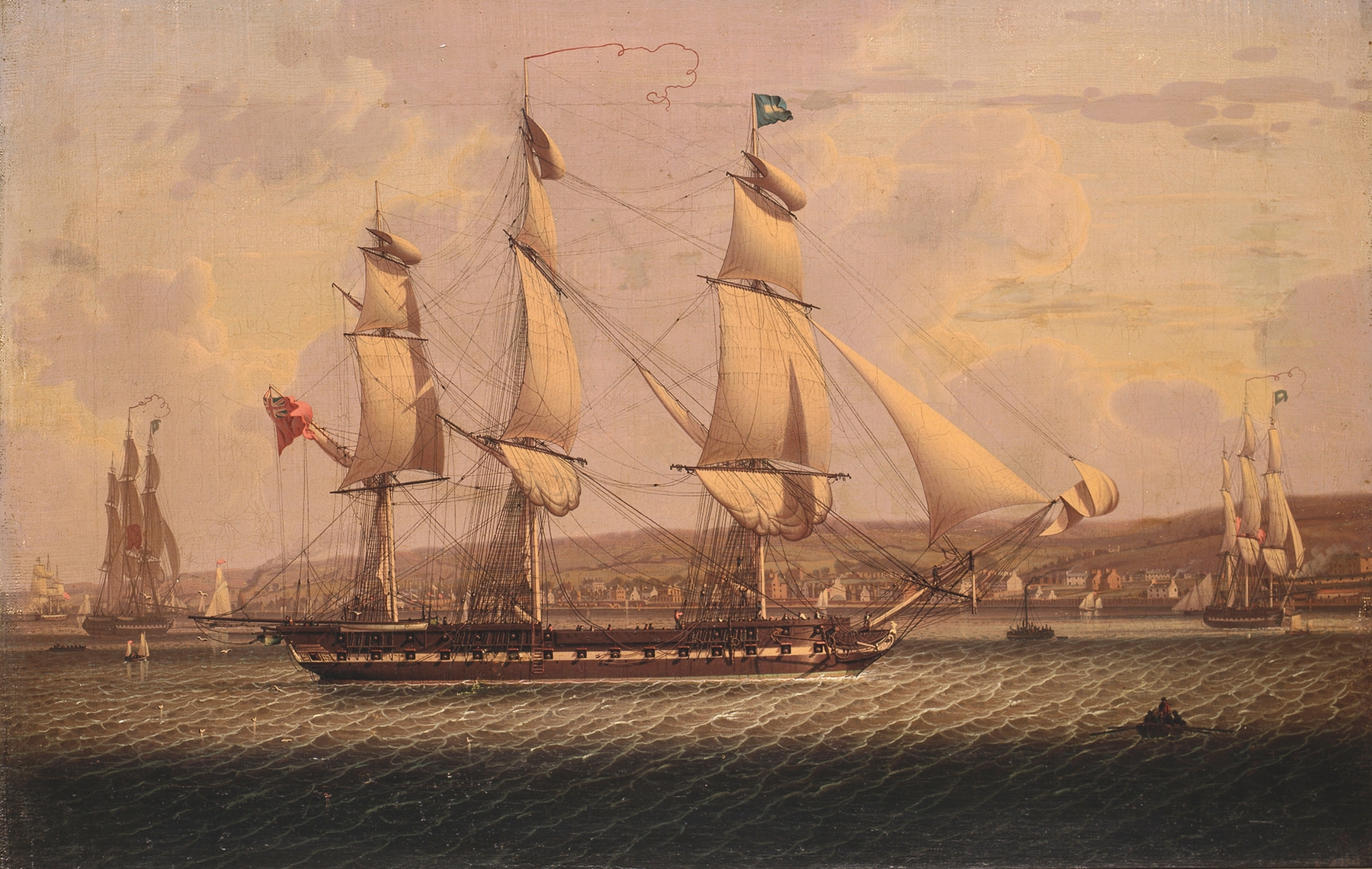
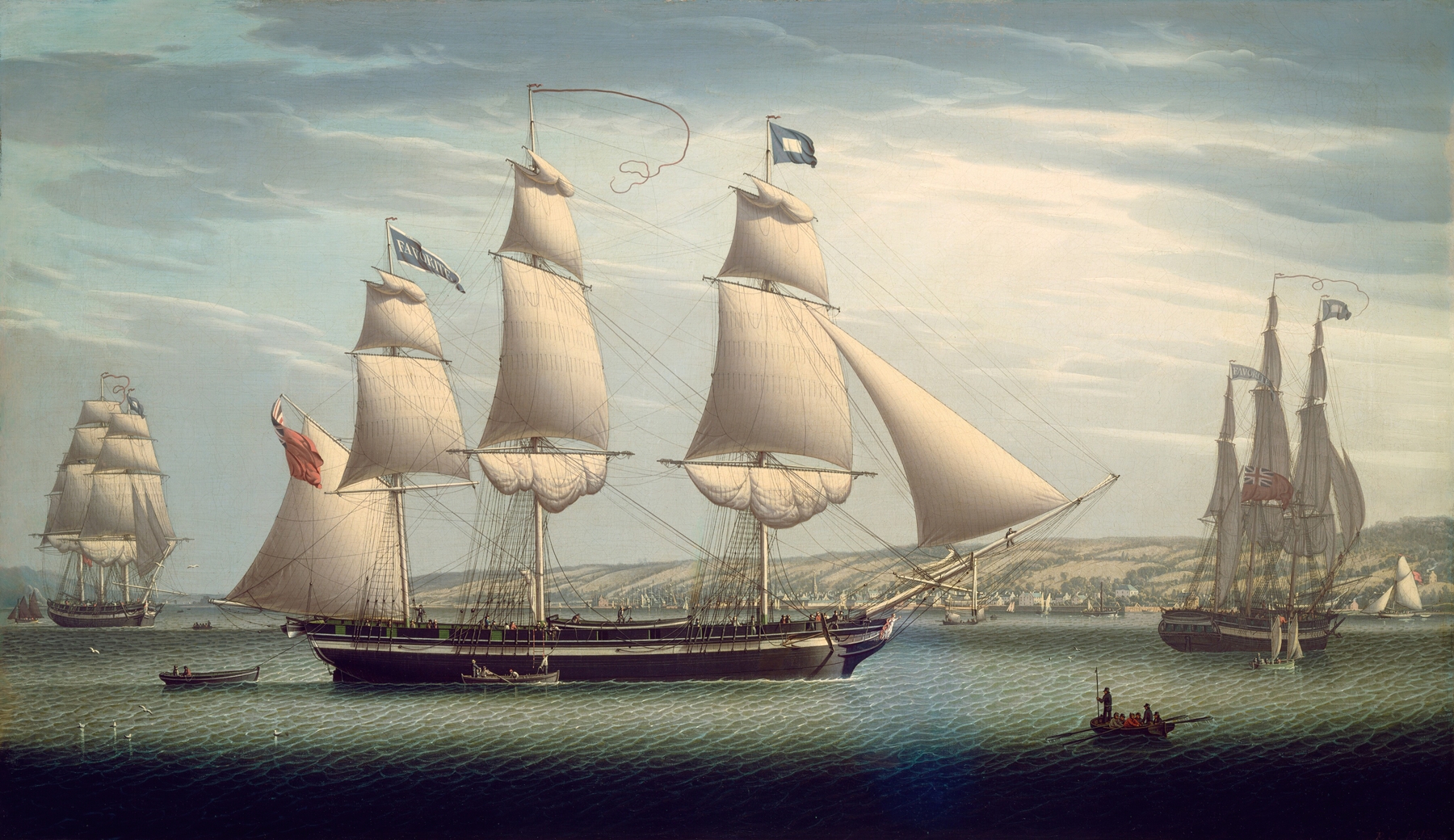
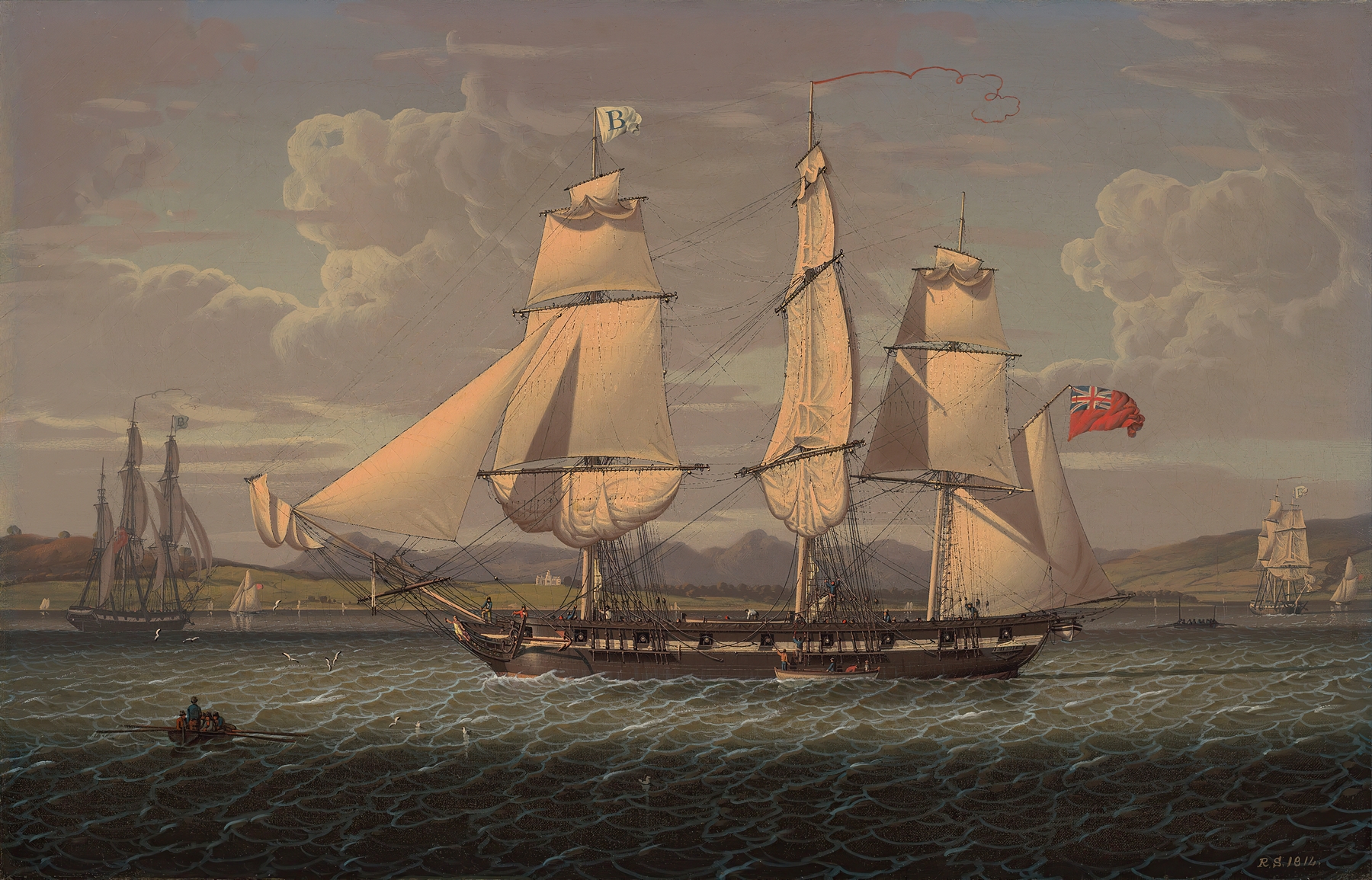
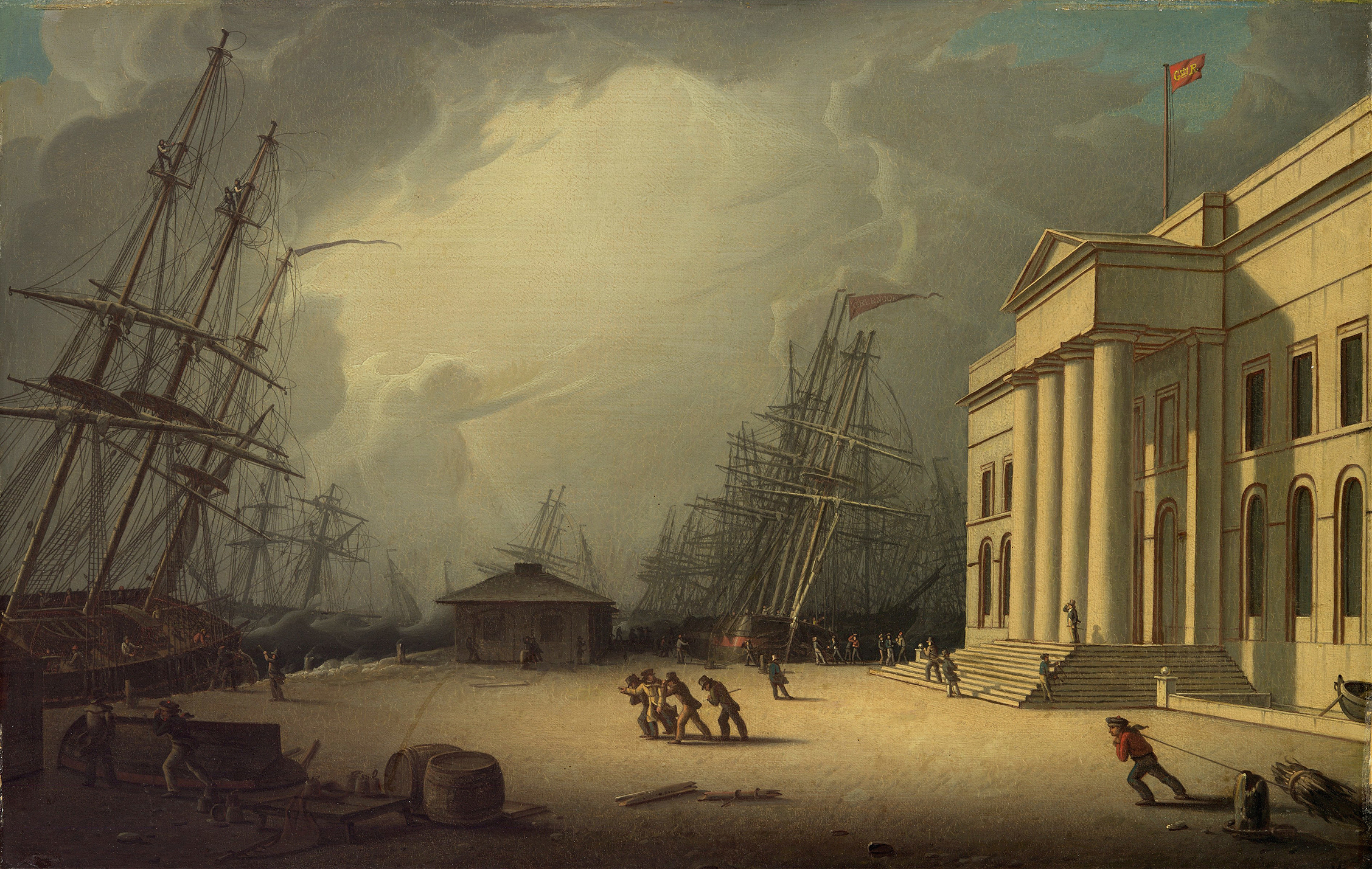
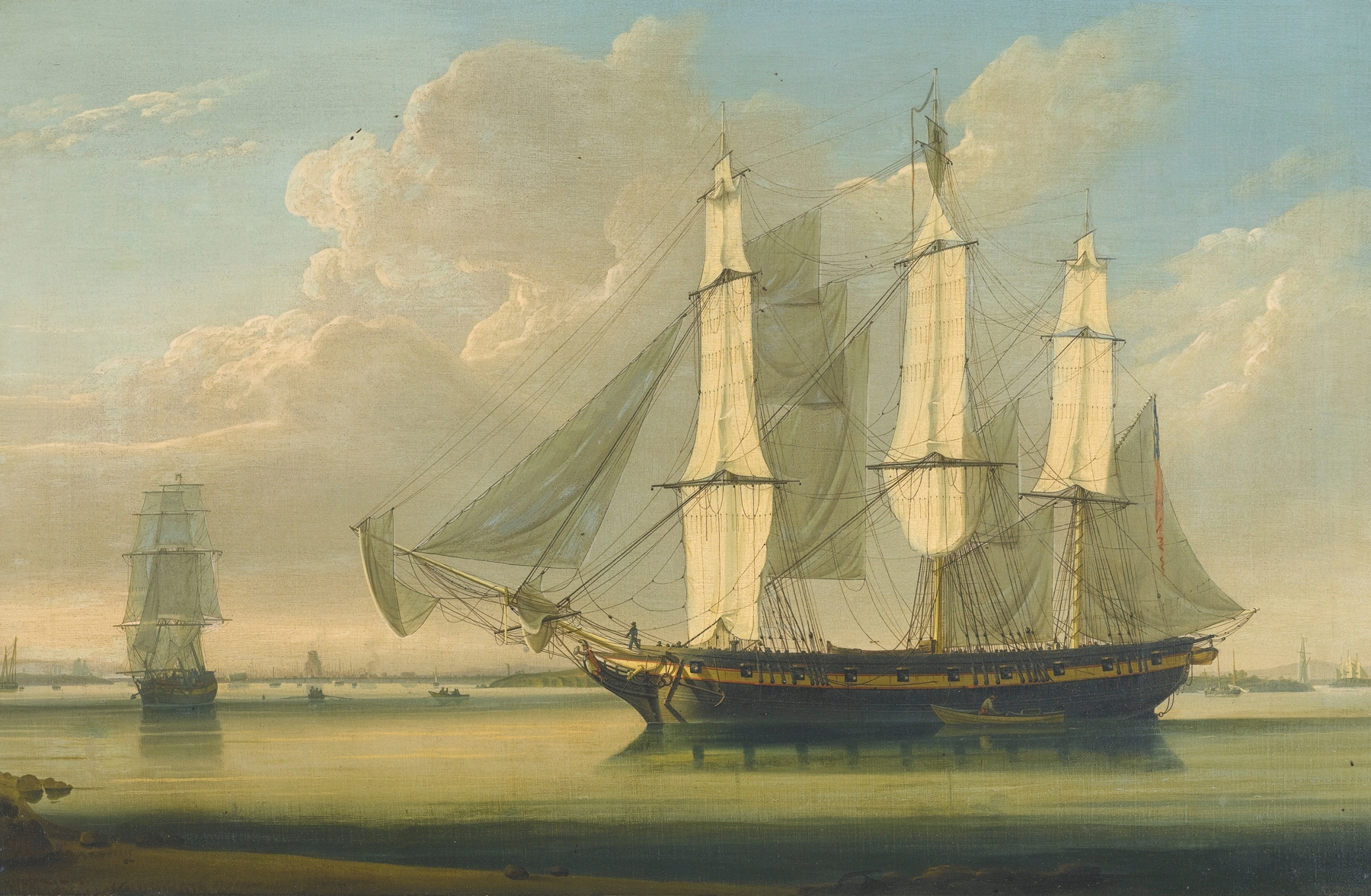
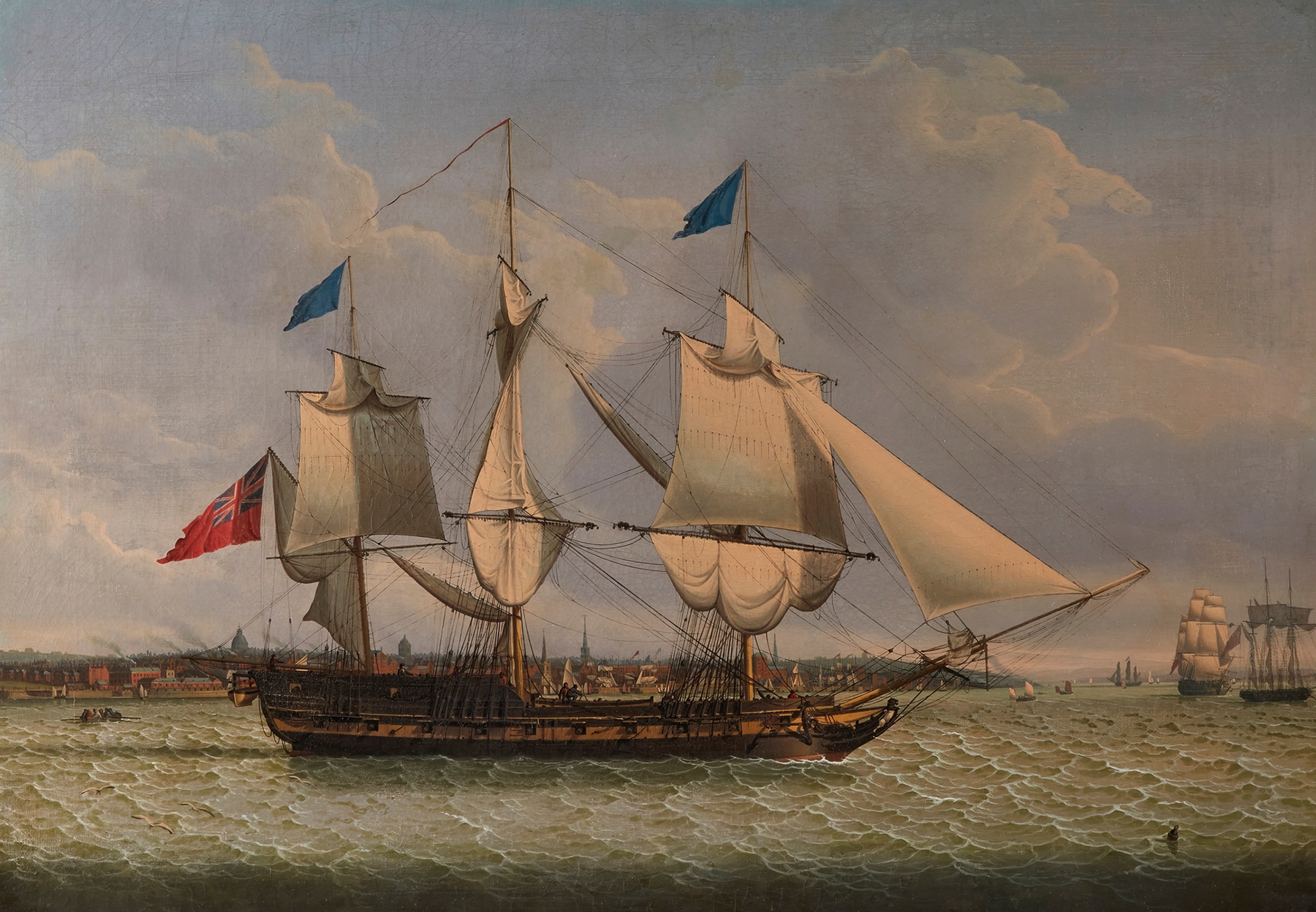
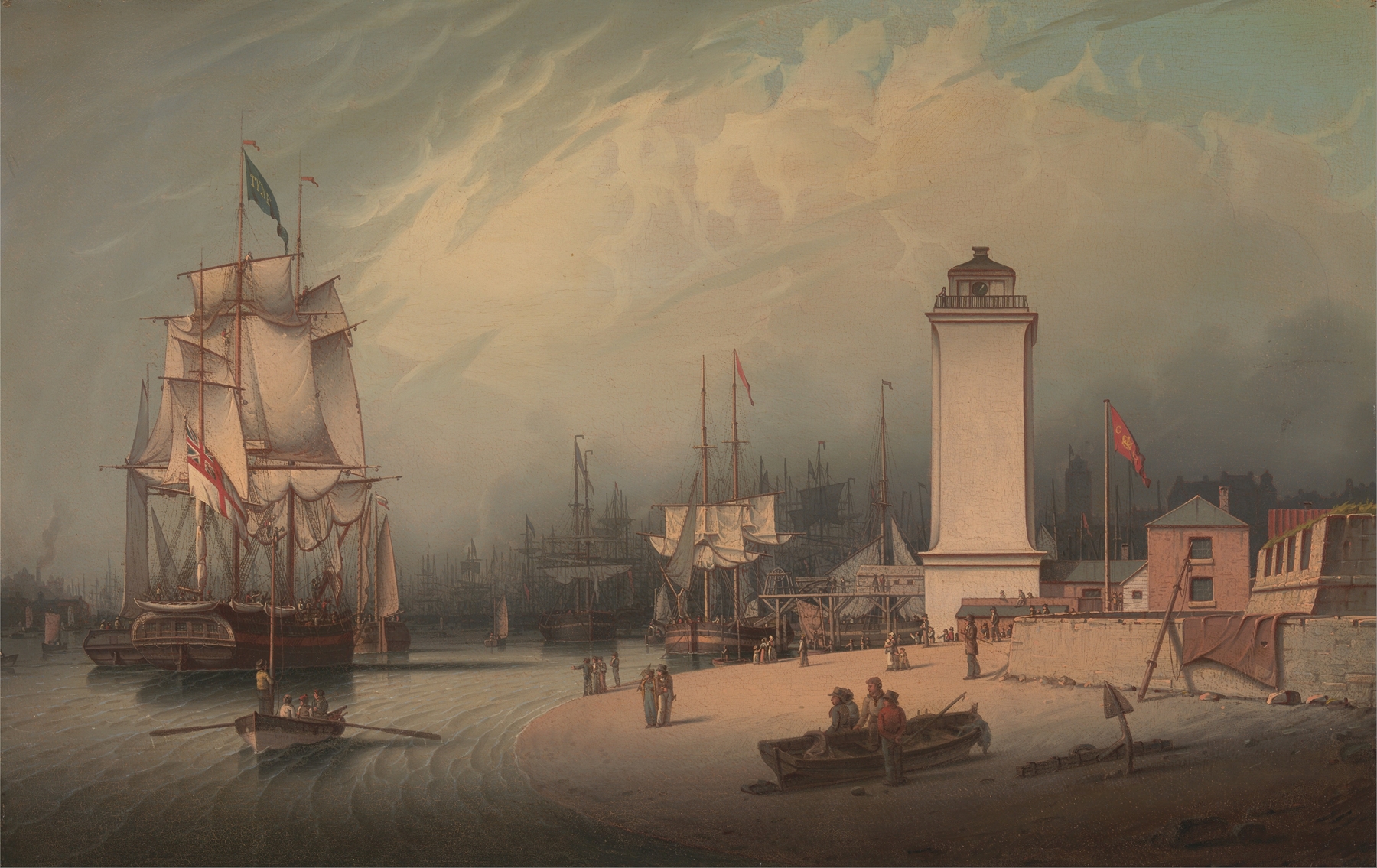
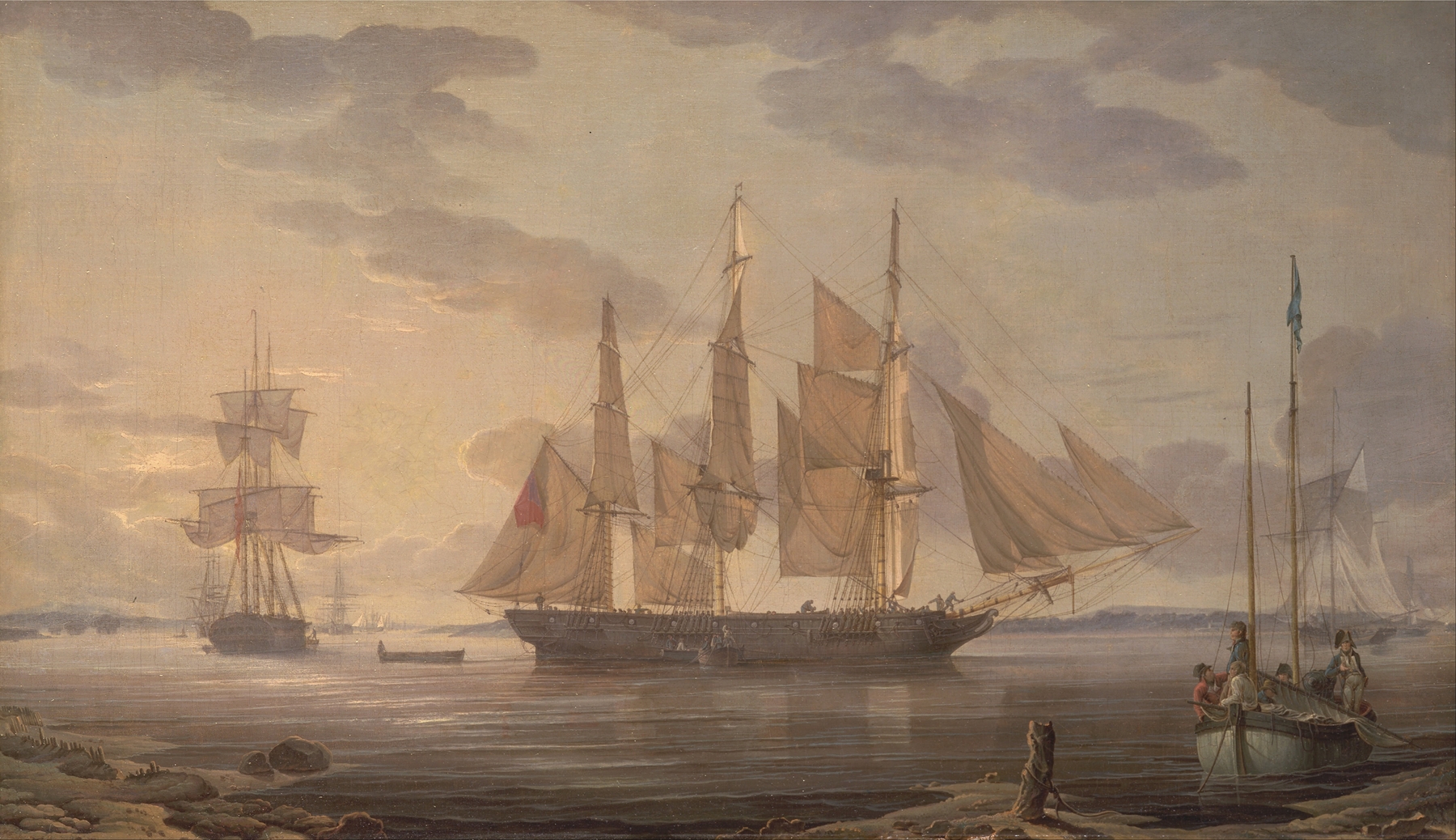
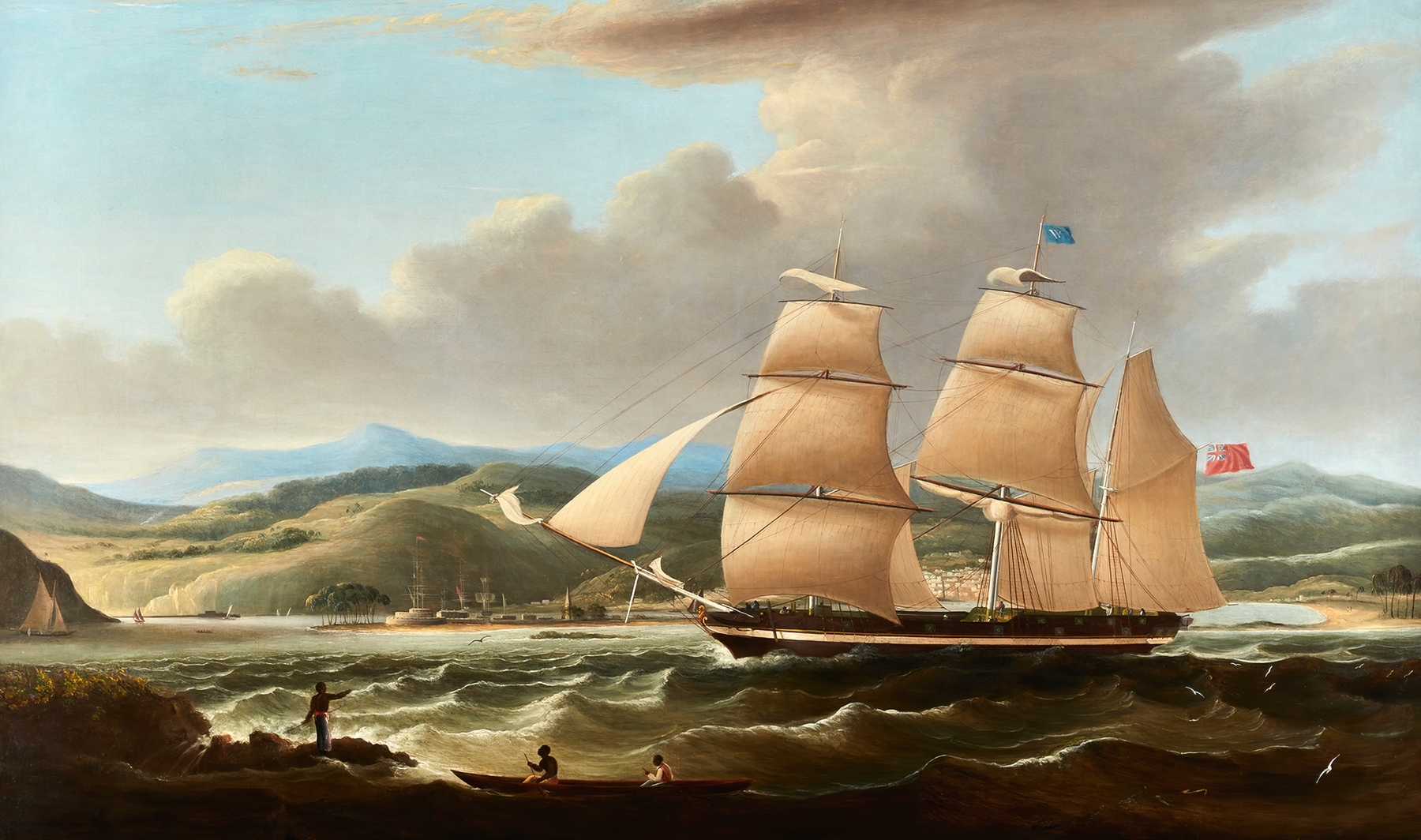
“Art reveals the soul when the world turns away.” In the quiet stillness of grief, one finds the delicate tether between loss and remembrance, a theme echoed through ages in countless artworks. Look to the left, where the subdued hues of the sky converge with the darker waters, capturing the solemnity of a journey taken. The ferryboat, skillfully rendered, feels both anchored and adrift, a metaphor for the human condition. Salmon’s brushwork creates a gentle rhythm, drawing the eye across the canvas from the figures onboard to the distant shore, evoking a sense of longing.
Notice how the colors shift from earthy browns to melancholic blues, illuminating the emotional landscape of the scene. As you study the figures on the boat, note their postures, cloaked in contemplation, mirroring the heavy weight of shared sorrow. Each face tells a story, a silent narrative unfolding within their eyes, hinting at personal losses and collective memories. The calm water contrasts with the turmoil of grief, symbolizing the struggle to navigate through life’s unpredictable currents, ultimately reflecting both vulnerability and resilience.
In 1835, when this piece was created, Robert Salmon was living in the United States, amidst a burgeoning art scene that was beginning to embrace Romanticism. His work often depicted maritime subjects, reflecting both his personal experiences and the vastness of human emotion. During this period, the world was undergoing significant changes—with industrialization and expansion reshaping societies—echoing the tumultuous undercurrents of his art.