A Naval Battle Between Turks And Christians — History & Analysis
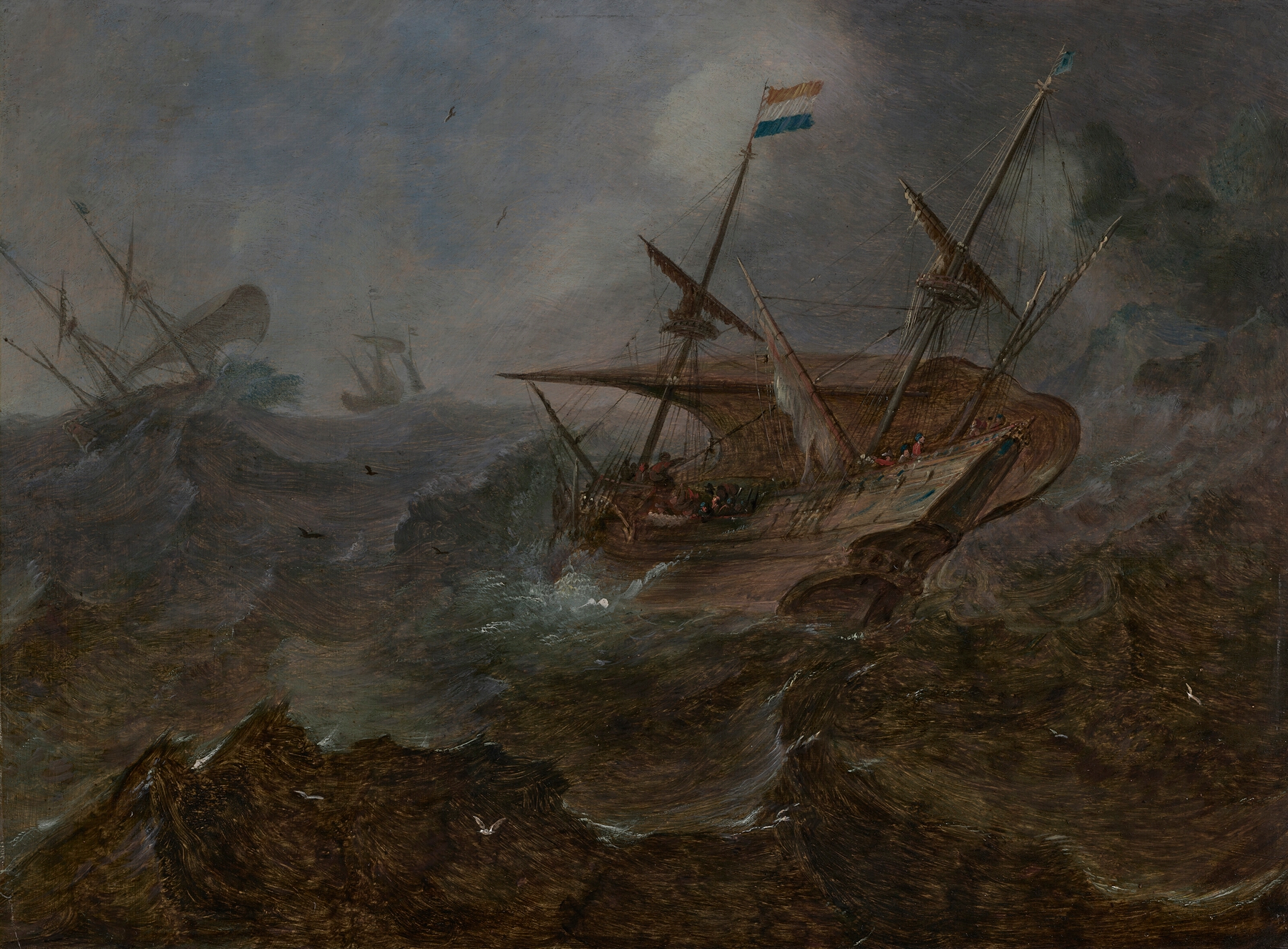
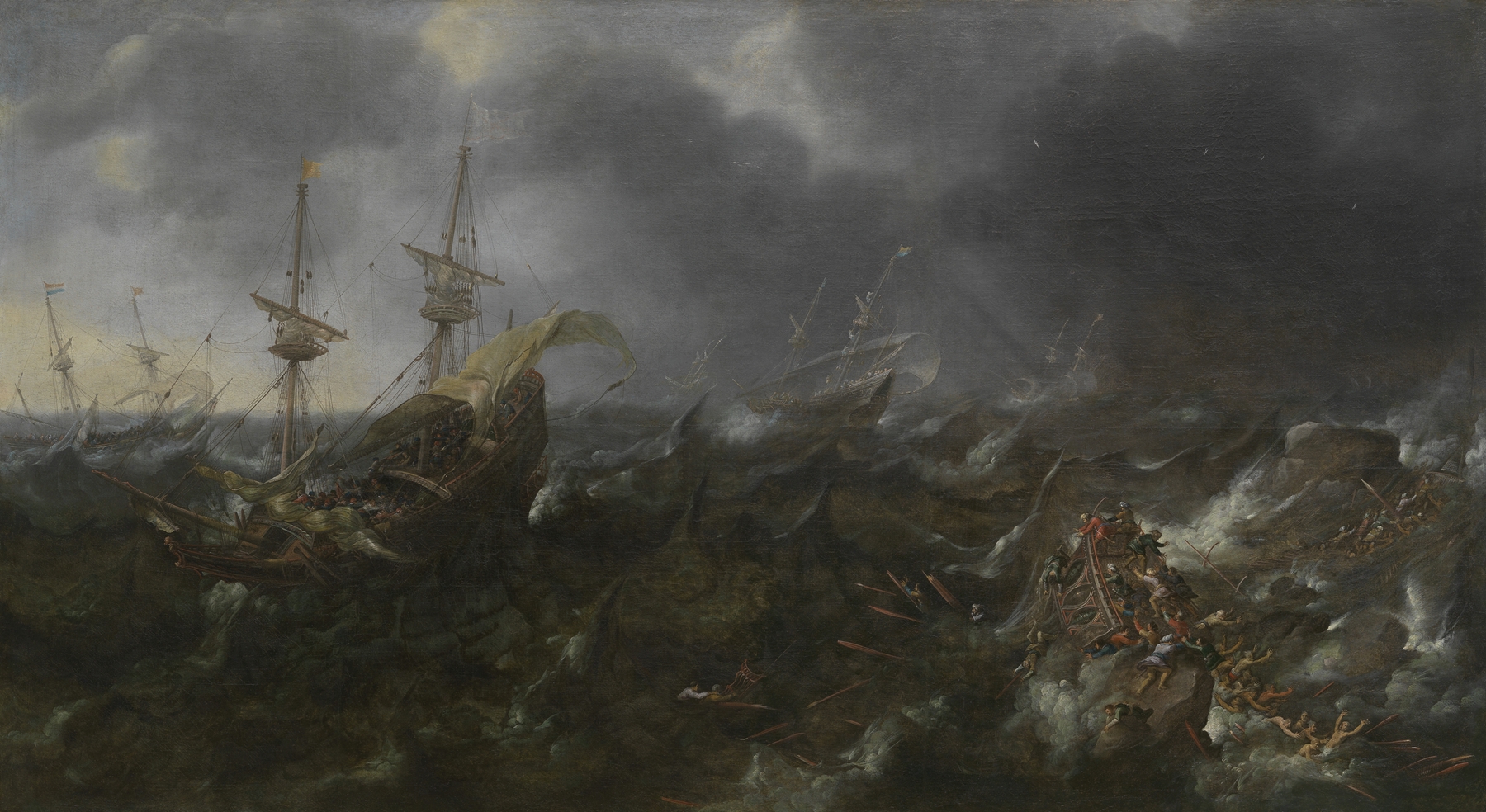
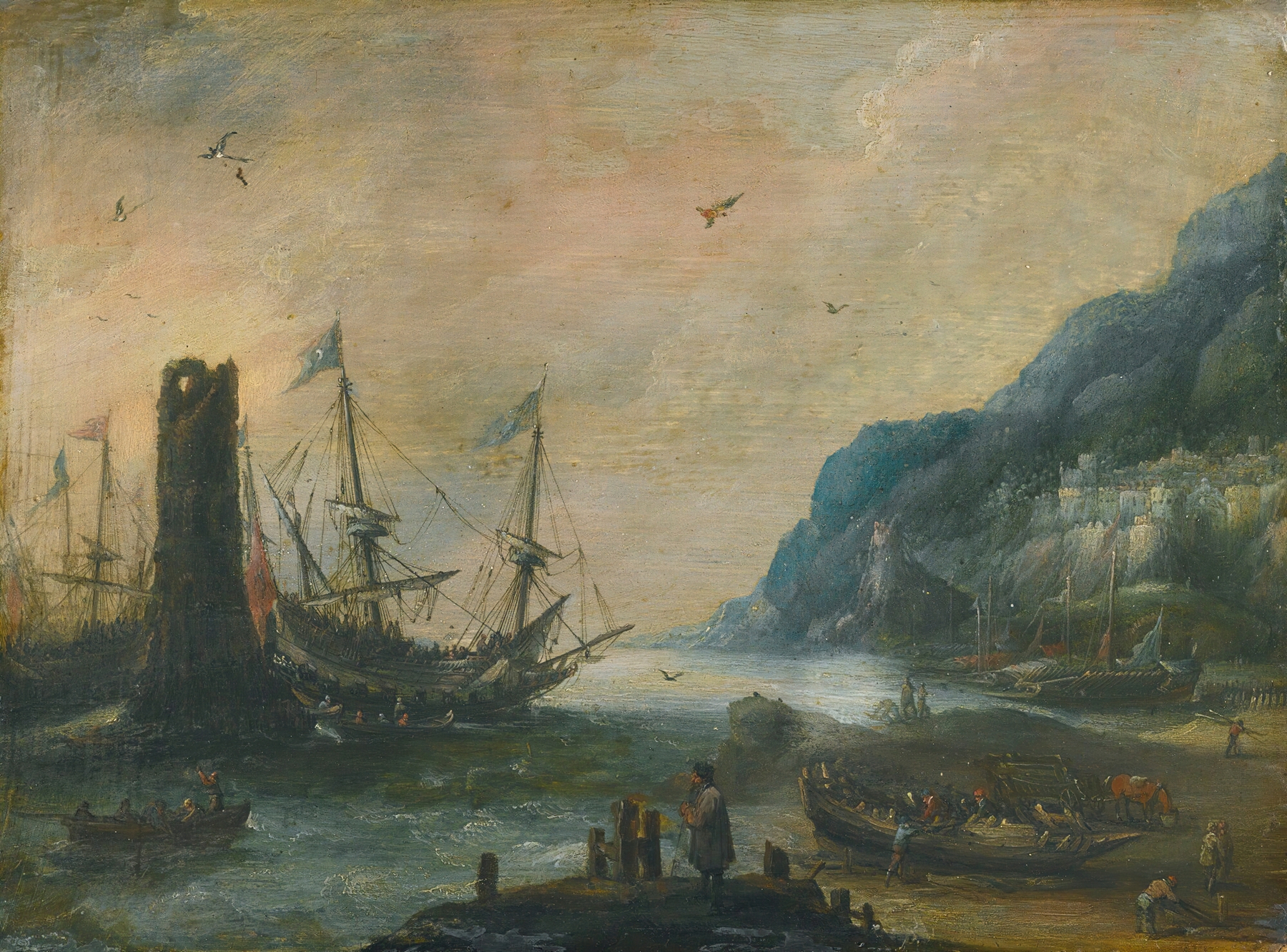
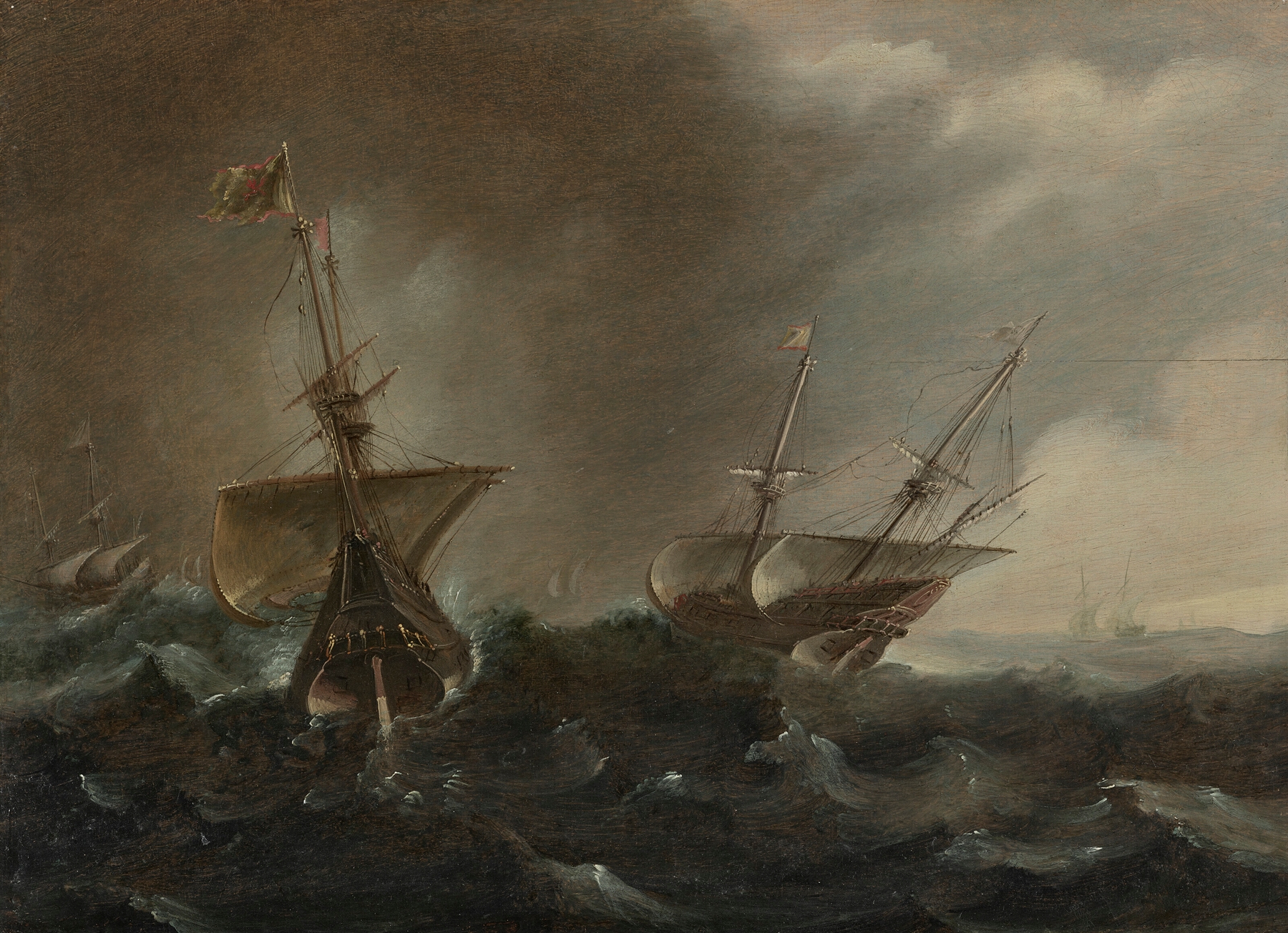
The tumult of clashing ships fills the air as billowing sails stretch taut against the wind. The sea churns beneath a sky bruised by the onset of battle, where cannon fire roars like thunder. Sailors shout, their faces a mix of determination and dread, while the shimmering waves reflect not just the light of the sun but also the shadows of looming stakes. Look towards the center, where two ships grapple in a fierce embrace, sails unfurling like banners of war. Notice how the artist expertly captures the movement of the waves, each brushstroke a testament to the chaos of naval warfare.
The vibrancy of the colors—the deep blues and greens contrasted against fiery bursts of orange and red—creates a dynamic tension, drawing your gaze into the heart of the conflict. Shadows play across the figures, deepening the drama and hinting at the unseen dangers lurking beneath the surface. Delve into the details: the torn flags whipping in the wind, the expressions of fear and bravery etched upon the sailors' faces, and the smoke that curls ominously into the air. Each element serves as a reminder of the high stakes of this moment—a clash not just of ships, but of ideologies and cultures.
The light illuminating specific figures creates an interplay of hope and despair, suggesting that victory comes at a great cost. Andries van Eertvelt painted this scene during a period marked by religious conflict and maritime exploration, likely in the early 17th century. Living in the Netherlands, a hub of artistic innovation and political strife, he embraced themes of naval power in his works as tensions escalated between Christians and Muslims in the Mediterranean. This painting reflects not only the tumult of its time but also the artistic shift towards capturing dynamic, action-filled scenes.