The battle of Lepanto — History & Analysis
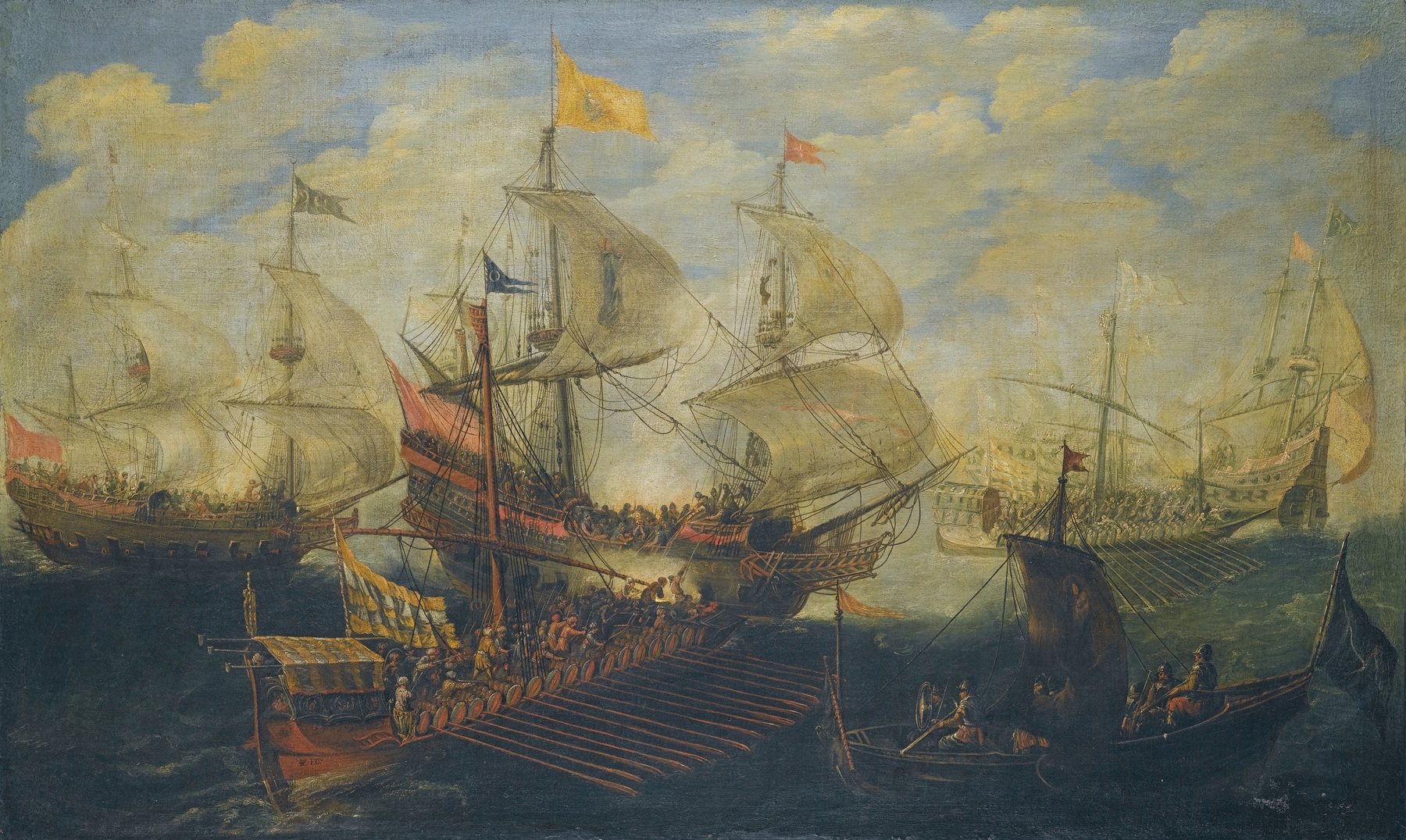
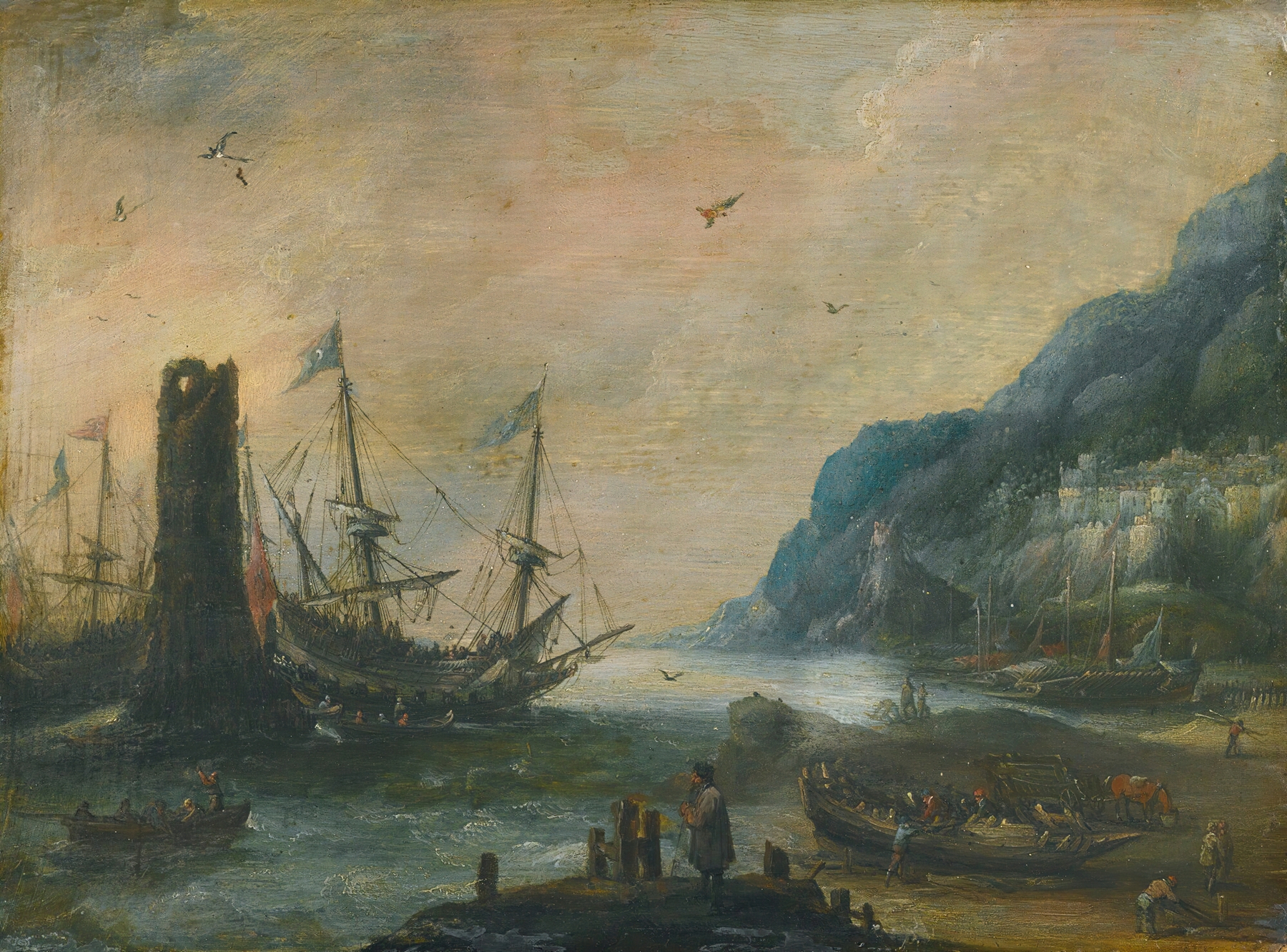
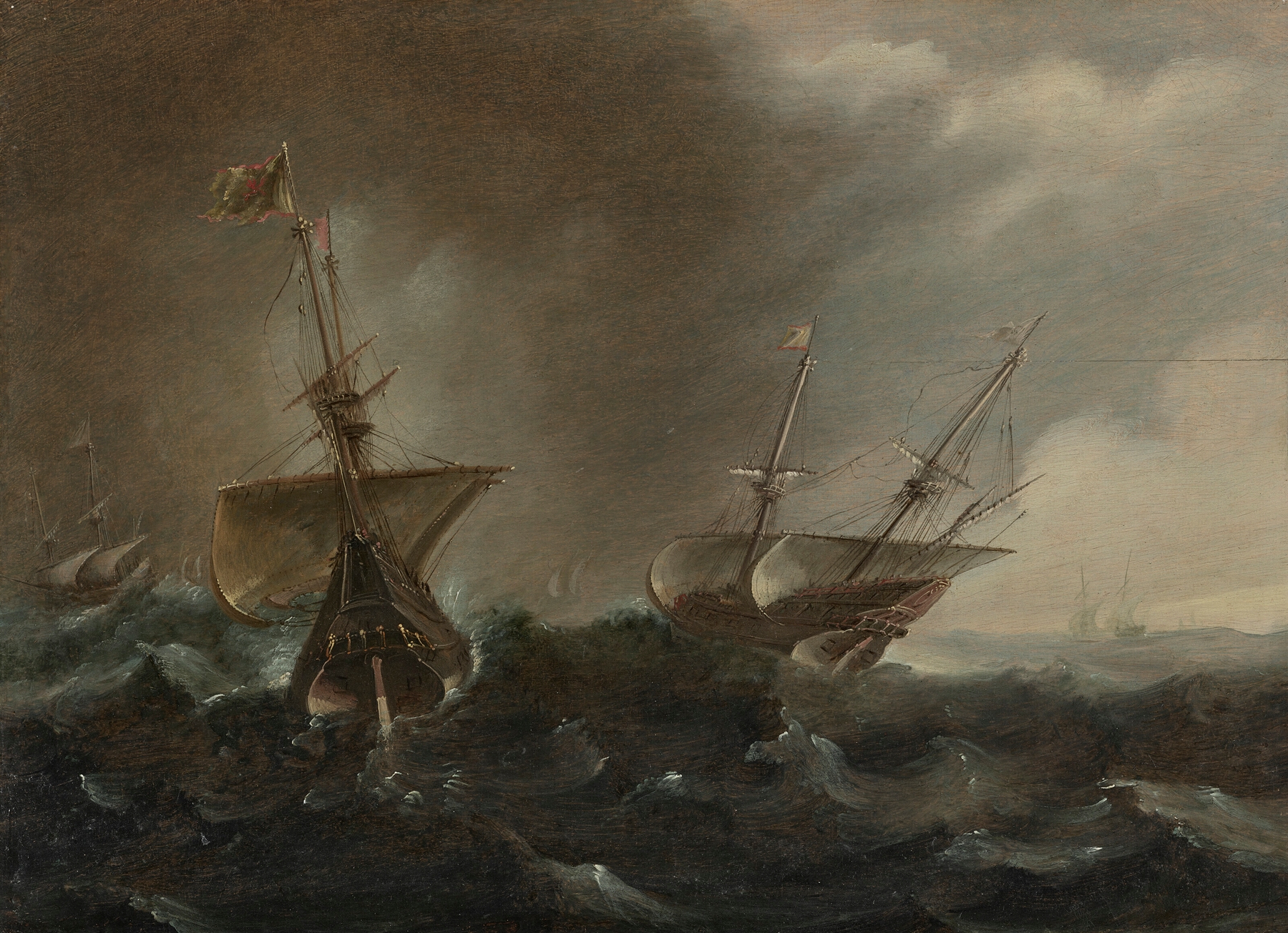
A tumult of chaos erupts upon the churning waves, where ships clash in a violent dance of cannon fire and splintering wood. Amidst the smoke and spray, sailors scream and toil, their bodies outlined by the fiery glow of battle. The sun hangs low, casting a golden hue over the tumultuous scene, while shadows alternate between despair and daring. Focus your gaze on the center of the canvas, where the heart of the conflict pulses with frenetic energy.
Notice how the artist employs dynamic brushstrokes to capture the thrashing water, imbuing the waves with a sense of relentless motion. The contrasting colors of deep blues and fiery reds draw your eye to the ships, each uniquely detailed, their sails billowing defiantly against the backdrop of chaos. Delve deeper into the painting, and you’ll discover layers of meaning amid the tumult. The juxtaposition of light and shadow on the figures represents the duality of courage and fear, while the scattering debris signals the destructive cost of war.
Each expression on the faces of the sailors reflects a spectrum of human emotion, inviting the viewer to consider the personal toll hidden within the grand narrative of victory and loss. In 1623, during a period marked by intense naval conflict, Andries van Eertvelt painted this remarkable work in Antwerp, a city bustling with maritime trade and military prowess. The Battle of Lepanto, fought in 1571, had become a legendary tale, symbolizing the struggle between Christianity and Islam. Amidst this backdrop, the artist sought to immortalize the dramatic confrontation, reflecting the era's complexities and the tumultuous nature of human ambition.