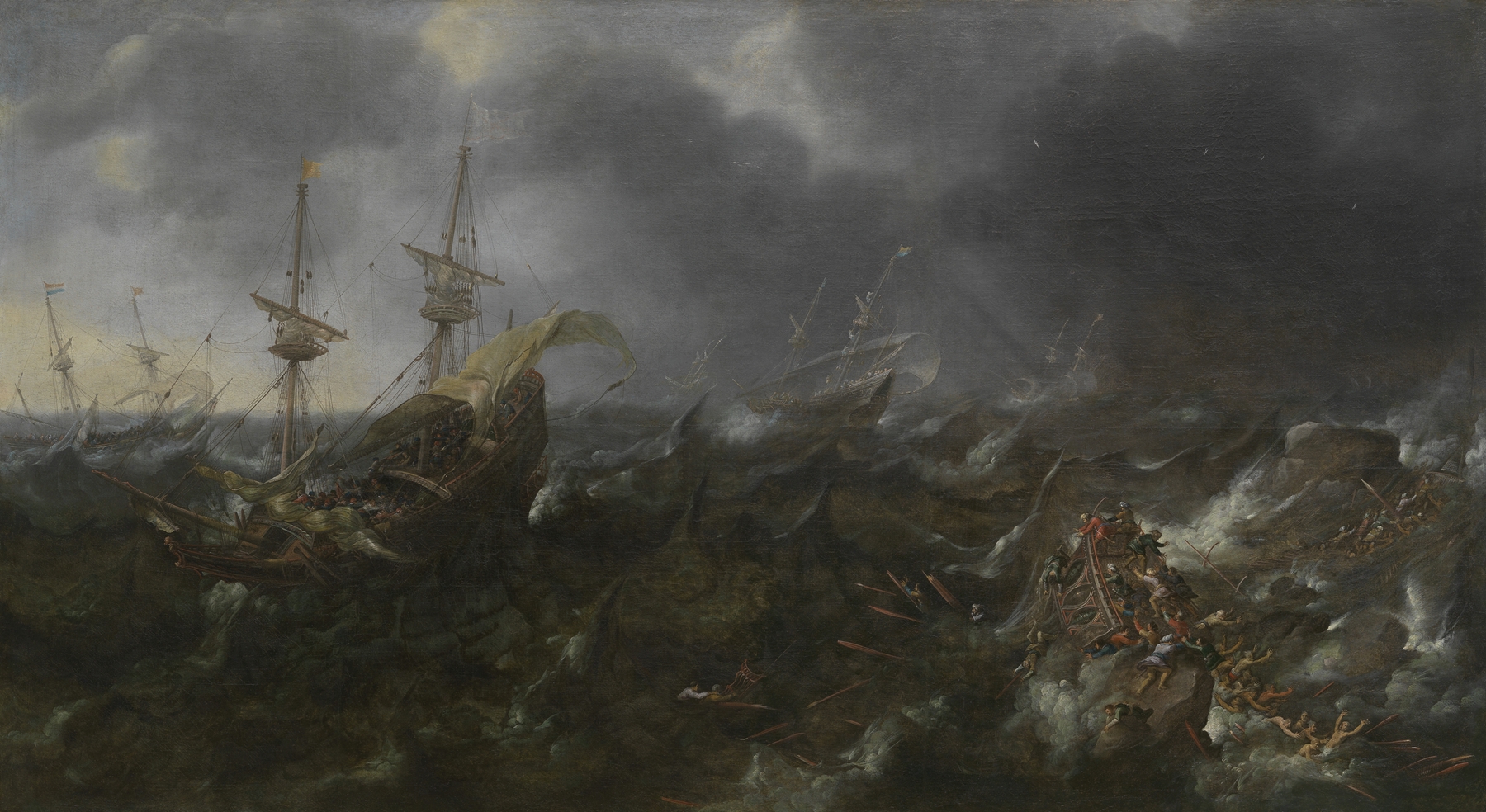
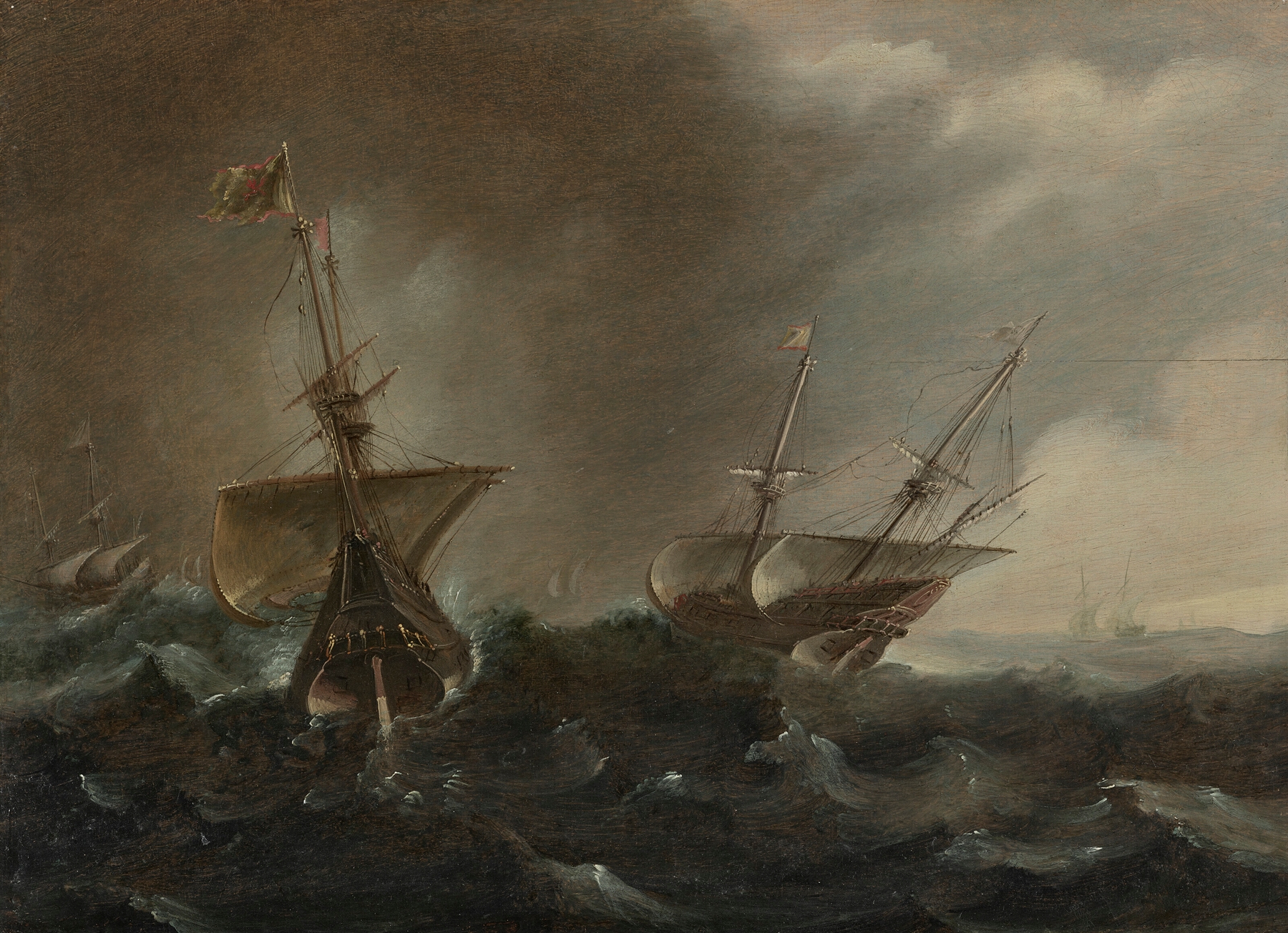
A mediterranean coastal scene with a tower, ships, and figures on the shore — History & Analysis
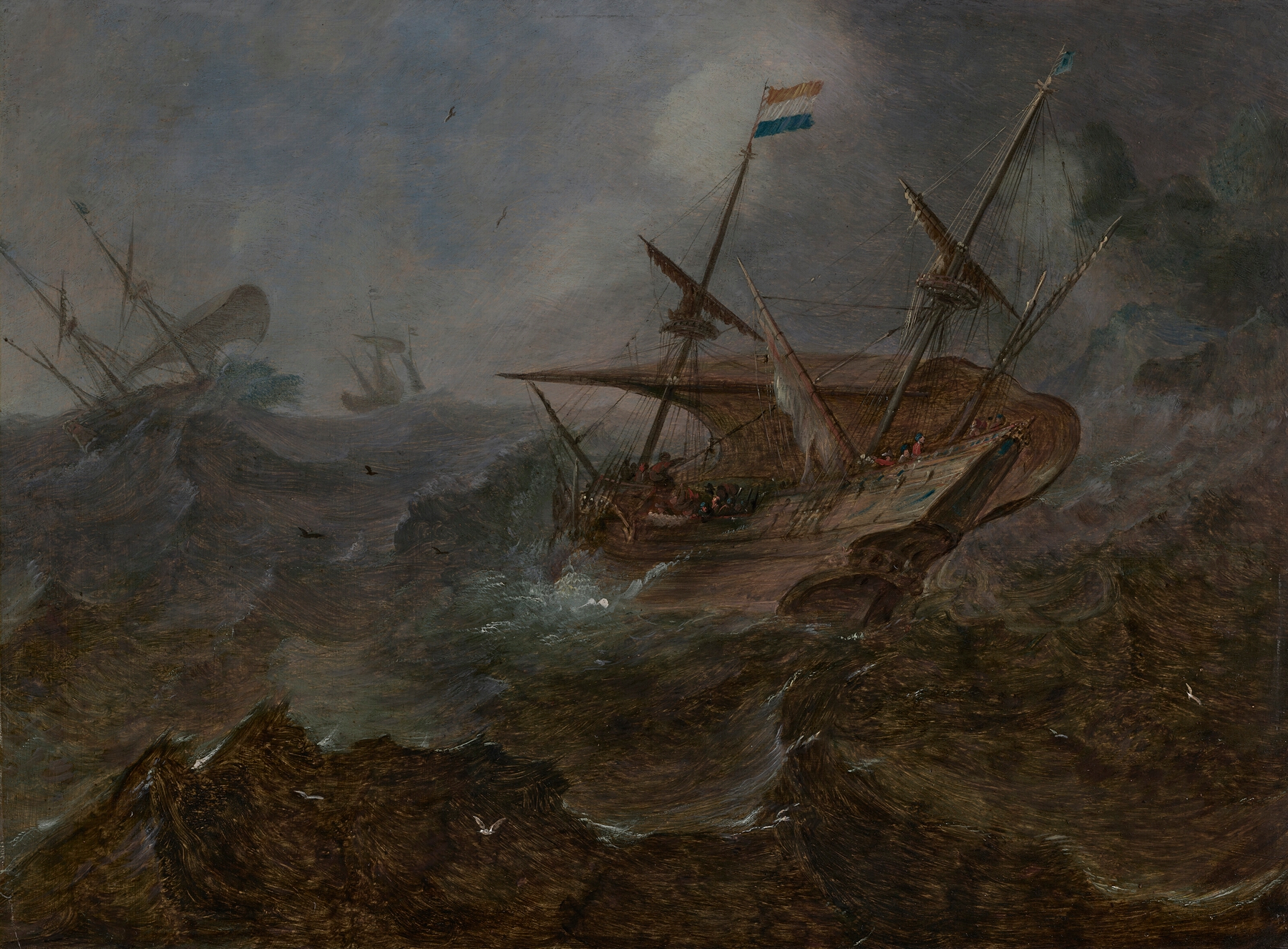
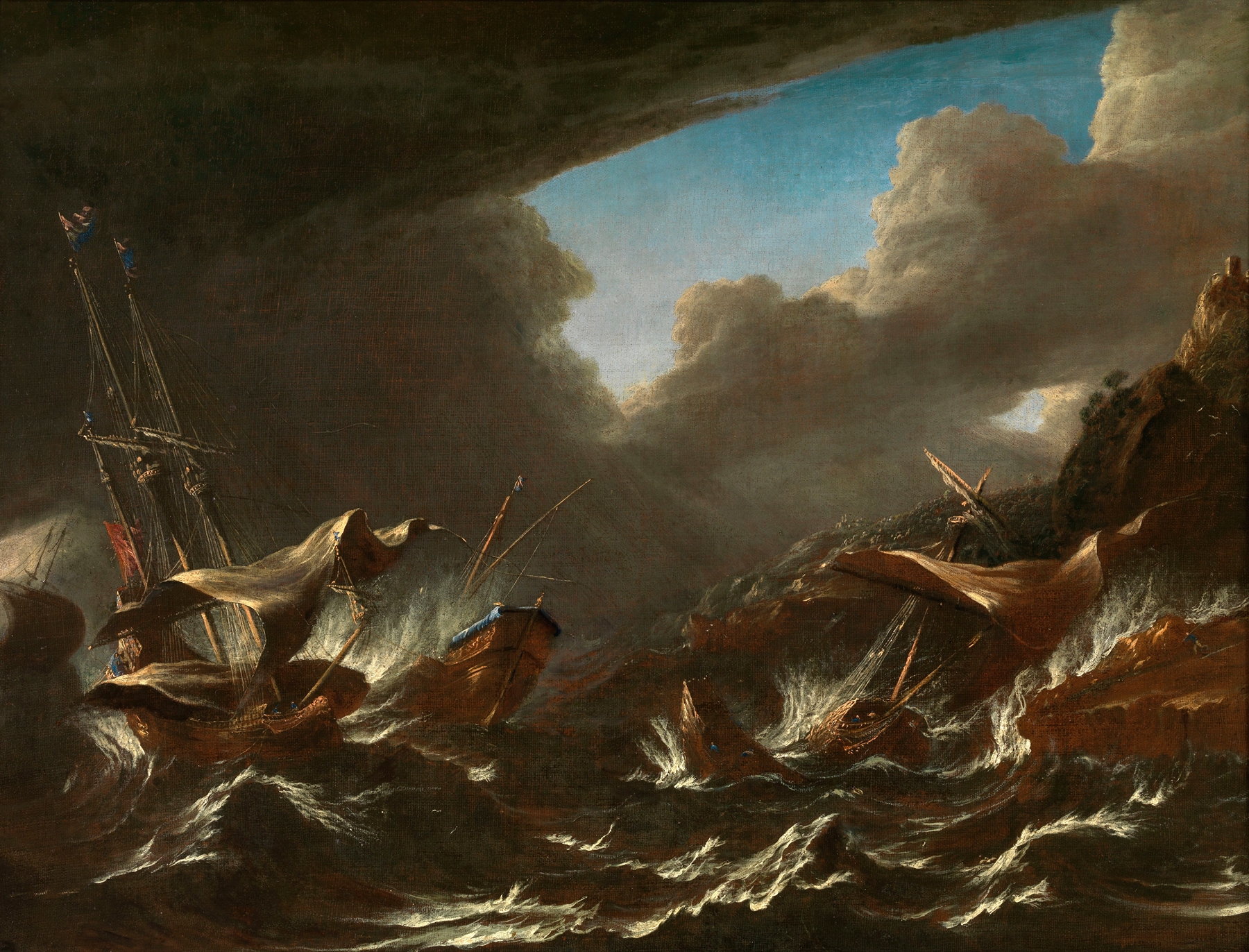
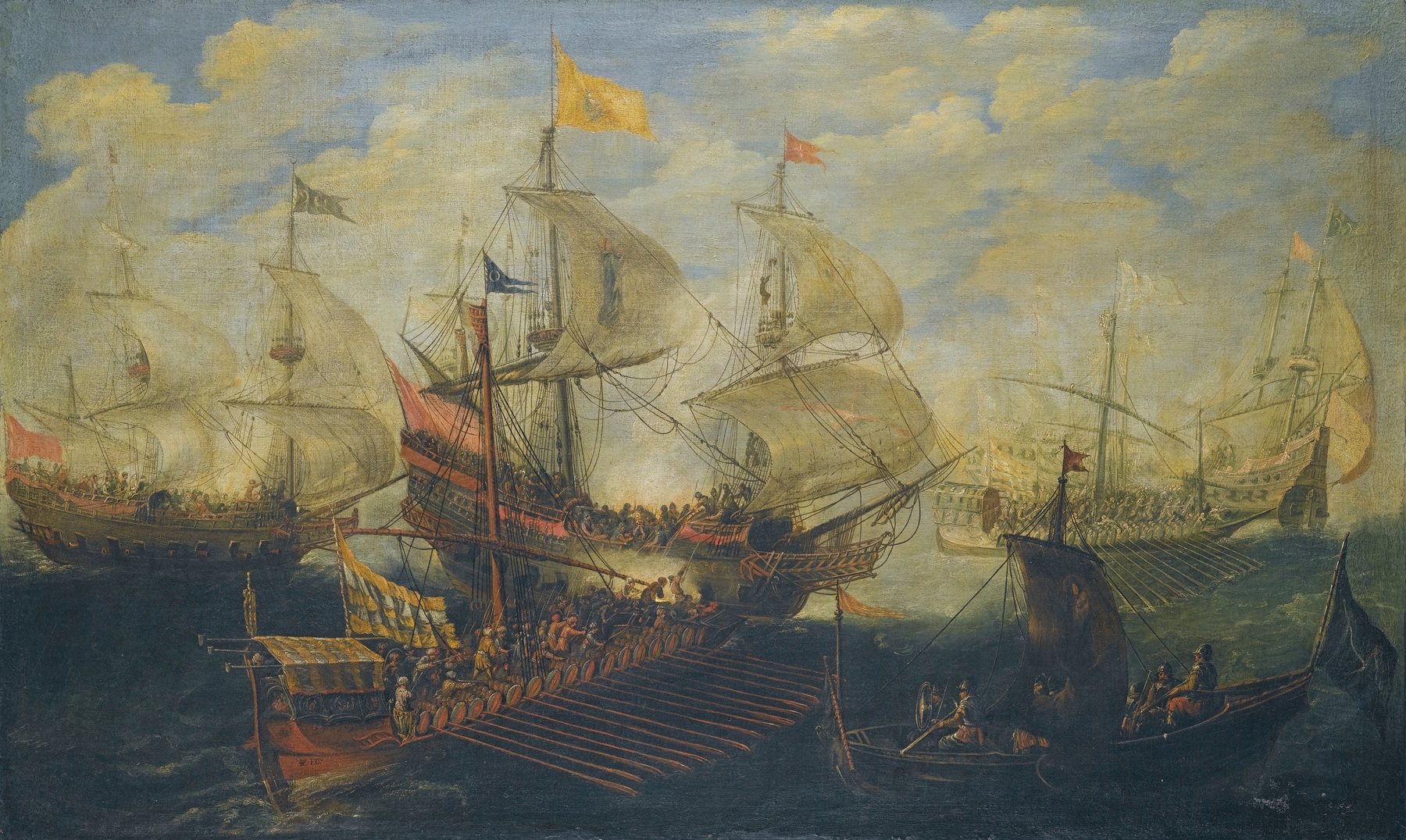
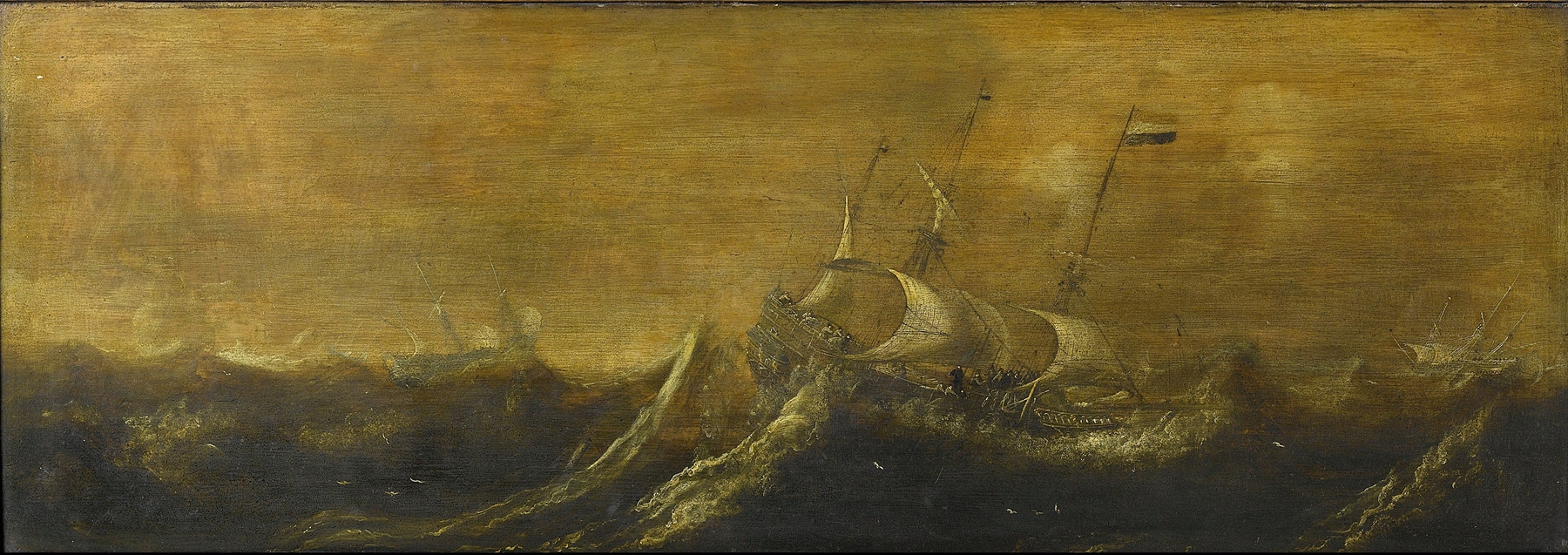
“The canvas doesn’t lie — it simply waits.” In the stillness of a coastal horizon, innocence dances between the waves and the distant tower, inviting viewers to consider the purity found in life’s fleeting moments. Look to the left, where the azure sea merges with the sky, dotted by ships bobbing gently like dreams afloat. Notice how the sunlight spills across the water's surface, casting shimmering reflections that play upon the figures gathered on the shore. The palette is vibrant yet soft, with warm oranges and cool blues intimately entwined, suggesting an idyllic day where nature and humanity coexist harmoniously.
Every brushstroke captures the very essence of a tranquil Mediterranean setting. Amidst the picturesque landscape lies an exploration of innocence, captured in the carefree stances of the figures, perhaps lovers or families enjoying a simple yet profound connection to each other and their surroundings. The tower stands sentinel, symbolizing both protection and the passage of time, a reminder that even the most serene moments are transient. The gentle waves lap against the shore, echoing the cyclical nature of life, hinting at the delicate balance between the fleeting joys and the inevitable march of time.
Andries van Eertvelt painted this work during the early 17th century, a period marked by the burgeoning influence of Dutch marine painting. Living in Antwerp, he was part of a vibrant artistic community that celebrated seascapes and coastal views. Though the exact date of this piece remains unknown, it reflects a moment in his career where he skillfully harnessed light and color to capture the essence of innocence intertwined with the natural world.