Ships in a Storm — History & Analysis
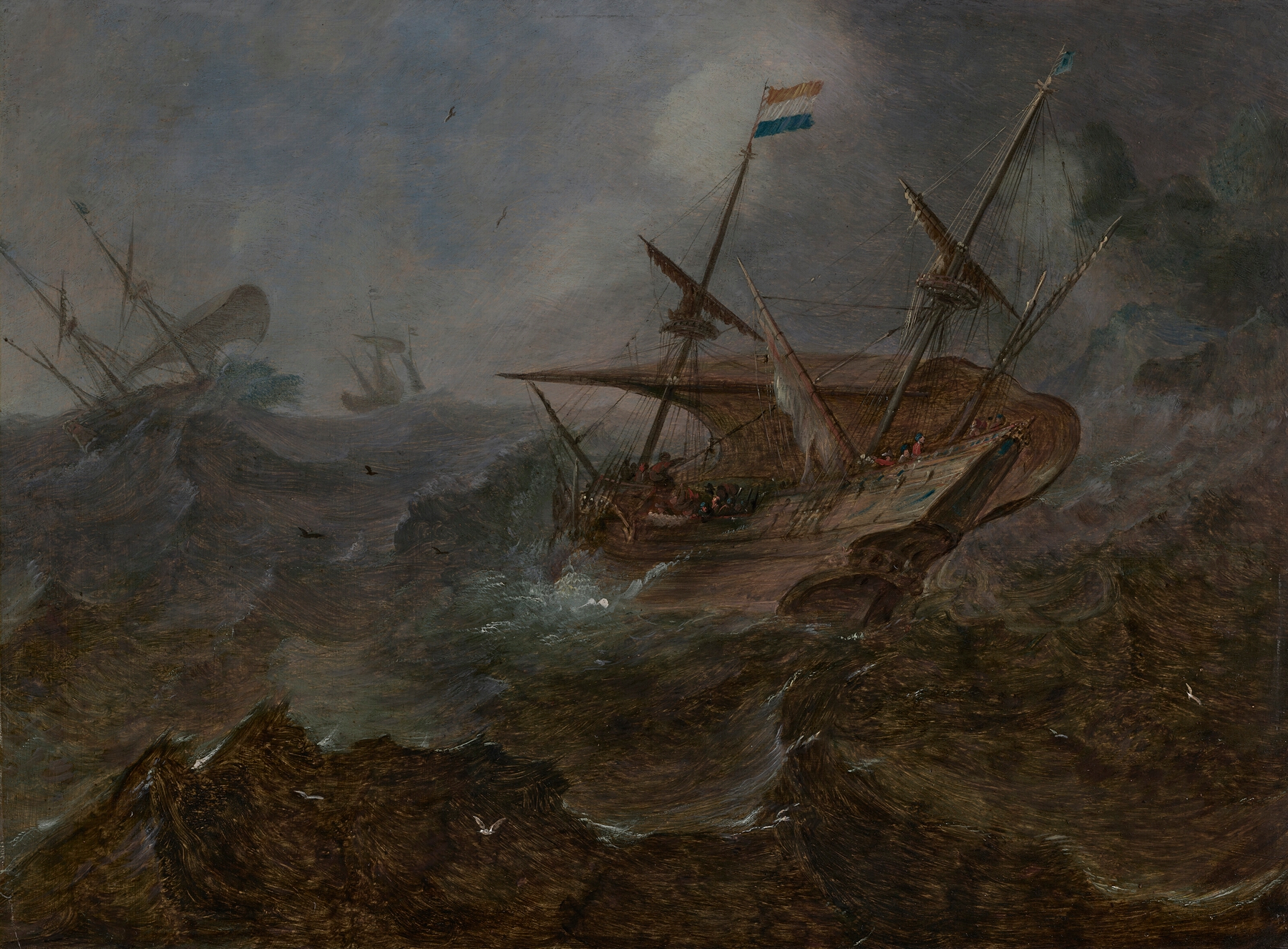
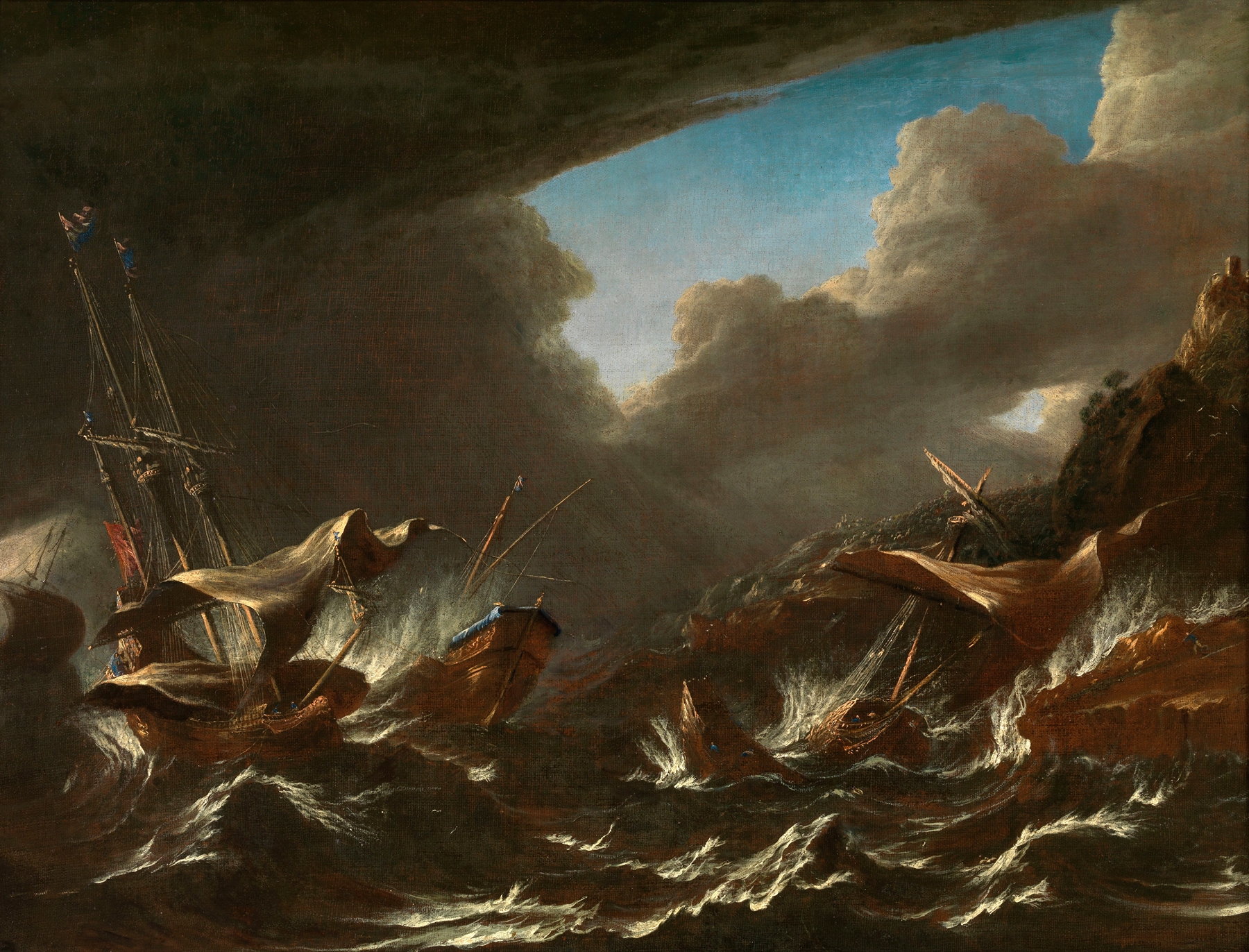
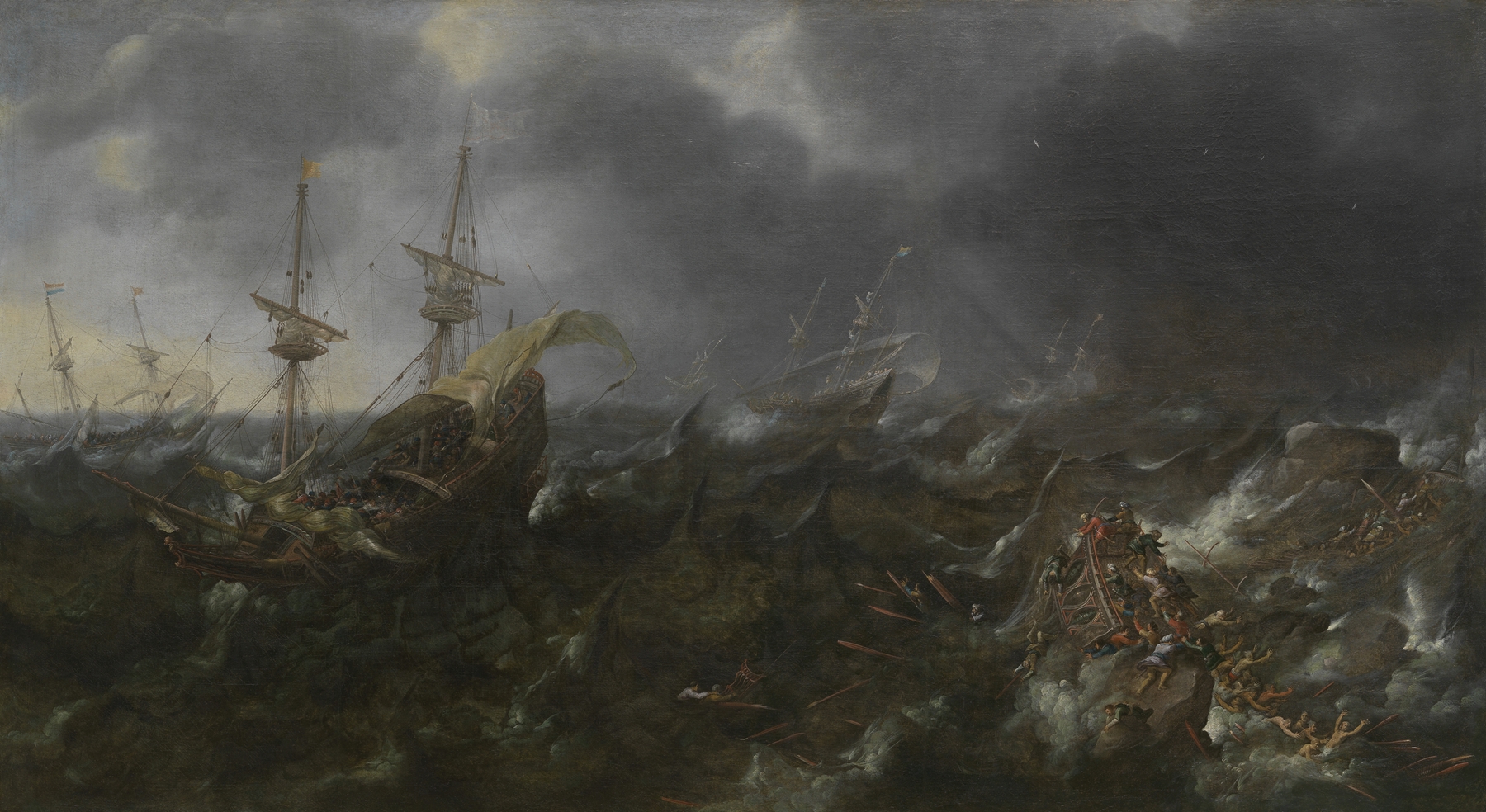
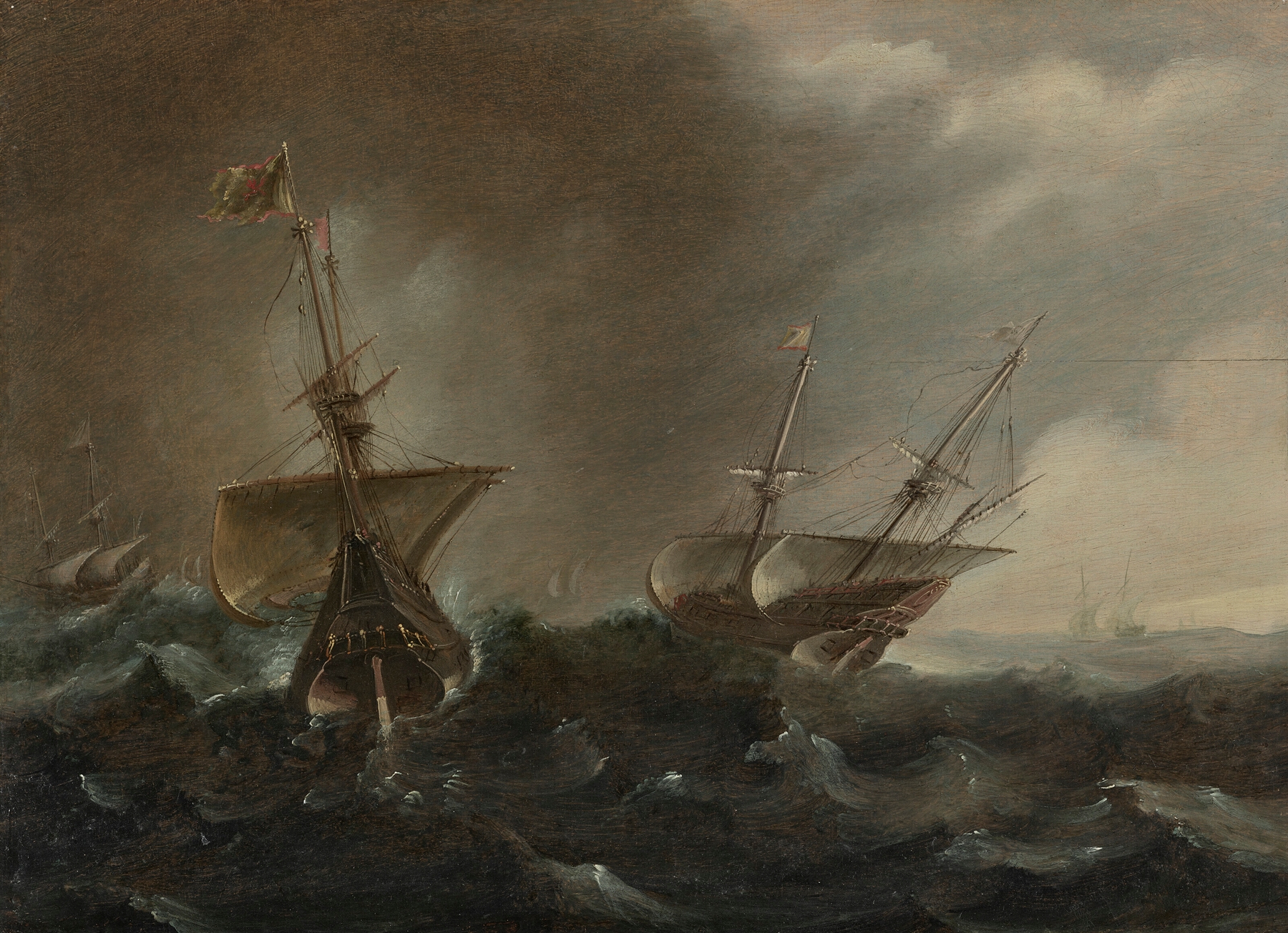
“Art reveals the soul when the world turns away.” In the tumultuous embrace of grief, the heart often seeks refuge in the depths of creation, where emotion and artistry collide. Look to the center of the canvas, where a pair of ships struggles against the onslaught of dark, menacing waves. The tumultuous sea, painted in varying shades of blue and gray, seems almost alive, its frothy crests reaching as if to consume the vessels. Notice how the stormy sky looms above, heavy with clouds, a dramatic backdrop that heightens the tension of the scene.
The artist’s brushwork captures not only the chaos of the storm but also the fragility of mankind amidst nature’s fury, inviting the viewer to witness this precarious balance between despair and survival. Delve deeper into the scene's emotional undercurrents. The ships, despite their struggle, embody resilience; their sails, though tattered, catch the wind with an unwavering determination. The contrast between the dark, swirling storm and the delicate play of light on the ships reveals a poignant duality—the struggle against overwhelming odds and the flicker of hope that persists even in the darkest moments.
Such contrasts evoke a visceral sense of grief, reflecting a broader human experience of loss and the relentless quest for stability. Andries van Eertvelt painted this work during a period marked by personal and societal upheaval in the early 17th century. Living in the Southern Netherlands, he witnessed the complexities of maritime life and the challenges of the Dutch Golden Age. His art reflects both the turmoil of the times and his own introspections, positioning Ships in a Storm as a striking commentary on human resilience in the face of adversity.