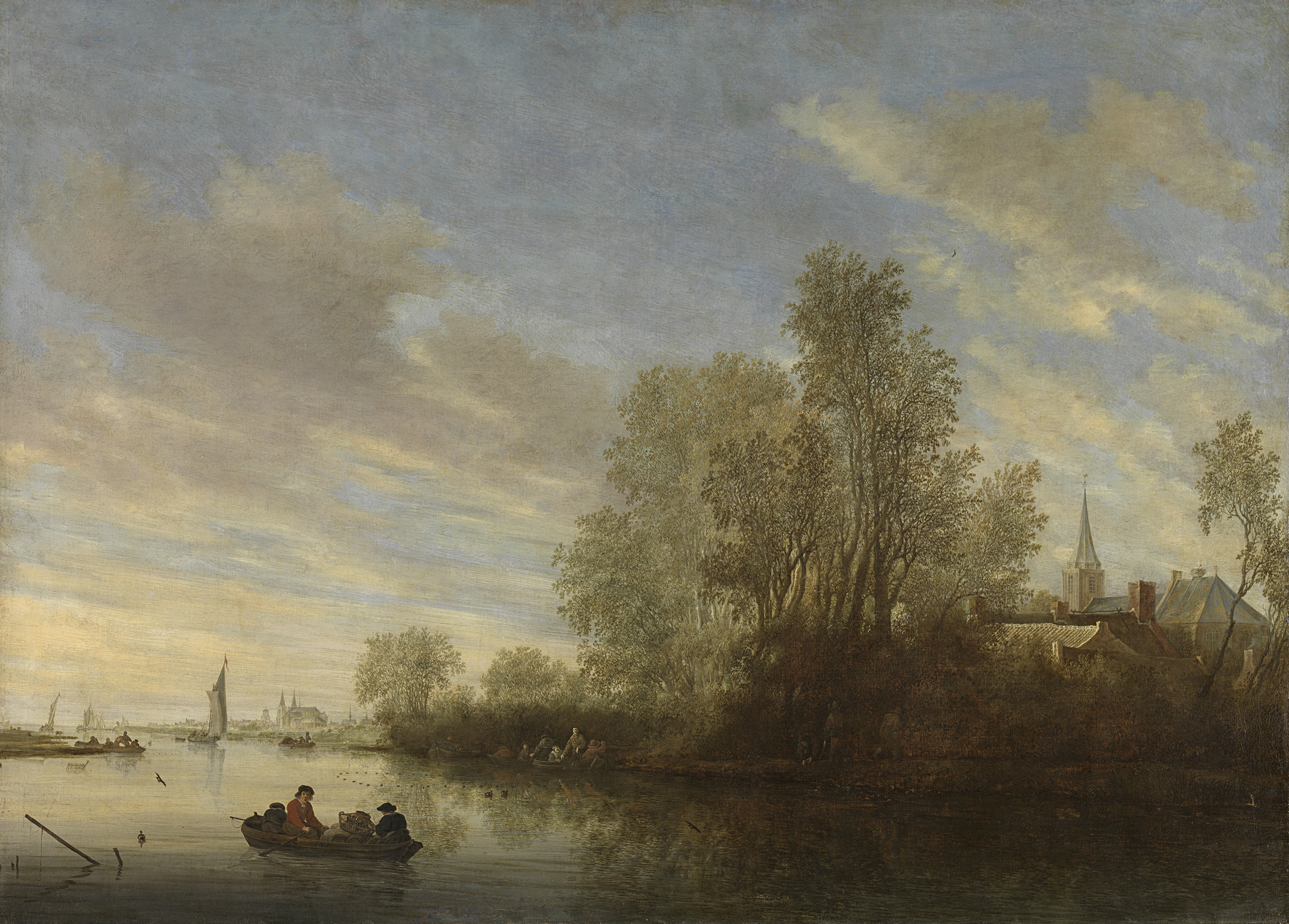
A Panoramic View Of Rhenen From The Banks Of The Rhine To The West Of The City — History & Analysis
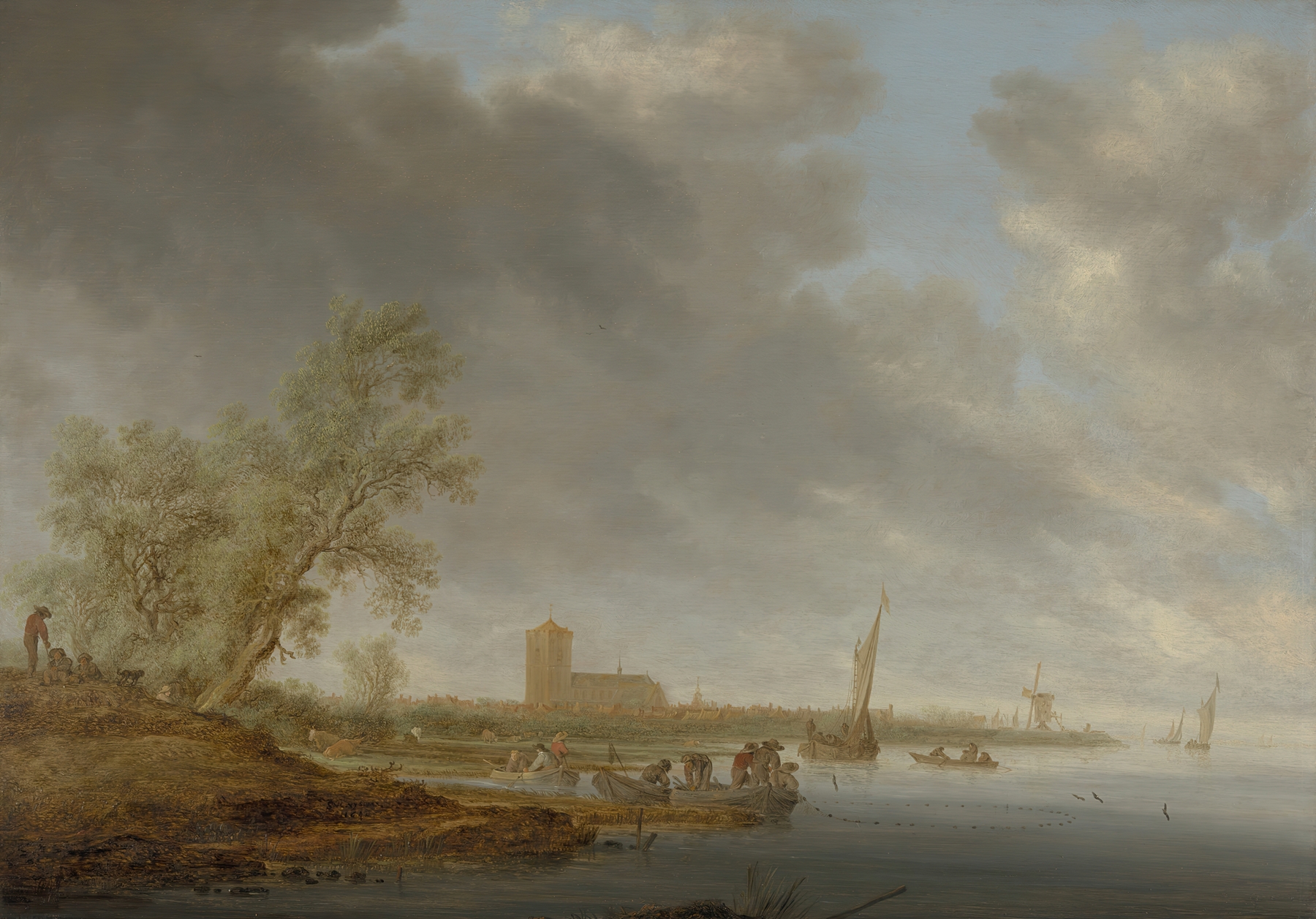
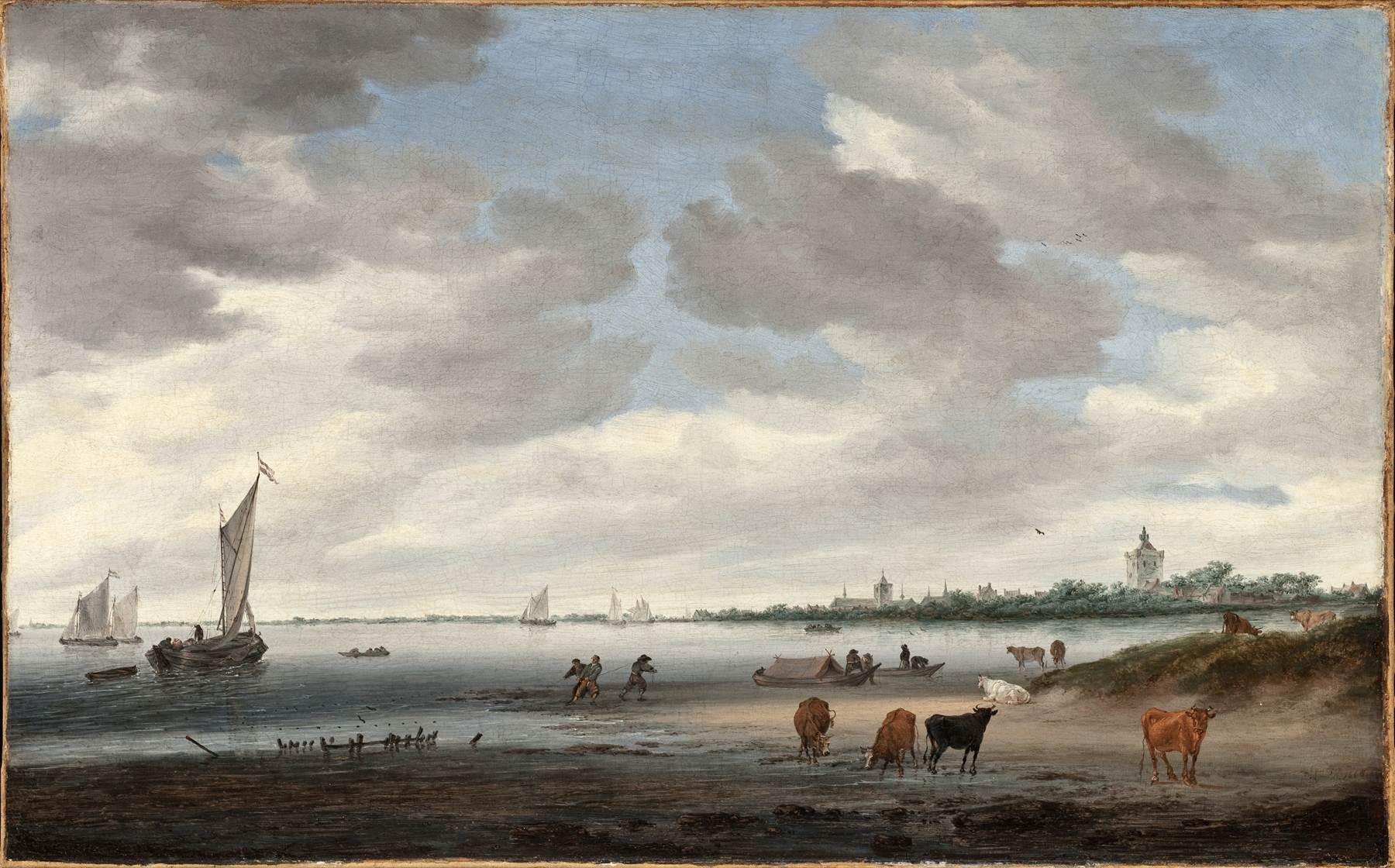
When did color learn to lie? In the hands of the artist, hues can evoke both beauty and sorrow, weaving a narrative deeper than the brushstrokes that create it. Focus on the sweeping expanse of the river, where murky waters reflect a sky heavy with the weight of impending change. The palette melds earthy greens and muted browns that ground the composition, while soft blues bleed into the horizon.
Notice how the delicate play of light dances across the water, revealing depths of emotion hidden within the natural landscape. The eye is drawn to the distant town, its structures mere silhouettes against the fading light, inviting contemplation on the passage of time. Here, the contrast between the serene surface of the Rhine and the shadowy cityscape hints at underlying tensions. The tranquility of nature juxtaposes with the looming presence of human endeavor, evoking a sense of melancholy that resonates throughout the piece.
The distant figures, small against the grandeur of the scene, suggest both isolation and connection, prompting reflections on the fragility of life and the impermanence of memory. In 1659, while painting A Panoramic View Of Rhenen From The Banks Of The Rhine To The West Of The City, Salomon van Ruysdael was experiencing a profound shift in his artistic career. The Dutch Golden Age was flourishing, characterized by an interest in landscapes and atmospheric effects. Amidst this cultural vibrancy, the artist sought to capture not just the physical beauty of his surroundings, but also the emotional landscape of a world in flux.