A park landscape with musicians — History & Analysis
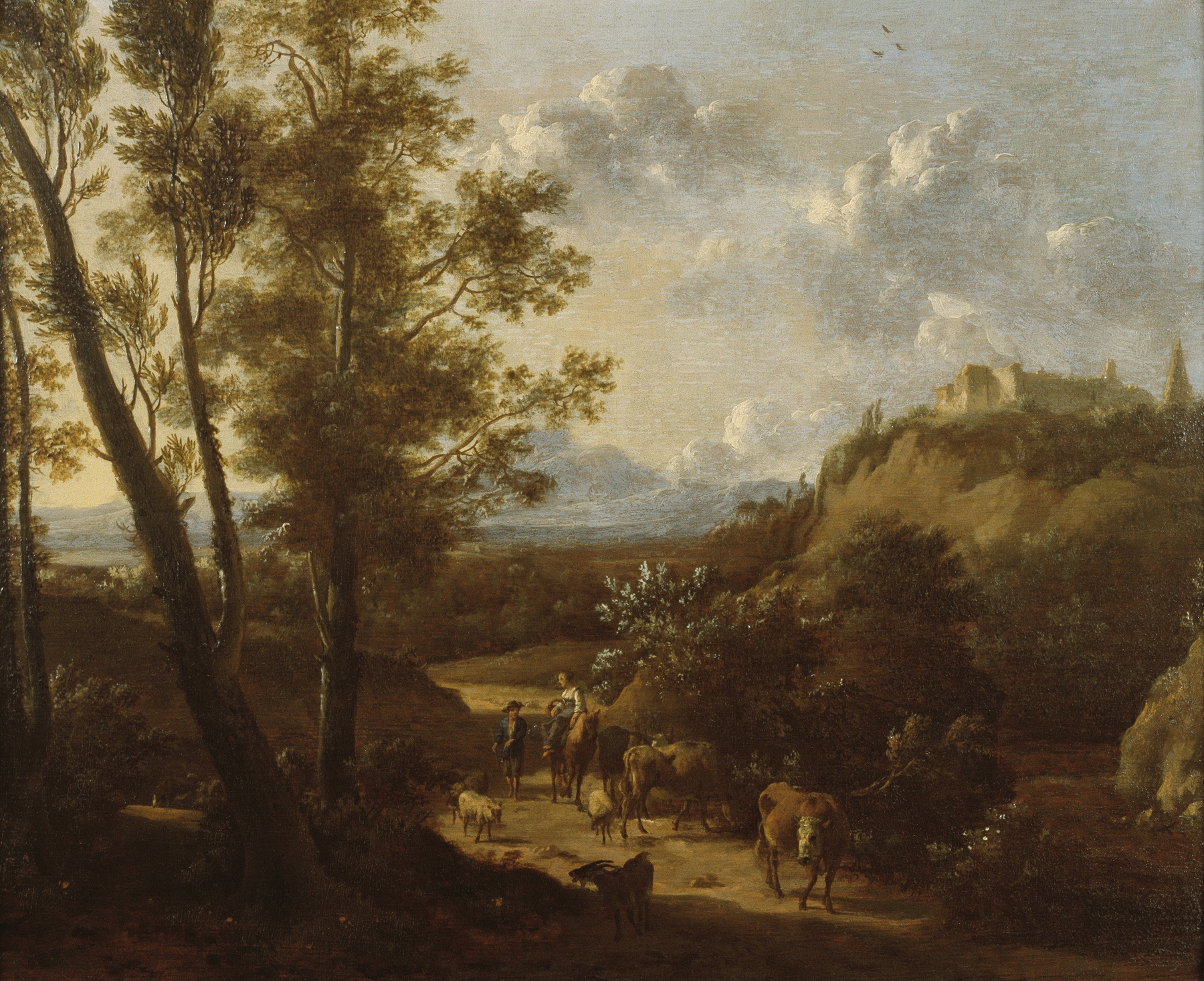
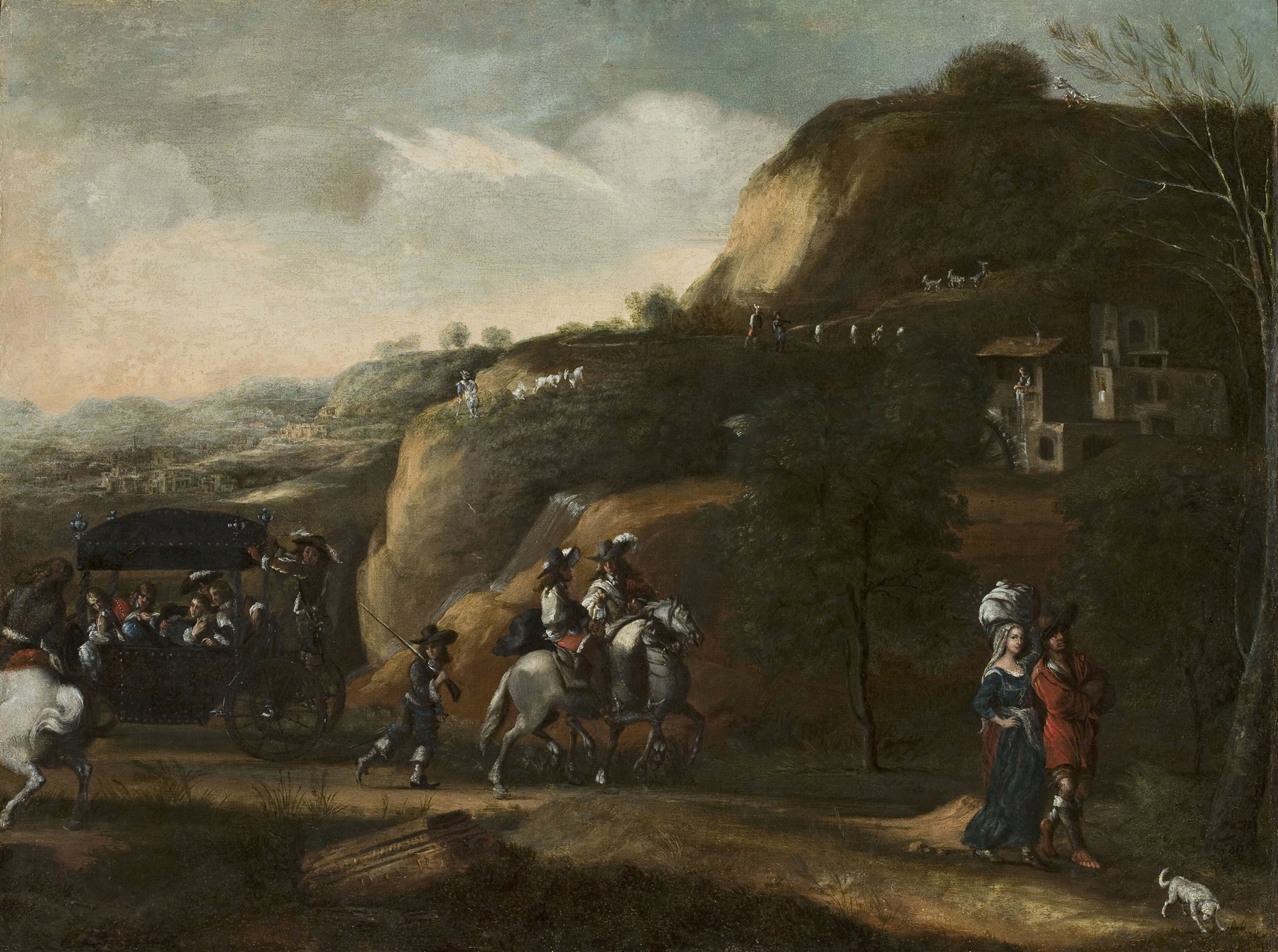
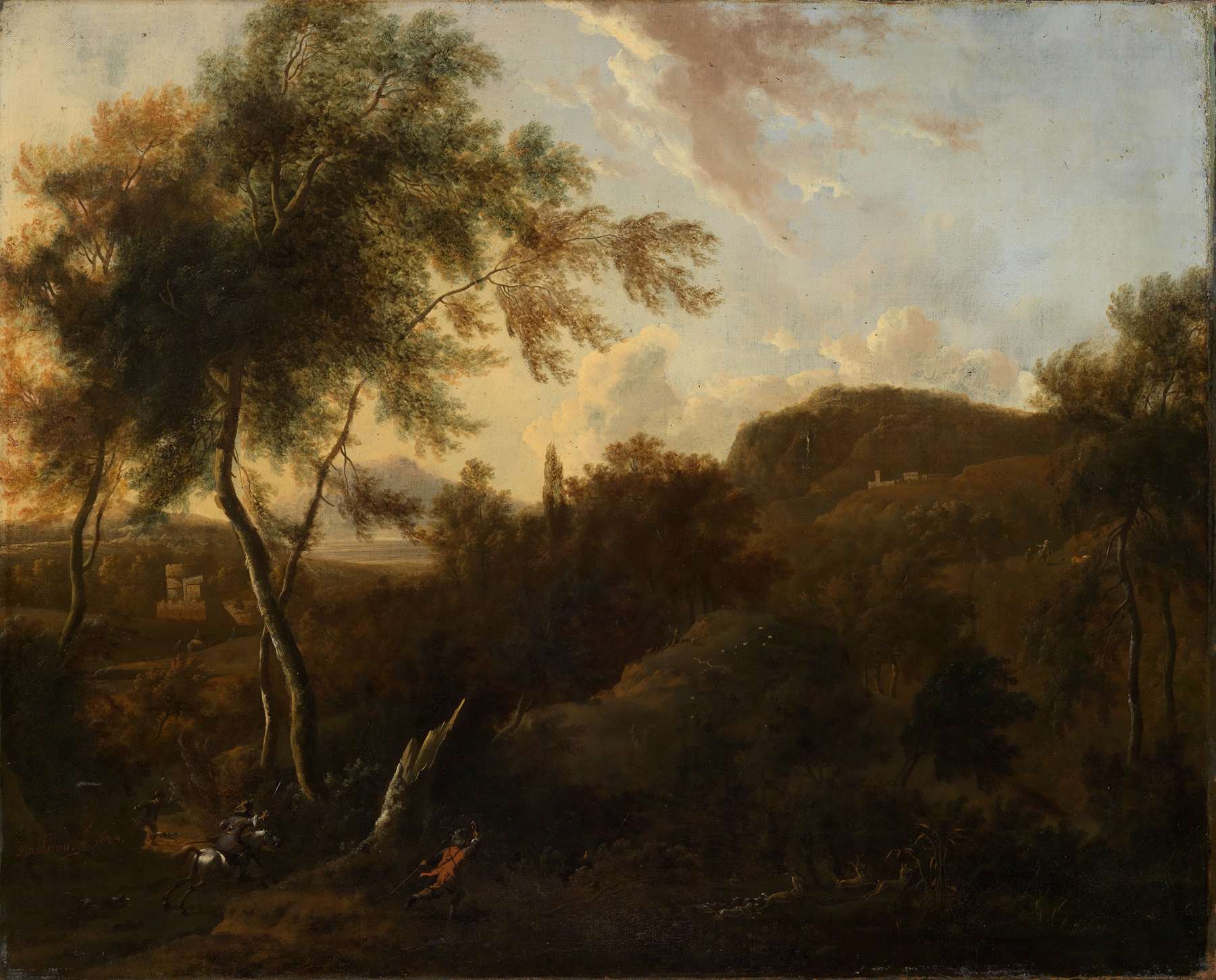
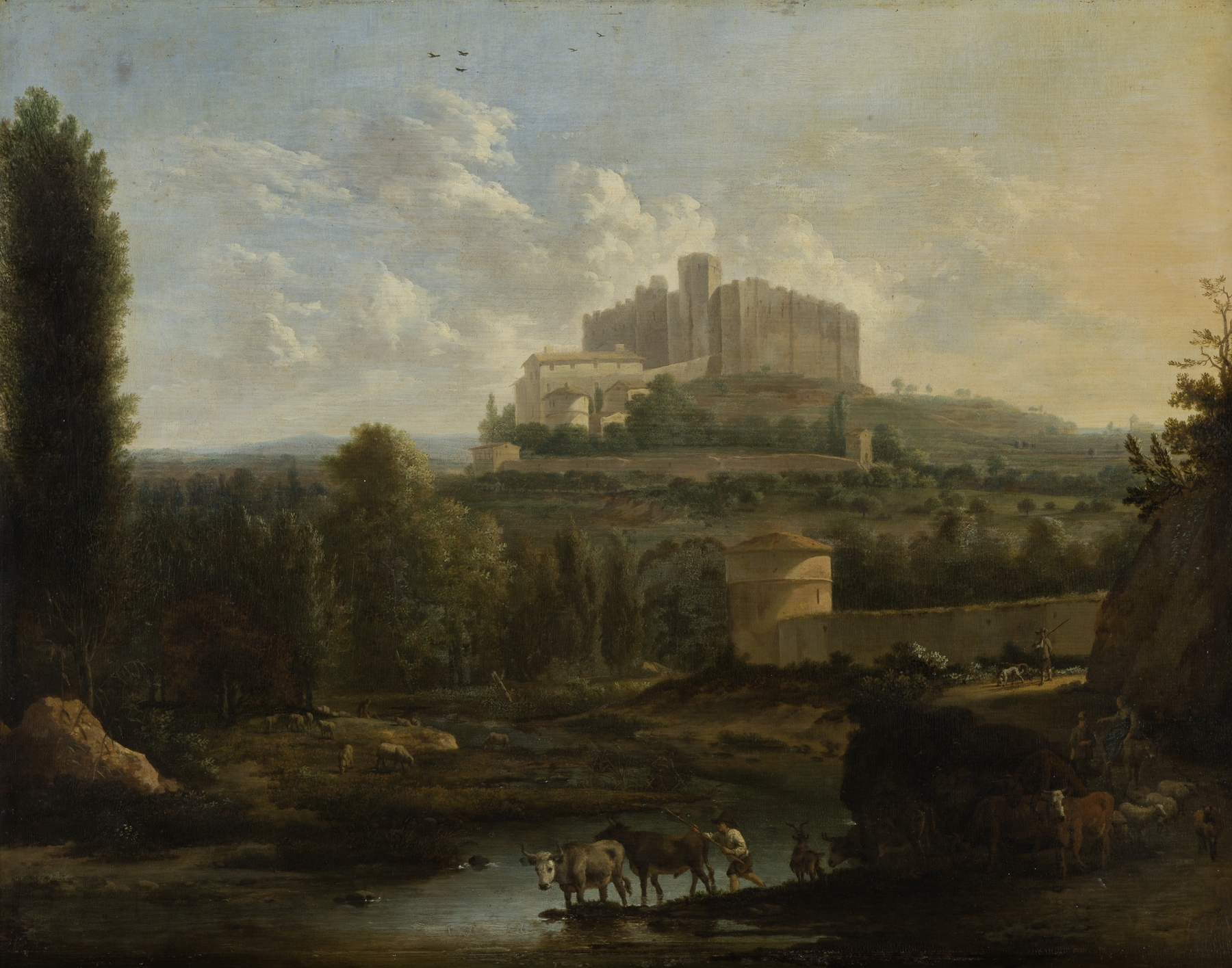
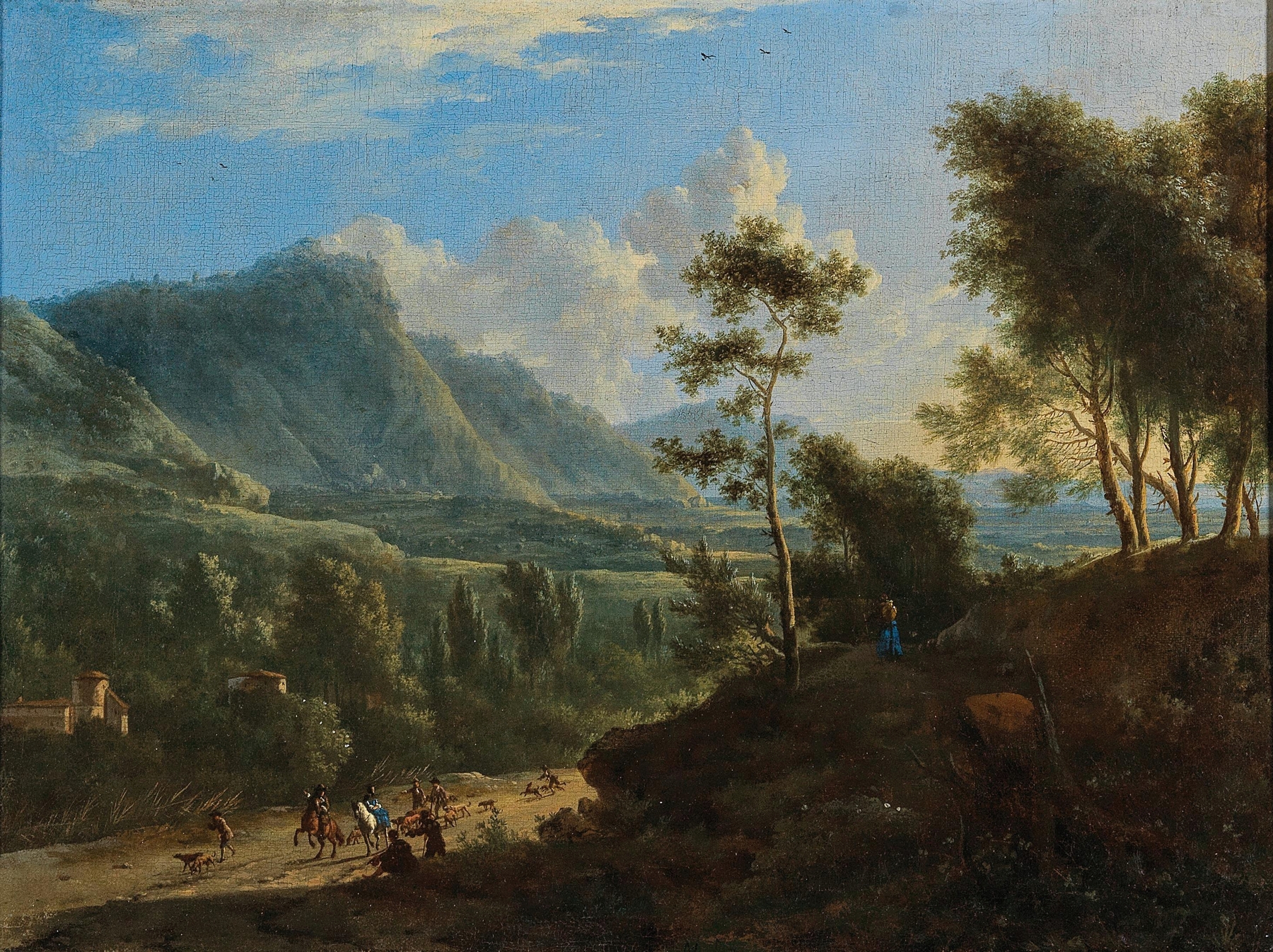
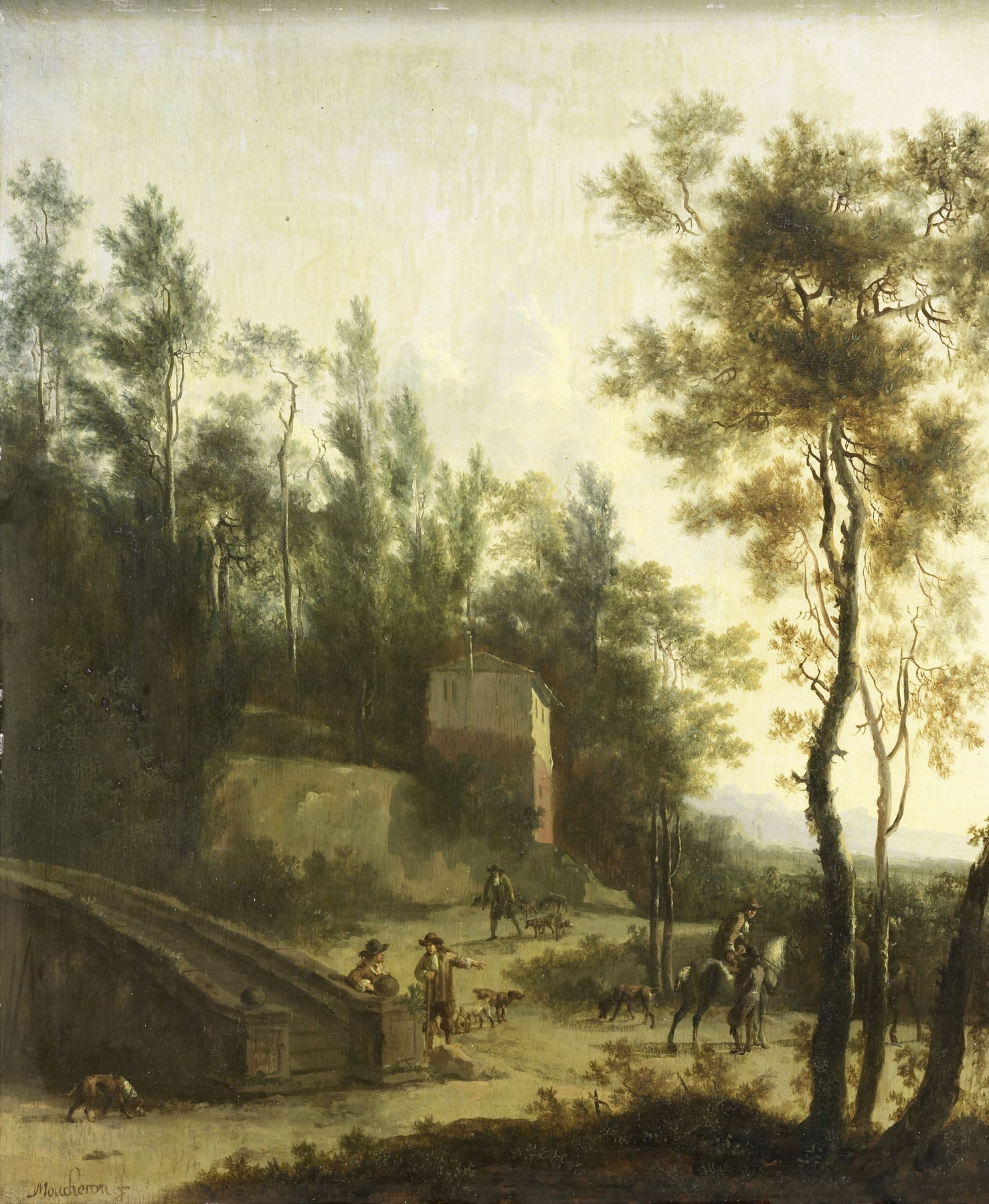
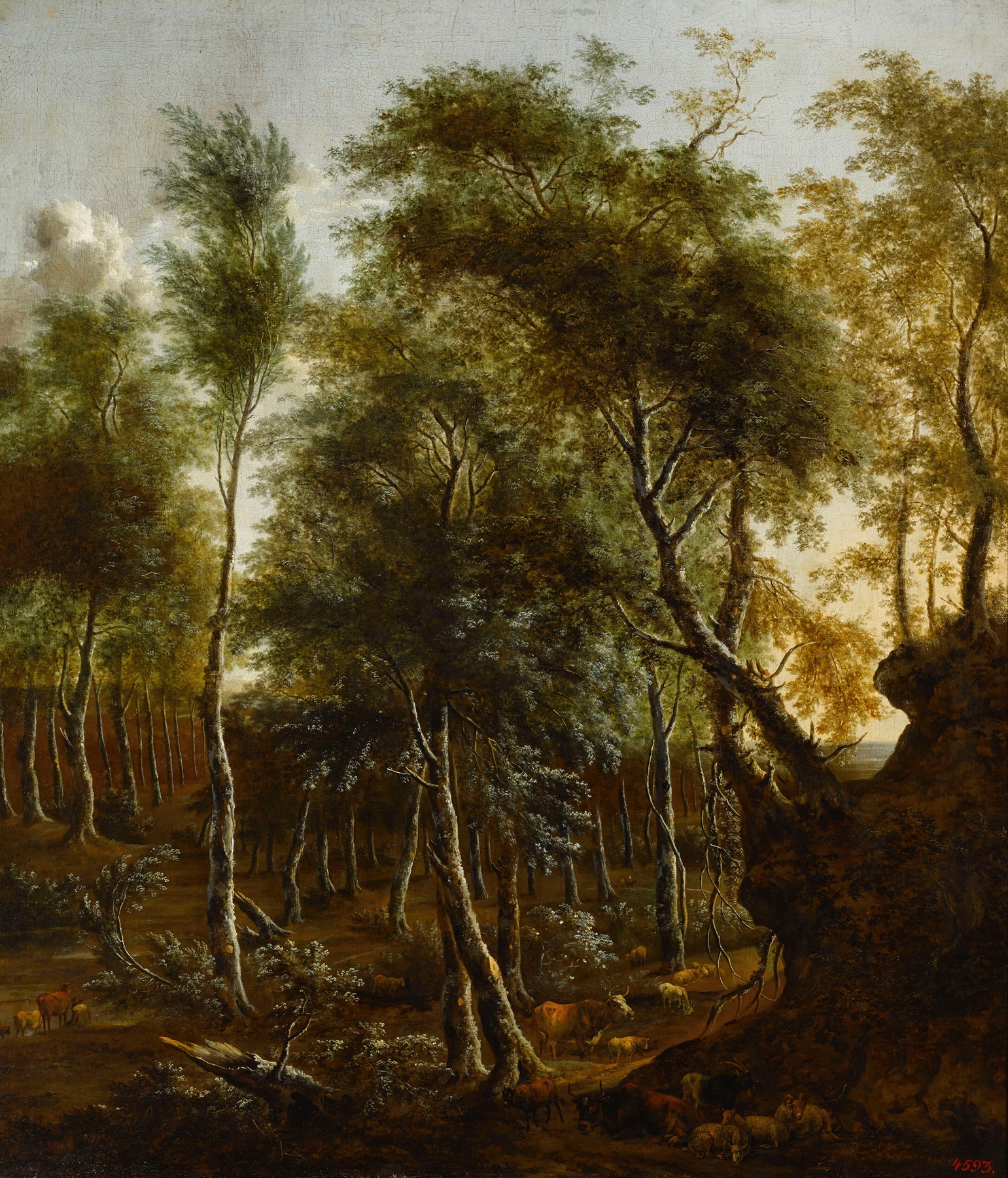
“To paint is to remember what time wants us to forget.” In the delicate layers of brushwork and the gentle dance of color, innocence thrives, preserved at the precipice of memory. Focus first on the musicians, arranged in harmonious clusters amidst the verdant expanse. Look to the left where a violinist nestled under a leafy canopy strums a heartfelt melody, his face aglow with concentration. The soft greens and earthy browns cradle the figures, while dappled light filters through the trees, illuminating moments of joy and connection.
Notice how the interplay of color and shadow casts a serene atmosphere, inviting the viewer into a world untouched by the chaos beyond. Yet, beneath the surface, a quiet tension hums. The musicians, while immersed in their craft, seem almost suspended in time, hinting at a fleeting moment of bliss. The gentle breeze rustles the leaves, suggesting change is on the horizon, contrasting their ephemeral joy with the inevitable passage of time.
Each stroke of the brush captures not just the scene but the essence of innocence—the kind that thrives in nature's embrace, unmarred by the burdens of adulthood. Frederik de Moucheron painted this idyllic landscape during a period when the Dutch Golden Age was evolving into new artistic expressions. Active in the late 17th century, he often blended scenic beauty with human emotion, reflecting the burgeoning interest in realism and the exploration of light. At this time, he was deeply engaged in capturing the serene moments of nature, seeking to evoke a sense of nostalgia and peace amid the tensions of a rapidly changing world.