Mountain Landscape with Deer Hunt at a Waterfall — History & Analysis
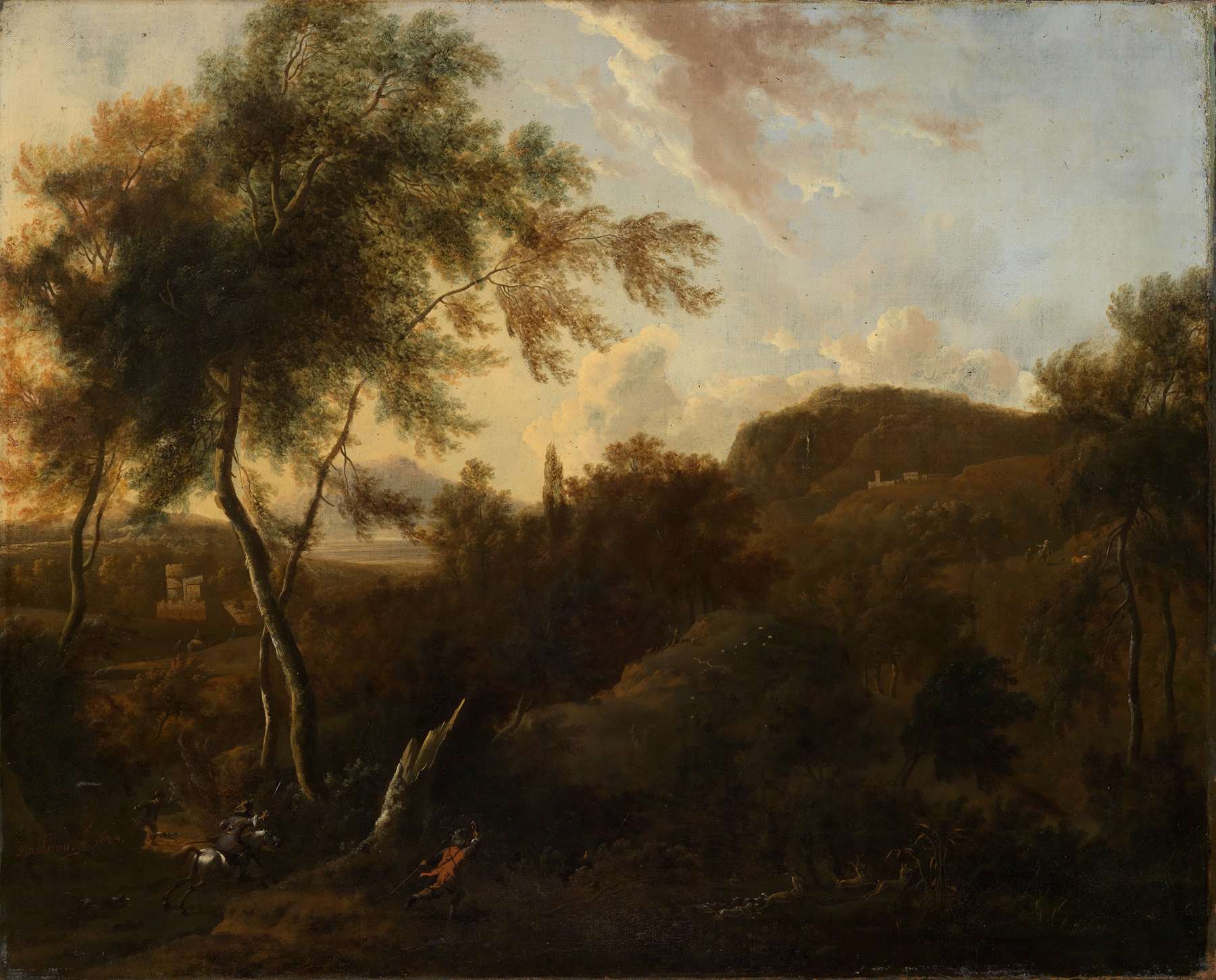
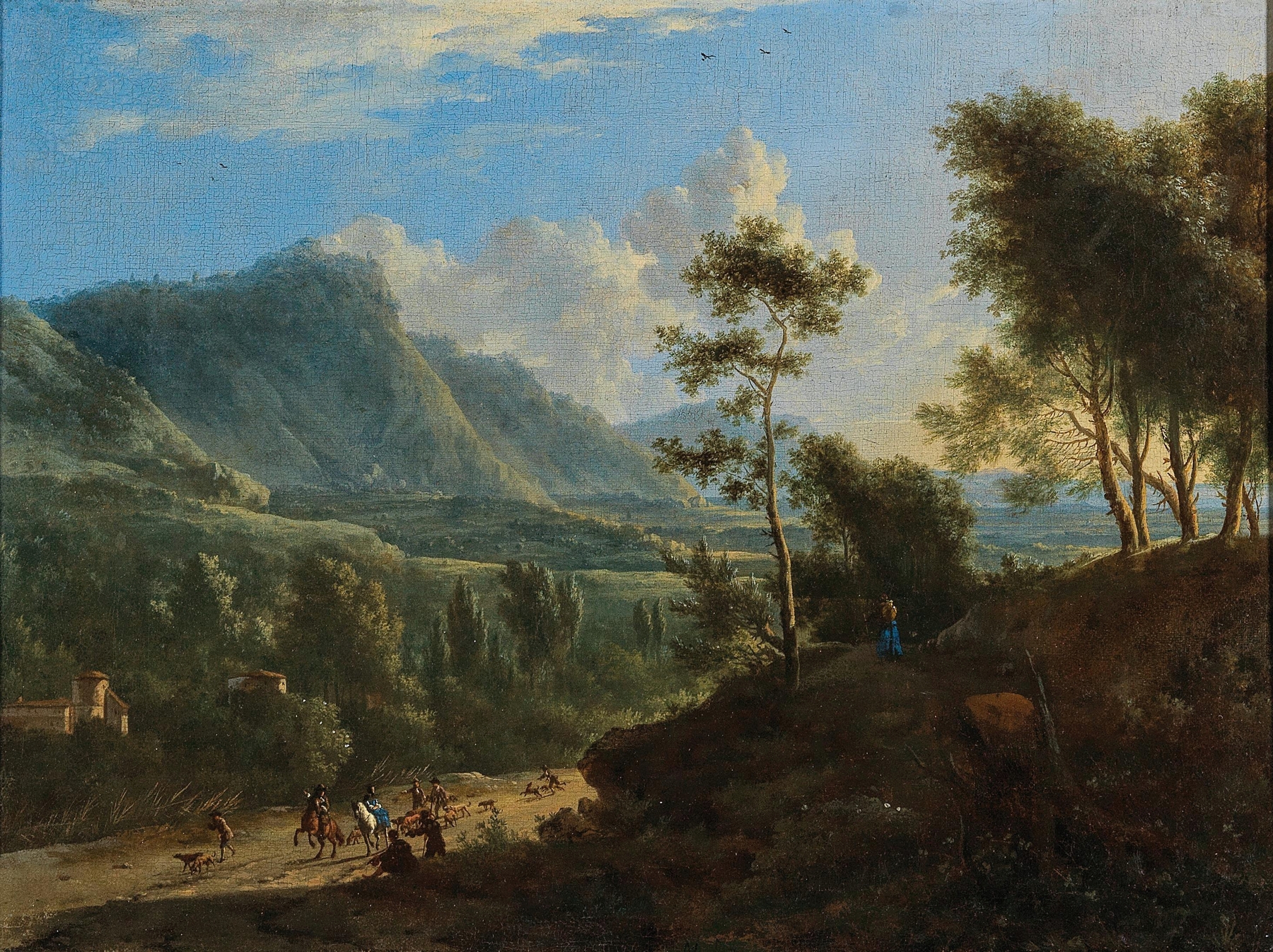
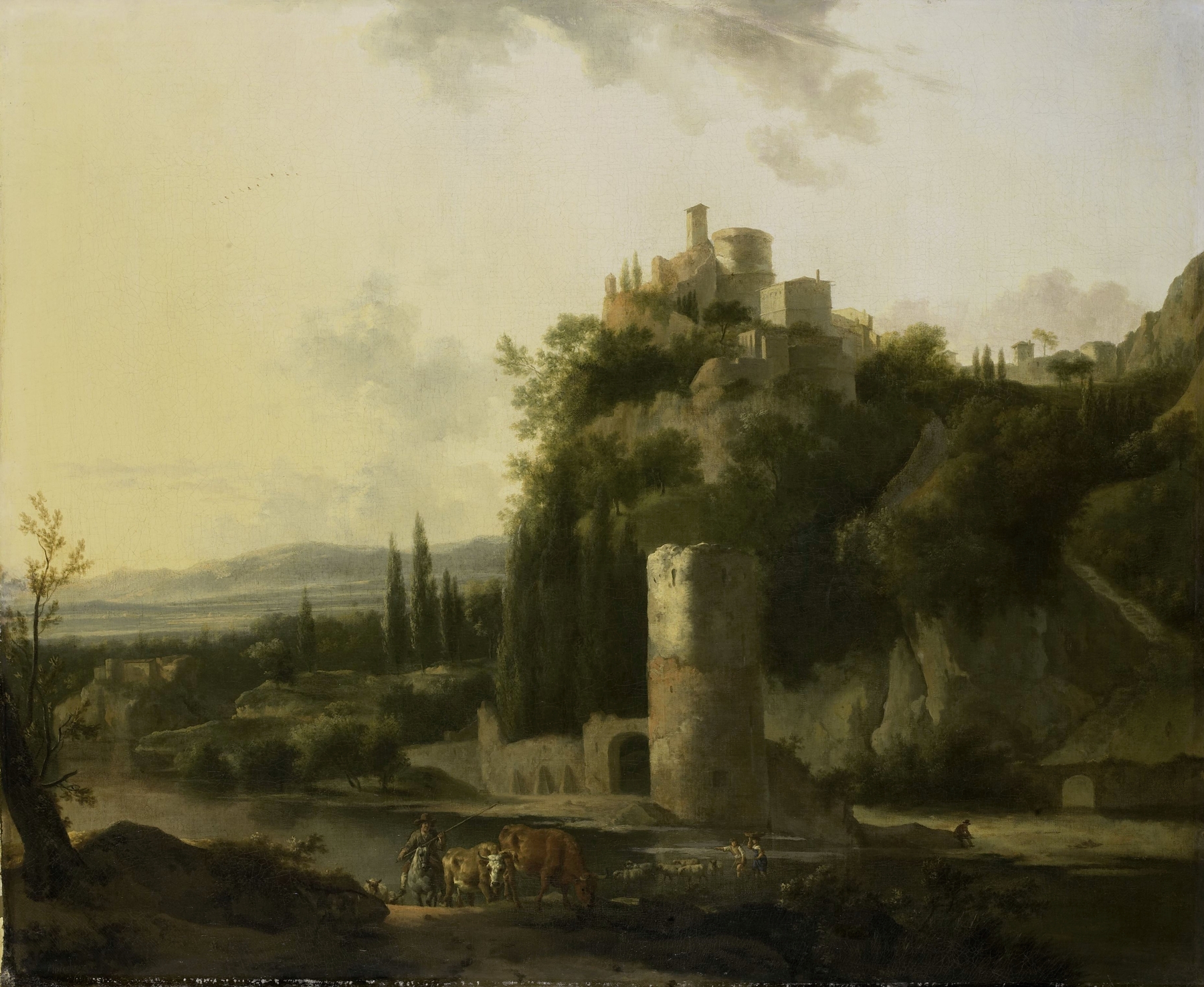
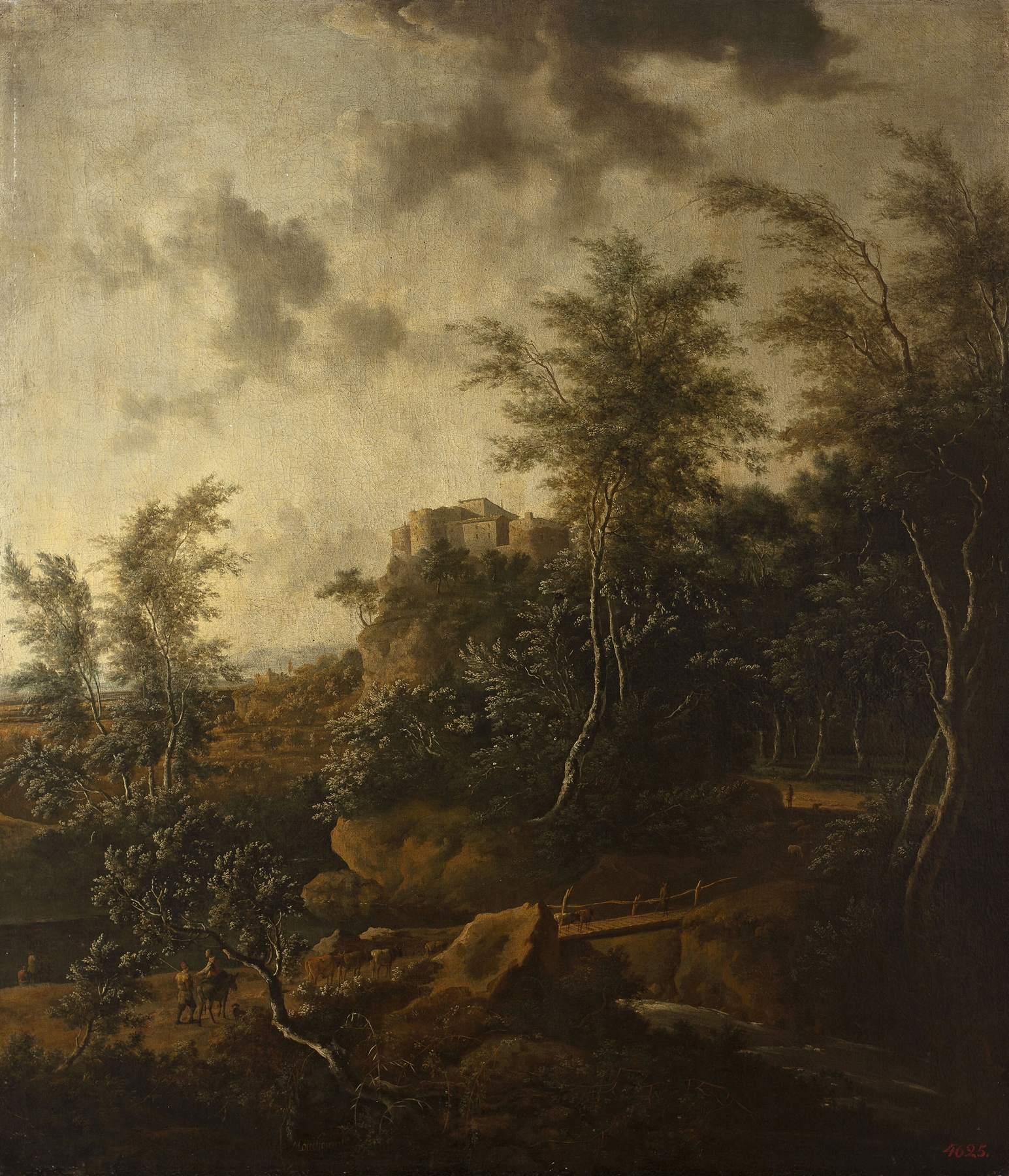
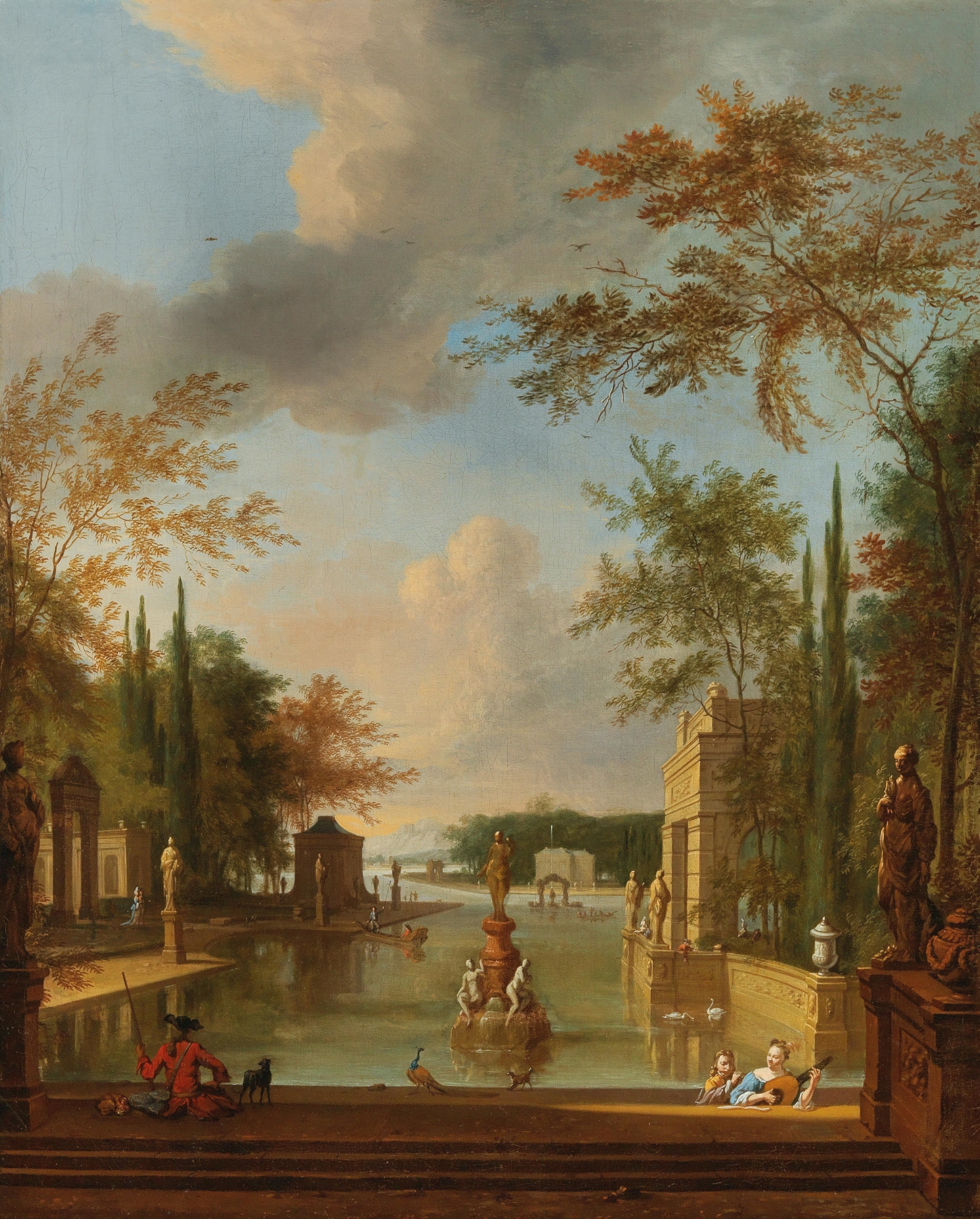
What if silence could speak through light? In the realm of illusion, it reveals stories untold, shimmering in the interplay of nature and art. Look to the center of the canvas where a dramatic waterfall cascades down, its motion captured through a delicate blend of blues and whites. The hunt unfolds just beyond, as a graceful stag pauses at the water's edge, its reflection barely rippling the surface. Notice how the light filters through the surrounding trees, casting dappled shadows that enhance the natural vibrancy of the scene.
Each brushstroke draws you deeper into the landscape, inviting you to explore the hidden corners of this serene yet tense moment. Within this tranquil portrayal lies an intricate web of tension. The juxtaposition of the hunter's stealth and the deer’s vulnerability hints at the delicate balance of nature's order. The lush greenery surrounding the scene acts as a cloak of concealment, while the vibrant colors evoke a sense of life, yet whisper of impending loss.
The harmony of the composition, where each element coexists, evokes both serenity and the lurking threat of disruption—a reminder of nature’s dualities. In the late 1660s, the artist explored the themes of landscape and pastoral scenes, reflecting the Baroque fascination with drama and realism. Painted during a time when Dutch art was experiencing a shift toward more intimate and personal expressions of nature, he carved a niche for himself while drawing inspiration from the changing world around him. In this moment, he merged illusion with reality, creating an artwork that resonates with both beauty and contemplation.