Landschap met veehoeders — History & Analysis
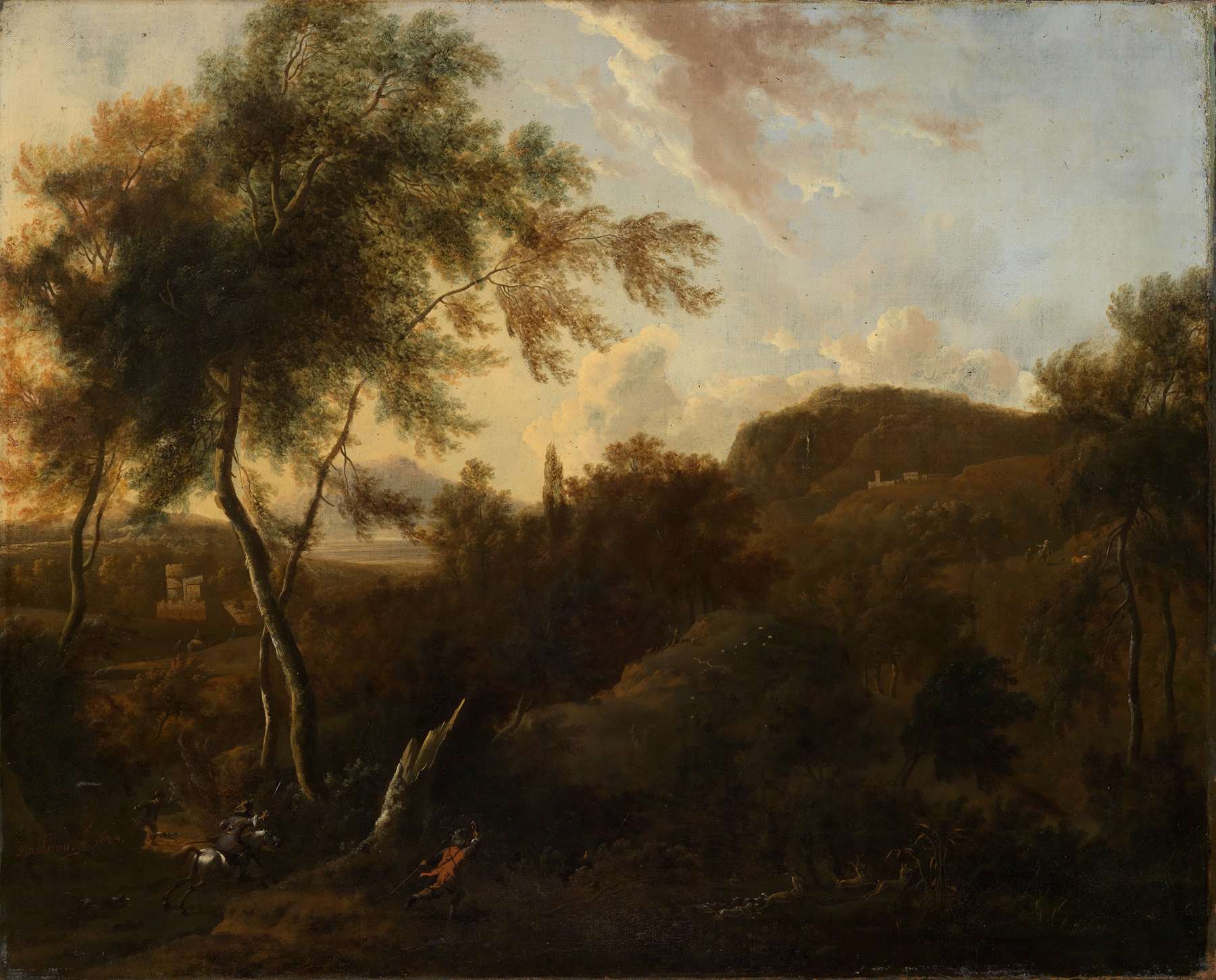
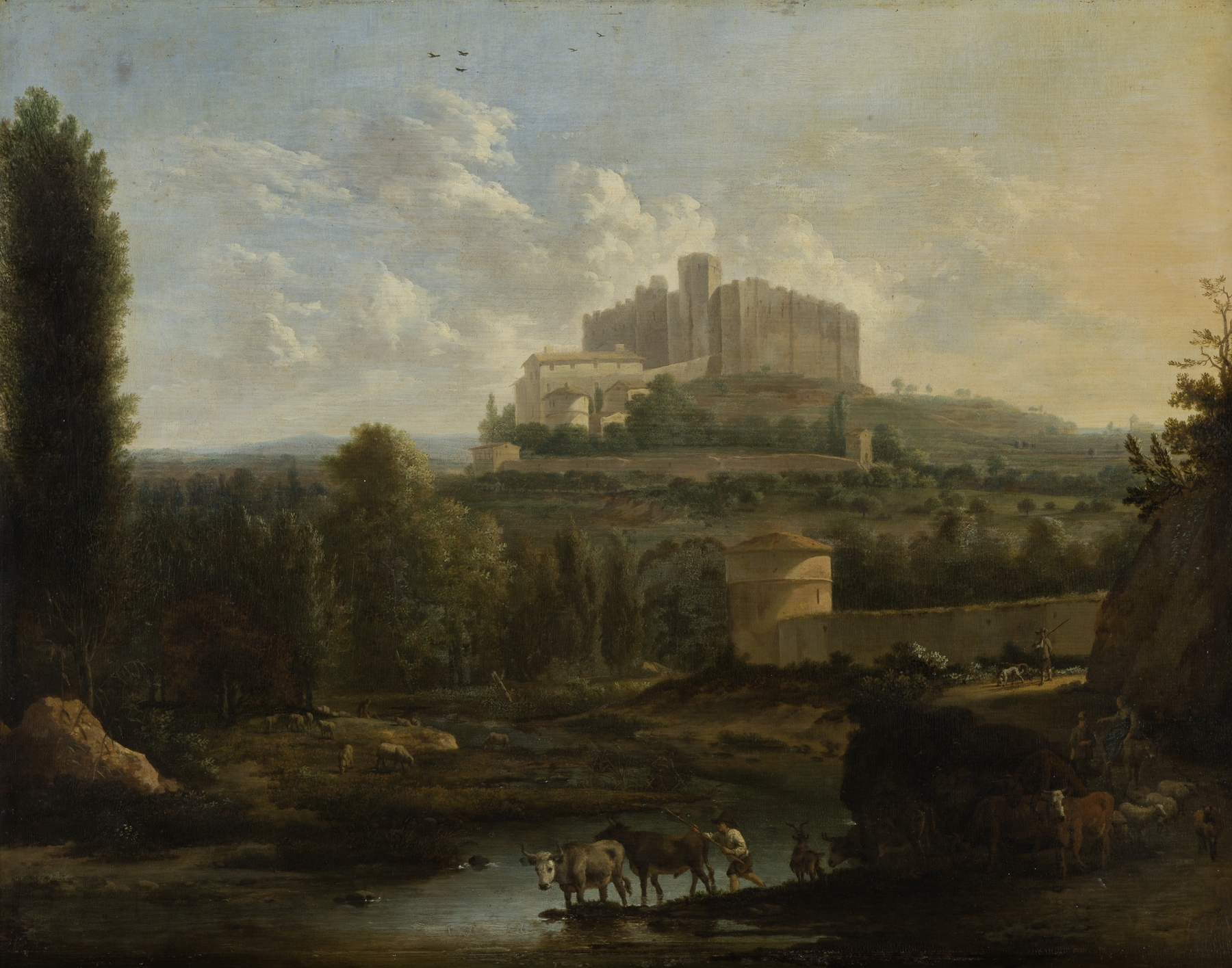
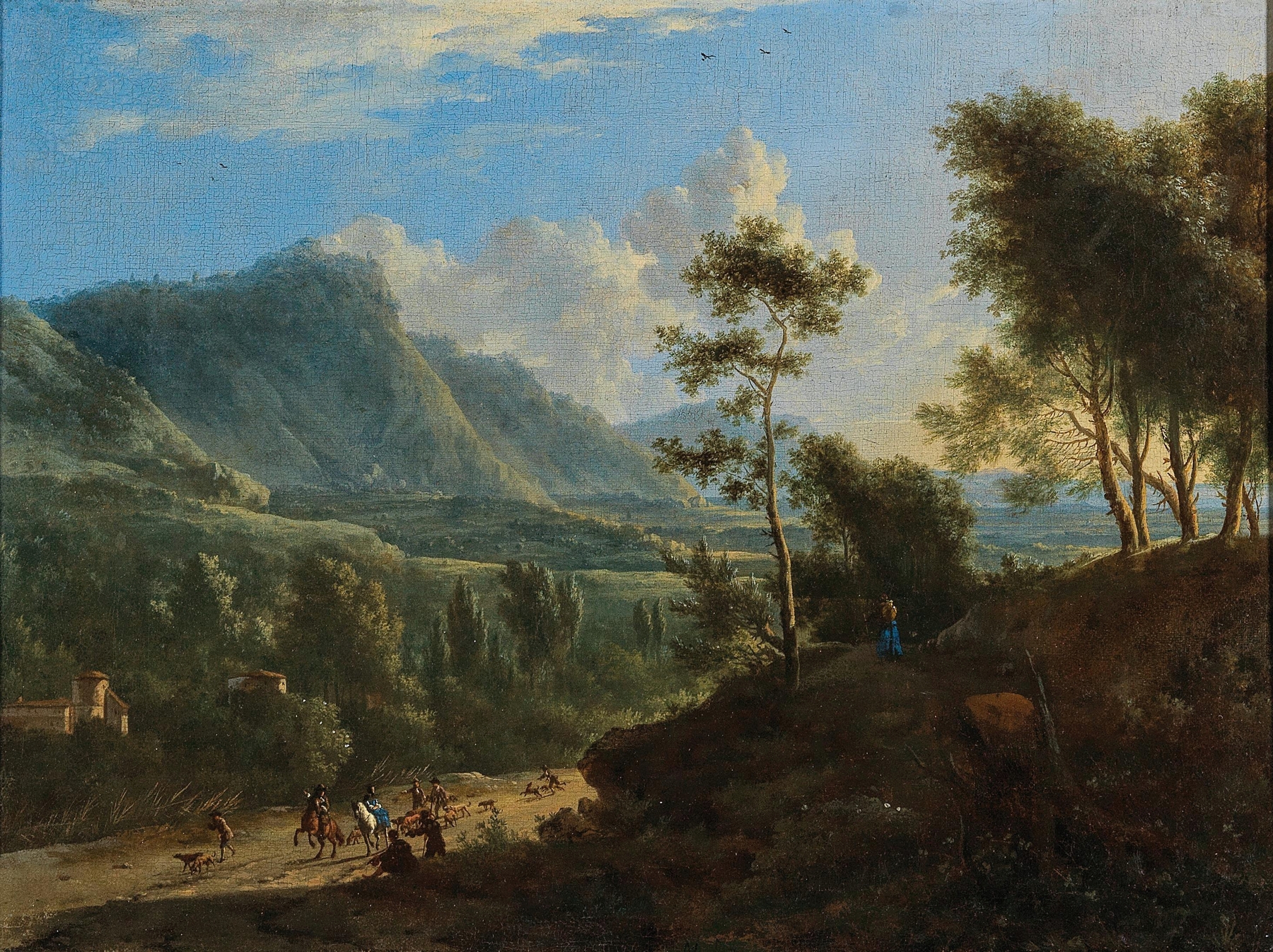
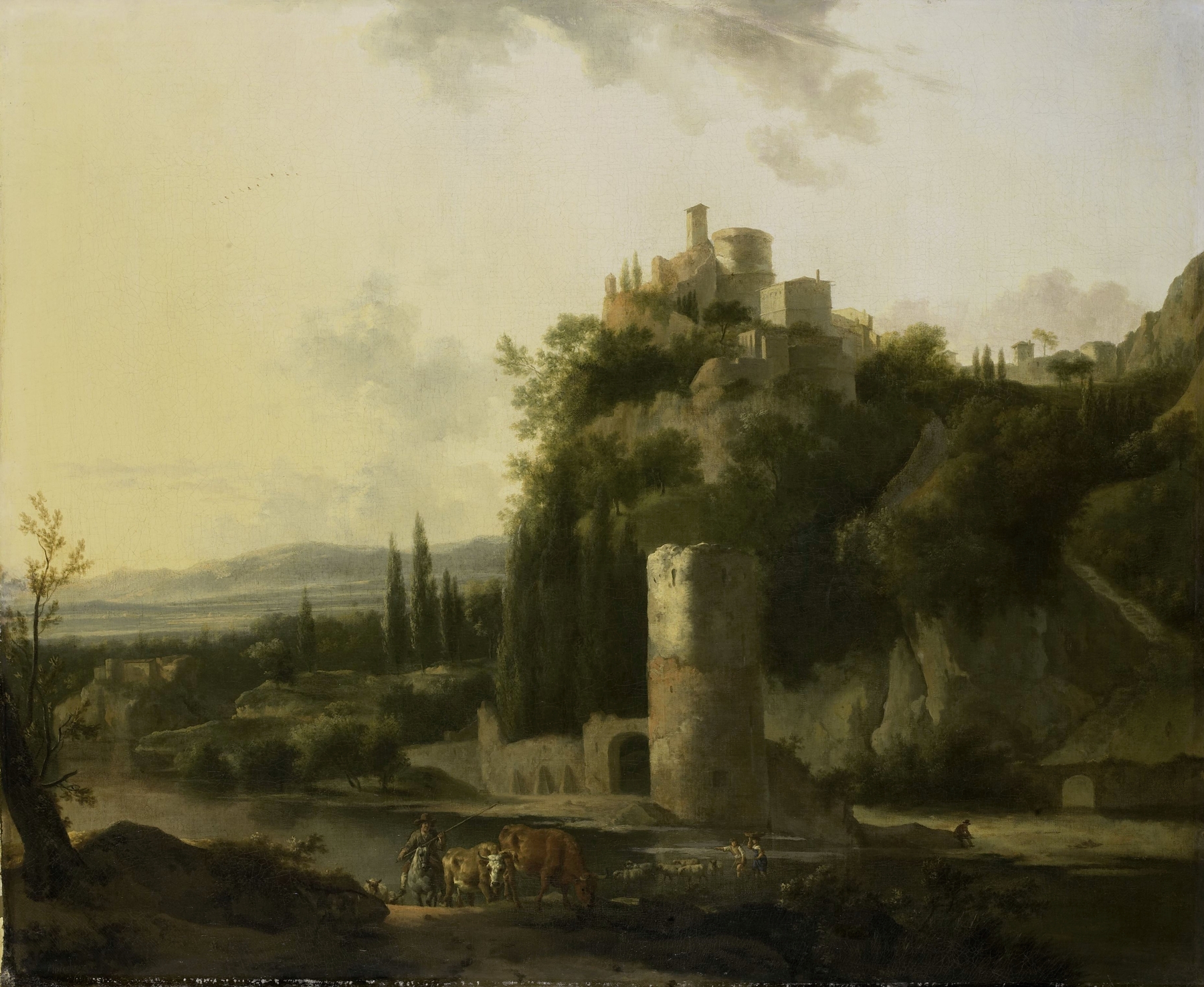
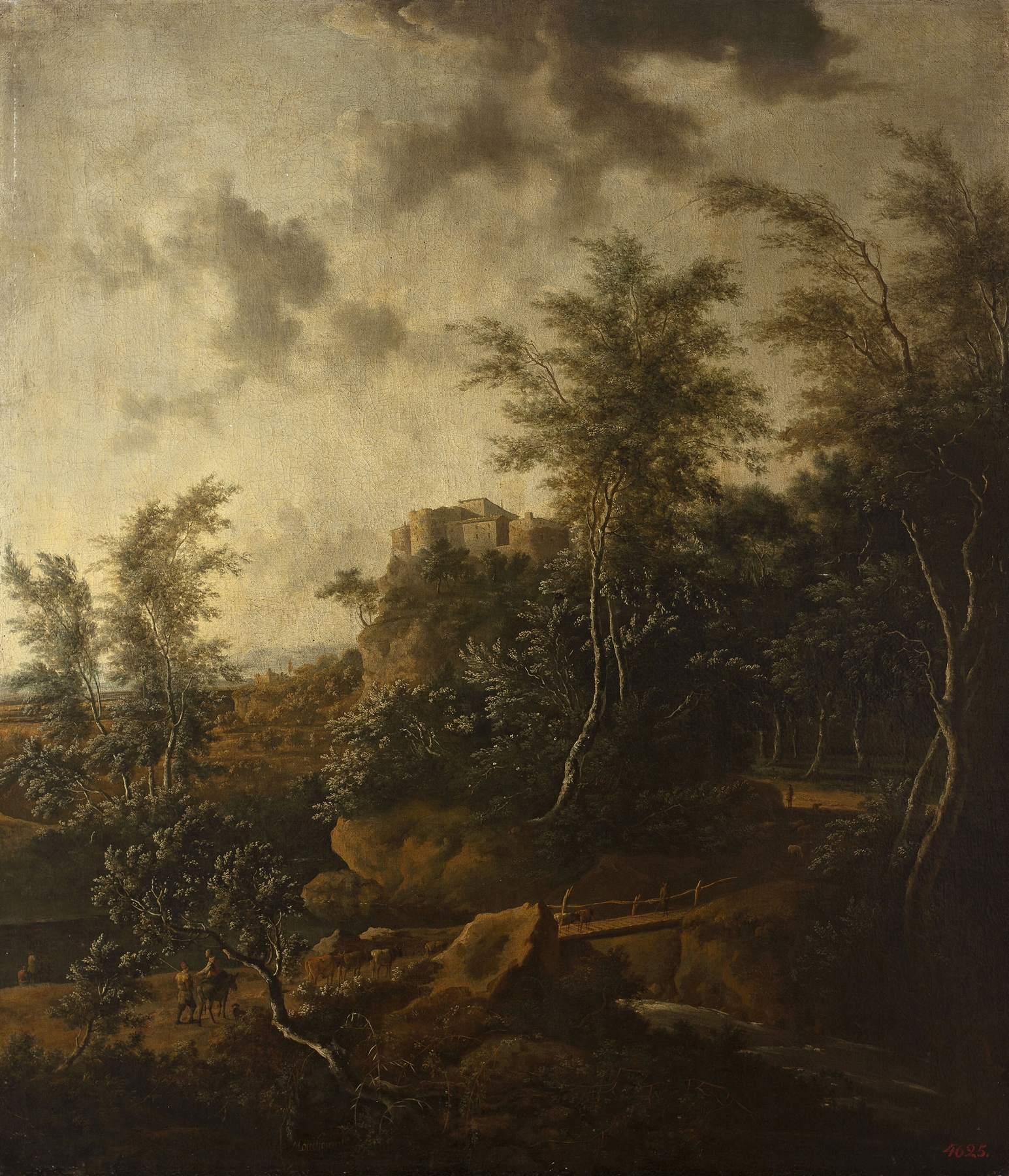
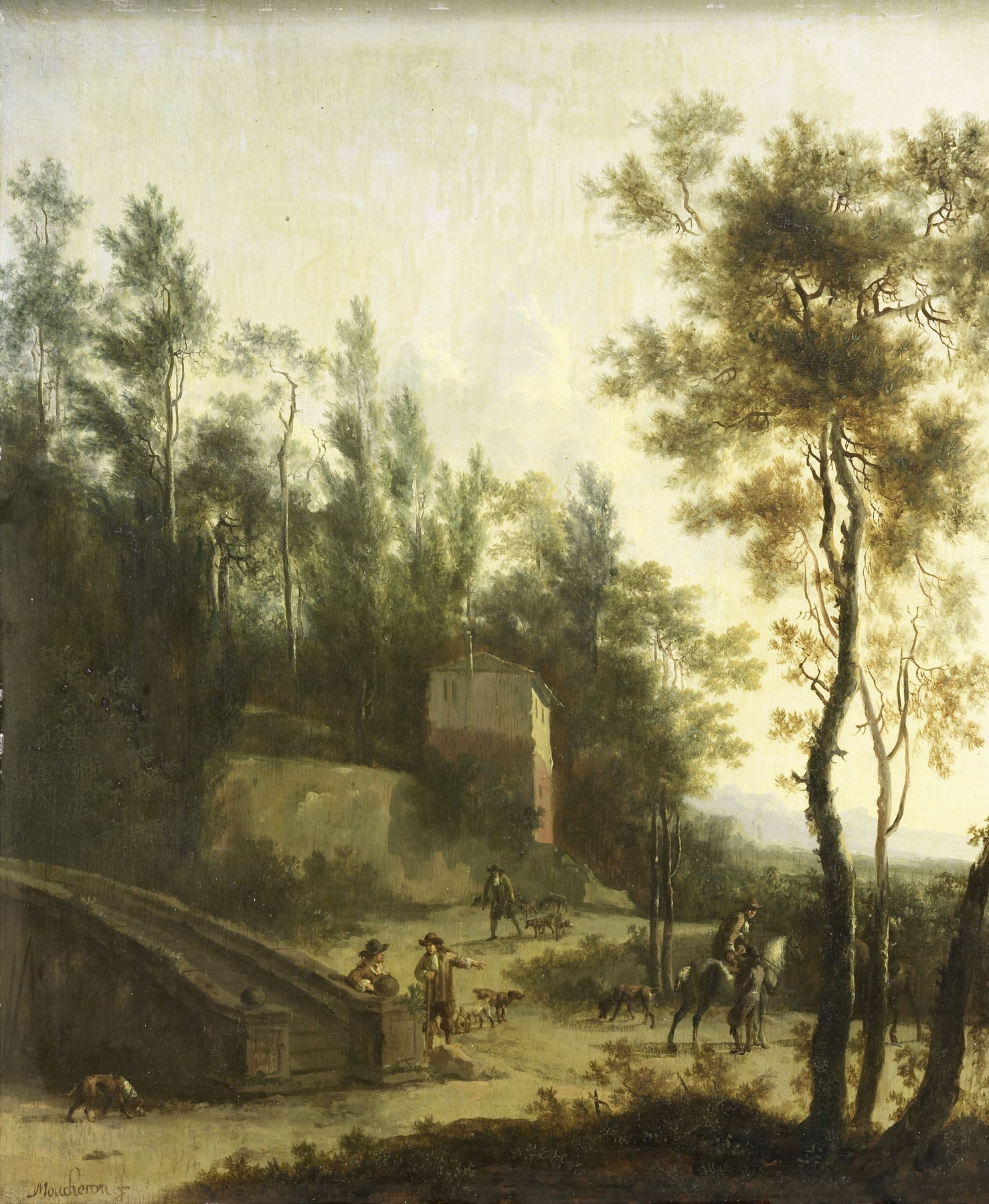
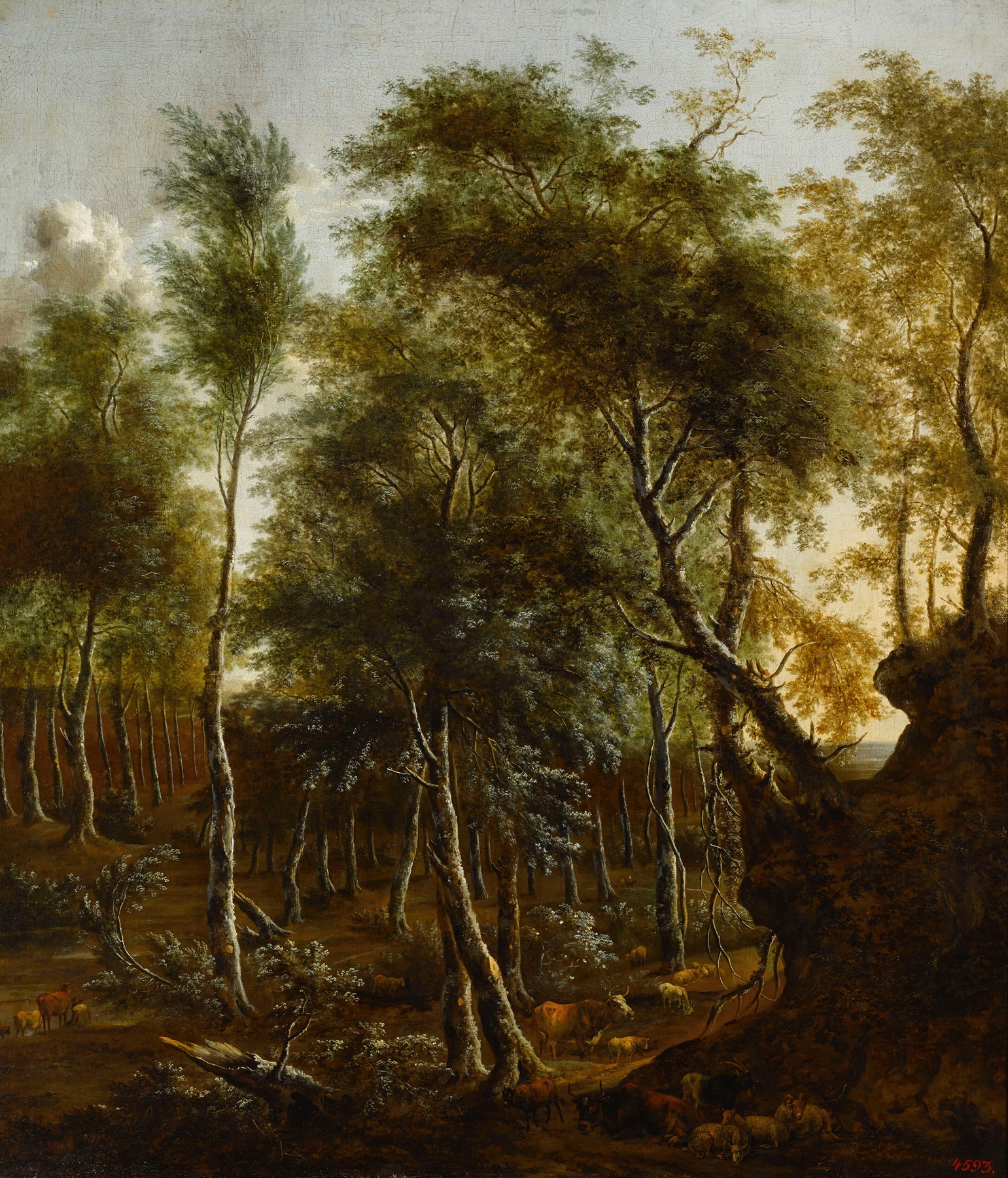
Could beauty survive in a century of chaos? In a world where turmoil often drowns out the gentle melodies of nature, this piece whispers a timeless narrative of tranquility and memory. Look to the foreground, where the delicate figures of herdsmen gracefully command their livestock amid a sweeping landscape. The muted greens and earthy browns blend effortlessly, creating a harmonious backdrop that is punctuated by soft, golden light filtering through the trees.
The artist's brushstrokes convey both movement and stillness, inviting the viewer to linger on the serene pastoral scene that evokes nostalgia for simpler times. Yet, beneath this idyllic surface lies a tension between harmony and the inevitable passage of time. The way the herdsmen are positioned suggests a fleeting moment—a reminder of human presence and its relationship with nature. Their subtle gestures imply a shared understanding, a collective memory forged over generations.
This delicate balance between the fleeting and the eternal raises questions about the impermanence of beauty and the echoes of the past that shape our present. Frederik de Moucheron painted this work during the late 17th century in the Netherlands, a period marked by both artistic innovation and political upheaval. As a leading figure in Dutch landscape painting, he was influenced by the Baroque style, yet sought to capture a more serene and nostalgic vision of rural life. This moment in his career reflects a longing for peace amidst the growing chaos, a sentiment that would resonate for generations to come.