Landscape with a castle — History & Analysis
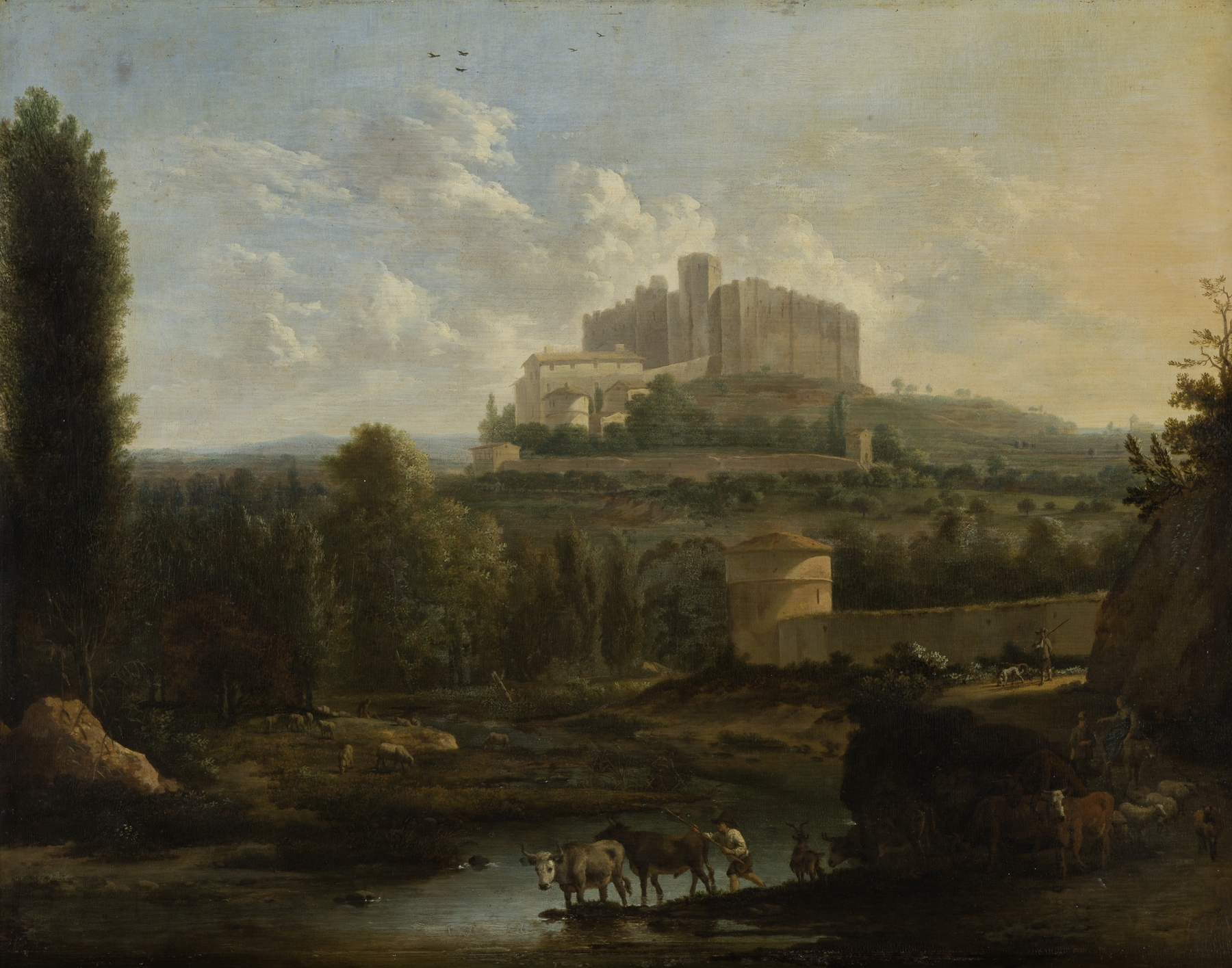
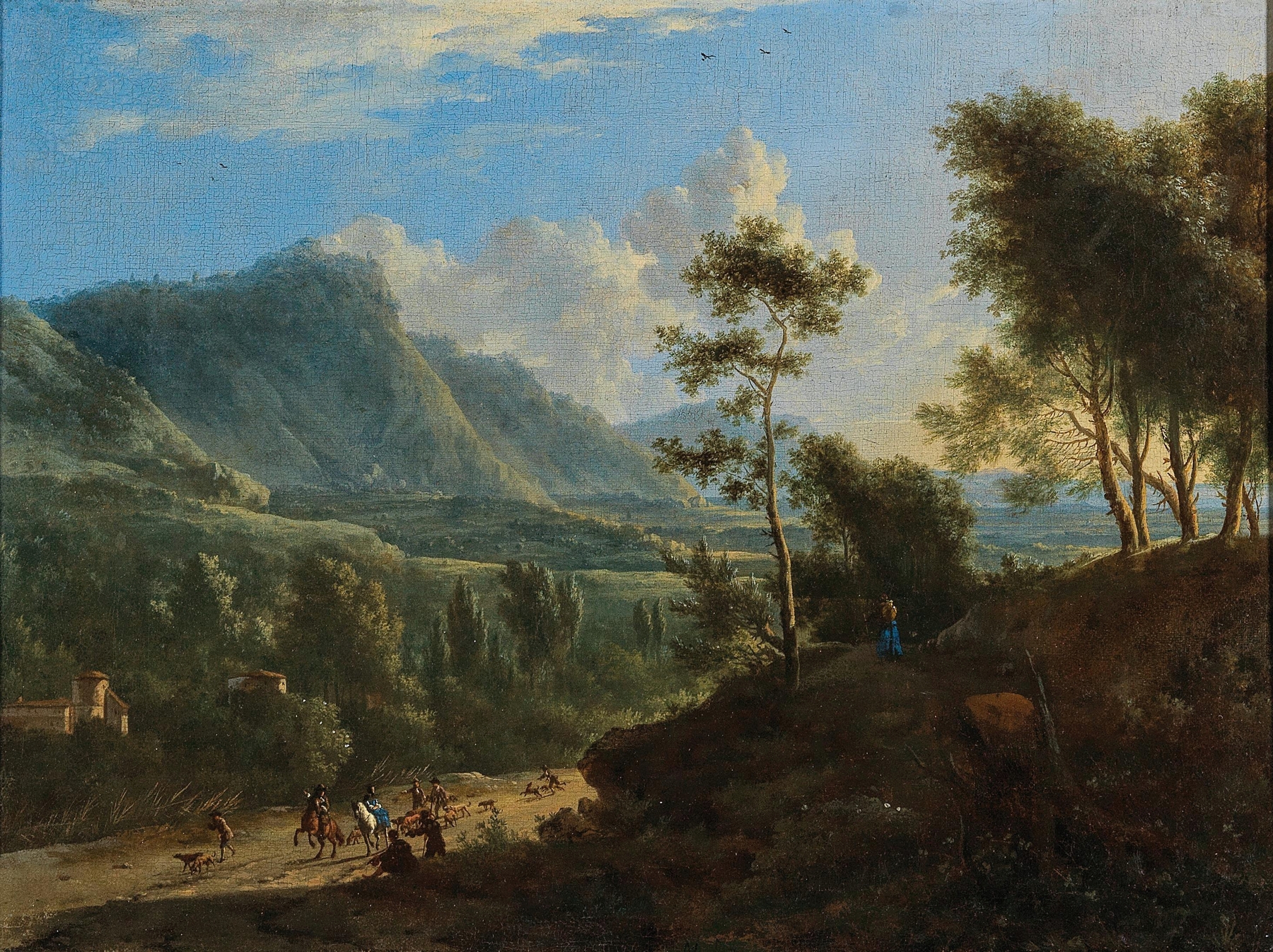
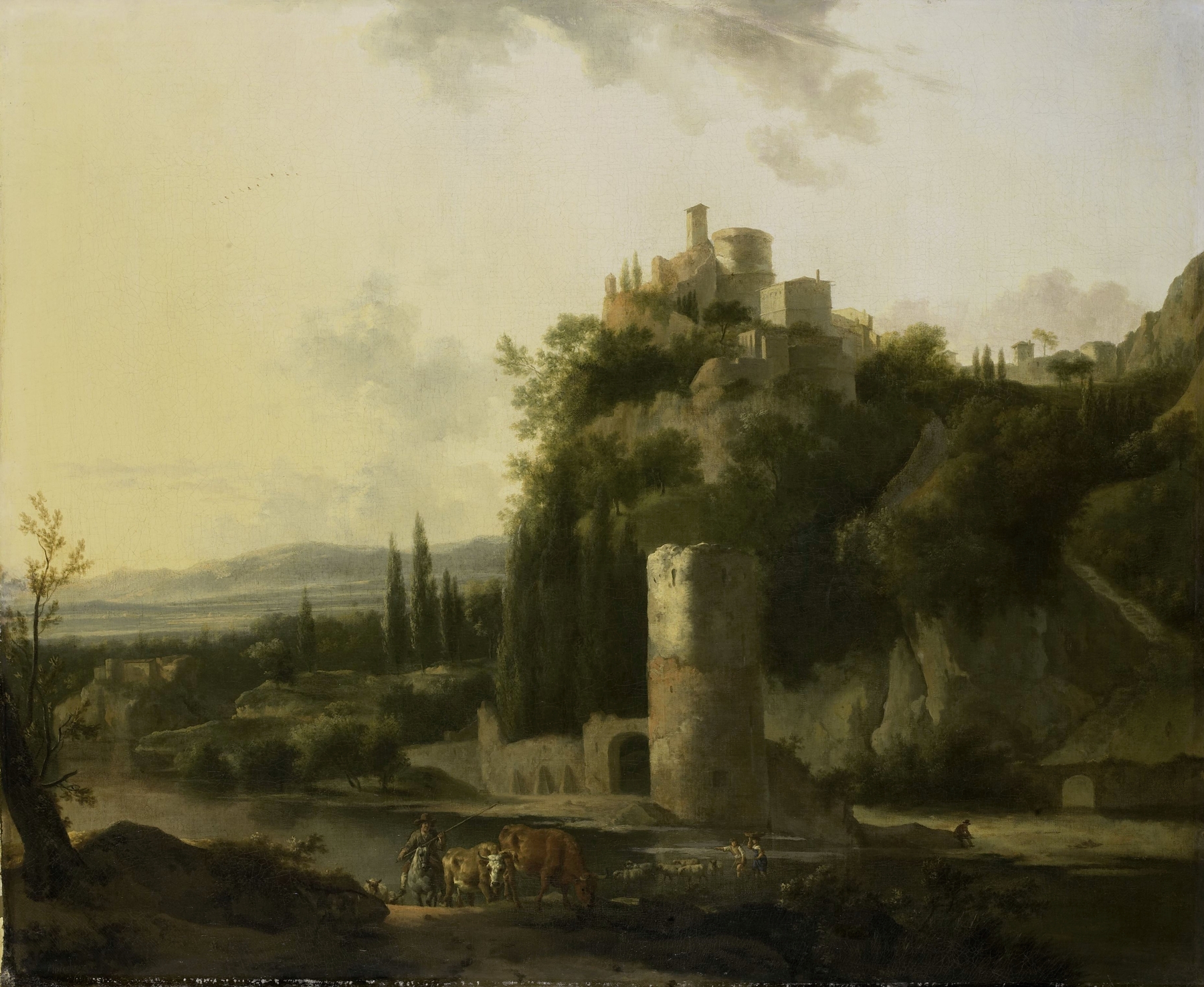
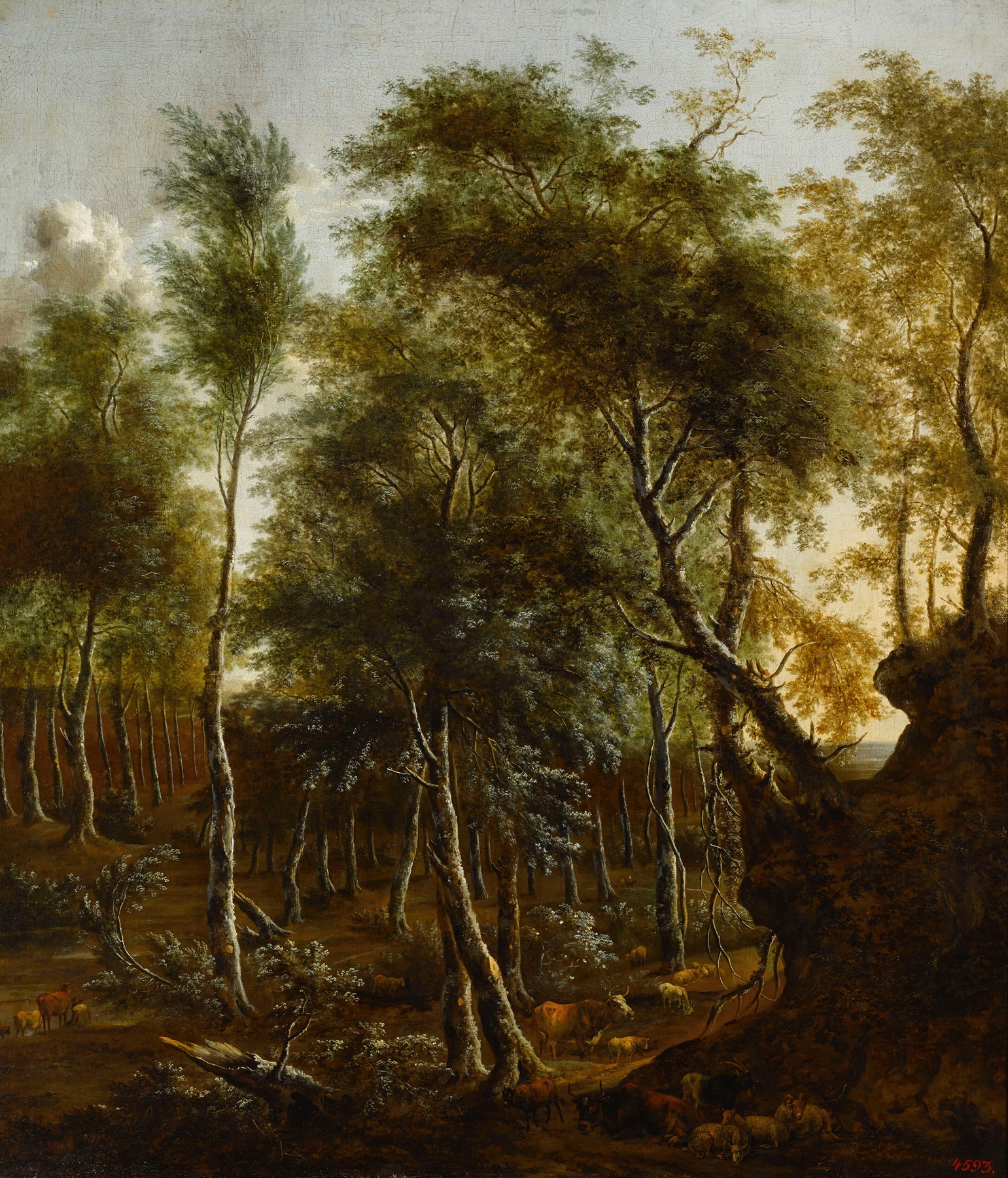
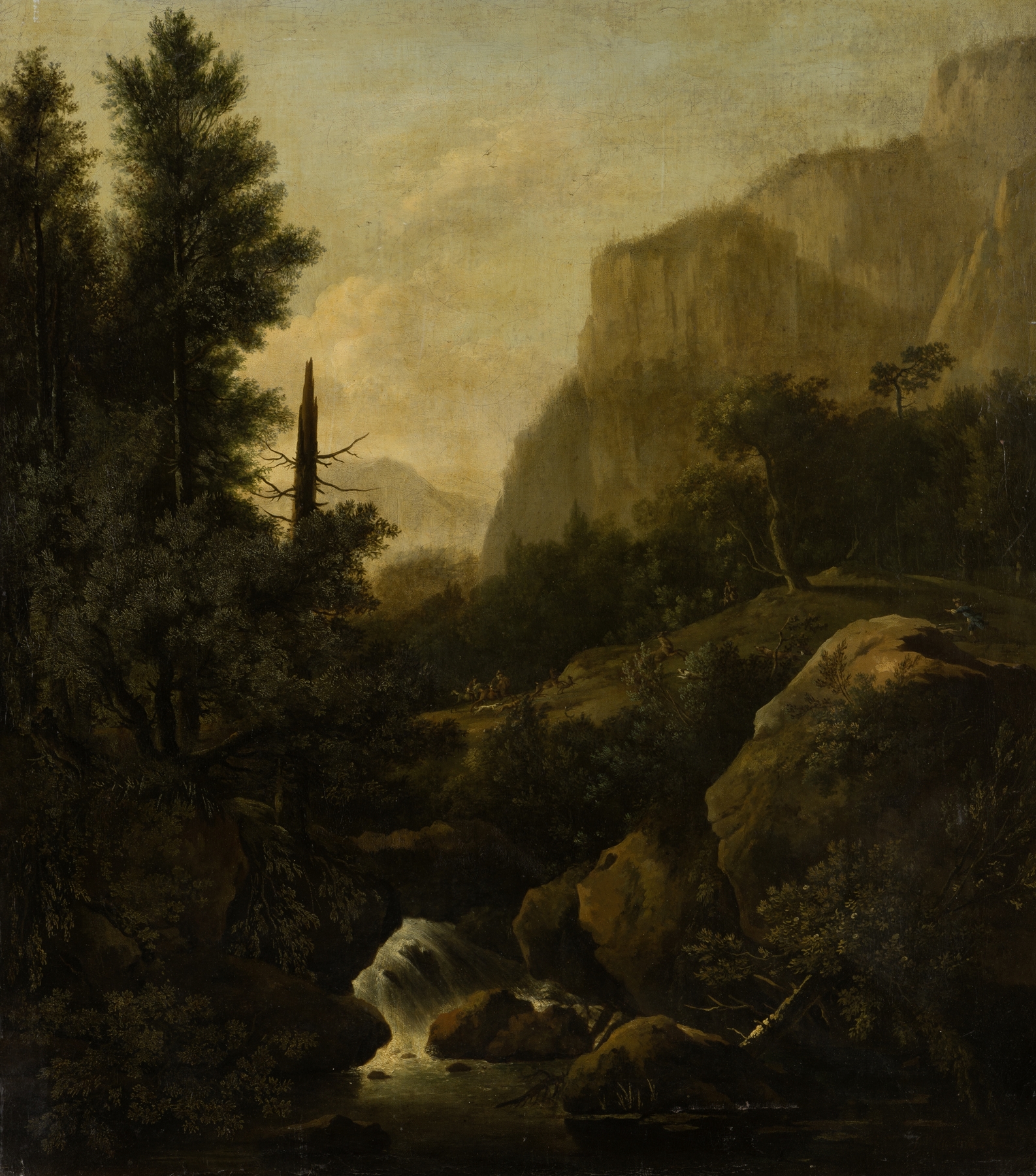
Can beauty exist without sorrow? In Landscape with a Castle, a serene expanse unfolds before us, hinting at an underlying melancholy that stirs the soul. Focus your gaze on the gentle horizon, where soft blues and greens meld seamlessly. Just above the distant hills, the castle stands like a sentry, its elegant turrets reaching toward a cloud-specked sky. Notice how the light filters through the trees, casting playful shadows on the landscape.
The painter’s meticulous brushwork captures the texture of the foliage and the subtle variations in color, creating a symphony of nature that feels both tranquil and charged with unspoken emotions. Within this idyllic setting, contrasts emerge in the interplay of light and shadow. The castle, while majestic, looms enigmatically over the serene countryside, perhaps signifying the isolation that accompanies grandeur. The nearly perfect reflections in the water hint at a world that exists just beyond reach, evoking a sense of longing for something unattainable.
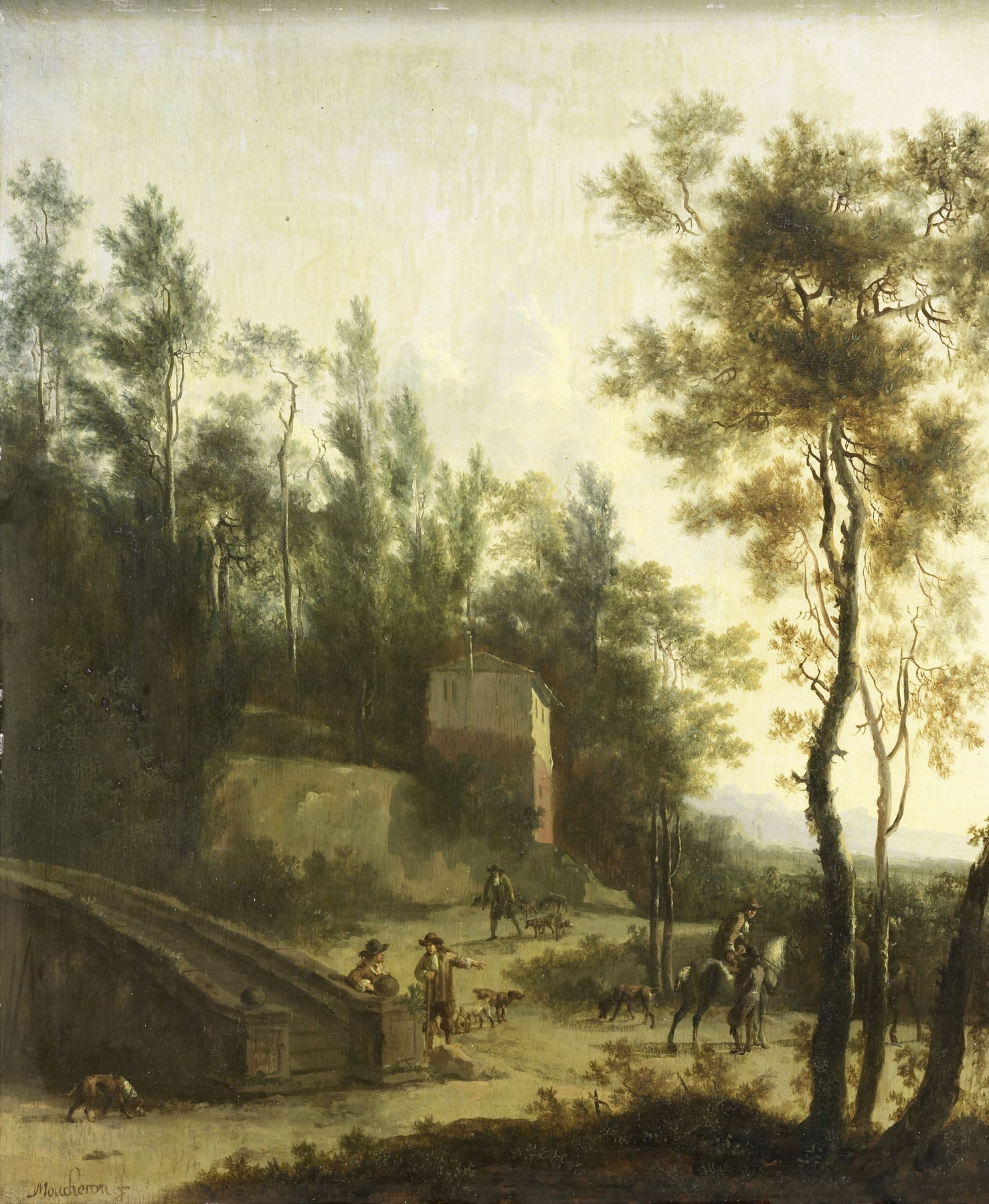
Here, the void of absence lingers, suggesting that beauty is often intertwined with an ache that enriches our perception. Frederik de Moucheron created this landscape during the late 17th century, a period marked by the Baroque's influence on Dutch art. Working in Amsterdam, he found himself amid a flourishing art scene, while the world outside grappled with change and upheaval. His landscapes, often infused with tranquility yet layered with complexity, reflect both the personal and collective yearnings of his time, revealing the duality of beauty and sorrow.