A Pool in the Meadow — History & Analysis
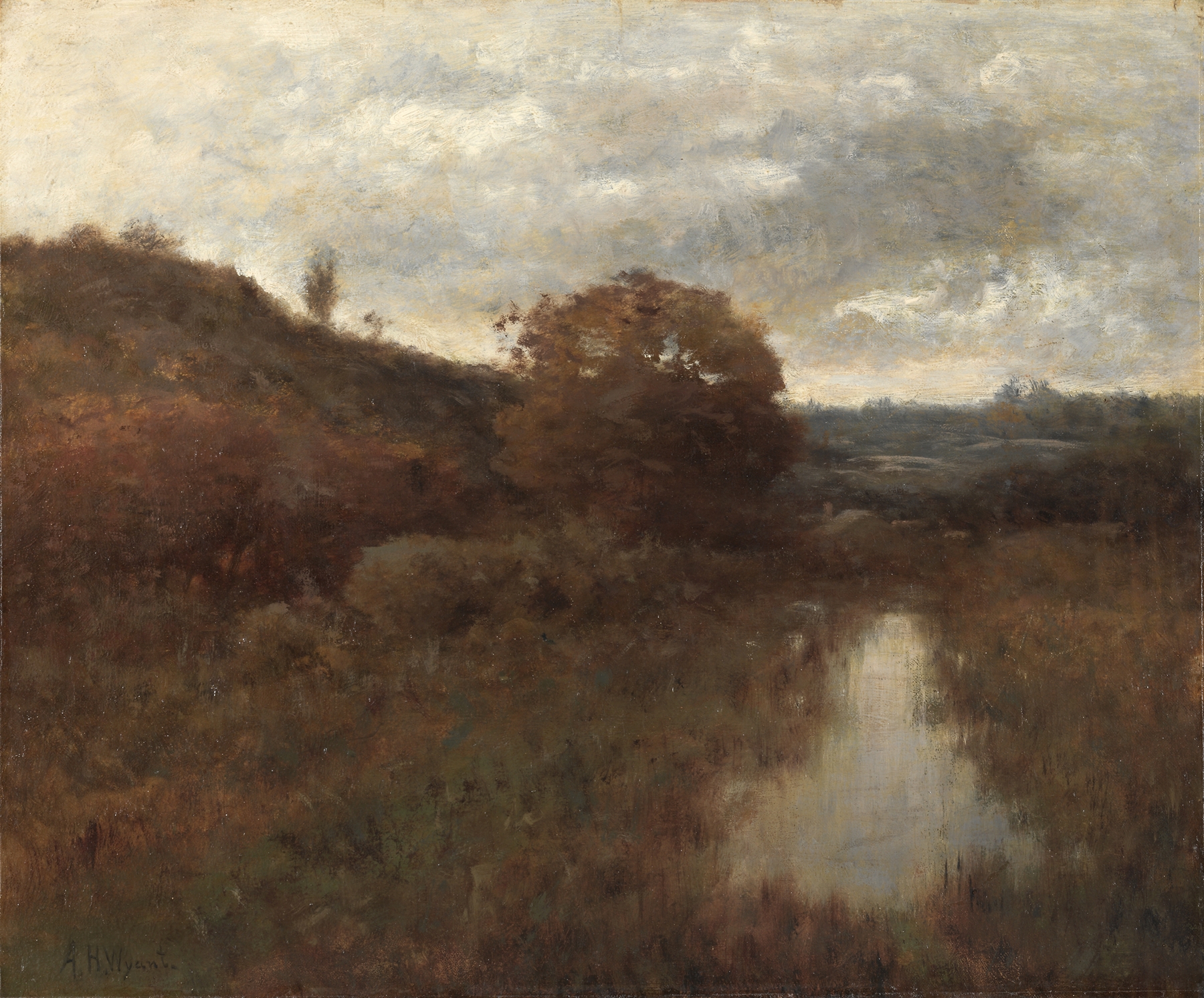
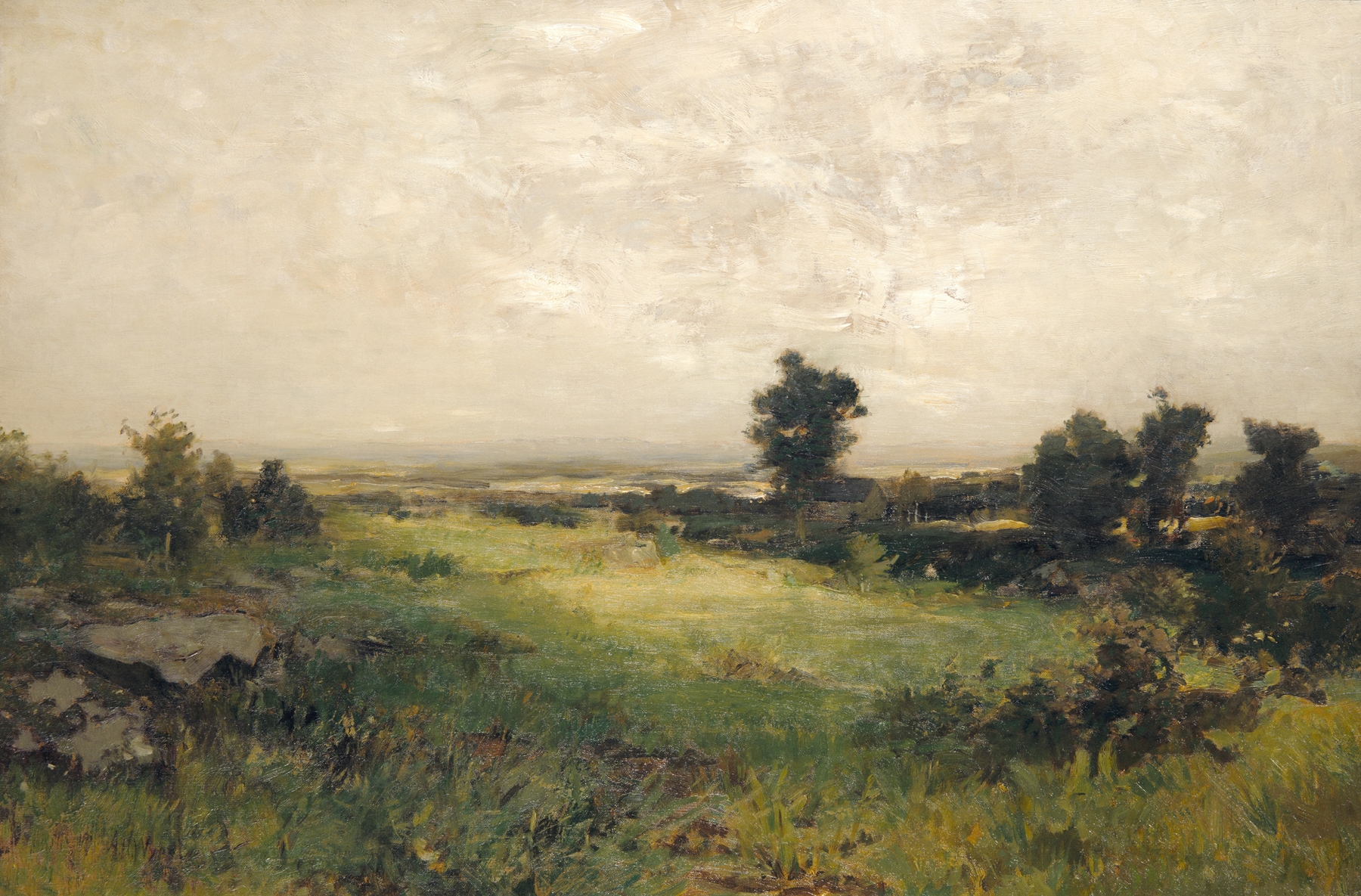
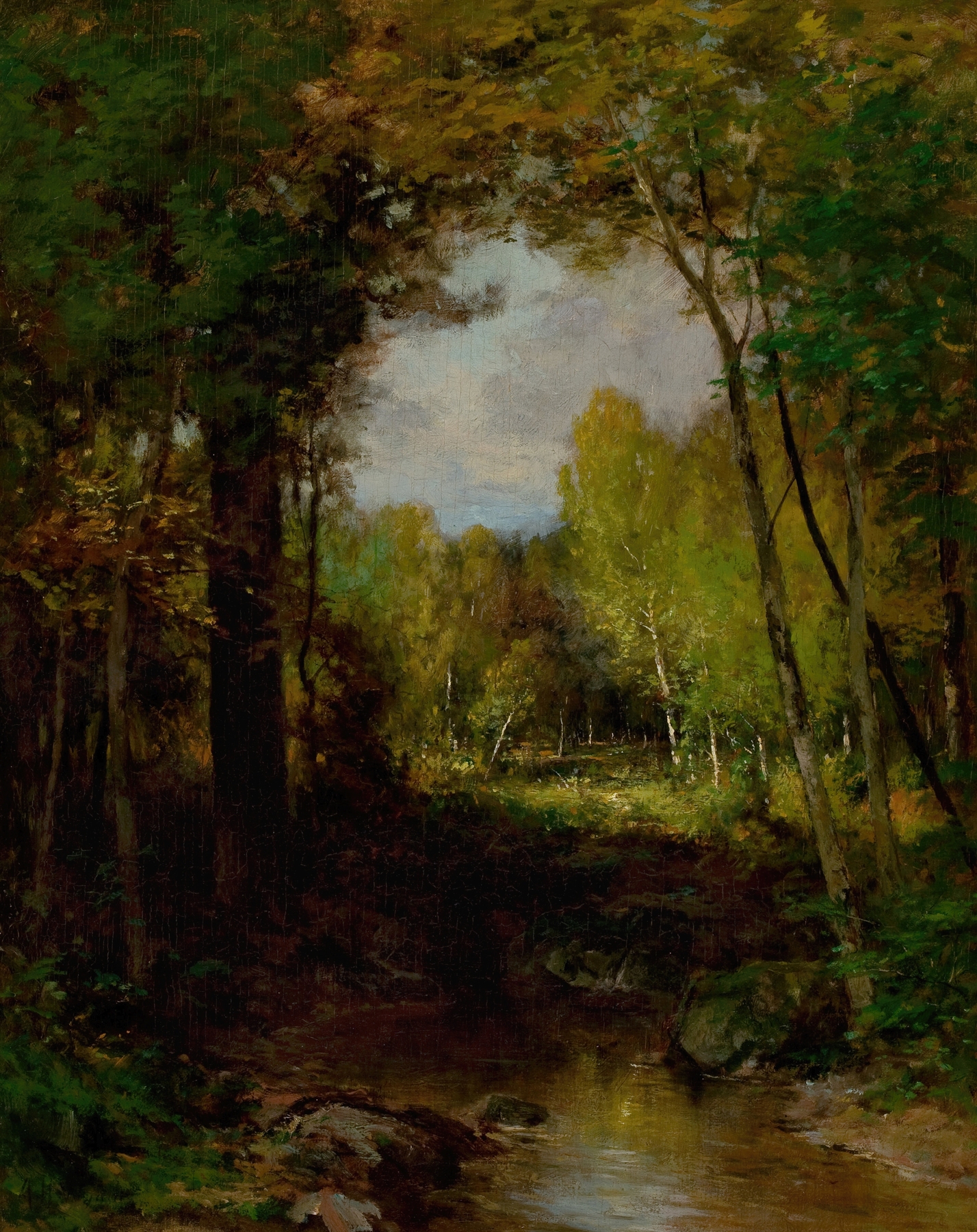
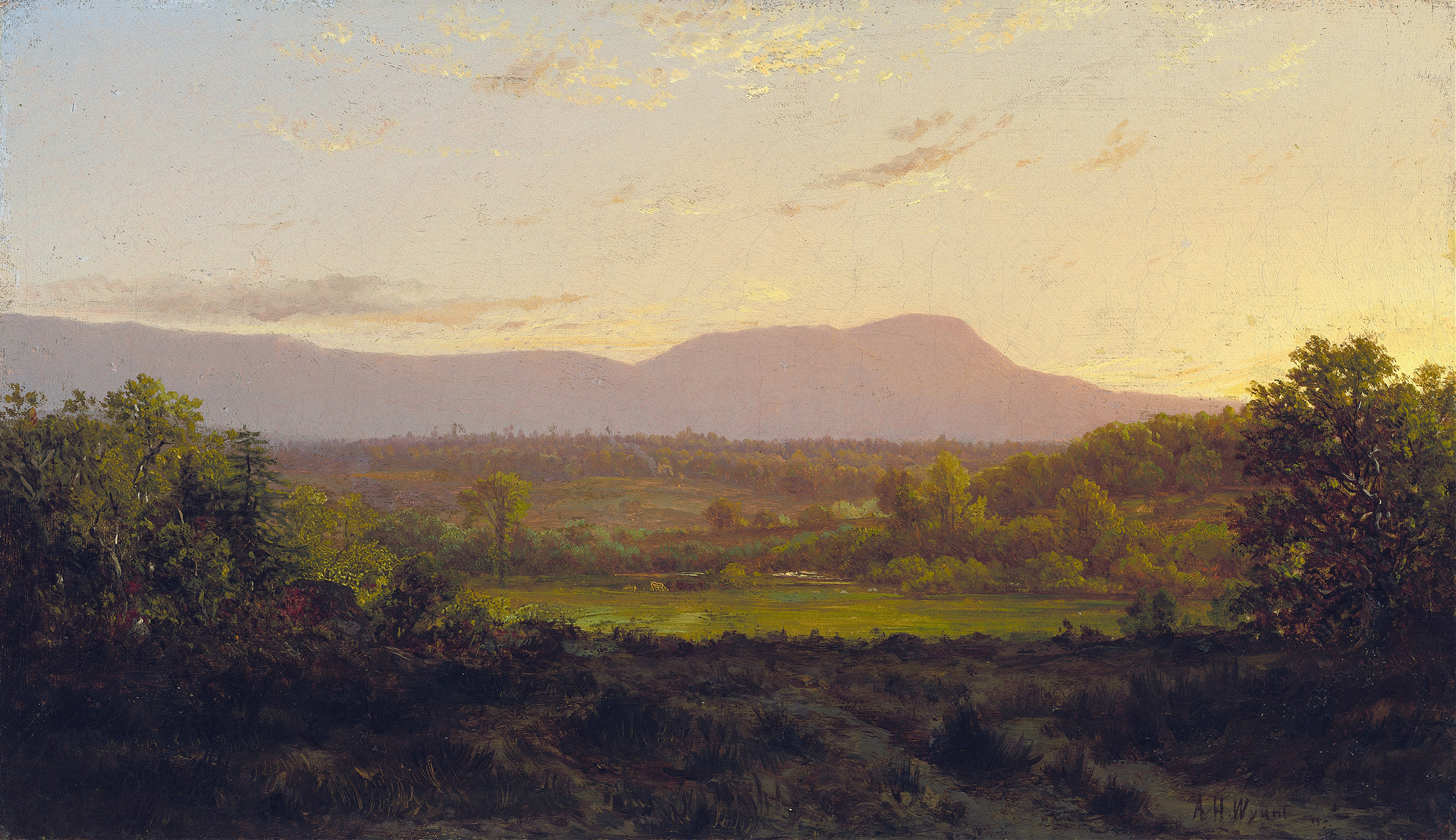
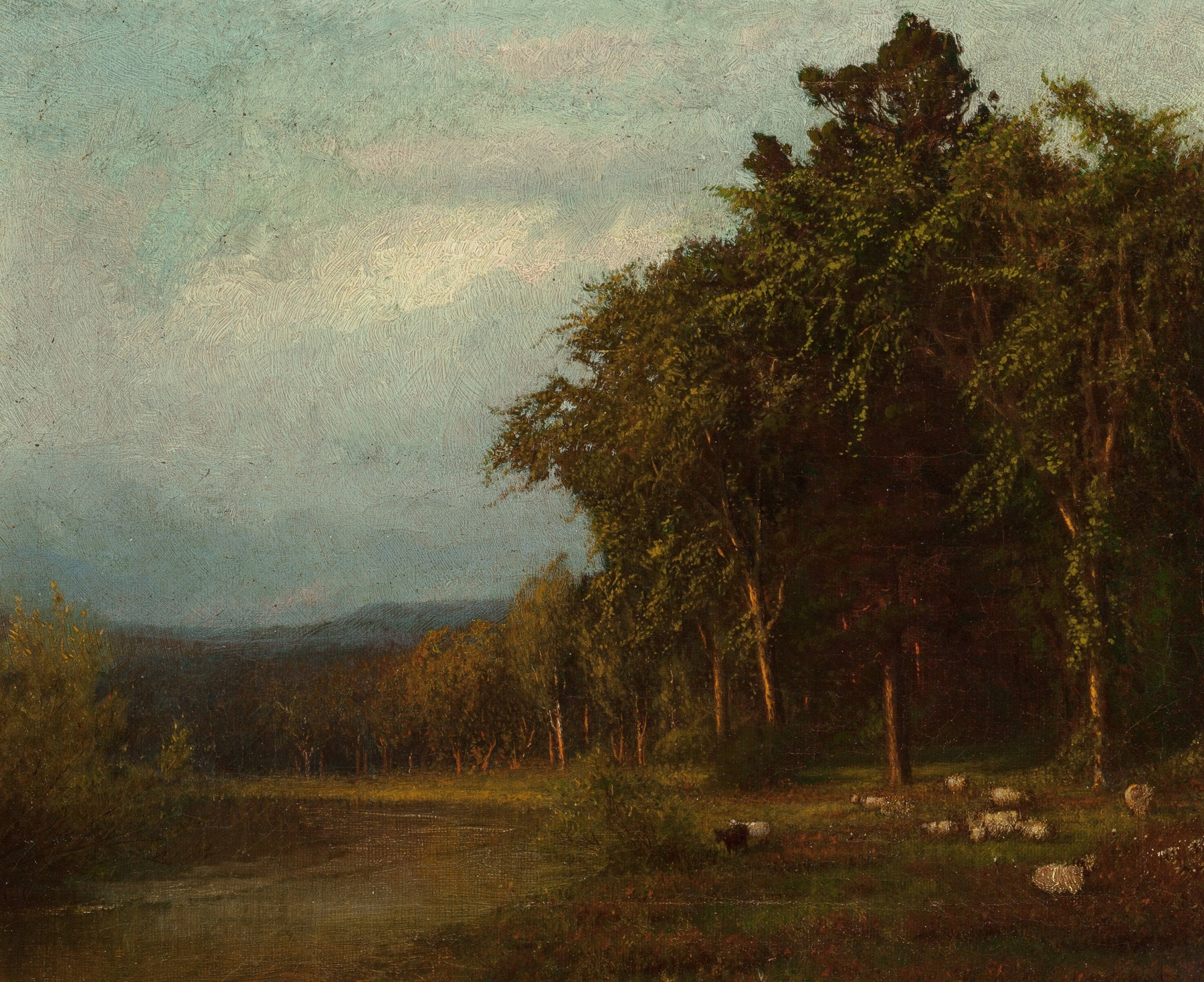
Where does light end, and longing begin? In the gentle embrace of nature, a serene void invites contemplation. Look to the left at the tranquil pool nestled among the lush grasses; its still surface mirrors the deep azure sky, a perfect reflection that blurs the boundary between reality and imagination. Notice how the soft greens and amber hues contrast with the cool blues—this interplay of colors creates a harmonious balance, drawing the eye into the peaceful sanctuary.
The delicate brushwork evokes a sense of movement in the foliage while the light filters through the trees, casting playful shadows that dance across the water's edge. Beneath this idyllic scene lies an undercurrent of longing and solitude. The absence of human figures suggests an untouched realm, inviting the viewer to project their own feelings onto the landscape. The silence of the meadow resonates with echoes of introspection, as if the viewer stands alone, contemplating the beauty and transience of nature.
This tension between presence and absence creates a poignant dialogue, urging a deeper exploration of the void that often lies at the heart of beauty. In 1870, Wyant painted this piece during a formative time in his career while living in the Hudson River Valley. Influenced by the romantic ideals of Transcendentalism, he sought to capture the sublime in nature, reflecting a growing interest in atmospheric effects and emotional depth within landscapes. The era was marked by a shift towards realism and impressionism, where artists began to embrace the emotional resonance of their surroundings, paving the way for a new understanding of nature’s role in art.