A River Glimpse — History & Analysis
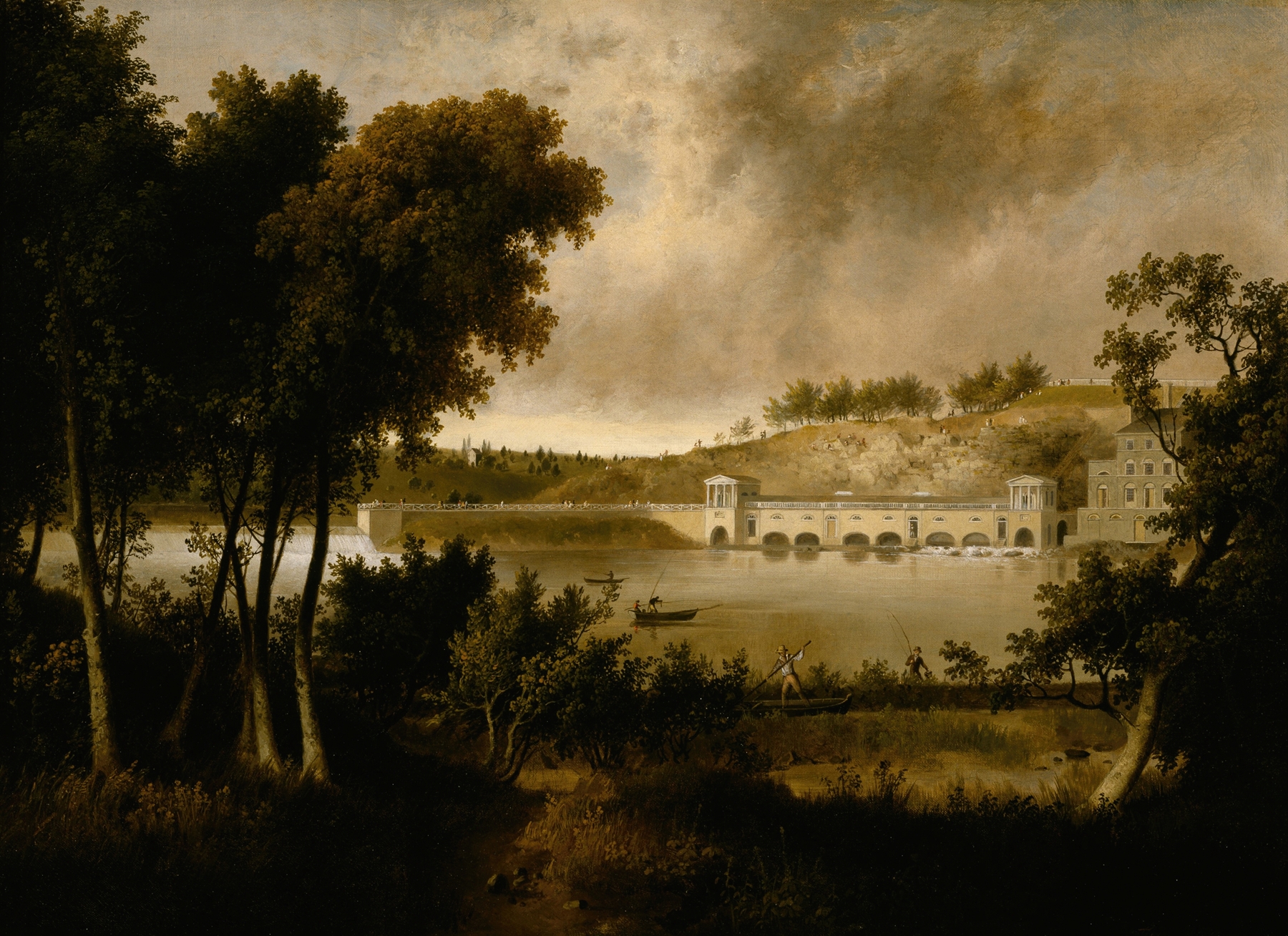
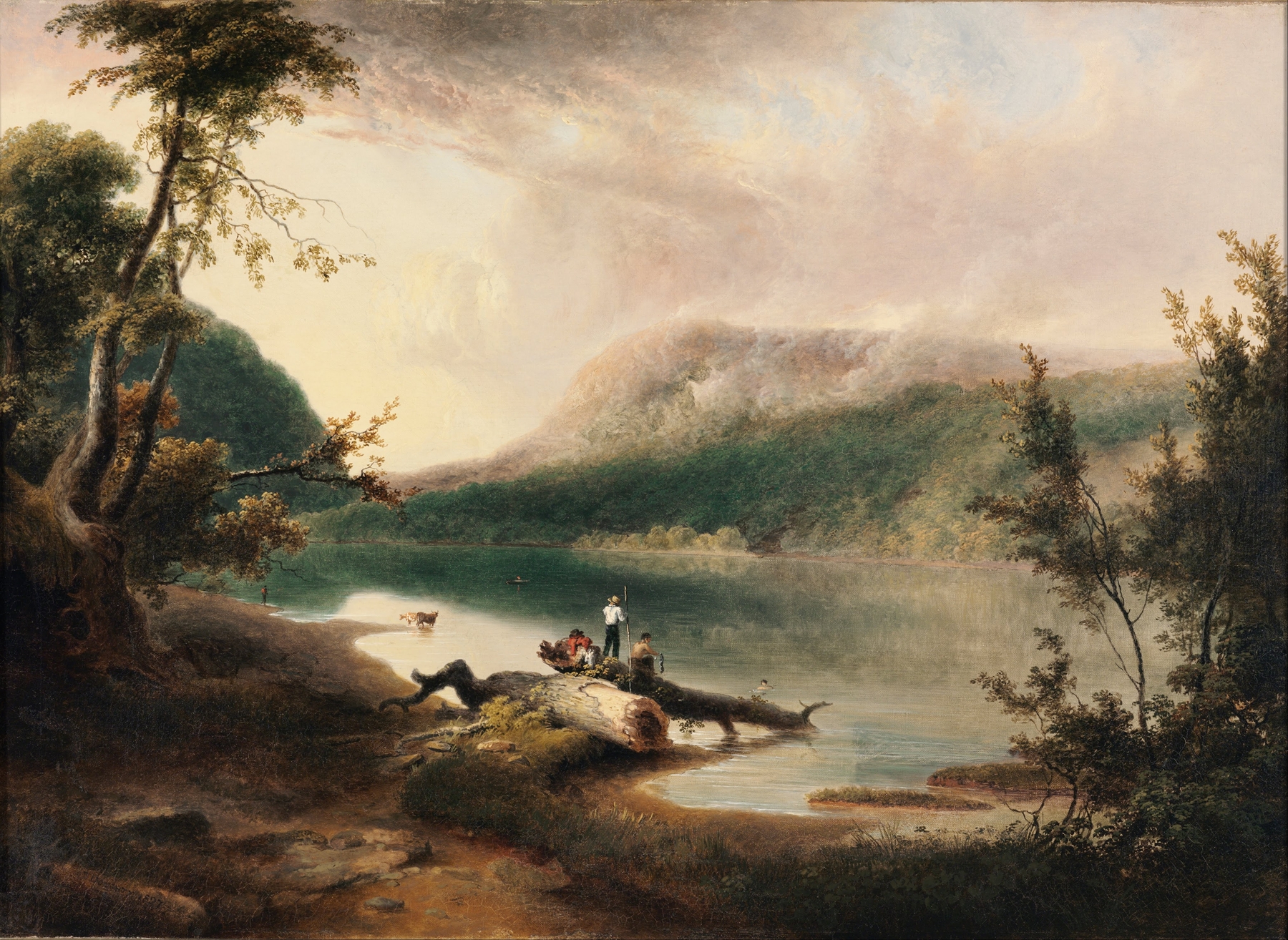
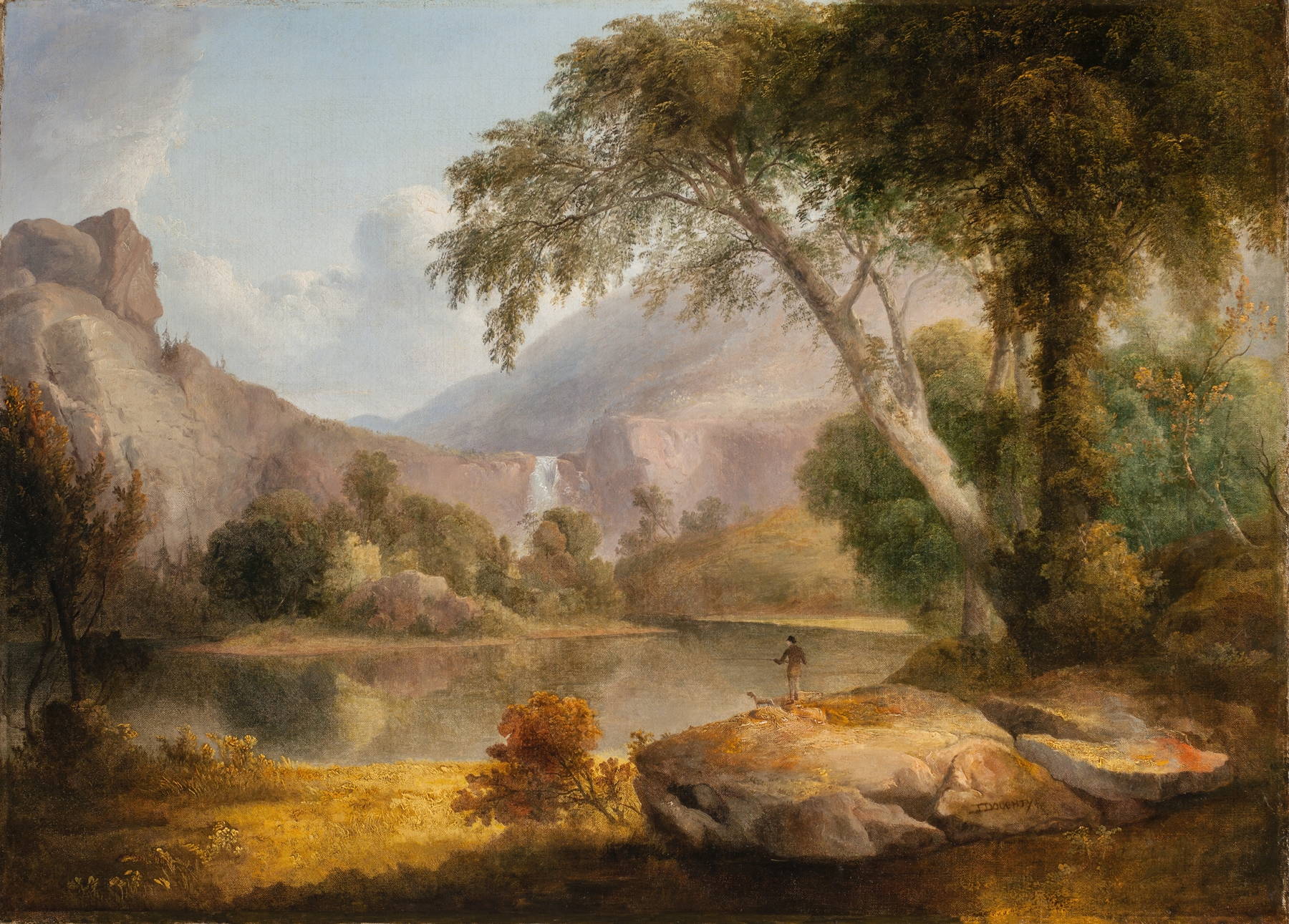
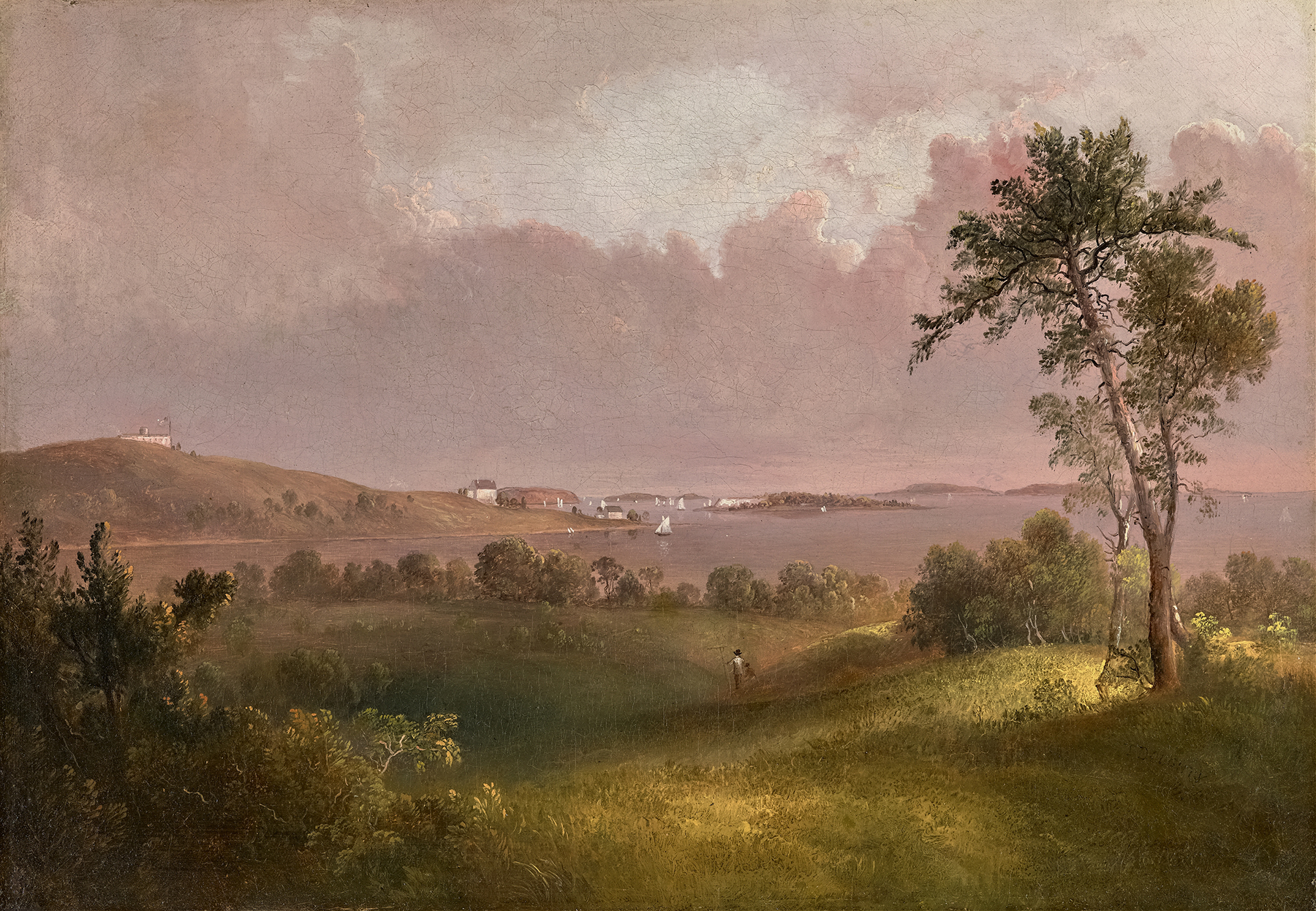
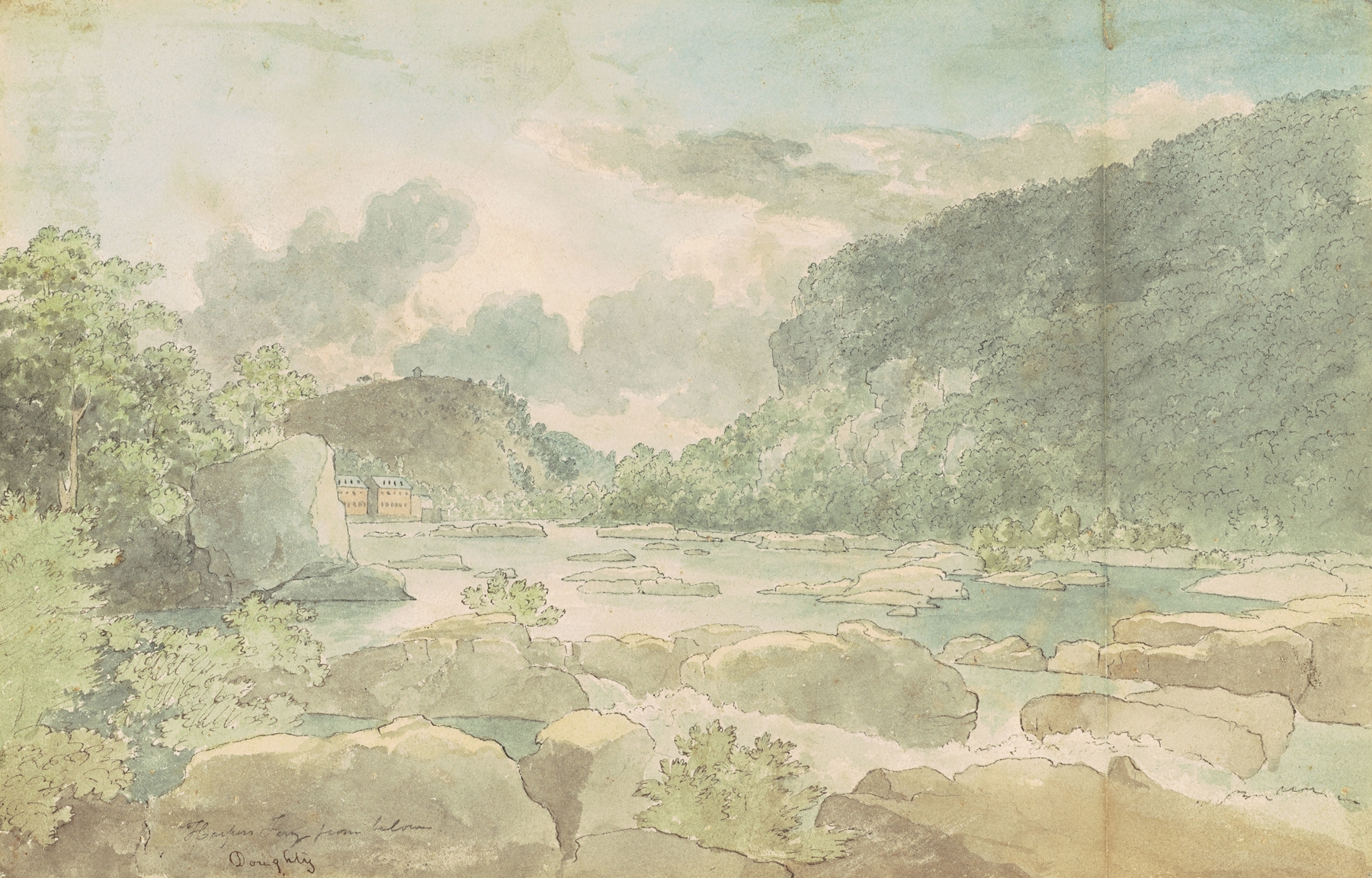
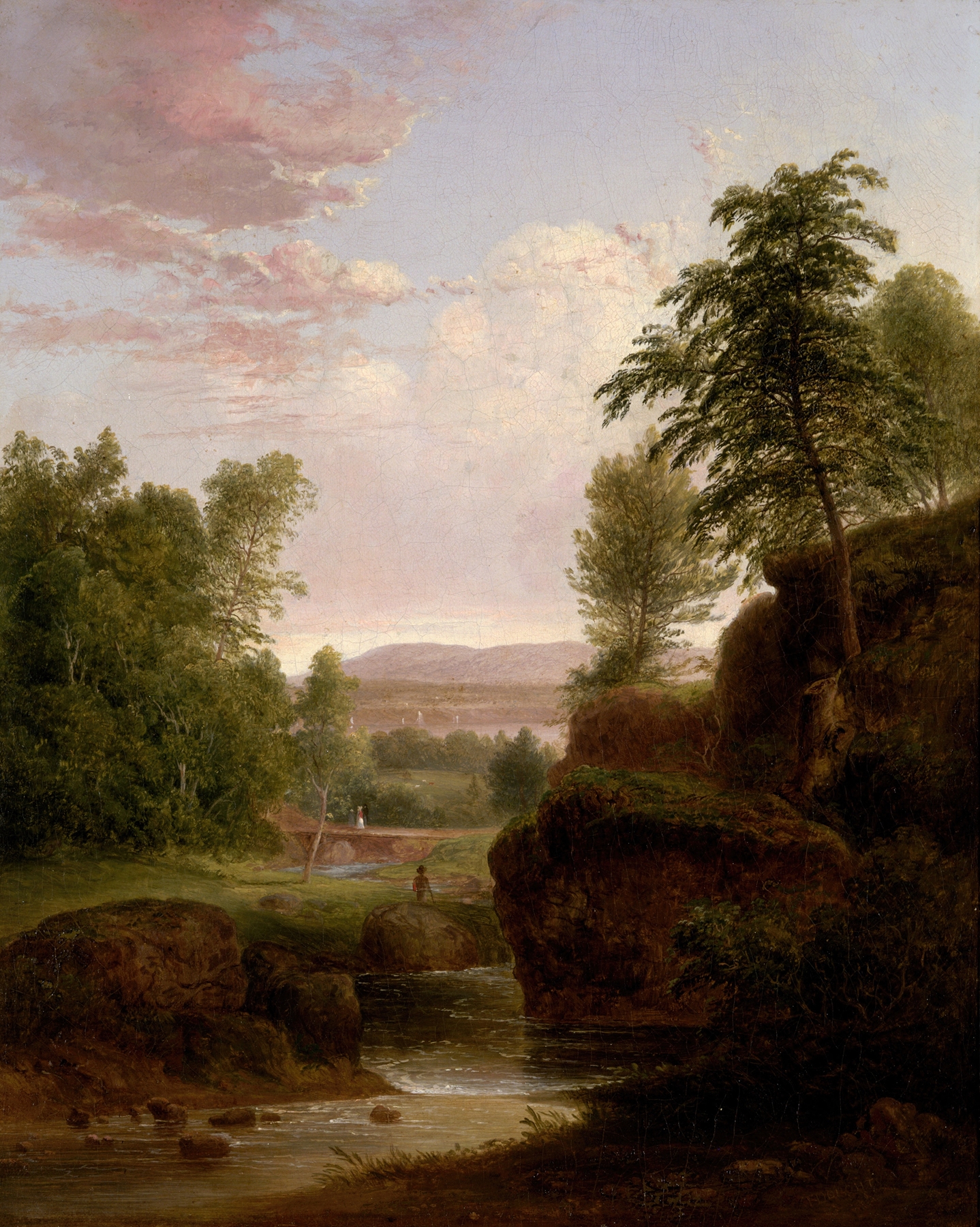
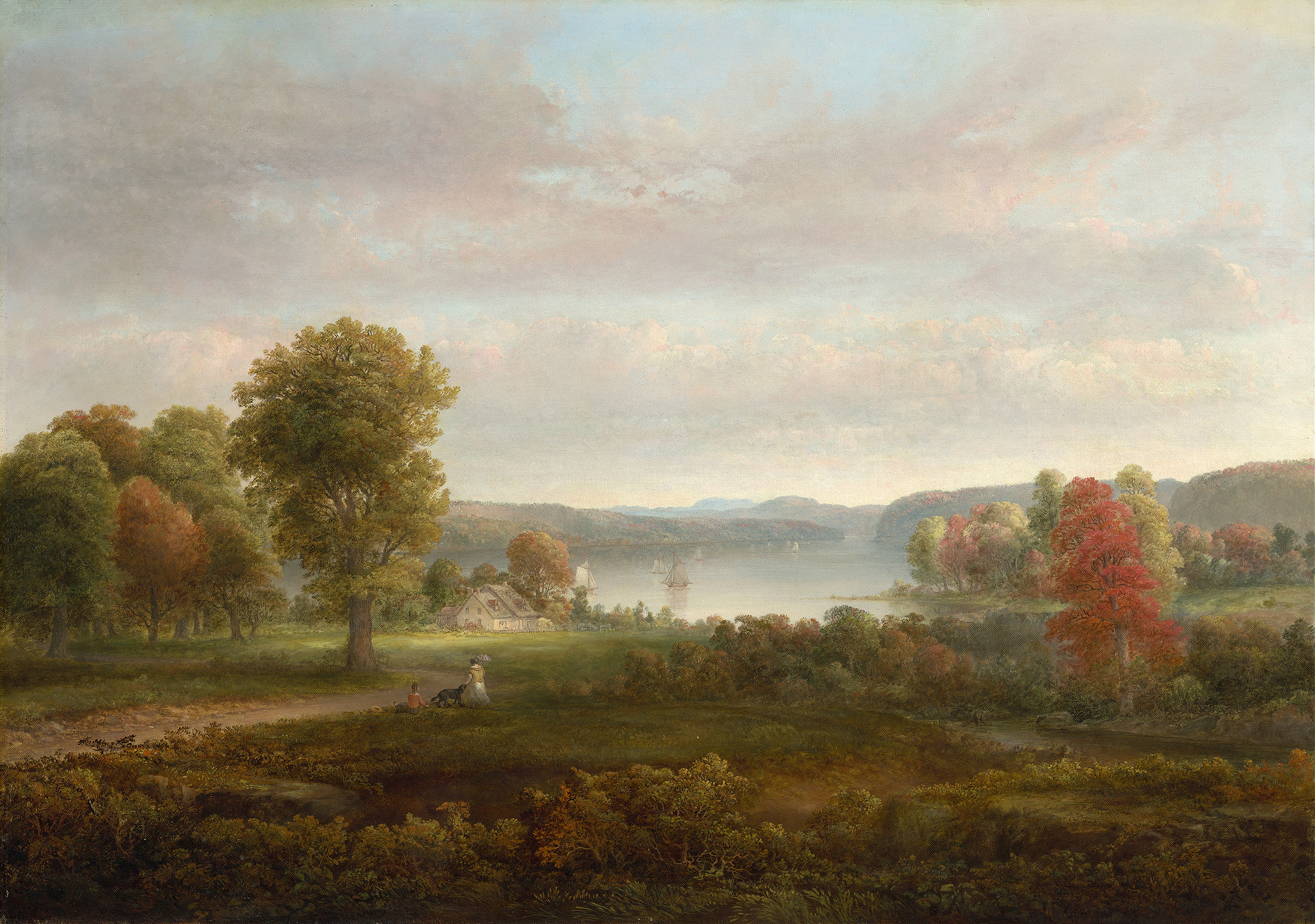
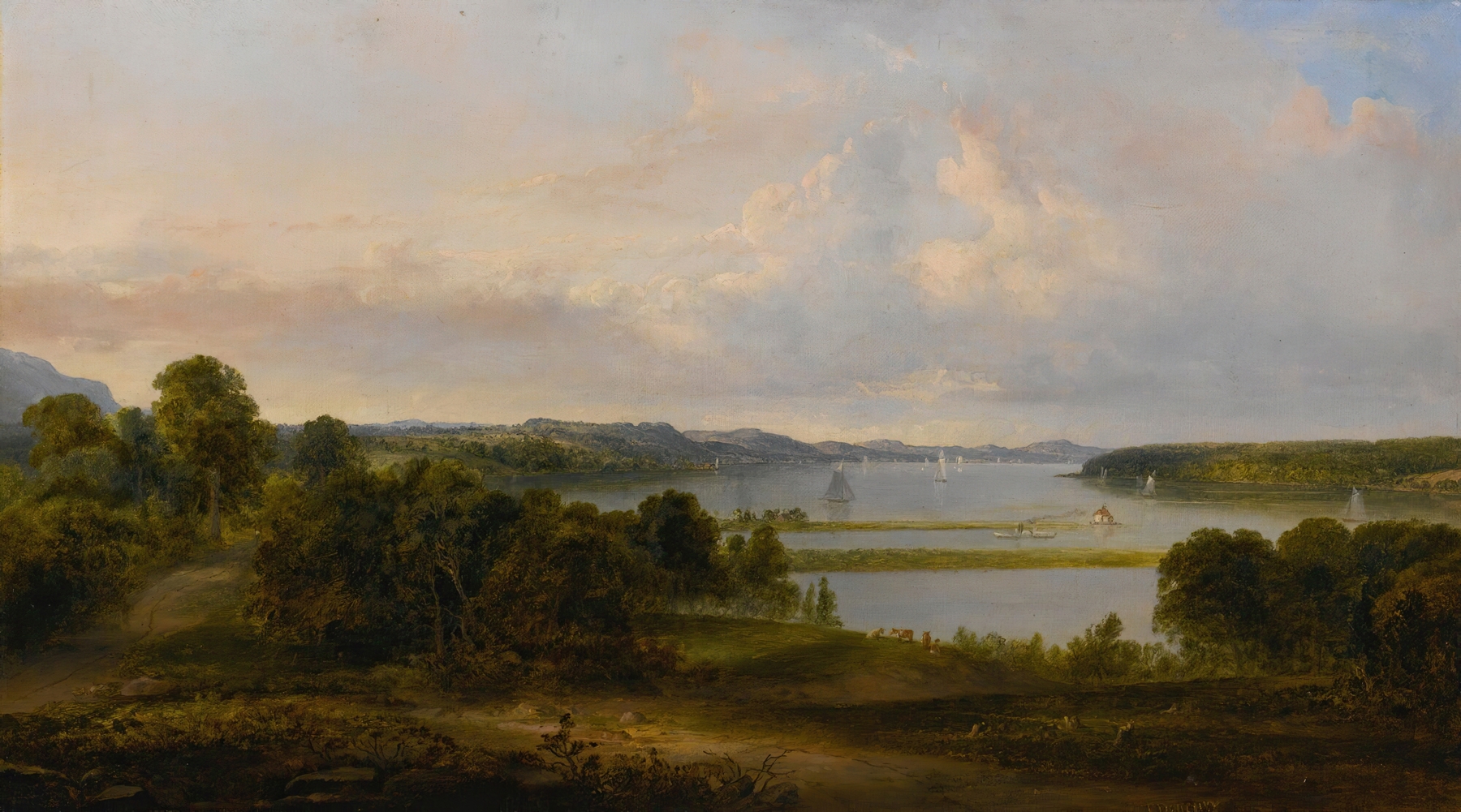
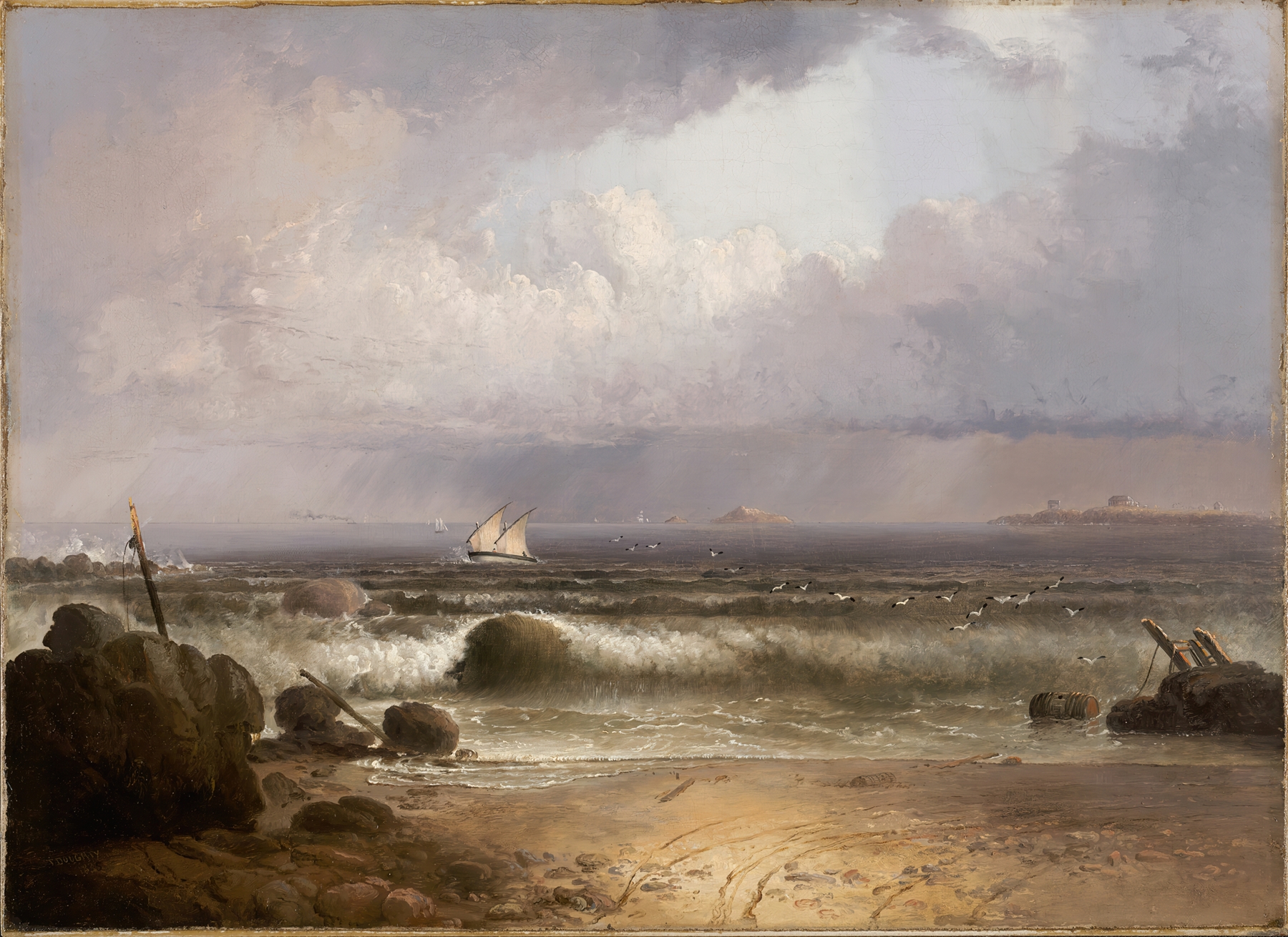
"Sometimes beauty is just pain, disguised in gold." In the quiet embrace of nature, we find a delicate balance between despair and hope, a fleeting glimpse of serenity amidst chaos. Focus on the gentle curve of the river as it meanders through the lush landscape, inviting the viewer's gaze to follow its shimmering surface. The painter’s skillful brushwork captures the interplay of light and shadow, where golden hues dance across the water, illuminating the secluded banks. Notice the way the trees frame the river, their dark silhouettes contrasting with the luminous sky, enhancing the deep sense of tranquility.
Amidst this beauty lies a subtle tension. The river, while idyllic, represents the passage of time and the inevitability of change. The stillness of the scene belies a deeper undercurrent of uncertainty, echoing the fragility of life itself. Each ripple in the water becomes a metaphor for moments lost, while the gold highlights suggest that even within pain, there exists the potential for renewal and hope.
Doughty painted this piece between 1843 and 1850, during a time marked by significant developments in American landscape painting. Living in a rapidly changing world, he sought to capture the essence of nature, reflecting both the beauty and transience of the environment. As a member of the Hudson River School, he became known for his portrayal of serene landscapes that evoke both appreciation and introspection, navigating the fine line between joy and melancholy.