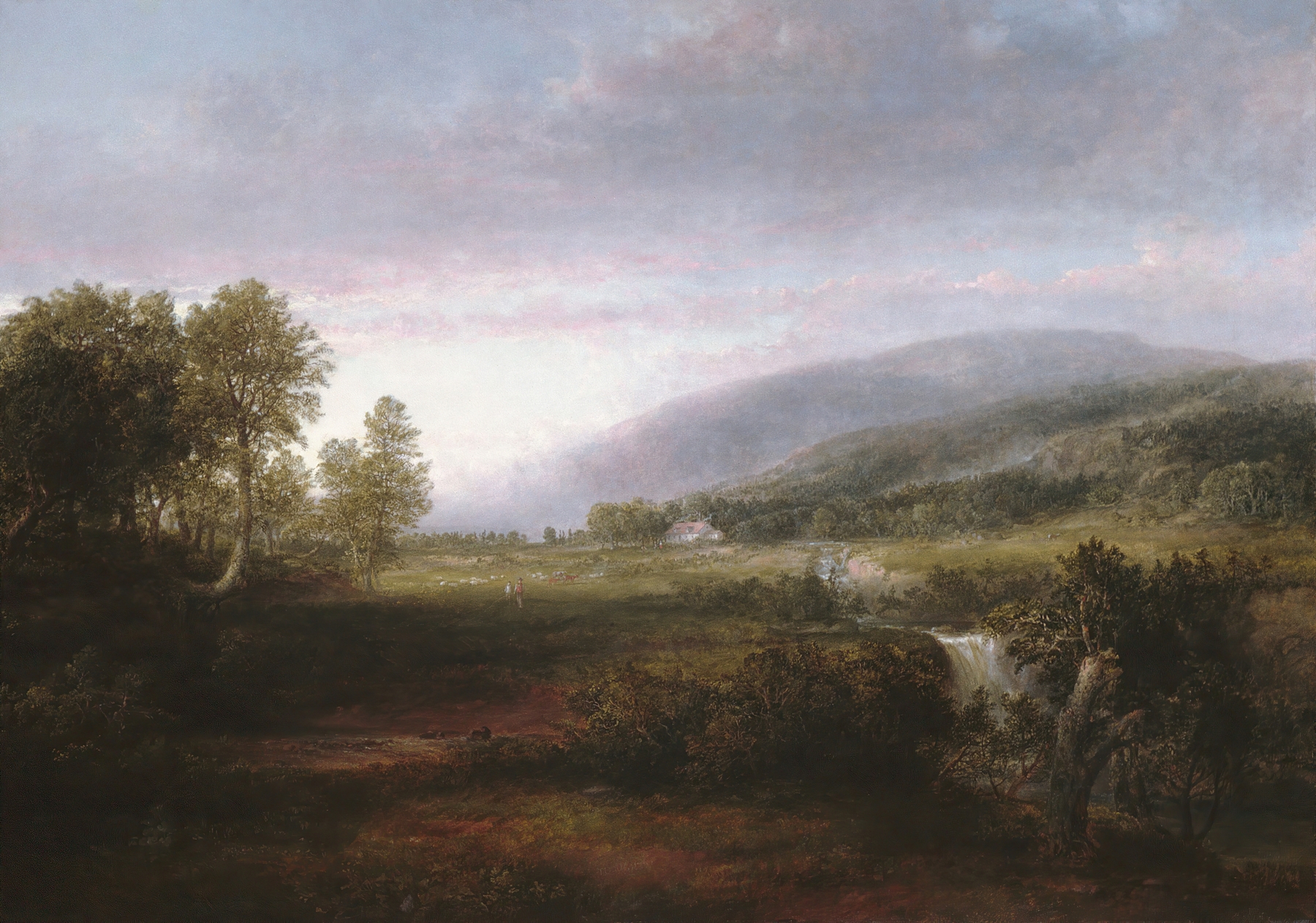
View of the Fairmount Waterworks, Philadelphia, from the Opposite Side of the Schuylkill River — History & Analysis
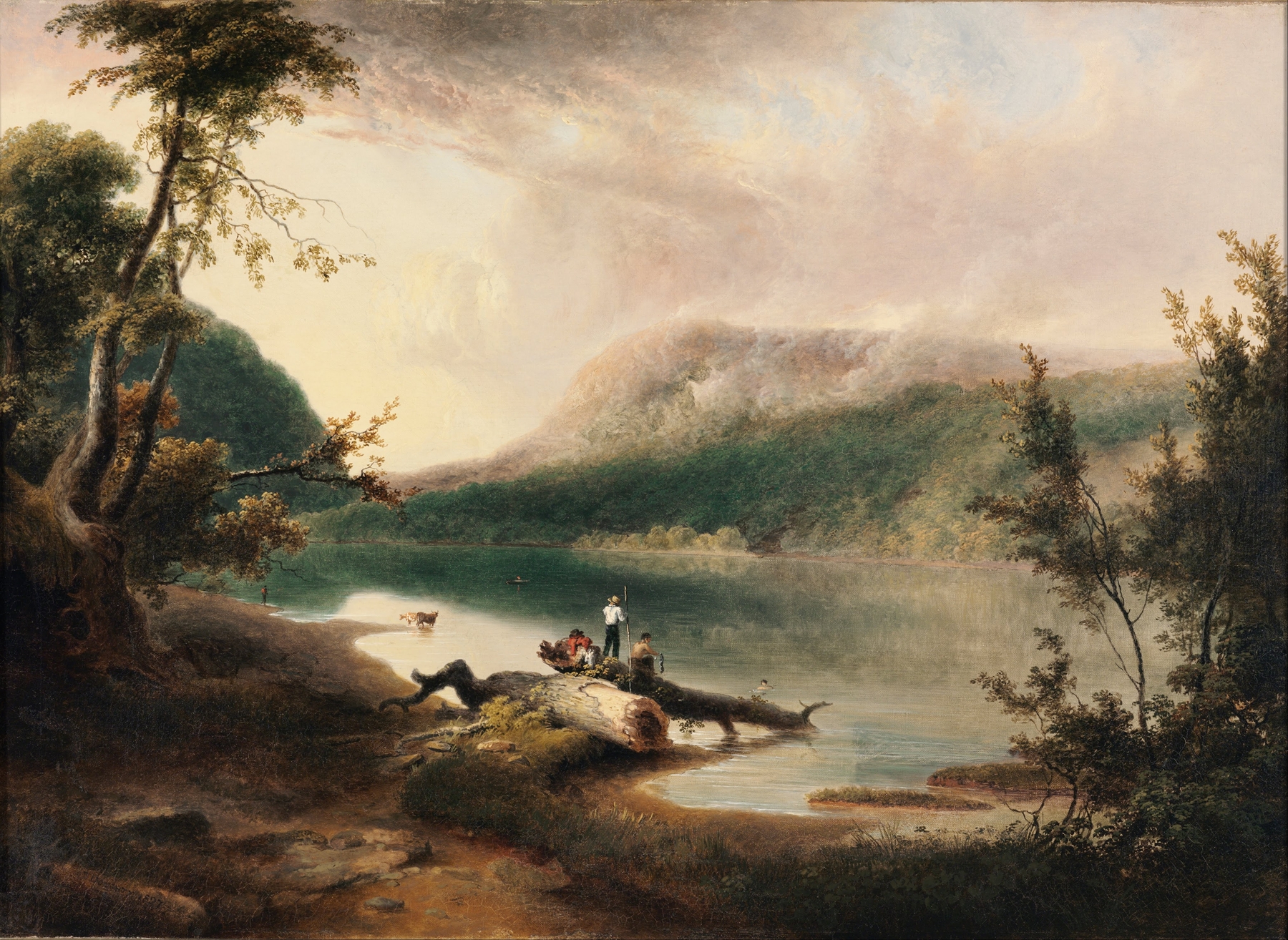
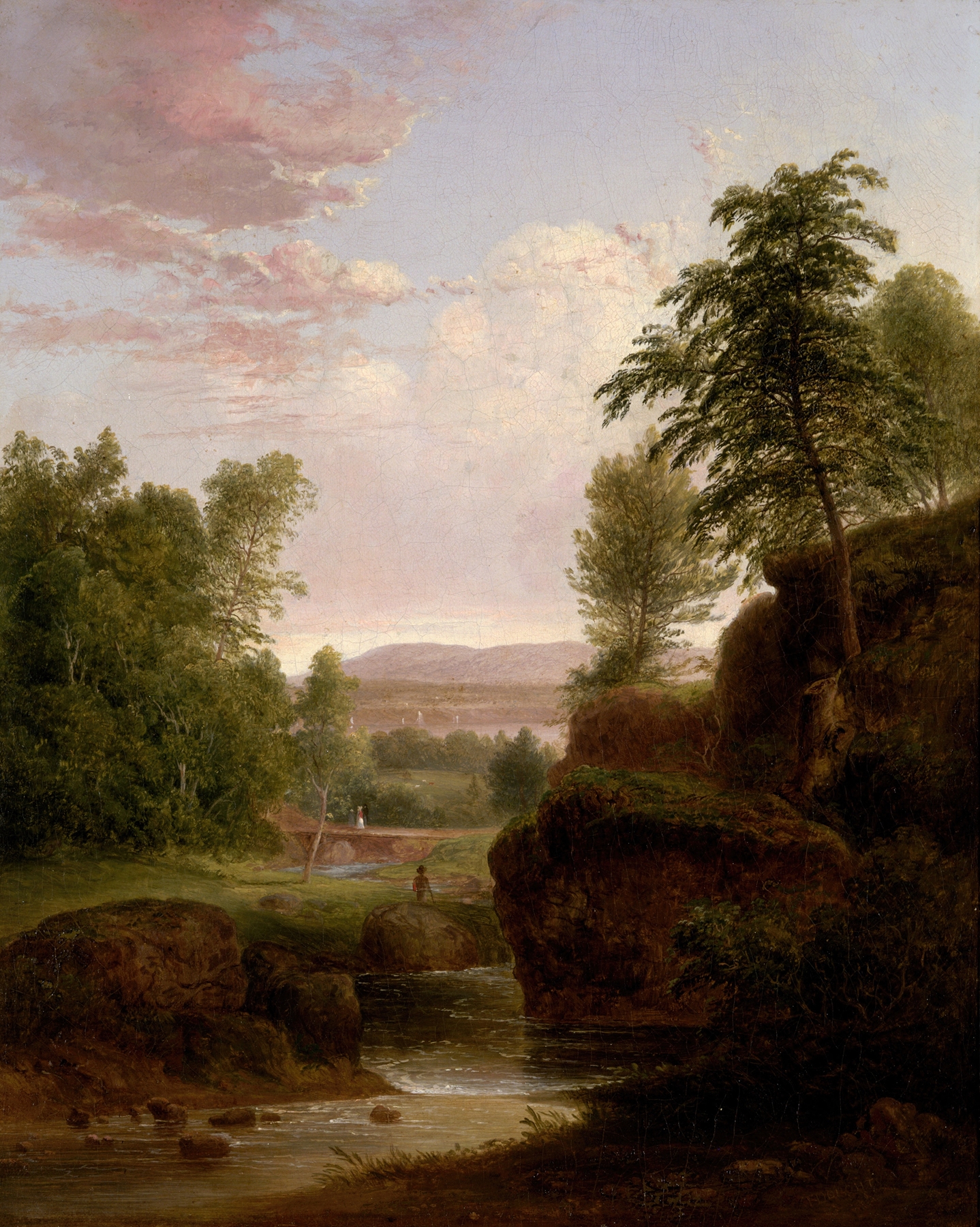
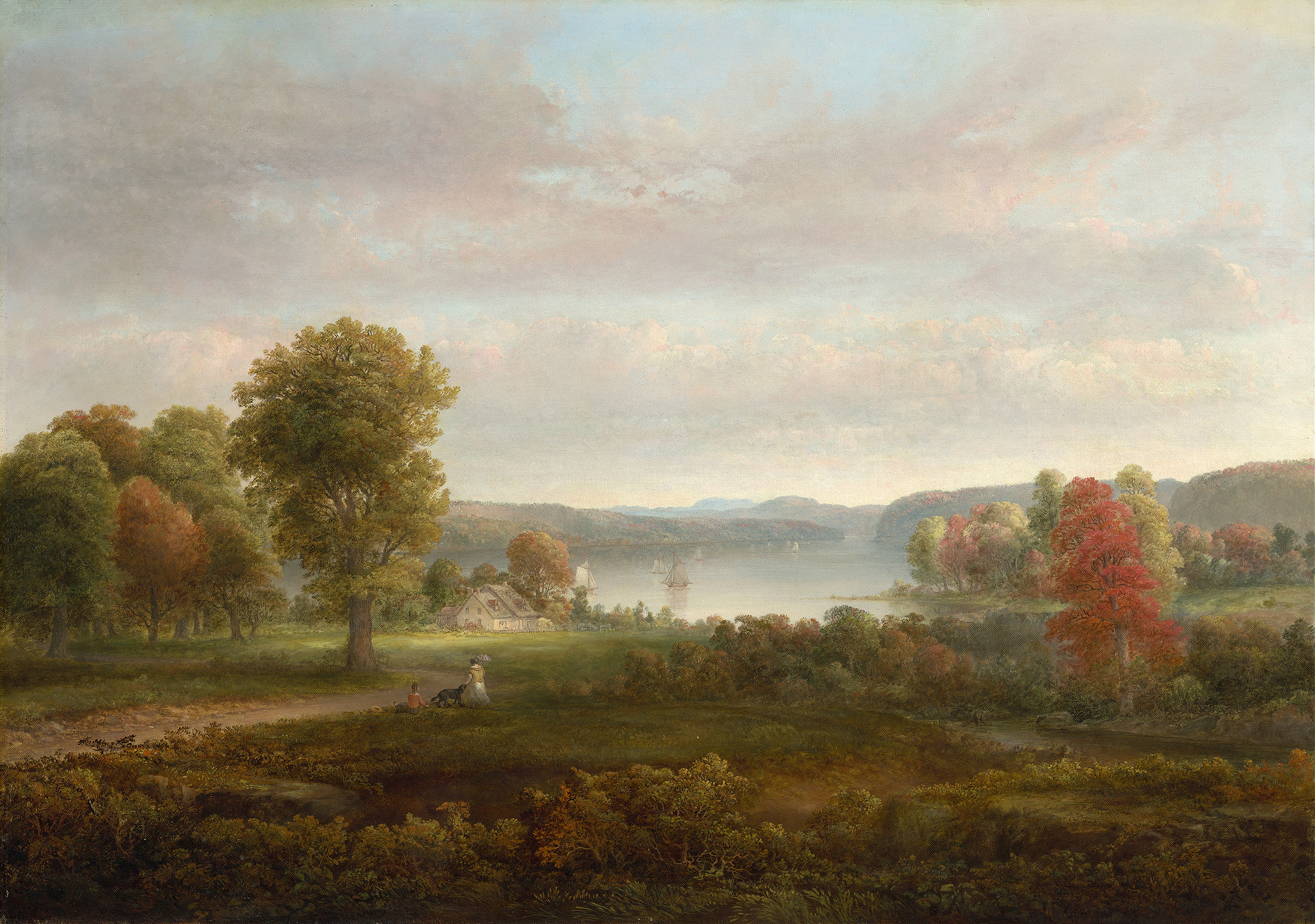
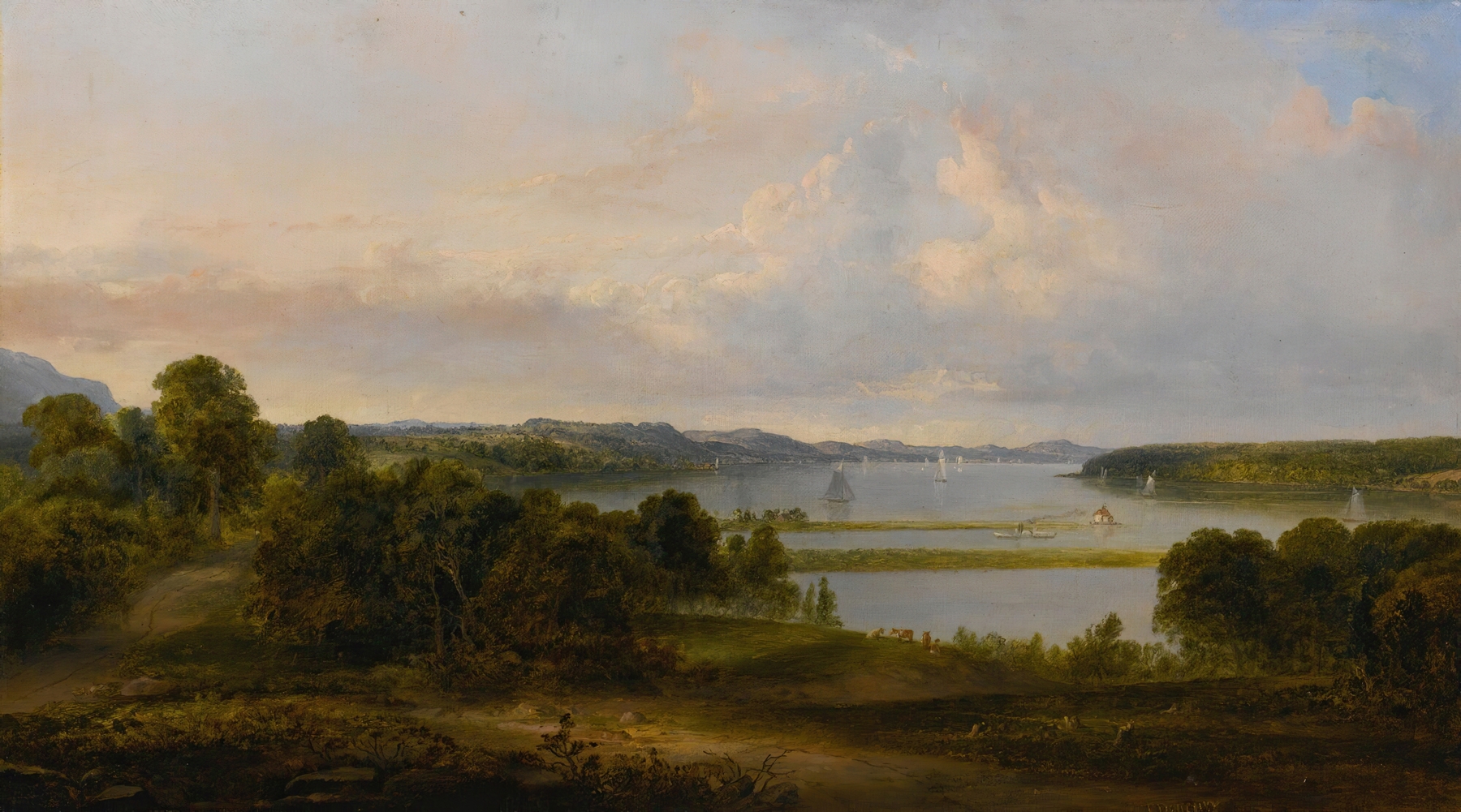
Who listens when art speaks of silence? In a world buzzing with noise, the stillness captured in this work draws us into a profound contemplation of absence and longing. Focus on the serene waters of the Schuylkill River, where gentle ripples reflect the soft hues of the twilight sky. The Fairmount Waterworks stands majestically in the background, its neoclassical architecture bathed in golden light. Notice how the artist employs a cool palette of blues and greens, creating a harmonious balance that invites your gaze to linger on both the natural and manmade elements.
The composition flows, guiding you from the tranquil foreground to the distant structures, evoking a sense of peace tinged with sorrow. Yet, amidst this beauty, there lies a poignant tension. The juxtaposition of the vibrant waterworks against the muted colors of the surrounding landscape speaks to the fragility of progress in the face of nature's enduring presence. Each brushstroke reveals an emotional depth, suggesting a fleeting moment where human achievement wrestles with the inevitable passage of time.
The stillness of the scene whispers the stories of those who once thrived in this space, now ghosts in a landscape forever altered. In the 1820s, while painting this piece, Doughty was establishing himself as a significant figure in the American landscape tradition. Living in Philadelphia during a time of rapid industrial growth and urbanization, he captured both the beauty of his surroundings and the undercurrents of change. This duality reflects the sentiments of the period, as artists grappled with their identities in an increasingly modern world.