Delaware Water Gap — History & Analysis
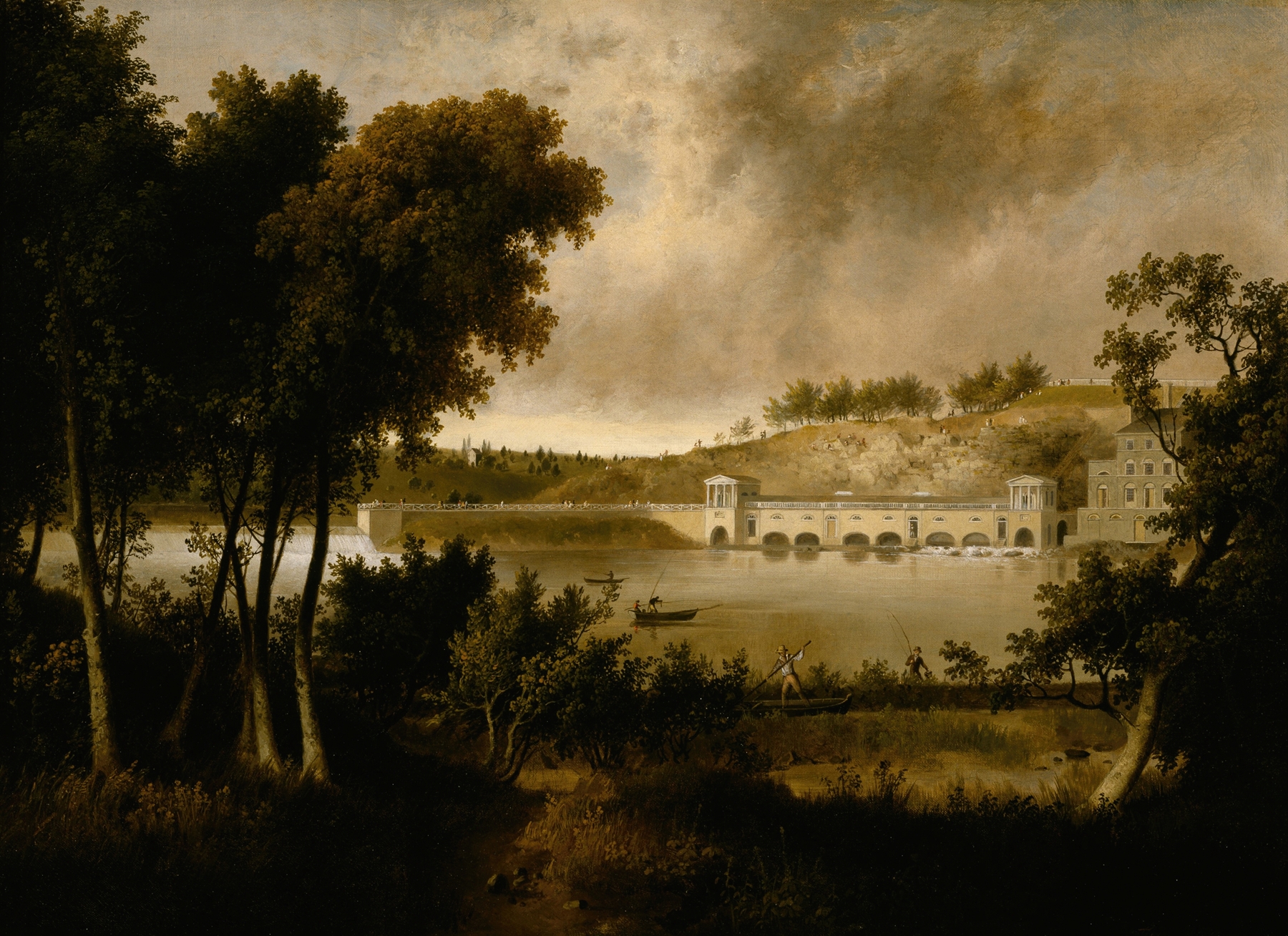
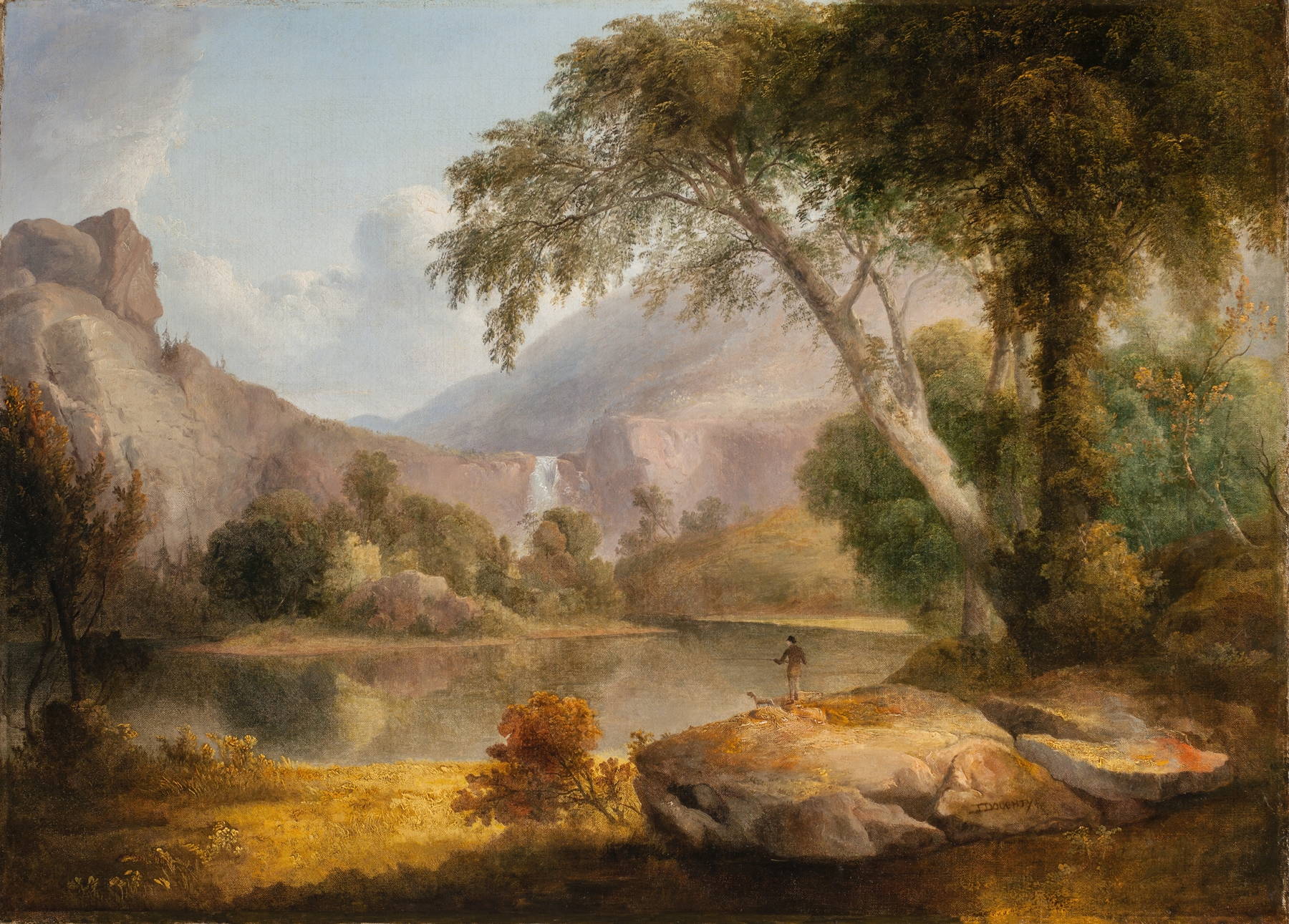
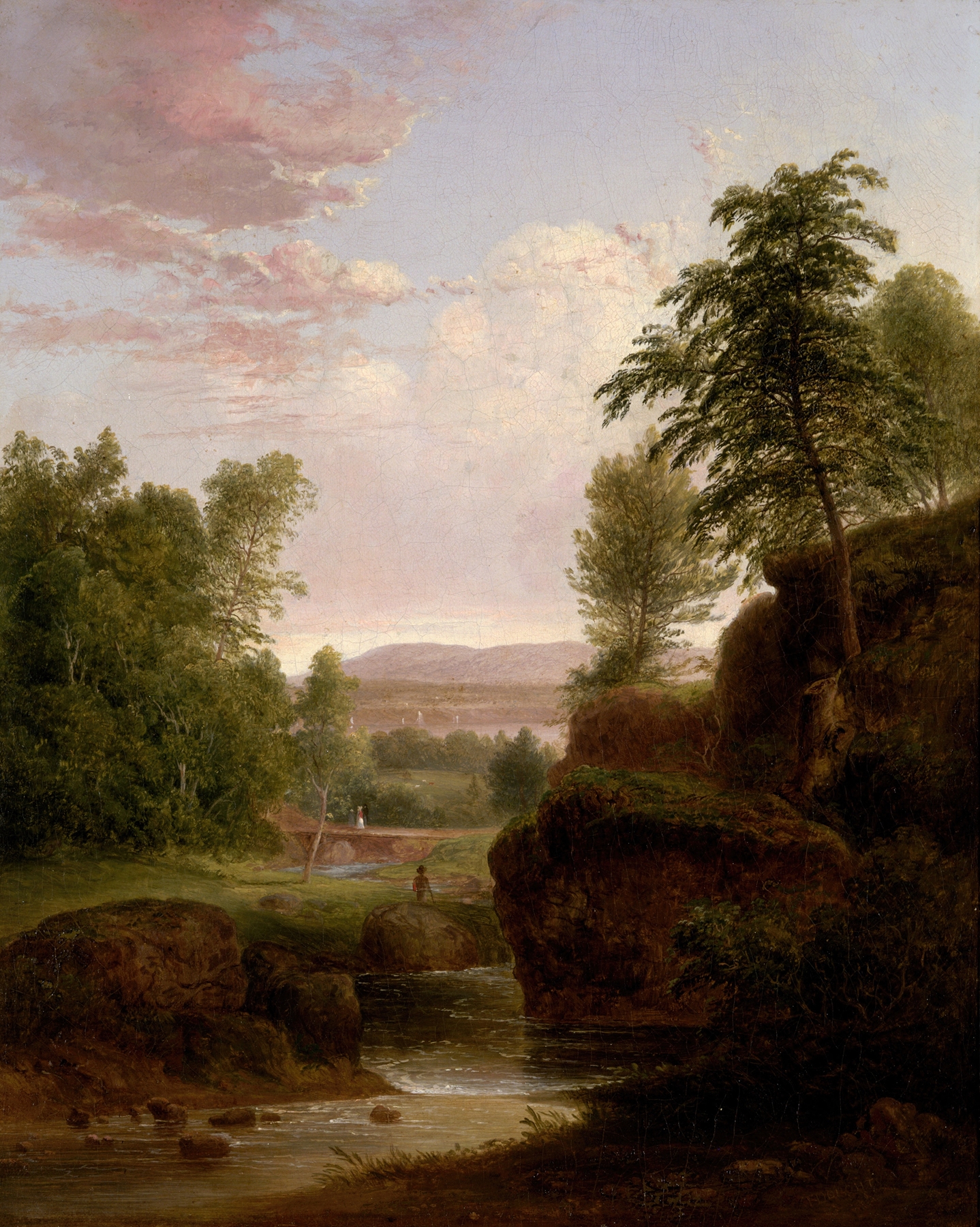
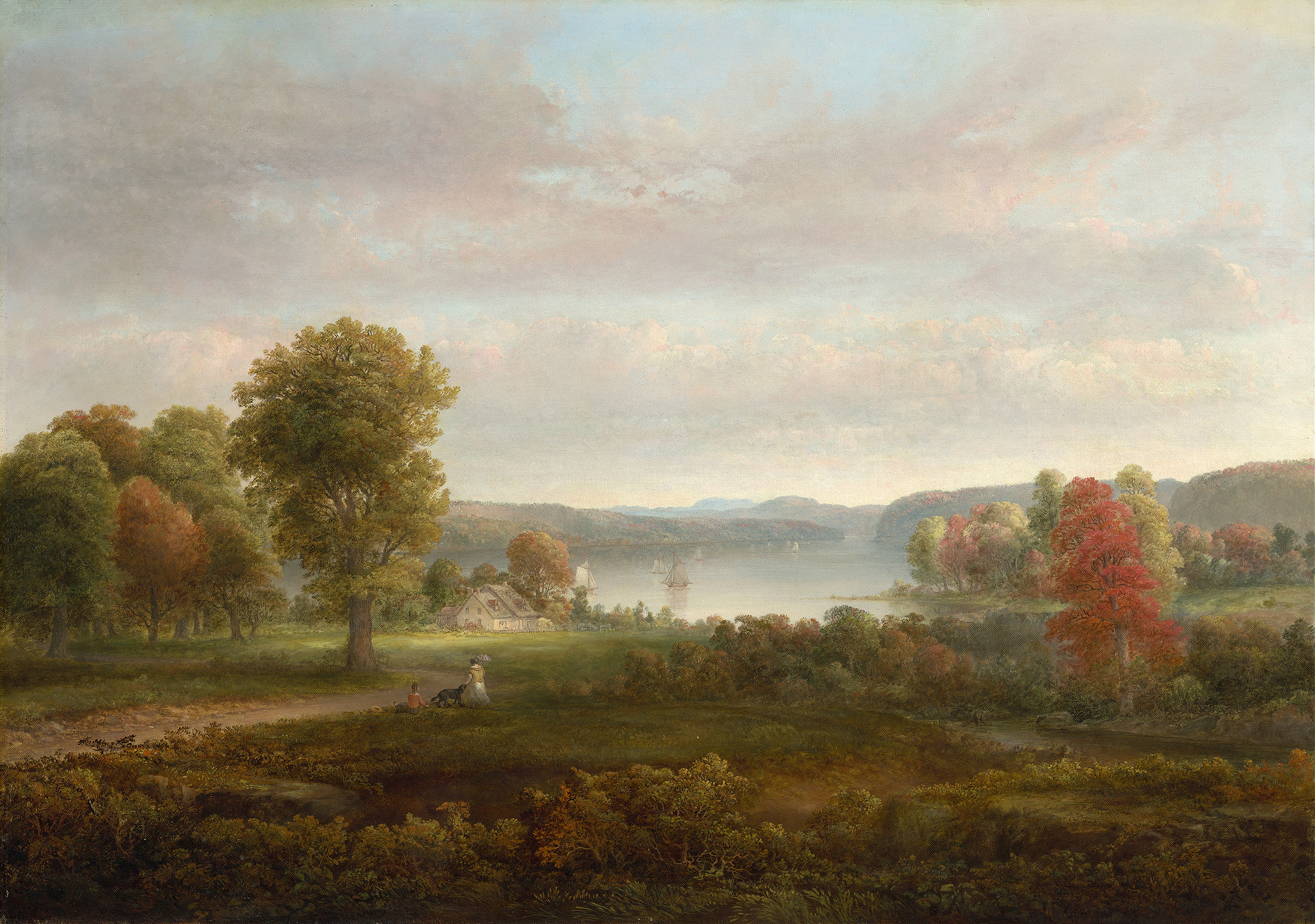
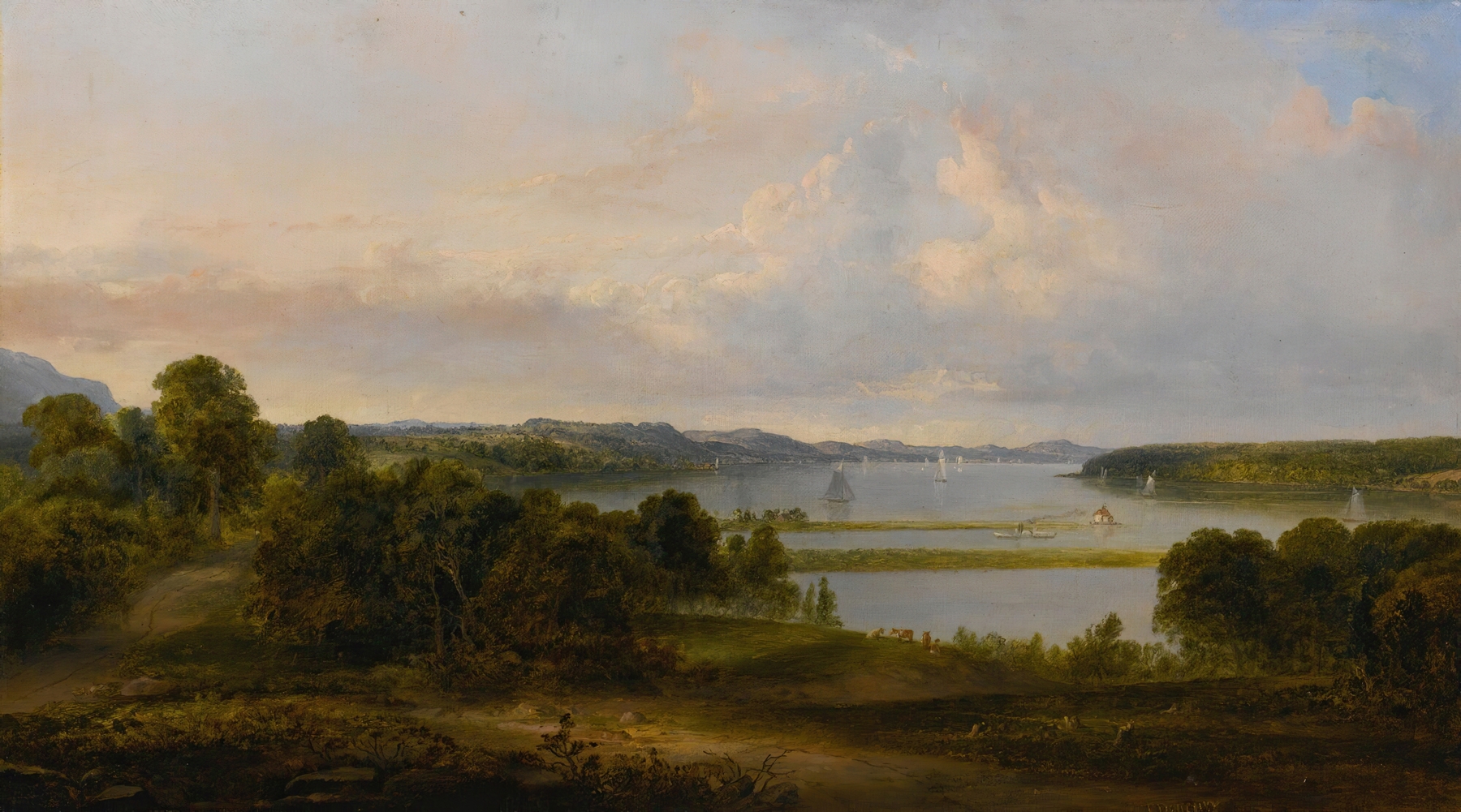
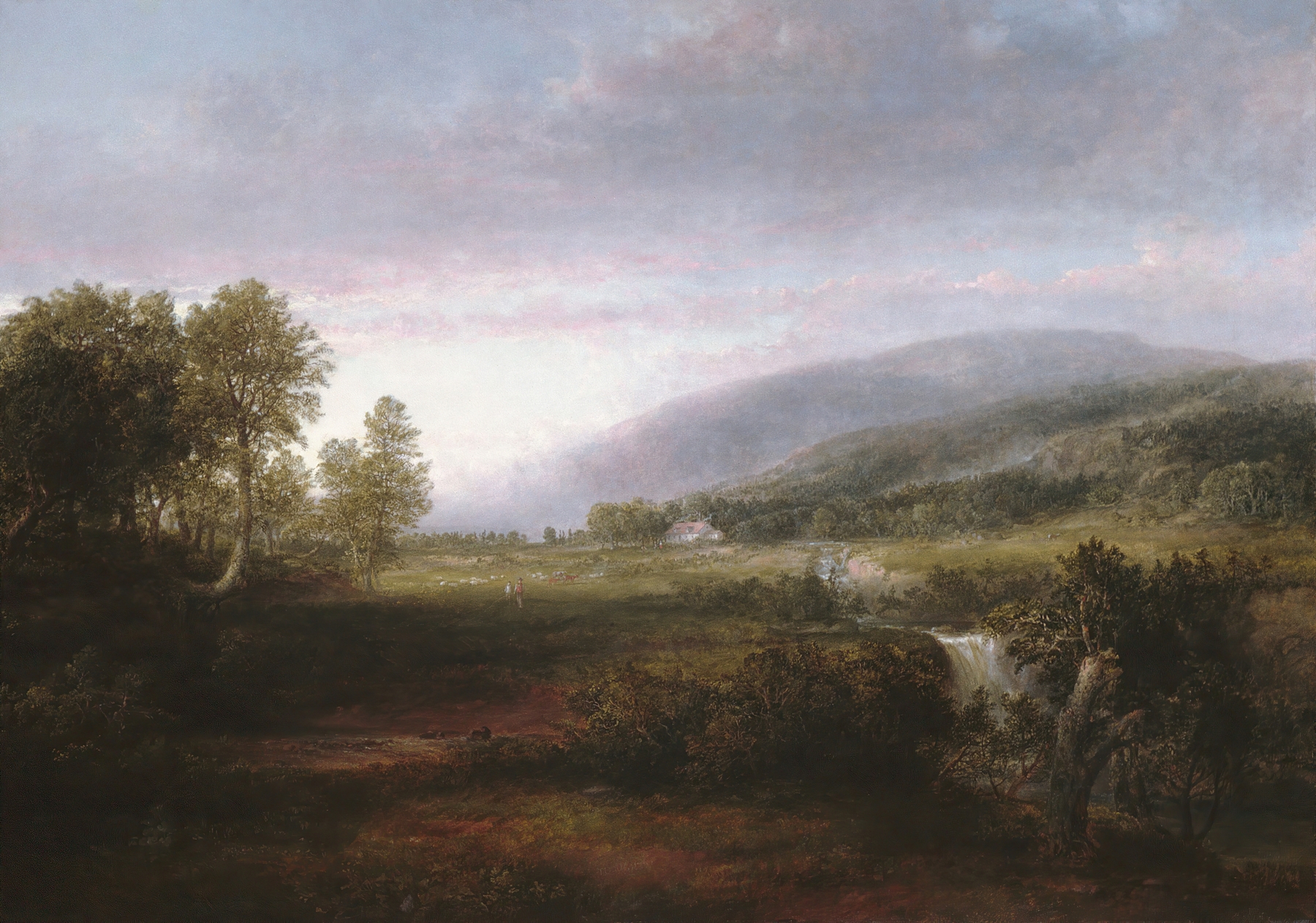
What if beauty was never meant to be finished? This thought lingers like the mist over the water in a serene landscape, inviting us to pause and reflect upon the ever-evolving nature of our surroundings. Look to the center where the tranquil river winds through the lush valley, its surface a mirror reflecting the majestic cliffs that cradle it. Notice how the subtle gradations of green in the foliage play against the warm ochres and cool blues of the sky, creating a harmonious balance.
The soft brushwork allows the viewer’s gaze to drift seamlessly across the canvas, embodying the very essence of nature’s fluidity and grace. Yet, beneath this calm surface, there lies an emotional undercurrent — a tension between the fleeting moment and the eternal landscape. The interplay of light and shadow evokes a sense of time, hinting at the impermanence of beauty. The distant mountains loom as steadfast guardians, suggesting that while individual experiences may fade, the grandeur of nature remains a constant source of inspiration and awe.
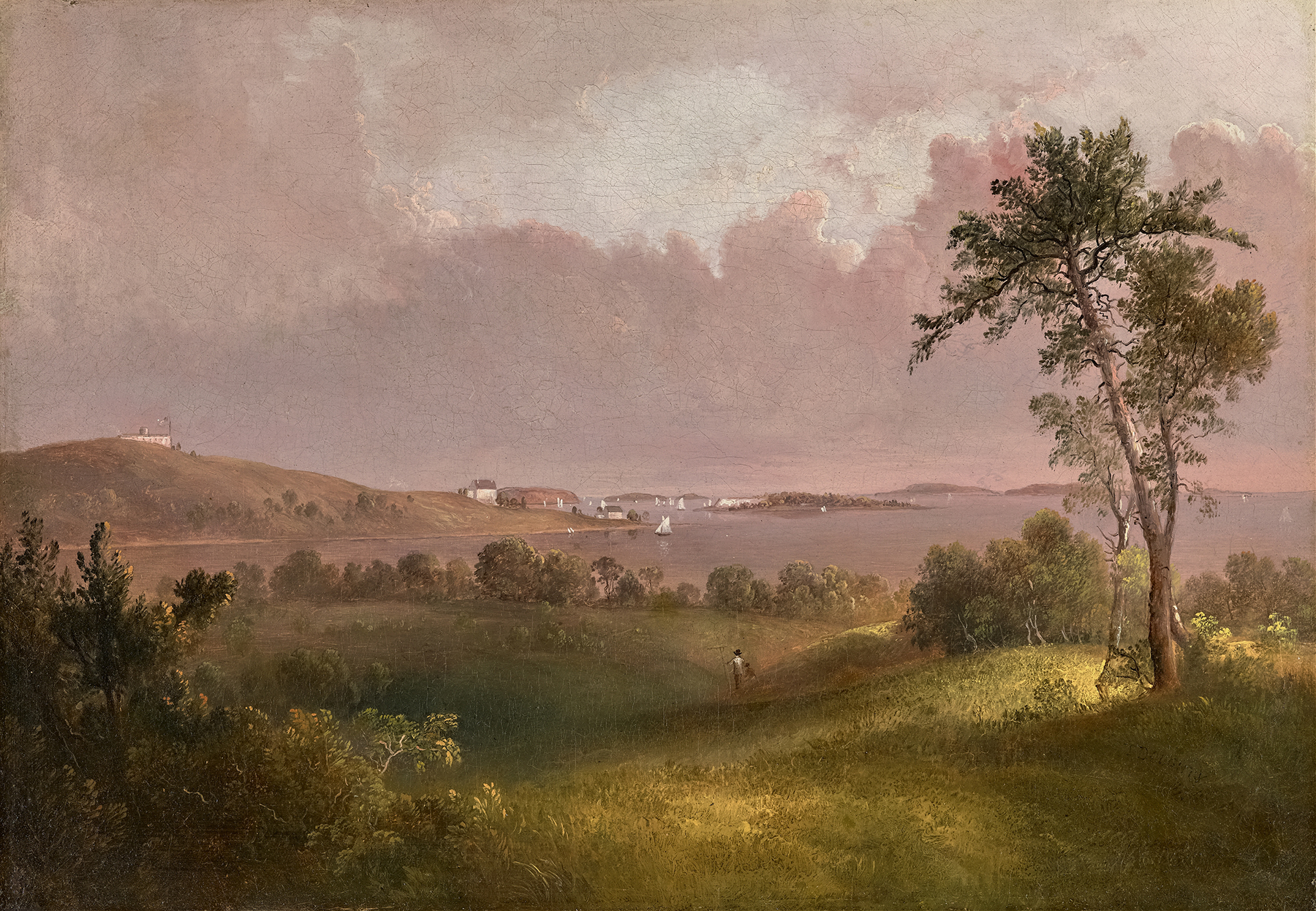
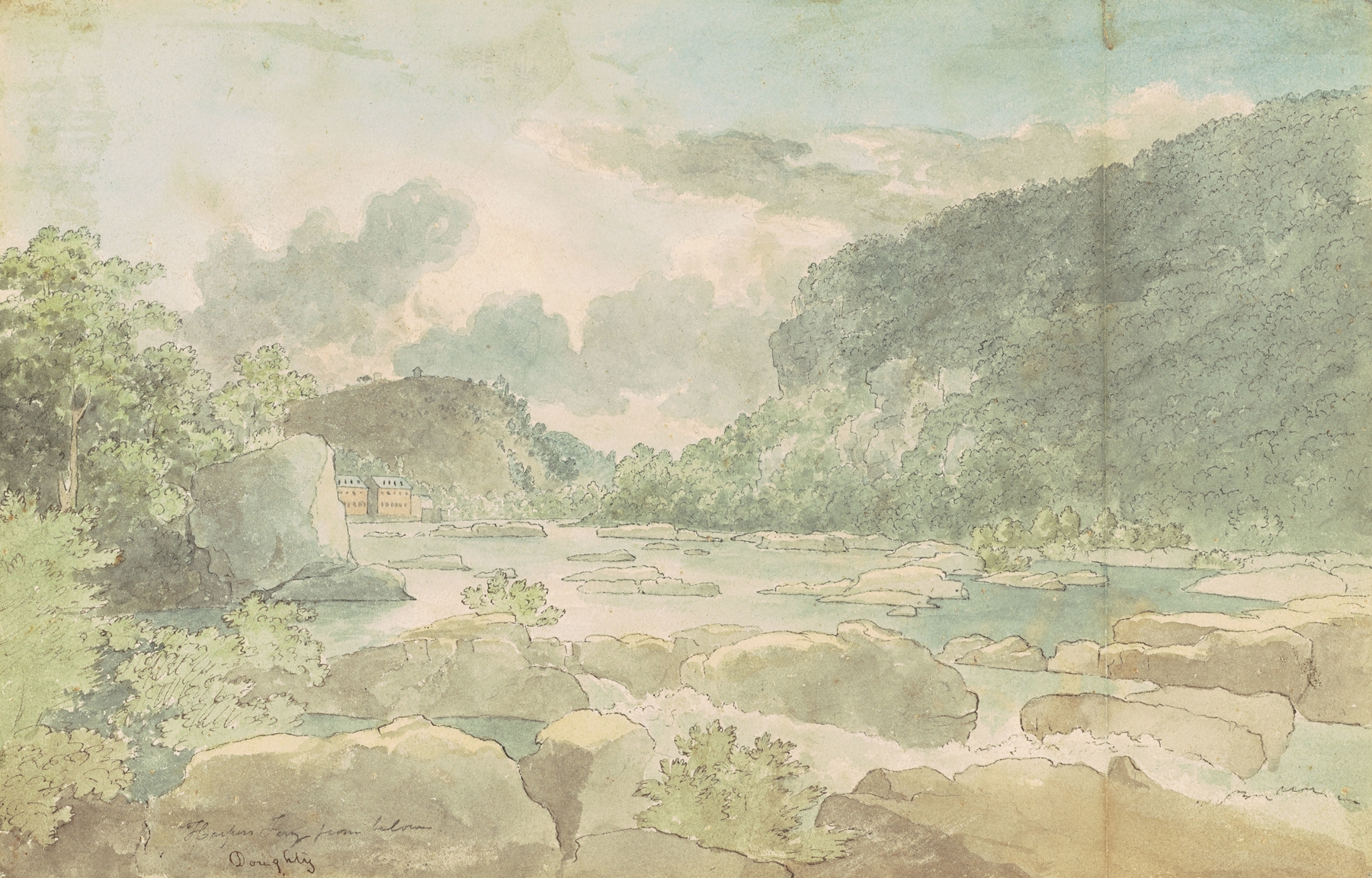
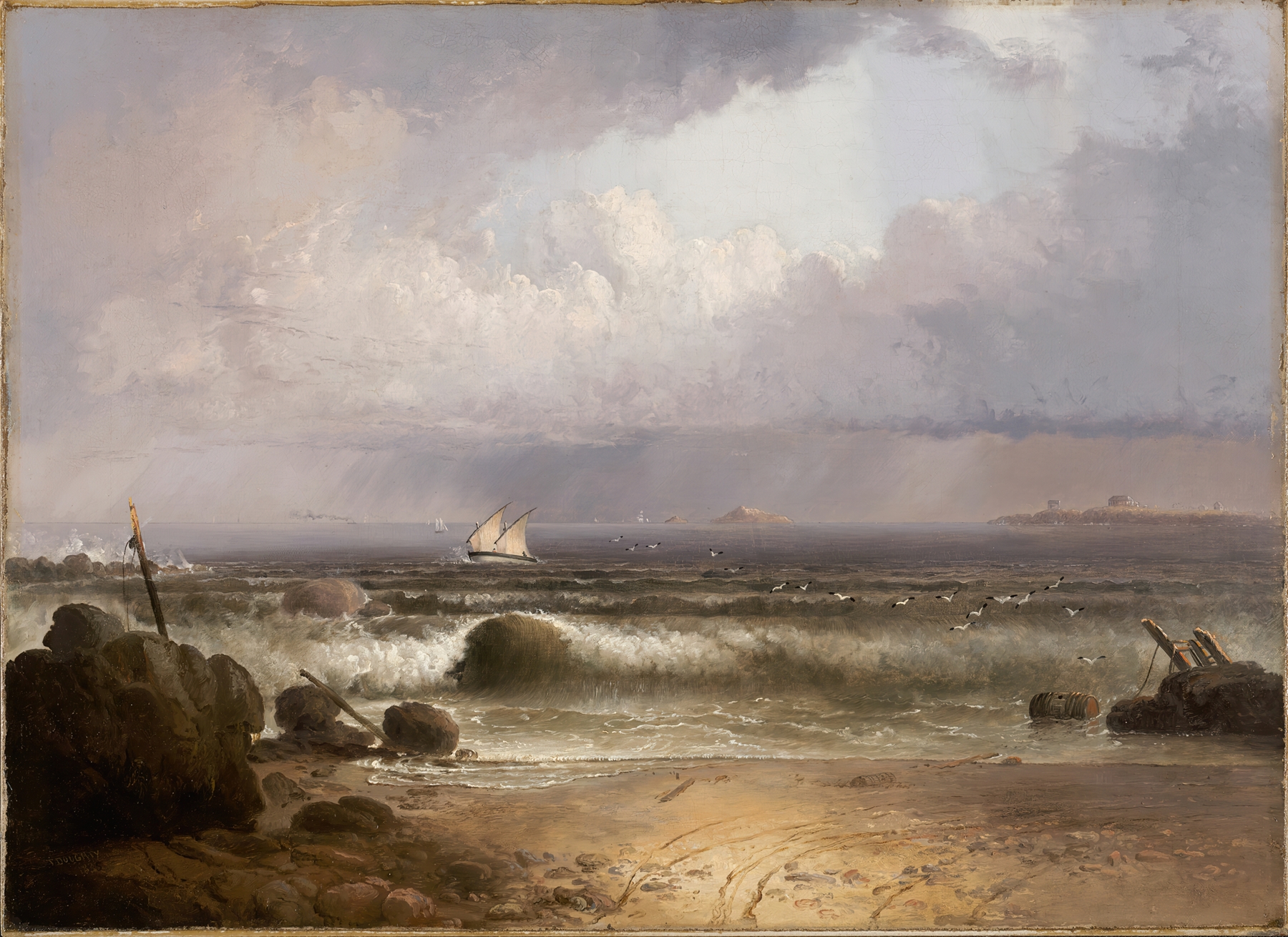
Created in an era when the American landscape was beginning to be celebrated in art, the work reflects Doughty’s desire to capture the sublime beauty of his surroundings. Painted during the early 19th century, he was part of the Hudson River School, a movement that emphasized realism and romanticism in nature. As the country grappled with its identity, his landscapes served both as a mirror of the nation’s spirit and a testament to the artistry that emerged from it.