Coming Squall (Nahant Beach with a Summer Shower) — History & Analysis
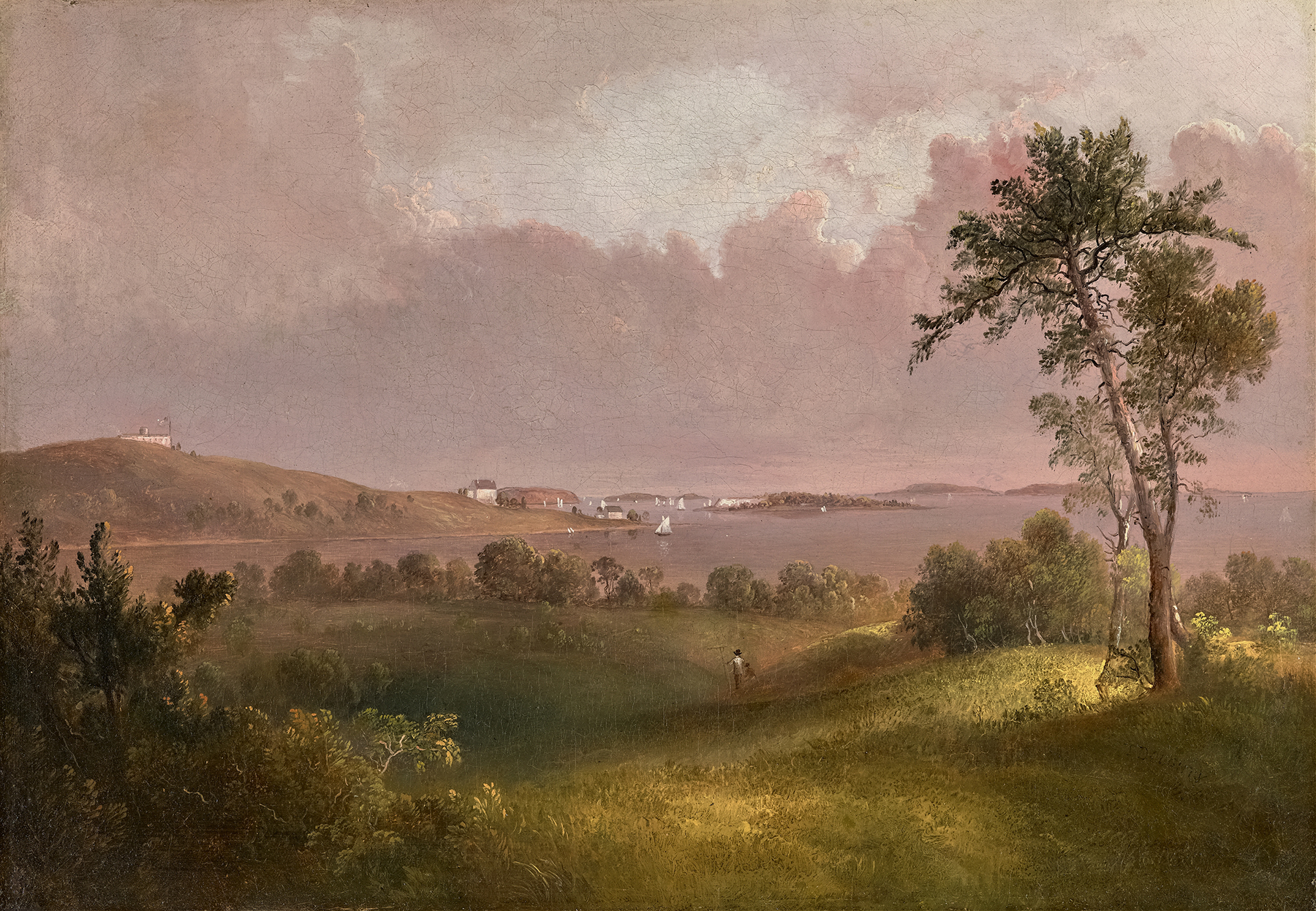
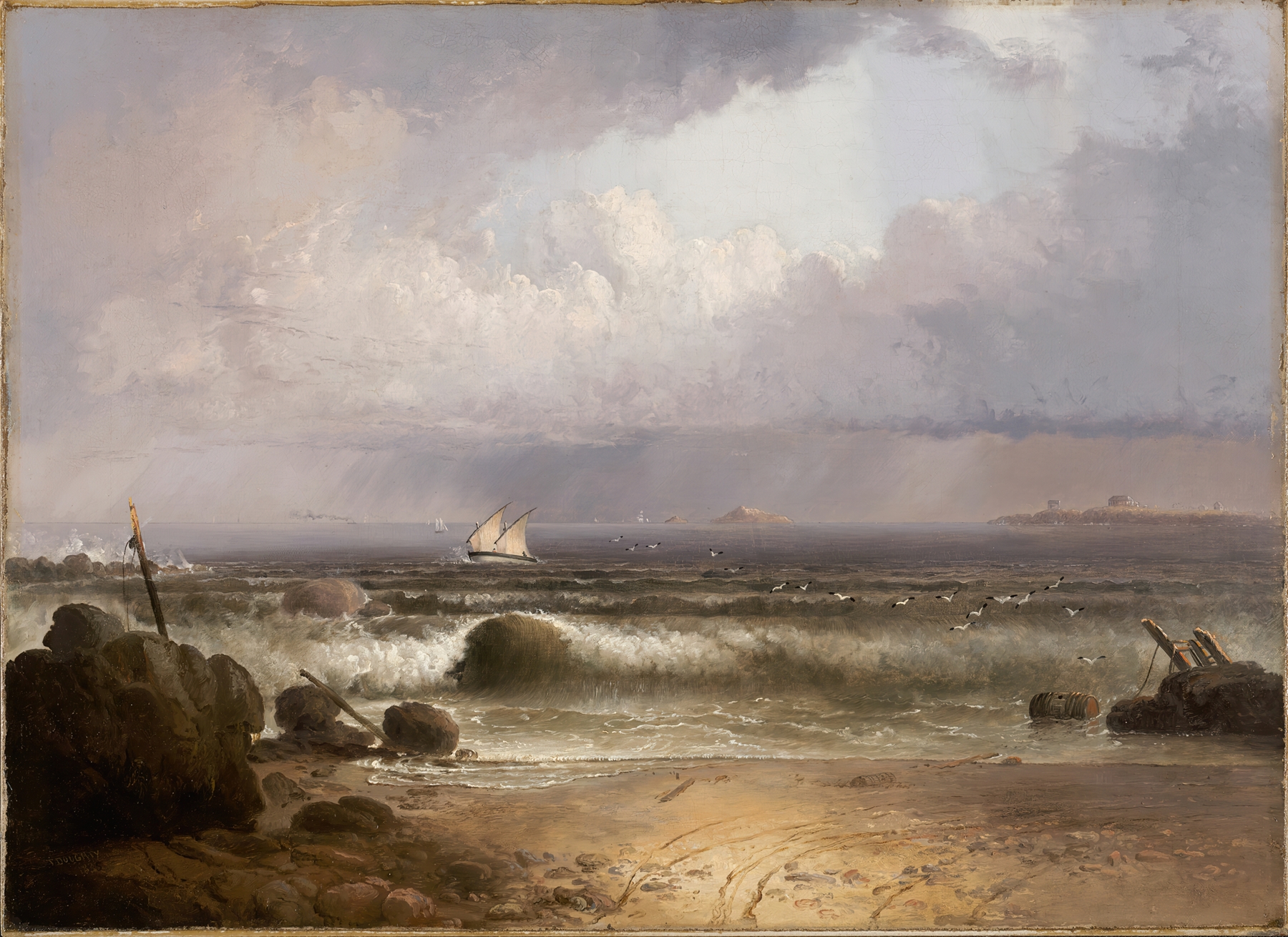
Is this a mirror — or a memory? The landscape unfurls like a moment suspended in time, where nature’s fury intertwines with tranquil beauty. Each stroke serves as a conversation between the present and the ephemeral, inviting us to ponder the fleeting nature of experience. Focus first on the horizon, where dark clouds gather, their formidable shapes almost alive, rolling in with a sense of foreboding.
The light breaks through in patches, illuminating swirling waves that crash against the shore, rendered in a rich palette of blues and grays. Notice how the artist's brush handles the tumultuous sky with vigor, contrasting the smooth, reflective water below, creating a dialogue between chaos and calm. In this work, emotional tension is palpable; the impending storm mirrors the uncertainties of life, while the serene beach remains a symbol of solace. The interplay of light and shadow not only enhances the drama but also evokes an understanding of time’s relentless passage — the moment before the storm signifies both an end and a beginning.
Small details like the distant silhouettes of figures hurrying along the shore hint at the human experience of confronting nature’s whims, igniting an inner contemplation about our own journeys. In 1835, while in Nahant, Massachusetts, the artist crafted this piece amid a period of growing appreciation for American landscapes. Doughty was part of a burgeoning movement that celebrated the natural beauty of the United States, reflecting a shift in both personal identity and cultural consciousness. His brushwork captures not just the scene but the era’s complex relationship with nature, where beauty, danger, and introspection intertwine.