Coming Squall (Nahant Beach with a Summer Shower) — History & Analysis
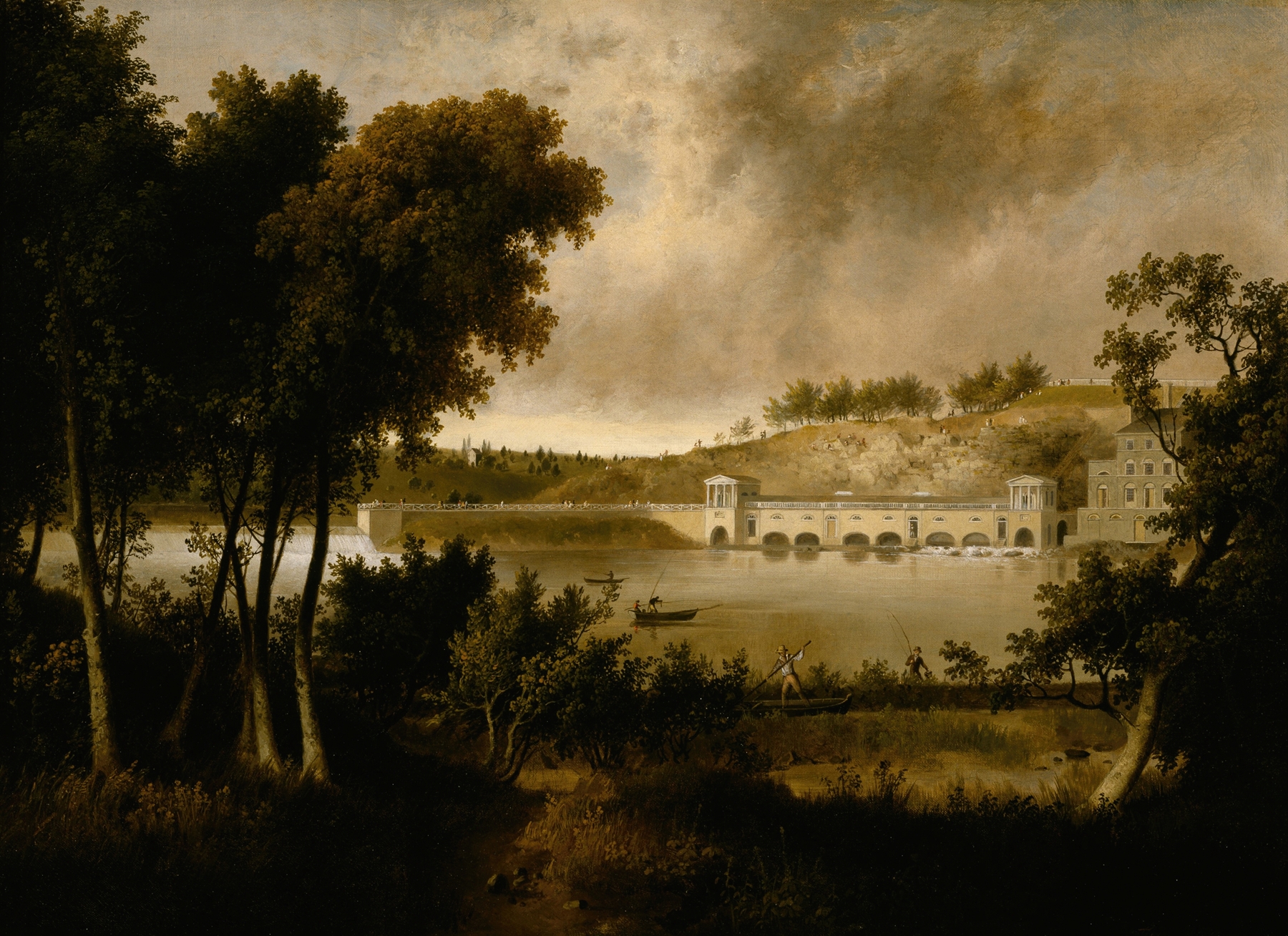
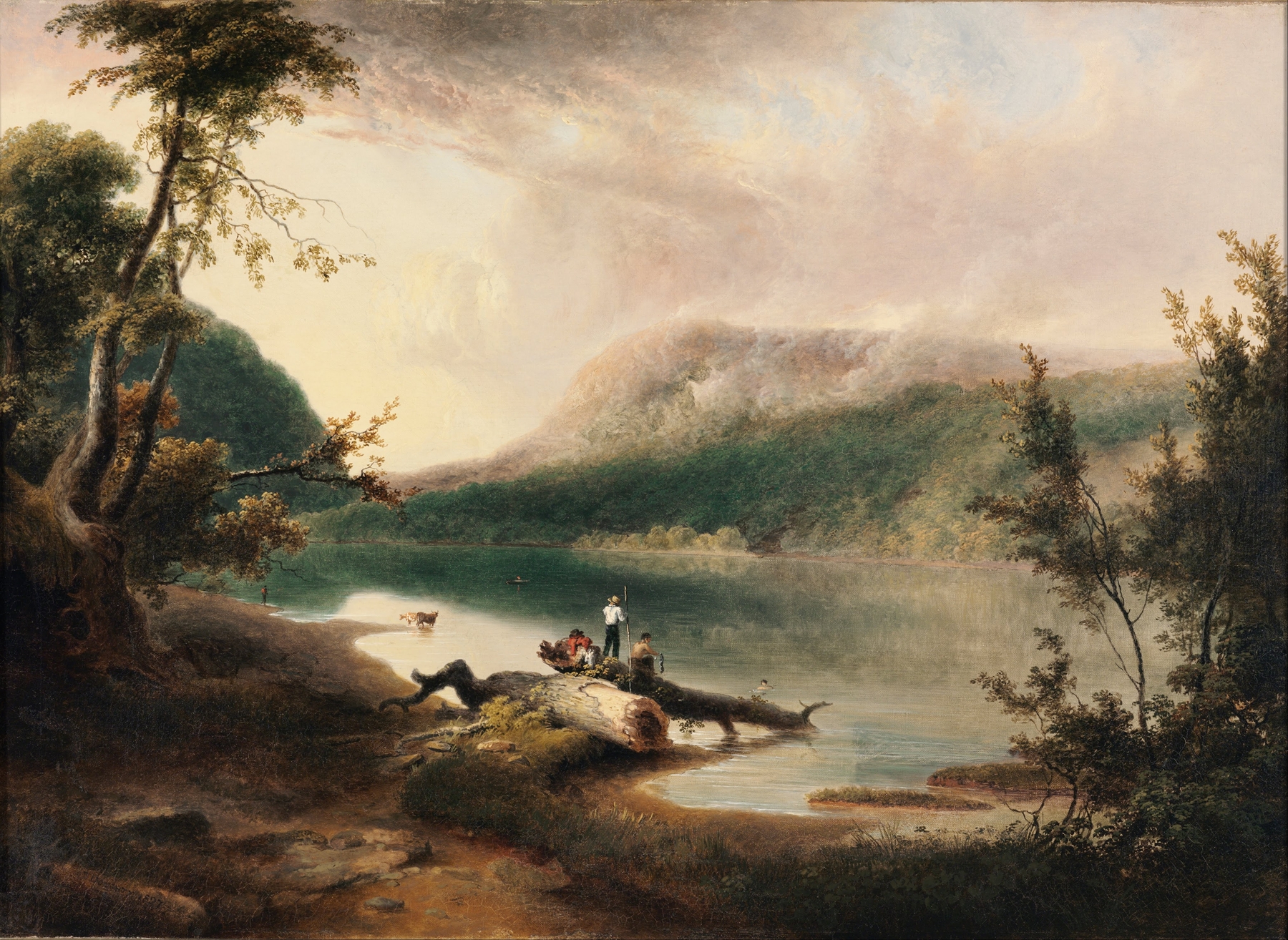
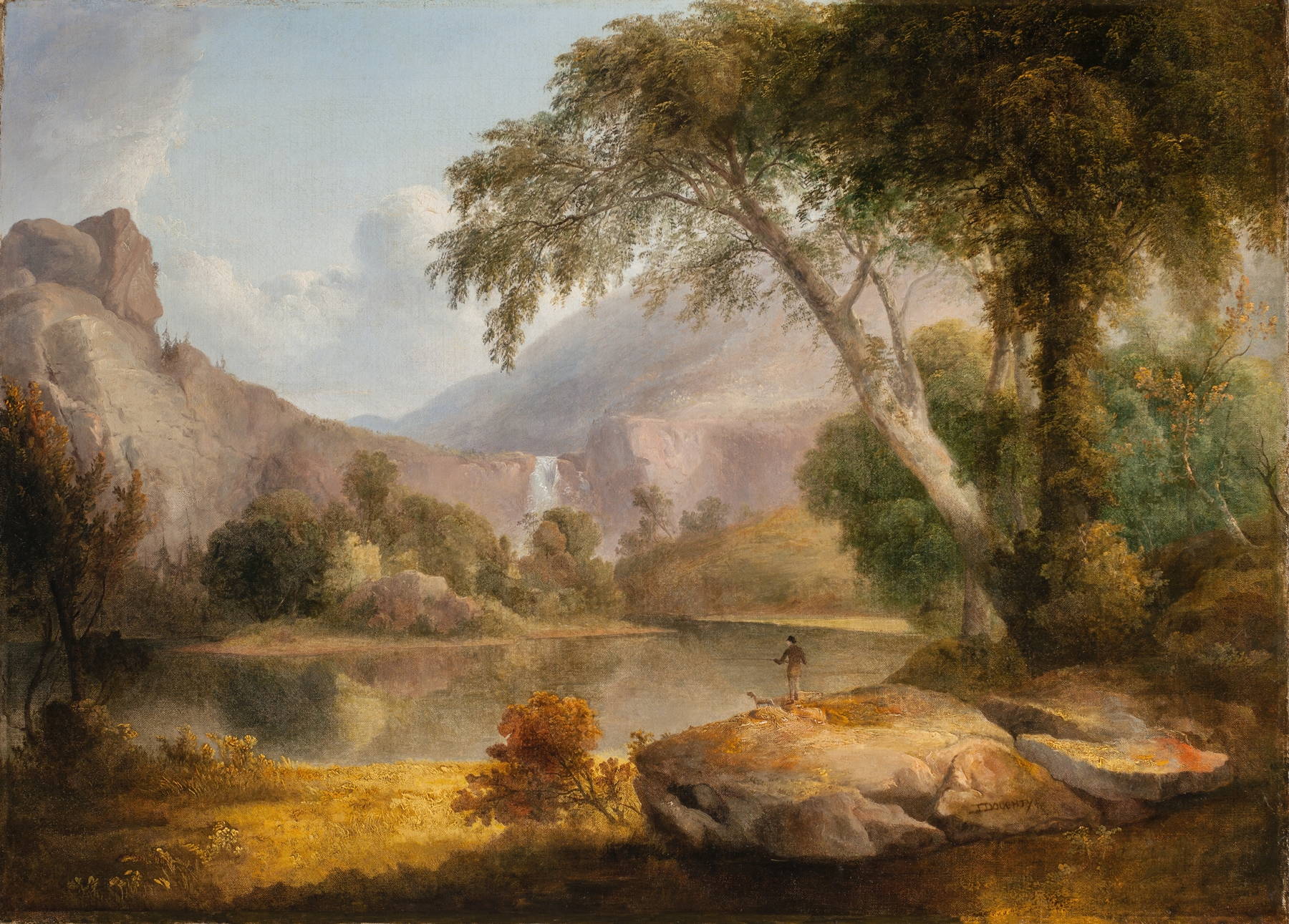
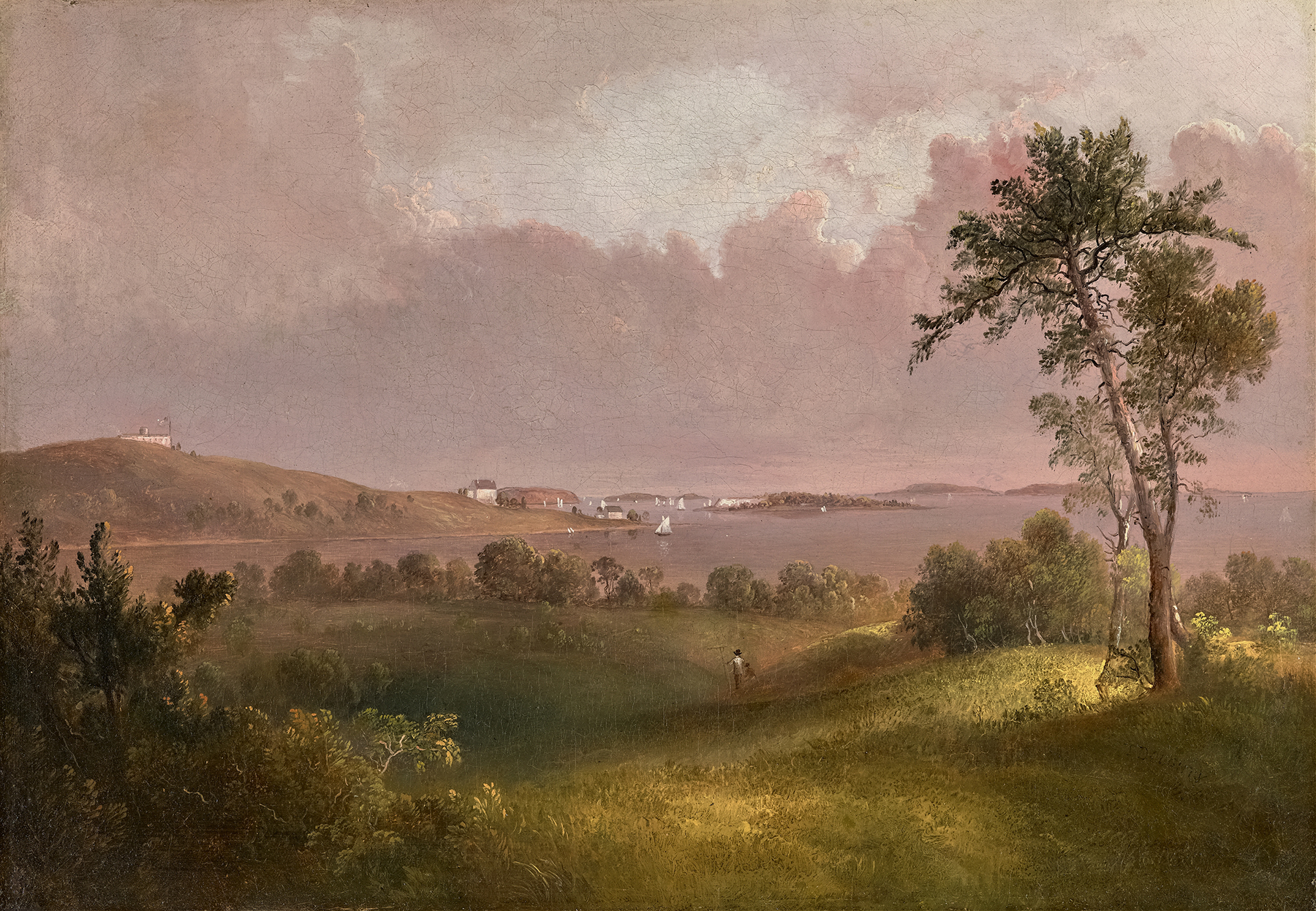
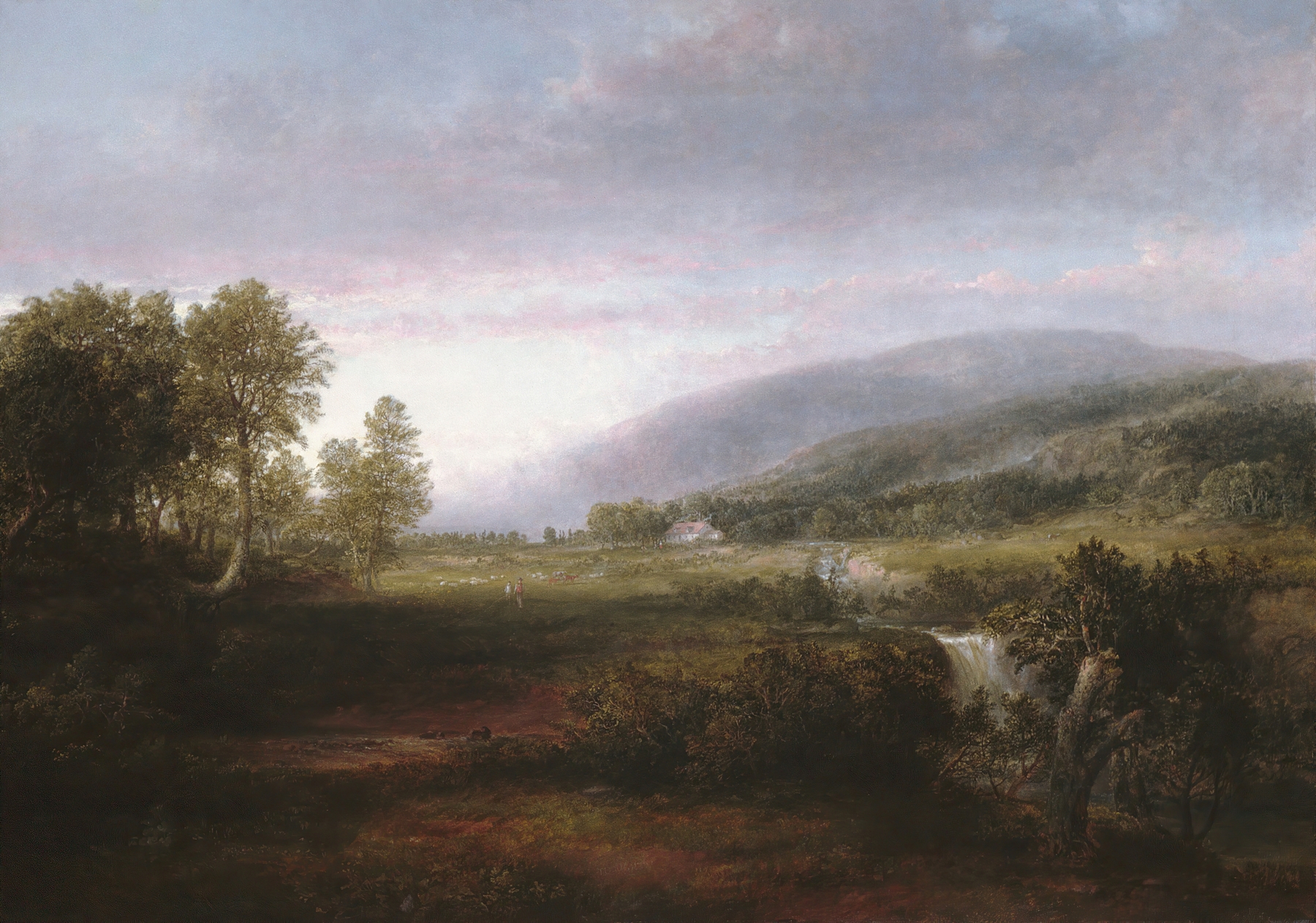
When did color learn to lie? In the interplay of stormy blues and sunlit yellows, longing for clarity dances with the allure of deception. Look to the horizon where dark clouds loom, threatening to eclipse the serene beauty of Nahant Beach. The artist employs a vibrant palette, with vigorous brushstrokes that suggest the tumultuous energy of an impending squall.
Notice how the light streams through gaps in the clouds, illuminating the shoreline, creating a stark contrast between the calm sand and the turbulent sea. Doughty’s deft handling of color brings a sense of movement, as waves curl and crash, evoking both the power of nature and an emotional undercurrent of anticipation. There is a palpable tension between the tranquil scene and the chaos that looms above, symbolizing perhaps a battle between hope and despair. The figures dotted along the beach, seemingly oblivious to the approaching storm, embody a yearning for innocence in the face of inevitable change.
Each brushstroke tells a story, revealing the delicate balance between beauty and turmoil, while the reflected golden light on the water hints at fleeting moments of joy that may soon be overshadowed. In 1835, while residing in Pennsylvania, the artist captured Coming Squall during a period of experimentation and exploration in American landscape painting. Amidst a growing appreciation for the natural world and its representation, Doughty was influenced by the Romantic movement, aiming to evoke deep emotional responses through his depictions of nature. This painting stands as a testament to his talent and the era's thirst for authenticity amidst the sublime.