A Road through an Oak Wood — History & Analysis
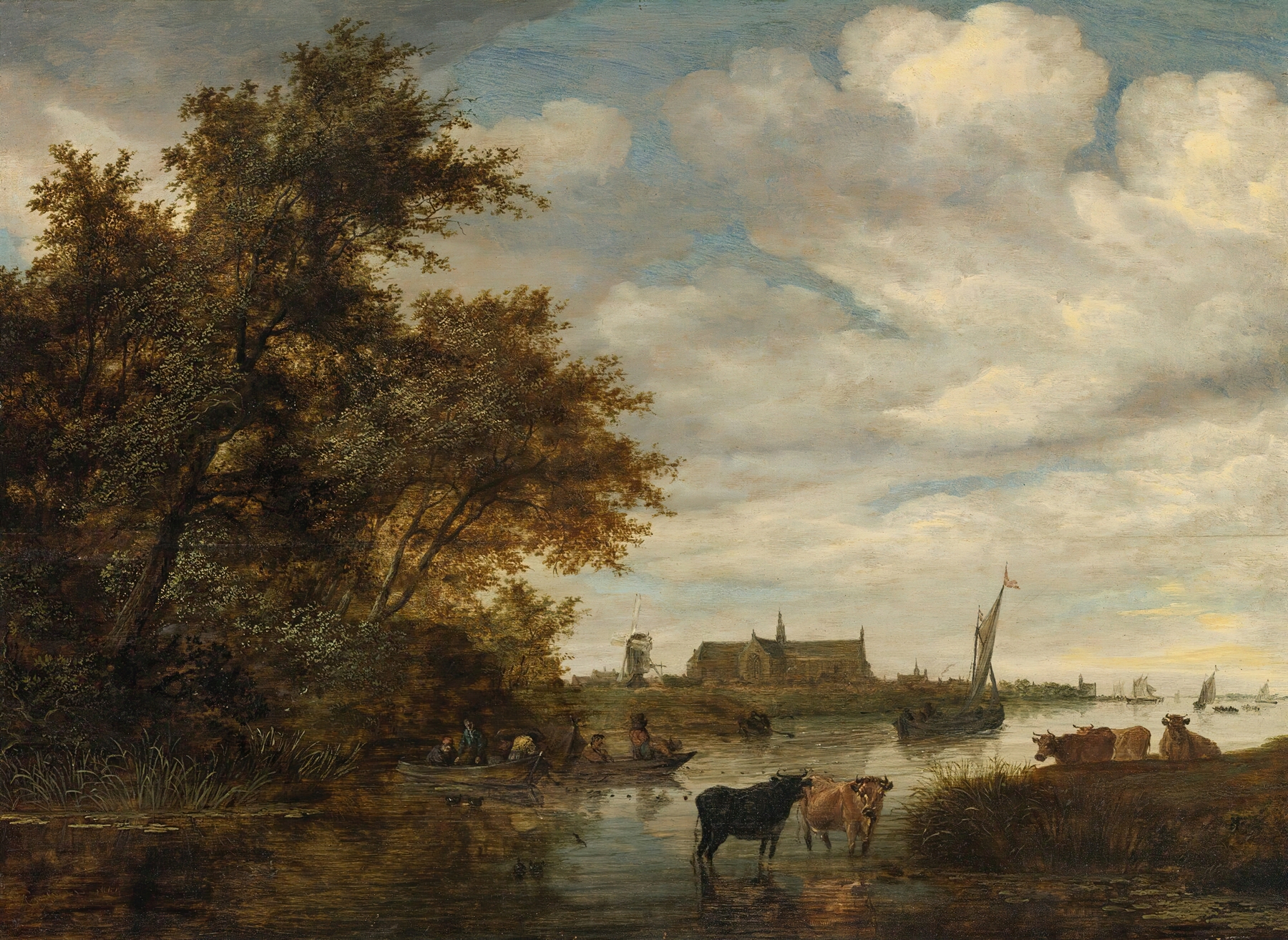
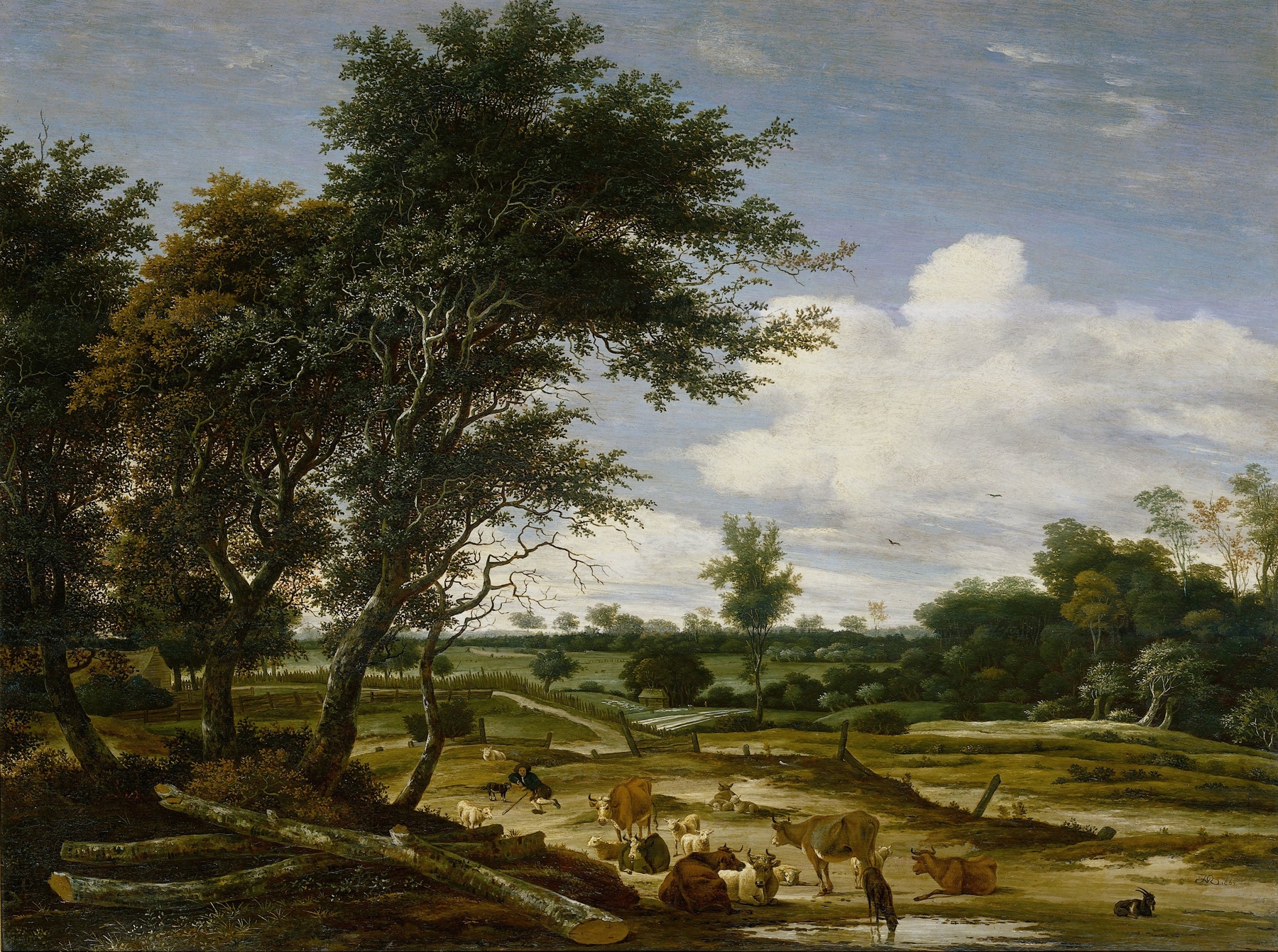
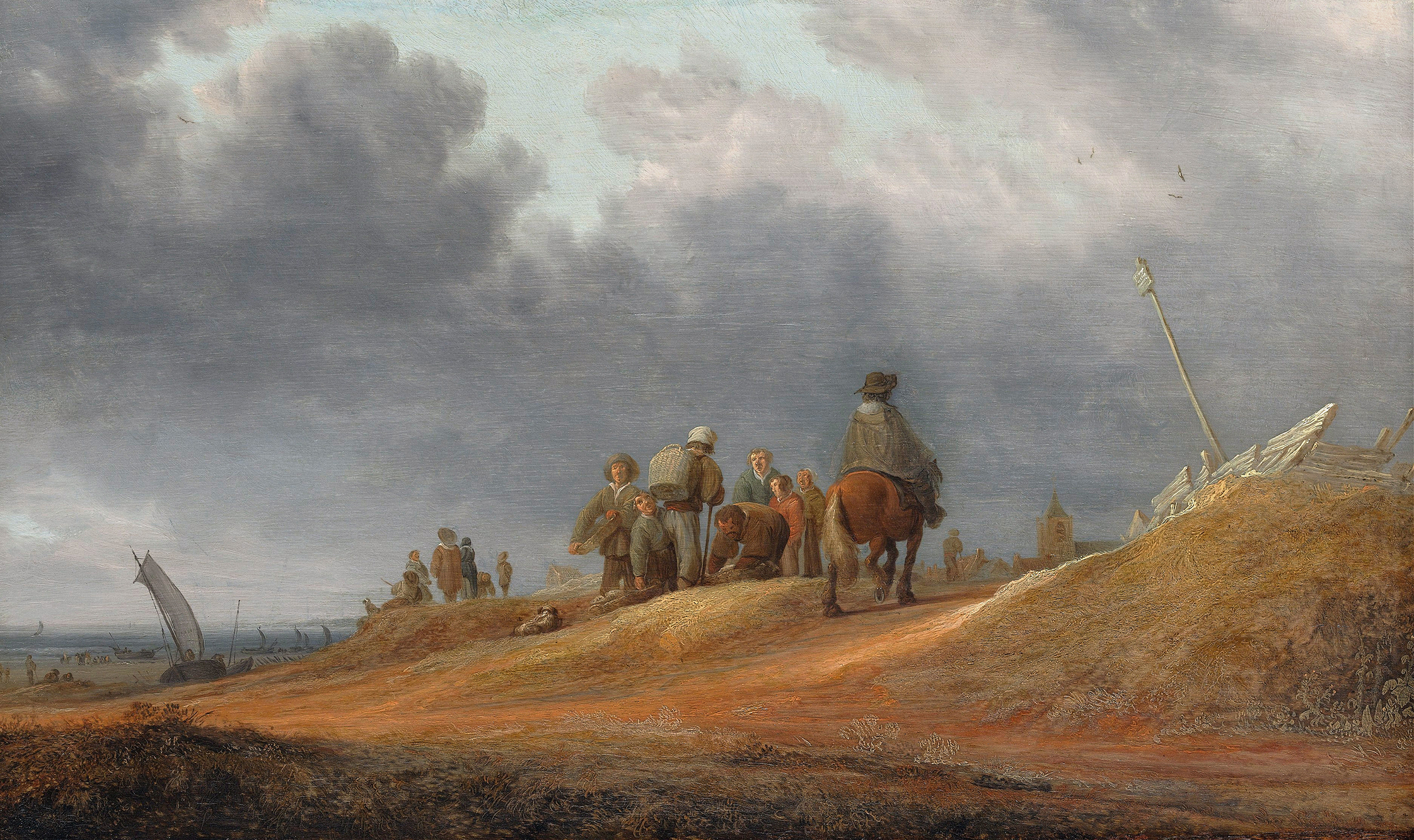
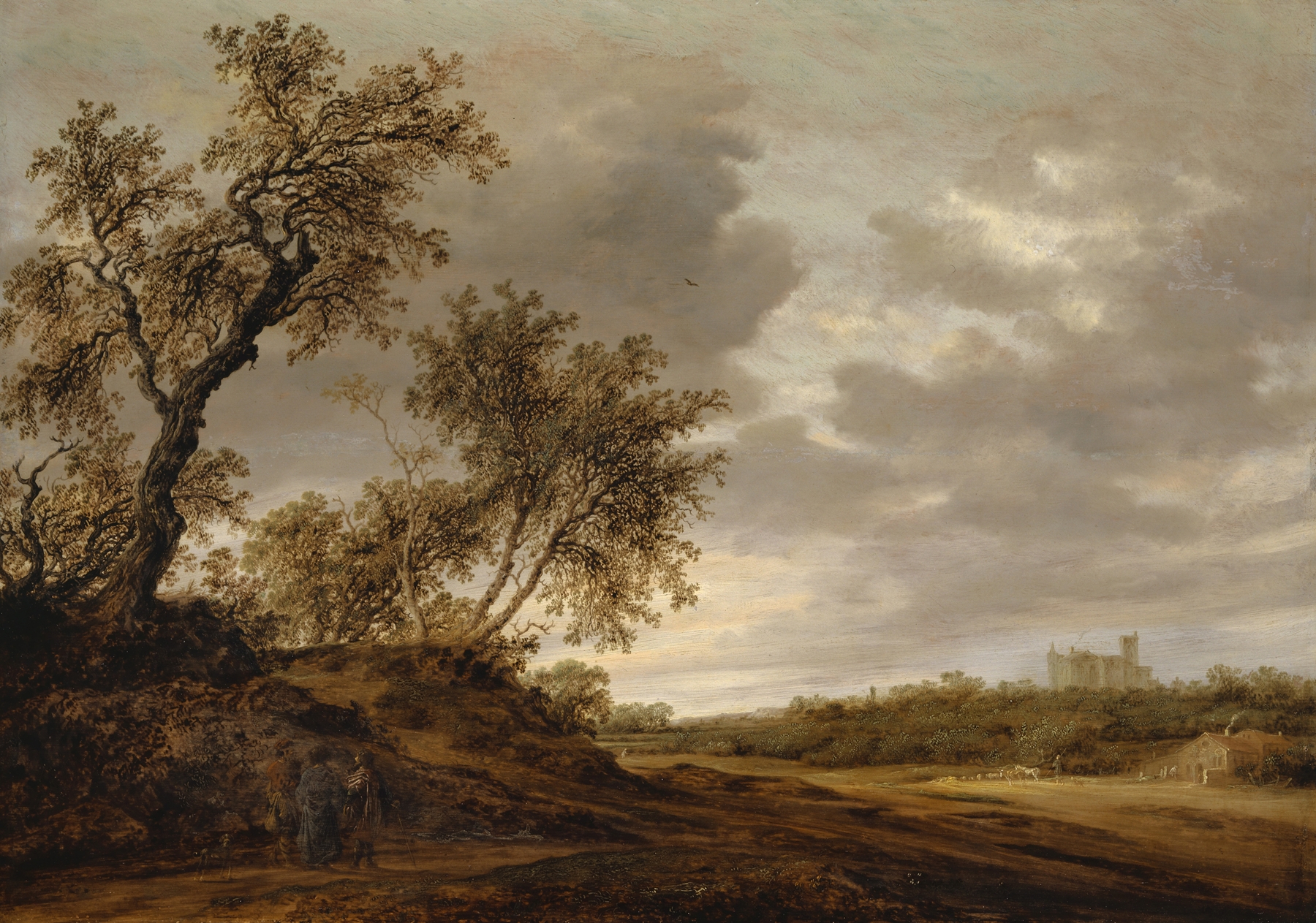
“To paint is to remember what time wants us to forget.” In A Road through an Oak Wood, the artist captures not just a landscape, but the lingering essence of memory and truth nestled within nature's embrace. Focus on the winding path that cuts through the dense oak trees, leading your gaze toward the horizon. Notice how the dappled sunlight filters through the leaves, creating a mosaic of light and shadow on the ground. The hues of green and brown are rich, yet calm, inviting a sense of peace amid the gentle chaos of nature.
The careful arrangement of trees frames the composition, accentuating the depth of the scene while hinting at both promise and uncertainty ahead. Delve deeper into the symbolism; the road represents life's journey, while the towering oaks stand as guardians of time, holding stories of the past and whispers of the future. The interplay of light and dark throughout the canvas evokes a quiet yet profound tension, suggesting that truth can be obscured, yet is always present beneath the surface. Each brushstroke is imbued with a sense of reverence for the natural world, reflecting an emotional landscape that resonates with introspection.
During the time this artwork was created, the artist was deeply engaged in the Dutch Golden Age, a period marked by an extraordinary appreciation for landscape painting. While the exact date remains uncertain, van Ruysdael's mastery in capturing the harmony between humanity and nature reveals his pursuit of truth in a world rapidly changing through urbanization and commerce. In these moments, he crafts a bridge between art and memory, allowing viewers to reconnect with the beauty of their surroundings.