Landscape with Cornfields — History & Analysis
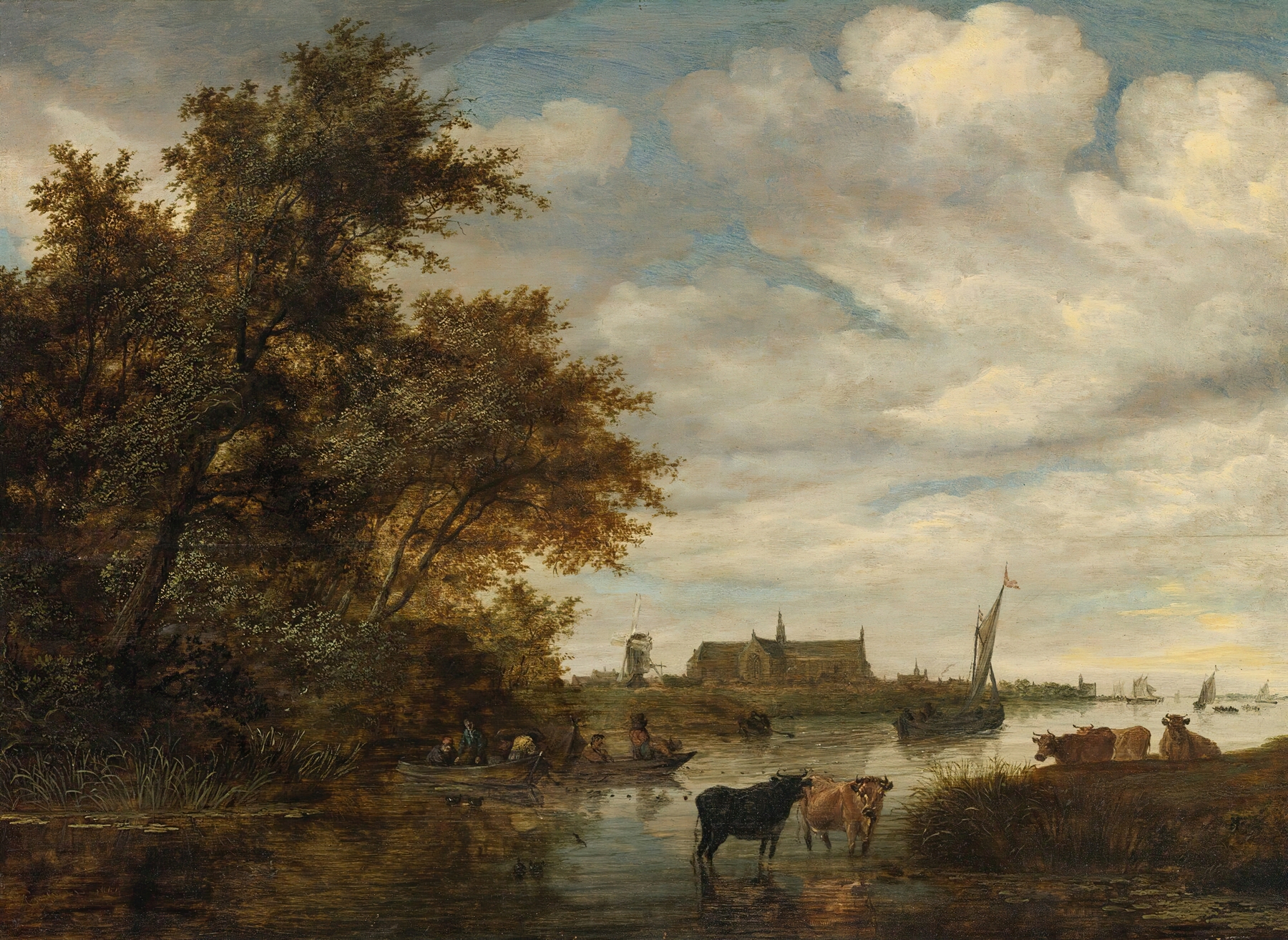
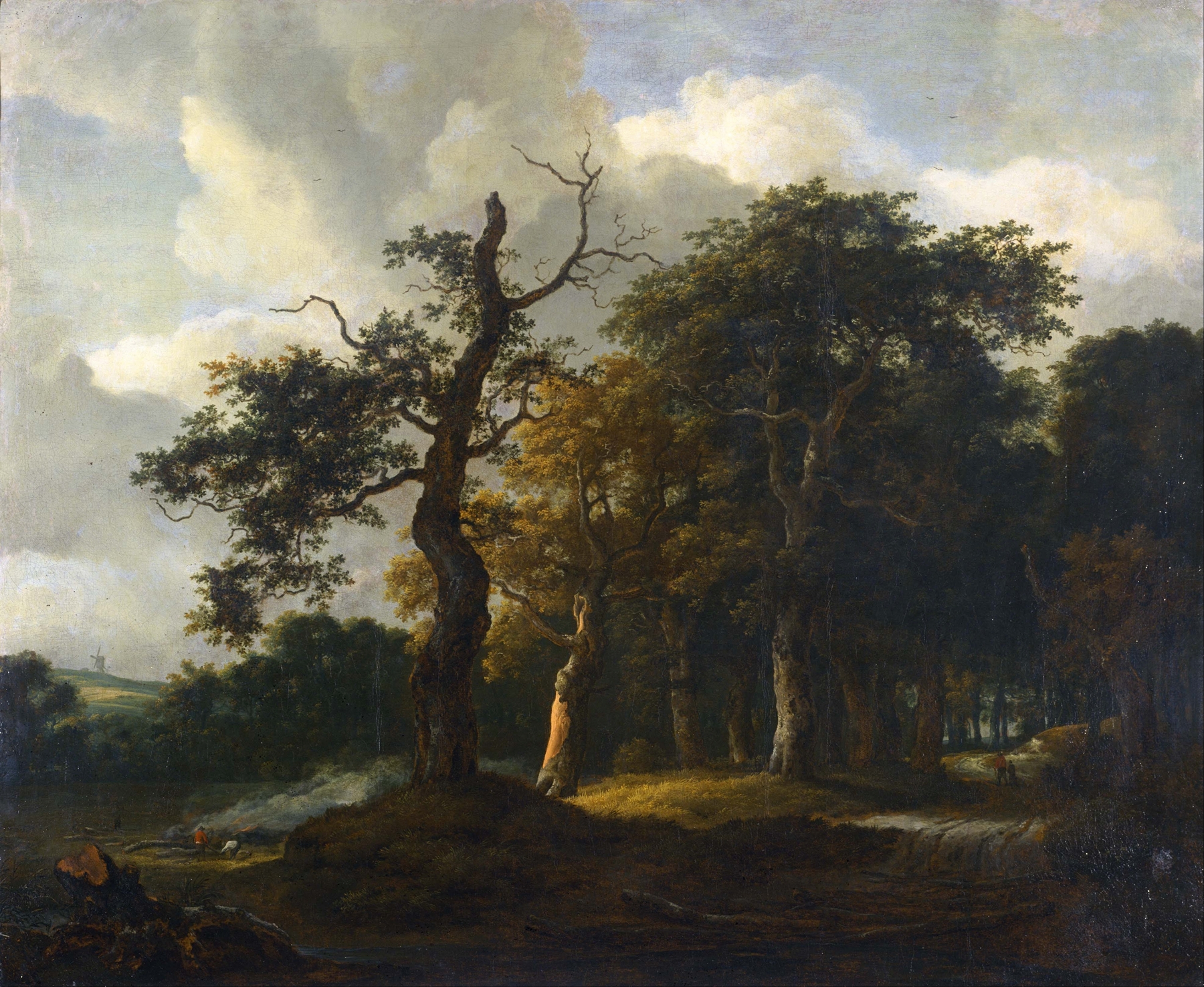
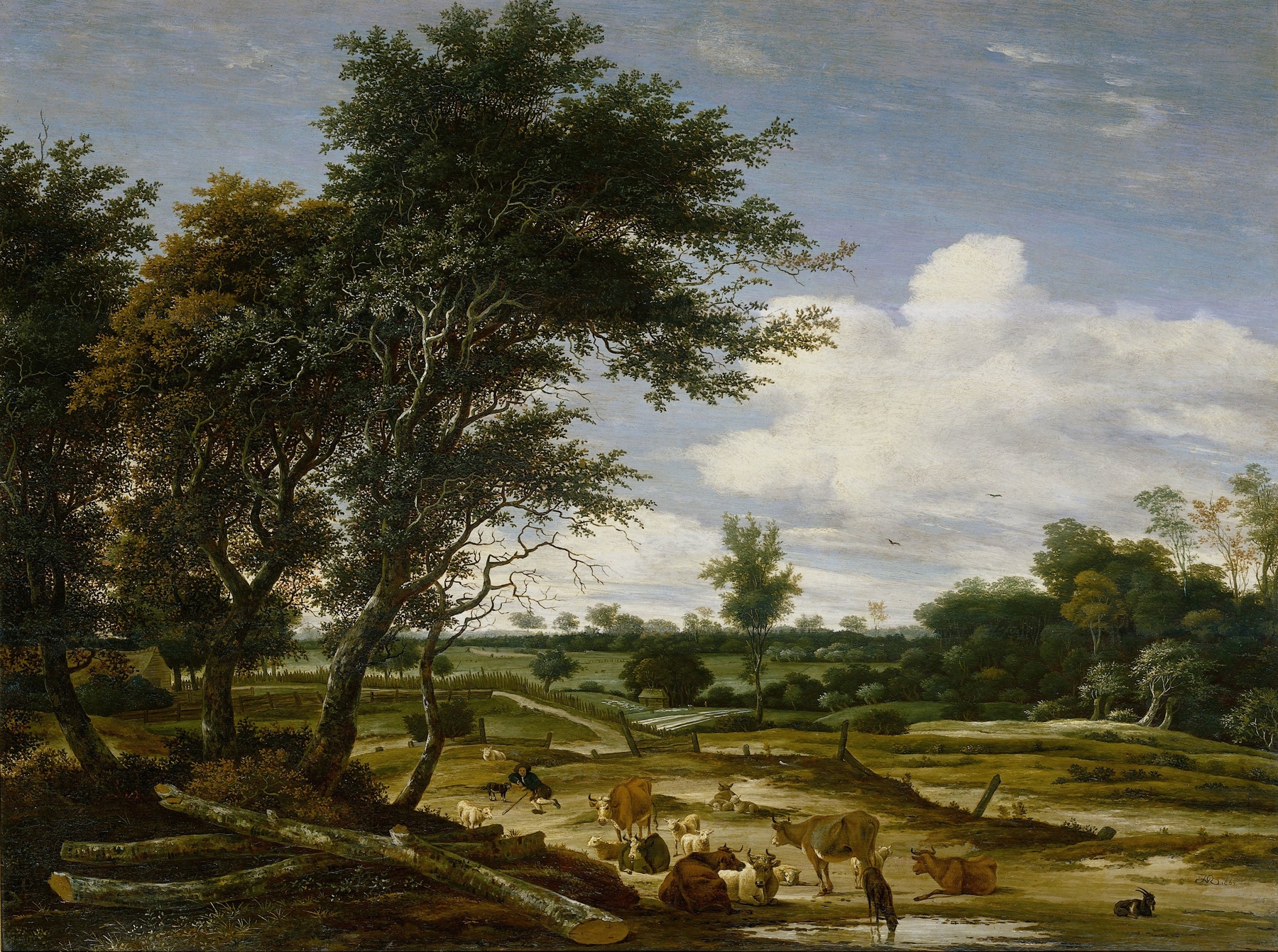
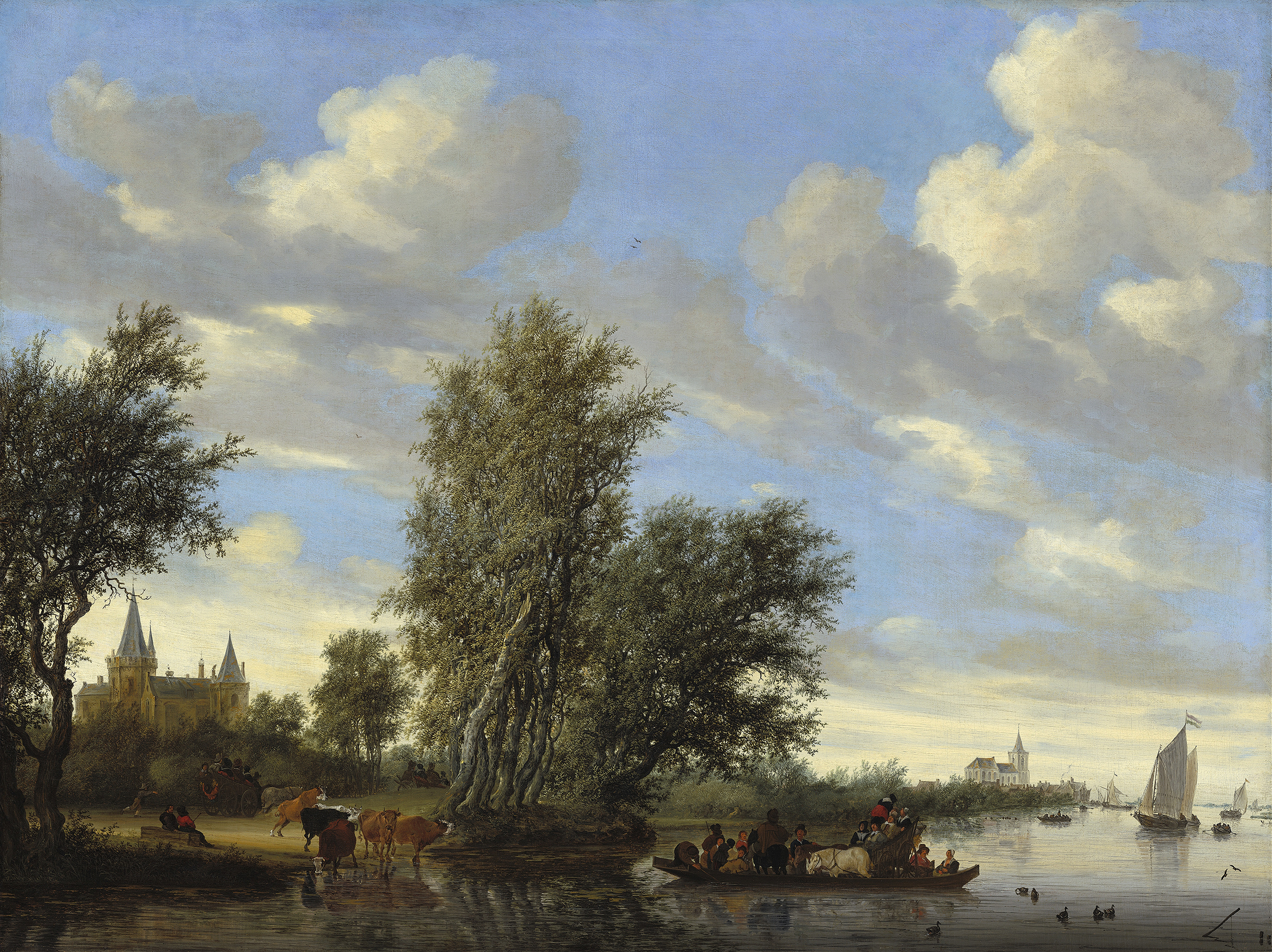
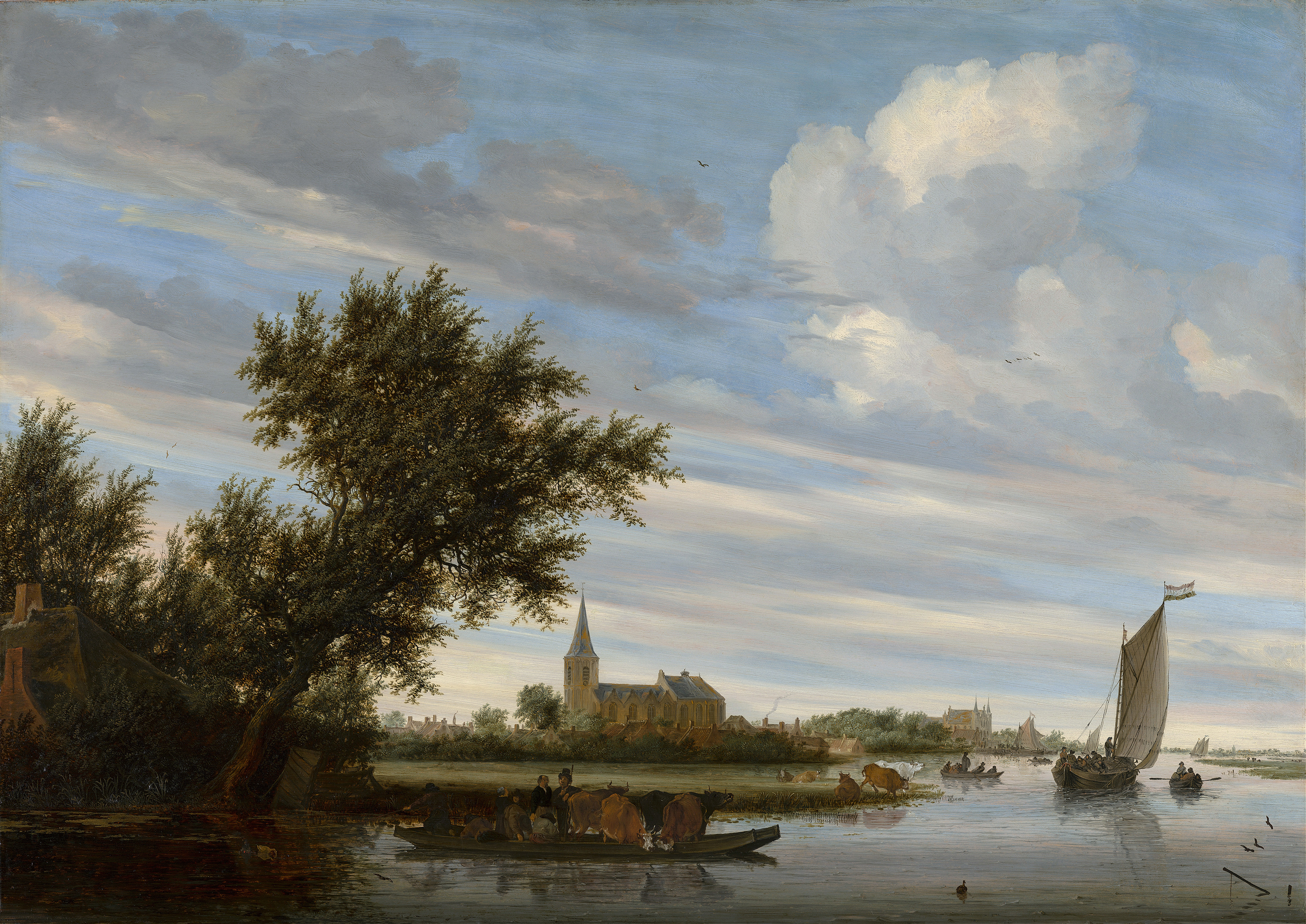
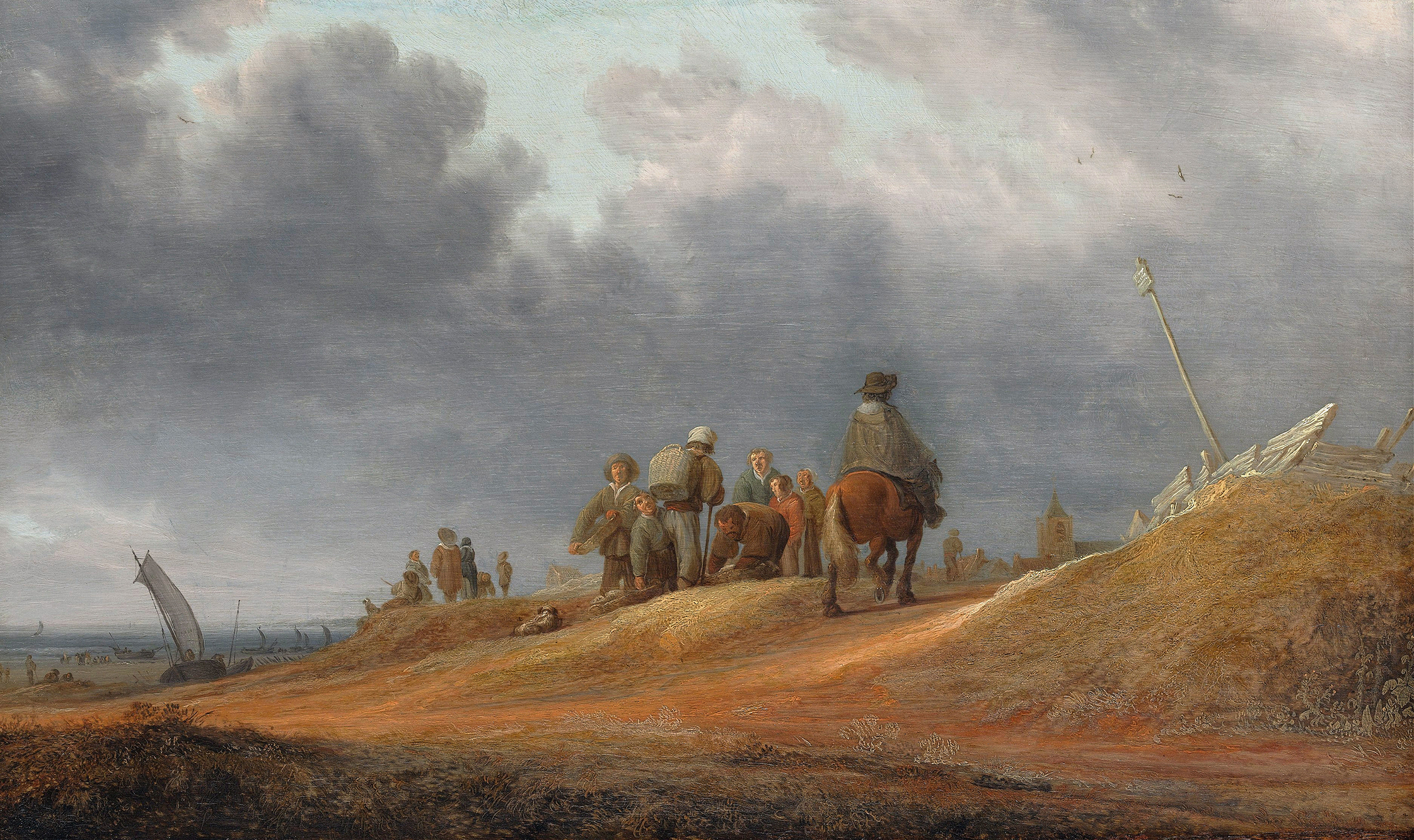
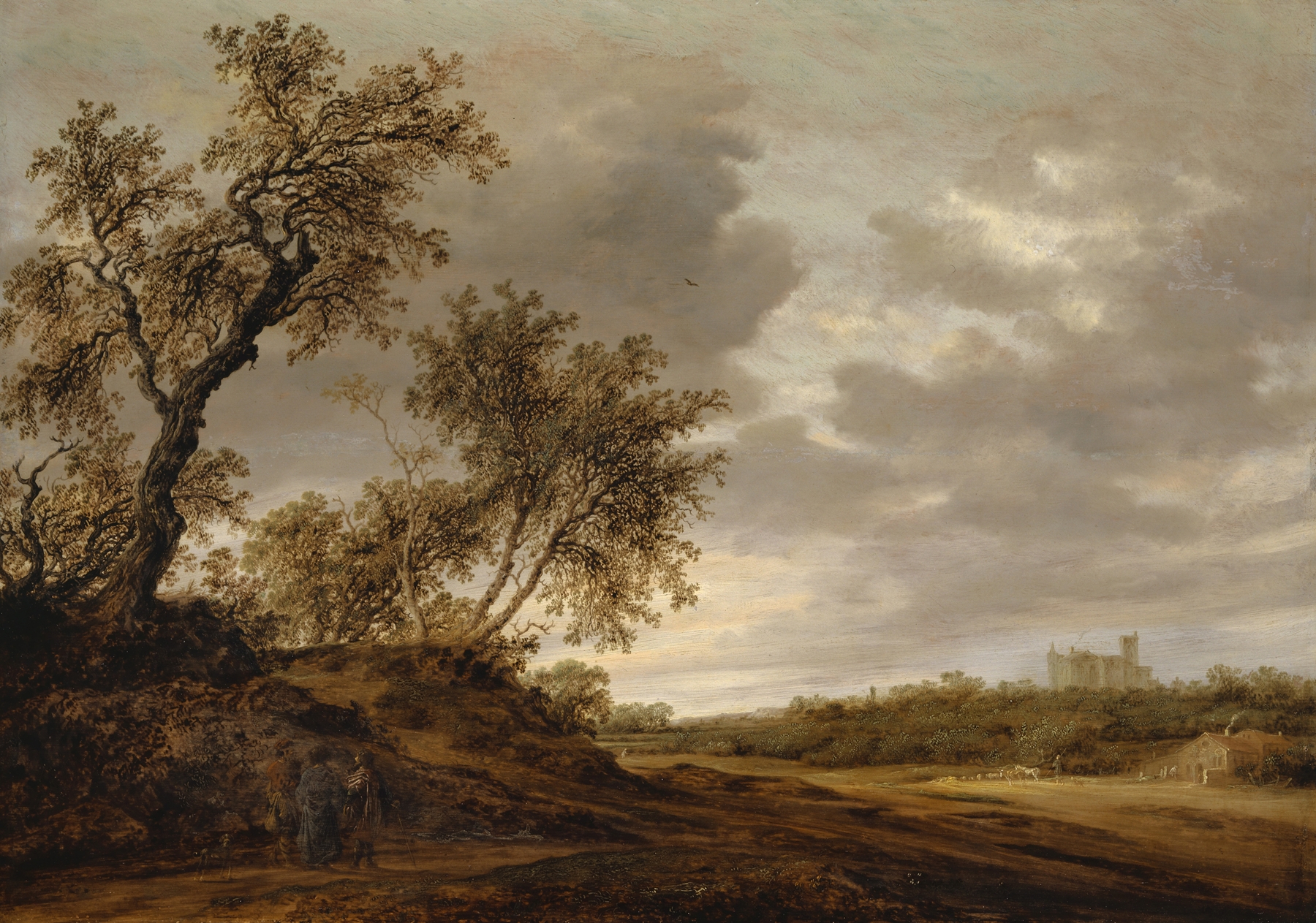
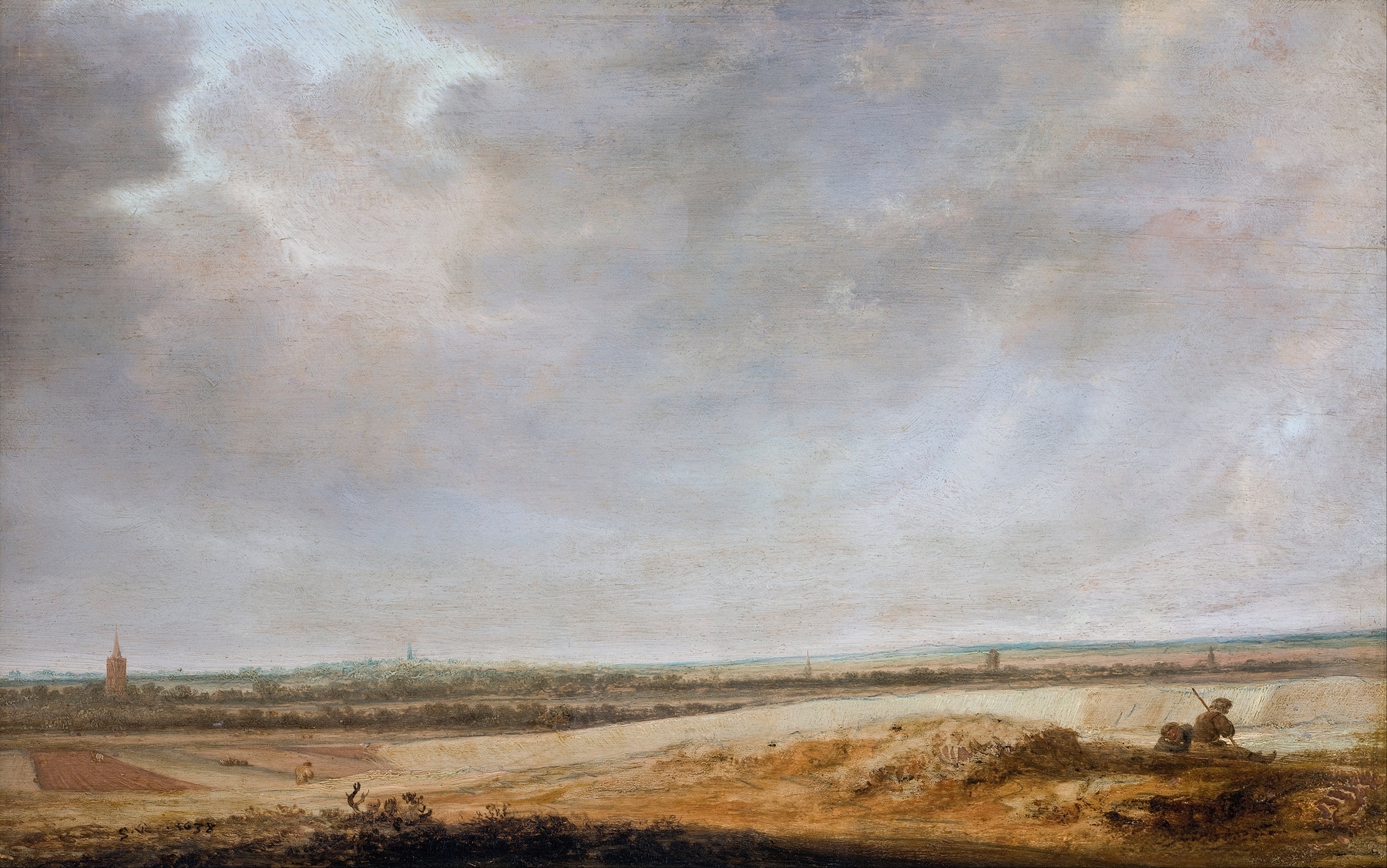
Where does light end, and longing begin? In the delicate interplay of nature’s beauty lies a tension that can border on madness. Look to the right at the towering trees, their dark trunks etched against the vivid blue sky. Notice how the gentle undulation of the cornfields draws the eye toward the horizon, inviting you to wander into the golden expanse that glimmers under the sun's embrace.
The brushwork is meticulous, capturing not just the forms but the very essence of the land — the vibrant greens and rich yellows breathe life into the scene, while the soft clouds loom overhead, hinting at a larger narrative unfolding. Delve deeper into the textures of the corn and the way light dances across the landscape. The juxtaposition of the tranquil fields against the looming clouds evokes an emotional paradox: serenity tinged with an underlying anxiety. This delicate balance between the beautiful and the ominous invites contemplation about the forces that shape both nature and human experience, suggesting that madness may dwell in the desire to possess such fleeting beauty.
In 1638, the artist created this work during a period of burgeoning landscape painting in the Netherlands, where art was shifting towards the intimate portrayal of nature. Van Ruysdael was emerging as a master of the genre, navigating personal challenges while responding to the broader artistic movement that celebrated the harmony and complexity of the natural world. His commitment to realism and detail was a defining feature of his works during this transformative time in art history.