Landscape with Waterfalls — History & Analysis
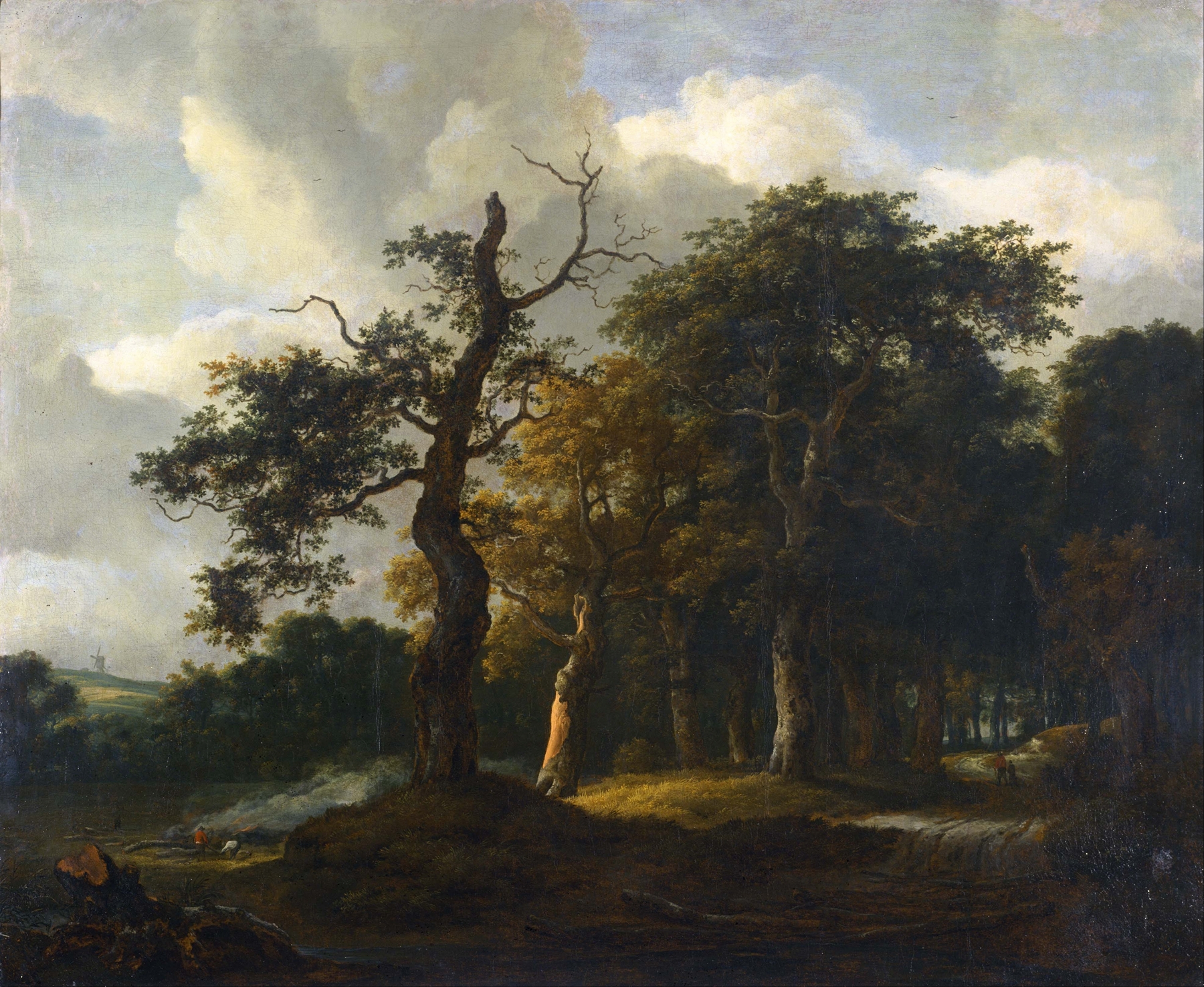
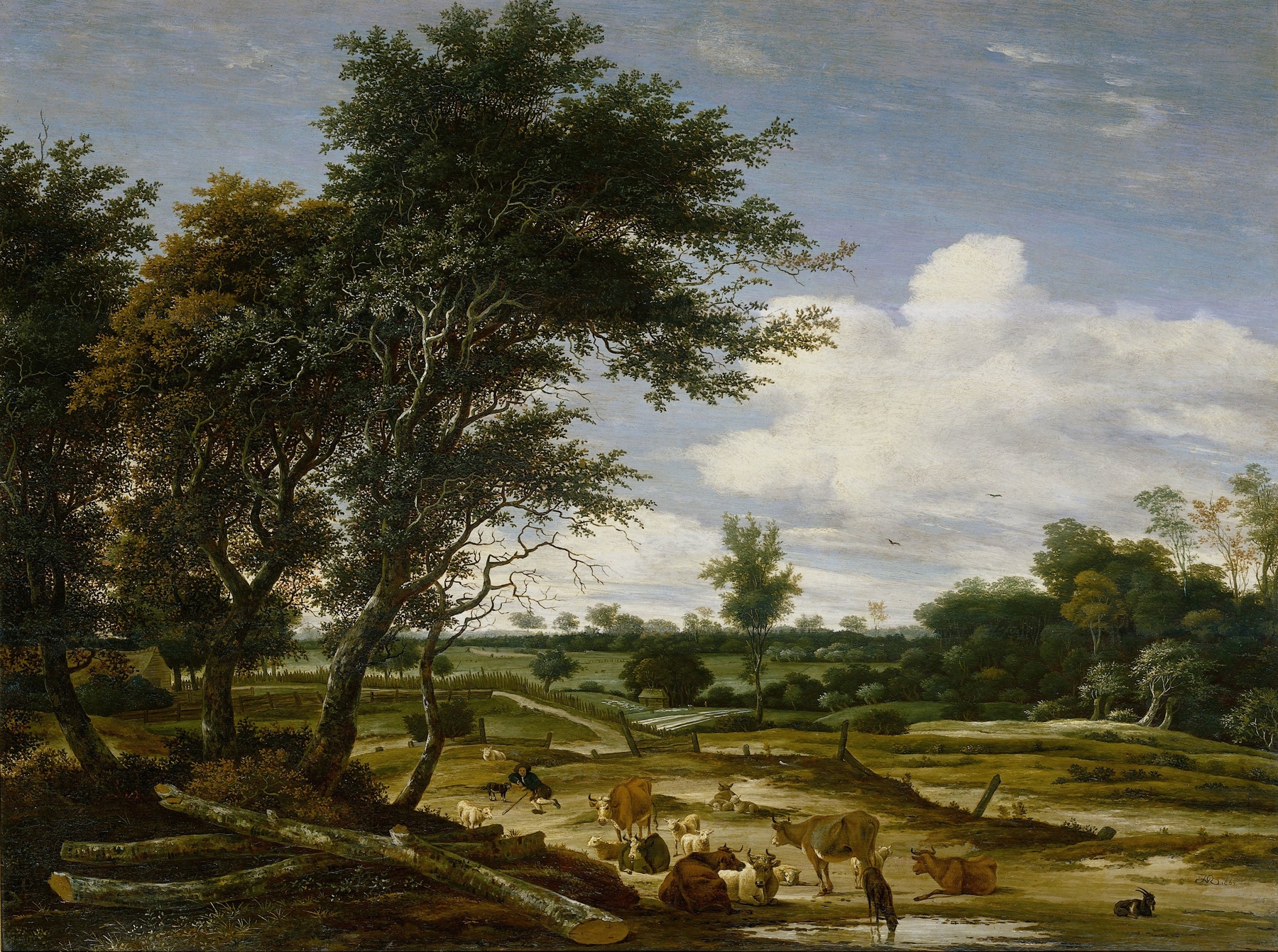
Where does light end, and longing begin? In Landscape with Waterfalls, a shimmering interplay of elements invites us to ponder the essence of nature’s beauty and the legacy it leaves behind. Look to the left at the cascading waterfalls, their crystalline waters plunging into a serene pool below. Notice how the light dances upon the surface, illuminating the surrounding foliage in vibrant splashes of green and gold. The artist’s meticulous brushwork creates a palpable texture, revealing the rugged terrain and the harmony in its wildness.
In the distance, gentle mountains gently cradle the sky, pushing the viewer’s gaze toward the horizon where natural splendor unfolds. Beyond its picturesque charm, the painting captures a delicate balance between tranquility and dynamism. The juxtaposition of the calm water and the turbulent falls evokes a sense of duality—life’s relentless forward motion against the backdrop of serene beauty. Hidden within the lush greenery, a solitary figure gazes contemplatively at the scene, embodying the universal search for connection with nature and the self. This quiet presence transforms the landscape, inviting reflections on solitude and the contemplation of one’s place within the vast world.
Jacob Salomonsz. van Ruysdael painted this scene between 1660 and 1670 during the Dutch Golden Age, a time marked by flourishing art and exploration. He was influenced by the natural landscapes of his homeland and the burgeoning interest in realism and detail among his contemporaries. This period also saw a growing appreciation for the emotional resonance of nature, making his work a significant contribution to the legacy of landscape painting and its enduring influence.