Landscape with herdsmen and cattle — History & Analysis
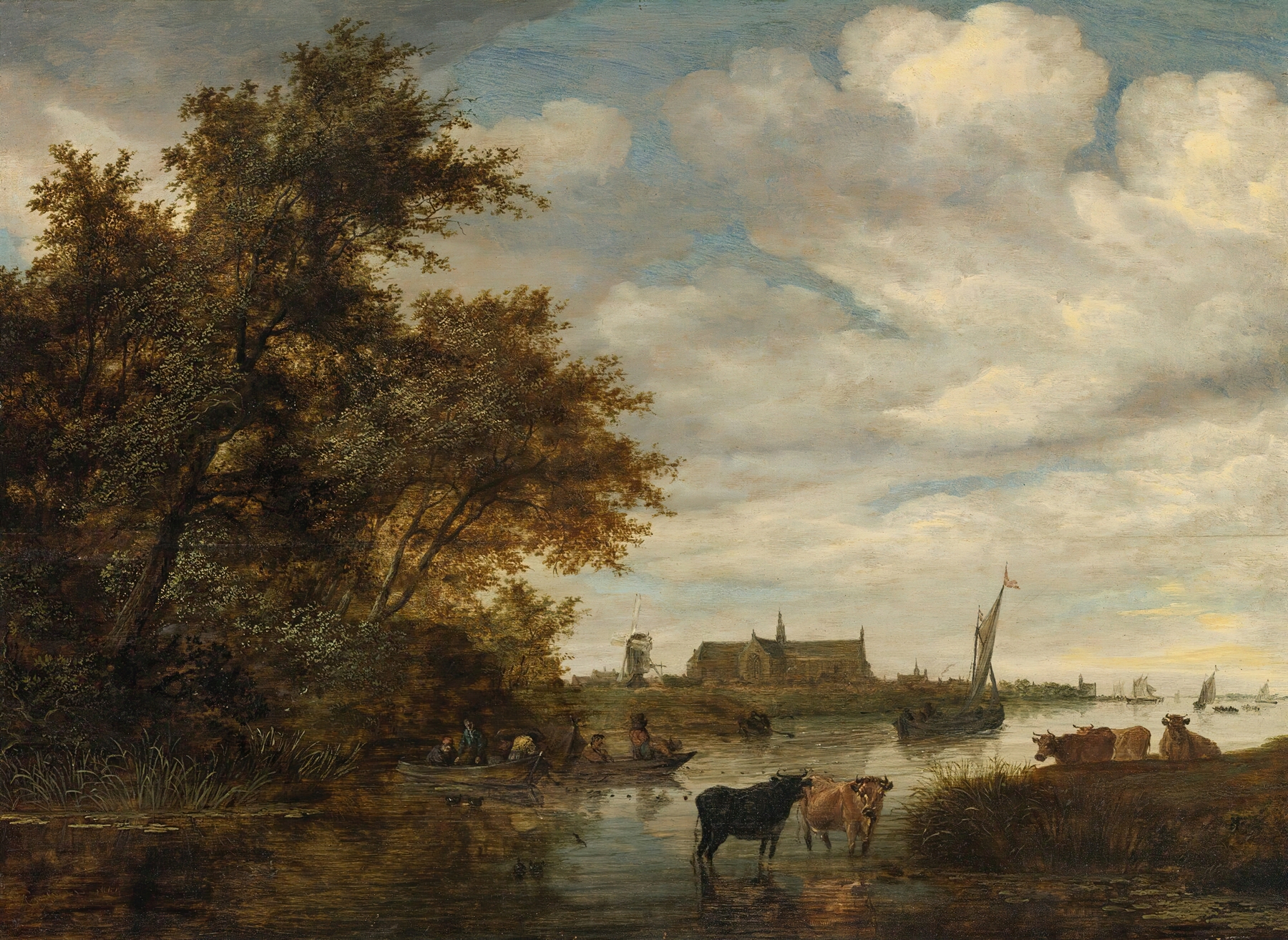
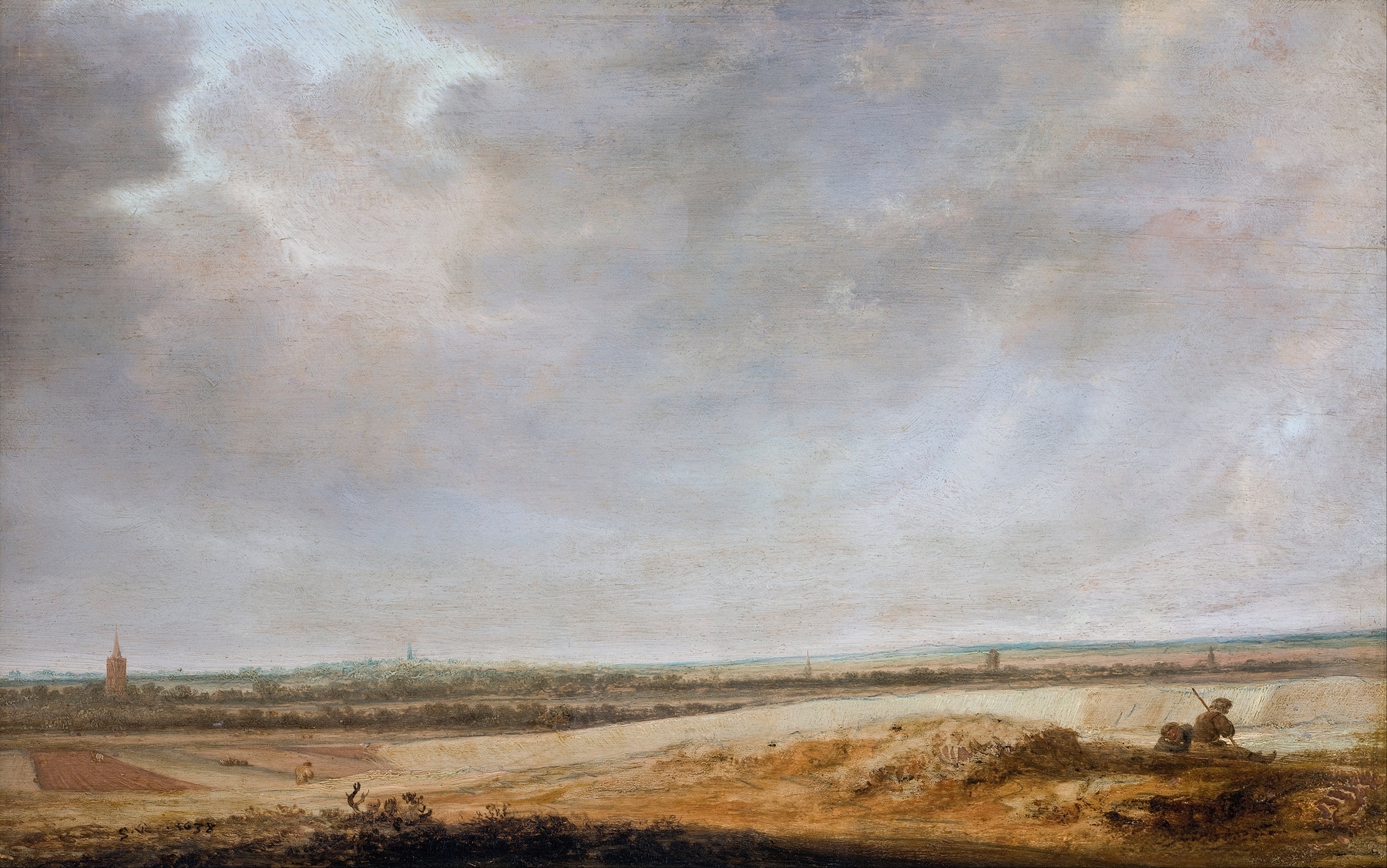
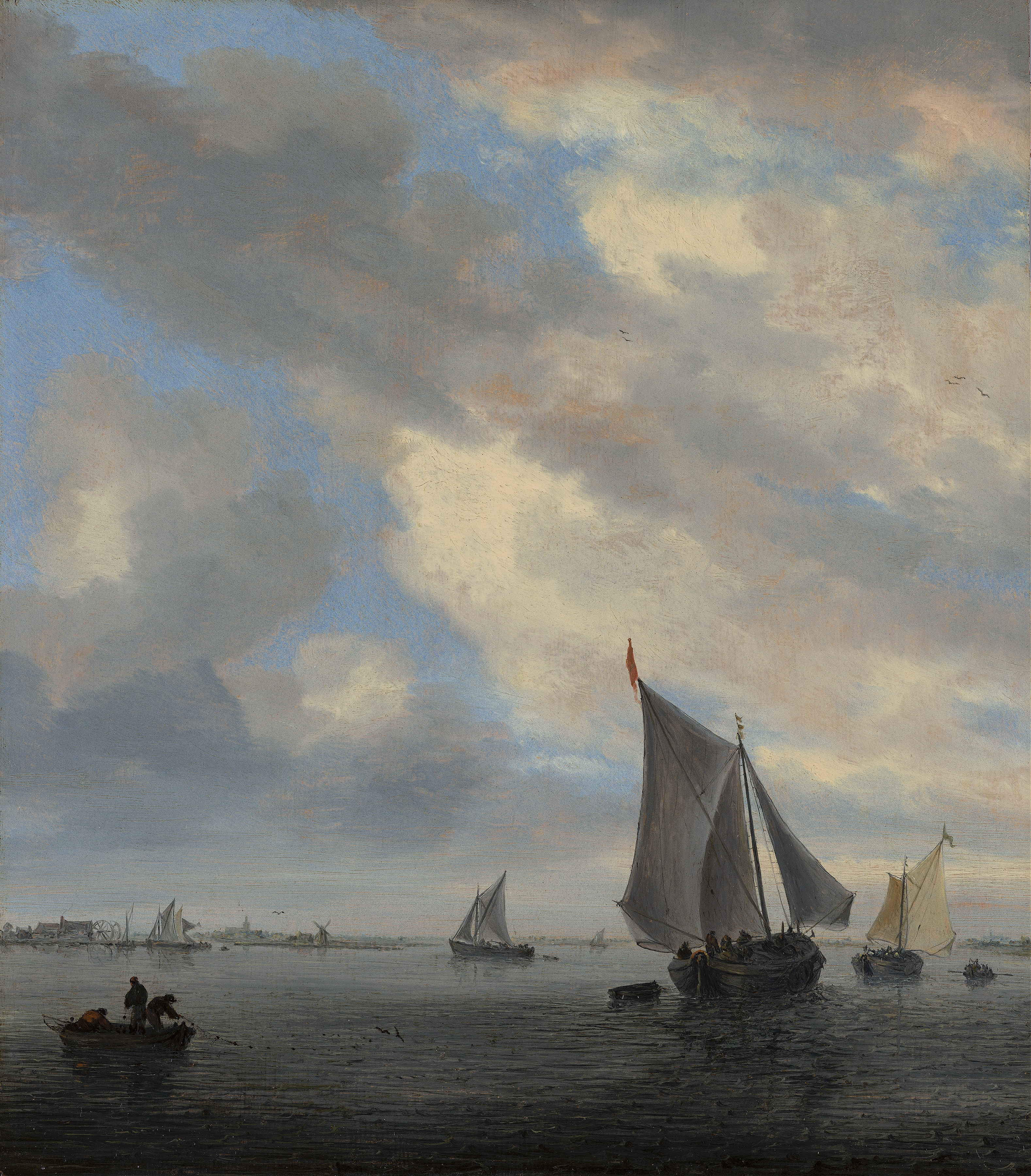
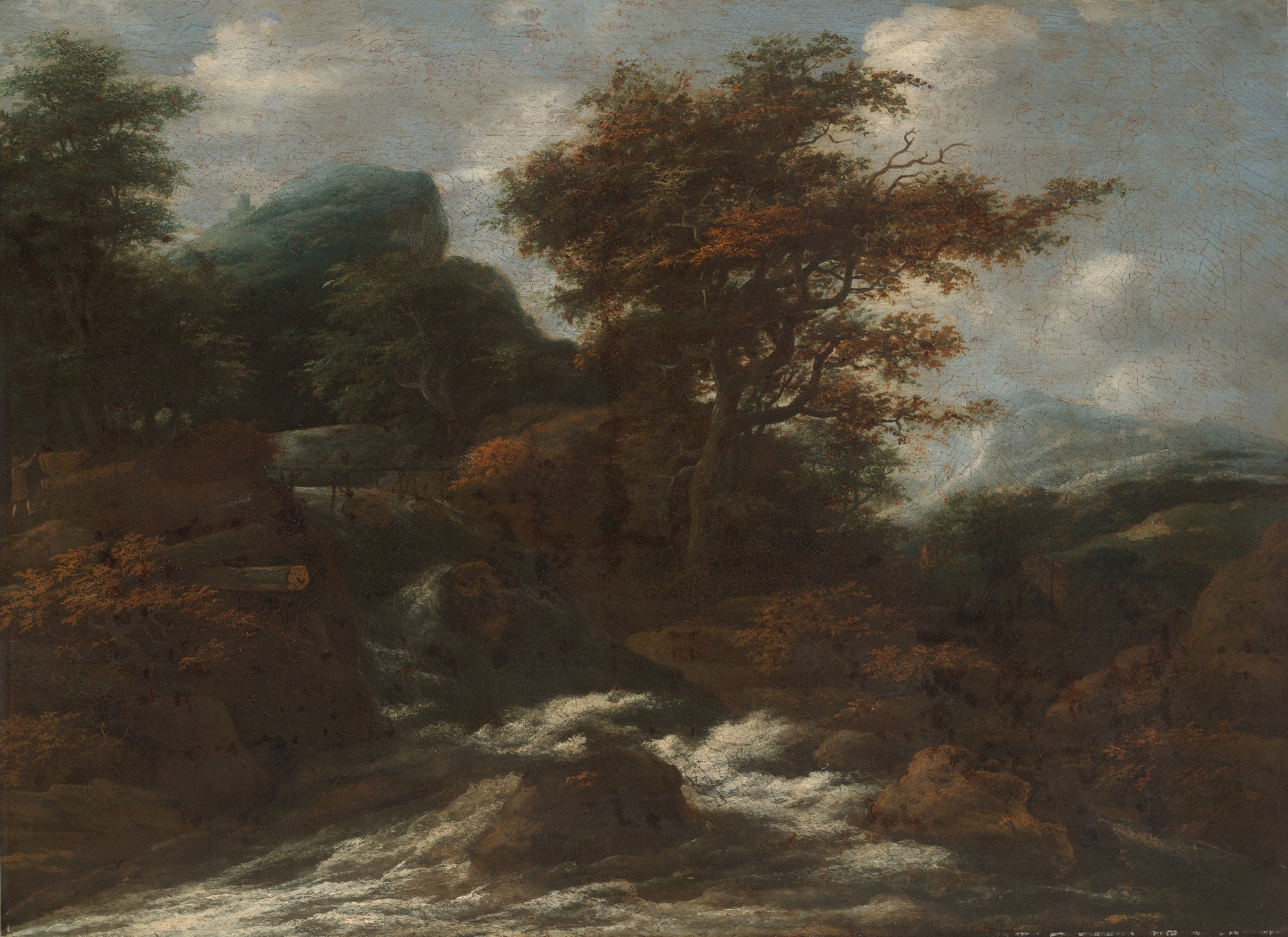
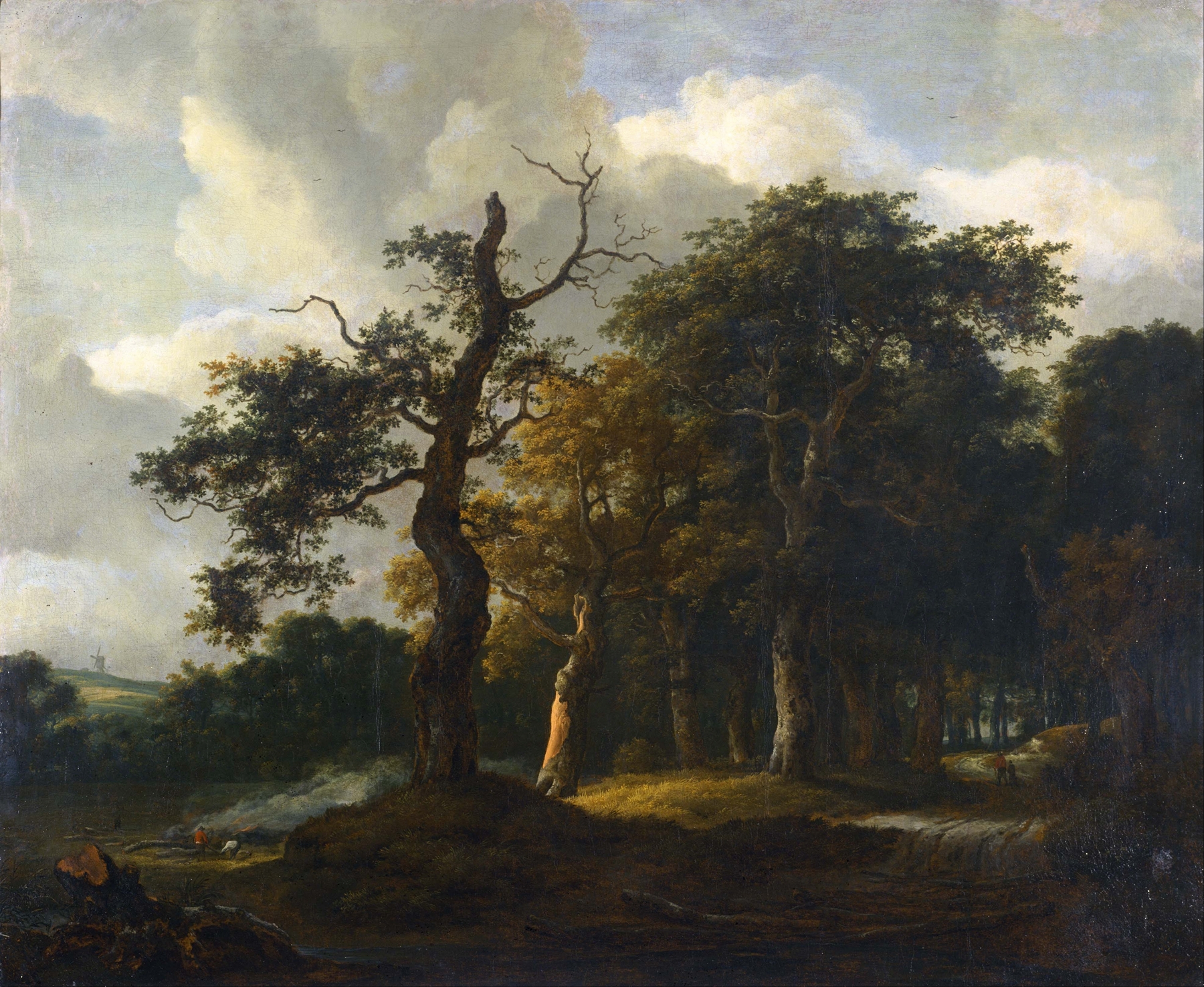
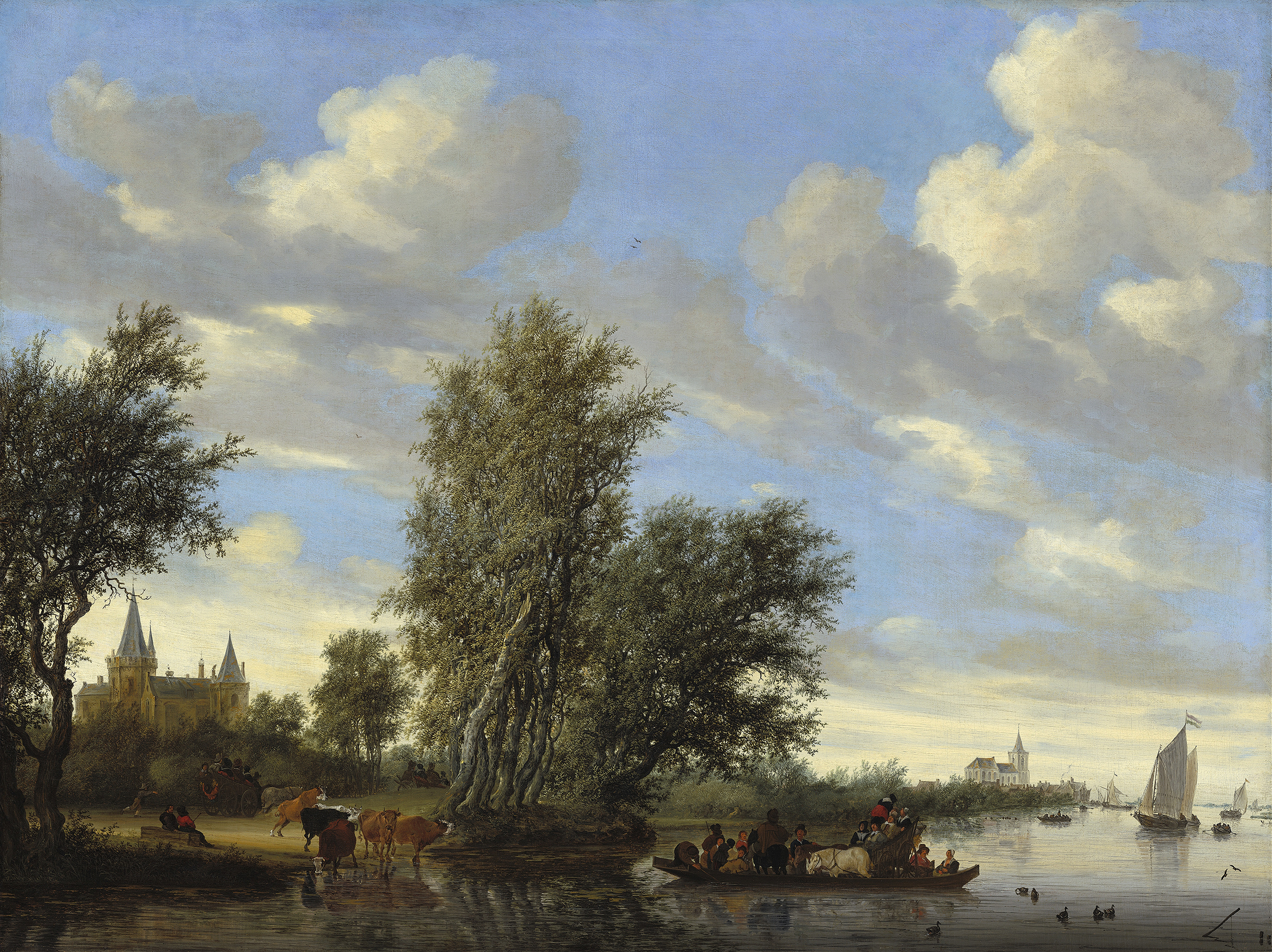
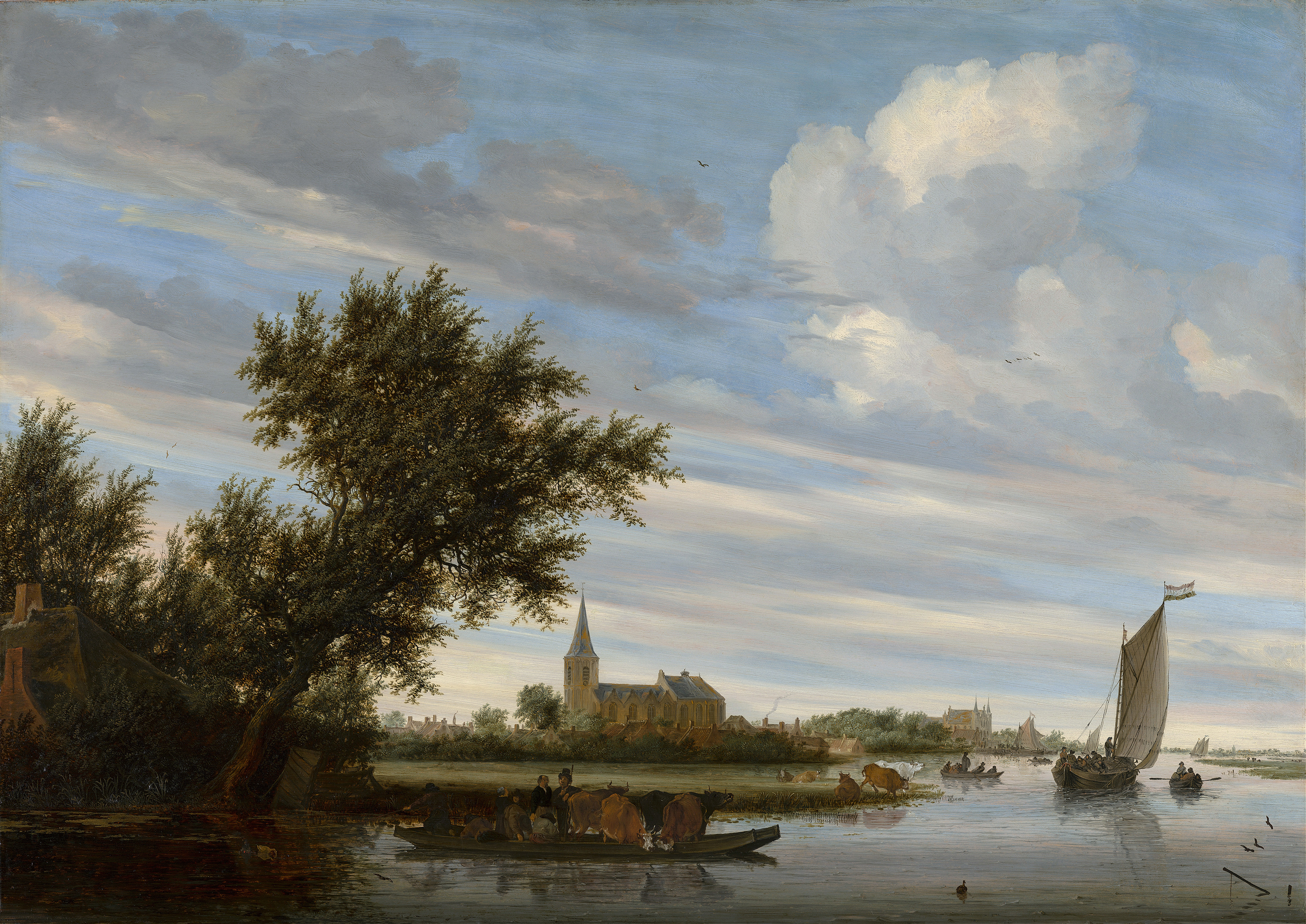
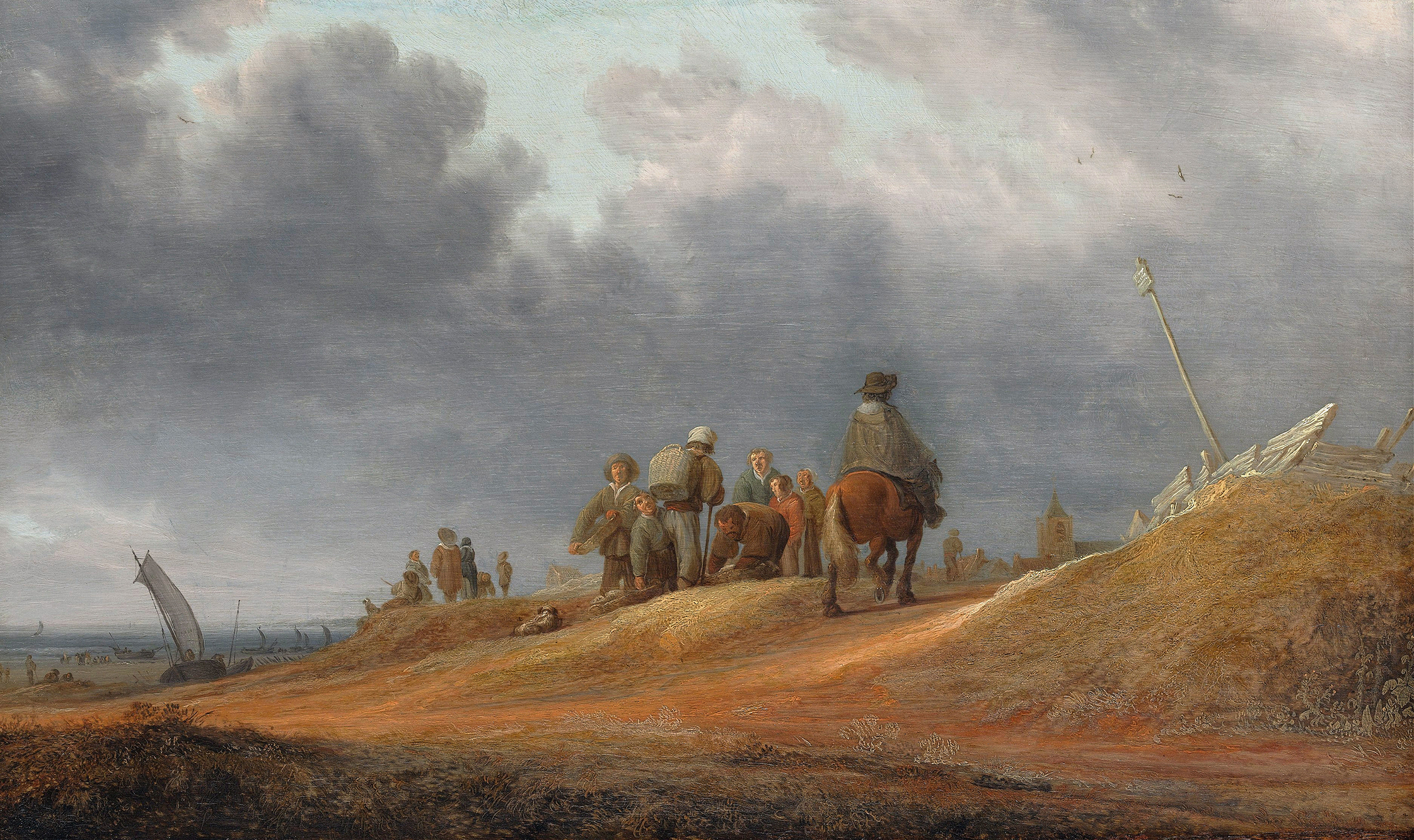
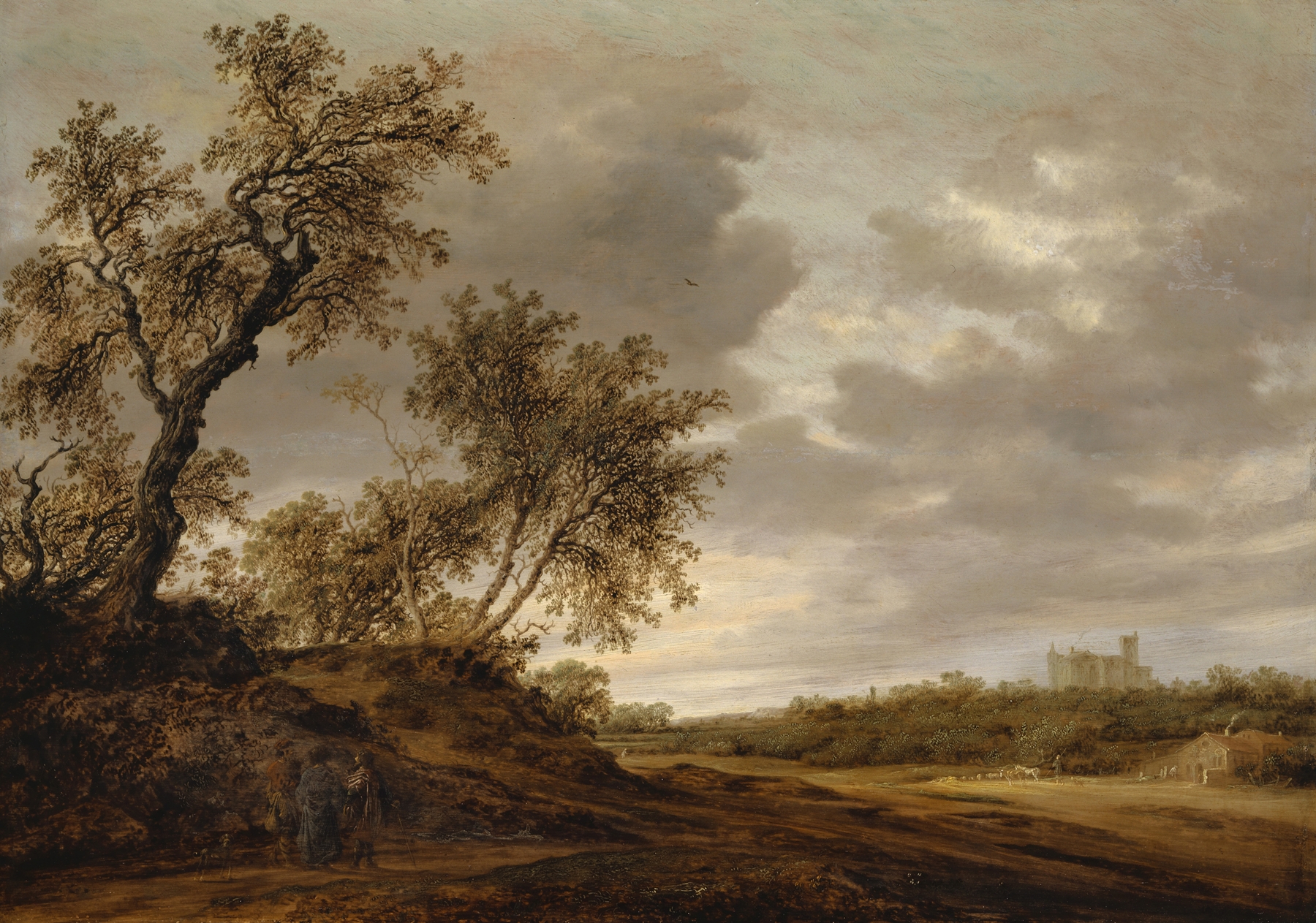
Is this a mirror — or a memory? The landscape unfolds with a gentle chaos, capturing the delicate balance between nature's tranquility and the madness that simmers beneath its surface. Focus first on the horizon, where the sun spills golden light over the rolling hills, casting elongated shadows that stretch across the verdant fields. The herdsmen, with their cattle, are positioned slightly to the right, engaged in an unspoken dialogue with the landscape around them.
Notice how the rich greens and earthy browns interplay with the soft blues of the sky, each hue meticulously layered to create depth and movement, drawing the eye across the canvas. Beneath the serene surface lies a tension; the stillness of the scene contrasts sharply with the subtle chaos of the herdsmen’s labor. The animals, though grazing calmly, are poised in positions that suggest a readiness to bolt, while the sky overhead seems to swirl with impending changes, highlighting the precariousness of their existence. This dichotomy evokes a feeling of madness lurking just beyond the idyllic facade, inviting viewers to ponder the invisible struggles faced in such pastoral life.
In 1665, Jacob Salomonsz. van Ruysdael was immersed in the Dutch Golden Age, creating works that reflected both the beauty and complexity of rural life. He worked in Haarlem during a time when landscapes were gaining prominence, and his paintings often depicted the symbiotic relationship between humans and nature. This particular piece showcases his burgeoning mastery of light and shadow, a technique that would define his legacy in the art world.