On the Way to Emmaus — History & Analysis
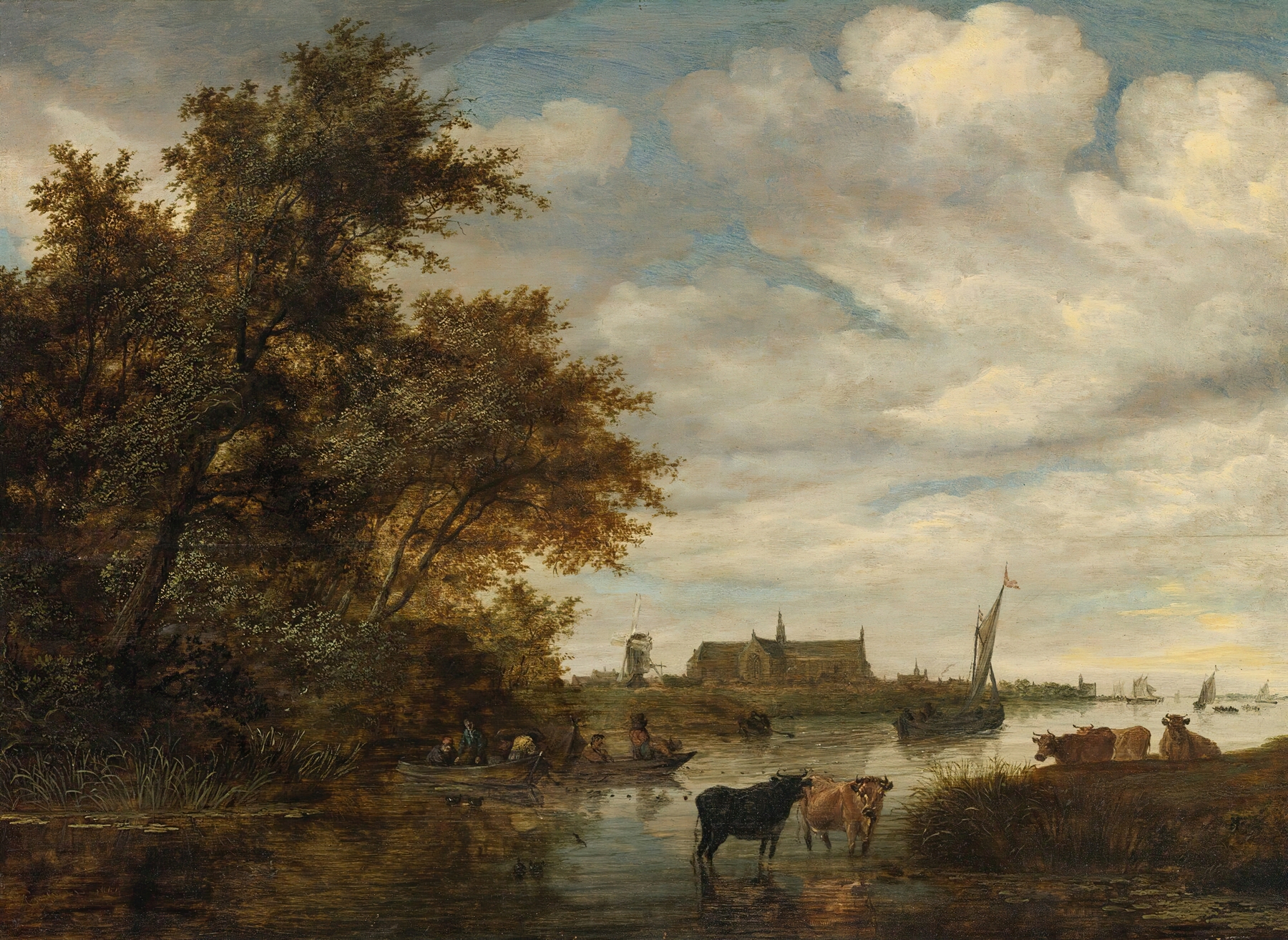
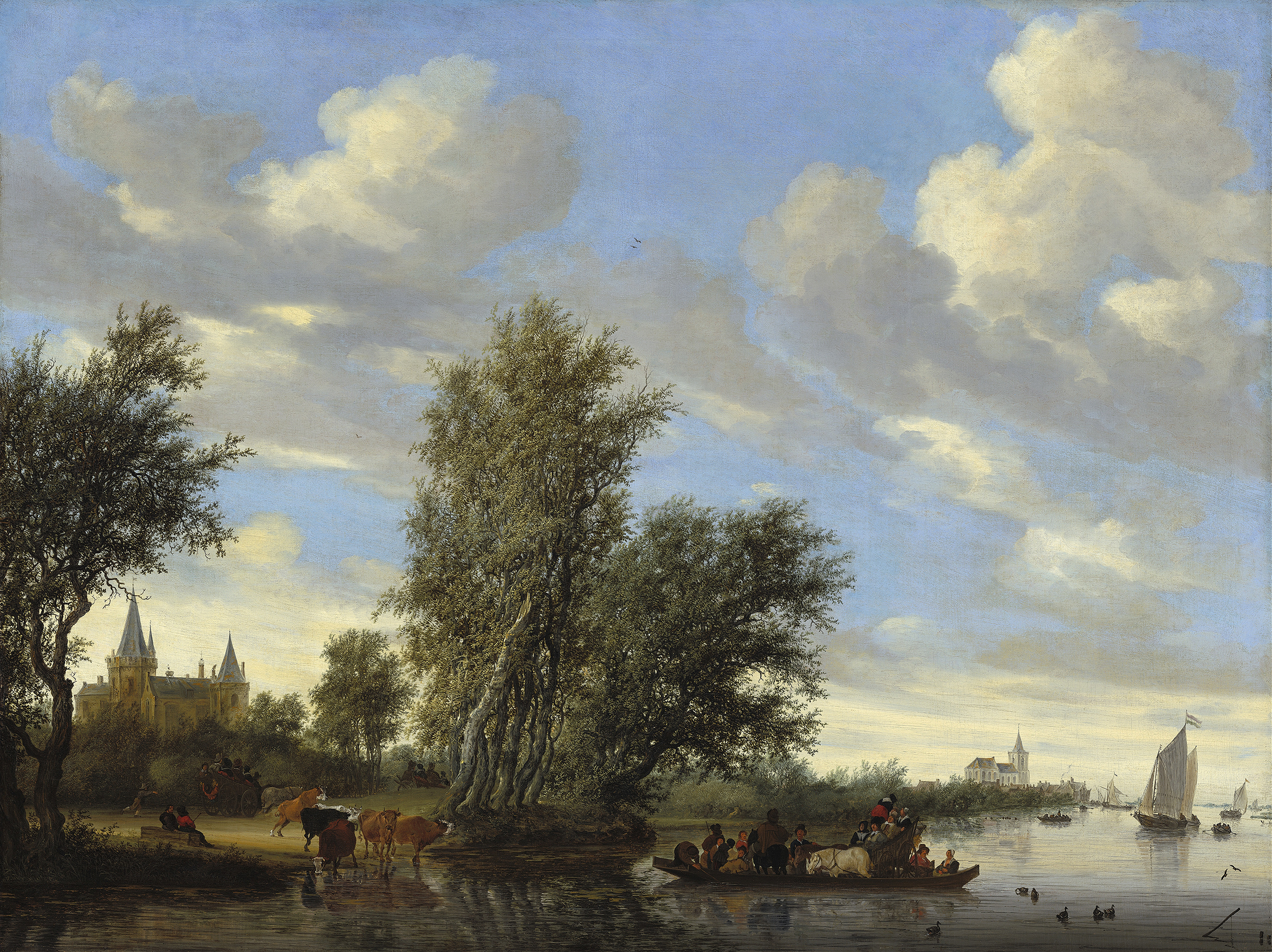
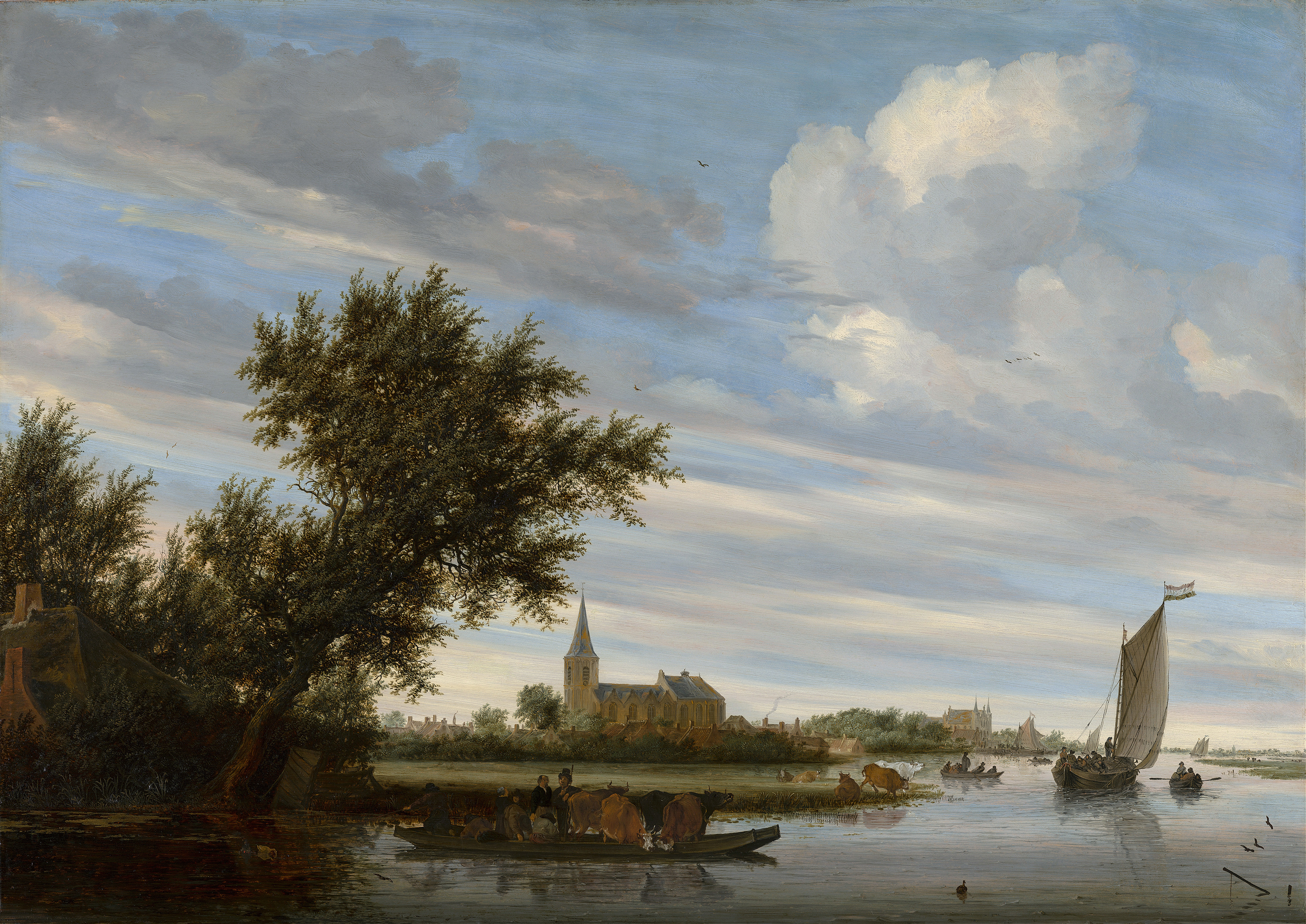
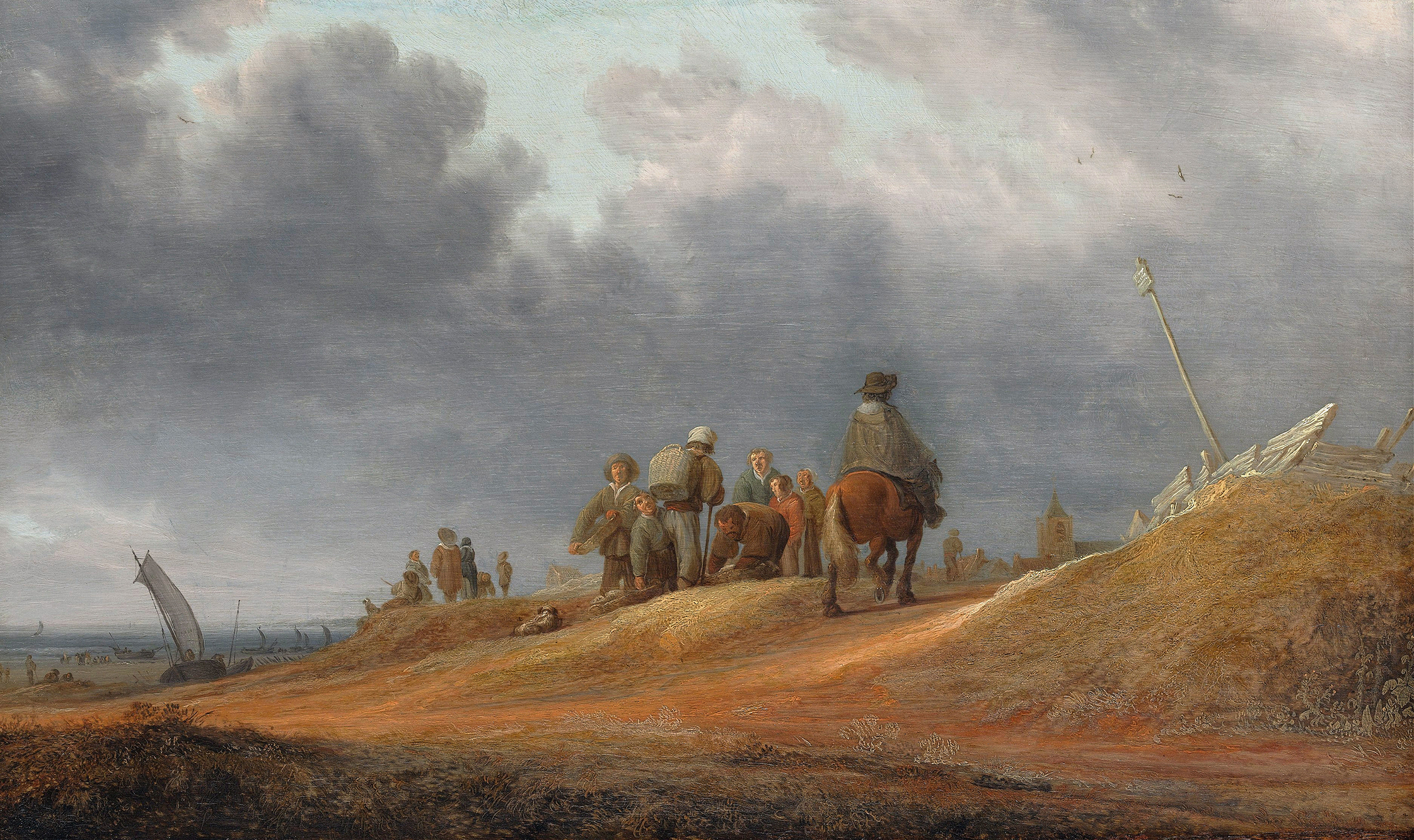
Could beauty survive in a century of chaos? In On the Way to Emmaus, nature and revelation collide, offering a poignant moment of reflection amidst tumultuous times. Look to the left at the sun-drenched path meandering through lush greenery, guiding the viewer's eye into the heart of the painting. Notice how the vibrant greens contrast with the deep blues of the sky, a striking interplay that evokes a sense of peace and hope. The figures, though small and distant, are rendered with meticulous detail, their subdued colors hinting at deeper narratives—travelers caught in both physical and spiritual journeys.
The juxtaposition of the serene landscape against the tension of the unknown is palpable. The travelers’ posture suggests weariness, yet there is an undercurrent of anticipation—a moment before profound understanding. Hidden elements, like the distant church steeple, symbolize faith and community, while the expansive sky embodies both freedom and uncertainty. This duality invites viewers to ponder their own journeys, reflecting on the revelation that life often unfolds at the intersection of chaos and beauty.
In 1643, Jacob Salomonsz. van Ruysdael was rooted in the Netherlands, a nation grappling with political and social upheaval. Amidst the rise of Dutch realism, he captured landscapes that offered not just aesthetic pleasure but also spiritual contemplation. This painting emerged during a time when artists sought to convey deeper truths, reflecting the complexities of human experience against the backdrop of a rapidly changing world.