A Yorkshire Road — History & Analysis
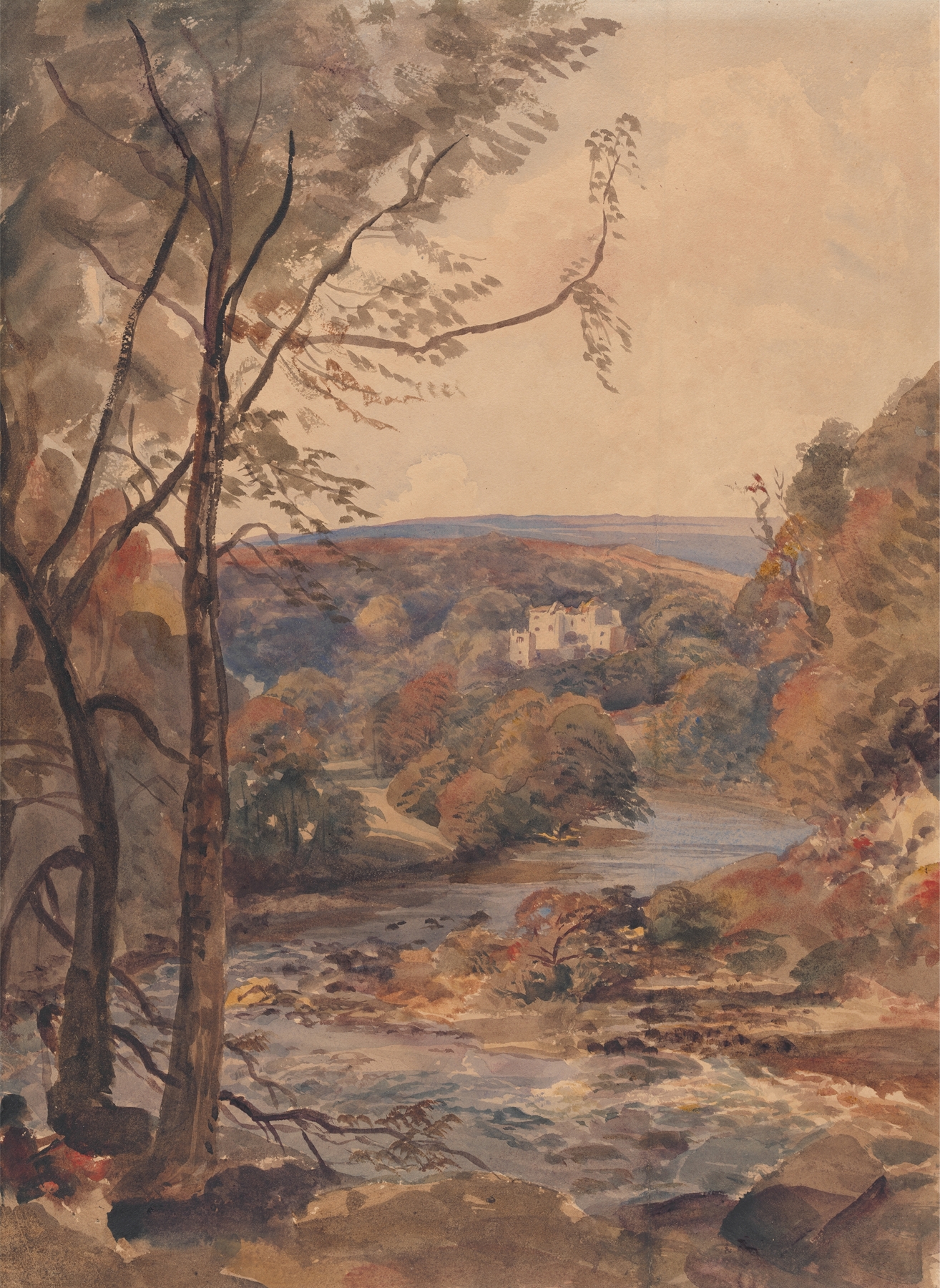
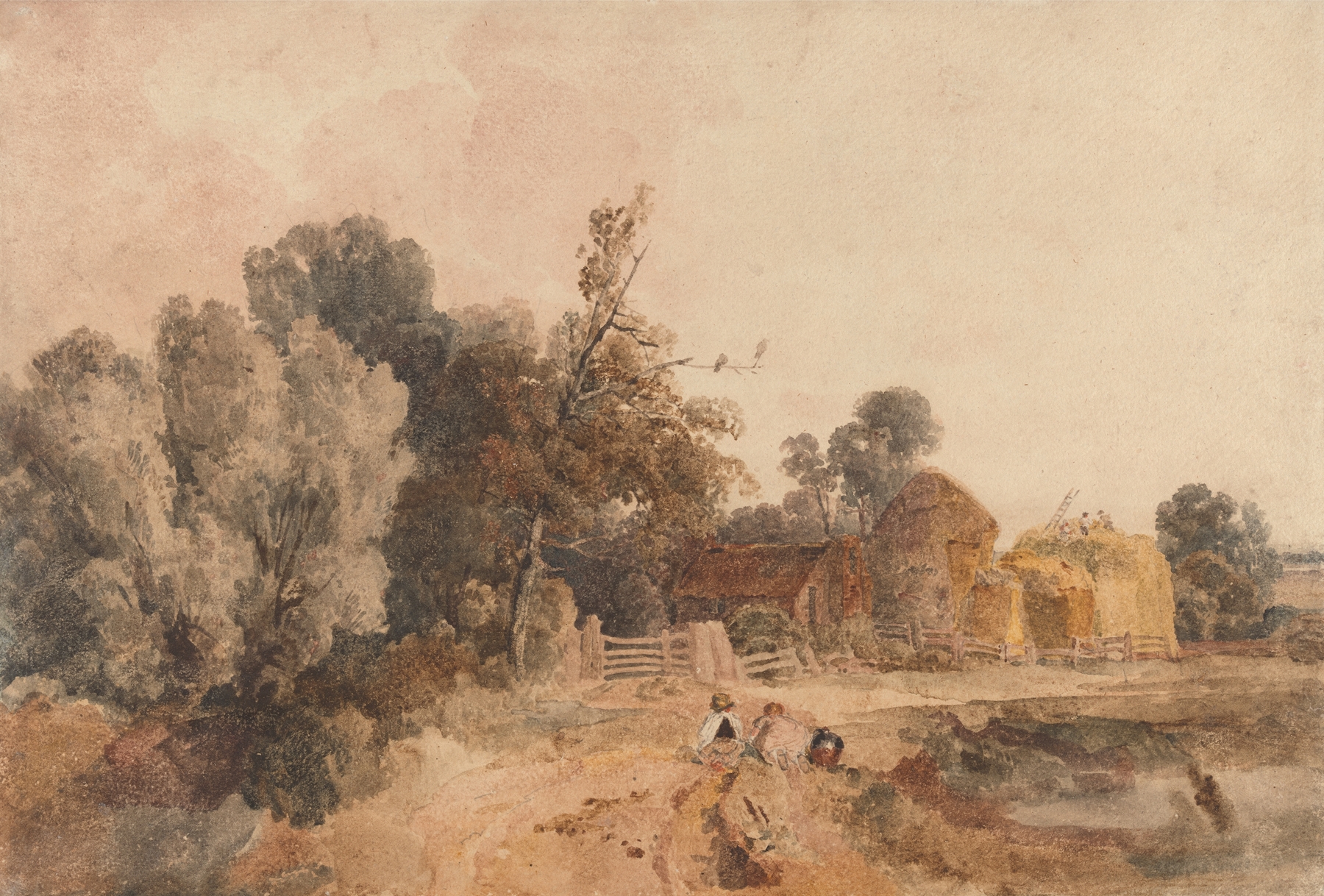
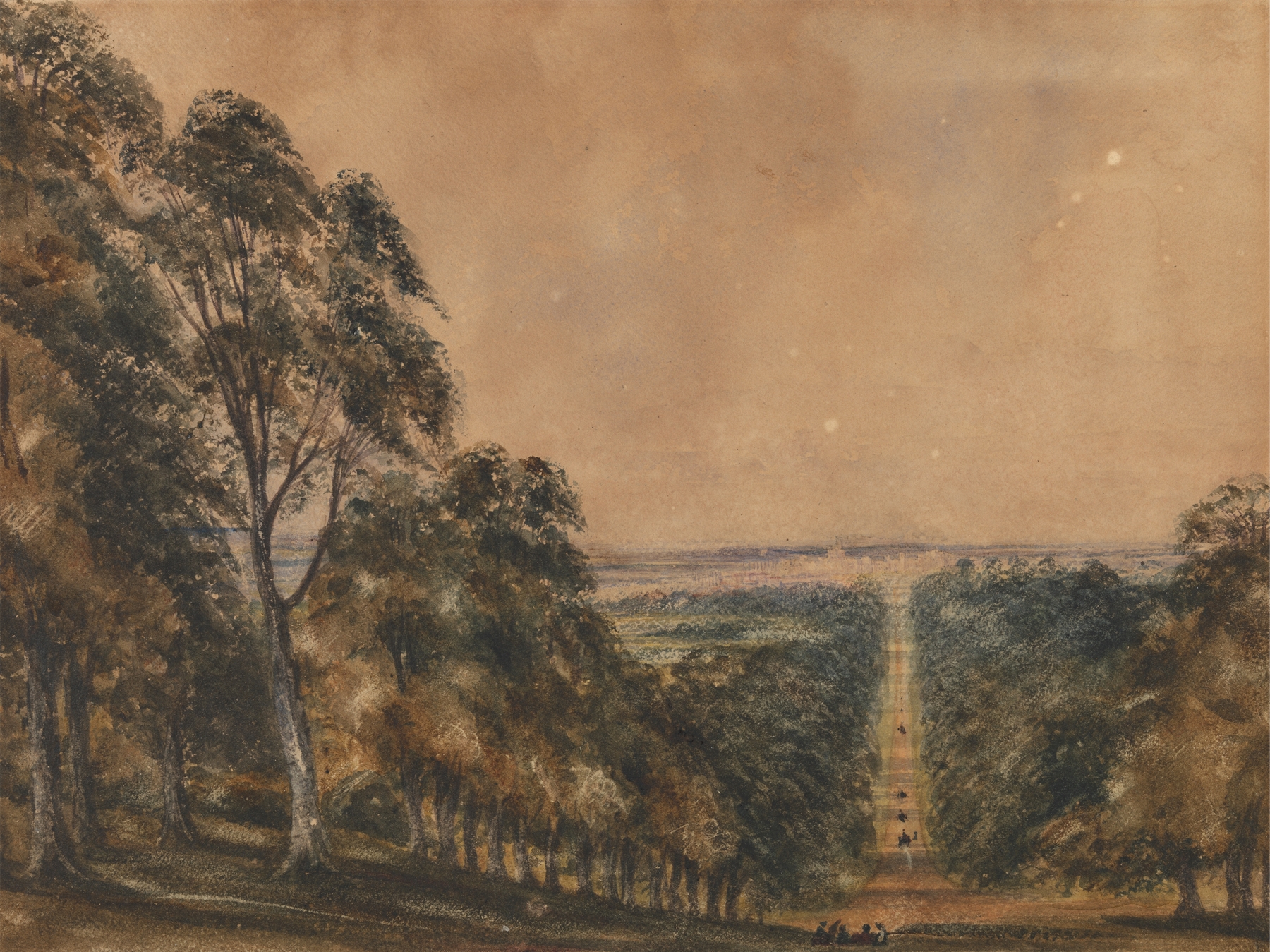
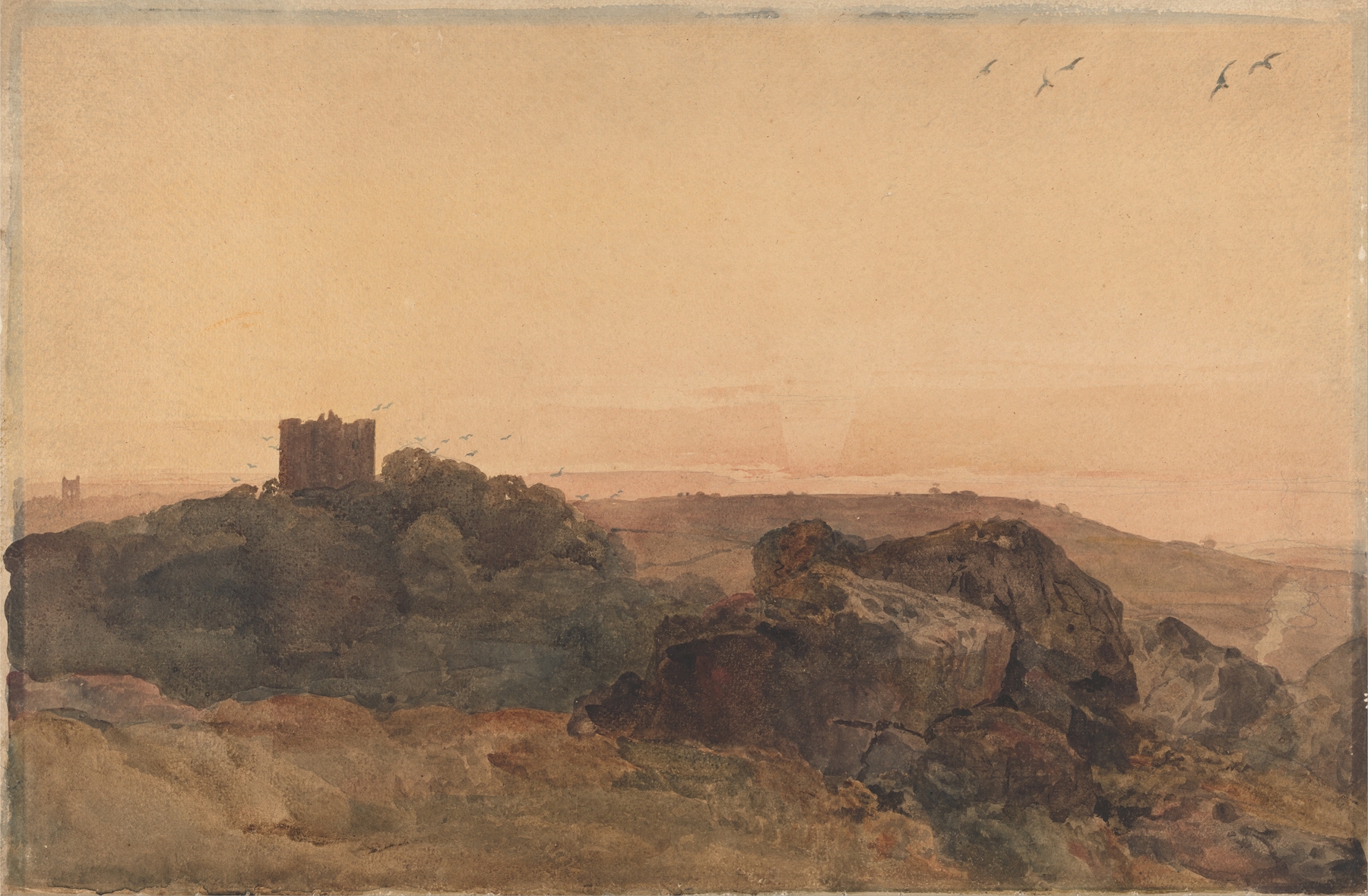
When did color learn to lie? The muted hues of A Yorkshire Road whisper of solitude, pulling the viewer into a world where loneliness drapes itself over the landscape like a heavy fog. Look to the left at the winding path, where a solitary figure meanders through an expanse dominated by earthy tones of grey and brown. The subtle blend of colors evokes a sense of melancholy, while the delicate brushwork brings life to the bare trees standing sentinel along the road. Notice how the distant hills fade into a bluish haze, suggesting both depth and desolation, and how the soft light filters through, casting a gentle glow that contrasts with the starkness of the surroundings.
This composition captures the tension between isolation and the vastness of nature. The lone traveler seems small against the sprawling landscape, embodying a universal experience of solitude. The interplay of light and shadow accentuates the figure's emotional state, as if the world is both welcoming and unforgiving. Each stroke reveals a hidden narrative, inviting reflections on the human condition and our place within the natural world.
Peter DeWint created A Yorkshire Road during a time when landscape painting was evolving, particularly in the early 19th century. Living in England, he was influenced by the Romantic movement, which emphasized individual experience and emotion. His works often depicted the English countryside, reflecting both beauty and the profound sense of isolation that can accompany it. This painting emerges from a period of transition in art, where the focus shifted towards personal interpretation of scenery, aiming to evoke deeper emotions in the viewer.