Aeneas op Delos — History & Analysis
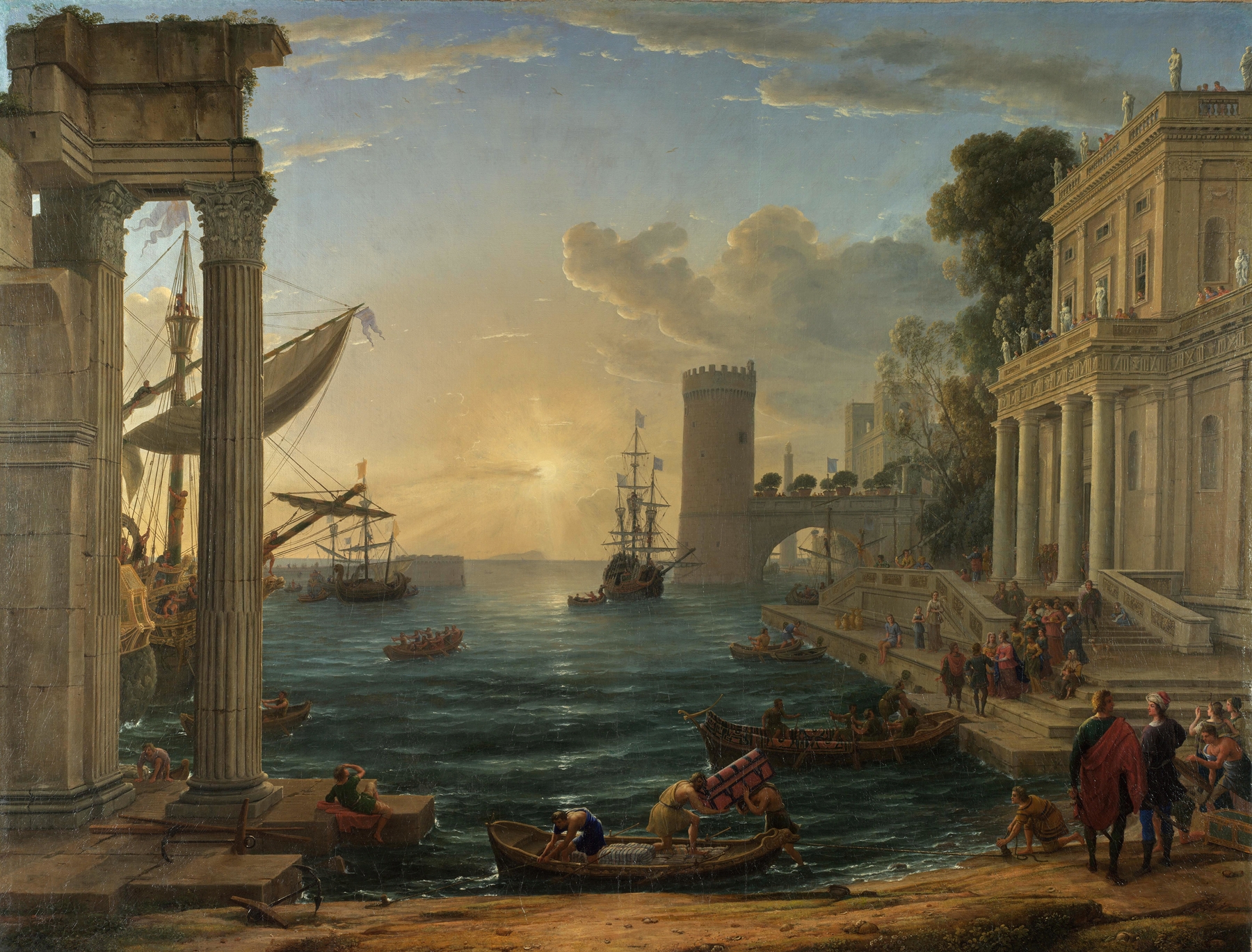
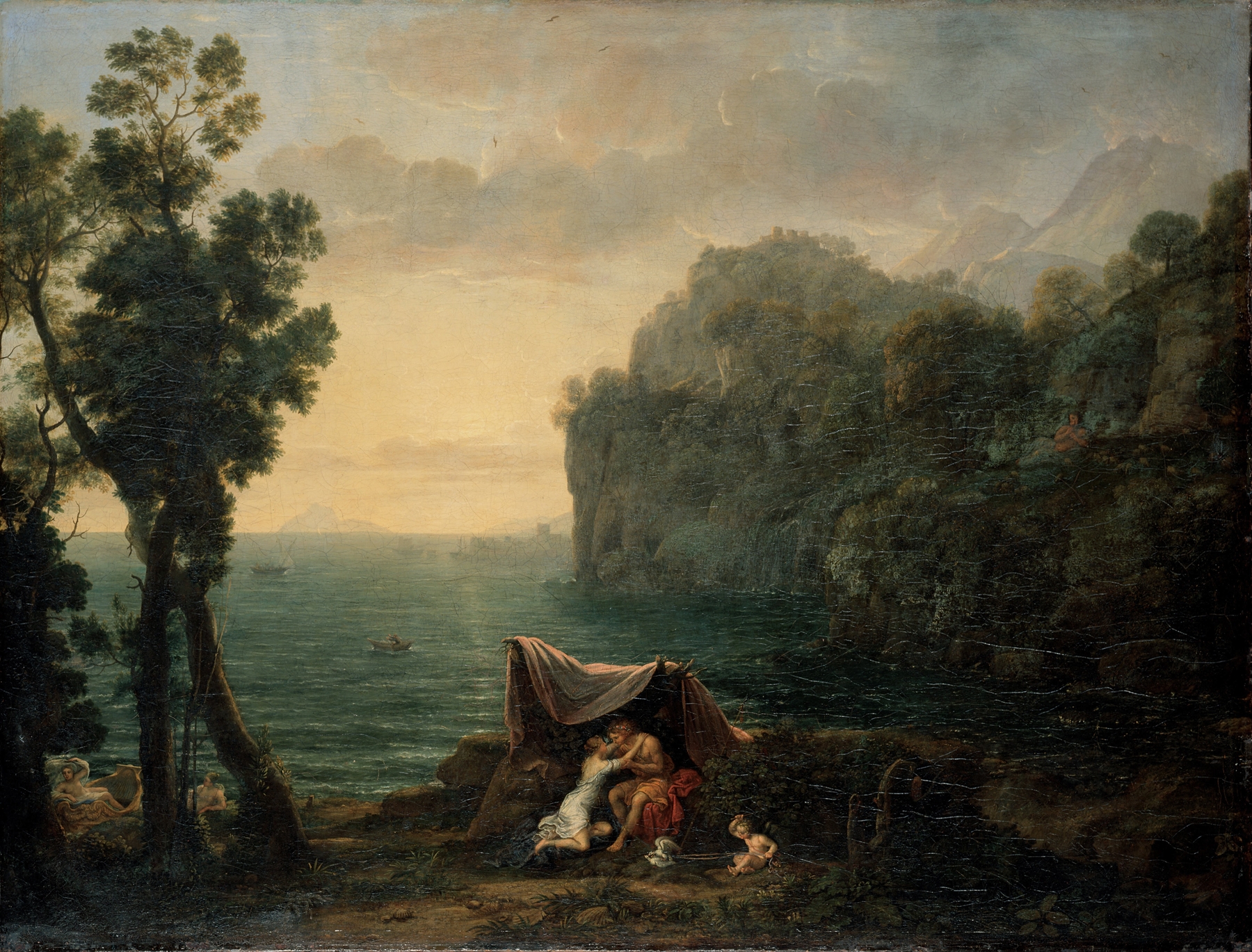
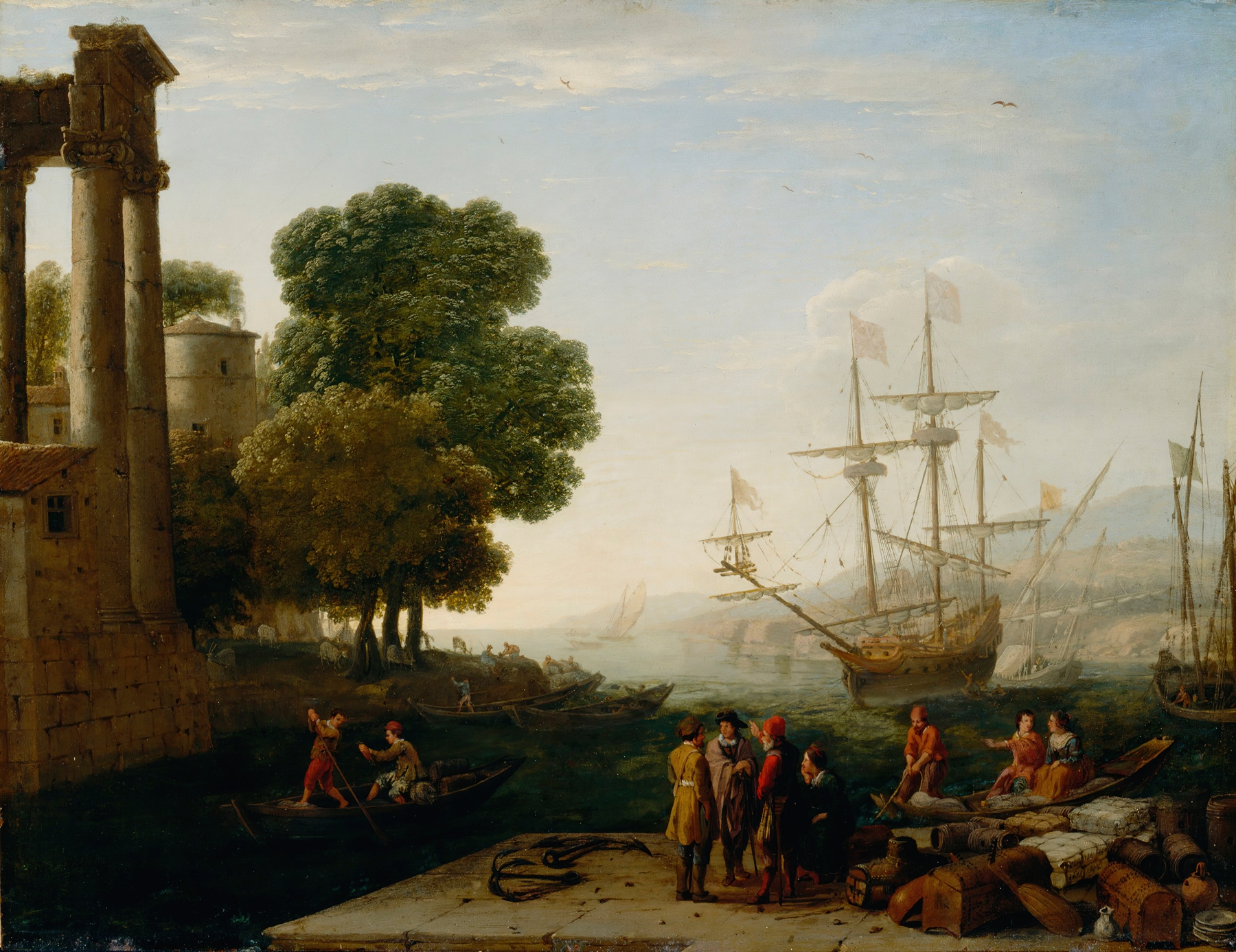
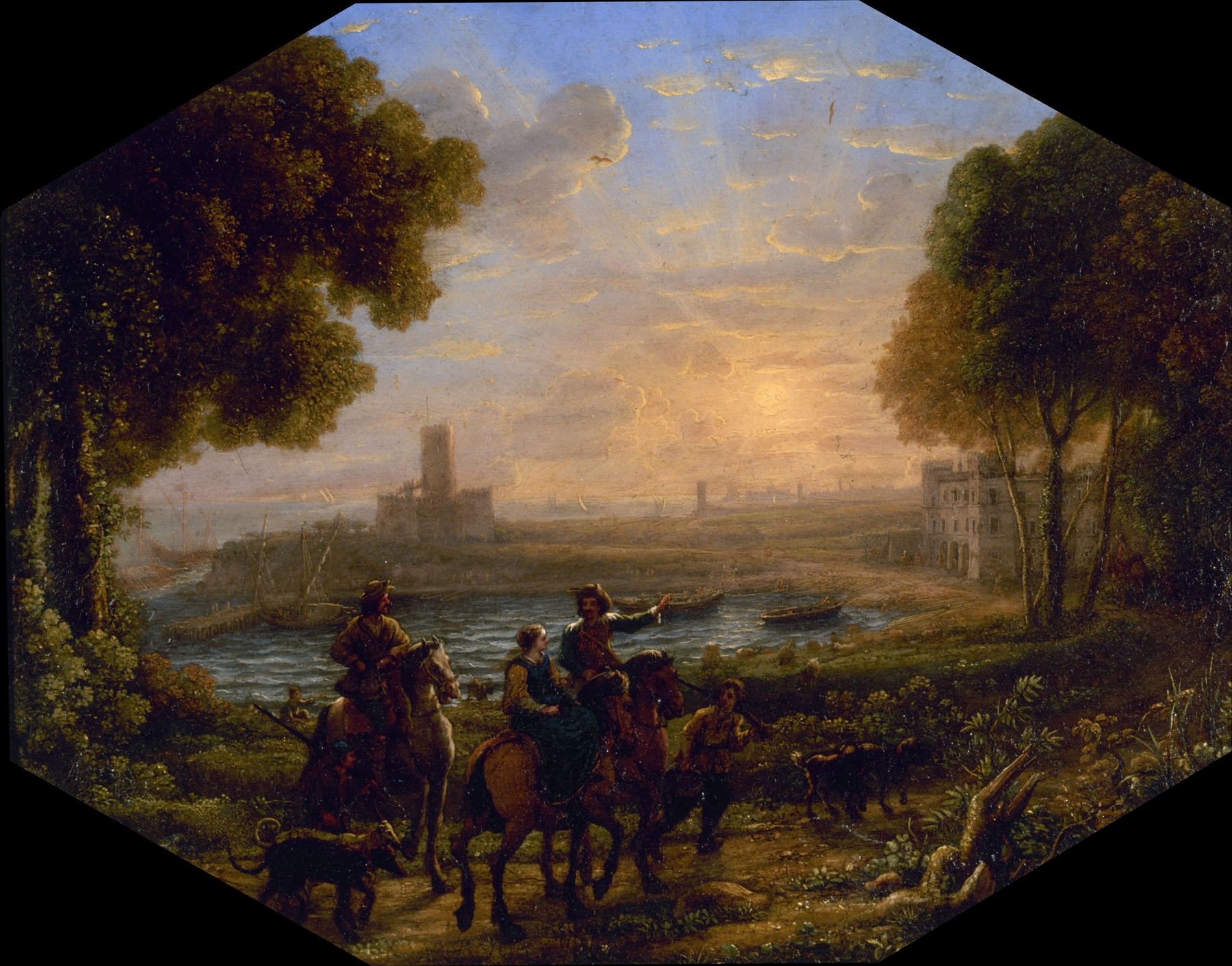
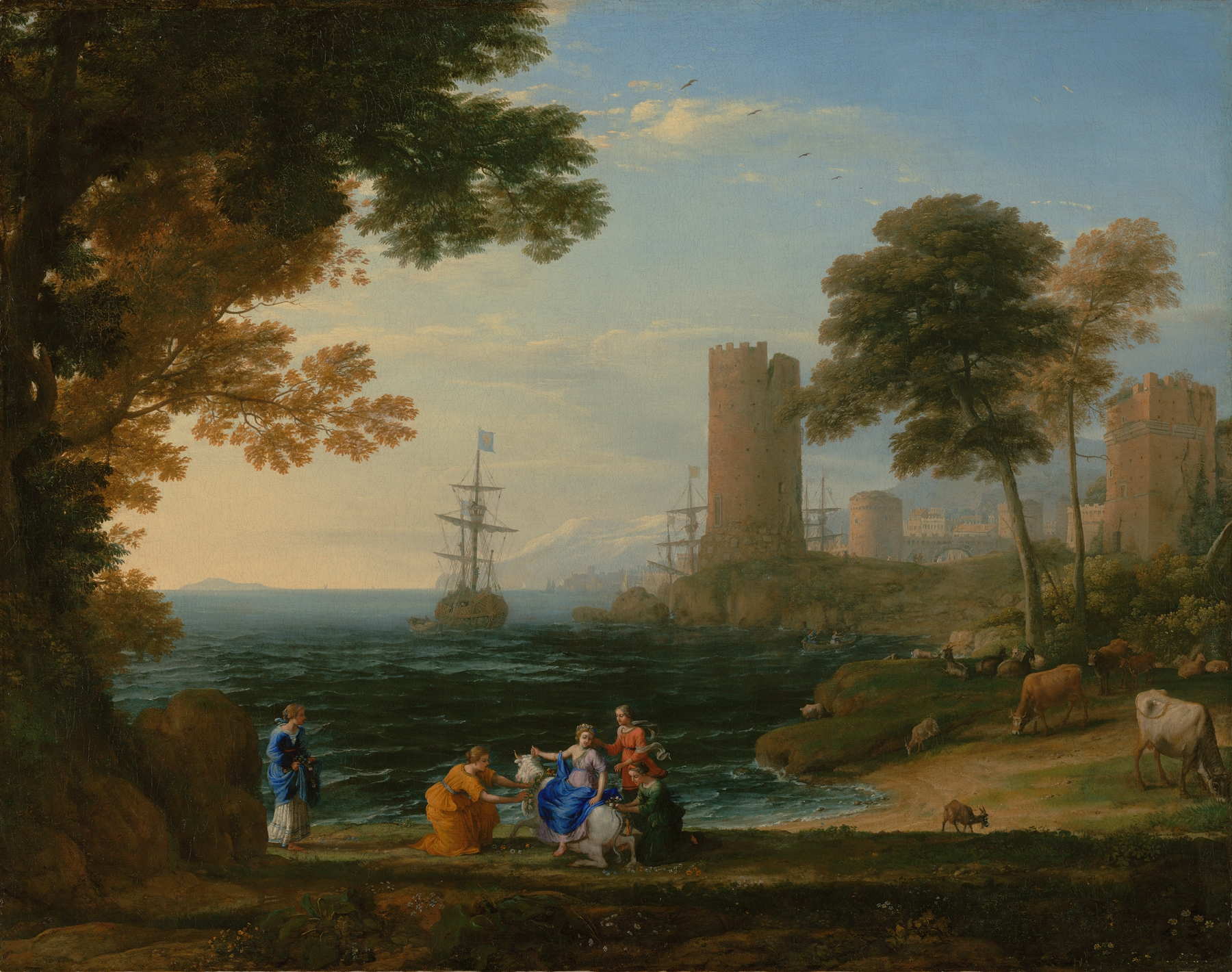
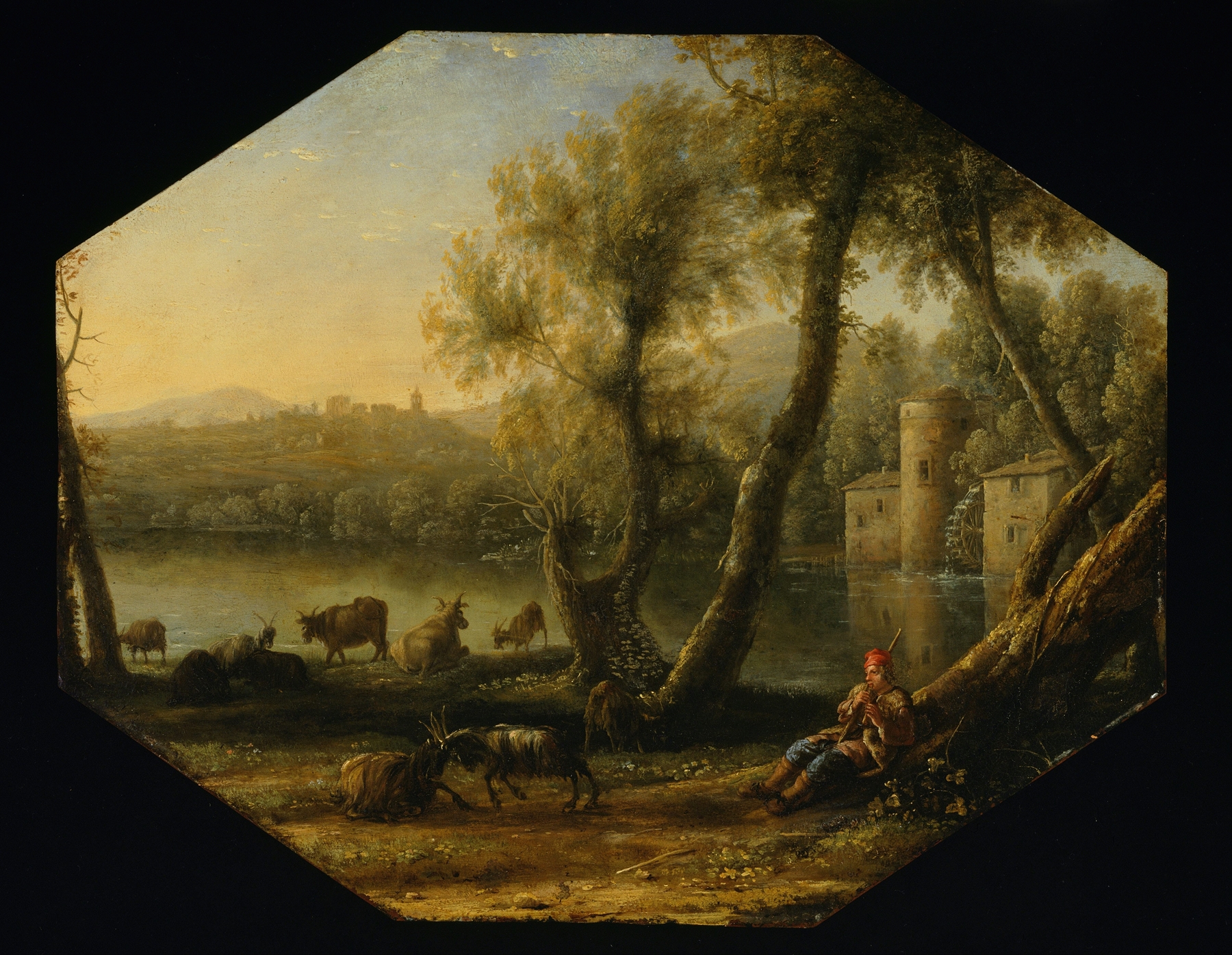
“Art reveals the soul when the world turns away.” In a time of upheaval, the brush transforms chaos into serenity, revealing truths often hidden beneath the surface. Focus on the soft, golden light that washes over the landscape, inviting the viewer into a harmonious blend of nature and mythology. The gaze is drawn first to the central figures of Aeneas and his companions as they engage in a moment of prayer, their gestures imbued with reverence. Surrounding them, lush greenery and delicate architecture rise majestically, while the expansive sky above teems with ethereal clouds painted in warm tones.
Lorrain’s masterful use of light and shadow not only enhances the scene's tranquility but also evokes a sense of divine presence, guiding the eye effortlessly across the canvas. Delve deeper into the contrasts within the painting: the sense of urgency in Aeneas's quest is tempered by the idyllic setting, reflecting the tension between earthly struggles and celestial guidance. Each figure is carefully positioned to convey a narrative filled with hope and devotion, while the glorious landscape serves as a backdrop to their spiritual journey. The interplay of light and dark is not merely aesthetic; it symbolizes the balance between despair and enlightenment, painting a richer, more resonant context that engages the viewer's emotions.
In the years 1670 to 1672, Lorrain was at the height of his artistic prowess, residing in Rome where the Baroque movement flourished. During this period, Europe was in the throes of political and social revolution, yet his art remained a refuge, reflecting a yearning for beauty and peace. As he painted Aeneas op Delos, he offered a sanctuary not only for himself but for an audience seeking solace amidst the tumult of their times.