Paysage avec le port de Santa Marinella — History & Analysis
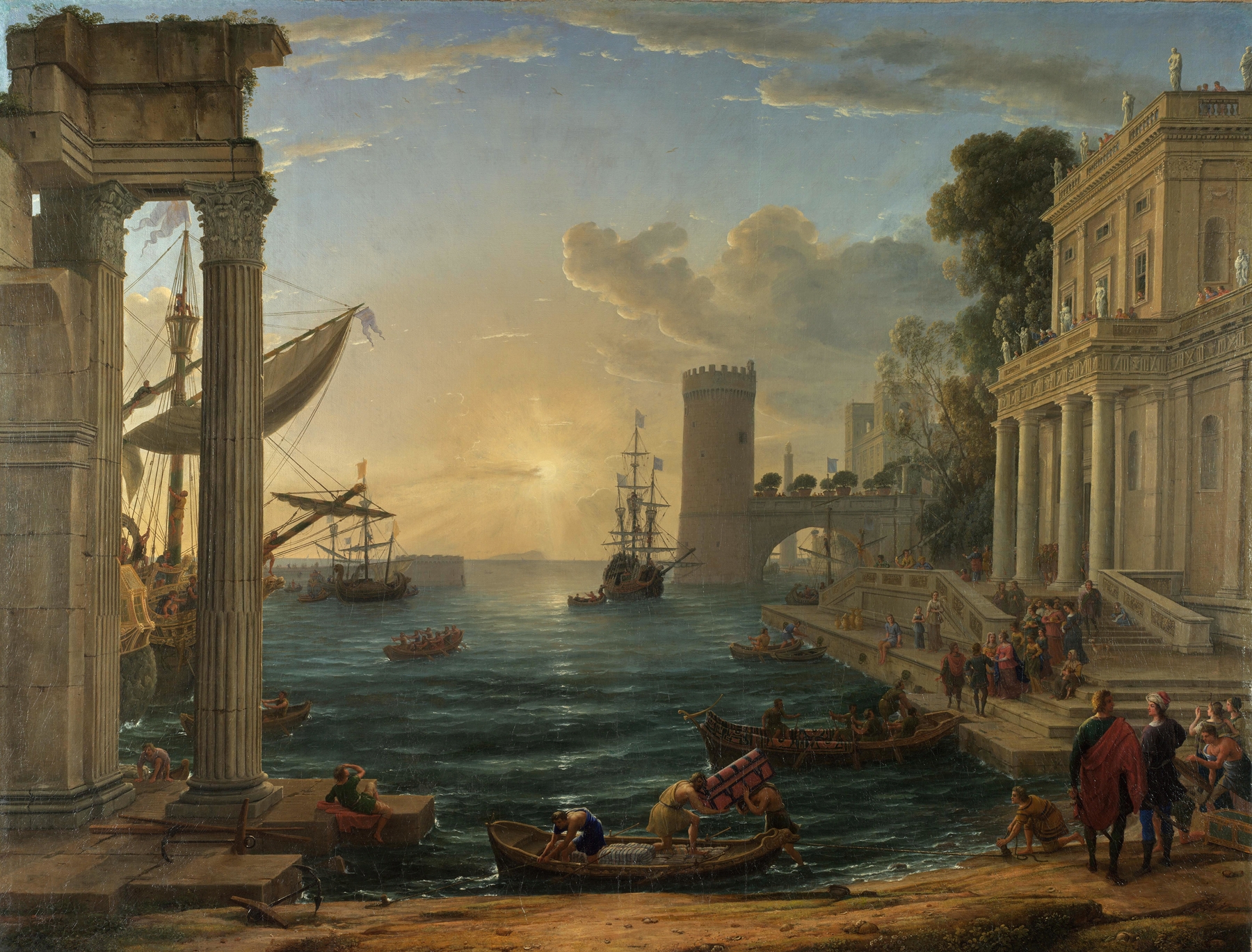
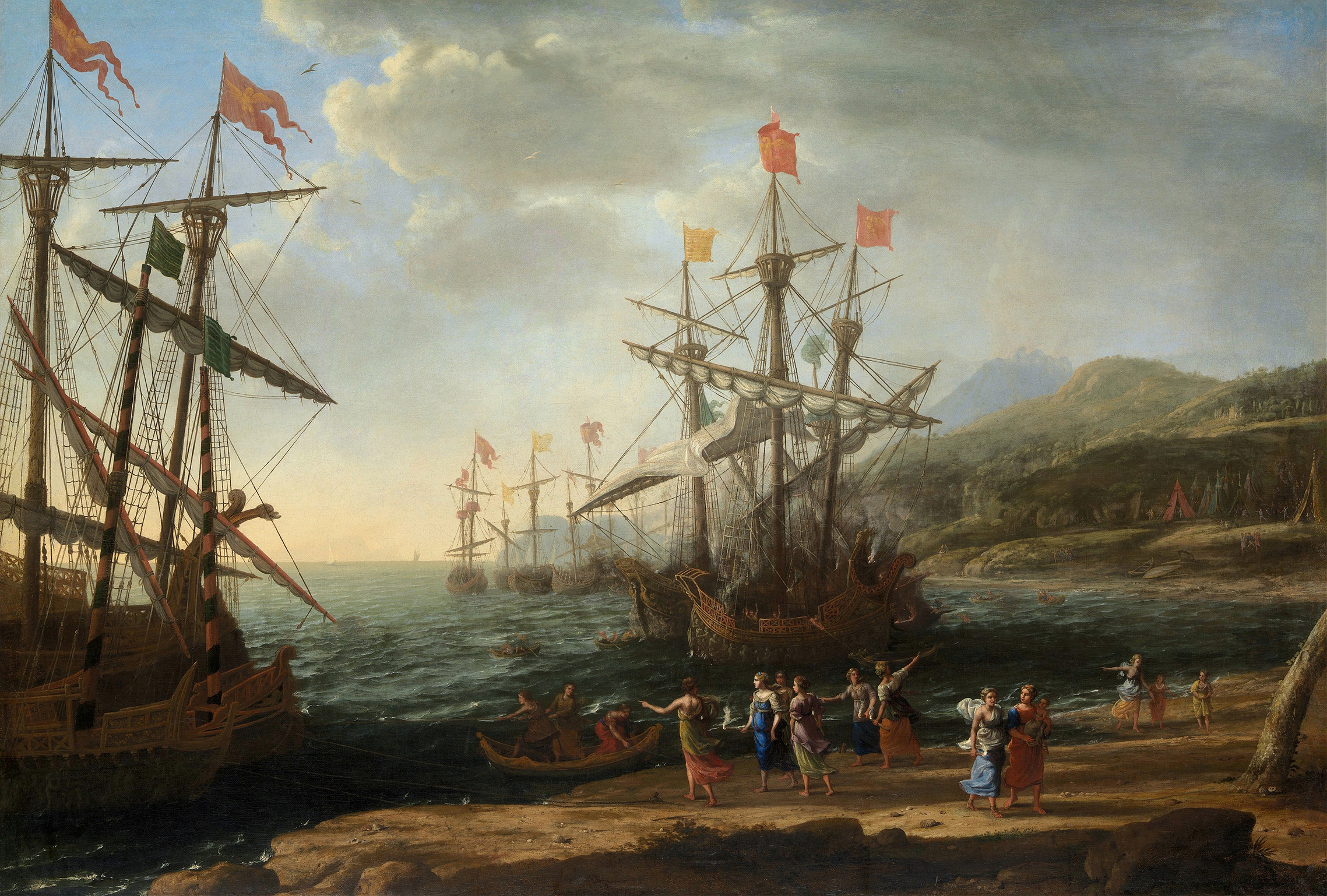
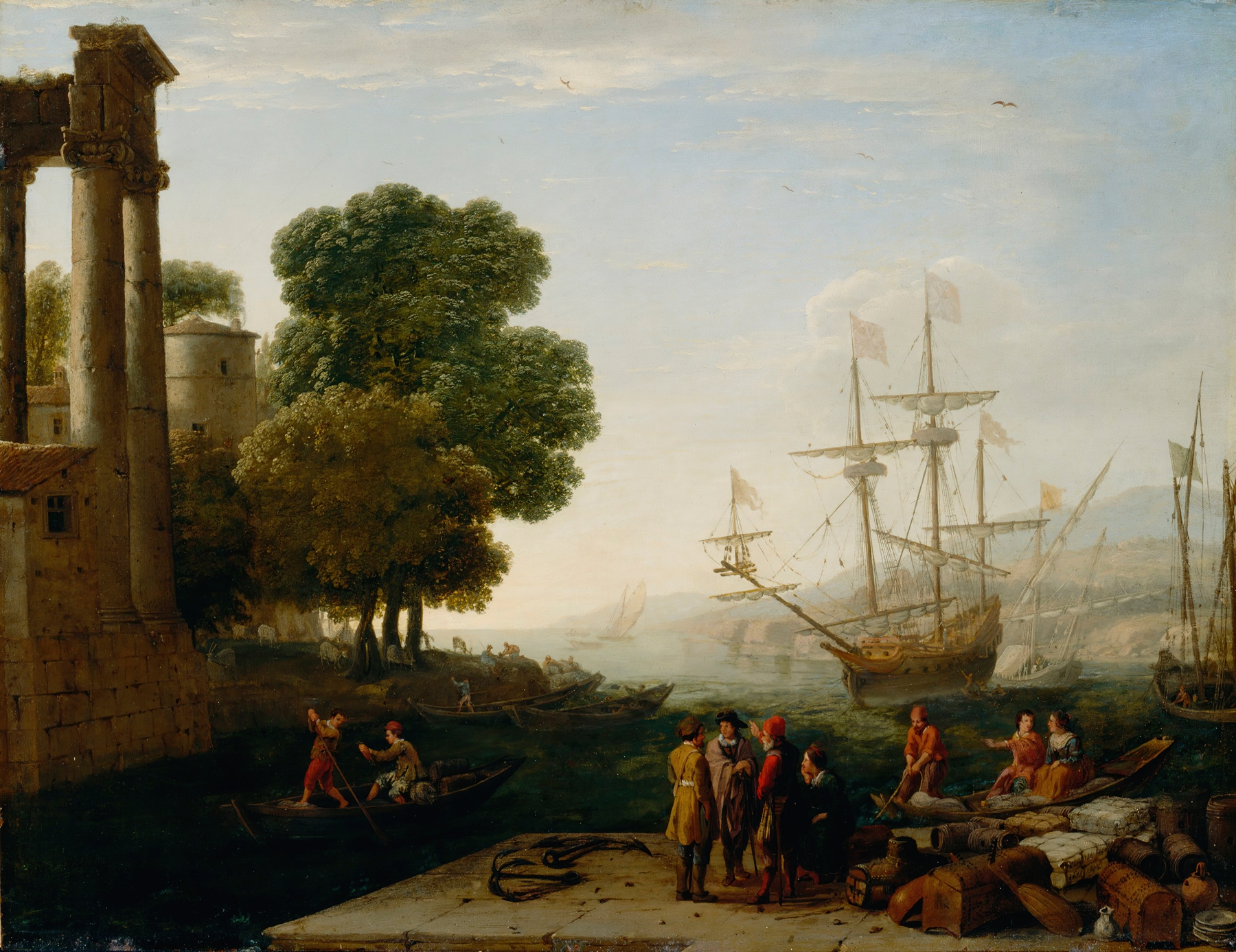
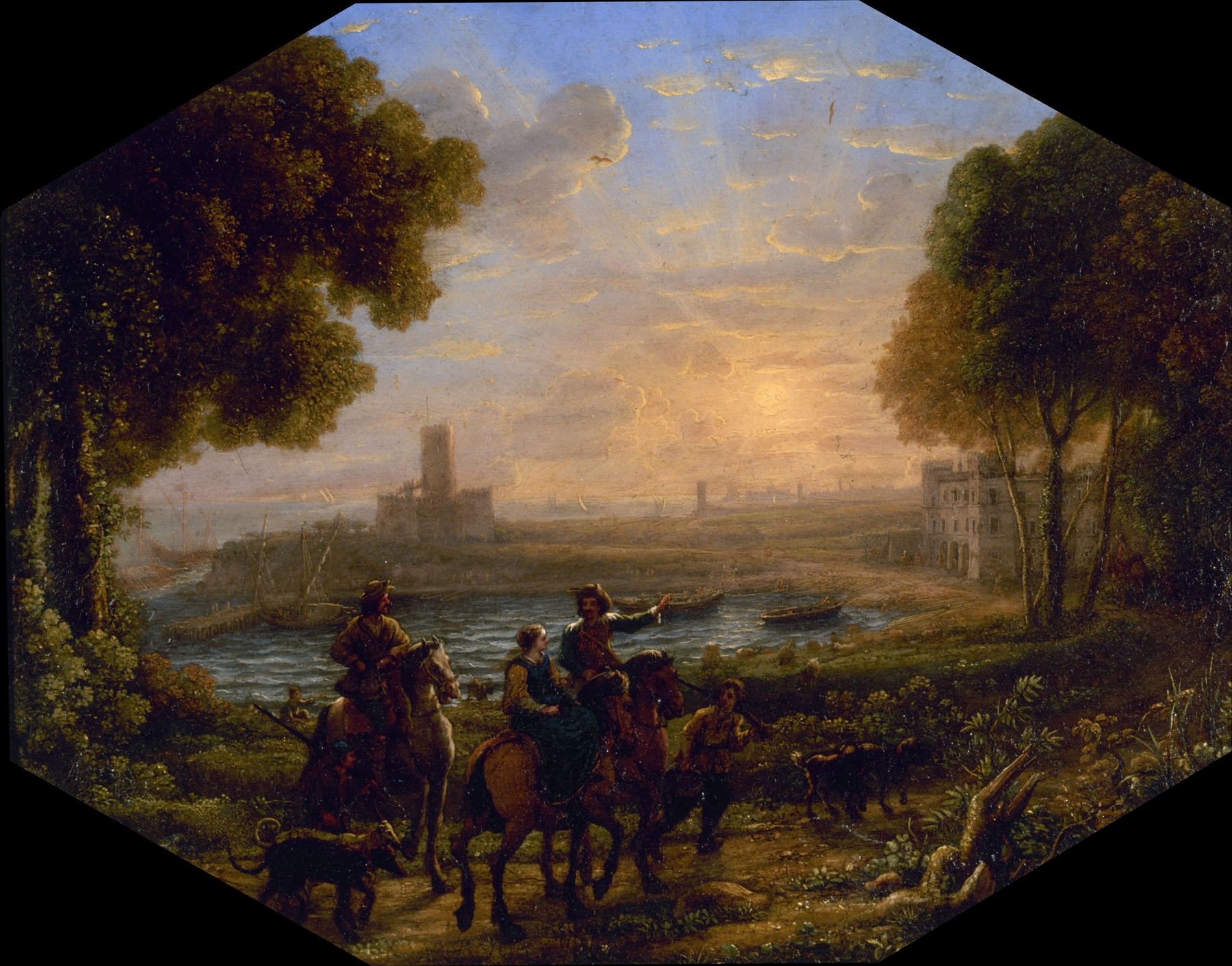
Can beauty exist without sorrow? In a world where light dances over tranquil waters, hidden beneath the surface lies the weight of violence and turmoil. Look to the horizon where soft hues of gold and azure blend seamlessly, drawing you into the warmth of dawn. The port of Santa Marinella unfolds, framed by lush greenery that cradles the scene, inviting you to linger. Notice how the gentle ripples of the water reflect the fading shadows of daybreak, each brushstroke a whisper of serenity contrasting with the chaos of life beyond the canvas.
The interplay of light and shadow breathes life into the painting, making it feel like a fragile moment suspended in time. Yet, beneath this idyllic façade, an unsettling tension emerges. The distant figures, engaged in daily labor, suggest an unspoken struggle; they are at the mercy of nature's whims. The idyllic beauty of the landscape may hint at peace, but the stillness of the water belies an underlying threat.
The very tranquility that captivates the viewer also serves as a reminder of the violence lurking in the world, making us confront the duality of existence. In 1639, Claude Lorrain painted this work during a period of personal growth and artistic recognition in Rome. Influenced by the classical tradition and seeking to harmonize nature with human activity, he sought to capture the sublime beauty of landscapes. Lorrain's work resonated with the Baroque movement's emphasis on emotional depth, reflecting both the beauty of the natural world and the complexities of human life.