Pastoral landscape — History & Analysis
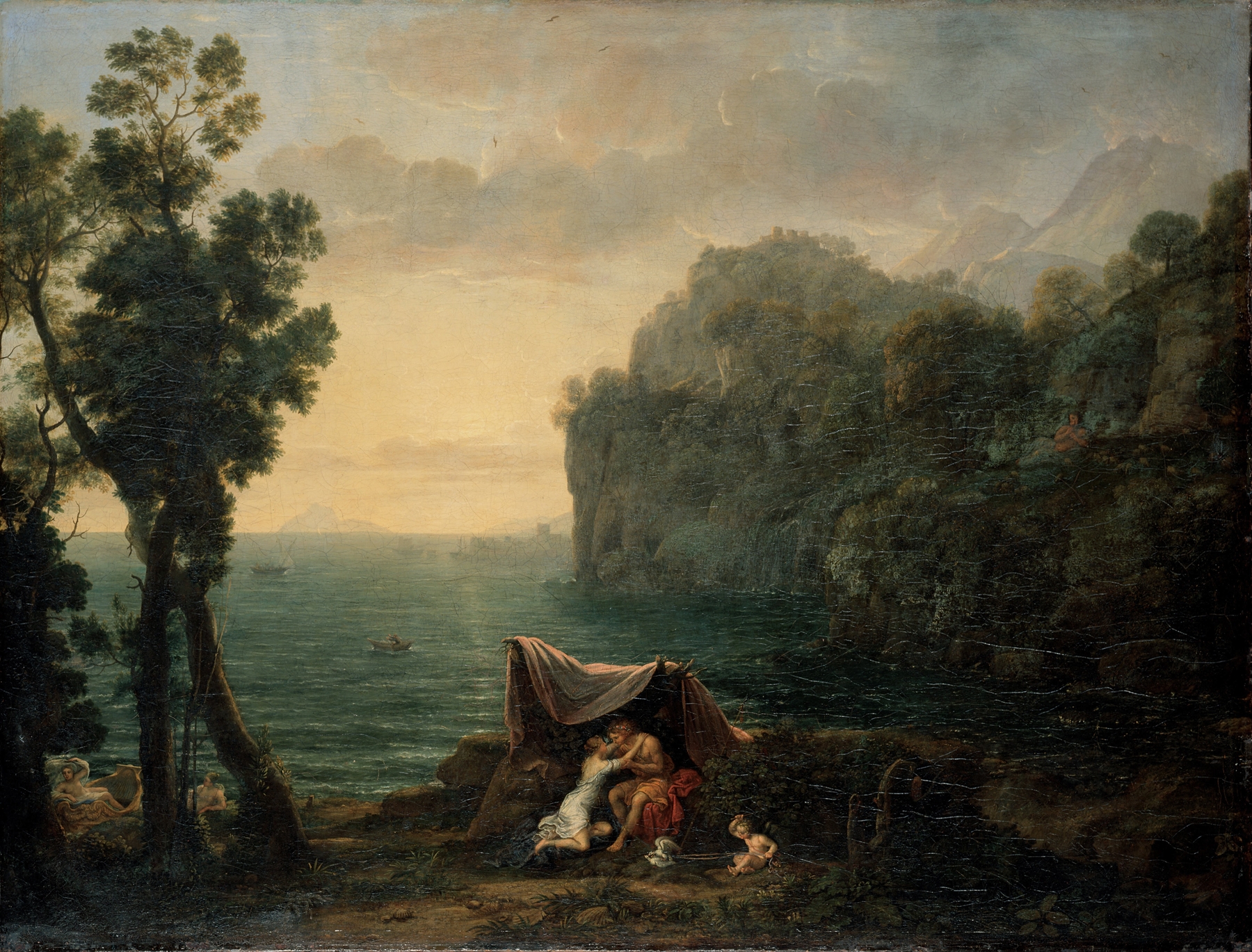
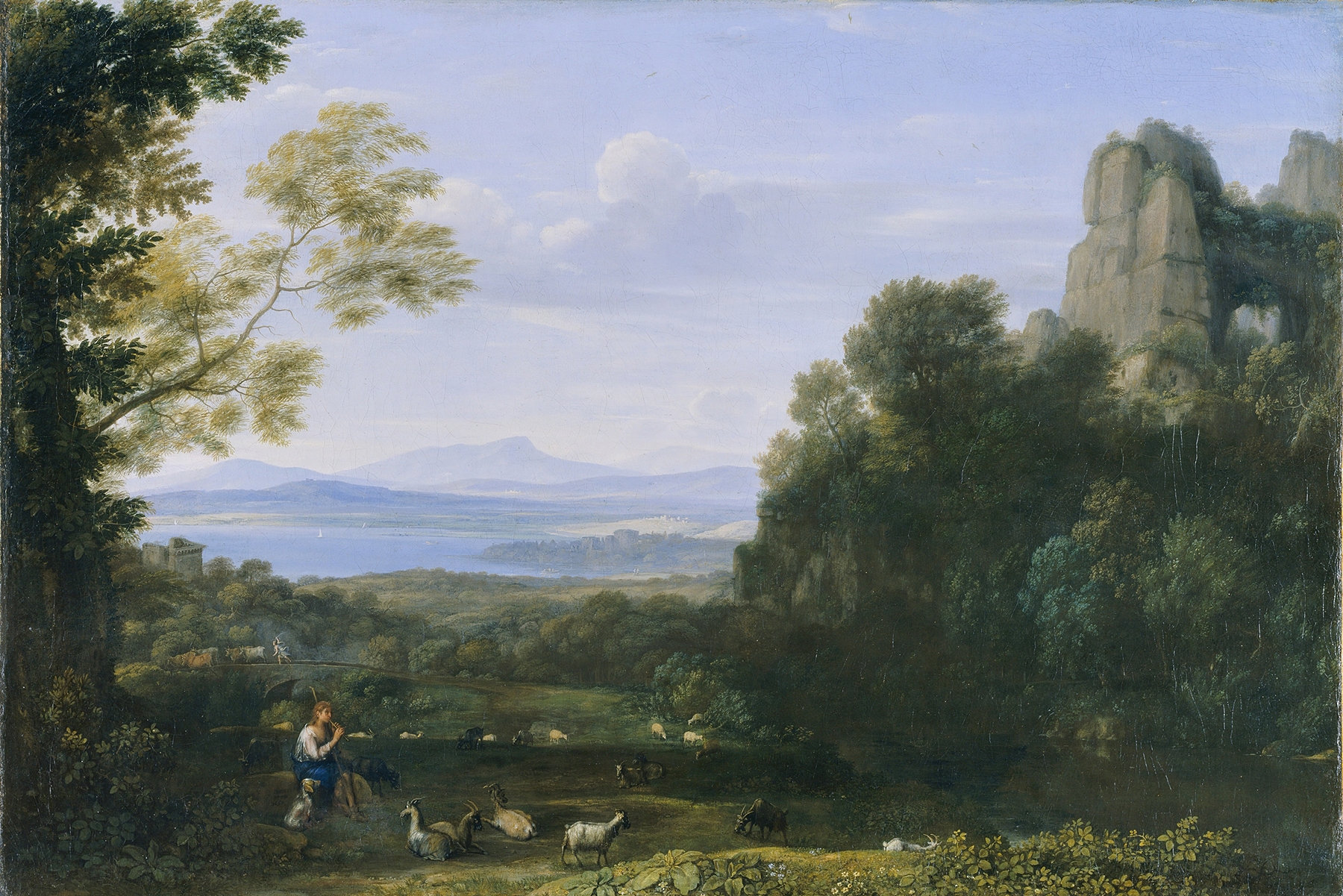
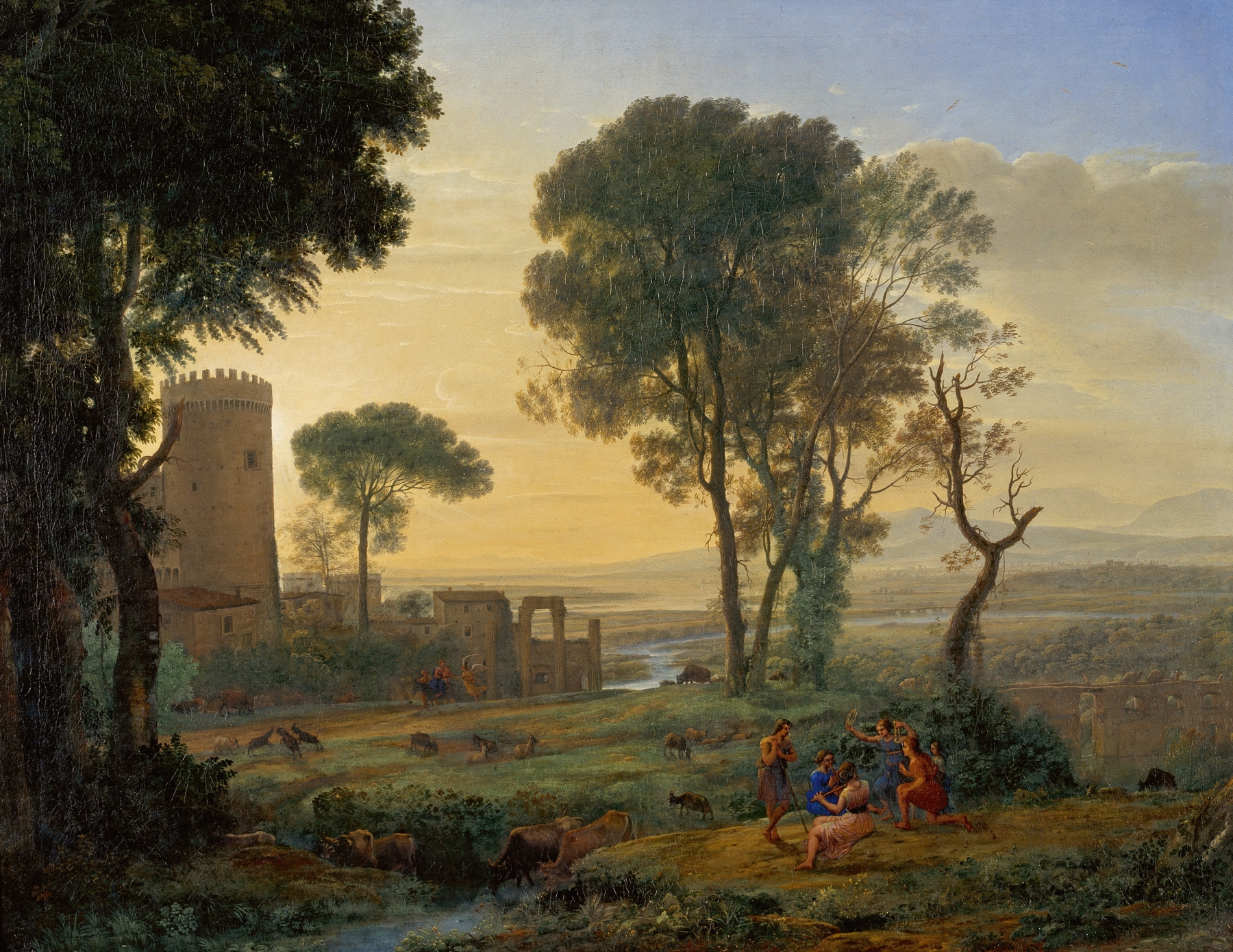
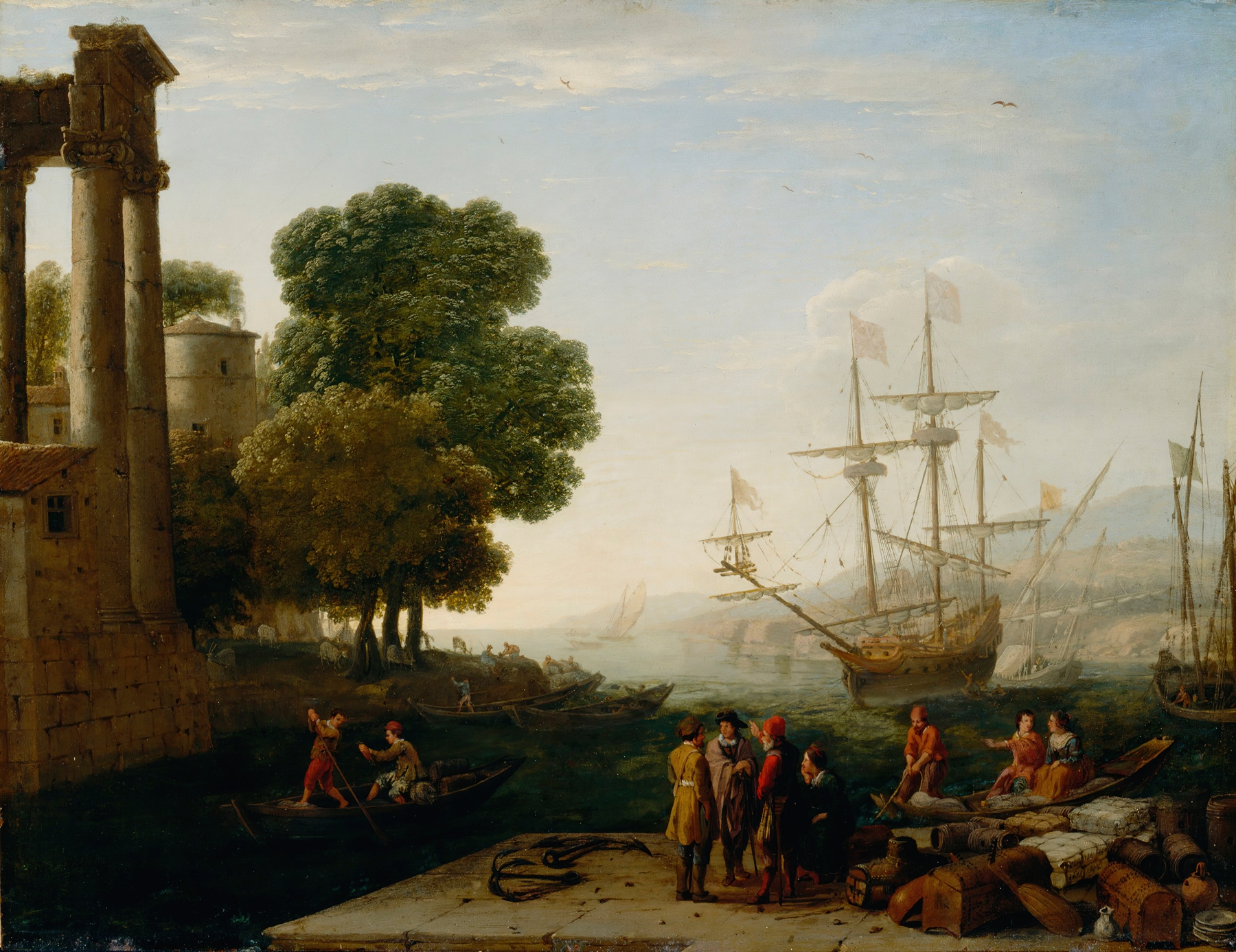
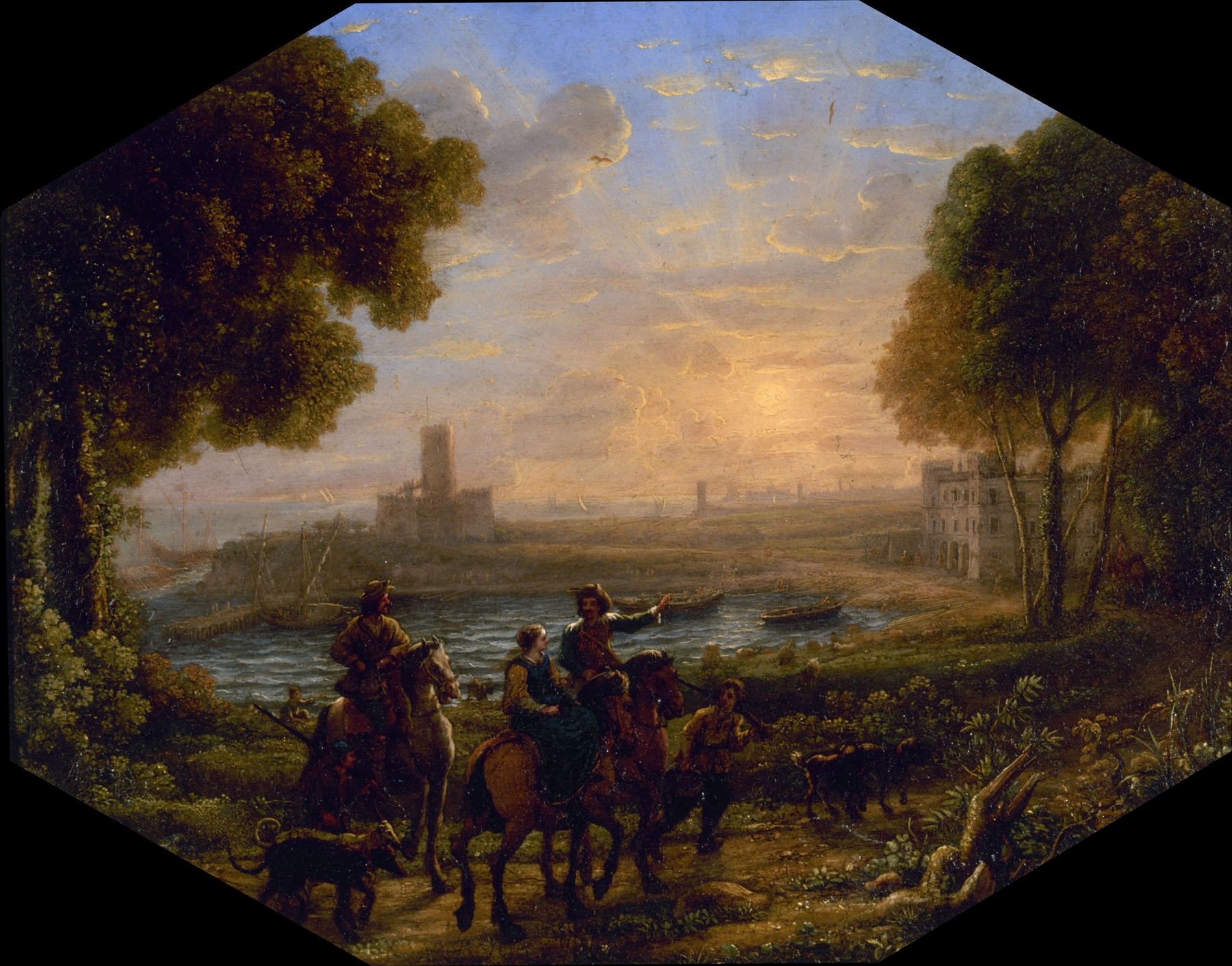
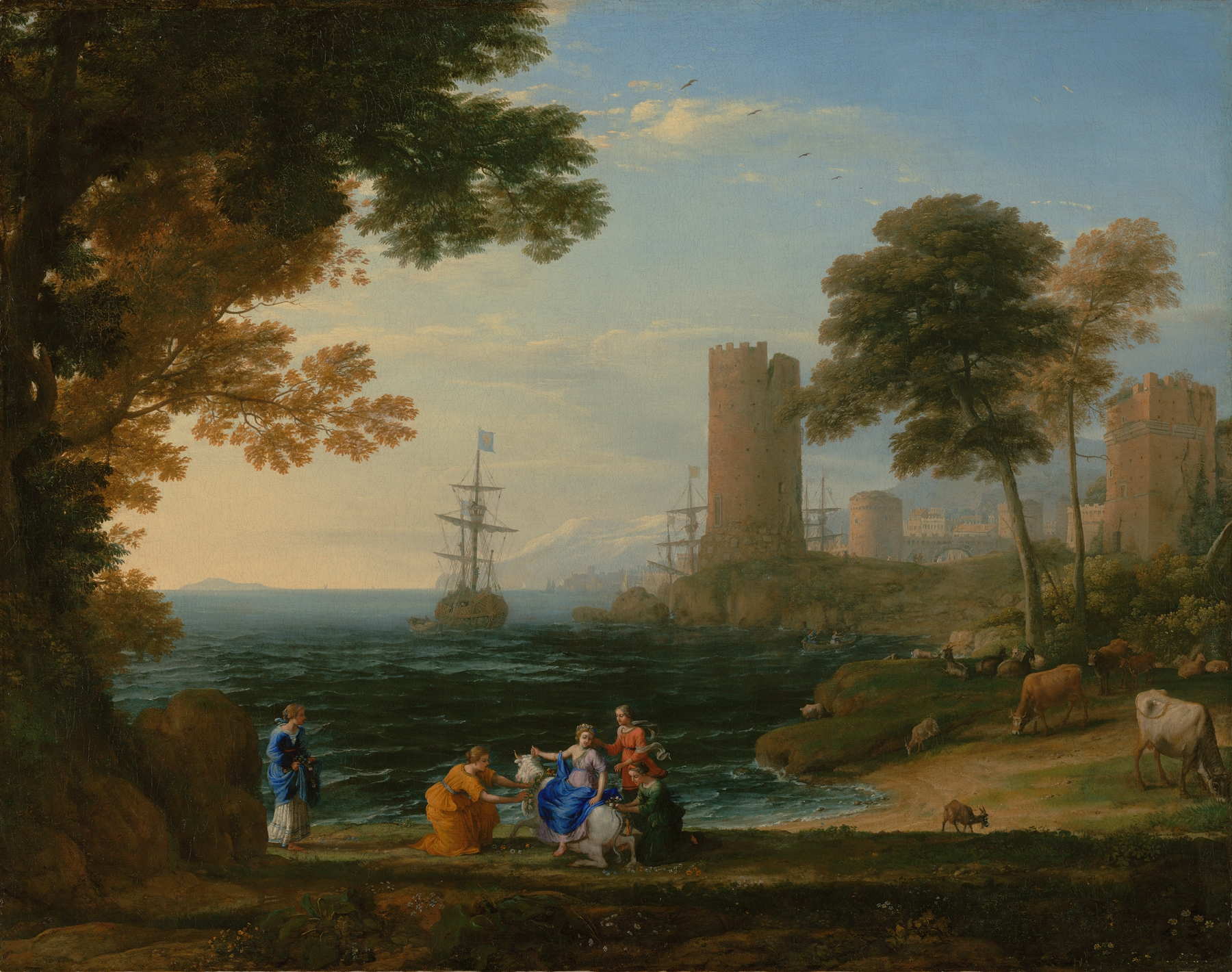
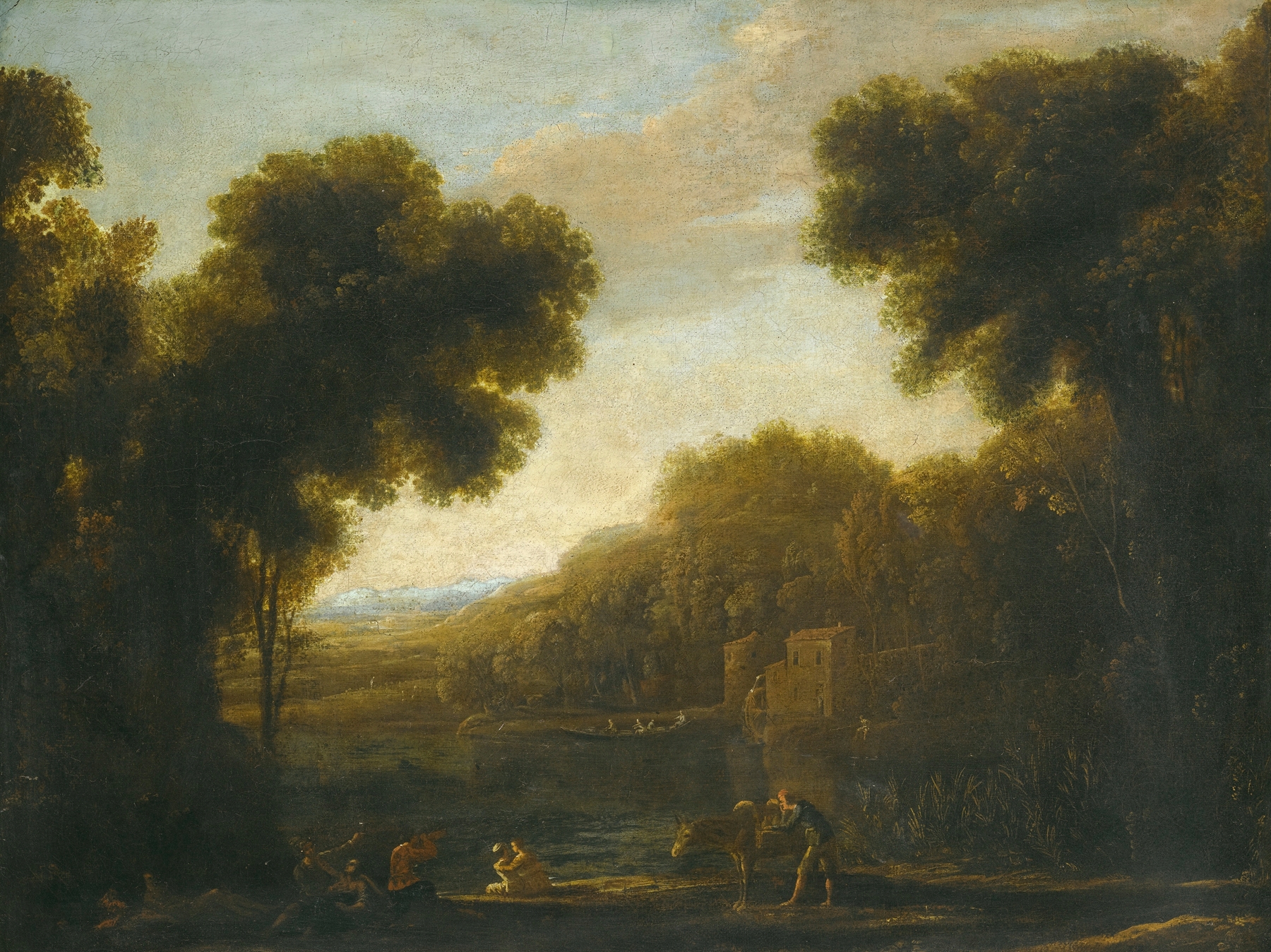
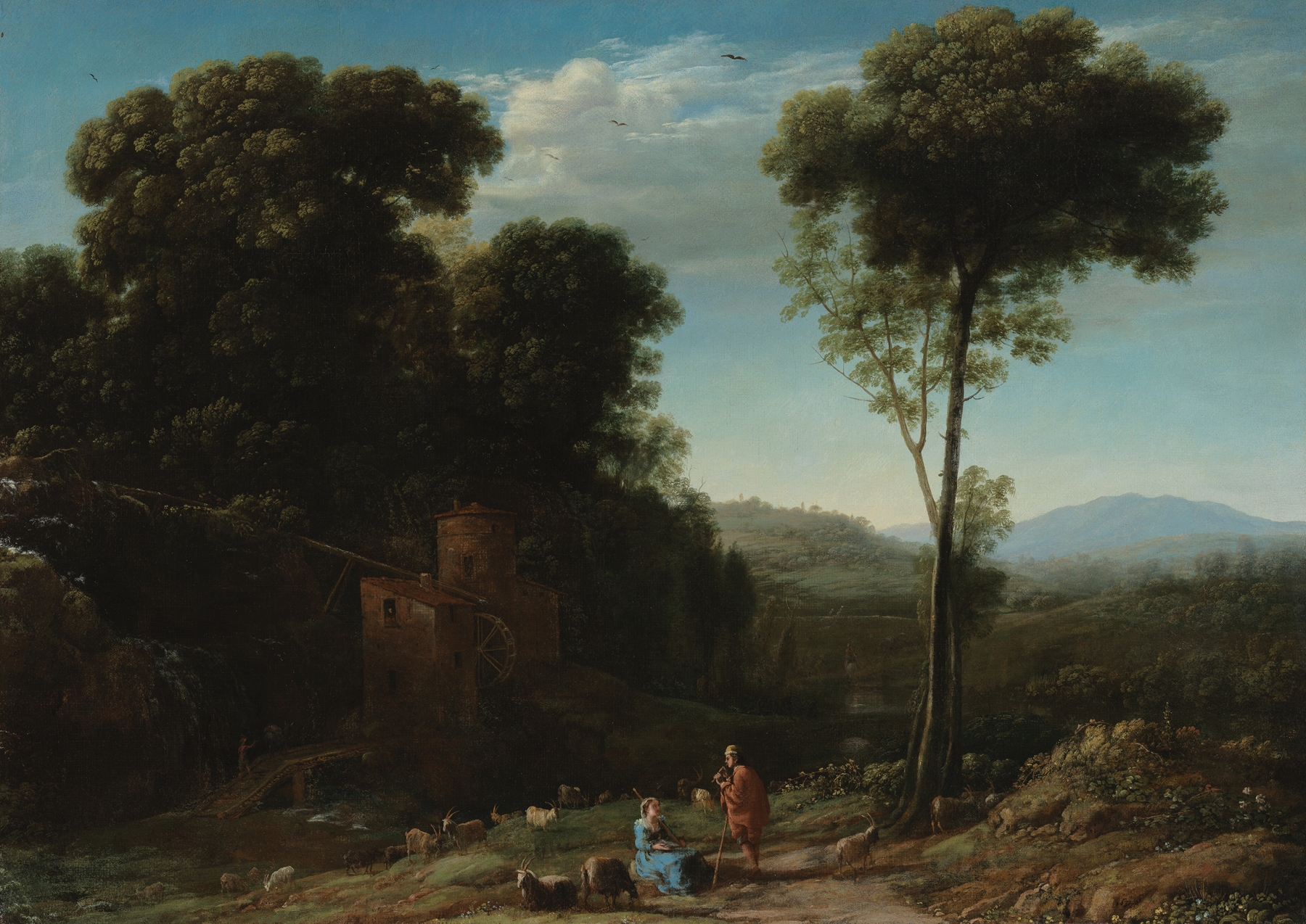
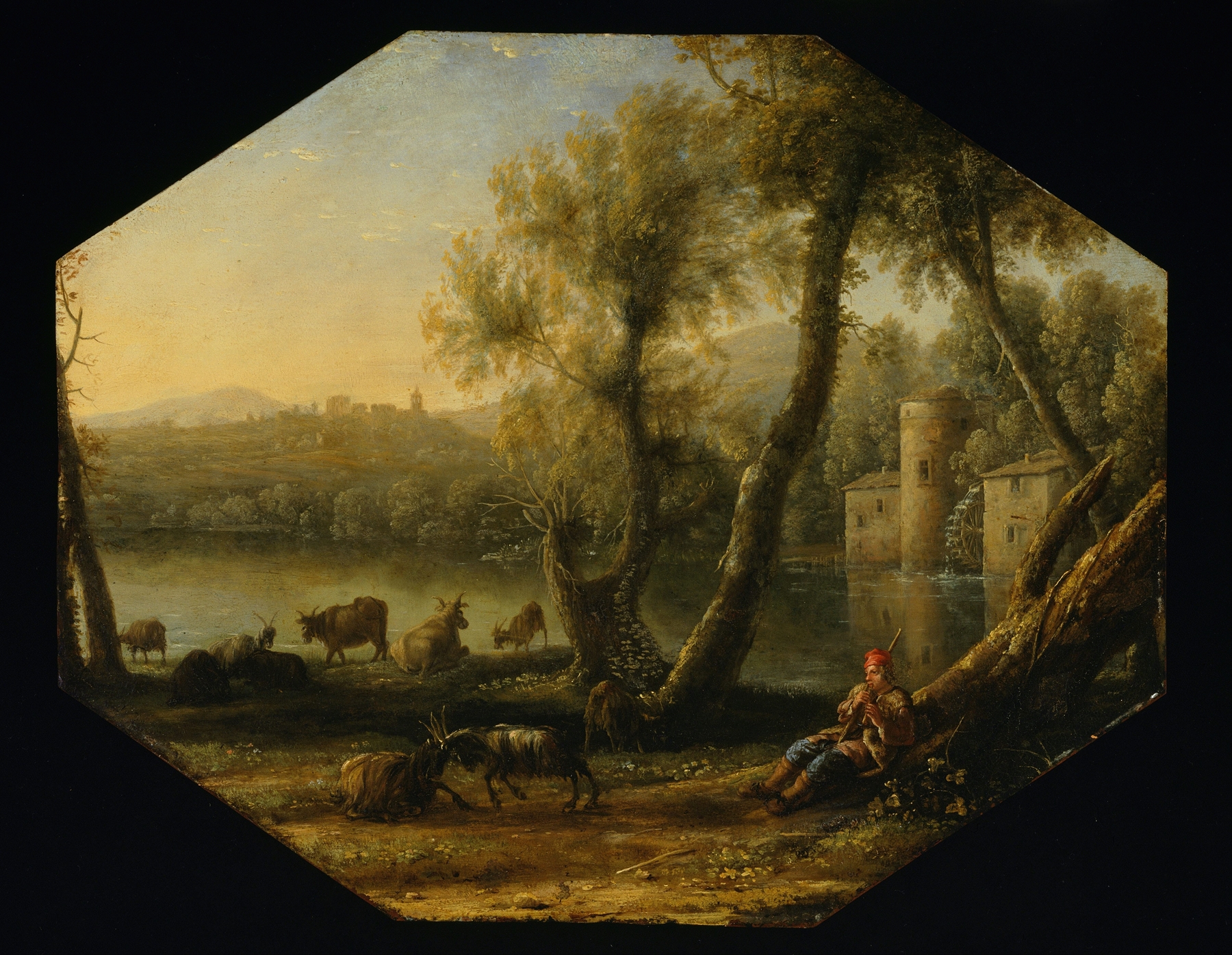
What secret hides in the quiet of the canvas? In Pastoral Landscape, a serene yet unsettling atmosphere envelops the viewer, where tranquility mingles with an unspoken dread. Focus on the horizon where soft, golden light spills over the rolling hills, illuminating the gentle curves of nature. Look closely at the figures in the foreground, this small group of shepherds and their flocks are caught in a moment of stillness, yet their postures hint at an underlying tension, as if they sense an unseen threat lurking beyond the trees.
The lush greens and earthy browns blend harmoniously, but the brooding skies overhead suggest an impending storm, imbuing the peaceful scene with an air of foreboding. In this exquisite work, contrasts emerge—the beauty of nature juxtaposed with the fragility of existence. The idyllic surroundings are tinged with an unease that reflects the fears of humanity in the face of overwhelming forces. The meticulous detailing of the foliage and the luminous water contrast sharply with the darker tones creeping in from the edges, symbolizing the balance between hope and despair that defines the human experience.
Created between 1636 and 1637, this piece emerged during a pivotal time in the artist's life. Lorrain was establishing his reputation in Rome, amidst a burgeoning appreciation for landscape art, yet the evolving tensions in Europe hinted at the turbulent times to come. His mastery of light and composition not only showcased his talent but also allowed him to capture the complex emotions threading through the serene façade of nature.