Alfred Döblin — History & Analysis
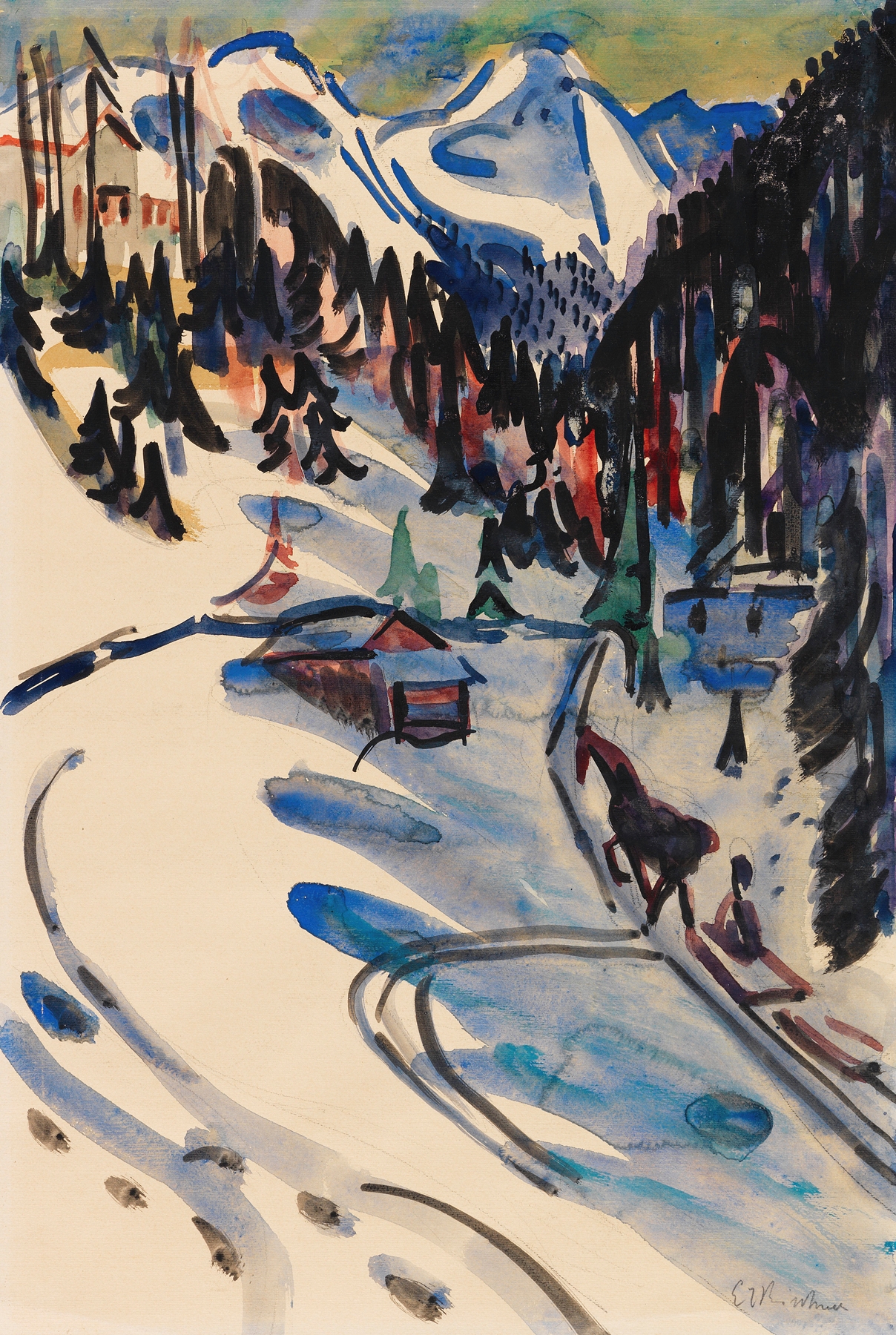
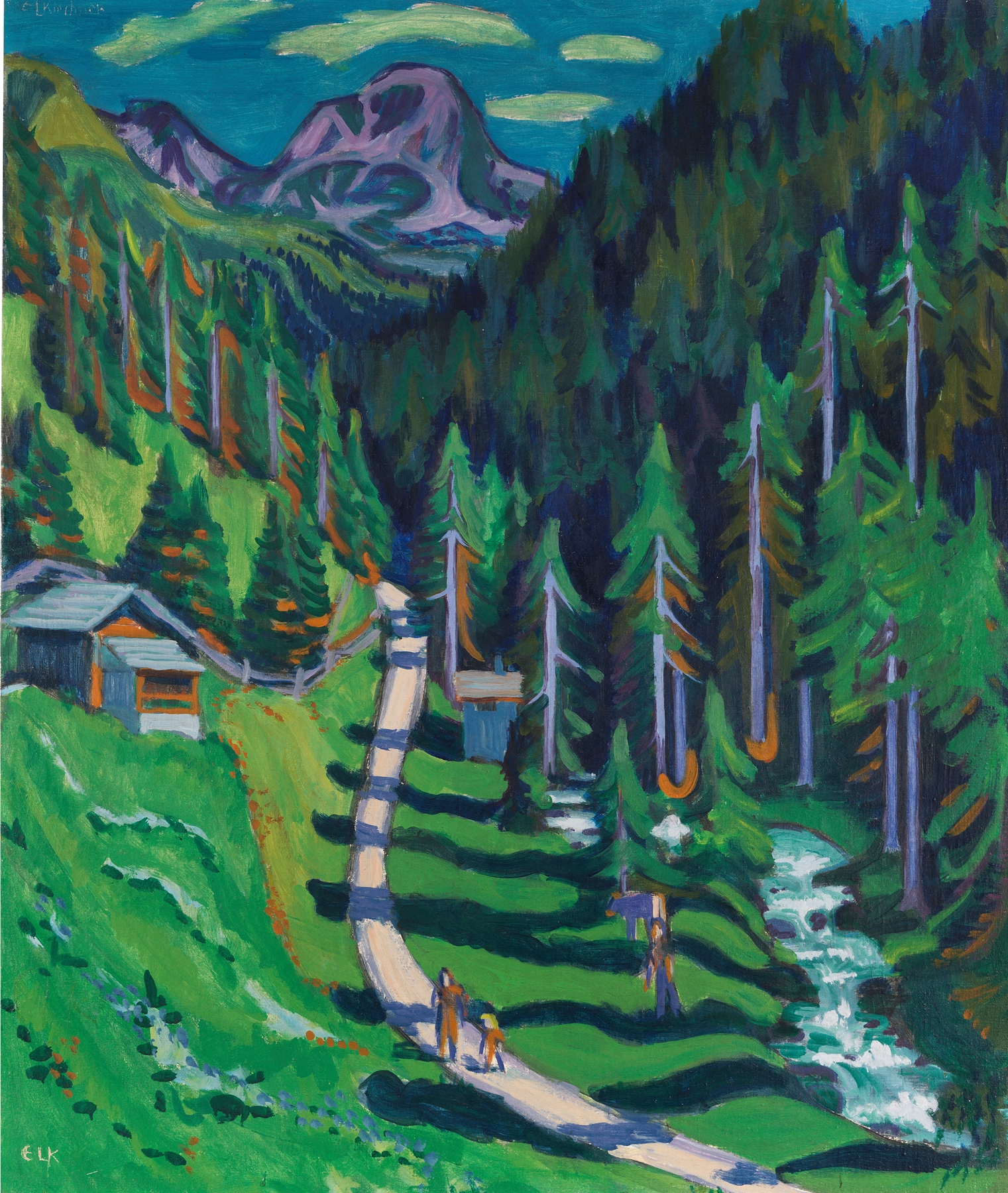
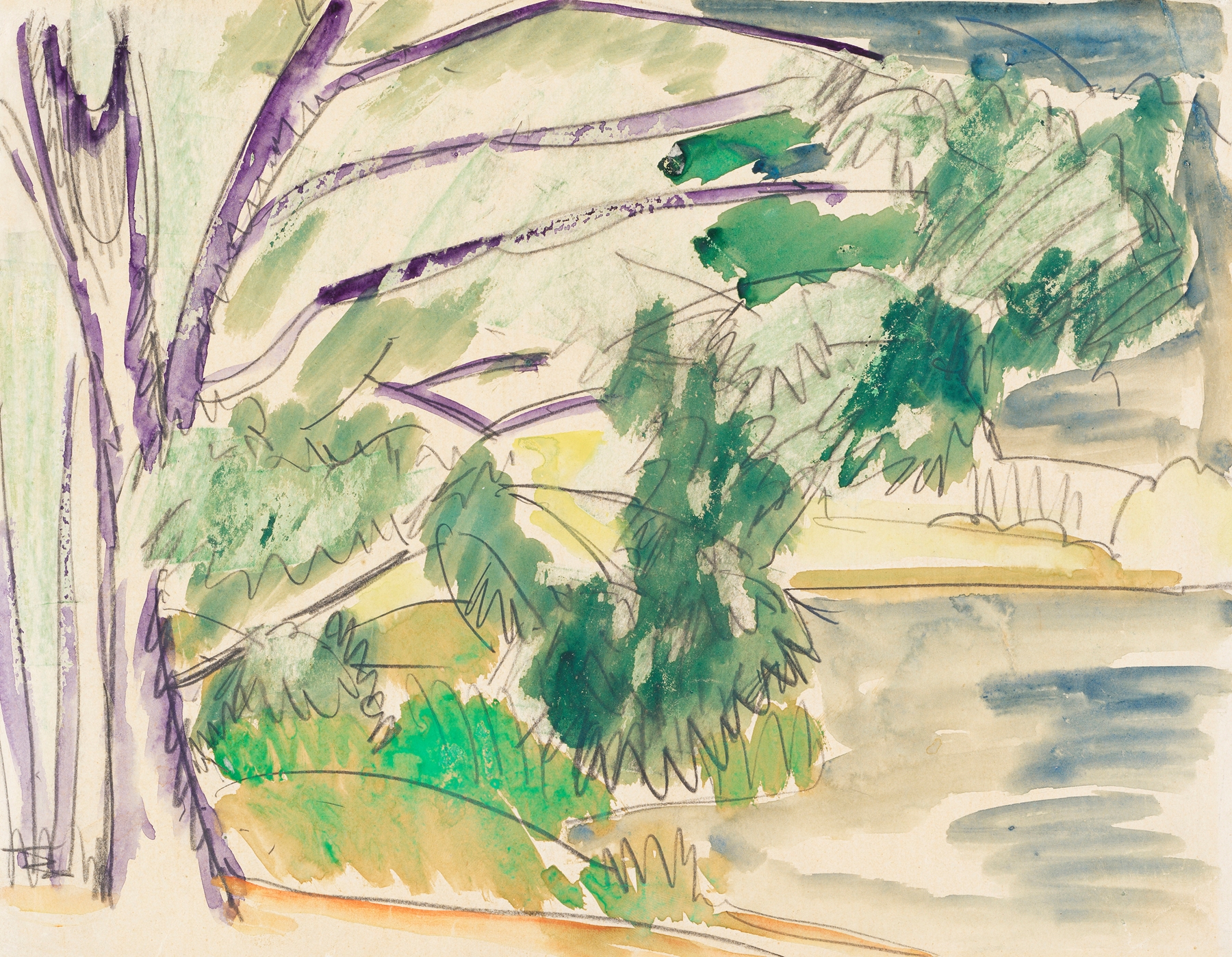
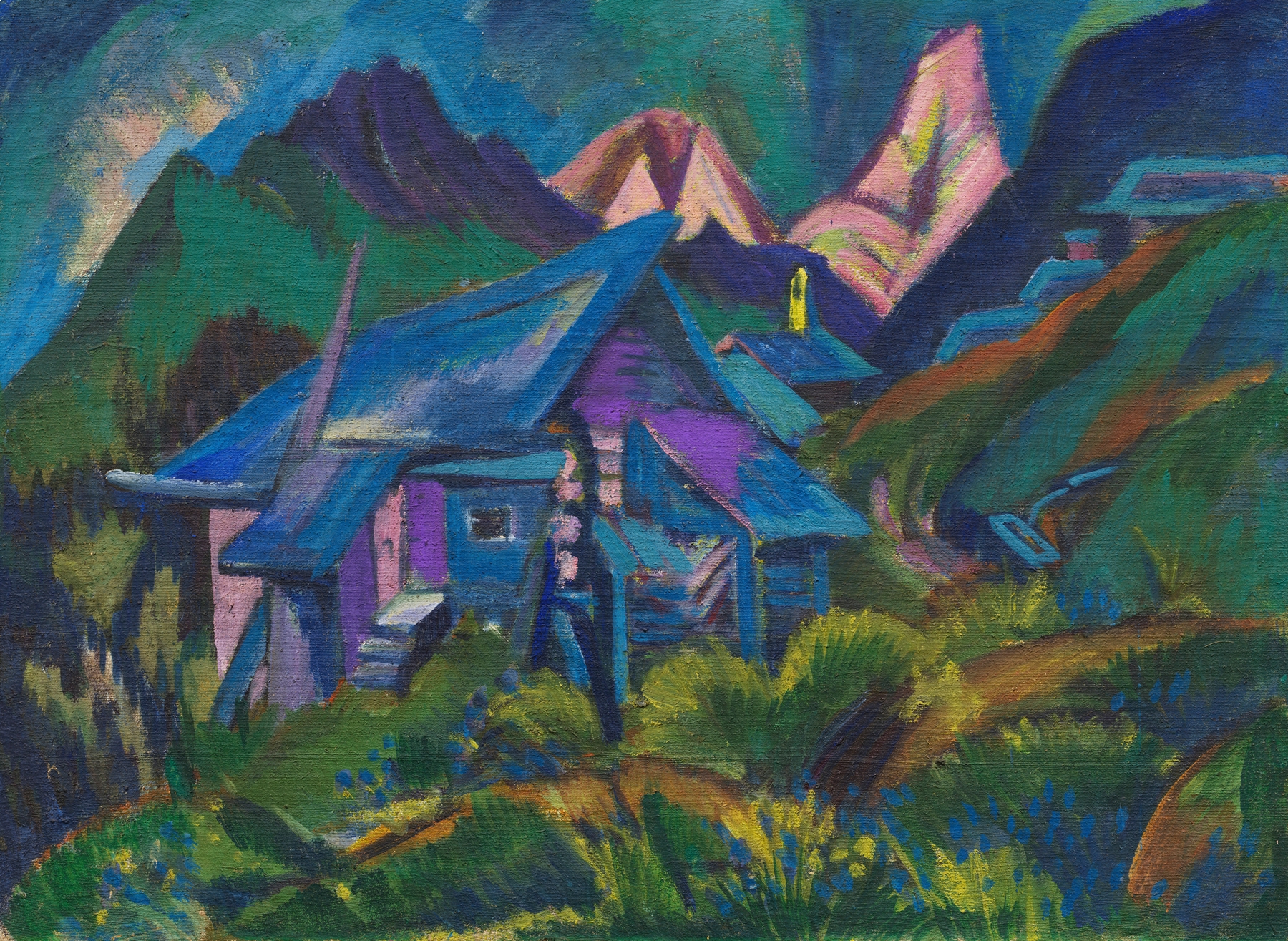
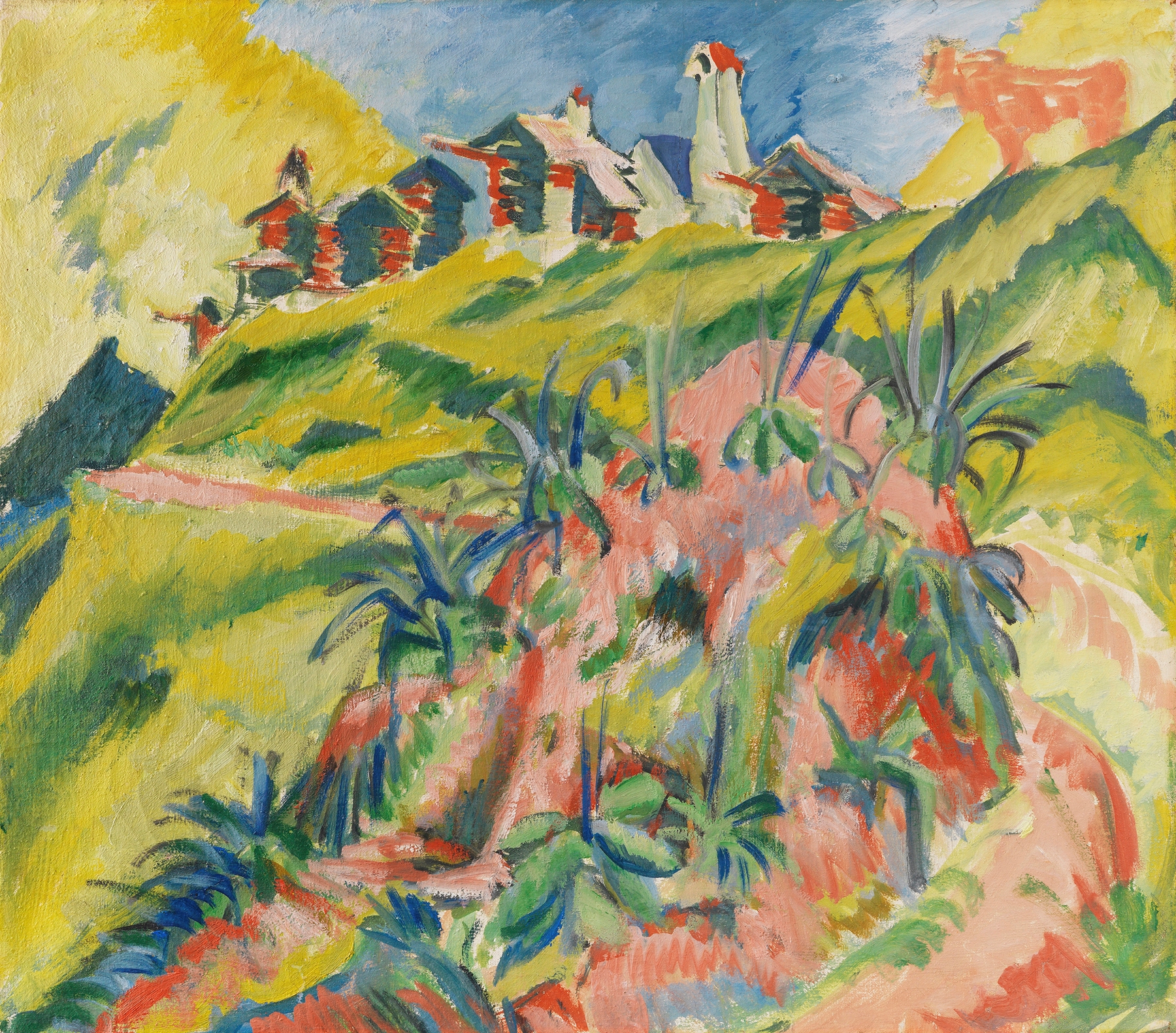
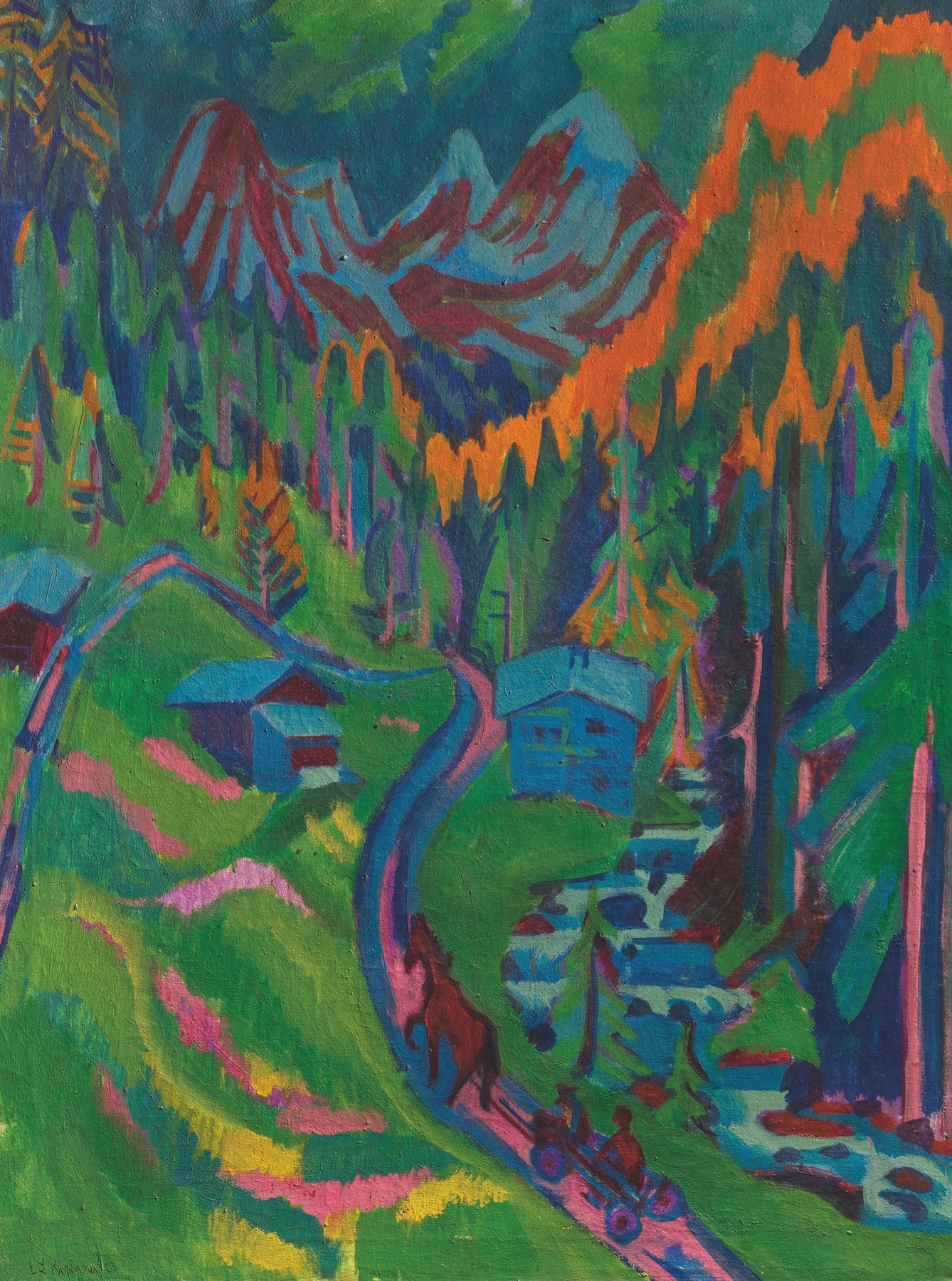
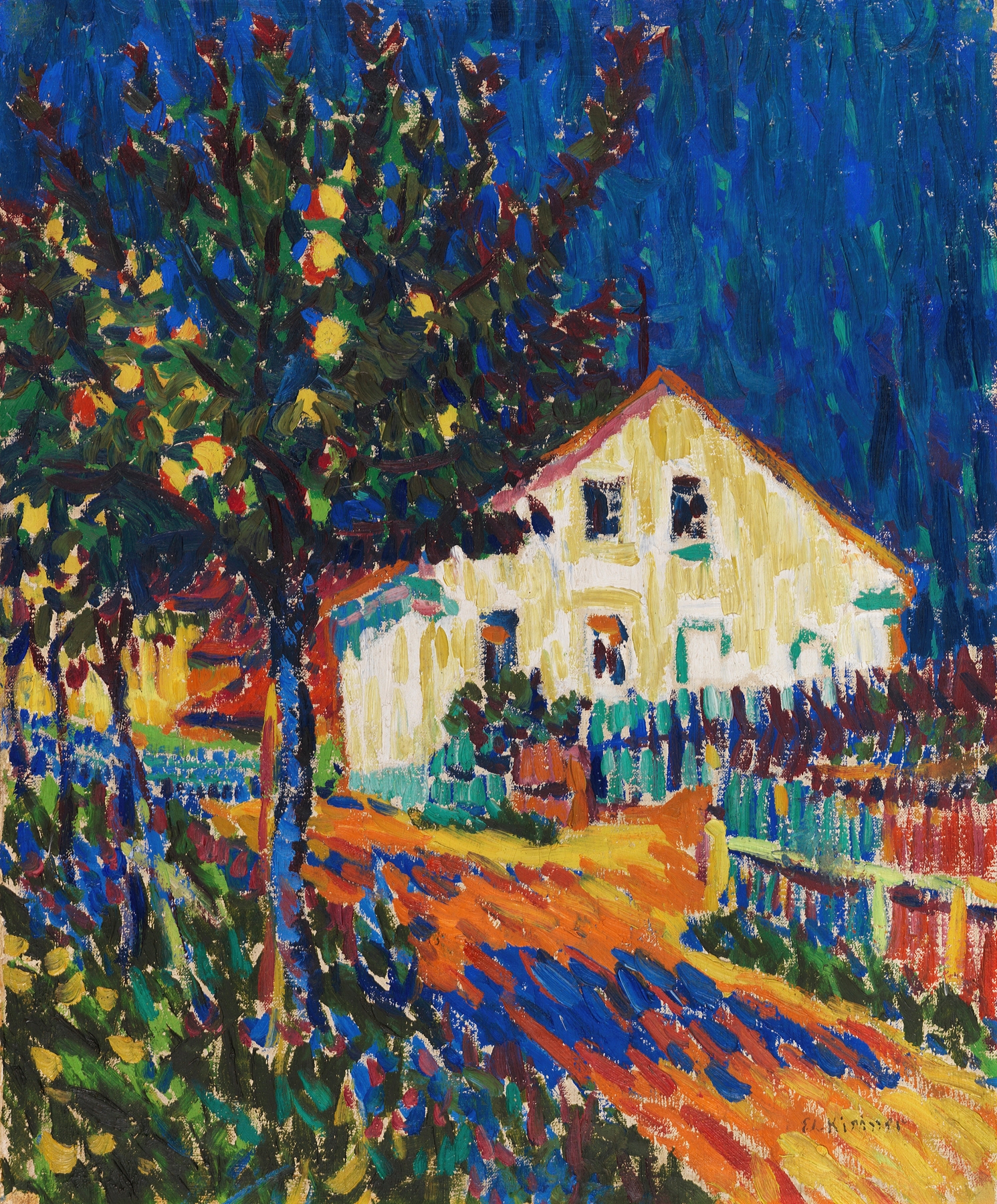
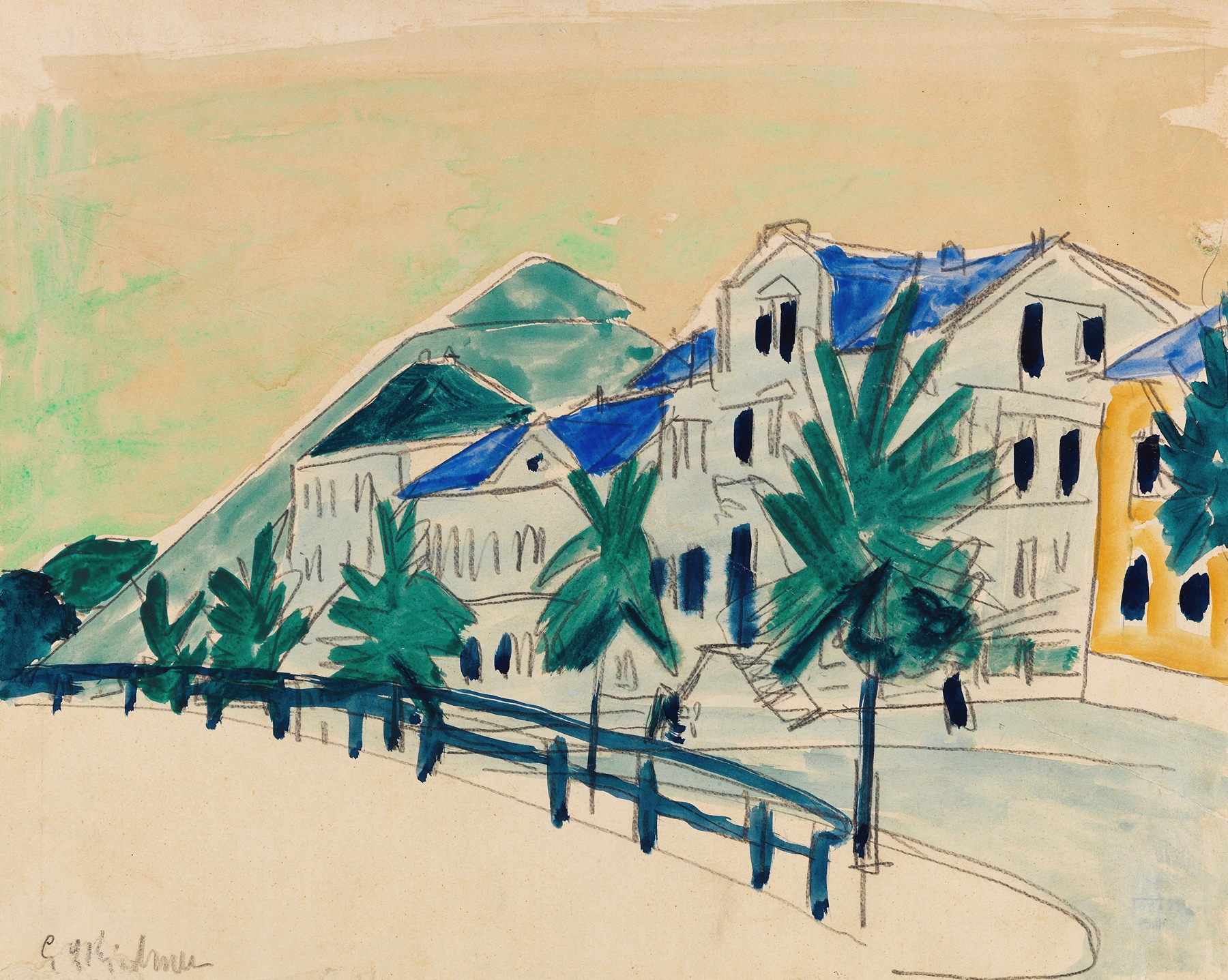
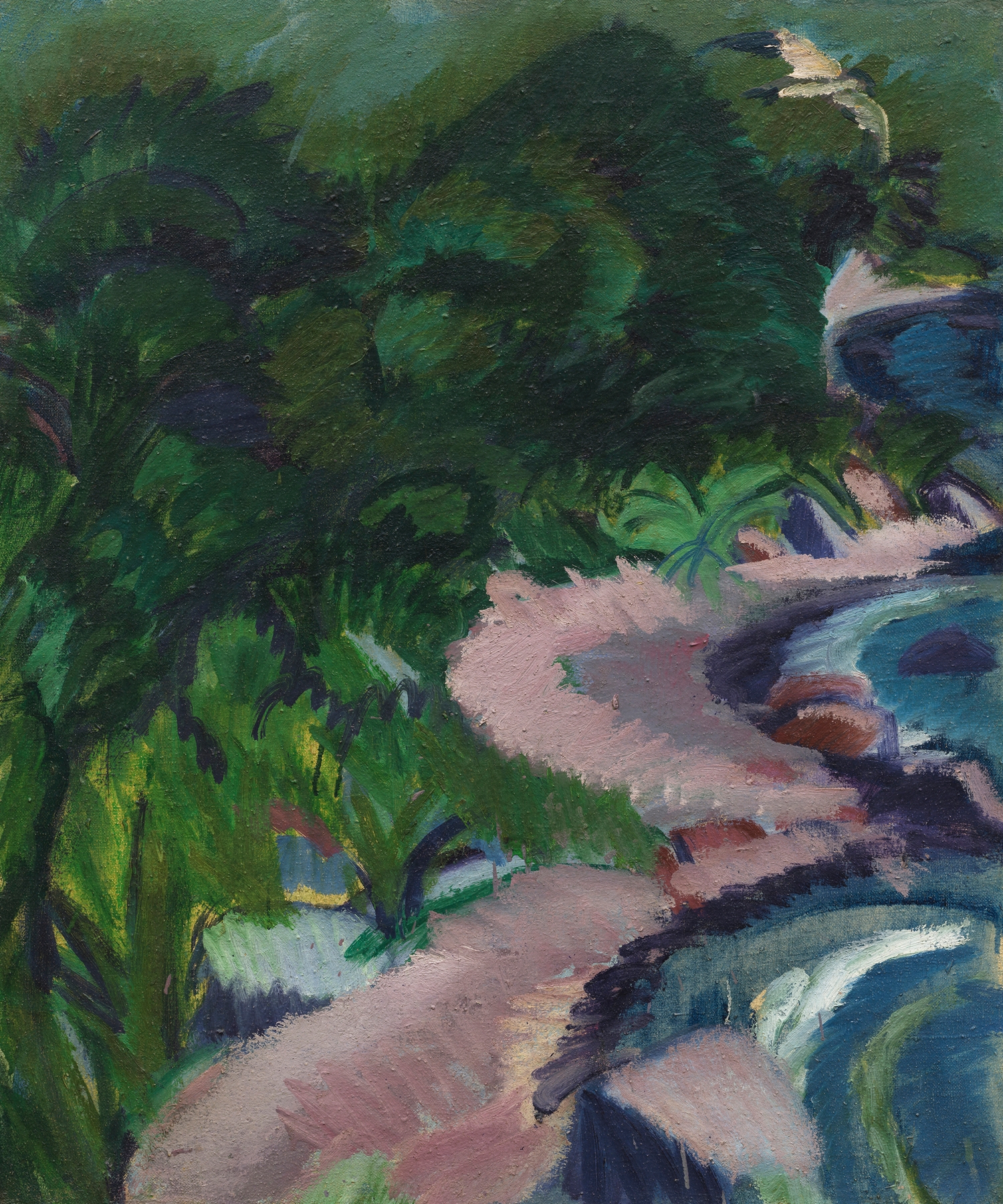
“Sometimes beauty is just pain, disguised in gold.” This haunting thought lingers in the viewer's mind when gazing upon the intricate depths of Alfred Döblin. Focus first on the striking contrast between the vivid colors and their jagged, frenetic strokes. Notice how Kirchner's palette pulsates with life, yet it carries an undercurrent of turmoil. The swirling forms draw you in, guiding your eyes across the canvas, where vibrant yellows and deep blacks collide, embodying the tumultuous emotions lurking beneath the surface of beauty.
Each brushstroke seems to vibrate with unspoken sentiments, enticing and unsettling in equal measure. As you delve deeper, consider the figure at the center—a shadowy representation of the artist's own inner conflicts and grief. There's a palpable tension in the posture, a sense of both vulnerability and defiance. The surrounding chaos of line and color reflects the tumult of early 20th-century urban life, suggesting a world rich in experience yet fraught with existential despair.
The artwork evokes the struggle of reconciling beauty with suffering, inviting introspection about the complex relationship between loss and inspiration. In 1912, Ernst Ludwig Kirchner was immersed in the throes of a vibrant yet fragmented Berlin art scene, seeking to express the rawness of emotion amidst modernity. This period marked a significant evolution in his career, as he navigated personal turmoil while championing the expressionist movement. Alfred Döblin stands as a testament to that tumultuous interplay between artistry and anguish, encapsulating the depths of grief that would resonate throughout his work.