Unter Bäumen am See — History & Analysis
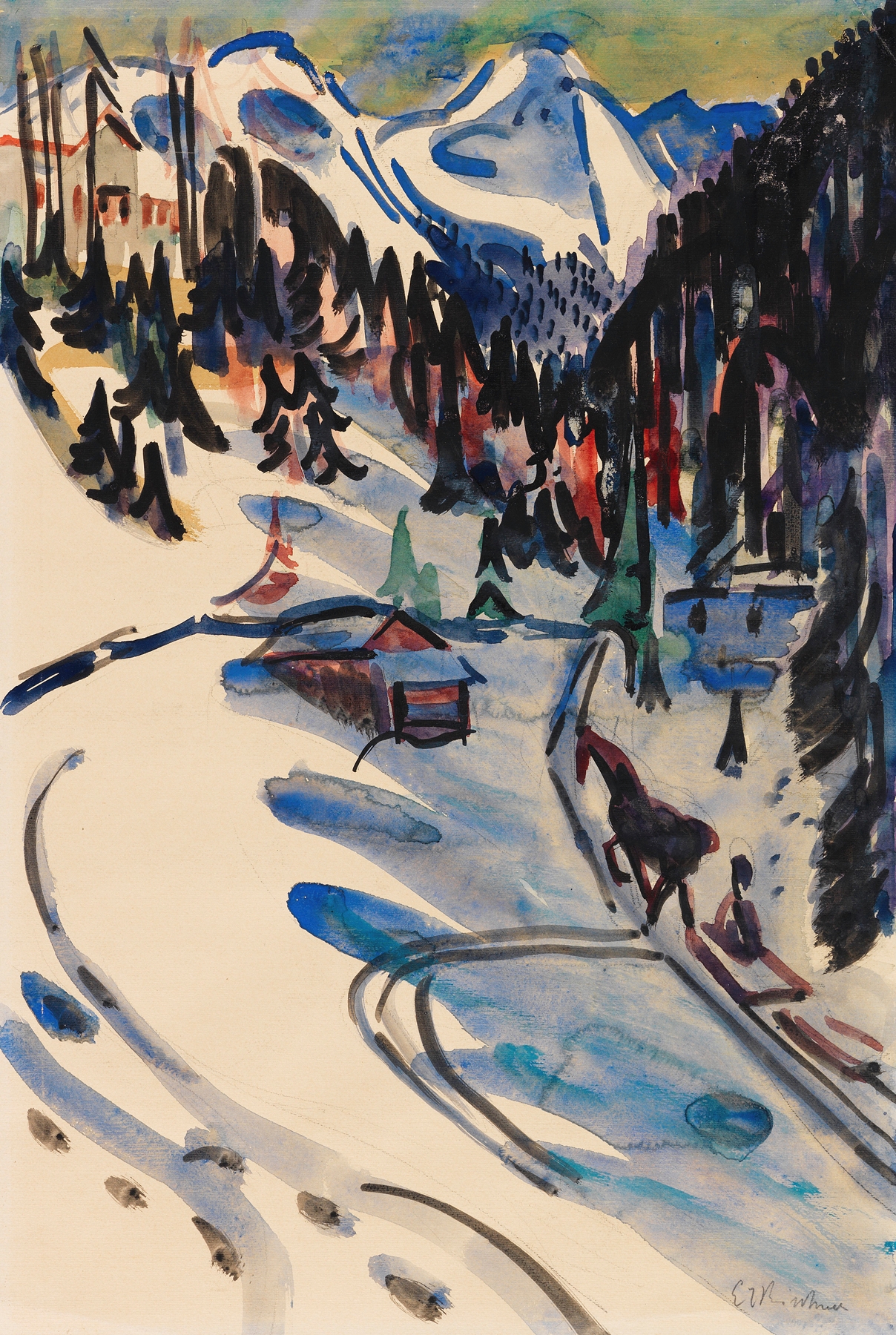
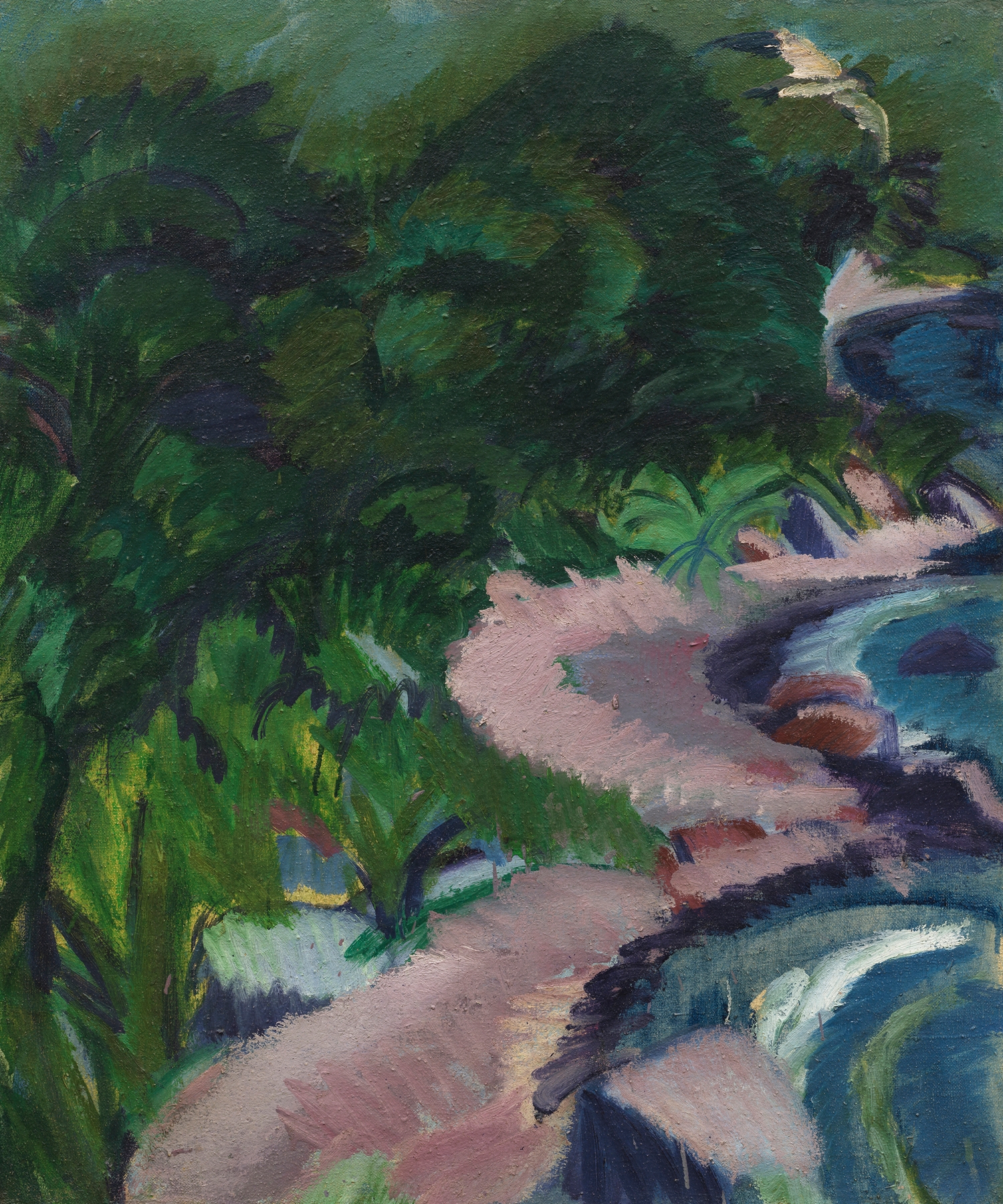
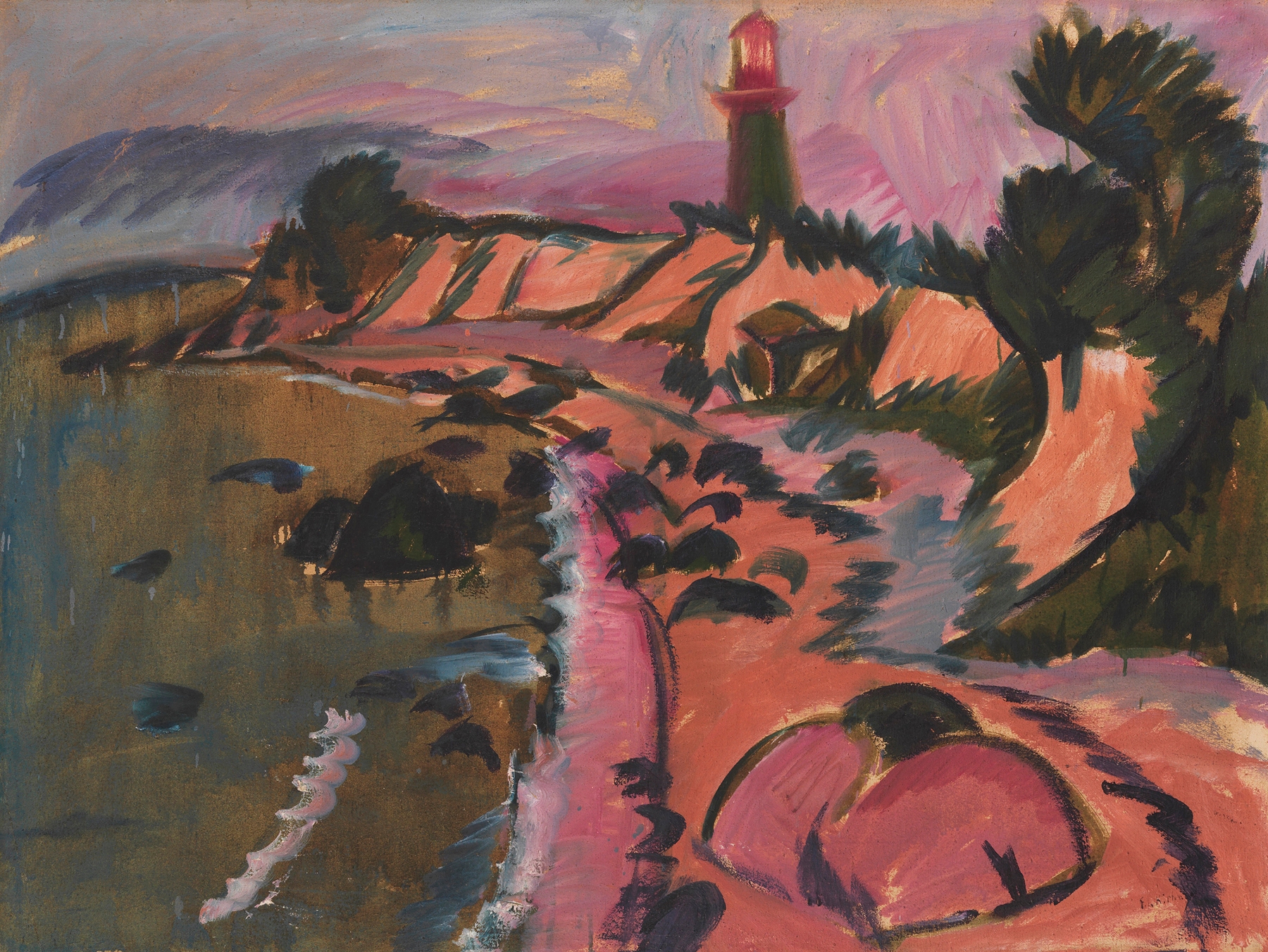
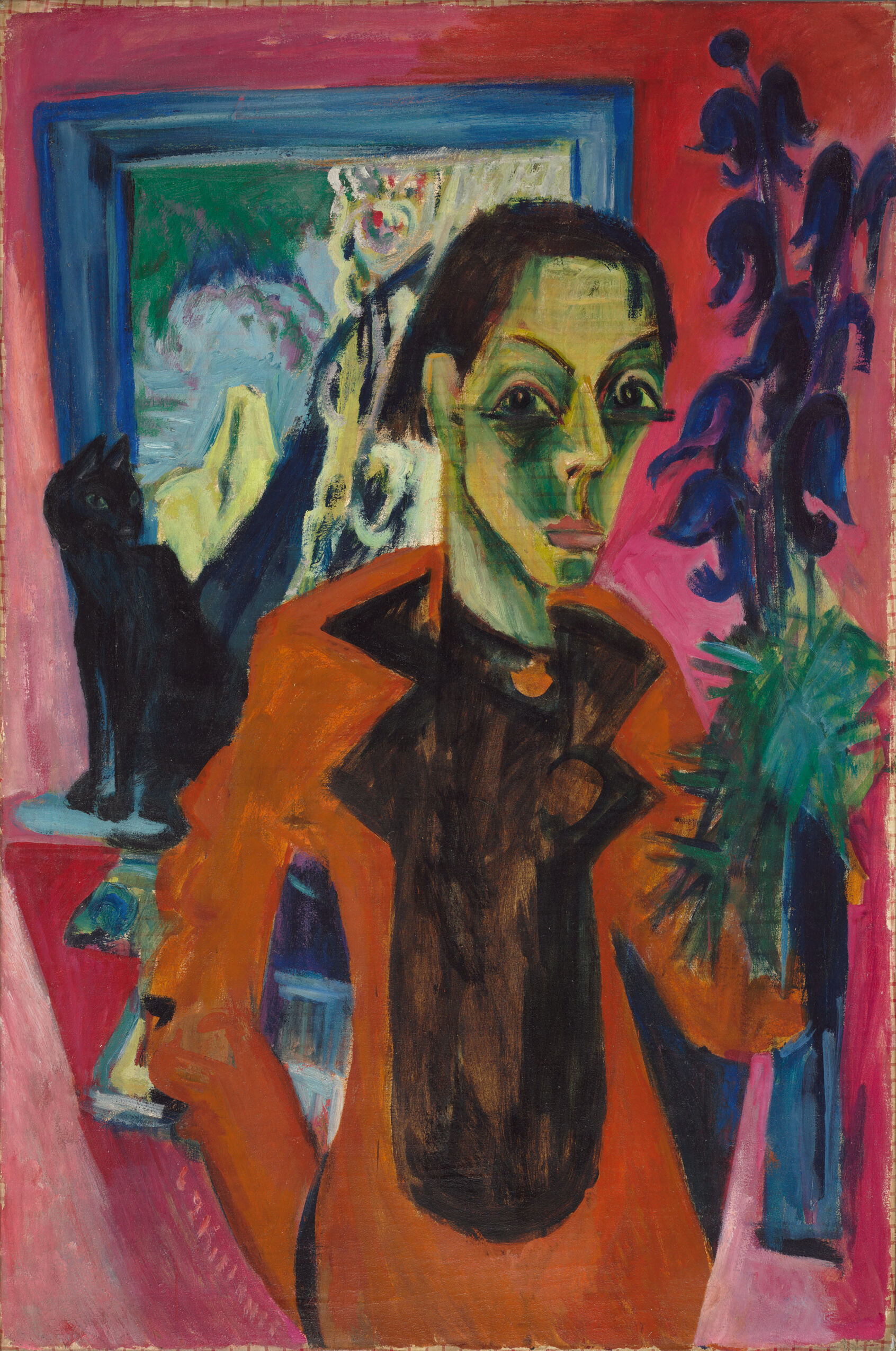
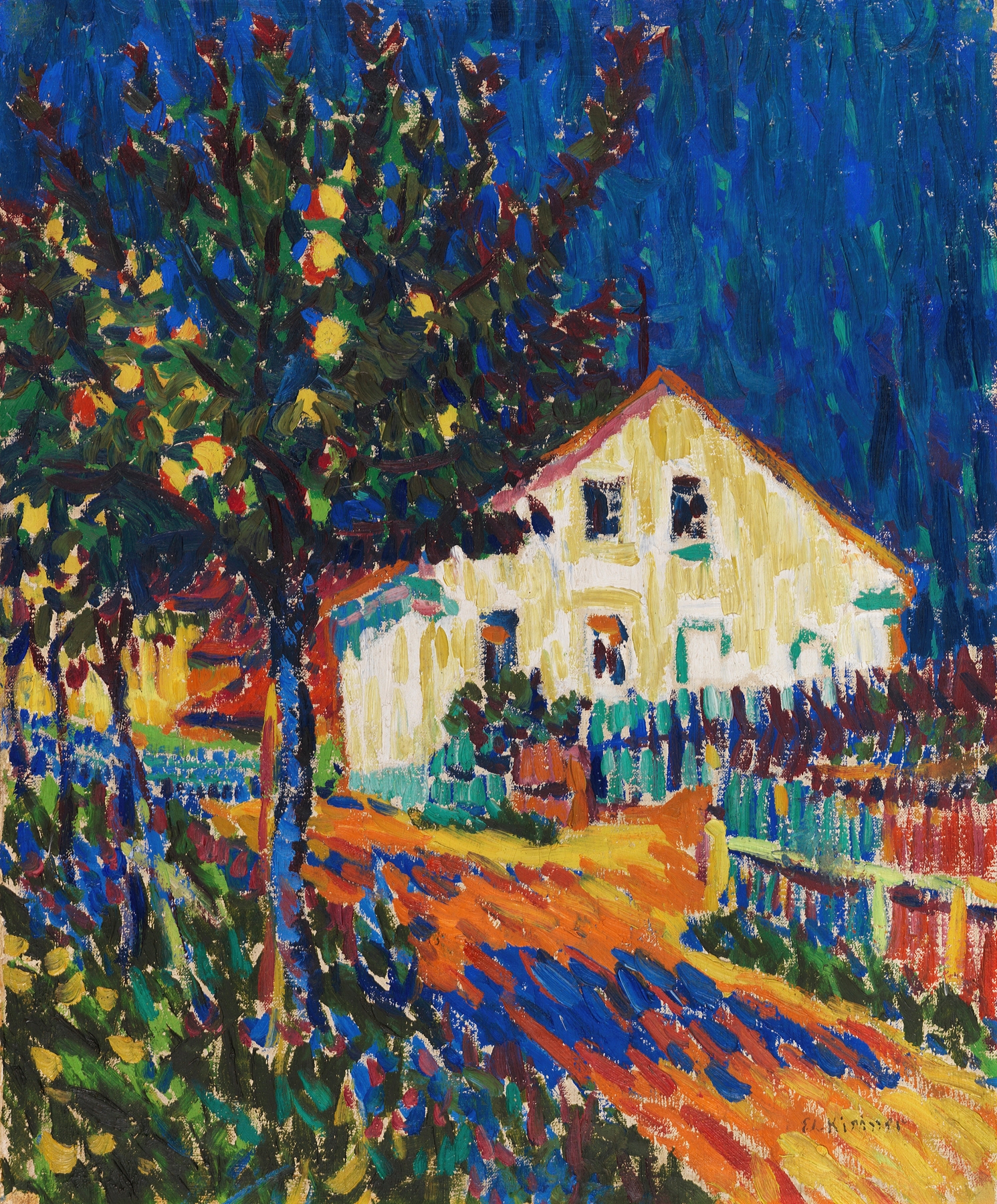
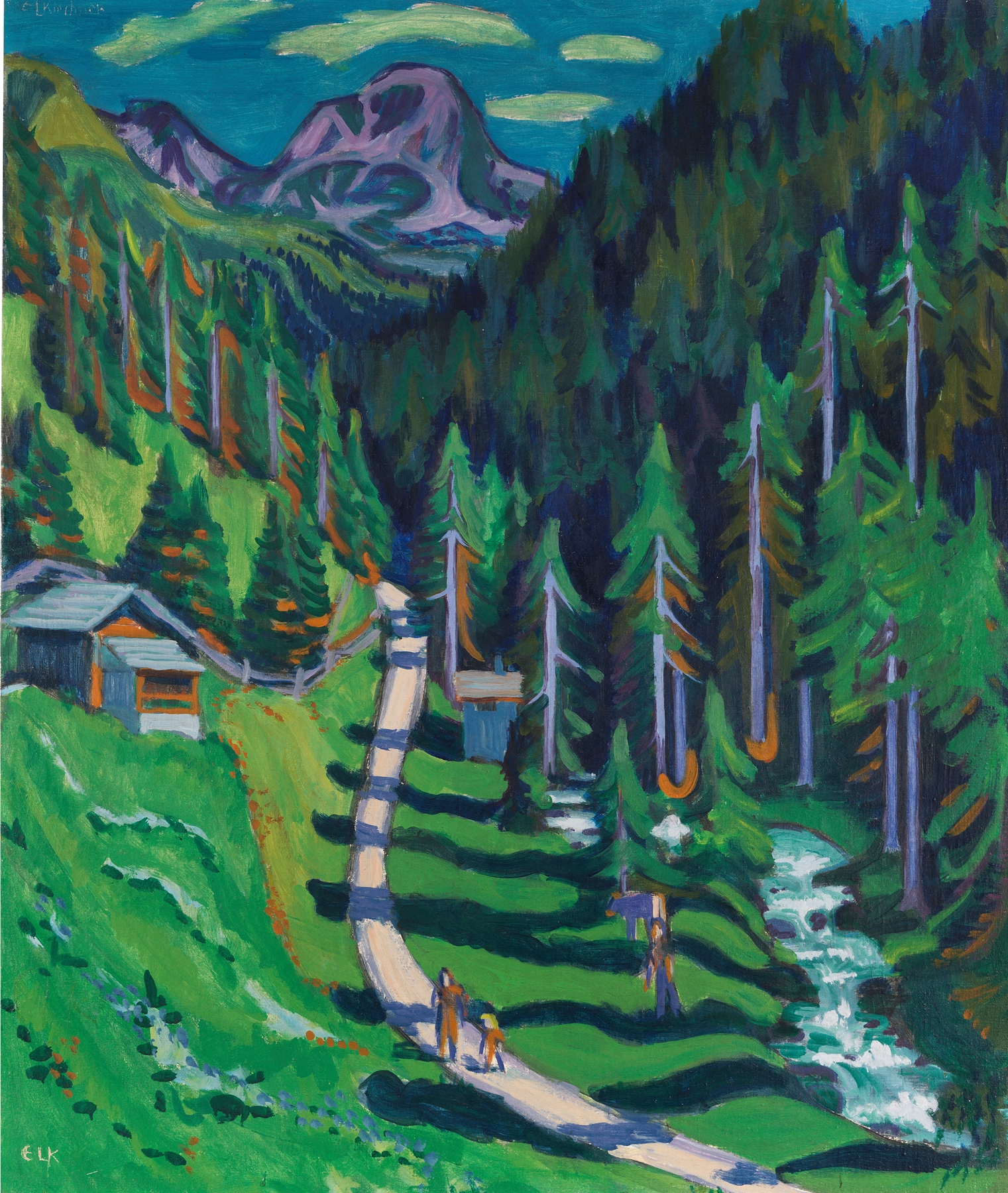
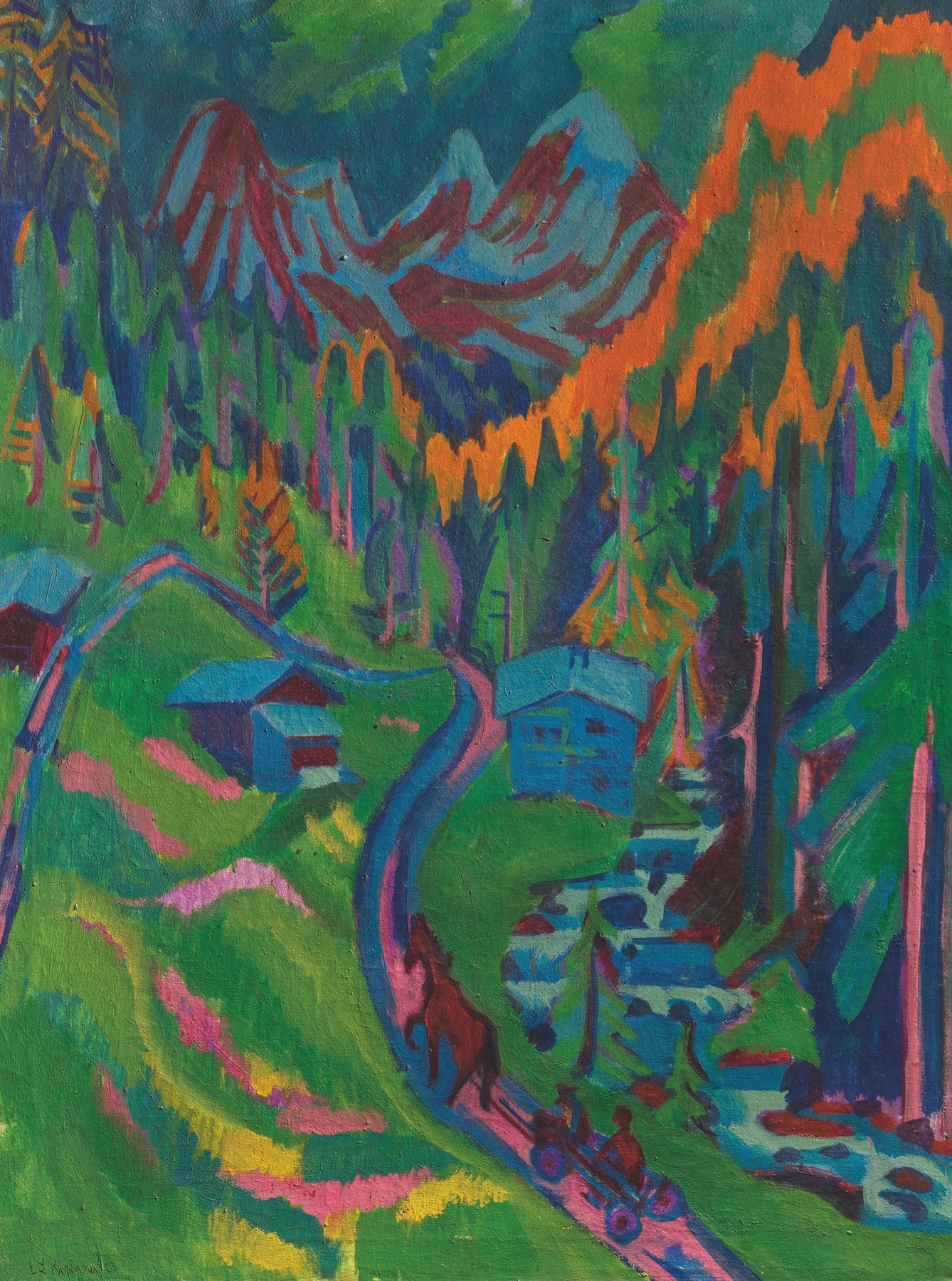
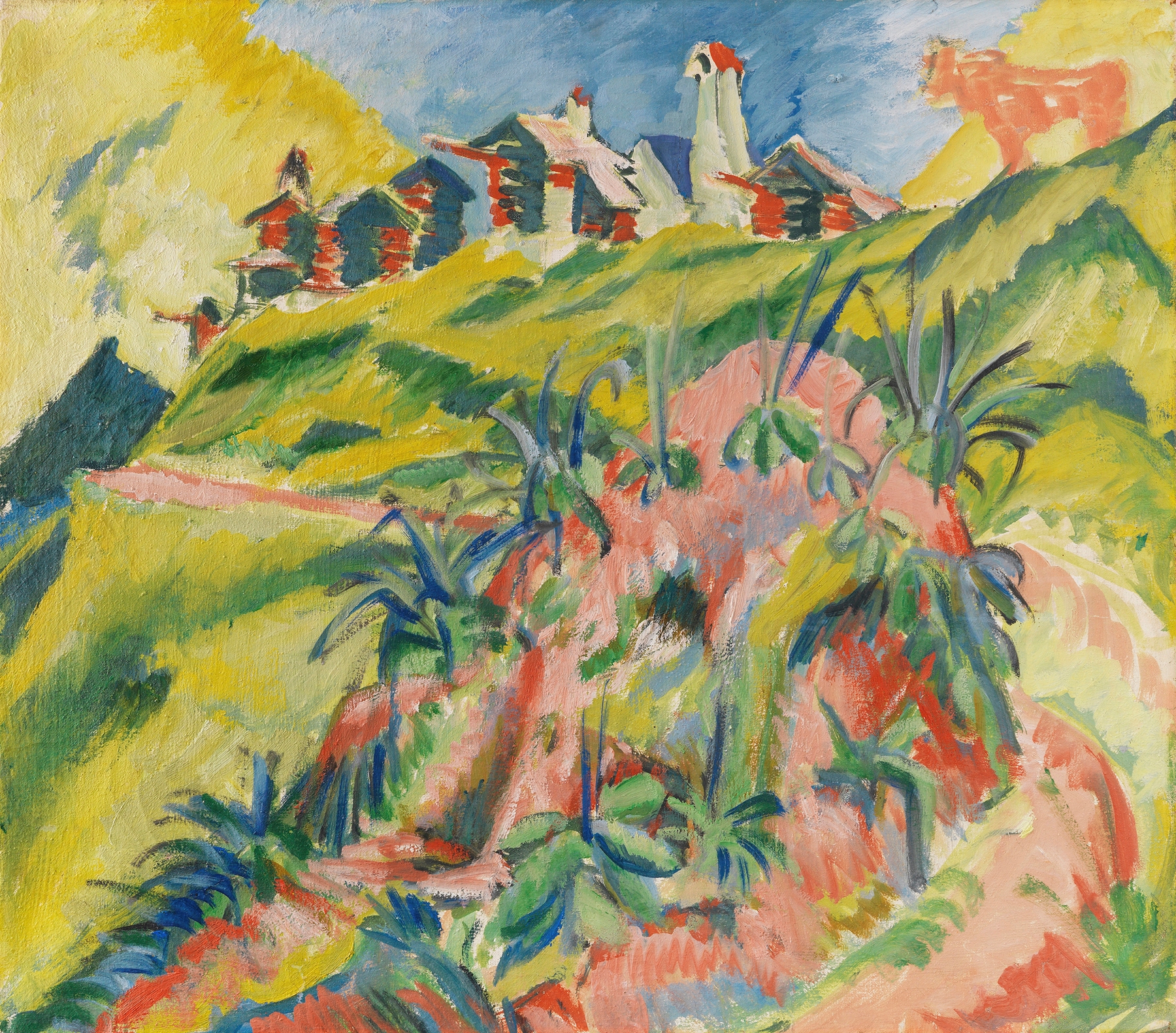
Can paint confess what words never could? In Unter Bäumen am See, the brushstrokes whisper secrets of longing and loss, inviting us to ponder what lies beneath the surface of everyday beauty. Look to the foreground where figures, draped in vibrant colors, lounge beneath the sheltering trees. The juxtaposition of the bold greens and blues against the softer pastels draws the eye in. Notice how the fragmented brushwork creates a sense of movement, as if the scene is alive.
The way light dapples through the leaves bathes the figures in a fractured luminosity, enhancing the emotional weight of their stillness. Delve deeper, and you’ll find a haunting tension between joy and solitude. The serene lake reflects not just the trees but also the unvoiced complexities of human connection. There is a palpable sense of yearning in the gestures of the figures; are they together, or trapped in their own worlds?
Each element speaks to the fragility of happiness and the shadows of loss that linger just outside the frame. In 1911, Kirchner painted this work during a pivotal moment in his life while living in Germany, navigating the chaotic landscape of expressionism. This period was marked by a search for authenticity amidst the rapidly changing society of pre-World War I Europe. The exploration of psychological depths in Unter Bäumen am See captures not only personal introspection but also foreshadows the emotional turbulence that would soon engulf his world.