Fehmarnlandschaft — History & Analysis
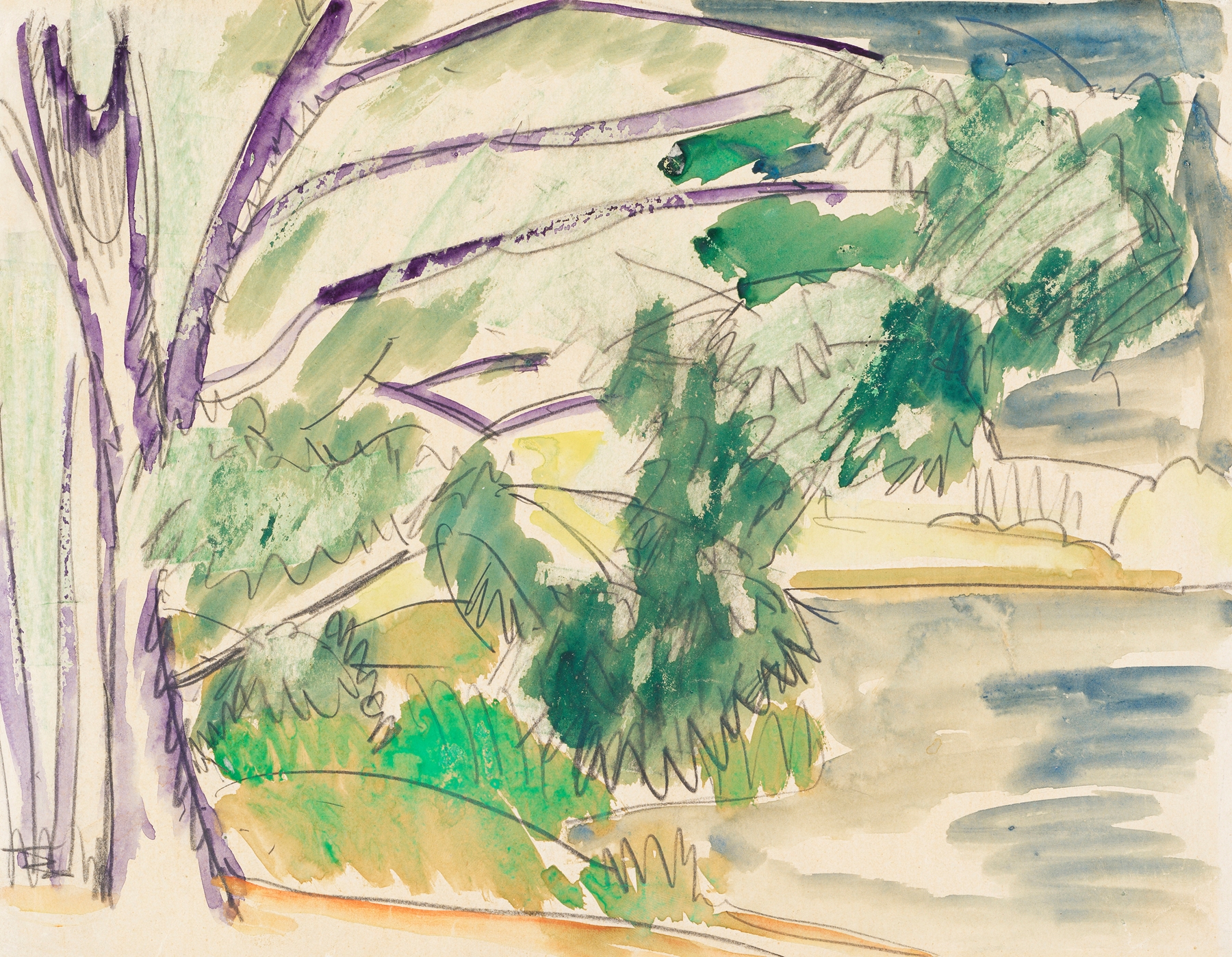
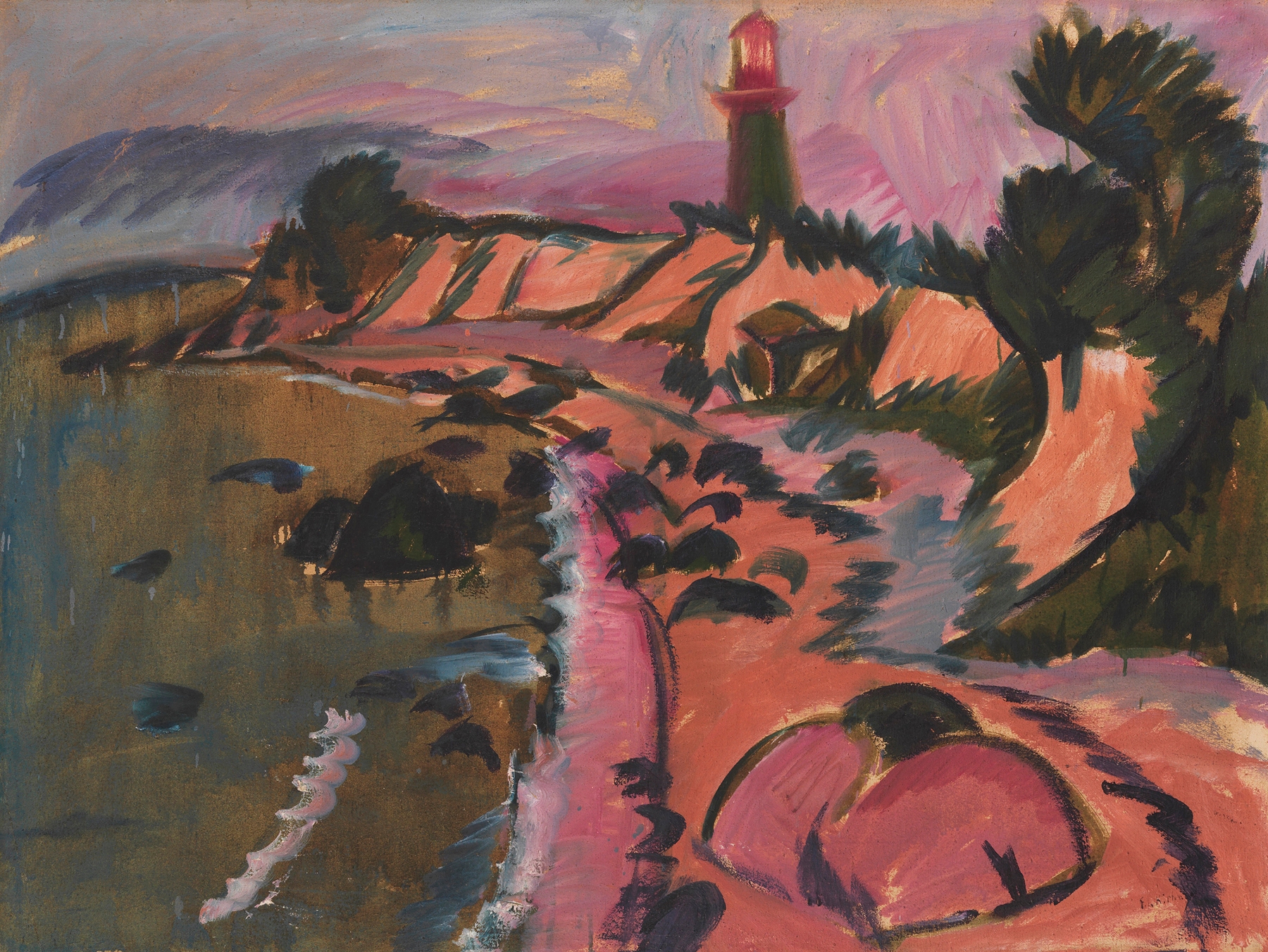
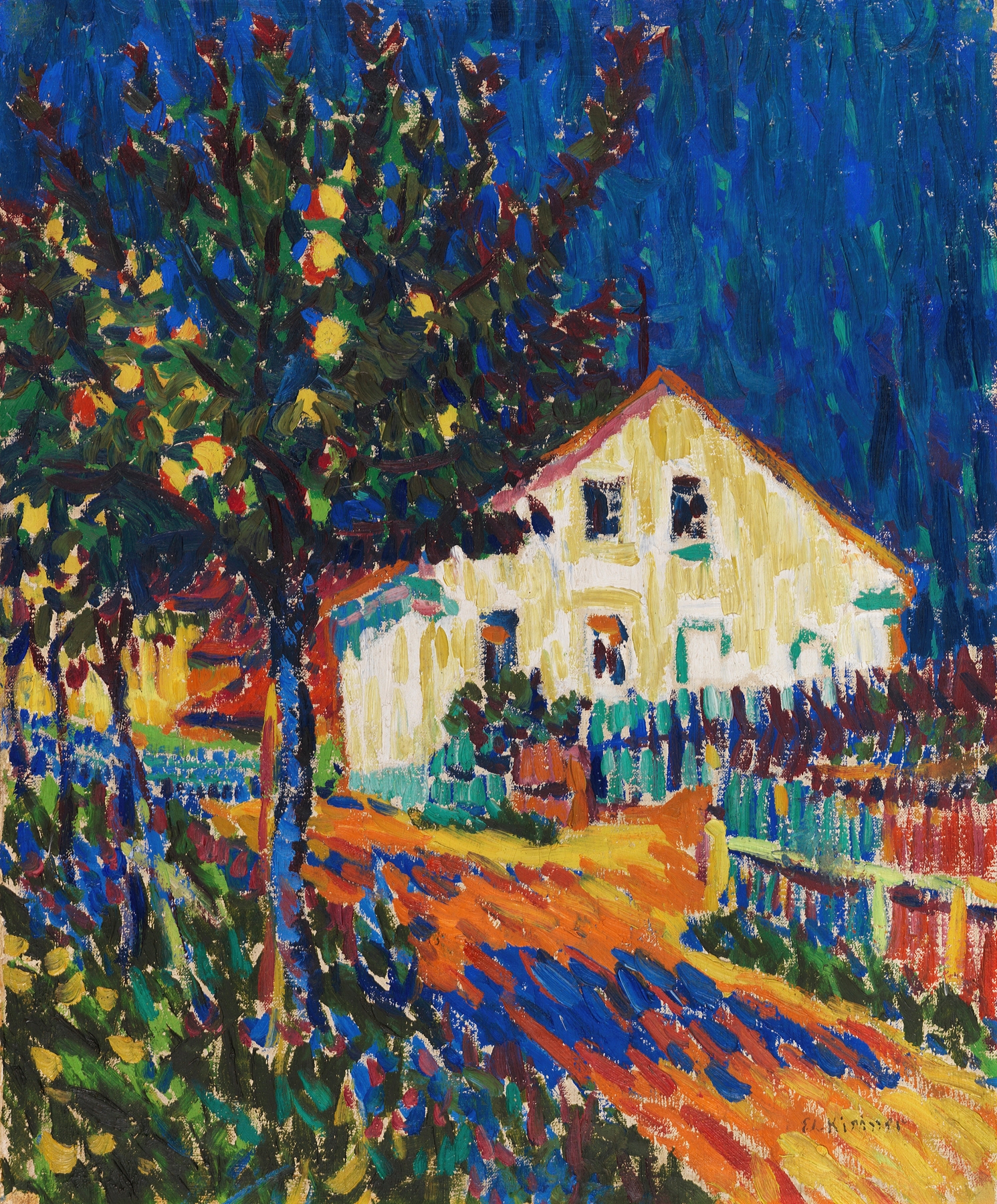
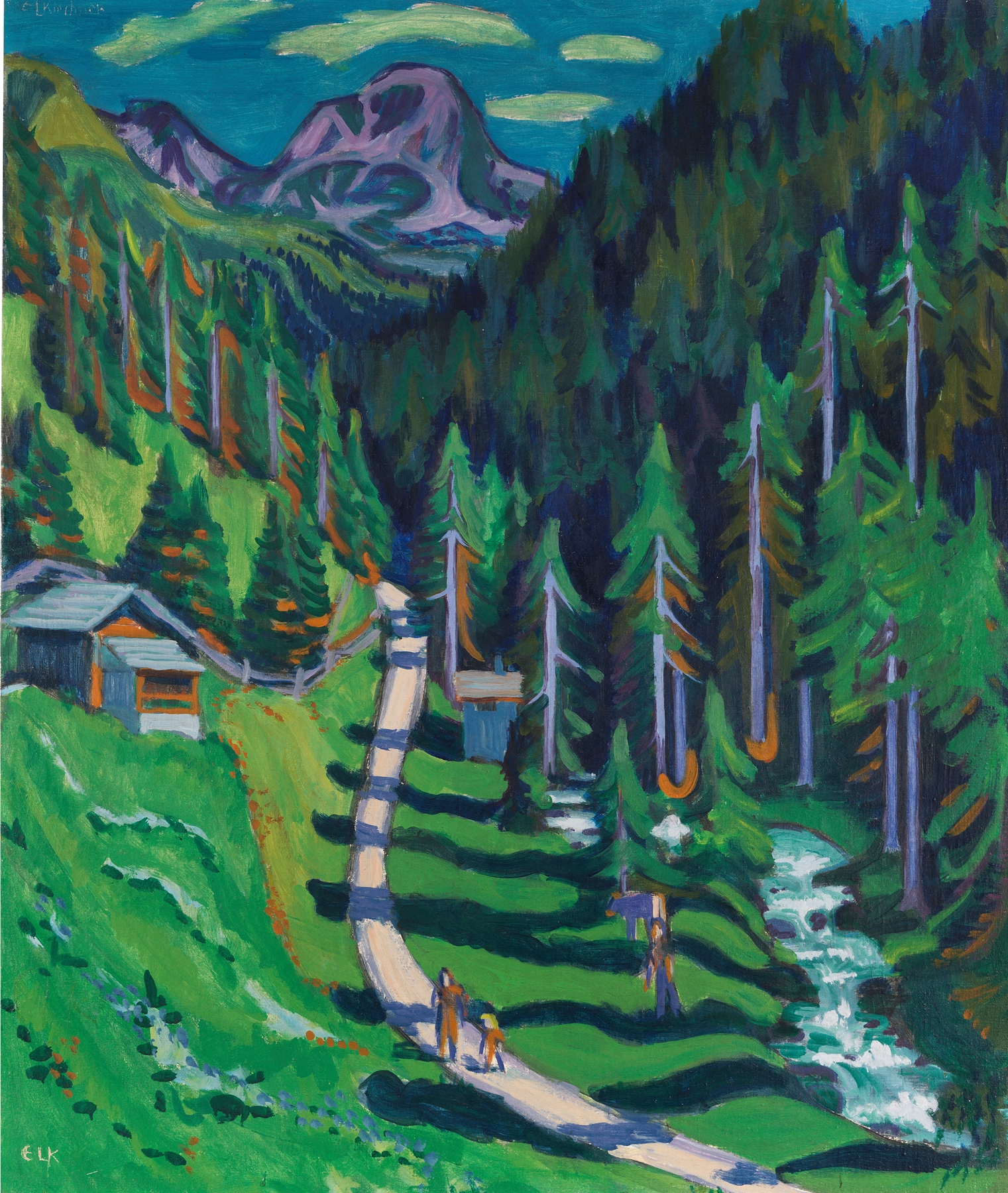
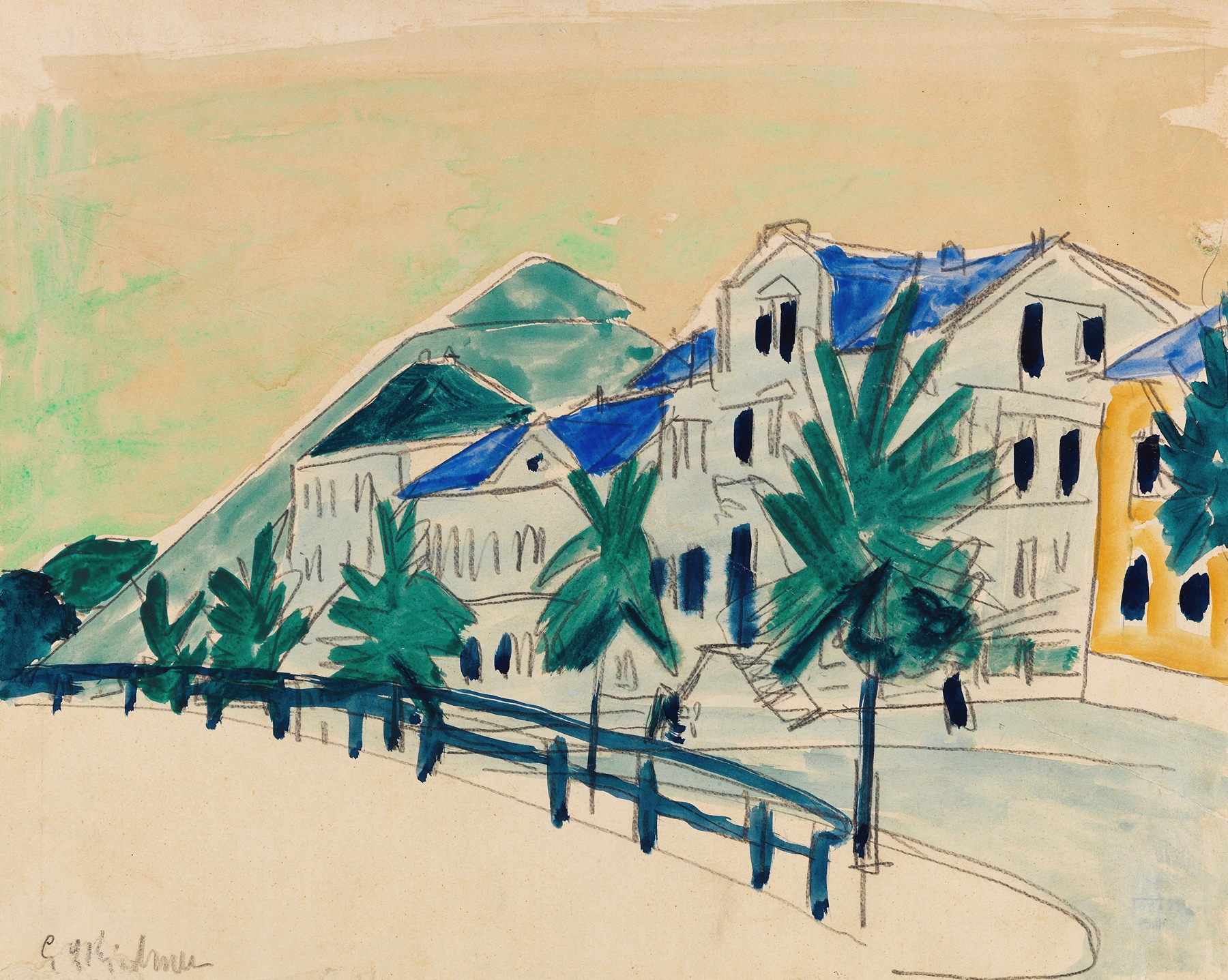
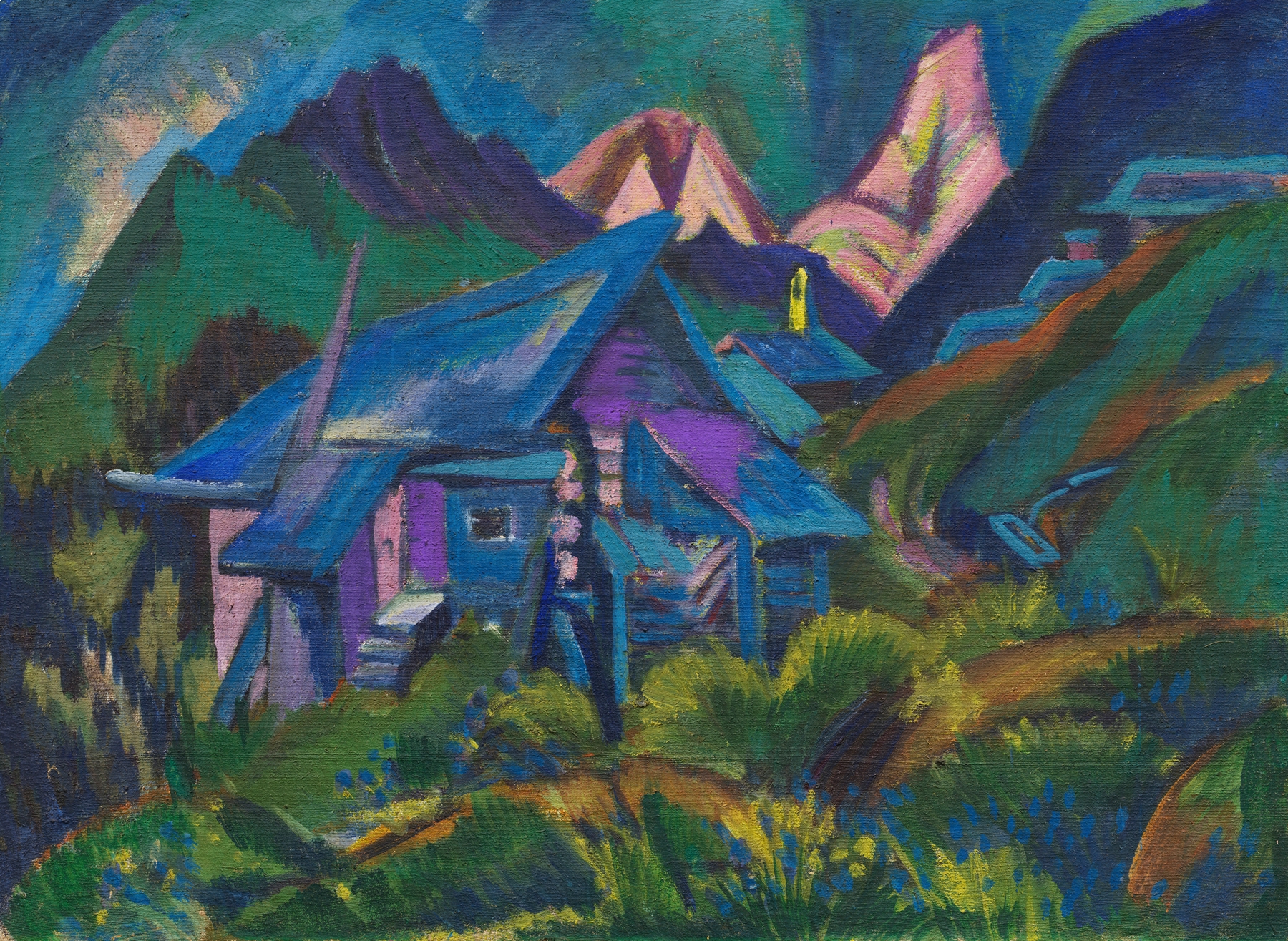
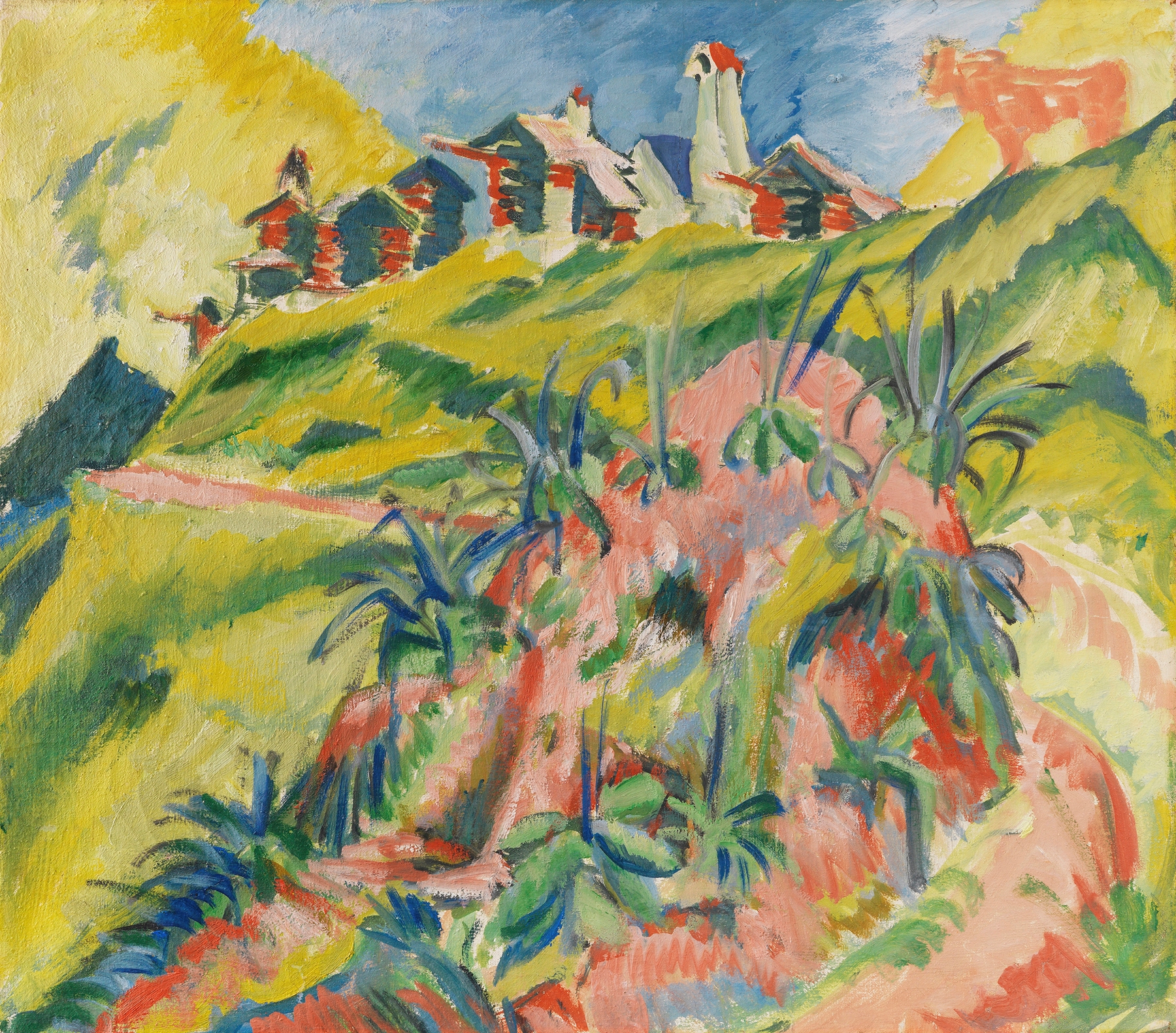
“Art reveals the soul when the world turns away.” In Fehmarnlandschaft, the viewer is invited to glimpse a world where colors collide and emotions surge, revealing profound truths hidden beneath the surface. Look to the left at the vibrant greens that stretch across the canvas, capturing the essence of nature with frenetic brush strokes. The undulating hills and sharp angles create an active rhythm, while the palette shifts from sunlit yellows to shadowy blues, demonstrating Kirchner’s mastery of light and form. The foreground is a tapestry of textures, suggesting movement and life, while the distant horizon fades into a hazy dream, inviting contemplation.
Beneath the surface, the painting contrasts tranquility with turmoil. The lively colors suggest joy and vibrancy, yet there’s an underlying tension in the jagged forms that may allude to the artist’s emotional struggles. This duality speaks to the dissonance in Kirchner’s life during this era, as he grappled with personal demons and the societal upheavals of his time. The landscape becomes a refuge that simultaneously captivates and unsettles, mirroring the artist's own quest for solace amidst chaos.
Created in 1913, Kirchner painted Fehmarnlandschaft during a period of prolific output while living in Germany. At this time, he was a prominent figure in the expressionist movement, exploring themes of individuality and emotion in a rapidly industrializing world. His work reflects both a personal journey and the collective anxieties of a society on the brink of war, making this landscape not just a scene of beauty but a document of a complex historical moment.