Allegory of Dawn — History & Analysis
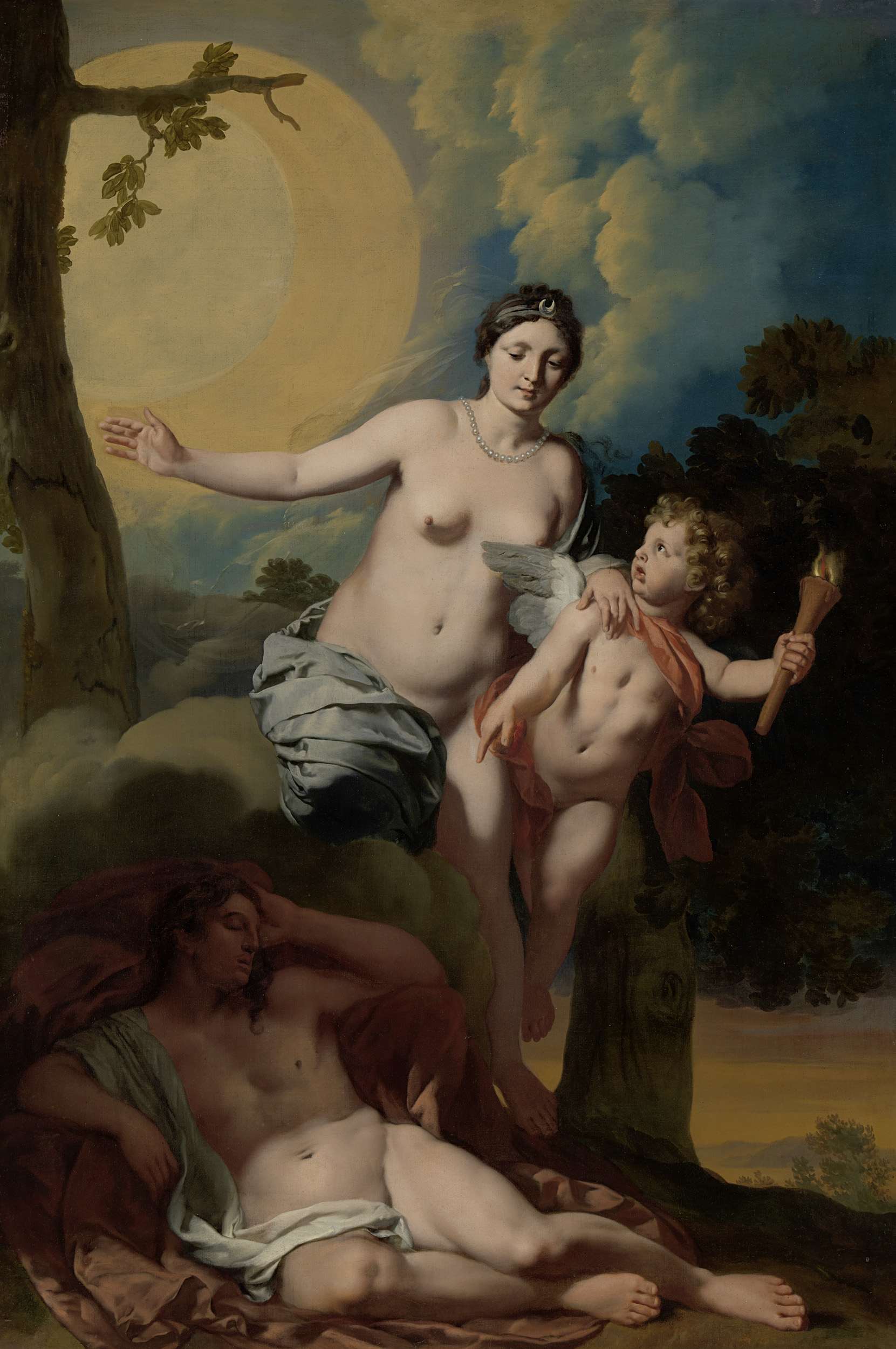
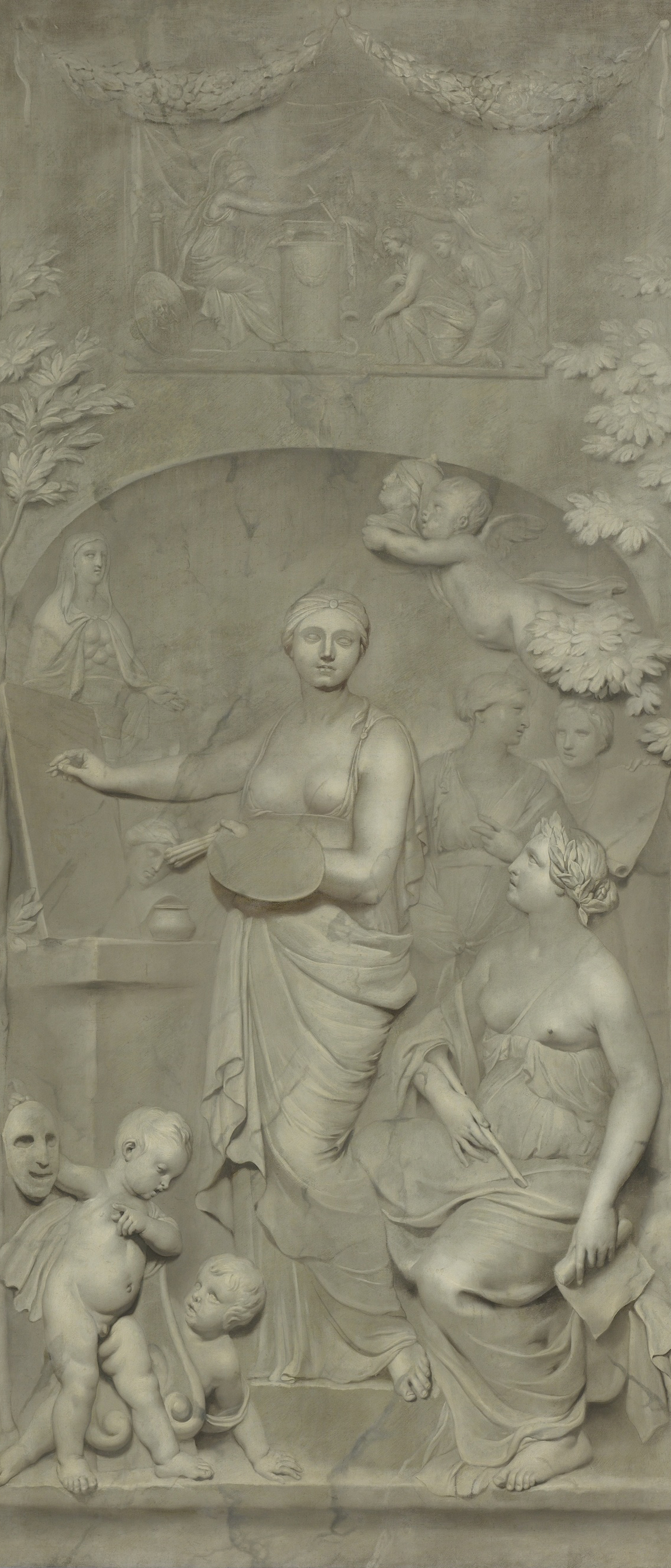
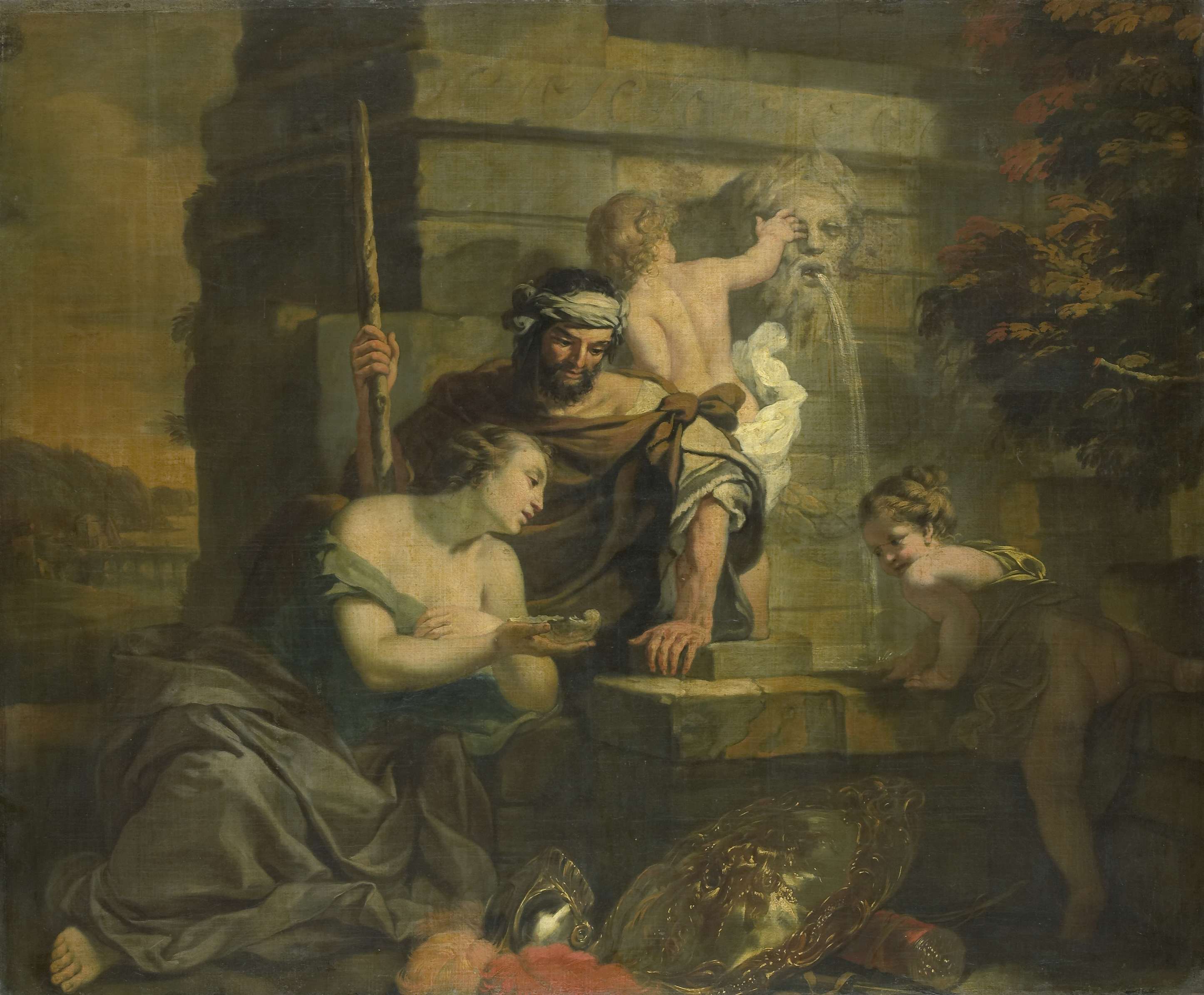
Can paint confess what words never could? In Allegory of Dawn, the silence of dawn breaks through layers of oil and canvas, inviting a deeper revelation that transcends mere description. Look to the center of the canvas, where the radiant figure of Dawn emerges, her golden robes flowing like liquid sunlight. The artist’s deft hand captures her luminous complexion, enhanced by the soft palette of warm yellows and gentle blues that envelop the scene.
Notice how the light glimmers off the intricately detailed drapery, creating a sense of movement and ethereality, while the surrounding figures seem to awaken from their slumber, their expressions a mix of anticipation and wonder. Delve into the nuances of this work – the interplay between light and shadow conveys the ephemeral nature of time, suggesting a transition not only from night to day but from ignorance to enlightenment. The delicate positioning of the figures reveals a hierarchy of knowledge; those closest to Dawn embody a sense of reverence, while others linger in the background, swathed in darkness.
Such contrasts hint at the complexities of human experience, where enlightenment is both a gift and a burden. Painted between 1673 and 1677, this work reflects Gerard de Lairesse's commitment to the ideals of the Dutch Golden Age, a time when art was deeply intertwined with philosophical exploration. During this period, the artist was grappling with personal struggles and the changing dynamics of artistic expression amidst the Baroque movement, making Allegory of Dawn not merely a visual feast, but a testament to his quest for deeper meaning in a tumultuous world.