Allegory of Charity — History & Analysis
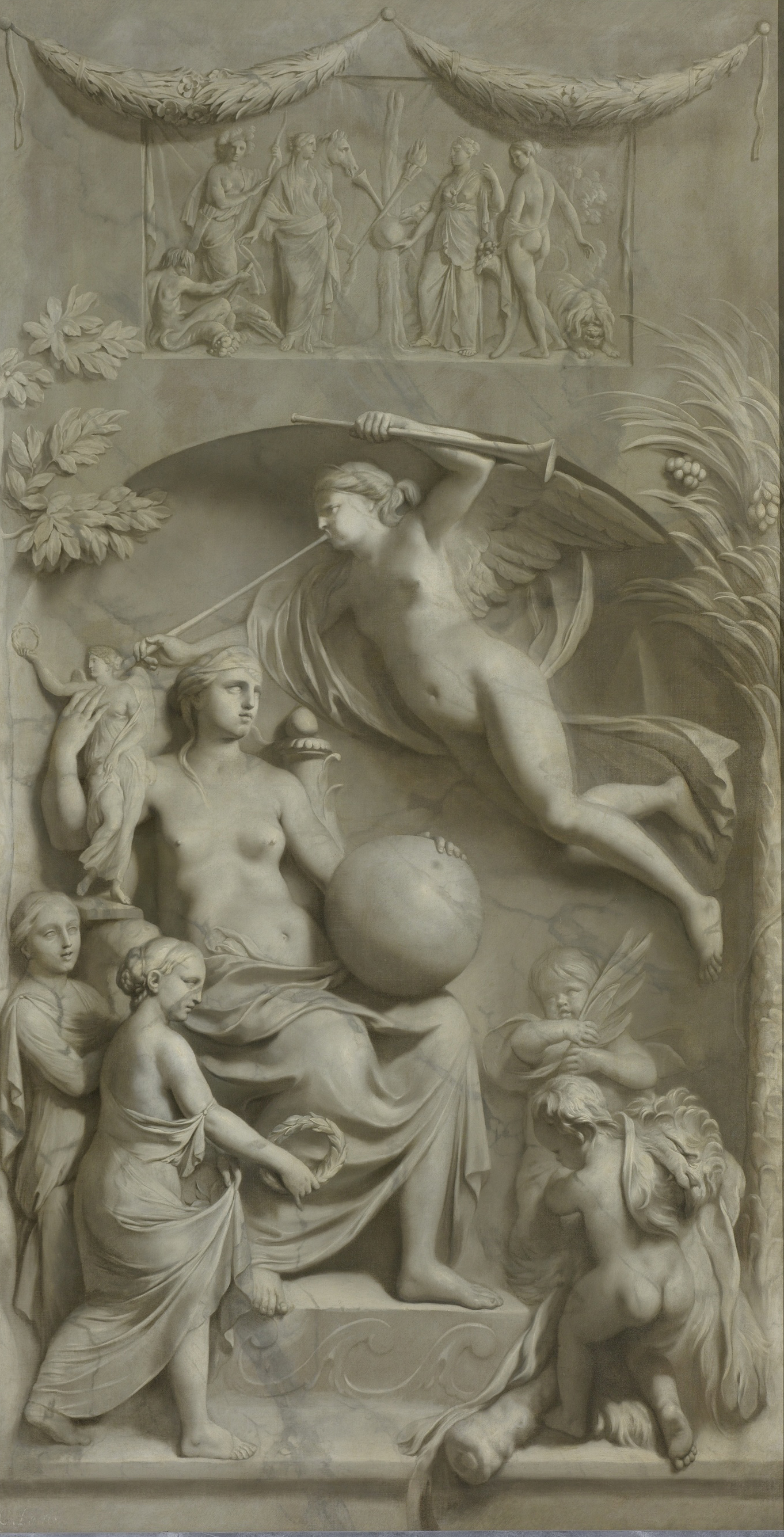
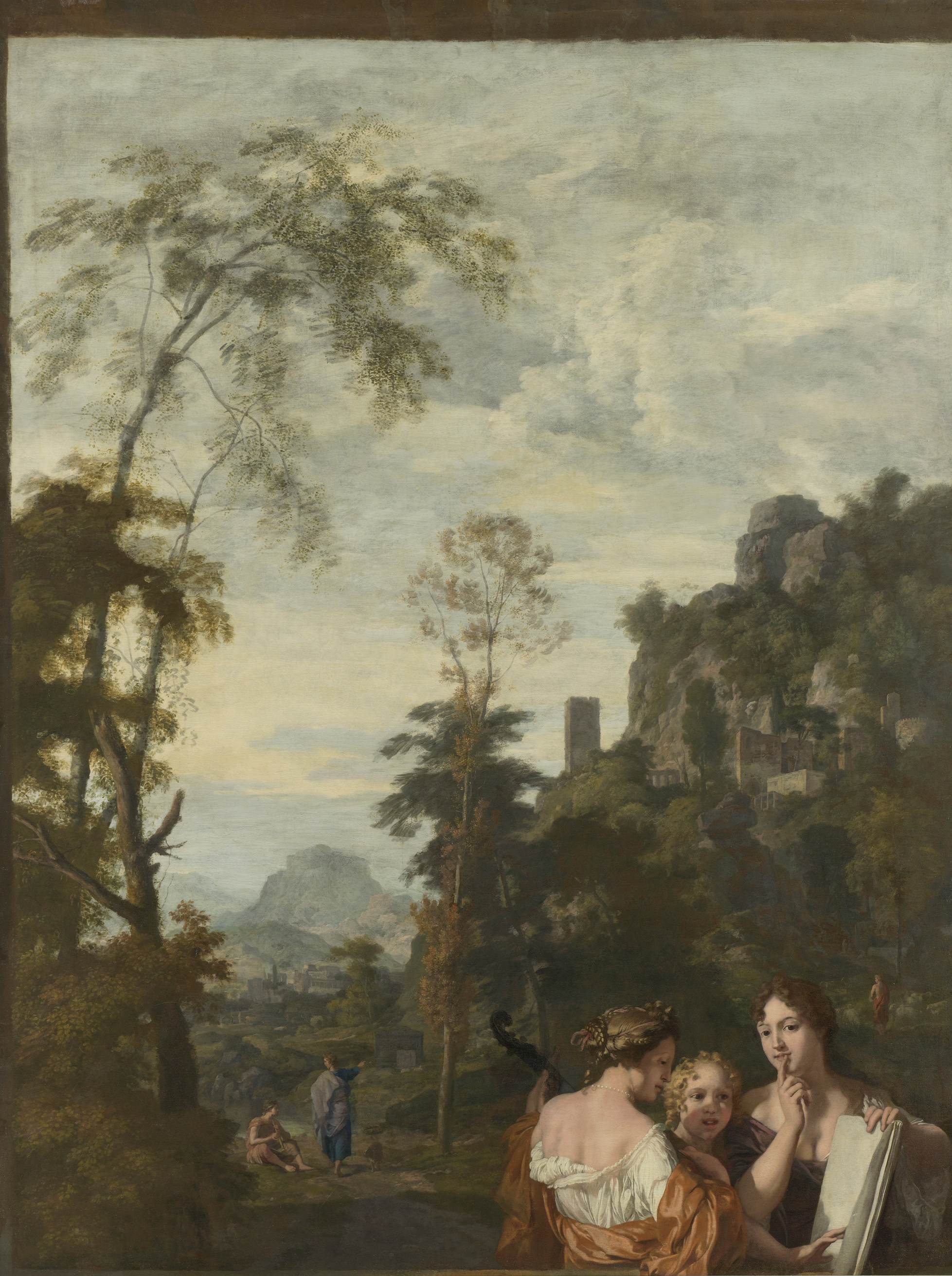
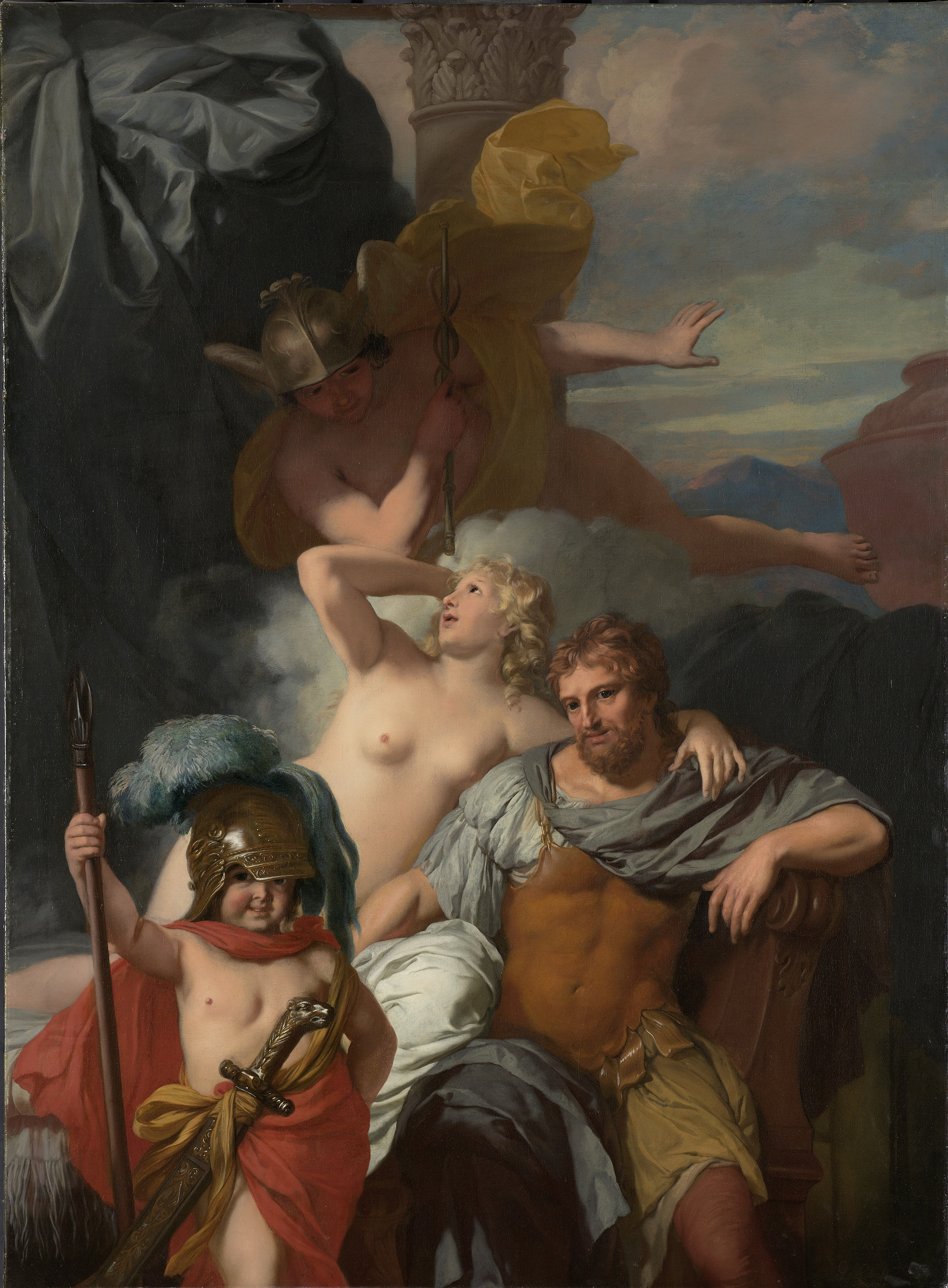
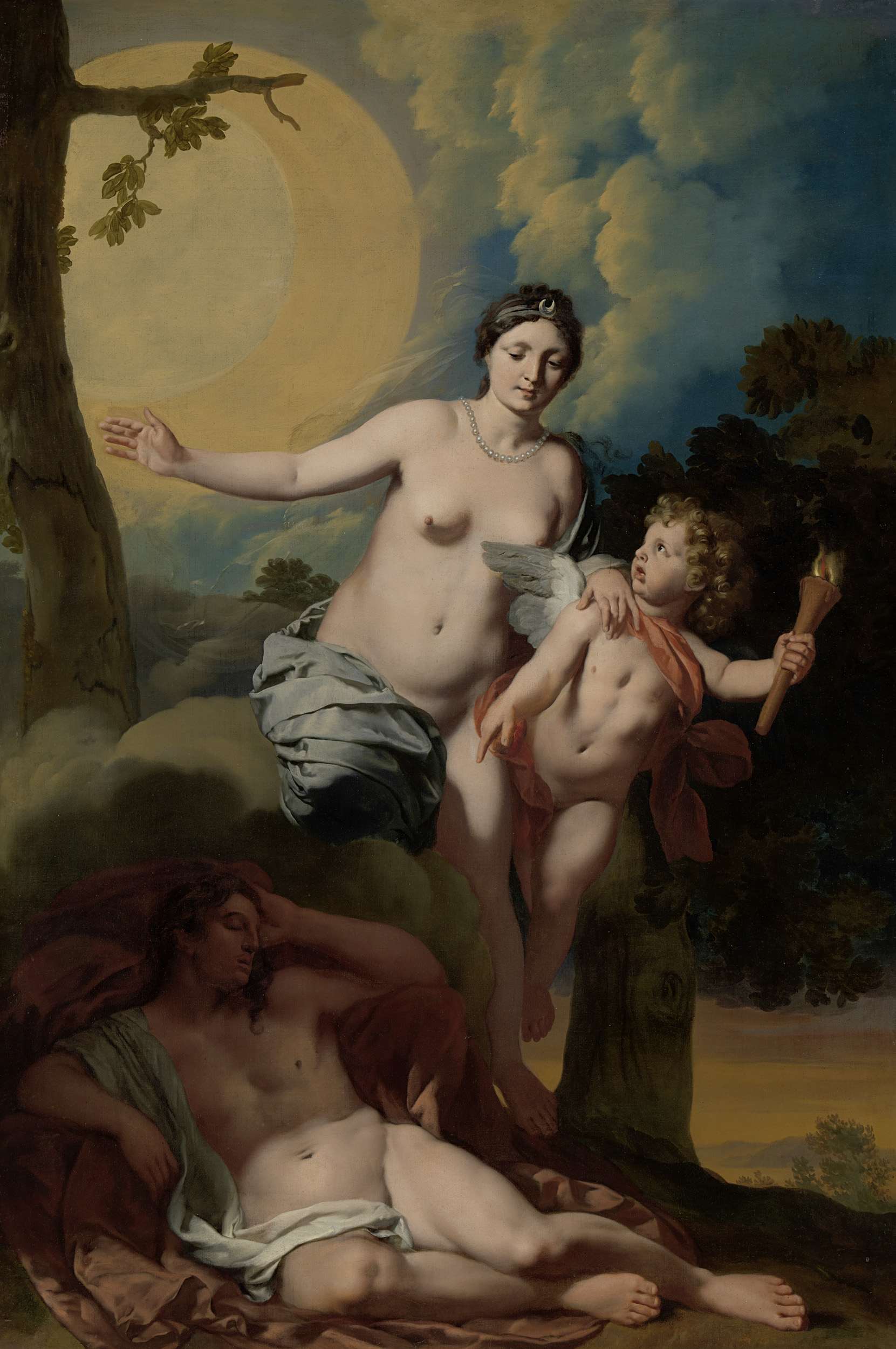
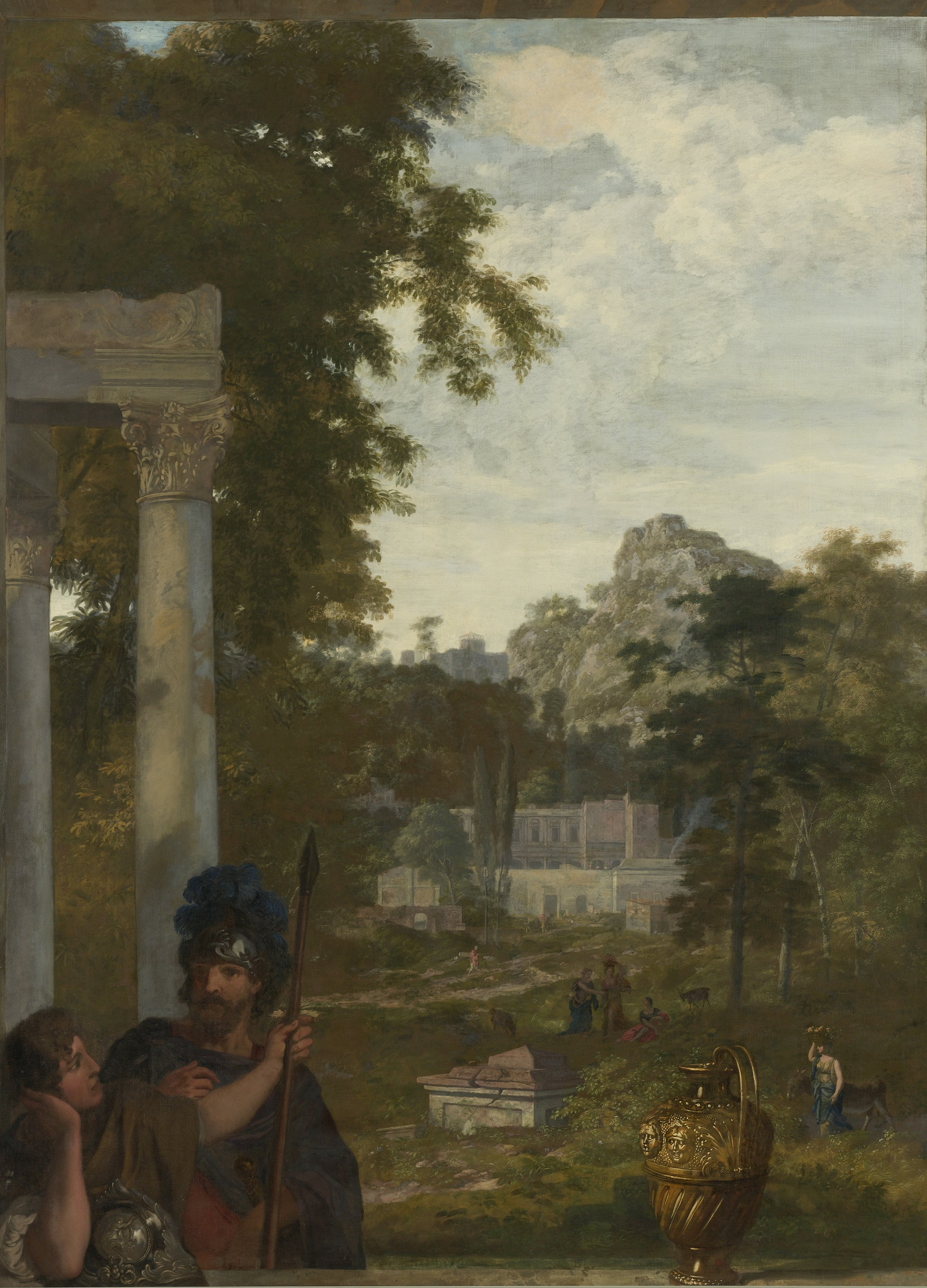
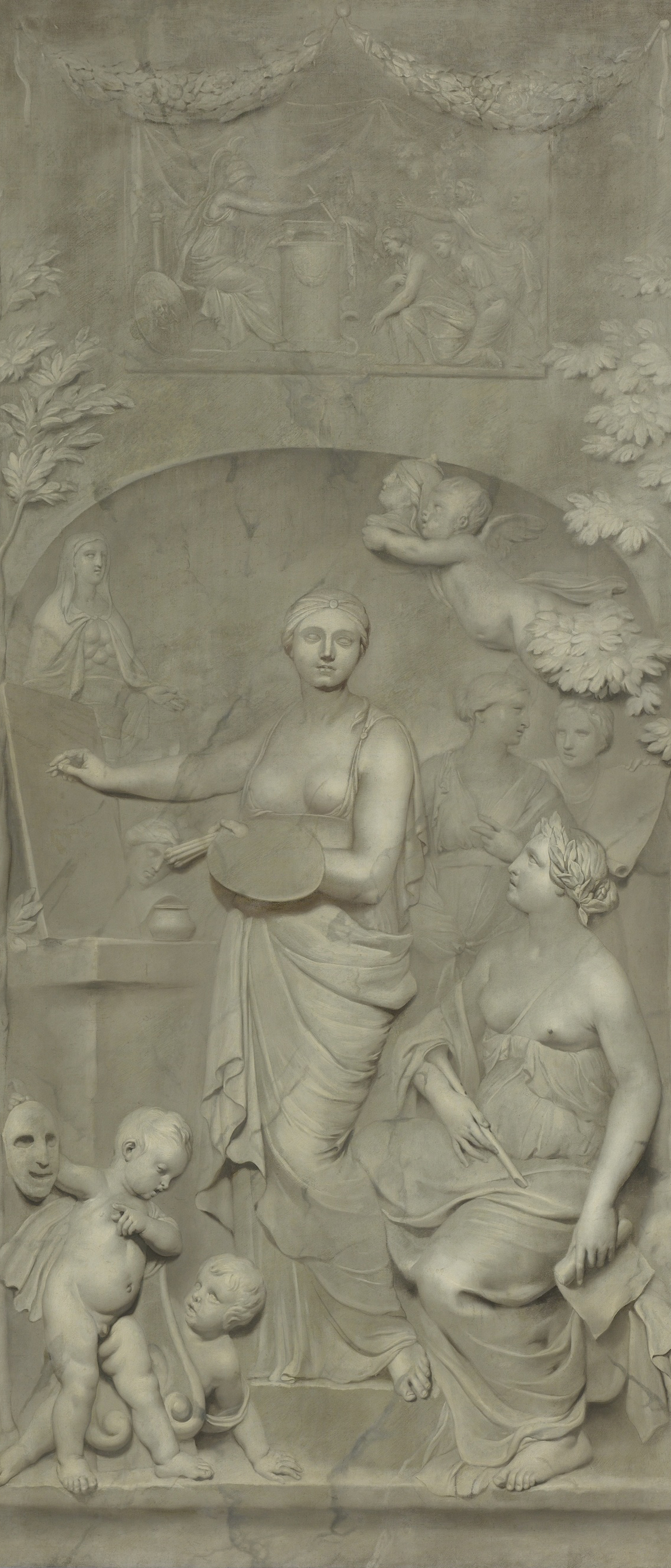
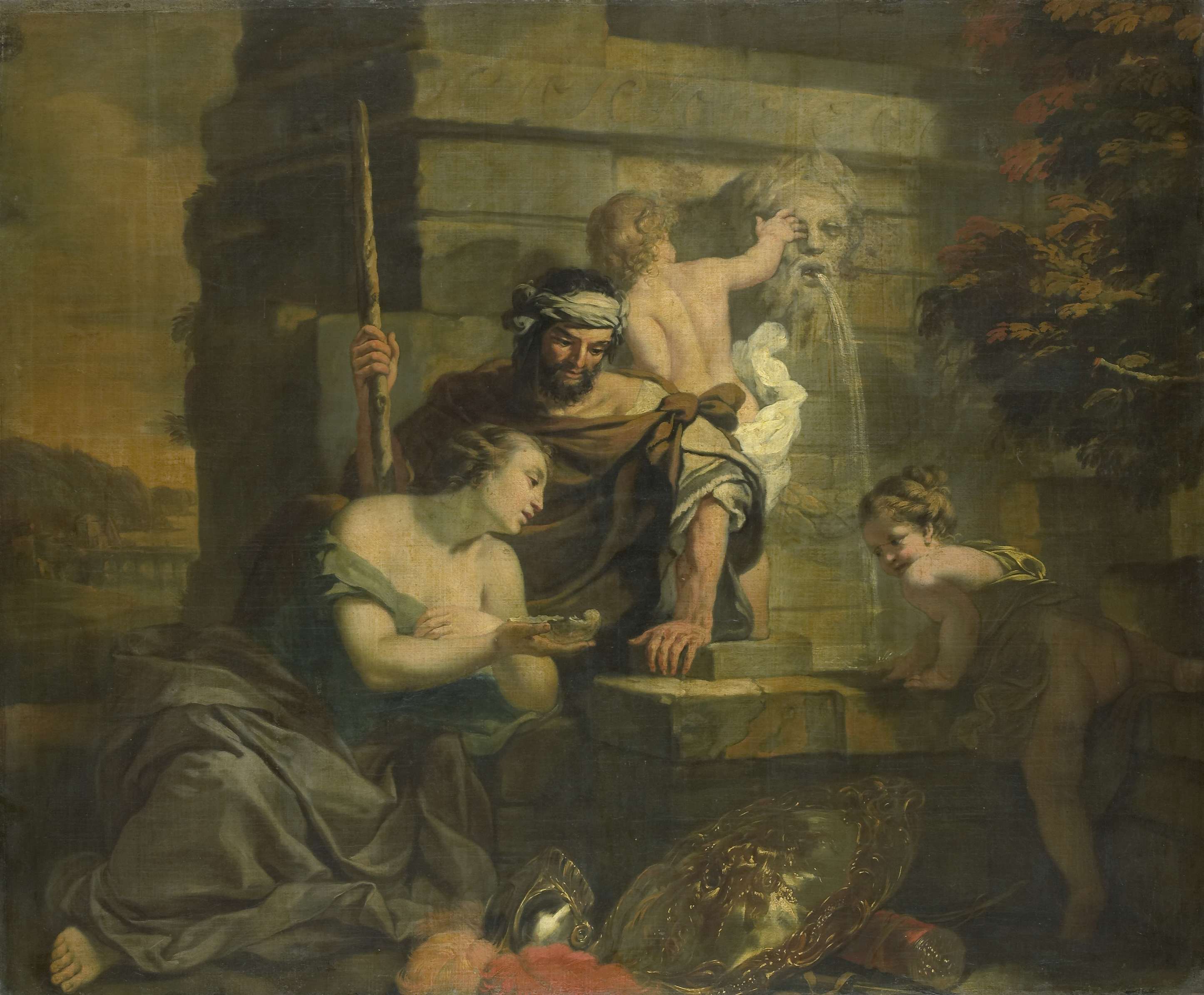
“Every brushstroke is a heartbeat remembered.” In the realm of art, balance serves as both a foundation and an aspiration, a delicate dance between form and function. Begin by focusing on the central figure, the personification of Charity, her gentle gaze inviting viewers into a world teeming with compassion and warmth. Notice how the soft hues of her flowing garments blend harmoniously with the rich, earthy tones surrounding her, creating a serene backdrop that enhances her luminescence. The deliberate placement of figures in the background draws the eye outward, suggesting a community bound by the threads of generosity that connect them all.
Delve deeper into the artwork's nuances, where the tension between abundance and need becomes palpable. Observe the way Charity cradles an infant, embodying nurturing care, while the figures nearby display a range of emotions—from joy to longing. This juxtaposition of faces reveals the complexities of human experience, reminding us that love is often intertwined with sacrifice and yearning. The careful composition highlights a narrative of balance, where each element supports the central theme of benevolence.
In the late 1670s, Gerard de Lairesse painted this piece during a pivotal era in his career, marked by both artistic struggle and flourishing success in Amsterdam. At this time, the artist was grappling with personal challenges while also contributing to the robust Baroque movement, finding solace in the idealization of virtue through allegorical representation. This work is a testament to his belief in the power of art to uplift and inspire, capturing the very essence of charity amidst the swirling tides of human experience.