Allegory of Fame — History & Analysis
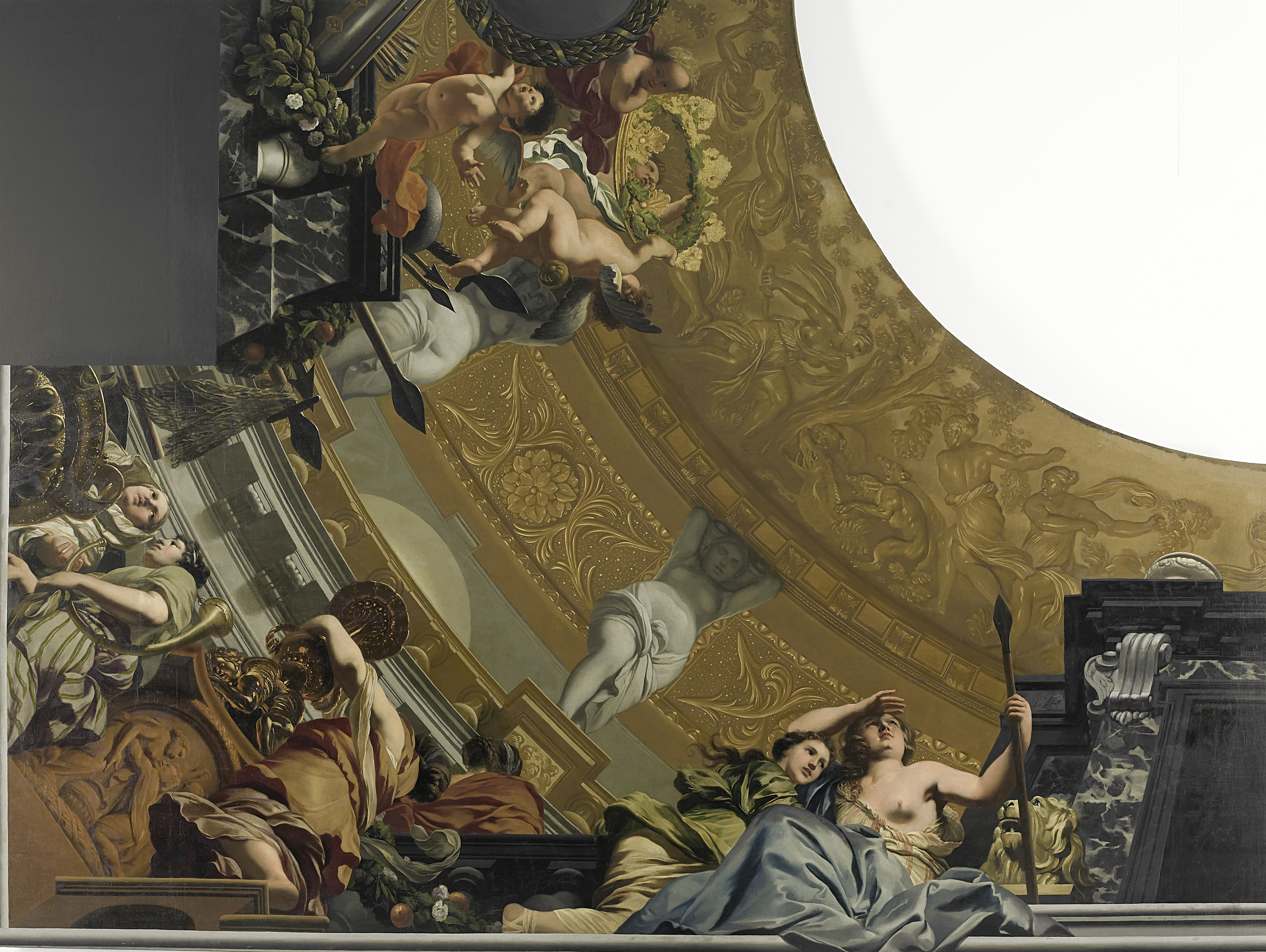
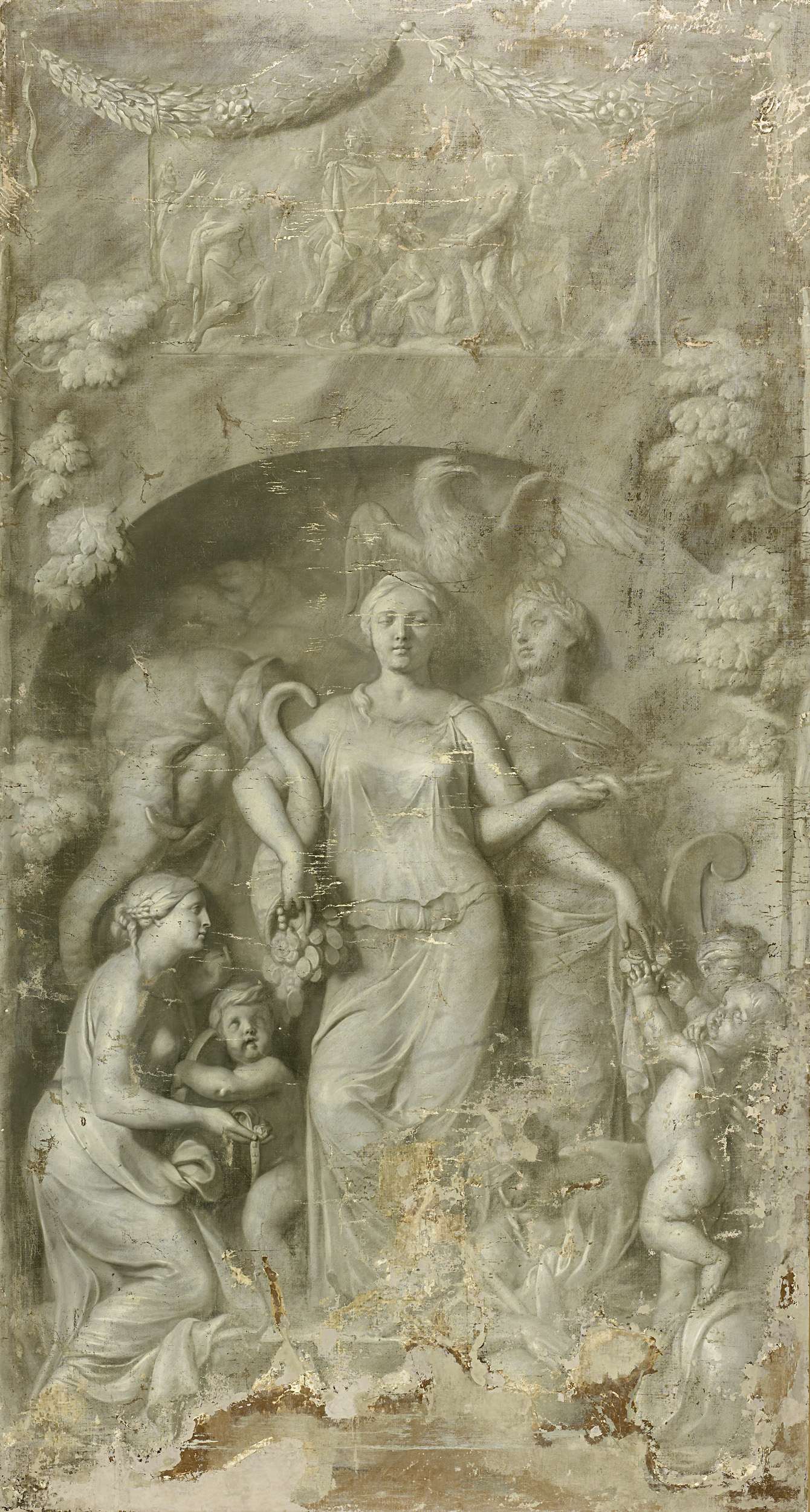
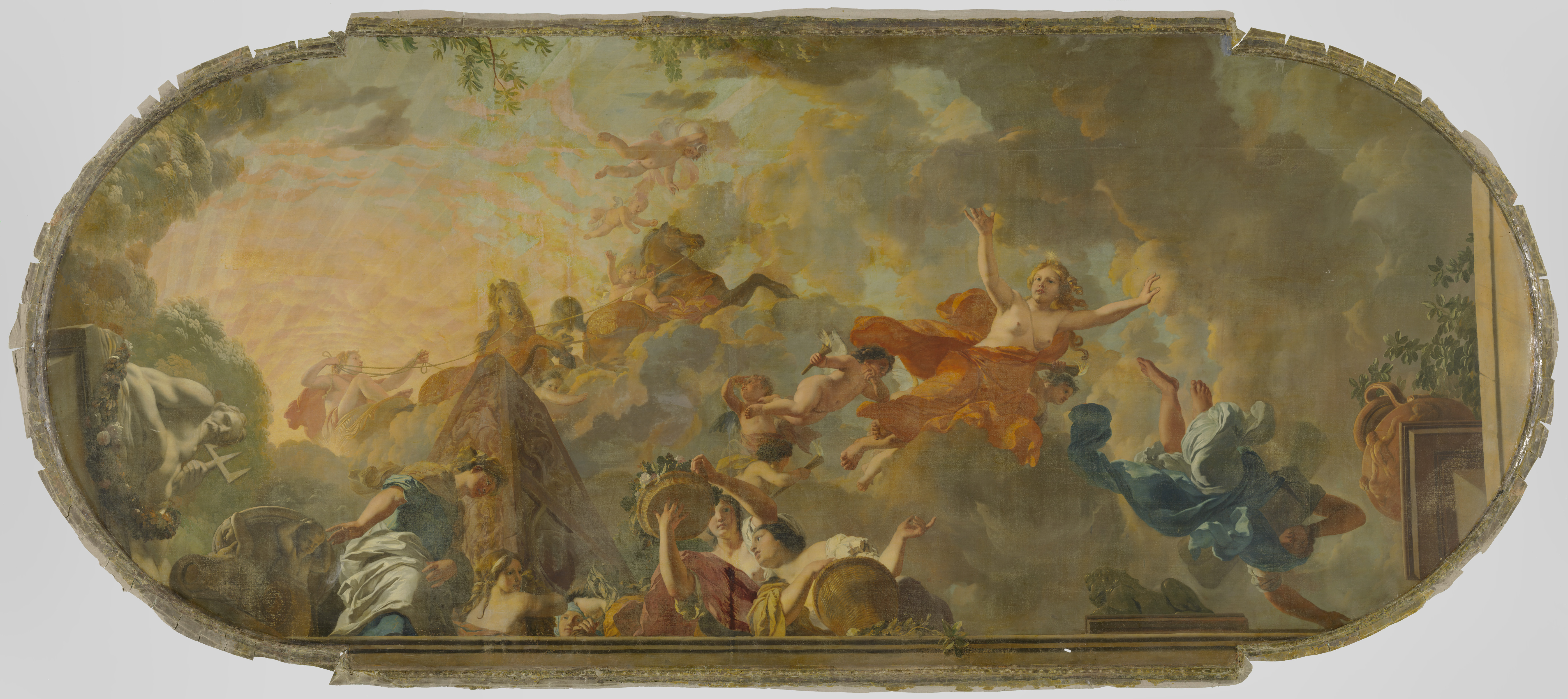
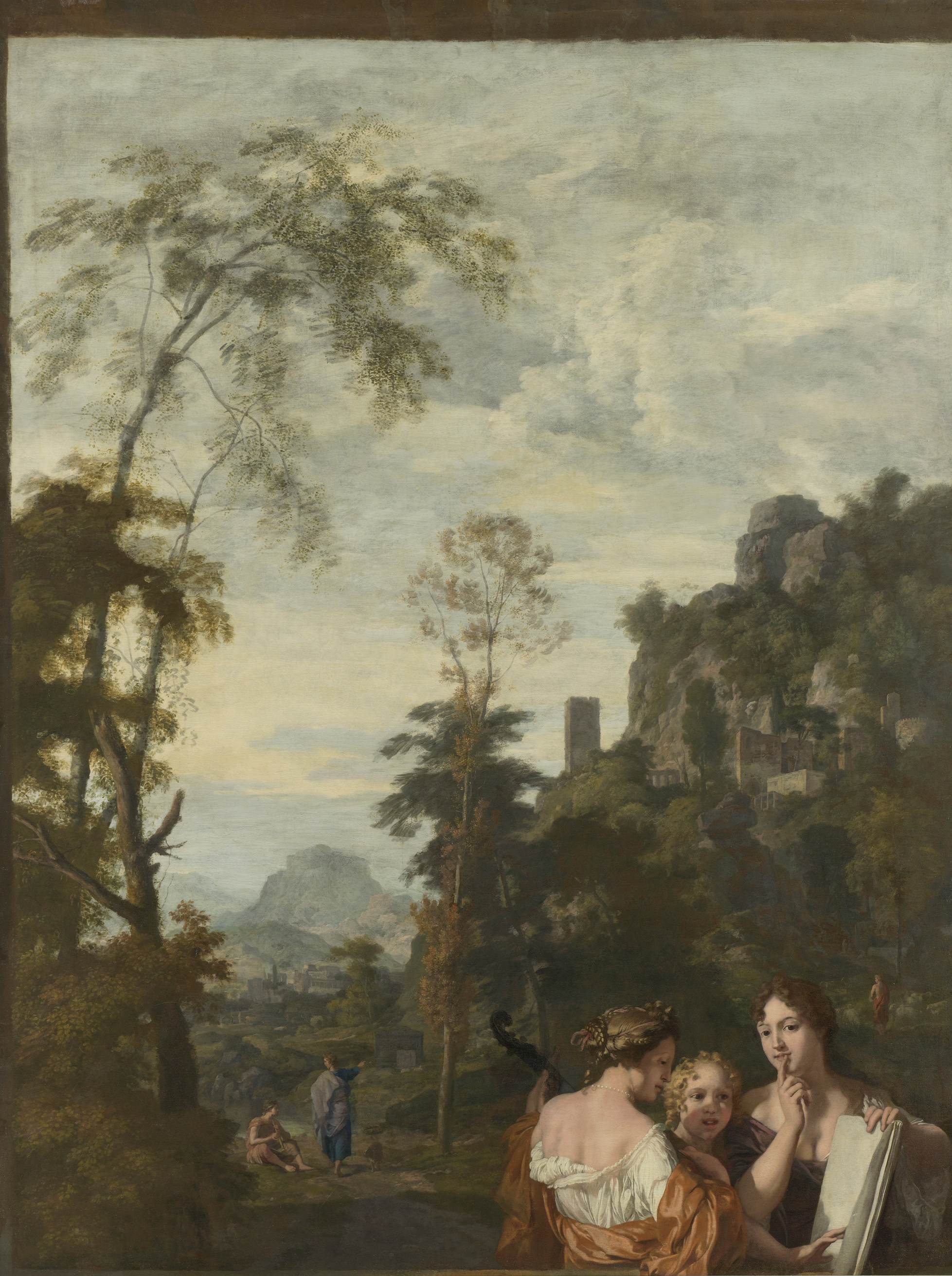
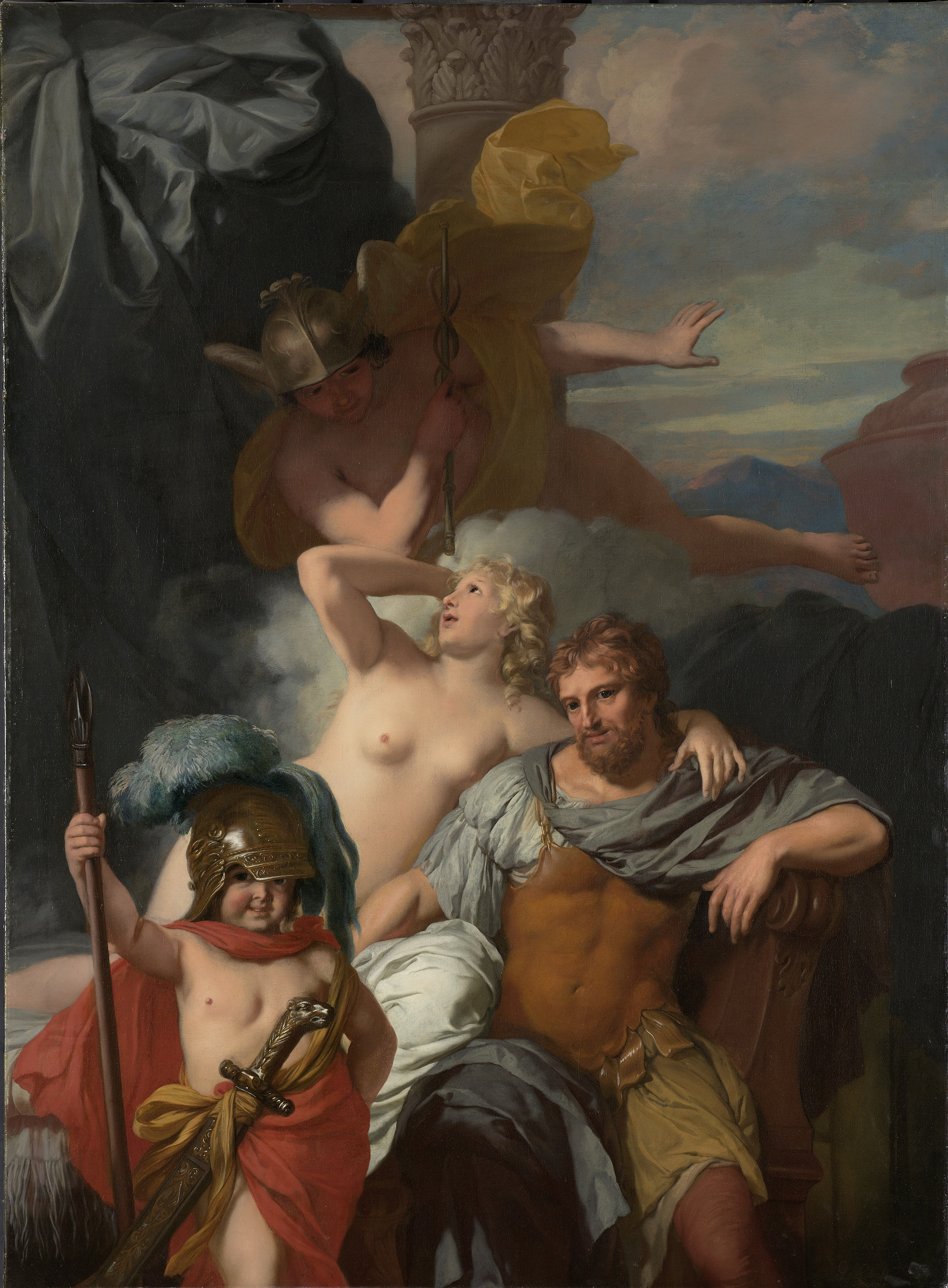
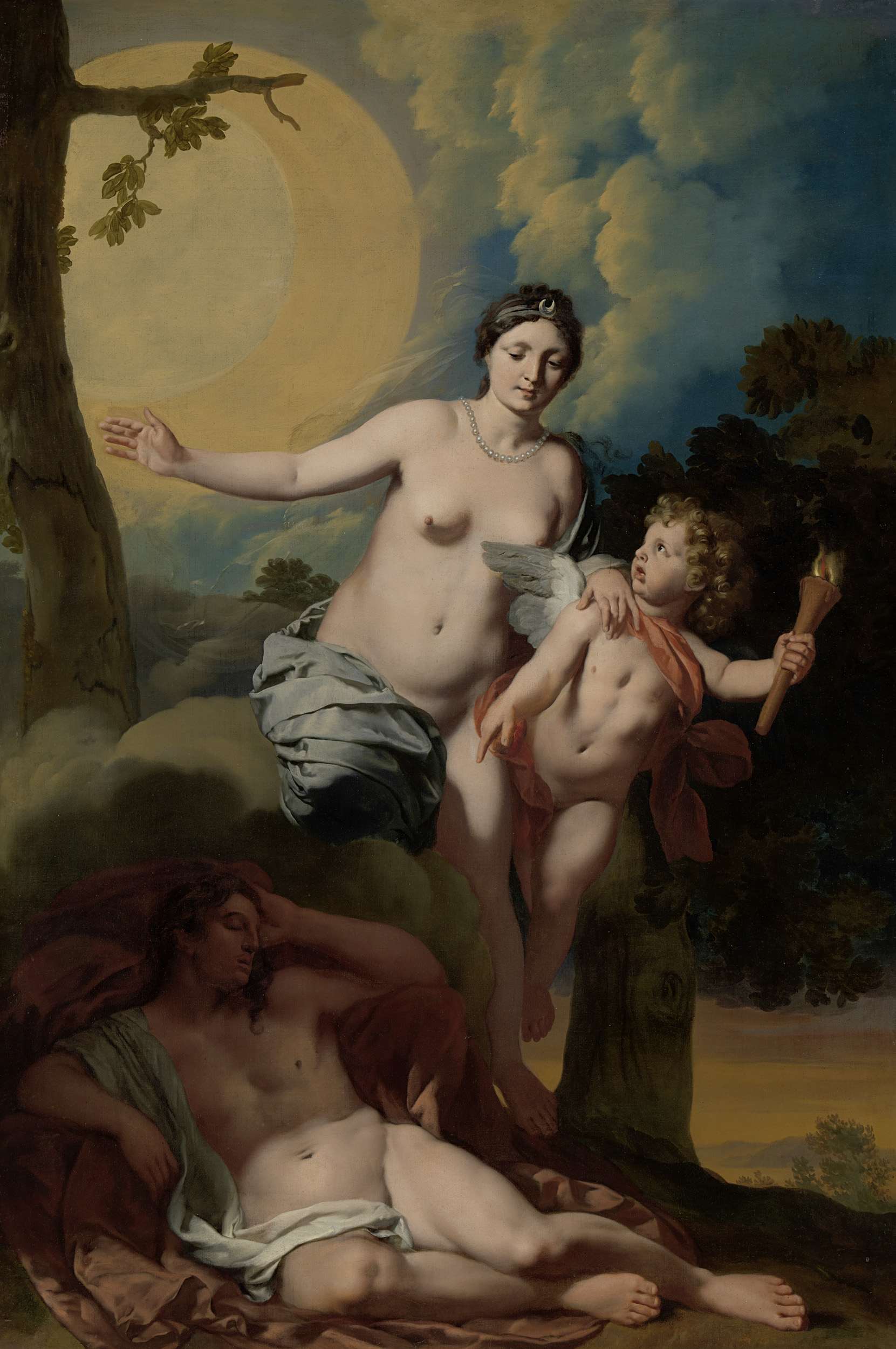
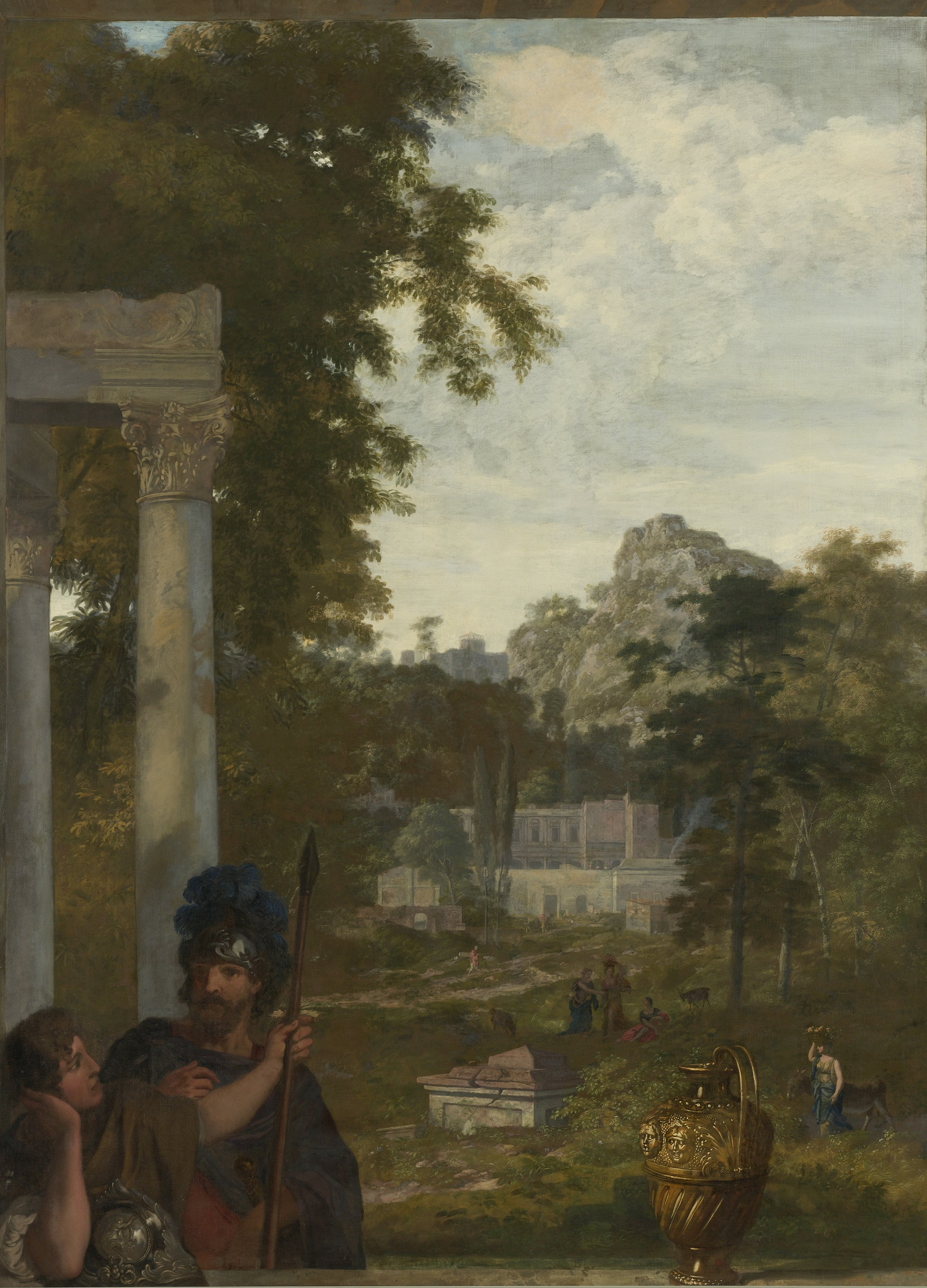
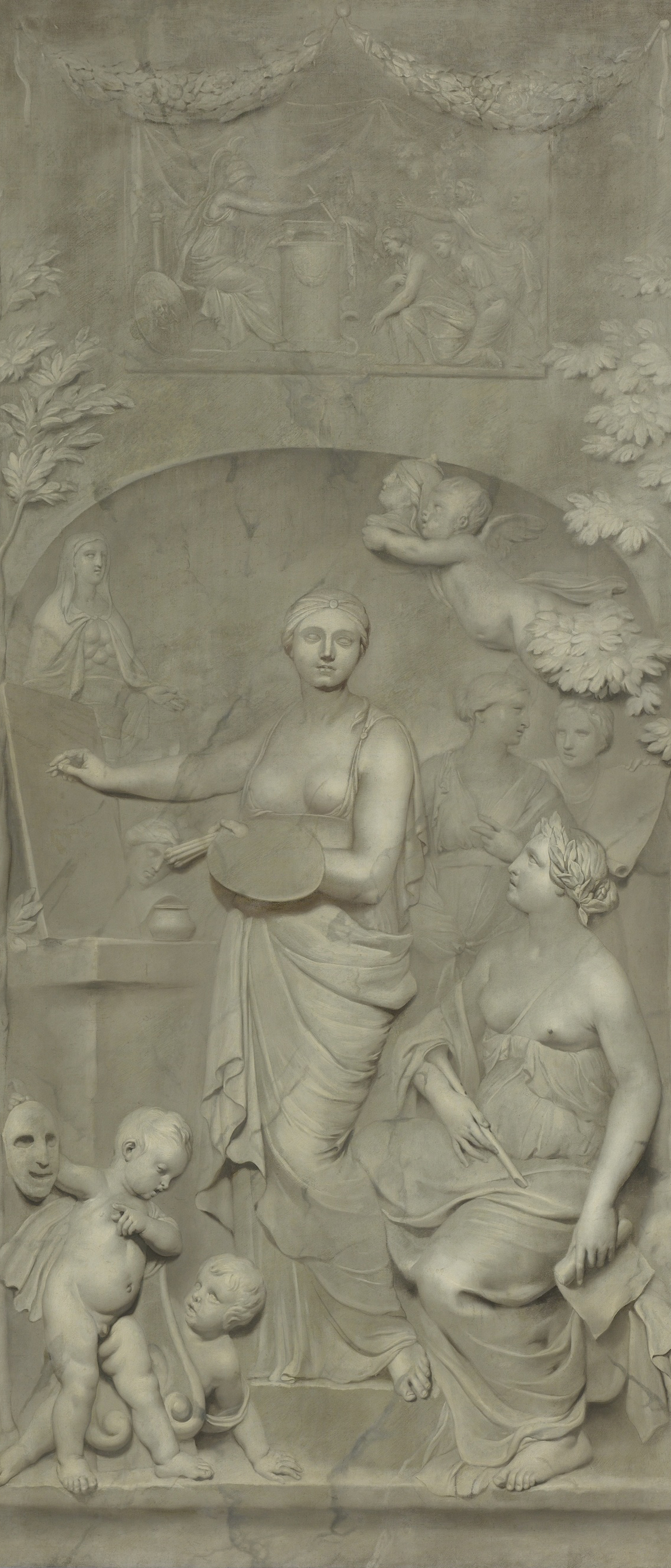
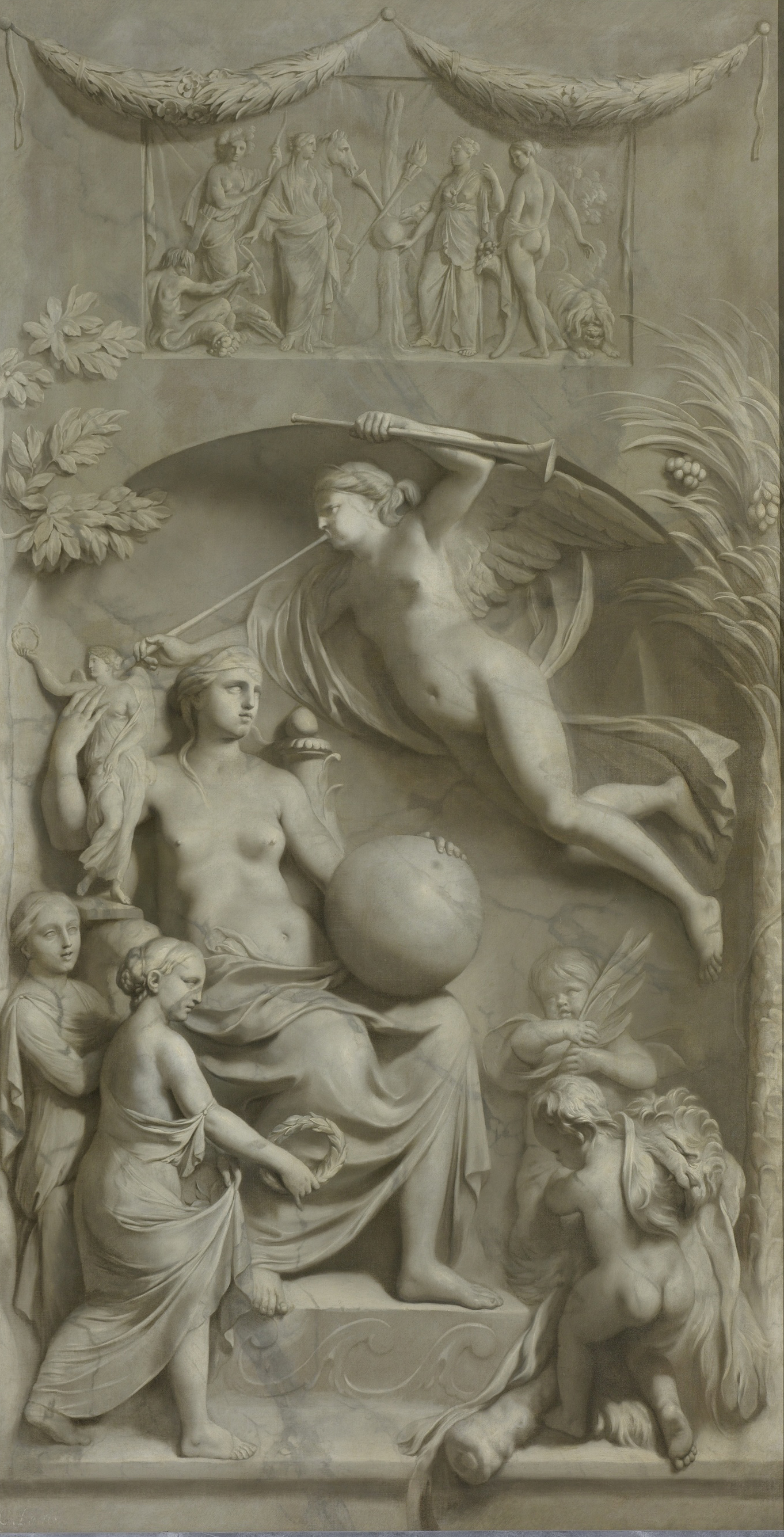
“Every brushstroke is a heartbeat remembered.” In the dance of memory, we grapple with the shadows of what once was, understanding that loss transforms even our most cherished moments. Focus on the central figure, a majestic woman crowned with radiant laurel; her presence draws the eye, embodying the essence of fame. Notice how the soft, golden light cascades from her head, illuminating the vibrant colors of the drapery that envelops her, contrasting with the muted background. The delicate play of light and shadow creates a sense of depth, inviting the viewer to explore the subtleties of her expression, a mixture of pride and melancholy that speaks of fleeting glory.
Hidden within the swirling clouds and ethereal figures are layers of meaning. The juxtaposition of the woman's brilliance against the darkness surrounding her hints at the transient nature of fame, and the figures of Time and History, subtly included, remind us that all achievements are eventually enveloped by the passage of time. Each detail, from the intricate patterns on her garment to the soft expressions on the faces in the background, encapsulates the duality of glory and loss, making the viewer ponder their own relationship with remembrance.
During the years between 1675 and 1683, Gerard de Lairesse created Allegory of Fame in Amsterdam, a period marked by the rise of Dutch painting and the exploration of allegorical themes. The artist was navigating his own personal struggles, afflicted by failing health that would lead to his eventual blindness. In this artwork, he captures not just the allure of fame but also the inevitable shadows it casts, reflecting both his artistic ambitions and the poignant reality of loss that colored his later years.