Allegory of the Arts — History & Analysis
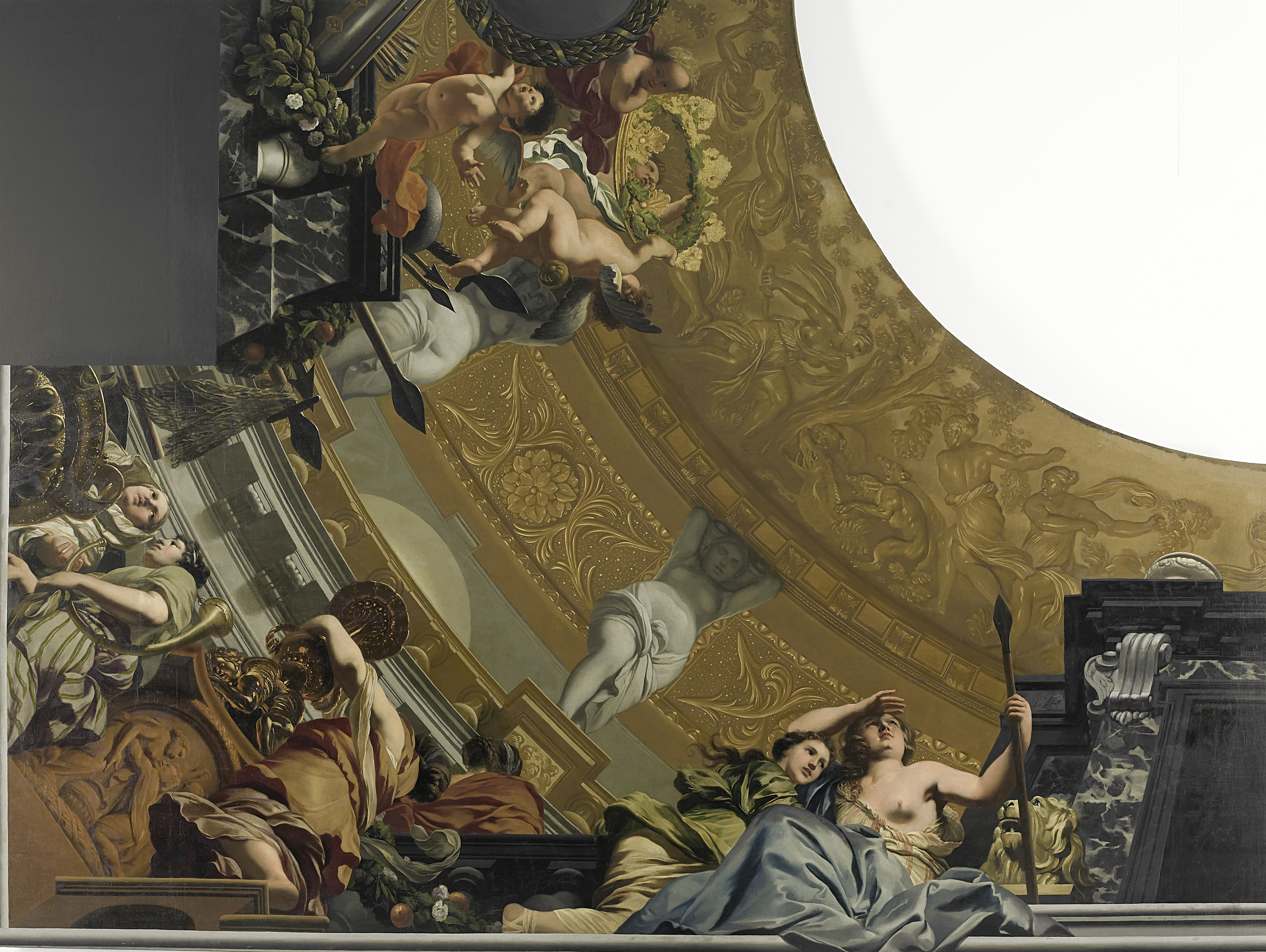
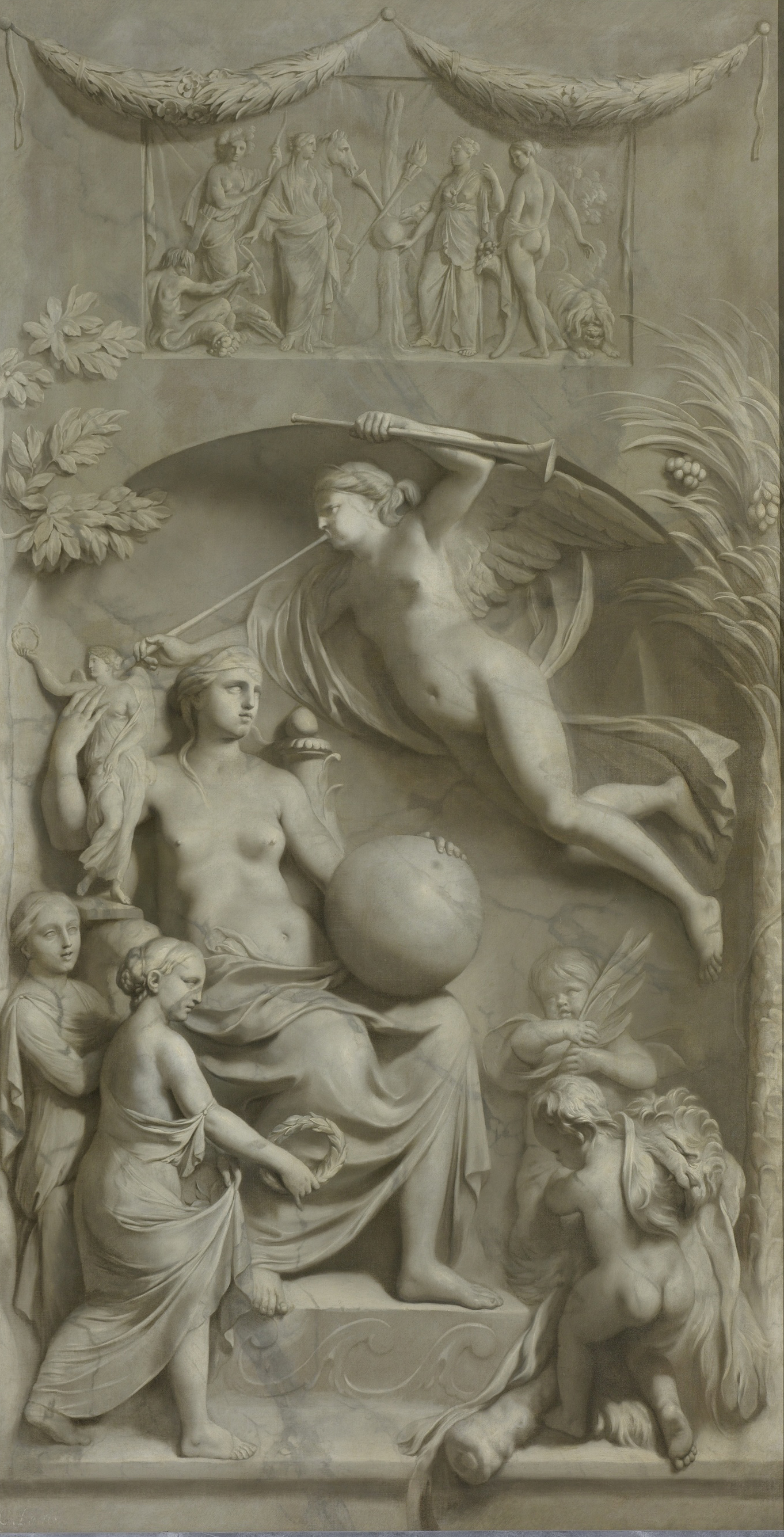
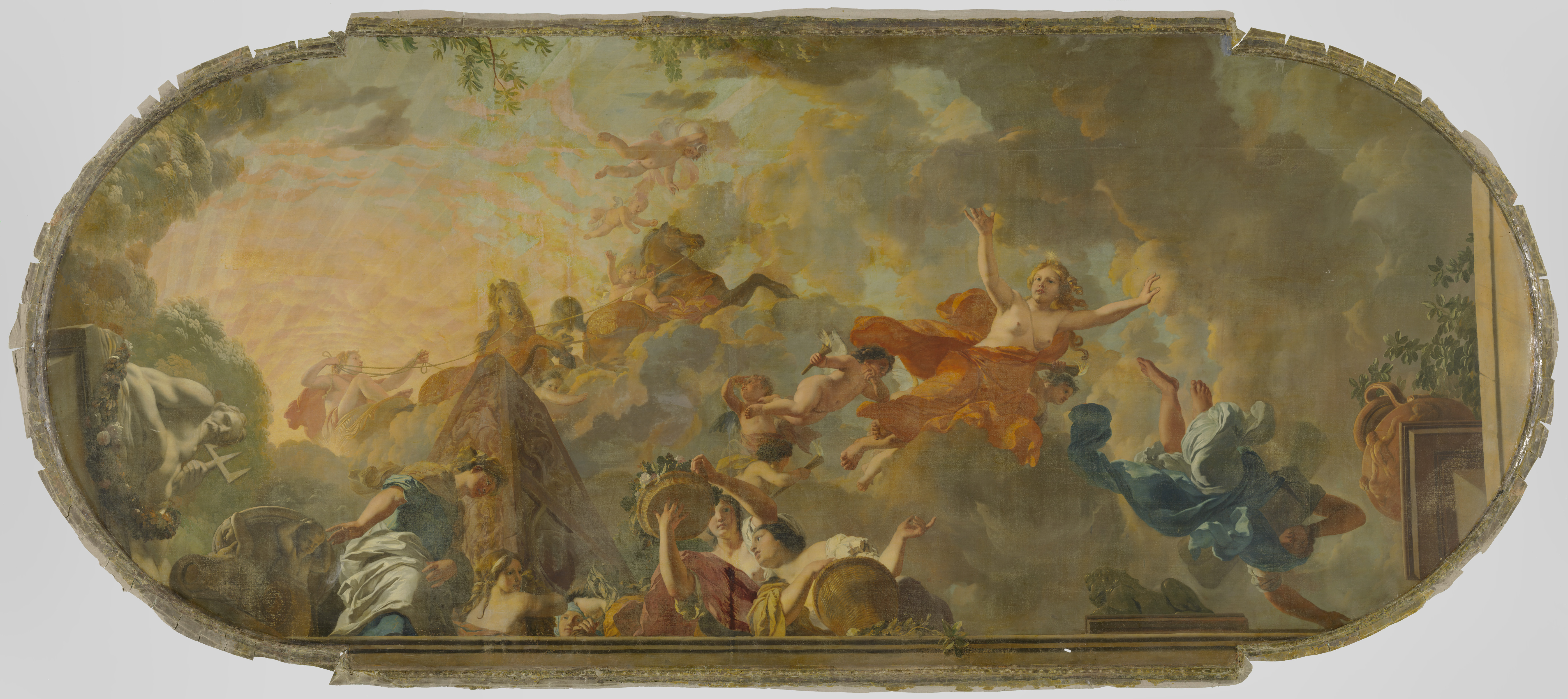
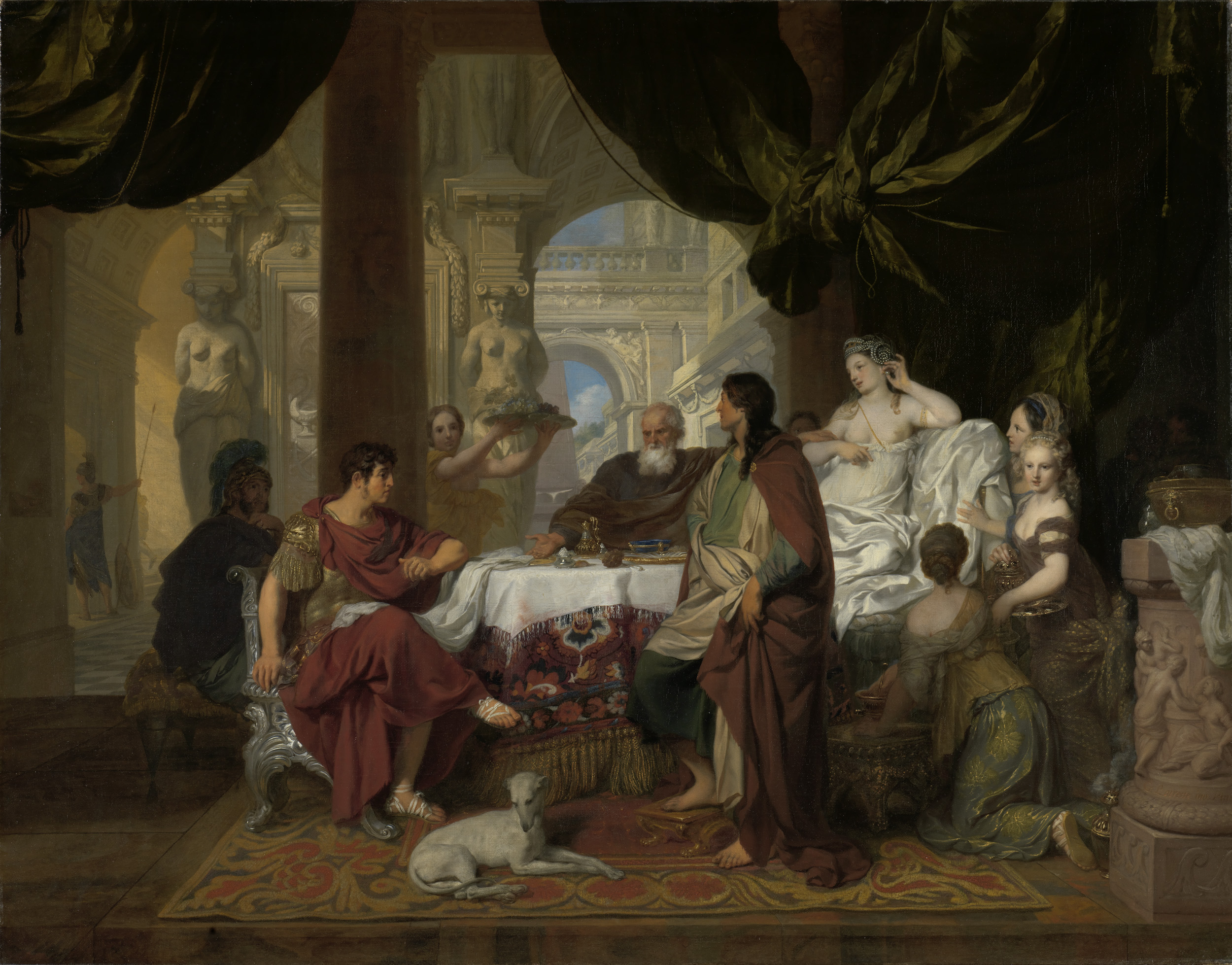
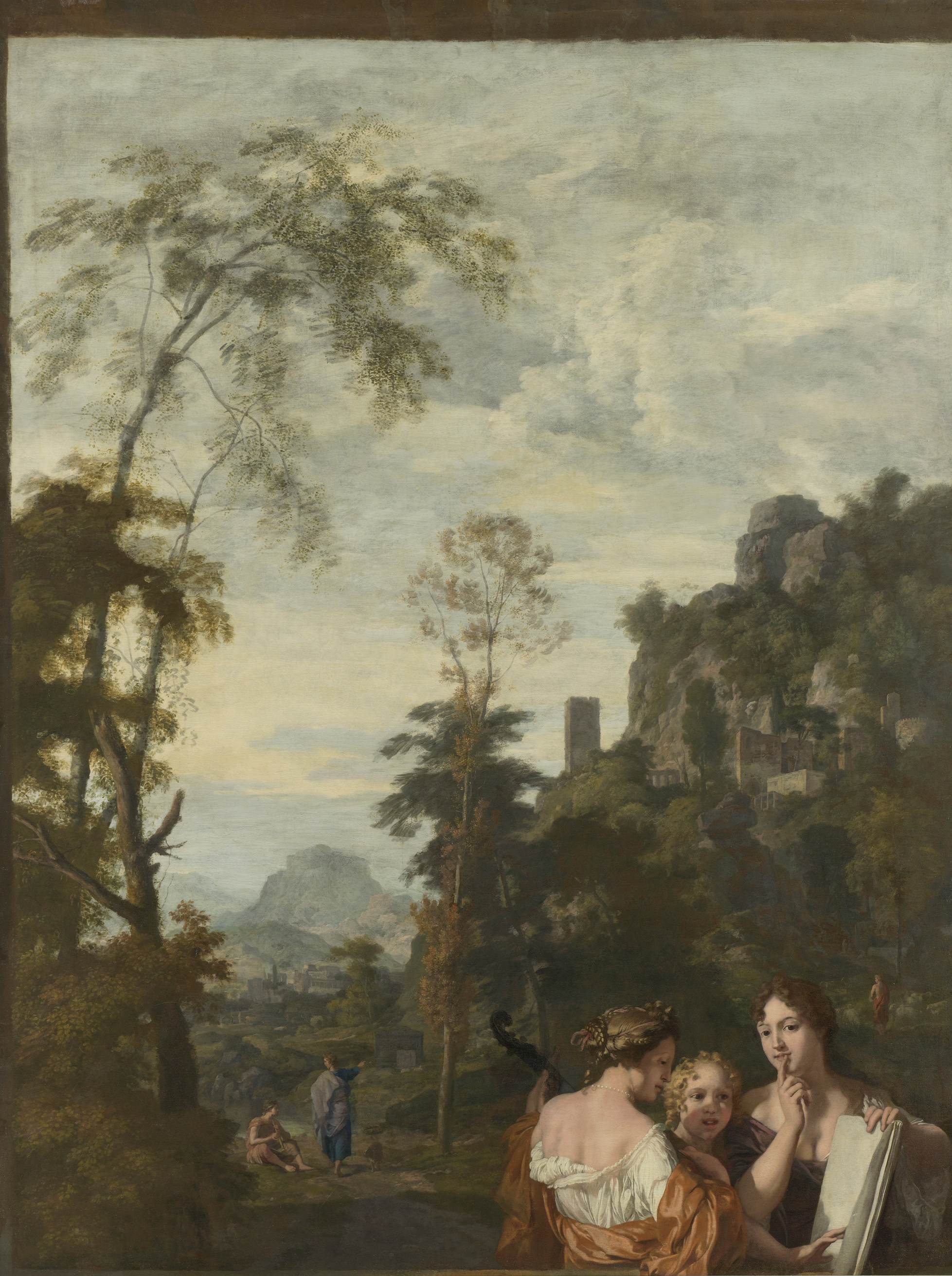
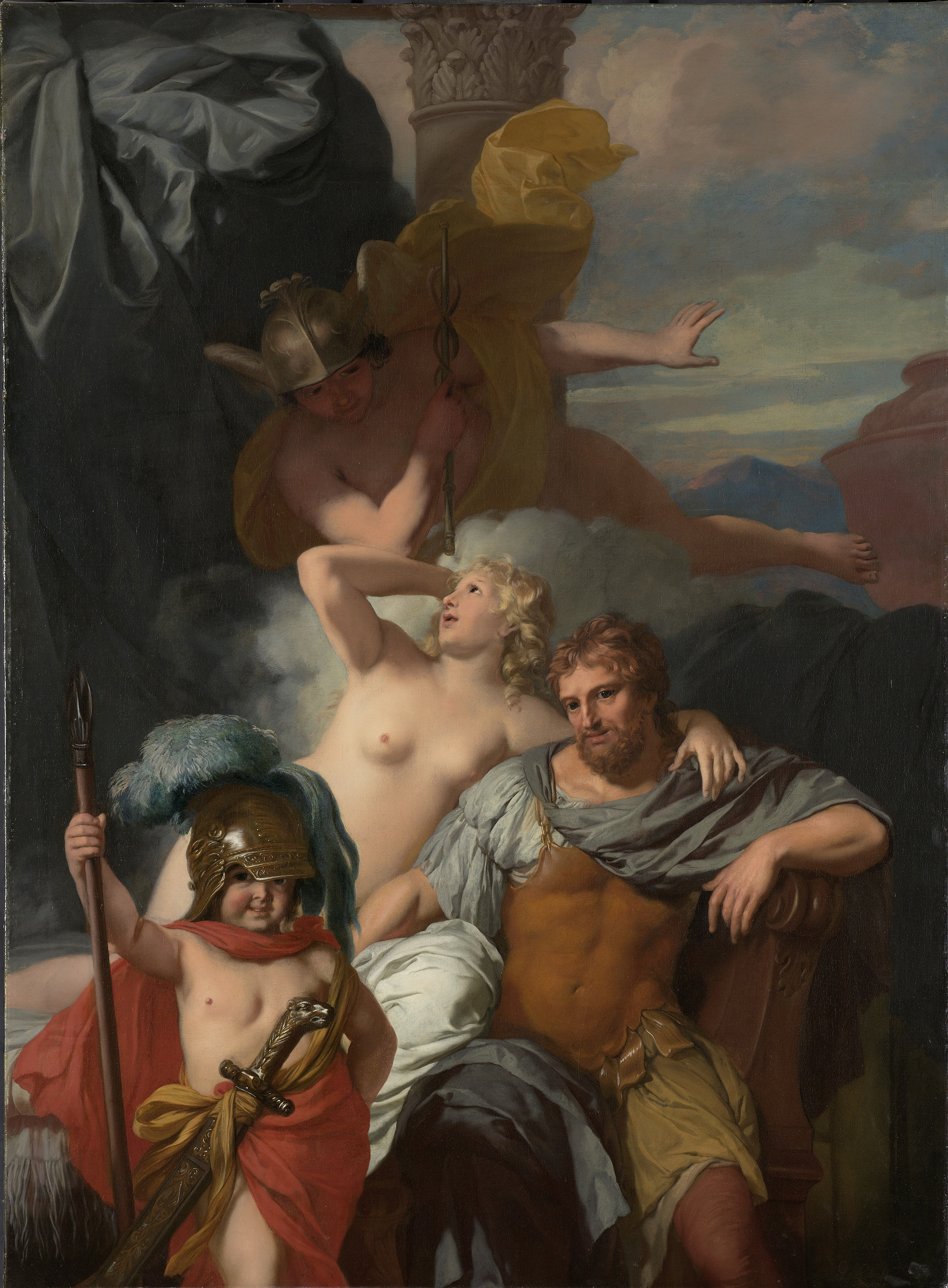
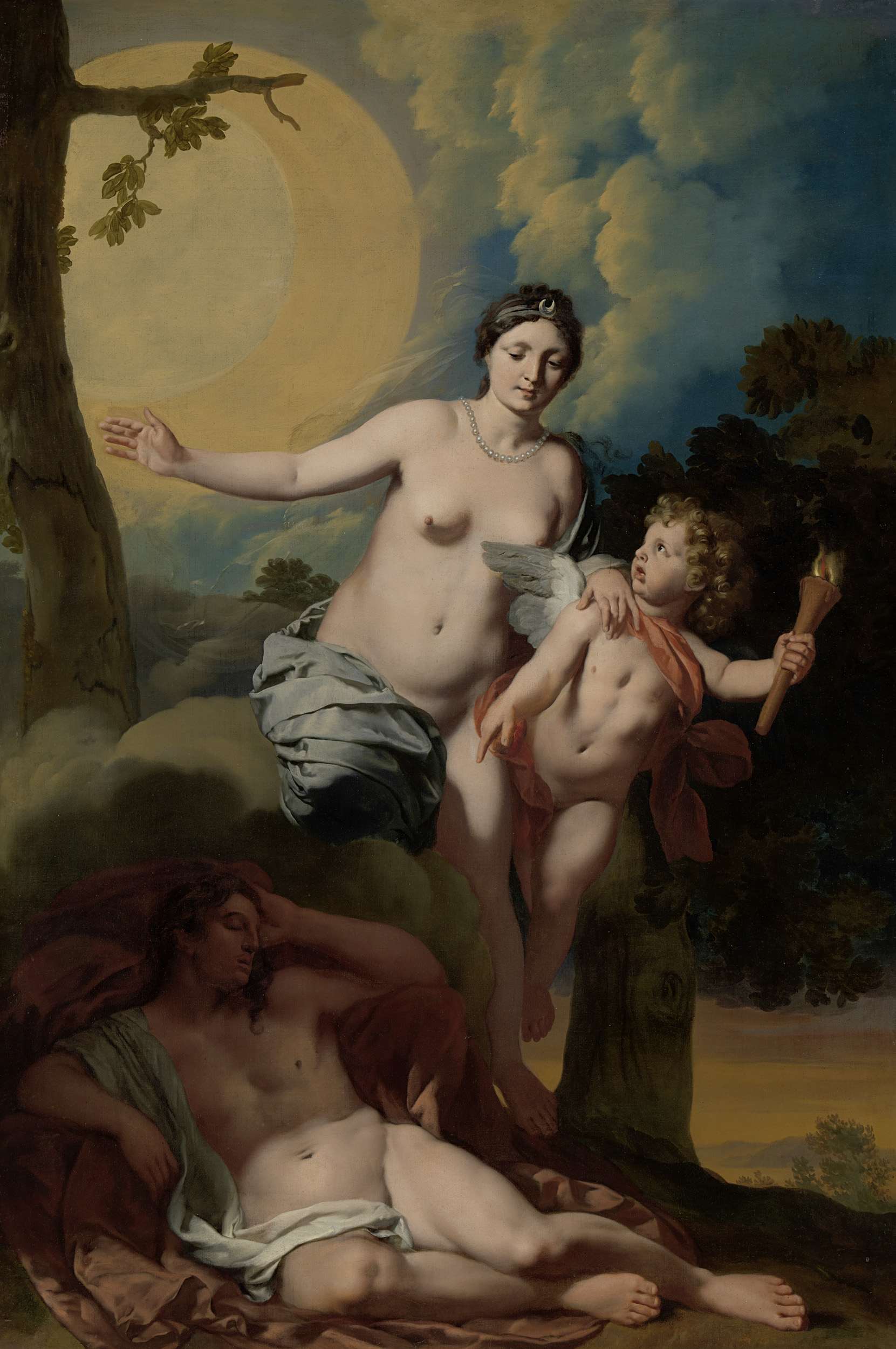
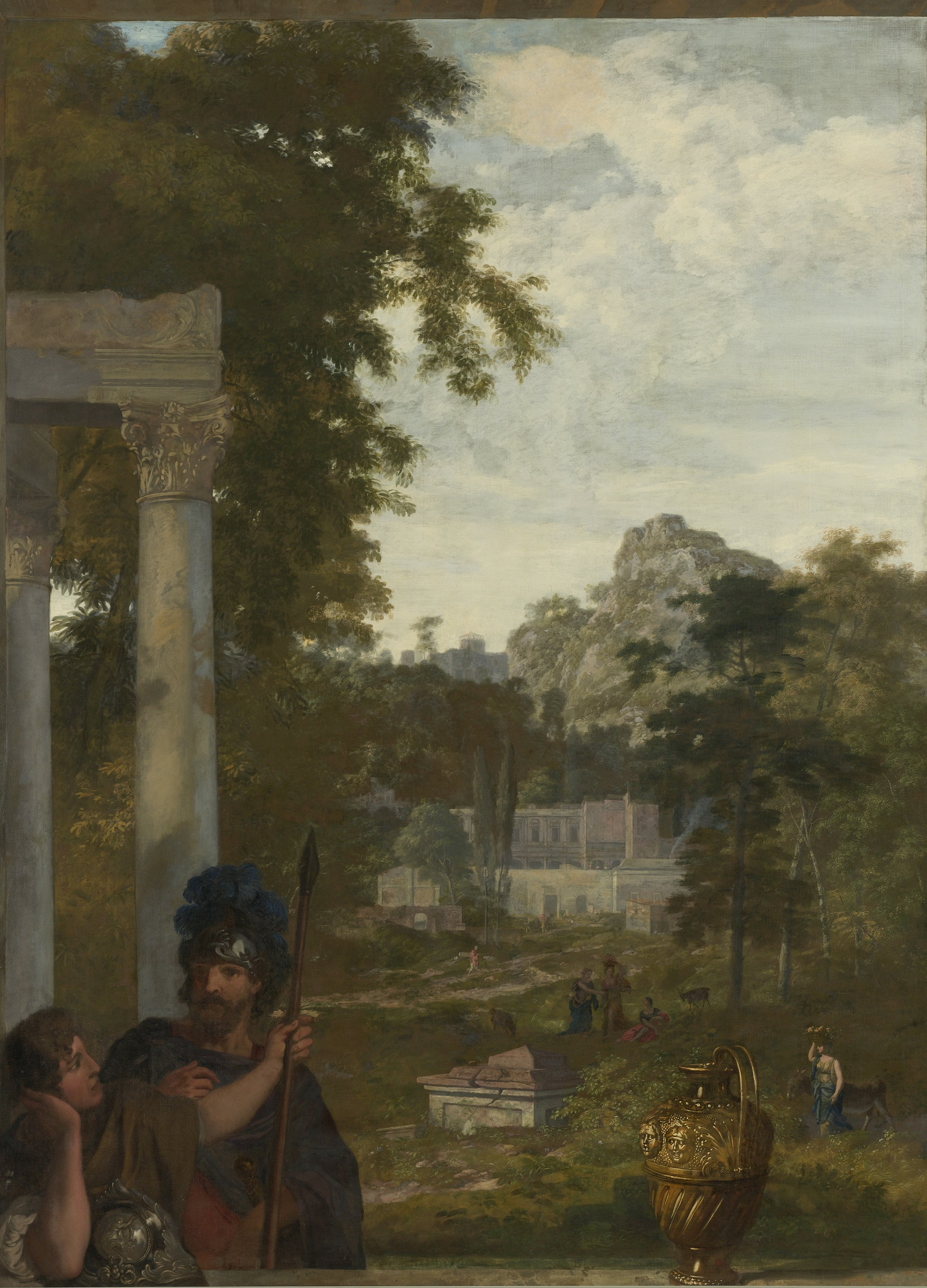
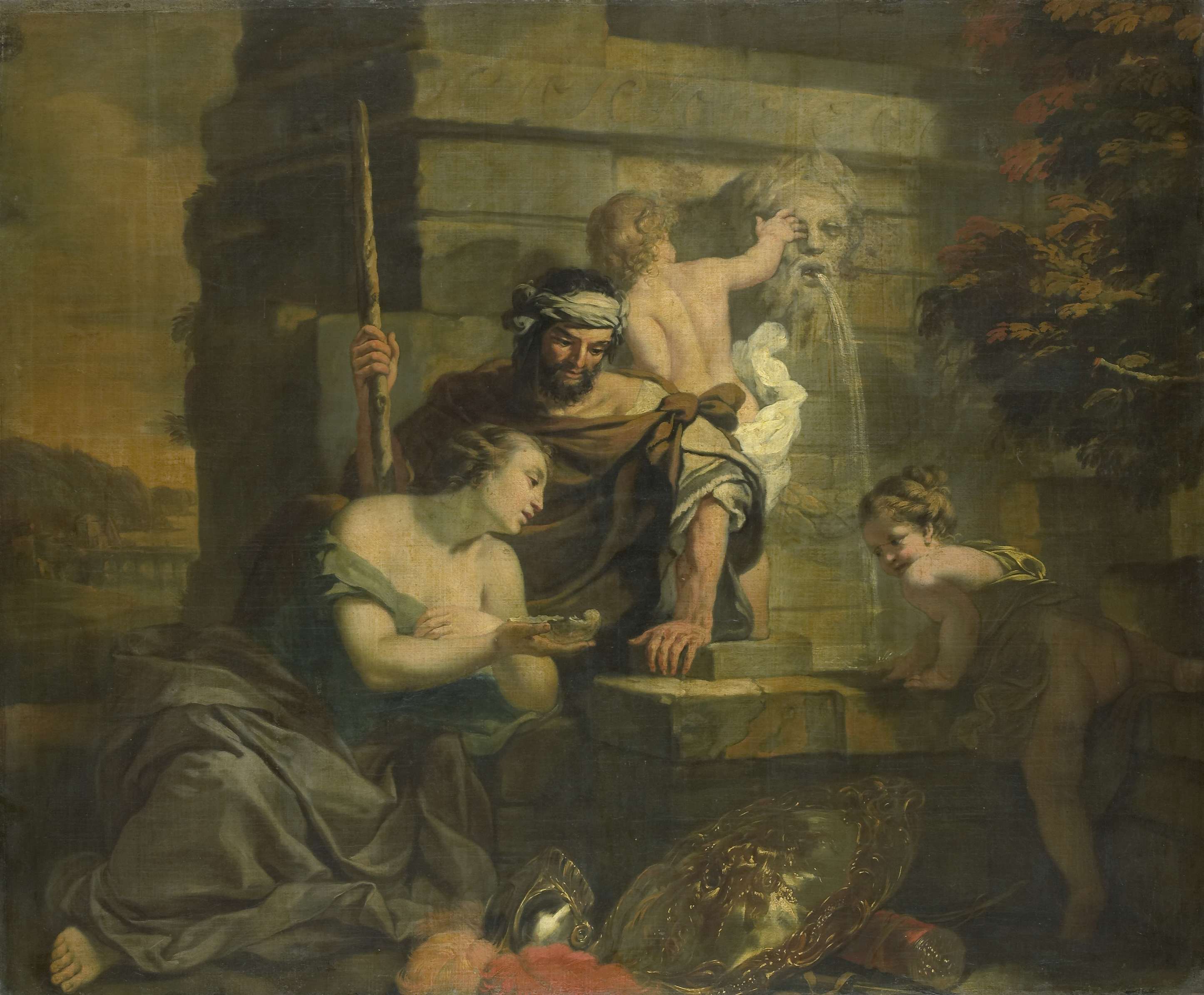
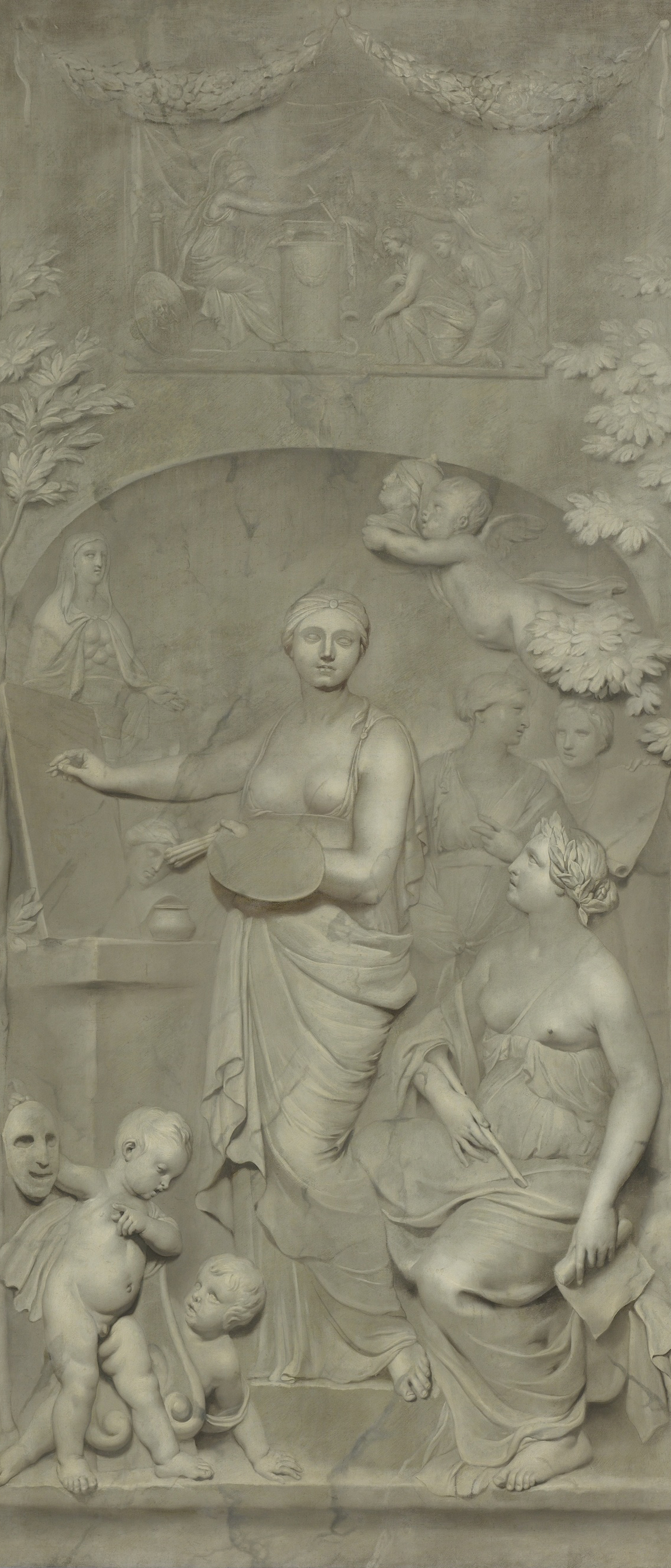
Can beauty exist without sorrow? In Allegory of the Arts, a haunting emptiness lingers beneath the vibrant display of artistic endeavors, inviting contemplation on the duality of creation and despair. Look to the center of the composition, where a group of figures is gathered in a harmonious yet melancholic assembly. Notice how the light gently bathes their forms, illuminating the rich colors of their draped garments, while shadows weave a veil of introspection around them.
The carefully arranged elements draw the eye from the focal point of the artist’s palette, a symbol of creativity, to the ethereal figures above, representing the arts that hover like spirits, illustrating the delicate balance between inspiration and void. Beneath the surface beauty, a poignant narrative unfolds. The juxtaposition of the lively figures with the spectral representation of the arts hints at the transient nature of joy in the creative process. Each artisan, while engaged in their craft, seems aware of an underlying melancholy, suggesting that the act of creation is intertwined with a sense of loss.
The empty spaces within the composition evoke a profound reflection on the void that art seeks to fill, reinforcing the notion that beauty often emerges from sorrow. During the years 1675 to 1683, Gerard de Lairesse painted this work amidst a flourishing yet turbulent art scene in the Netherlands, marked by an increasing demand for allegorical paintings. Striving for a synthesis of classical ideals and personal expression, the artist navigated both the heights of artistic ambition and the depths of personal challenges, all of which inform the emotional complexity found within this allegorical tableau.