Allegory of the Months February and March — History & Analysis
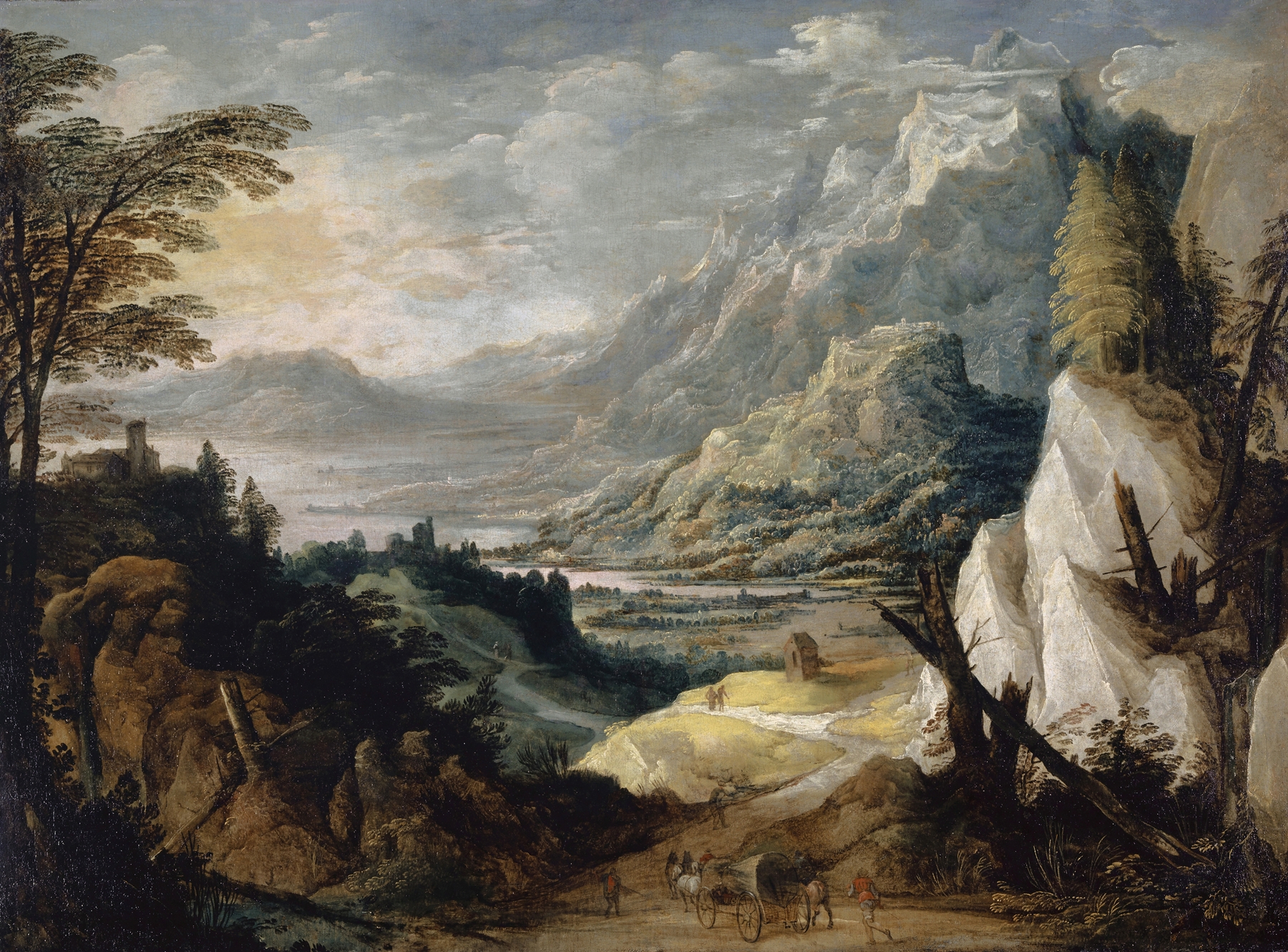
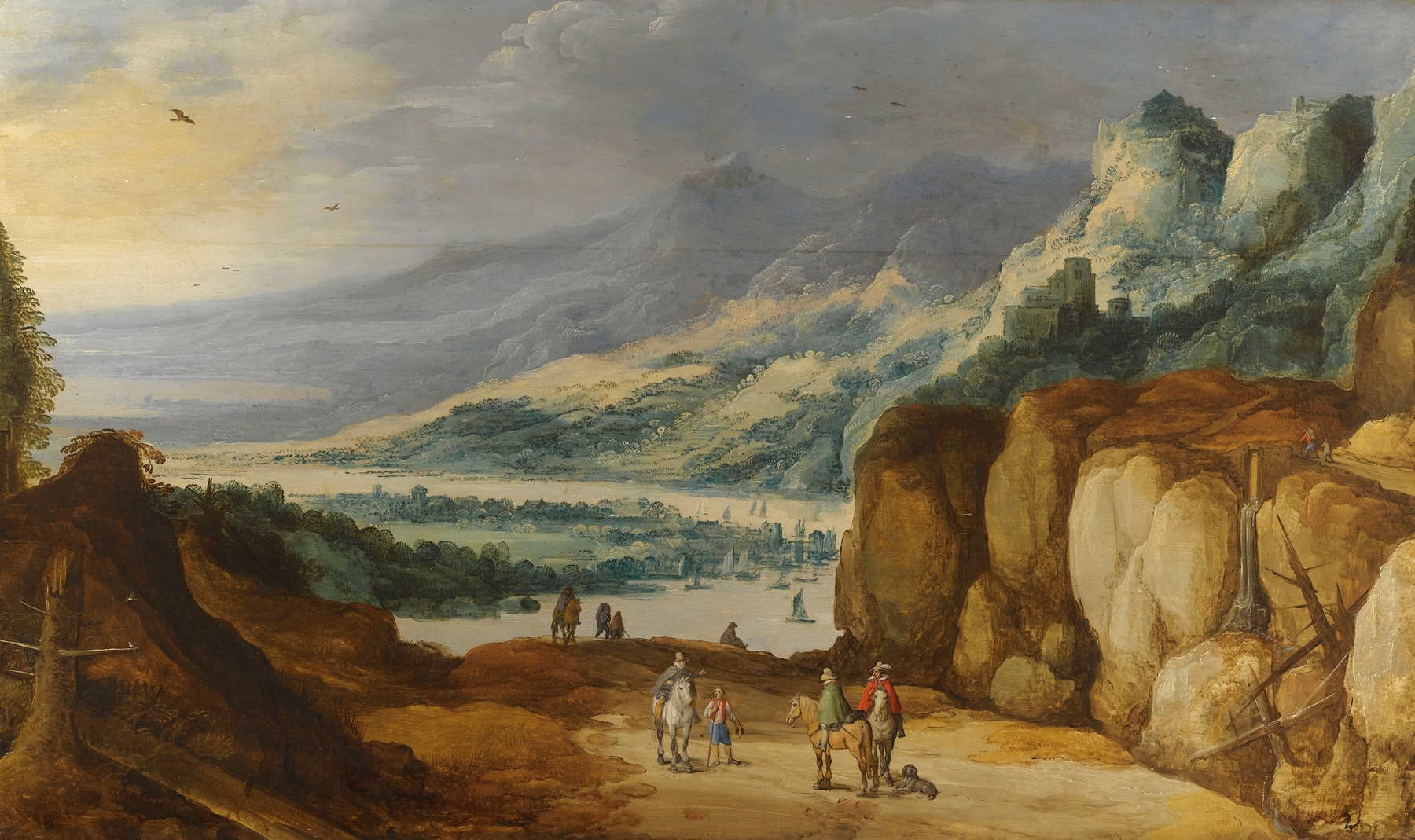
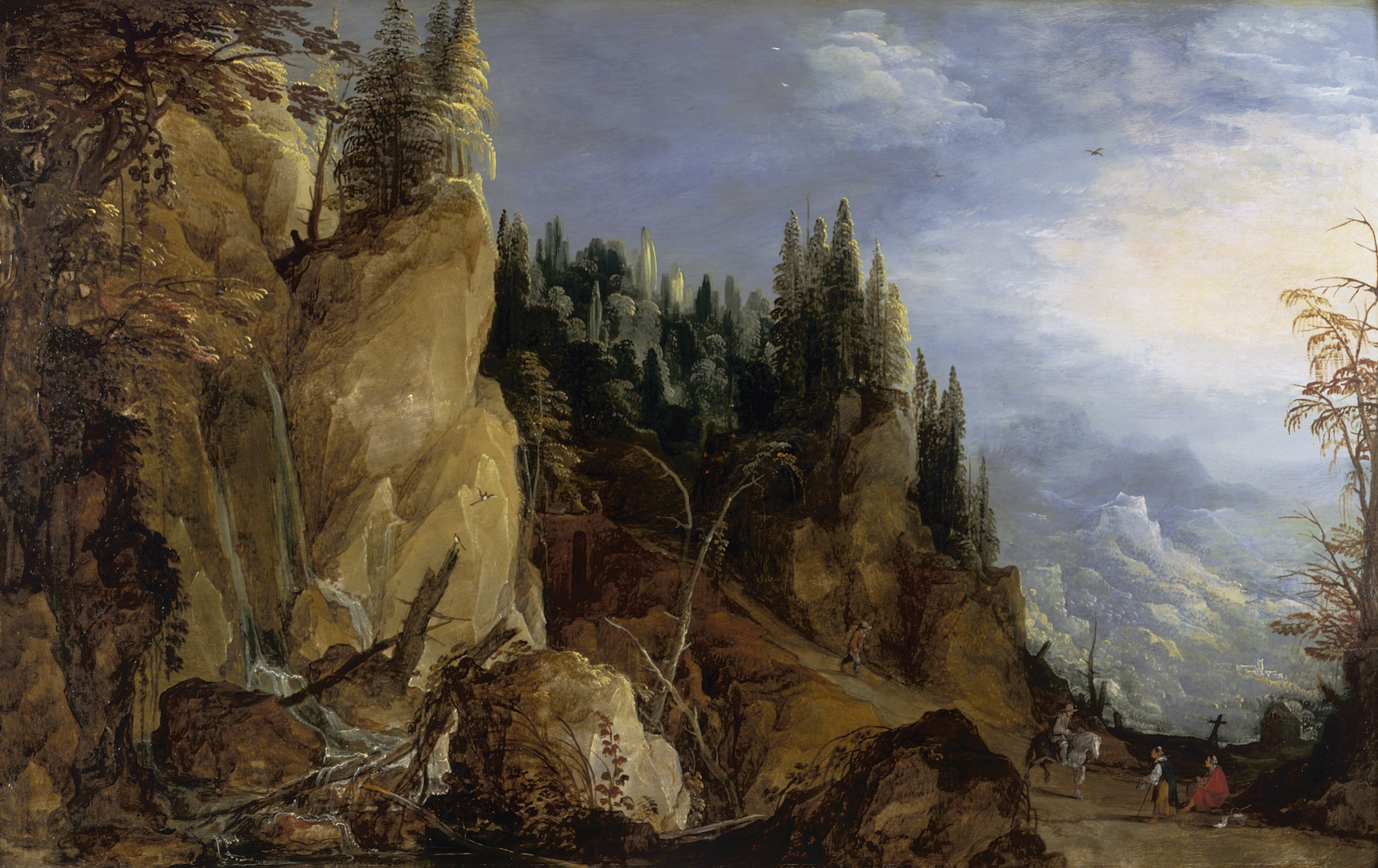
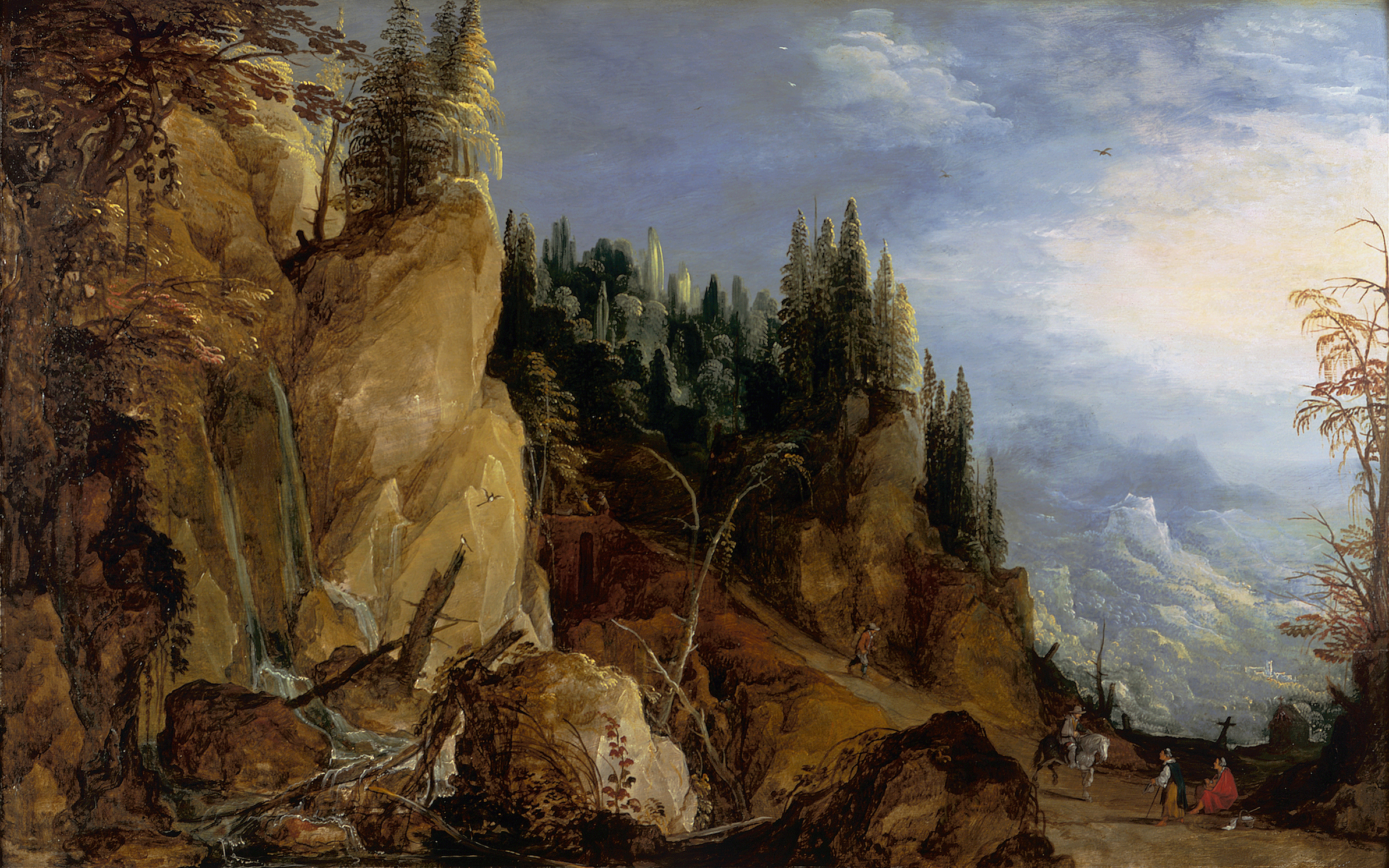
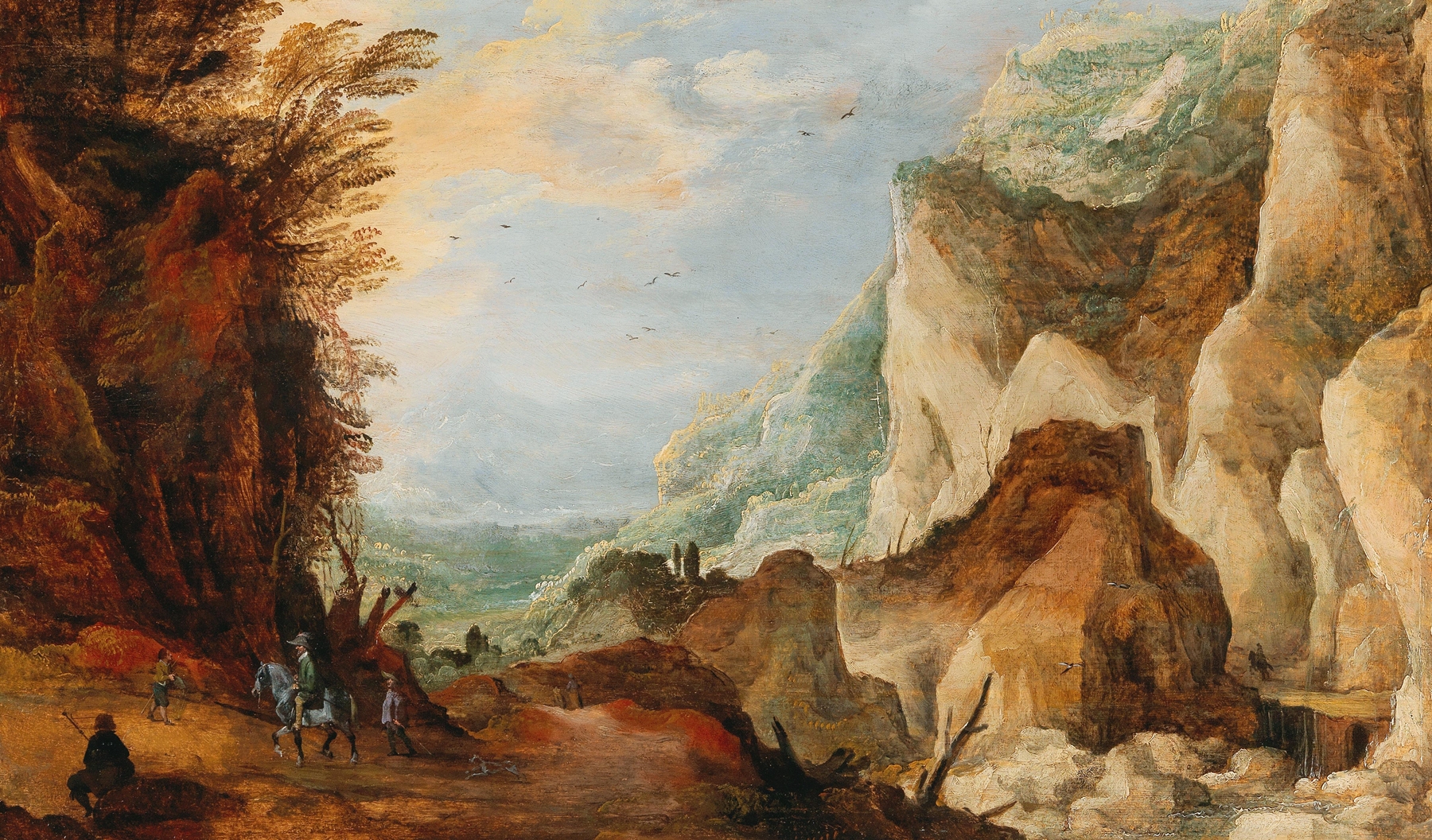
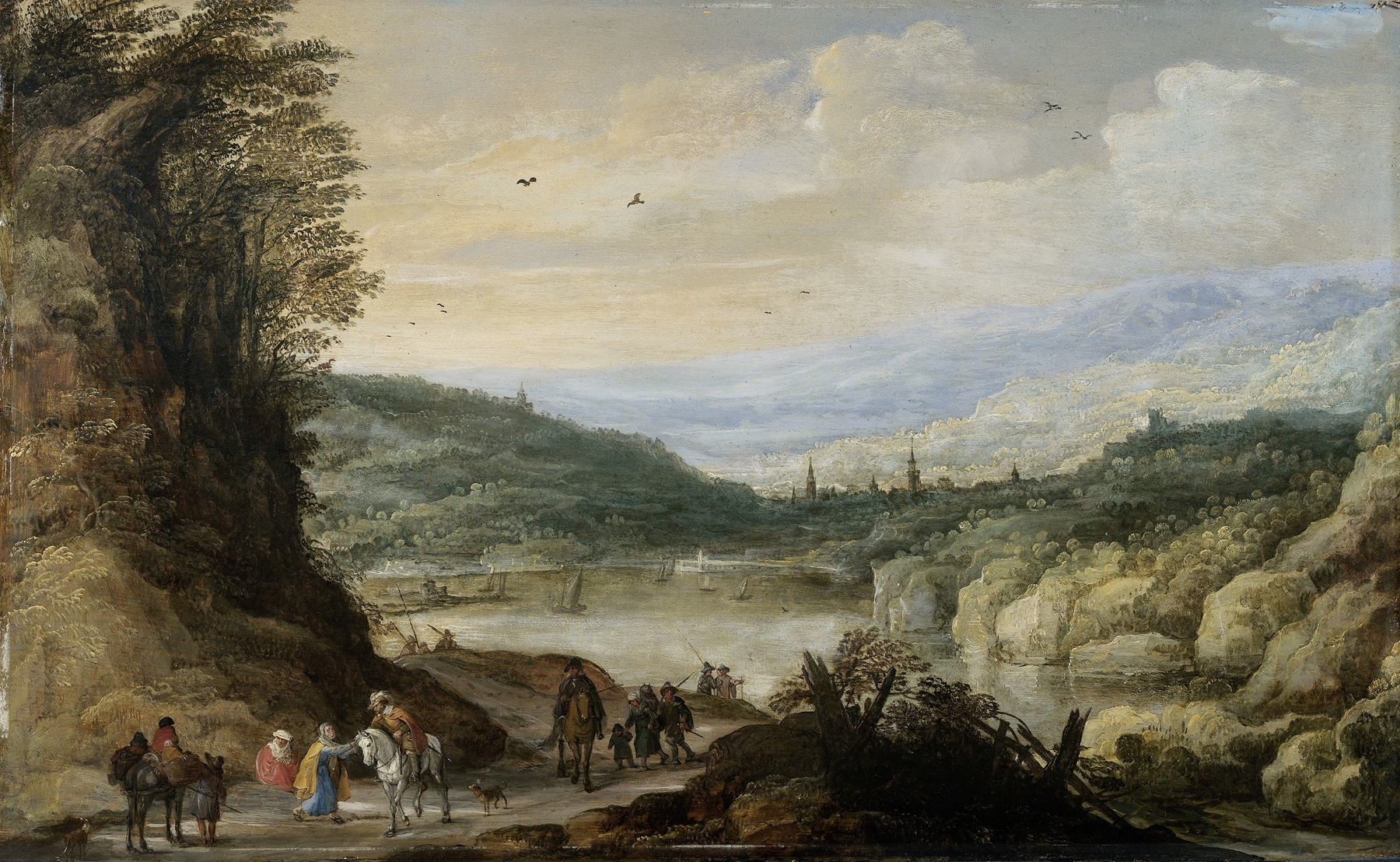
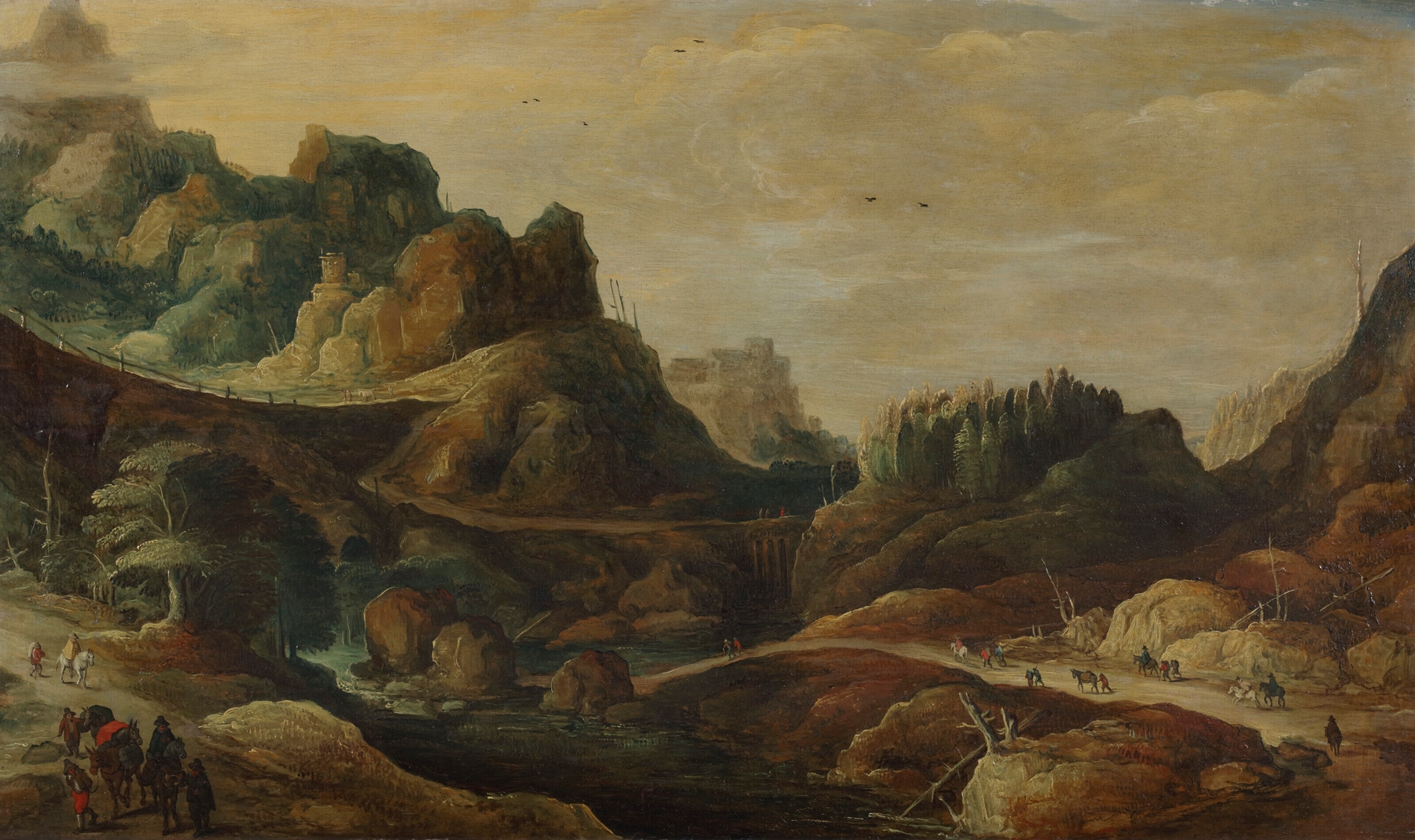
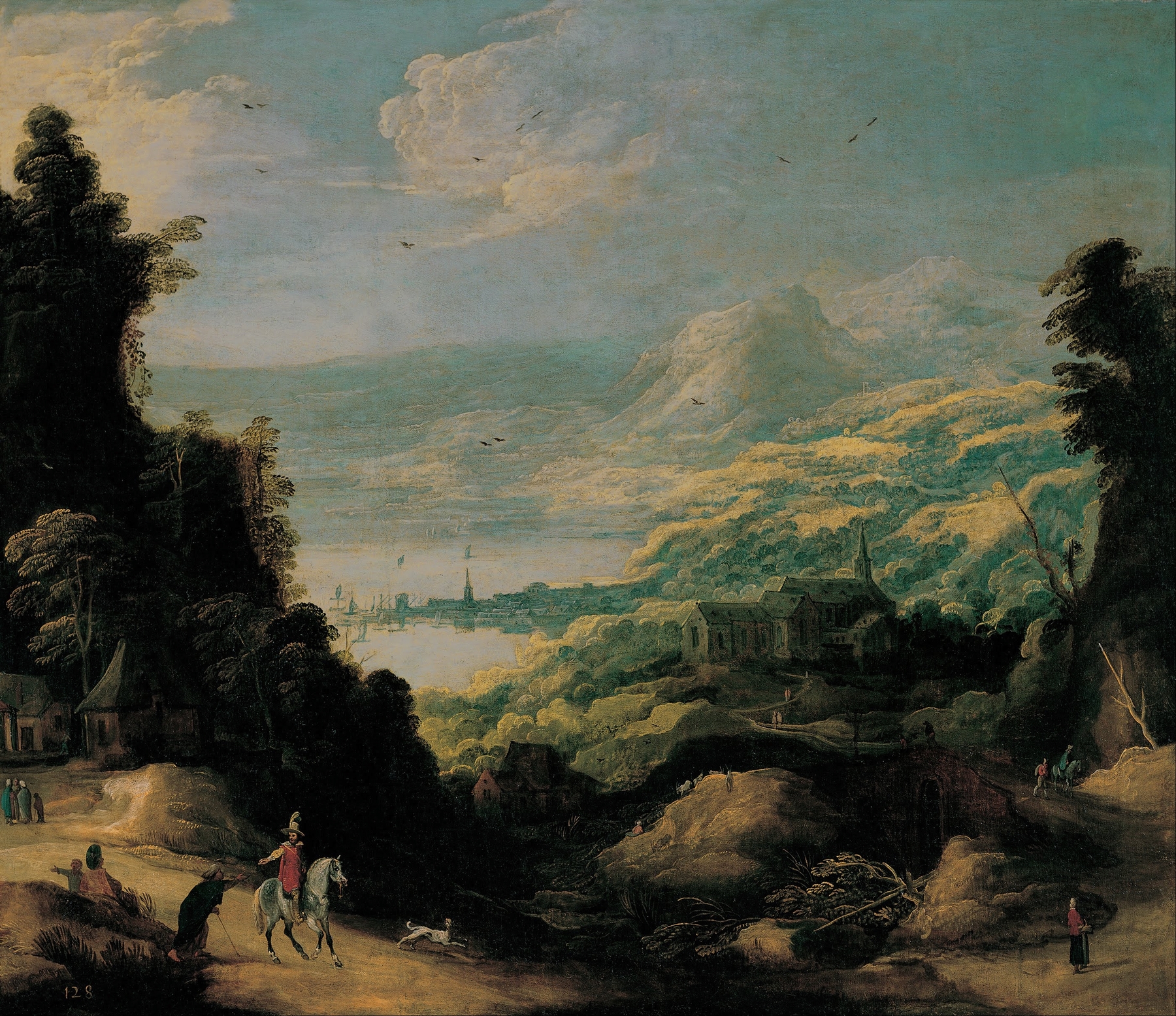
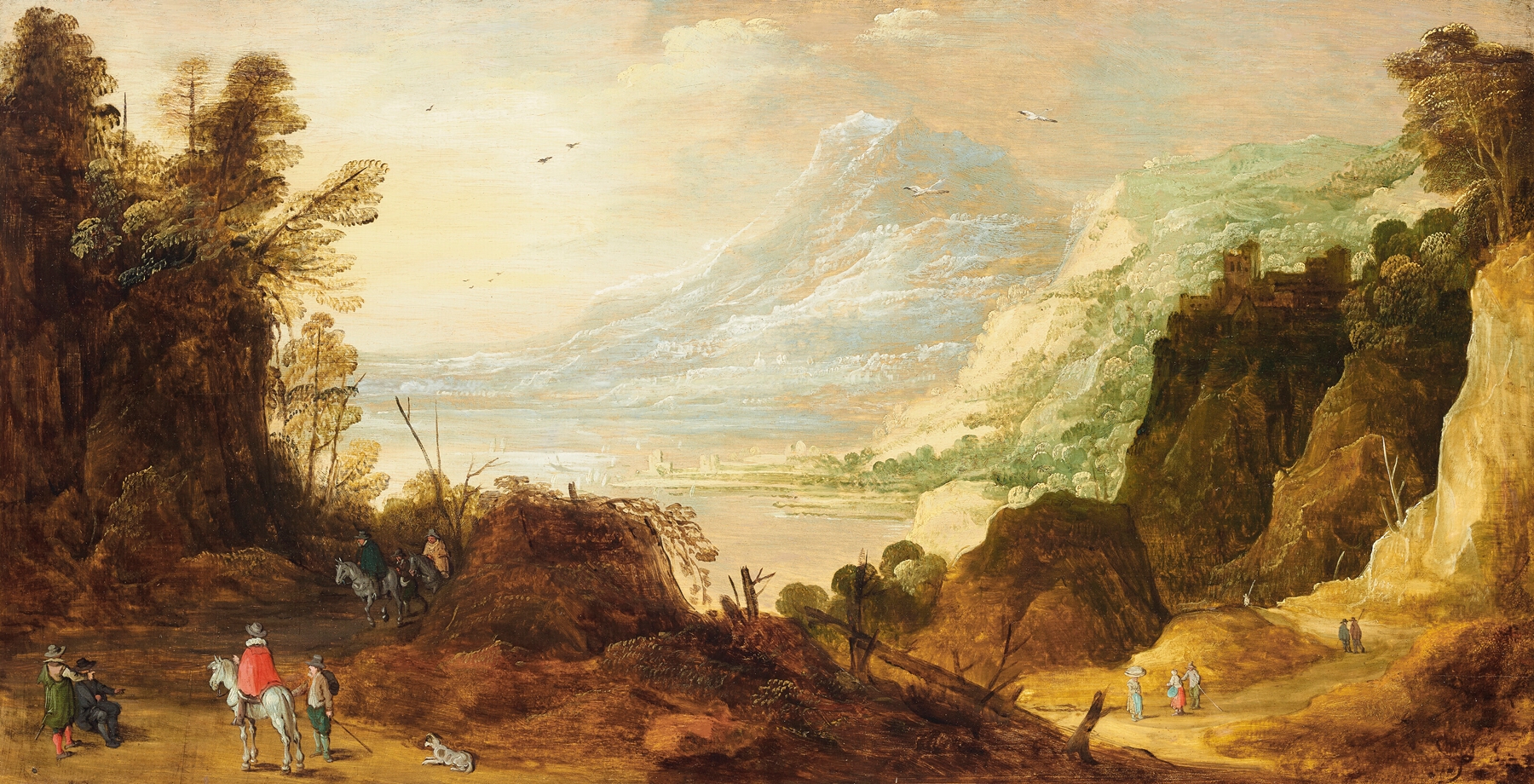
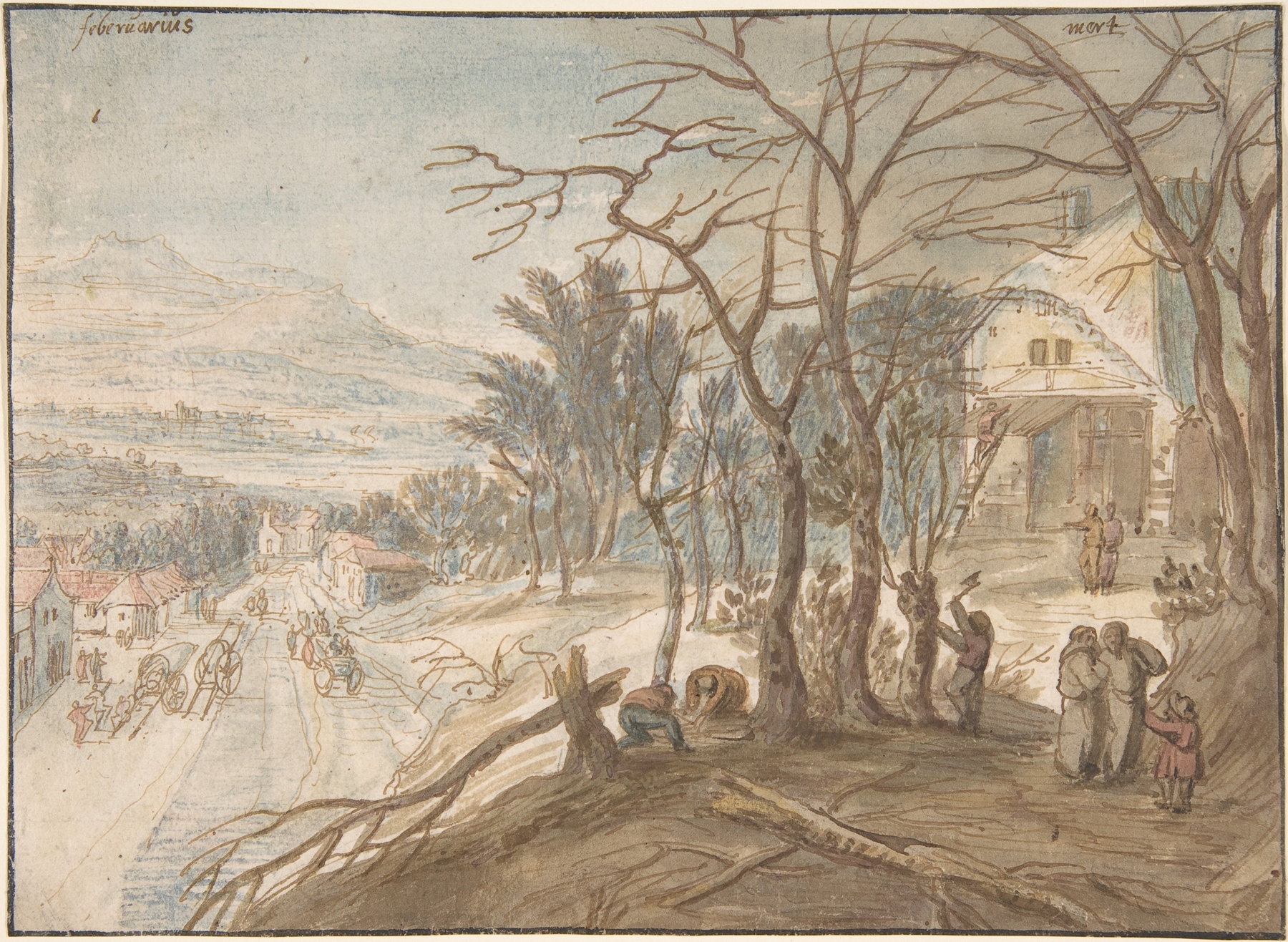
Could a single brushstroke hold eternity? In Allegory of the Months February and March, the passage of time is intricately woven into the fabric of nature, revealing the cycles of creation and decay that govern our lives. Look to the left, where February emerges as a cold, wintry landscape. Notice how the icy blues and grays contrast sharply with the muted browns of bare trees, setting a somber tone that evokes the chill of early spring.
Now shift your gaze to March on the right, bursting with life as verdant greens and vibrant yellows awaken the earth. The artist's masterful use of chiaroscuro highlights the transition between these two months, surrounded by delicate floral motifs that suggest renewal and hope. The duality of the seasons embodies a poignant emotional tension. February's barren trees and the figure struggling against the cold serve as metaphors for hardship and resilience.
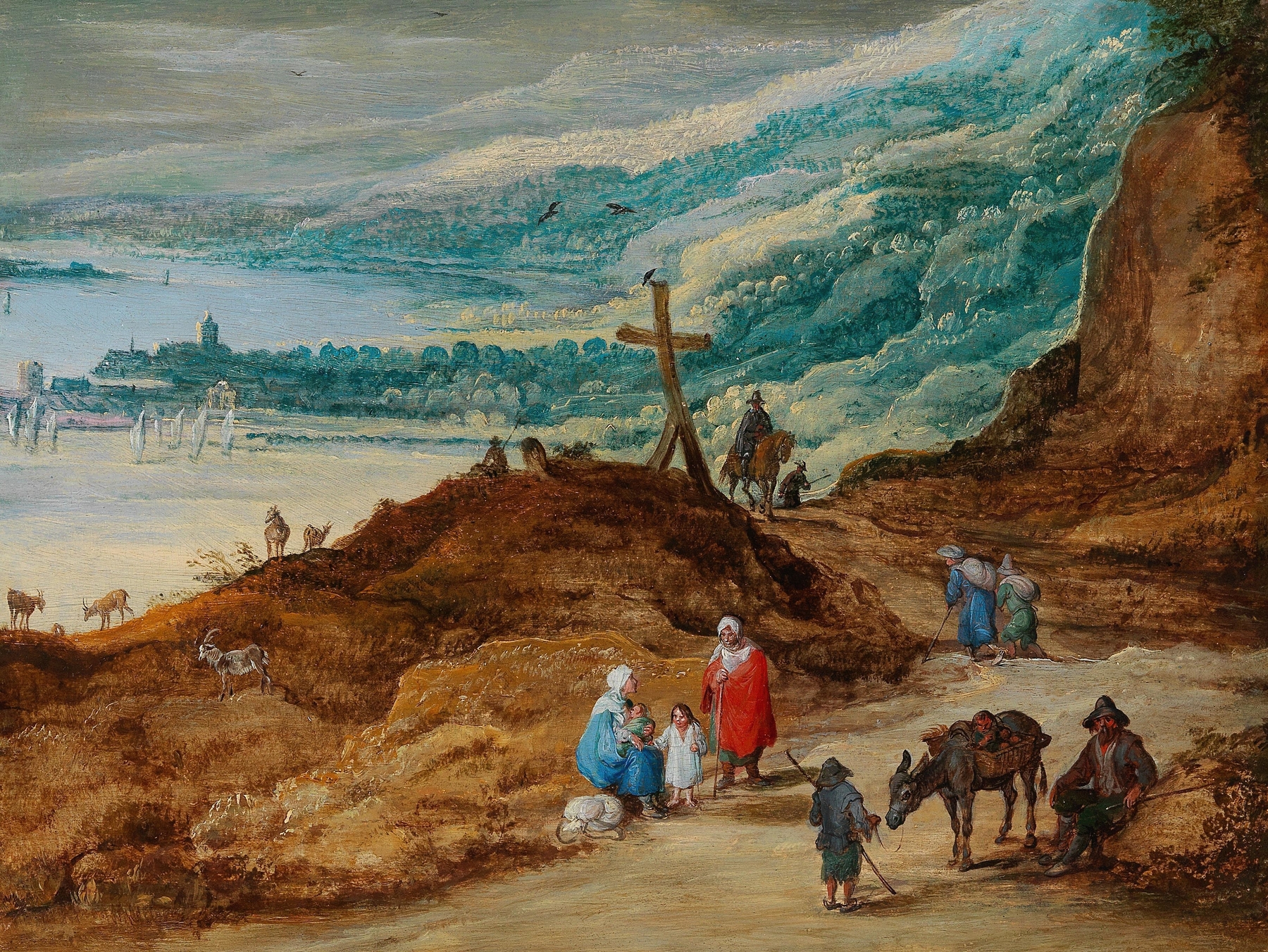
In contrast, the blooming flowers and joyous figures of March symbolize rebirth and celebration, inviting the viewer to reflect on the perpetual interplay between despair and optimism. This juxtaposition is further emphasized by the flowing ribbons and clouds that unify the composition, suggesting that time, despite its harshness, ultimately leads to rejuvenation. Joos de Momper, active during the late Renaissance in Antwerp, painted this work between 1579 and 1635, a time when Europe was experiencing significant cultural and artistic shifts. The rising influence of landscape painting and the exploration of themes related to nature and mythology are evident in his approach, revealing his desire to capture the spirit of the changing seasons in an era marked by both turmoil and creativity.