An Extensive Mountainous River Landscape With Horsemen Conversing On A Raised Plateau — History & Analysis
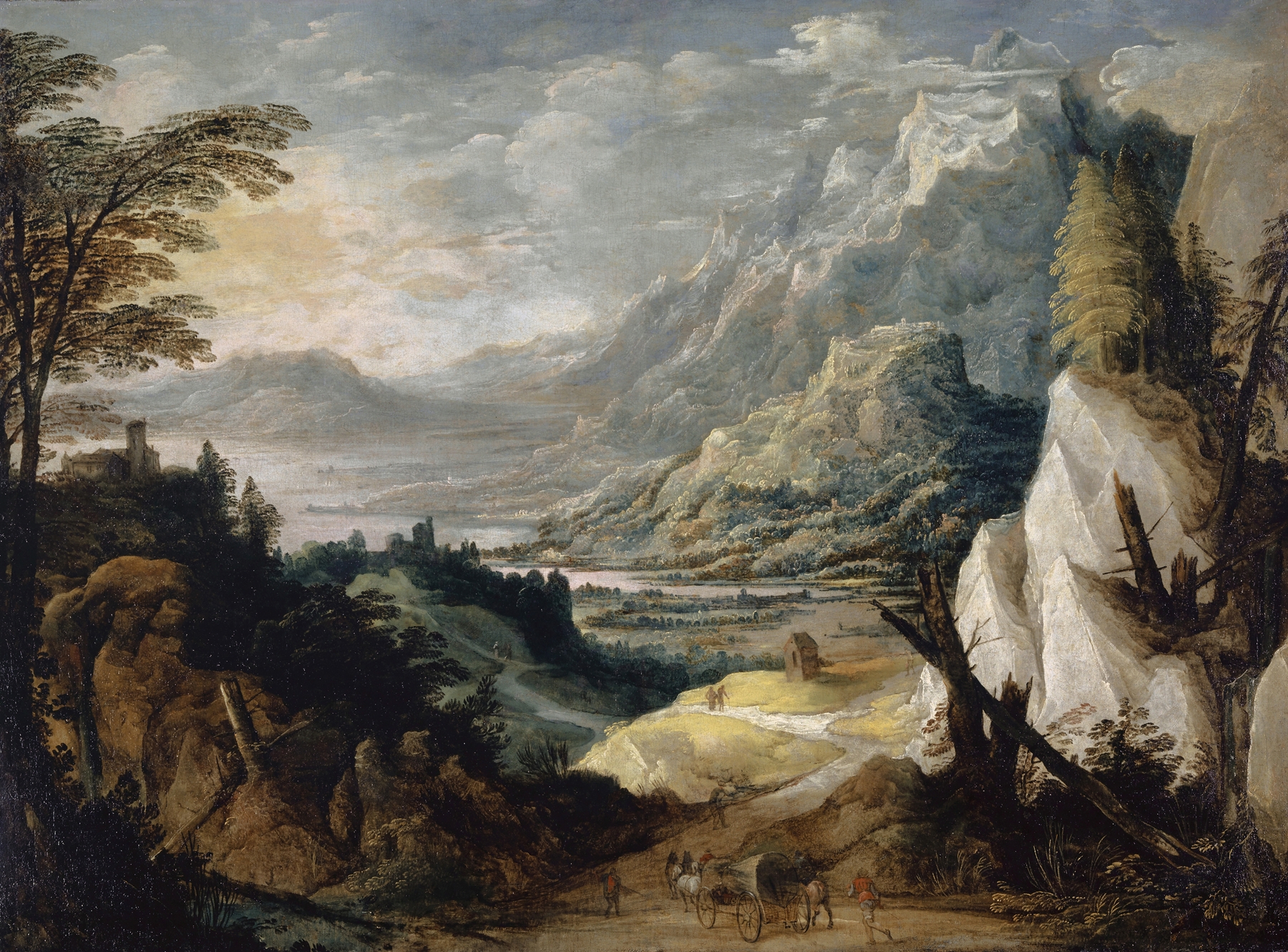
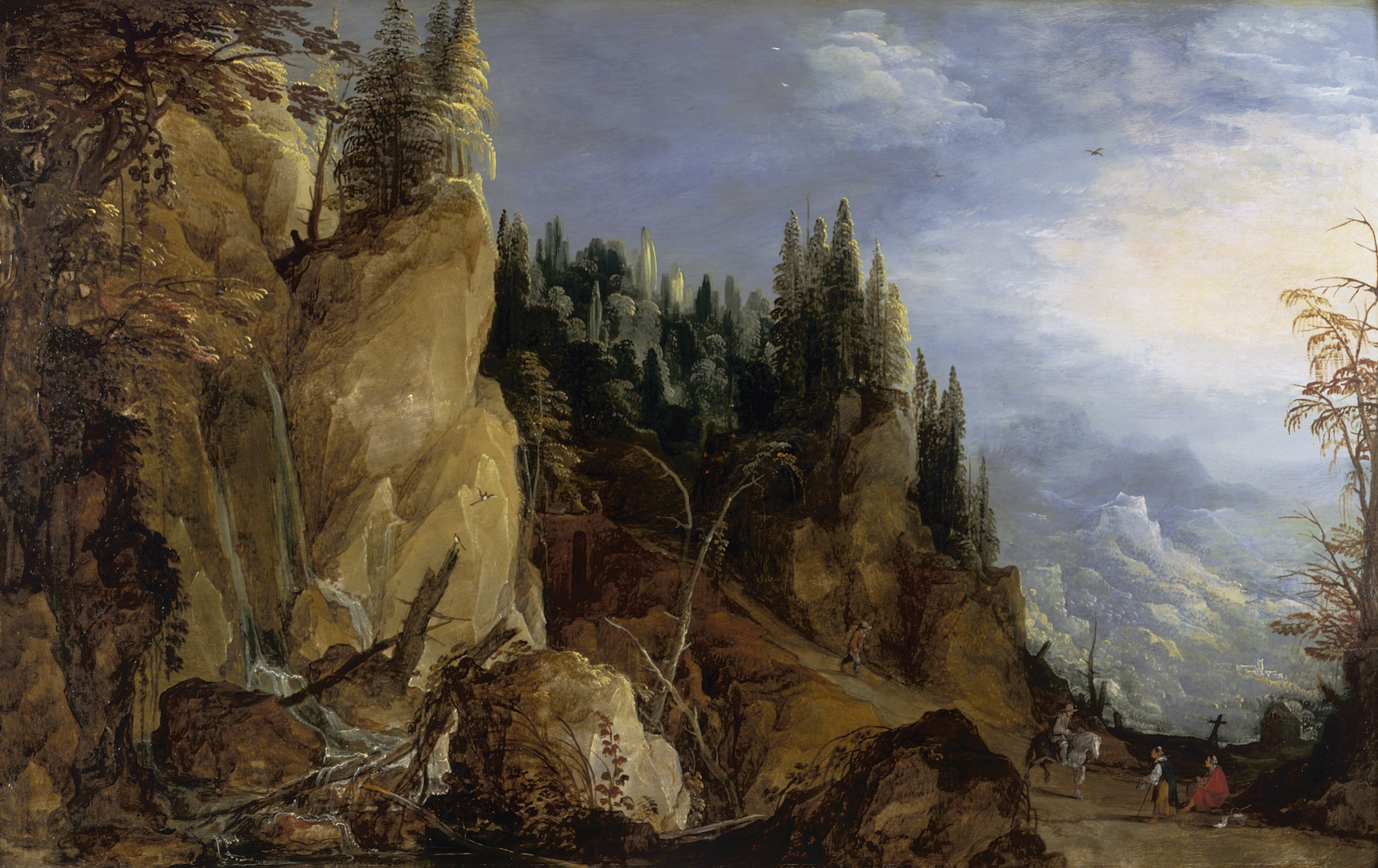
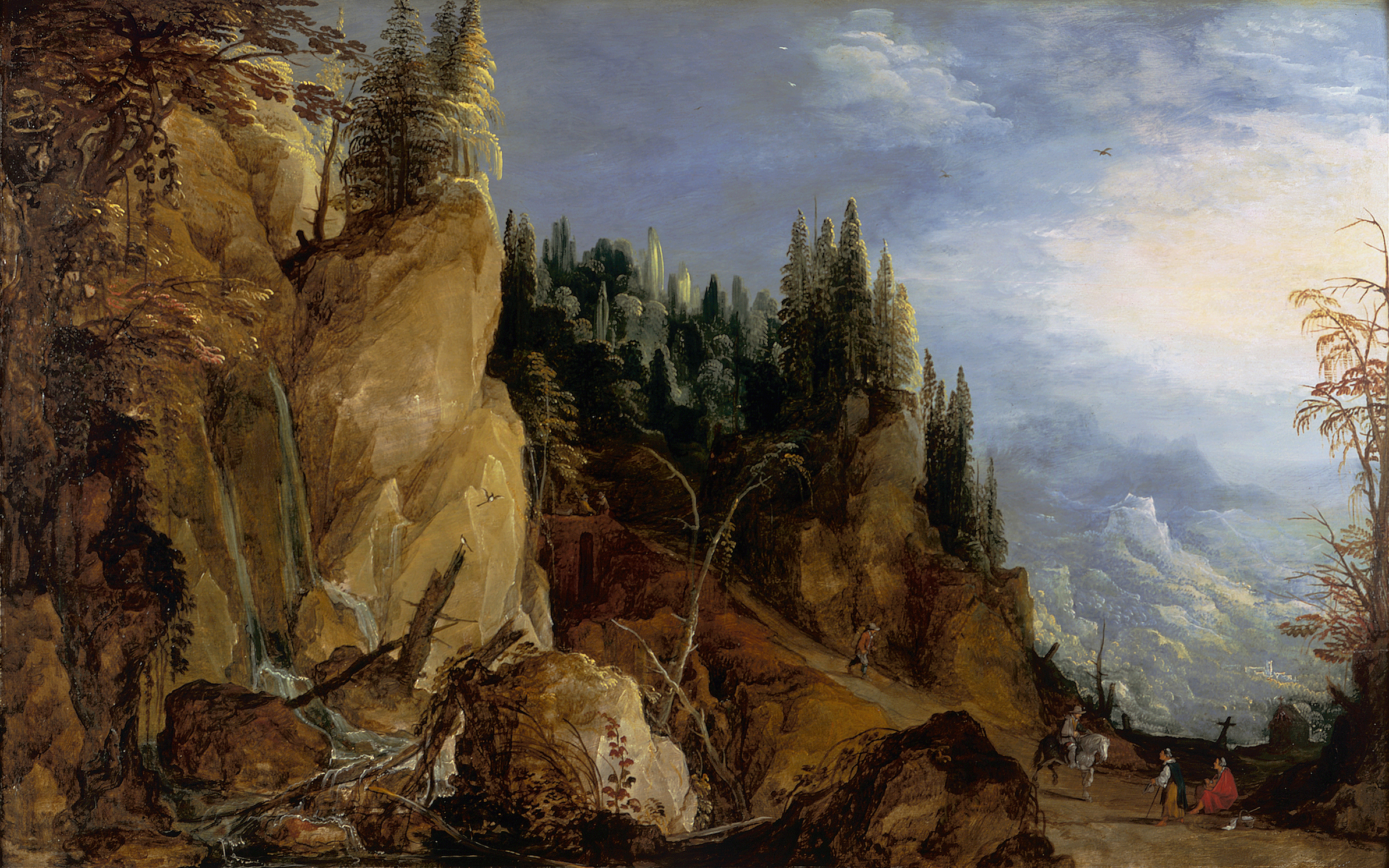
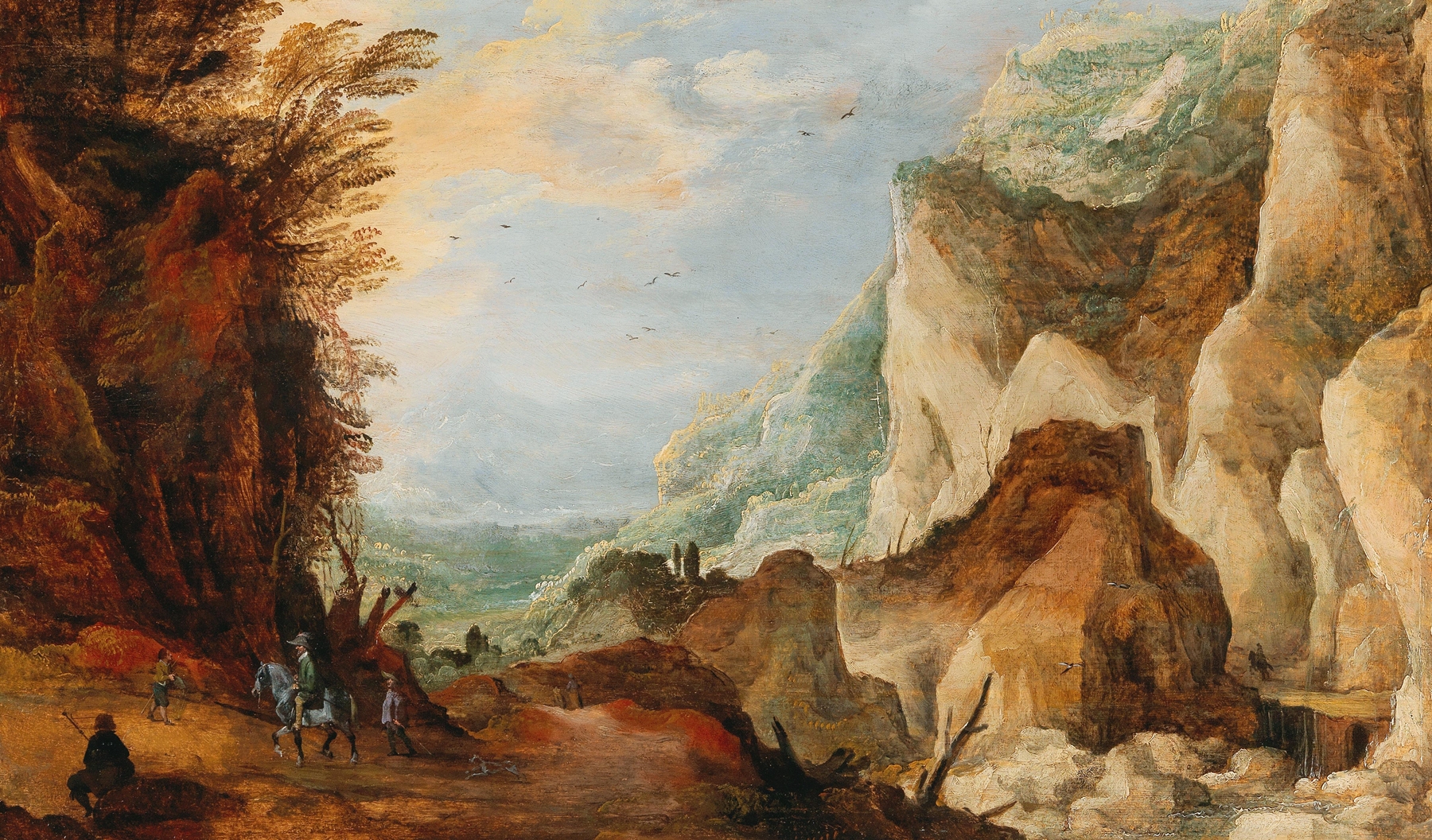
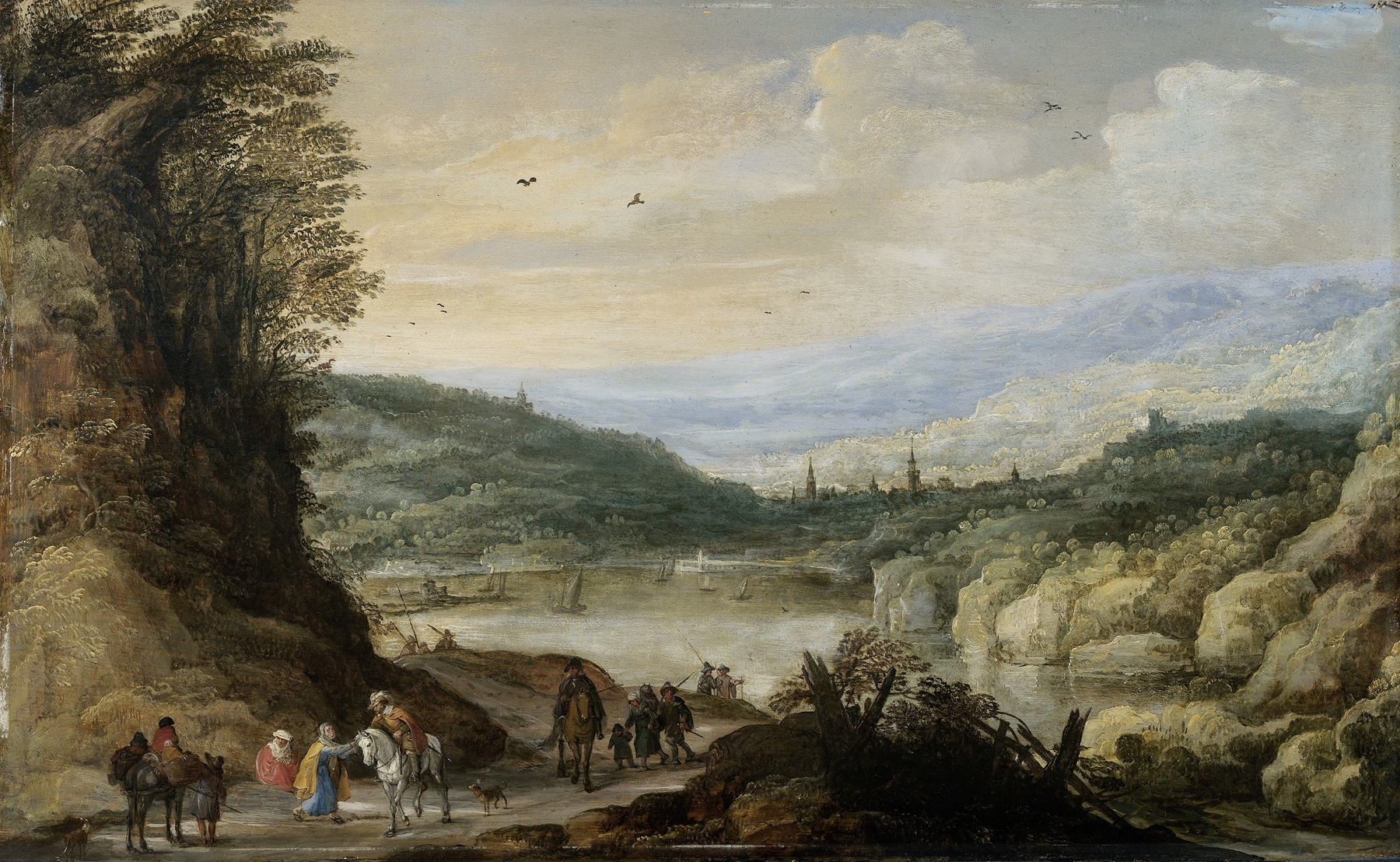
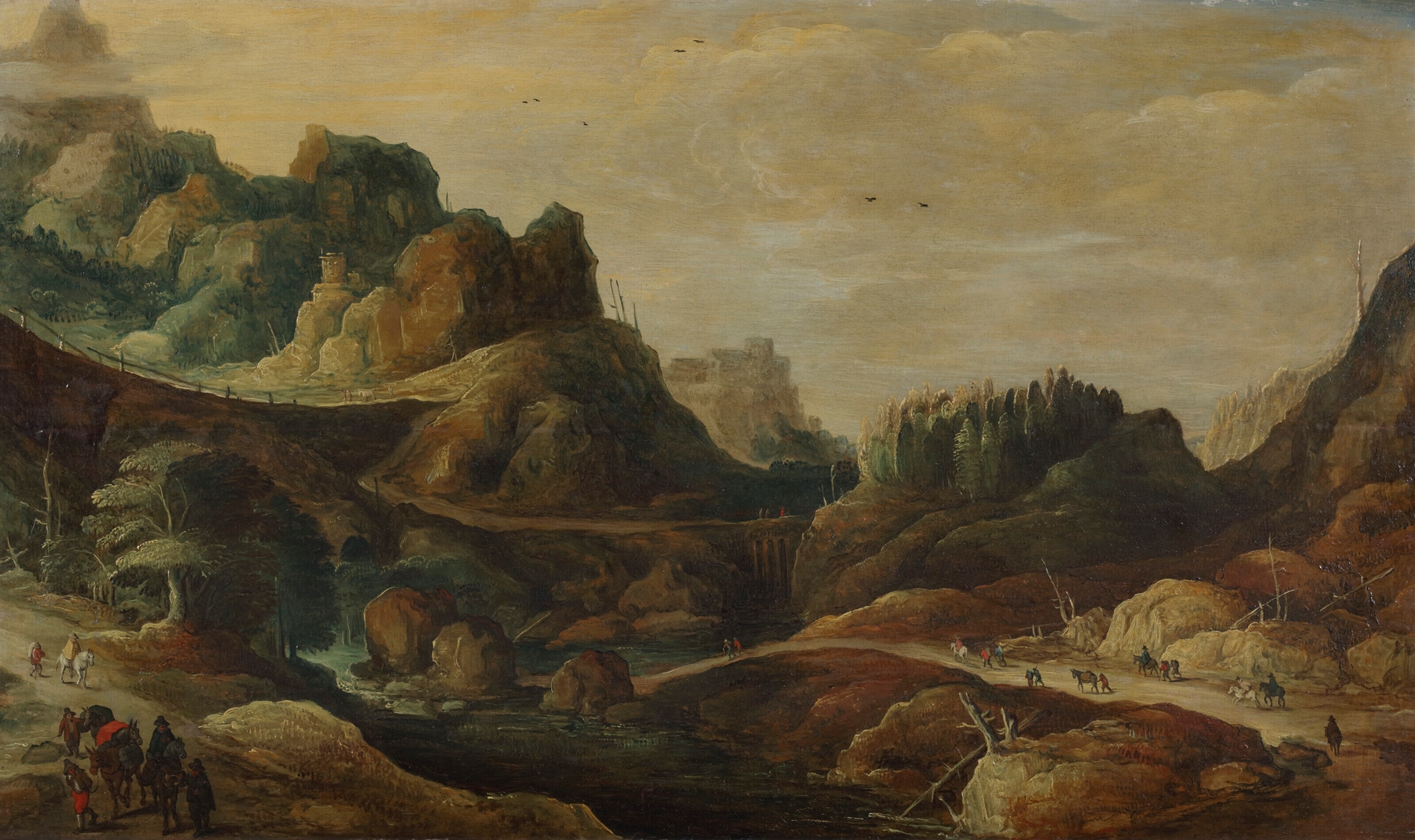
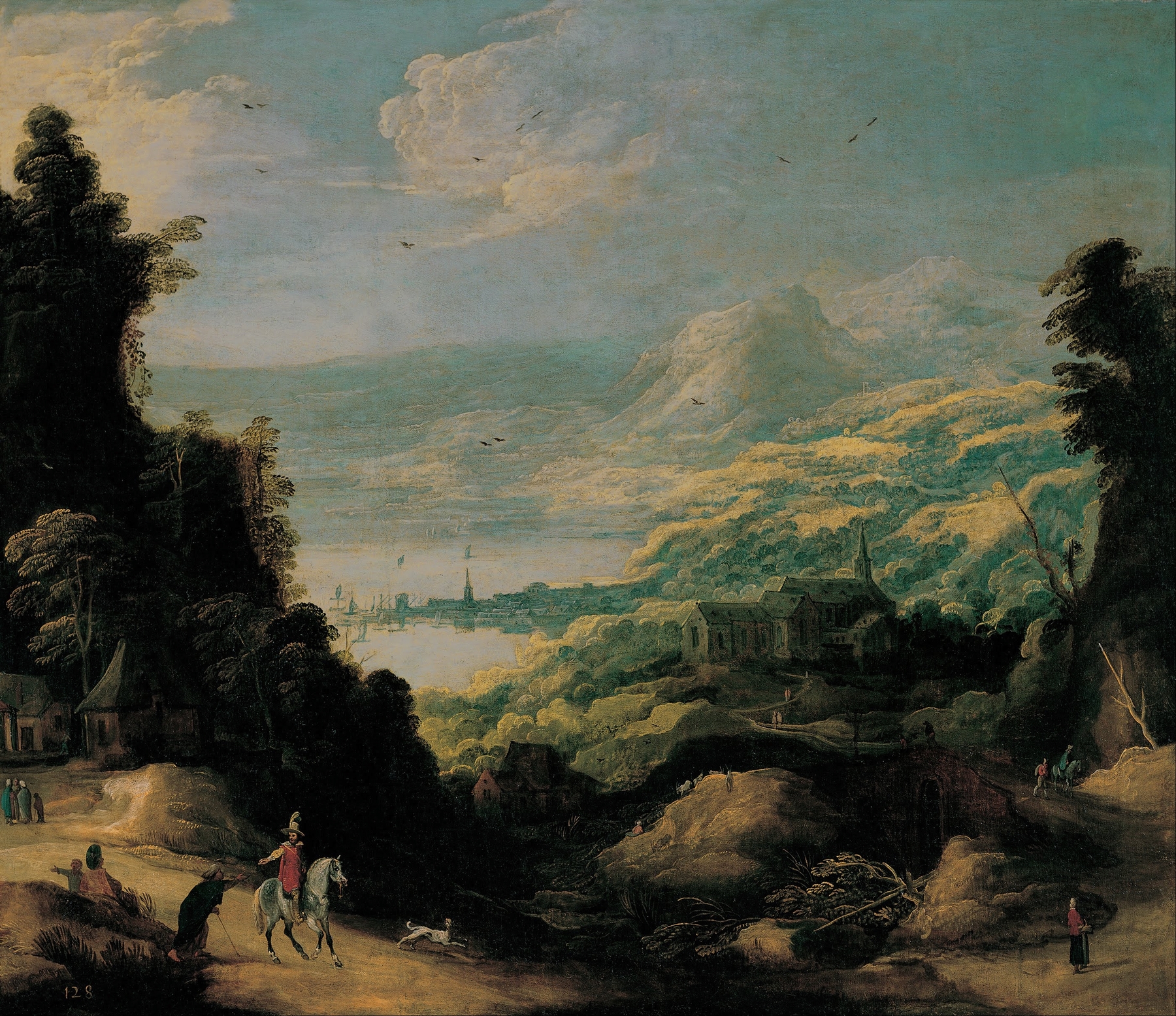
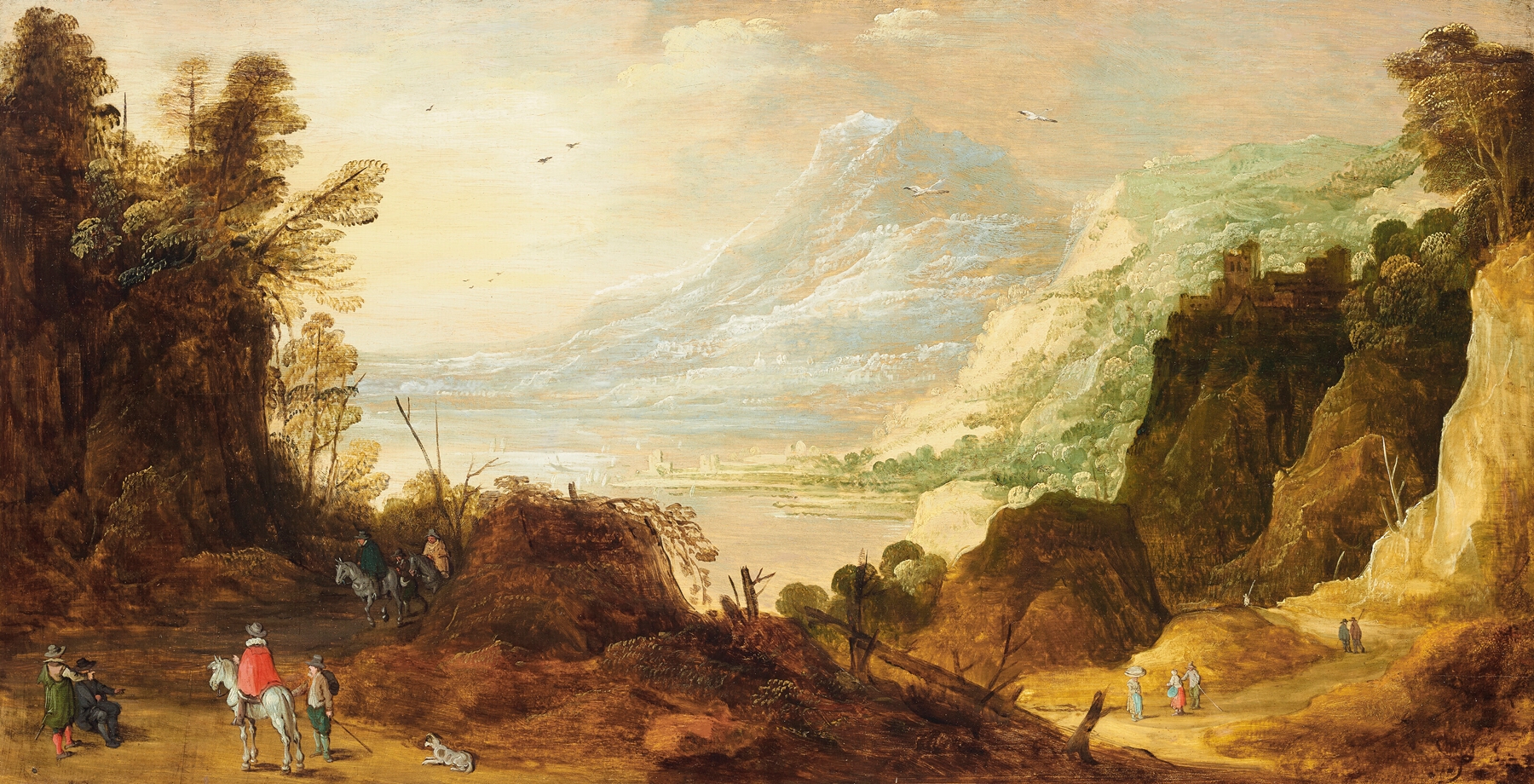
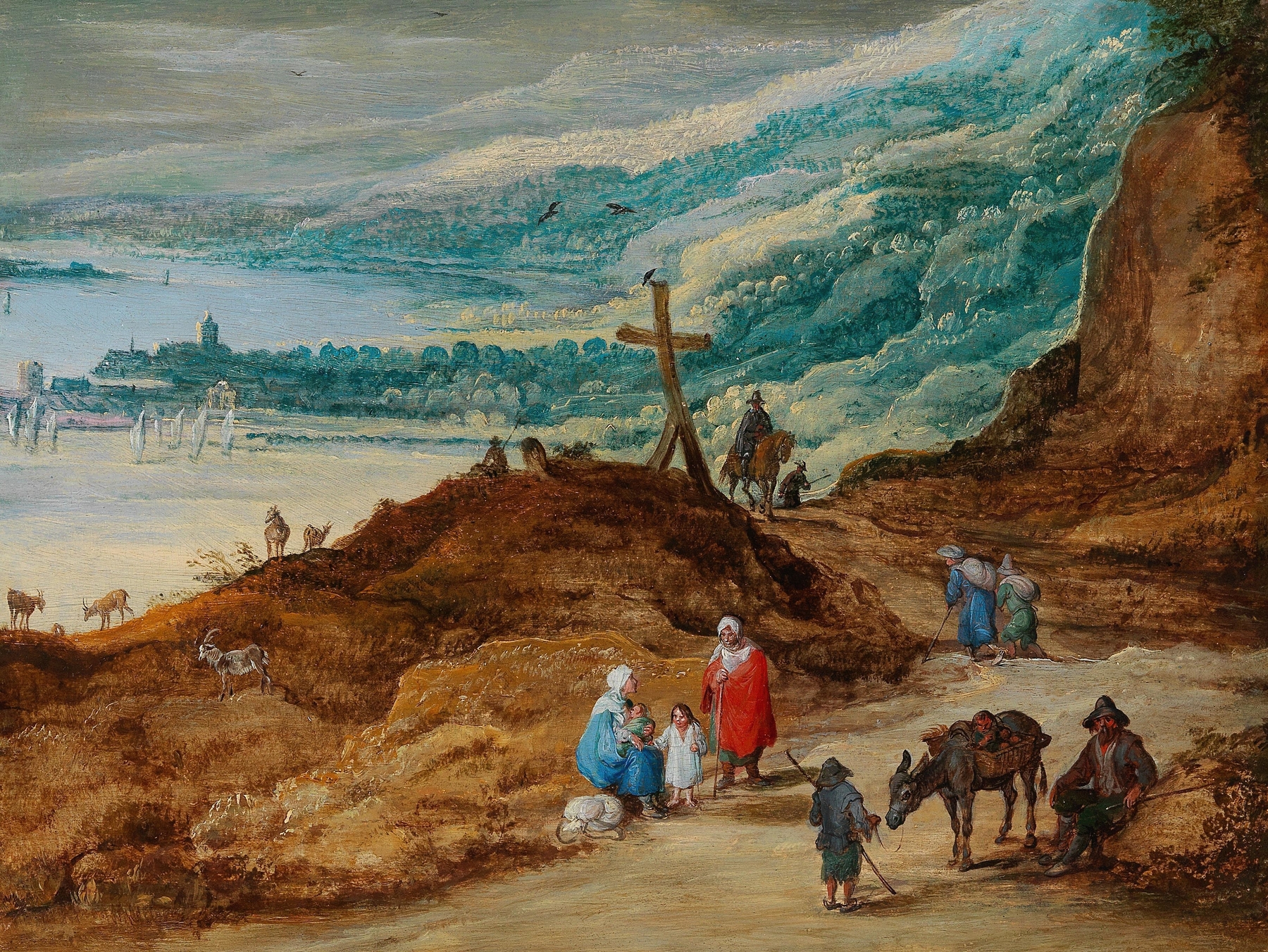
When did color learn to lie? In a world where hues blend seamlessly into one another, the emotion behind each stroke whispers of faith, urging us to look deeper. Focus on the lower right corner, where the vibrant emerald greens of the vegetation teem with life, contrasting sharply with the muted earth tones of the plateau above. The eye is drawn upward, tracing the jagged peaks of the mountains that loom in the background, their slate grays reflecting the strength and permanence of nature.
Notice how the soft, golden light bathes the scene, accentuating the intricate details of the horsemen's attire and the flowing textures of the river below, each element meticulously rendered to create a harmonious yet dynamic composition. This painting unveils a delicate balance between the grandeur of the landscape and the intimate human connection. The two horsemen, engrossed in conversation, symbolize the eternal dialogue between man and nature; their posture and proximity suggest trust and camaraderie. The vastness of the river flows beneath them, a metaphor for the uncharted journeys of life, while the layered mountains remind us of the obstacles that shape our faith and experiences.
Joos de Momper created this work during a time when the Northern Renaissance was flourishing, likely in the late 16th century. Living in Antwerp, he was influenced by the growing appreciation for landscapes as subjects worthy of artistic exploration. As artists turned their gaze toward nature, the dialogue between realism and idealism emerged, reshaping perceptions and inviting viewers to contemplate their own relationships with the environment.