Mountain Landscape — History & Analysis
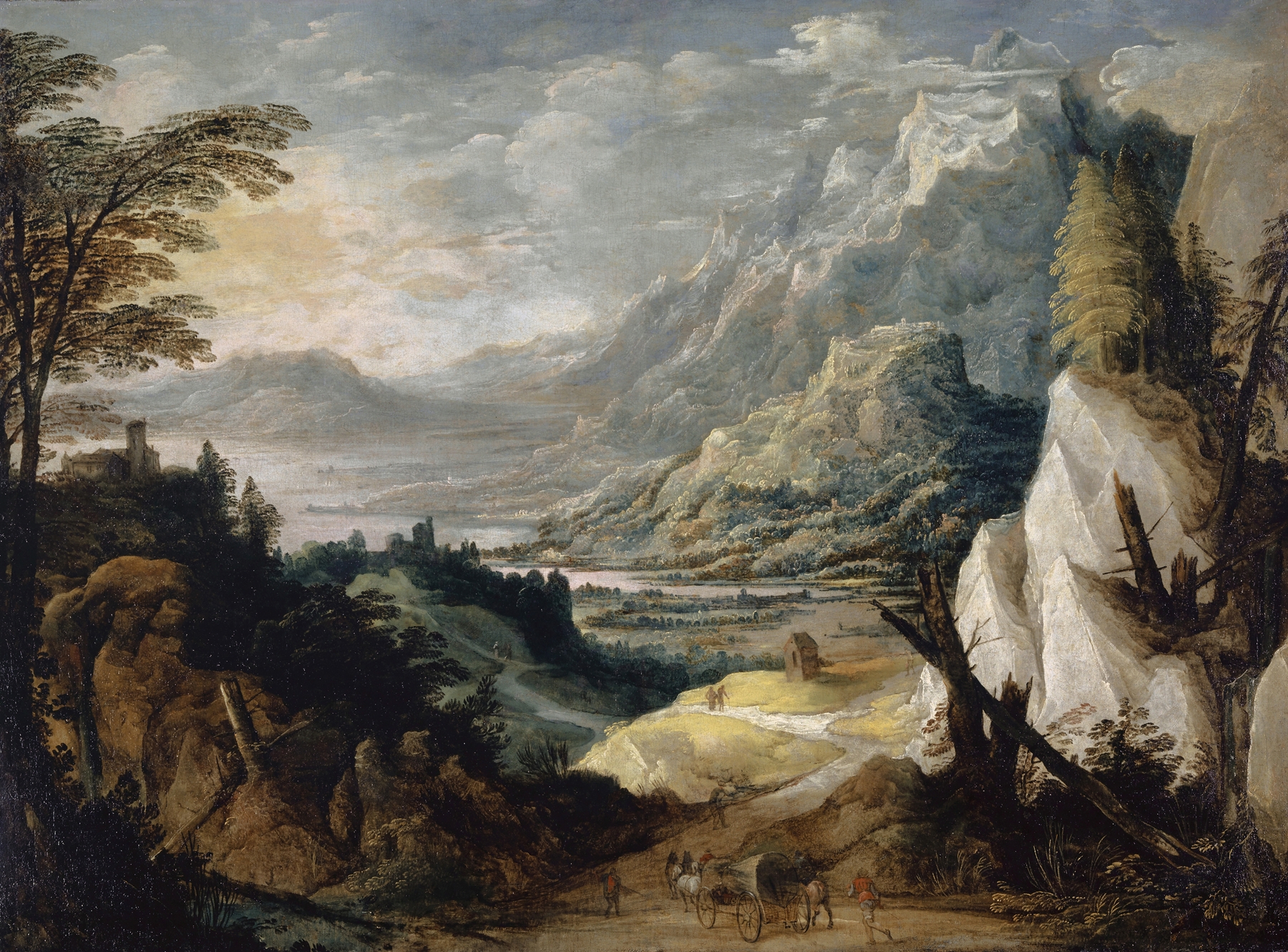
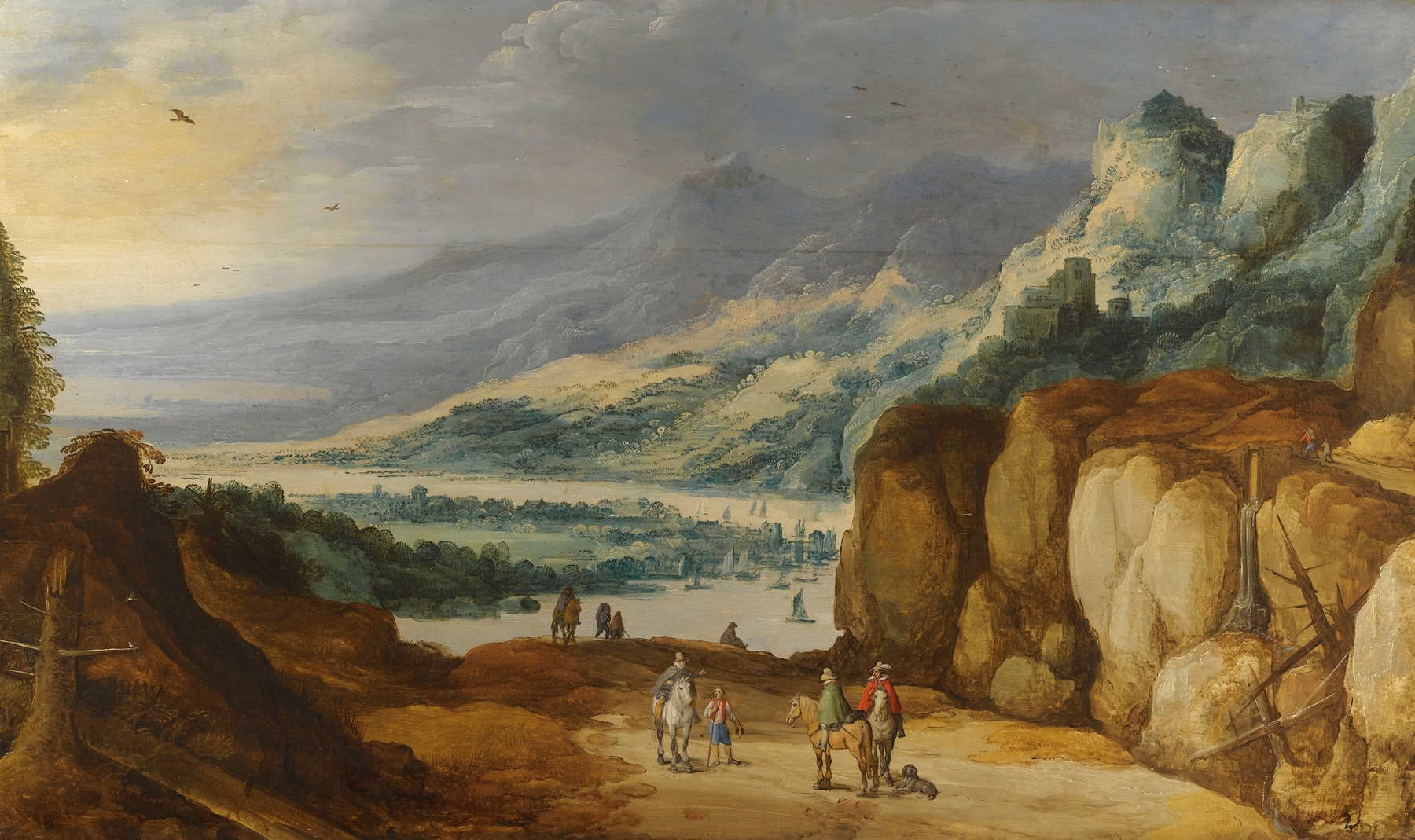
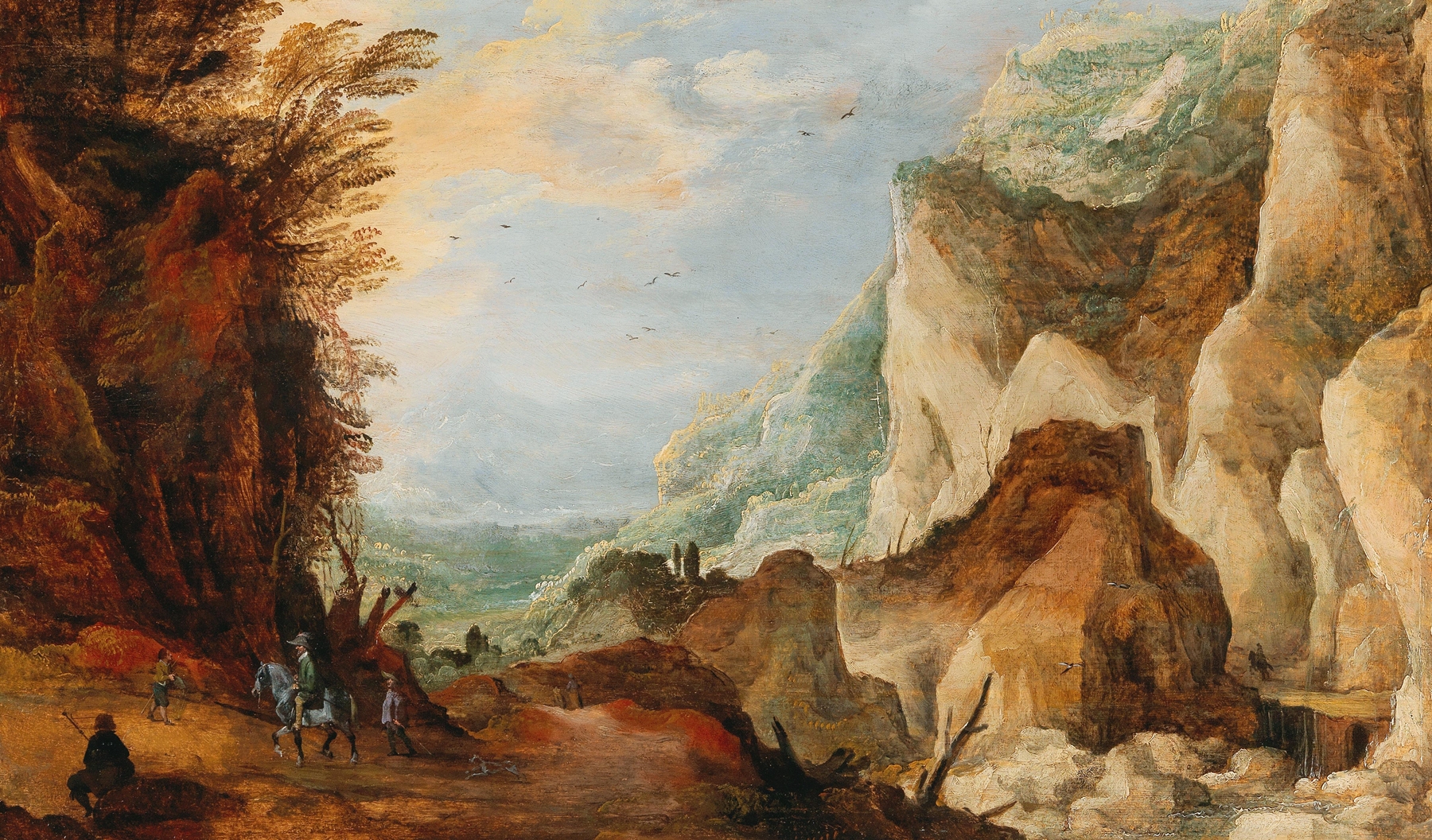
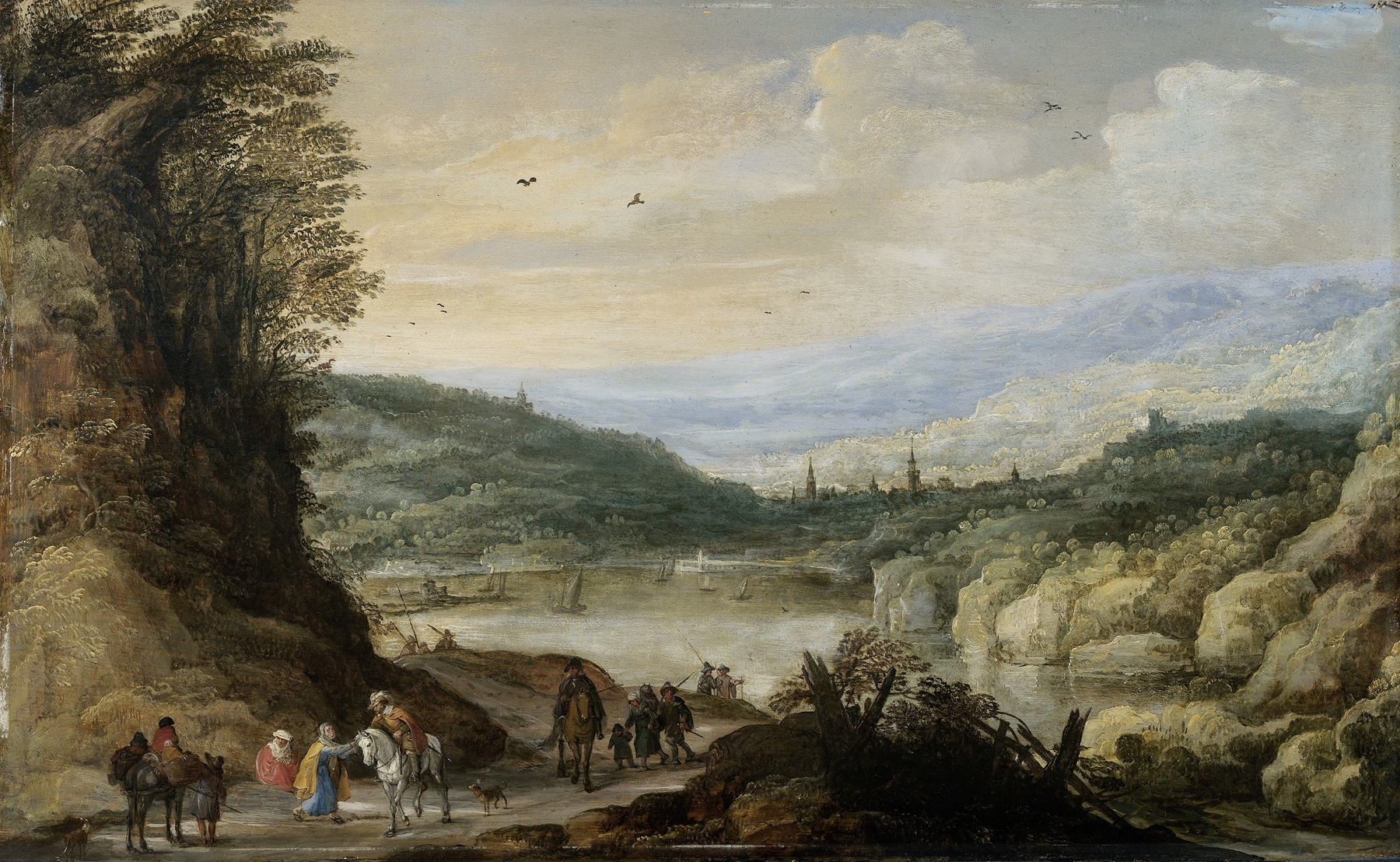
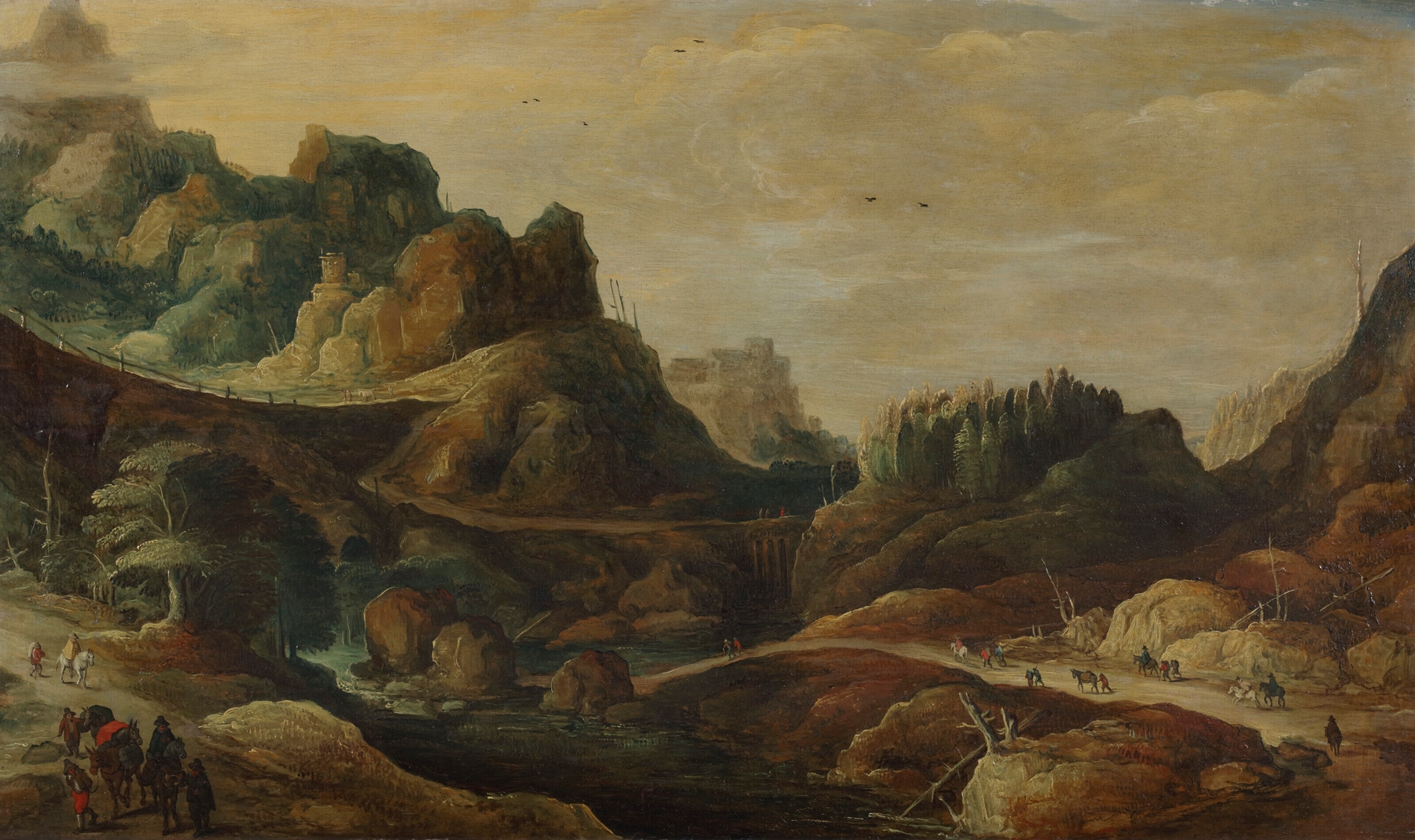
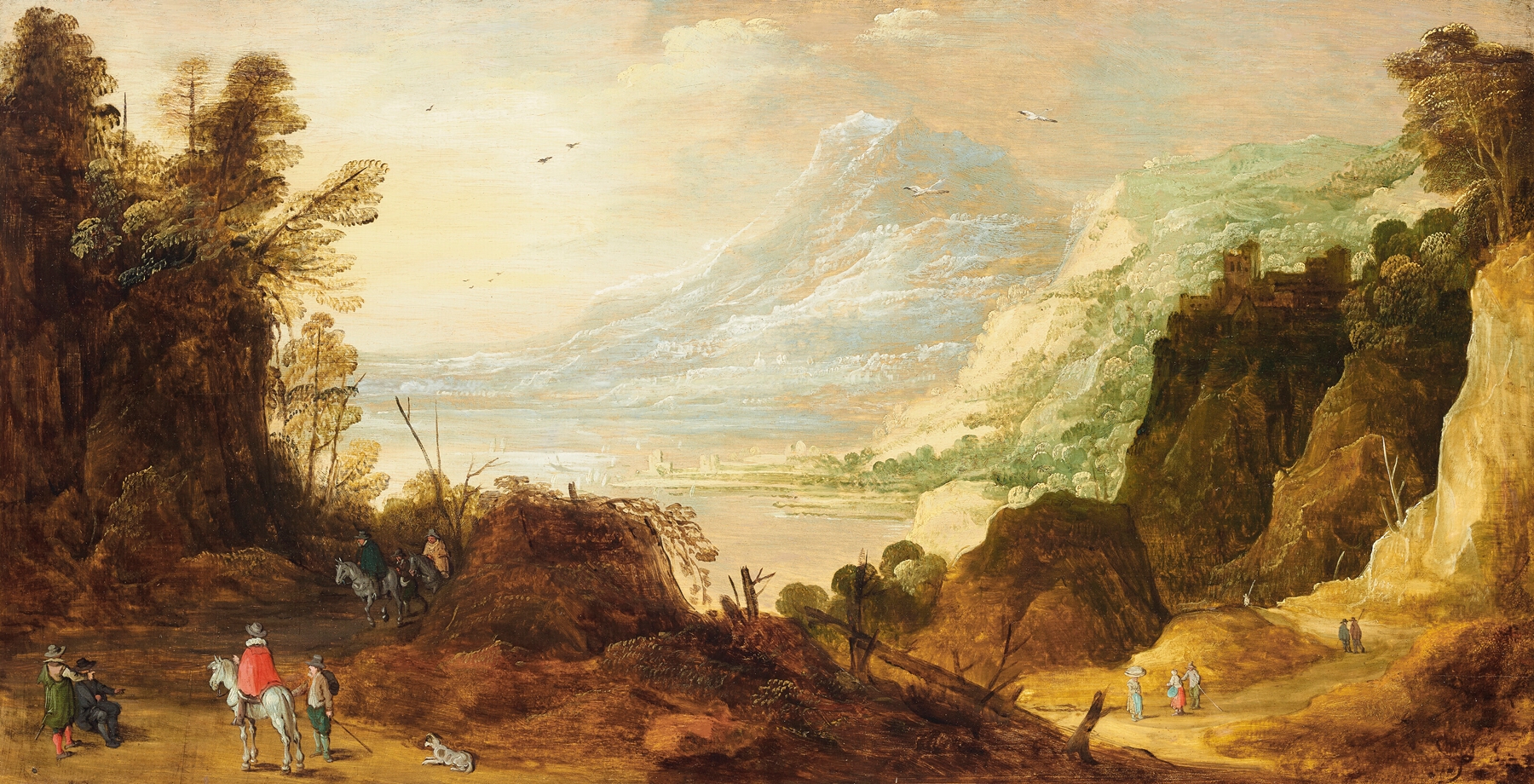
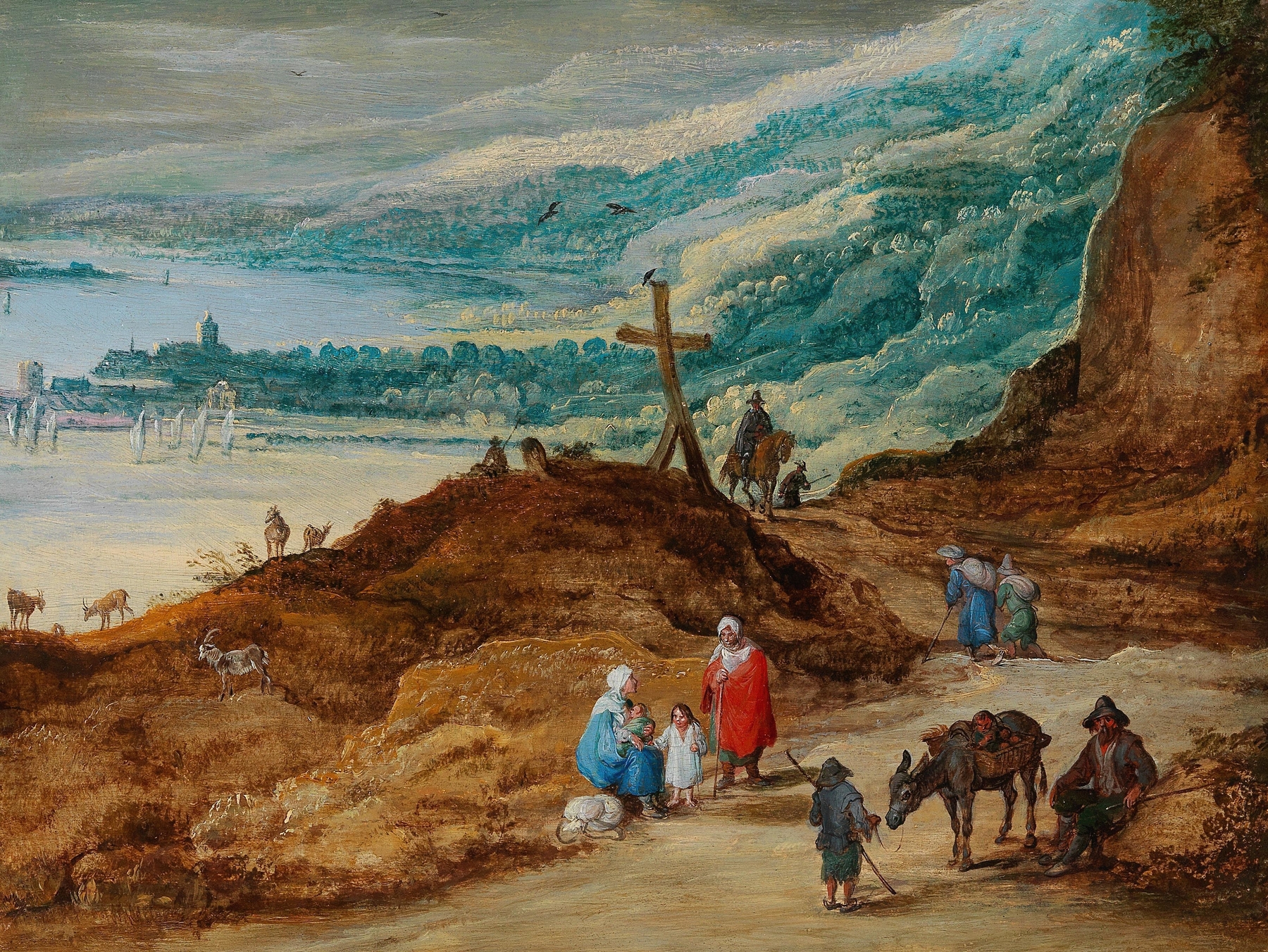
“Art reveals the soul when the world turns away.” In the subtle play of light and shadow, the landscape transcends mere representation, inviting contemplation and emotional reflection. Look to the left at the delicate interplay of sunlight cascading over the rugged peaks, illuminating their grandeur. The mountains, towering yet serene, cradle a lush valley below bathed in soft greens and muted browns. Notice the dynamic composition, where the winding river snakes through the terrain, guiding the eye through the vibrant, yet harmonious palette.
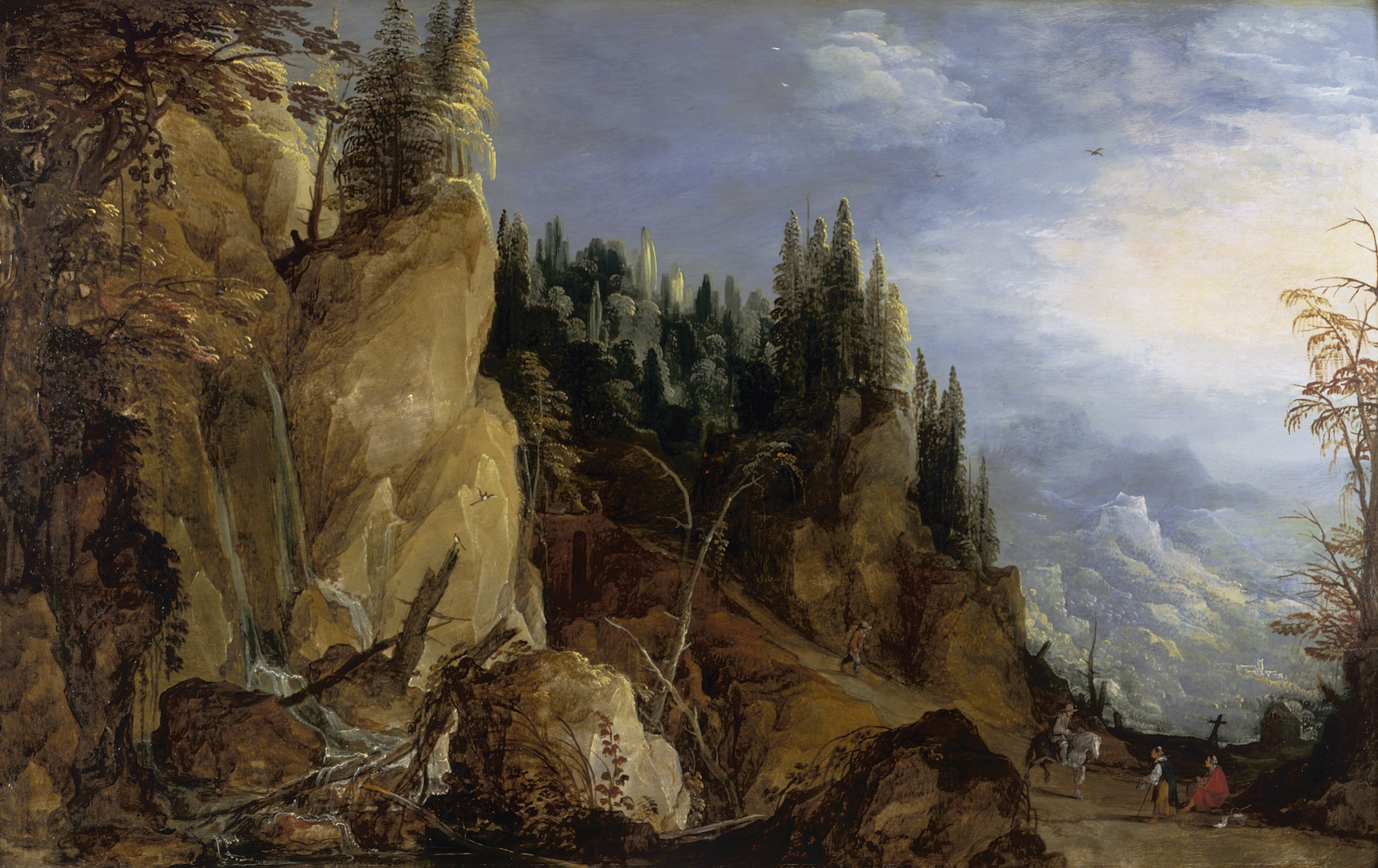
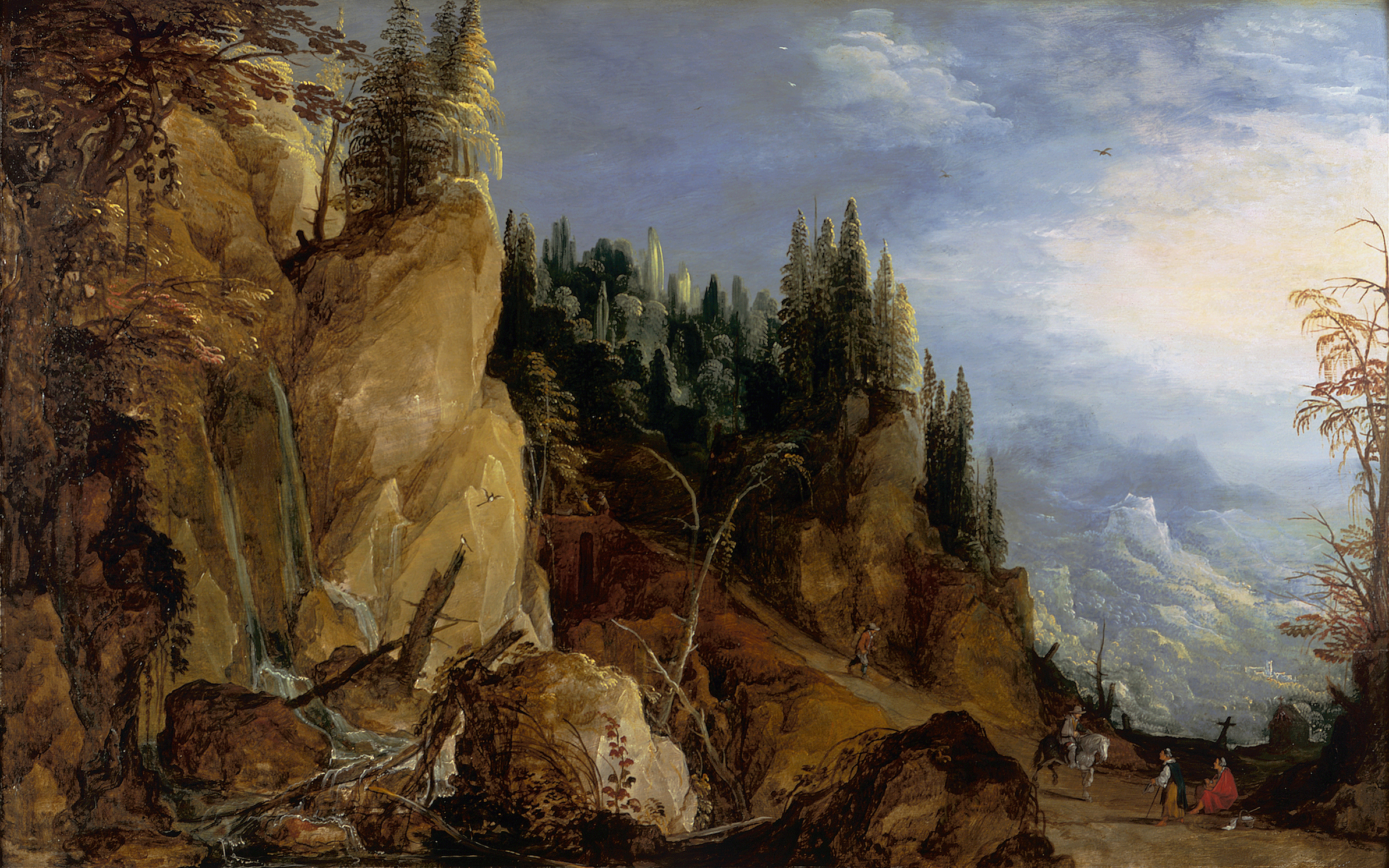
De Momper’s brushwork captures the essence of each element, from the textured rock faces to the gentle sways of trees, creating a vivid sense of place. As your gaze wanders, consider the tension between the imposing mountains and the tranquil scene below. The juxtaposition of light and shadow evokes a feeling of peace disrupted by nature's majesty, suggesting both solitude and connection. The distant horizon hints at infinite possibilities, while the vibrant sky teeters between dawn and dusk, embodying the fleeting nature of time and experience.
During the late 16th century, Joos de Momper was deeply engaged in the burgeoning Flemish landscape movement, a period marked by an increasing appreciation for natural beauty in art. Working in Antwerp, he crafted Mountain Landscape amidst a backdrop of political and cultural shifts, as the Renaissance breathed new life into artistic expression. This piece reflects his mastery in capturing the sublime, revealing both his artistic vision and the awe-inspiring landscapes of his homeland.