Mountain Landscape — History & Analysis
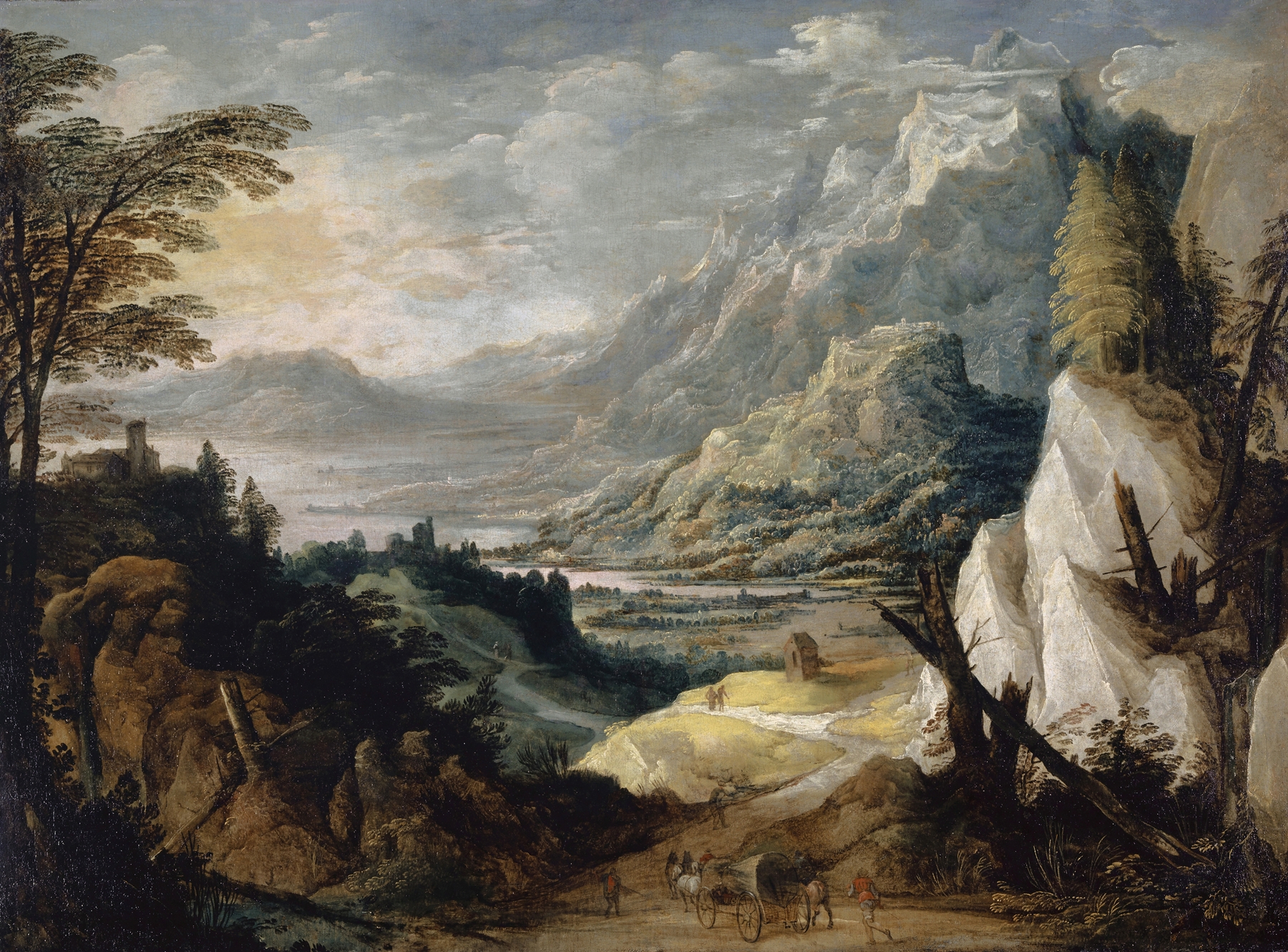
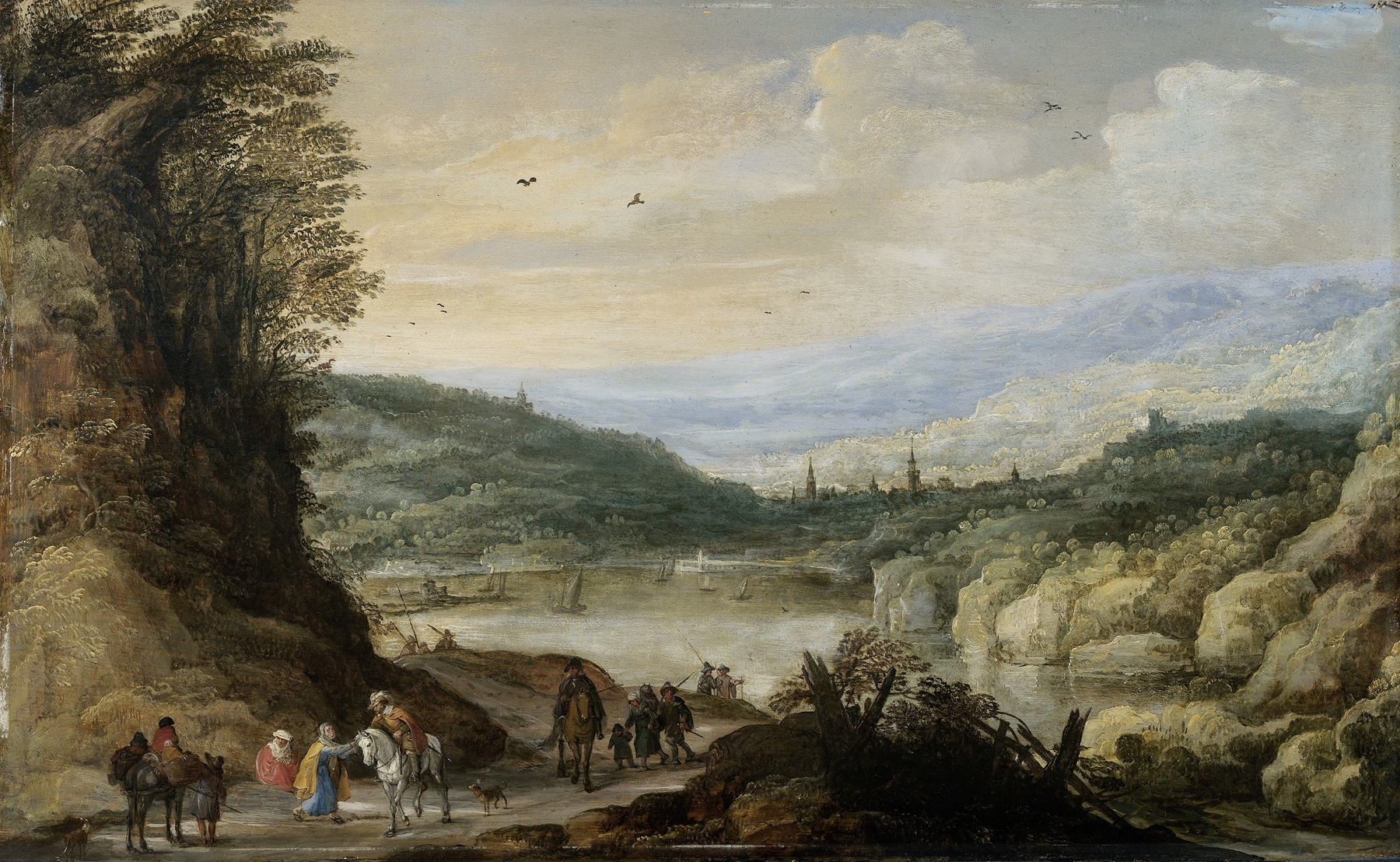
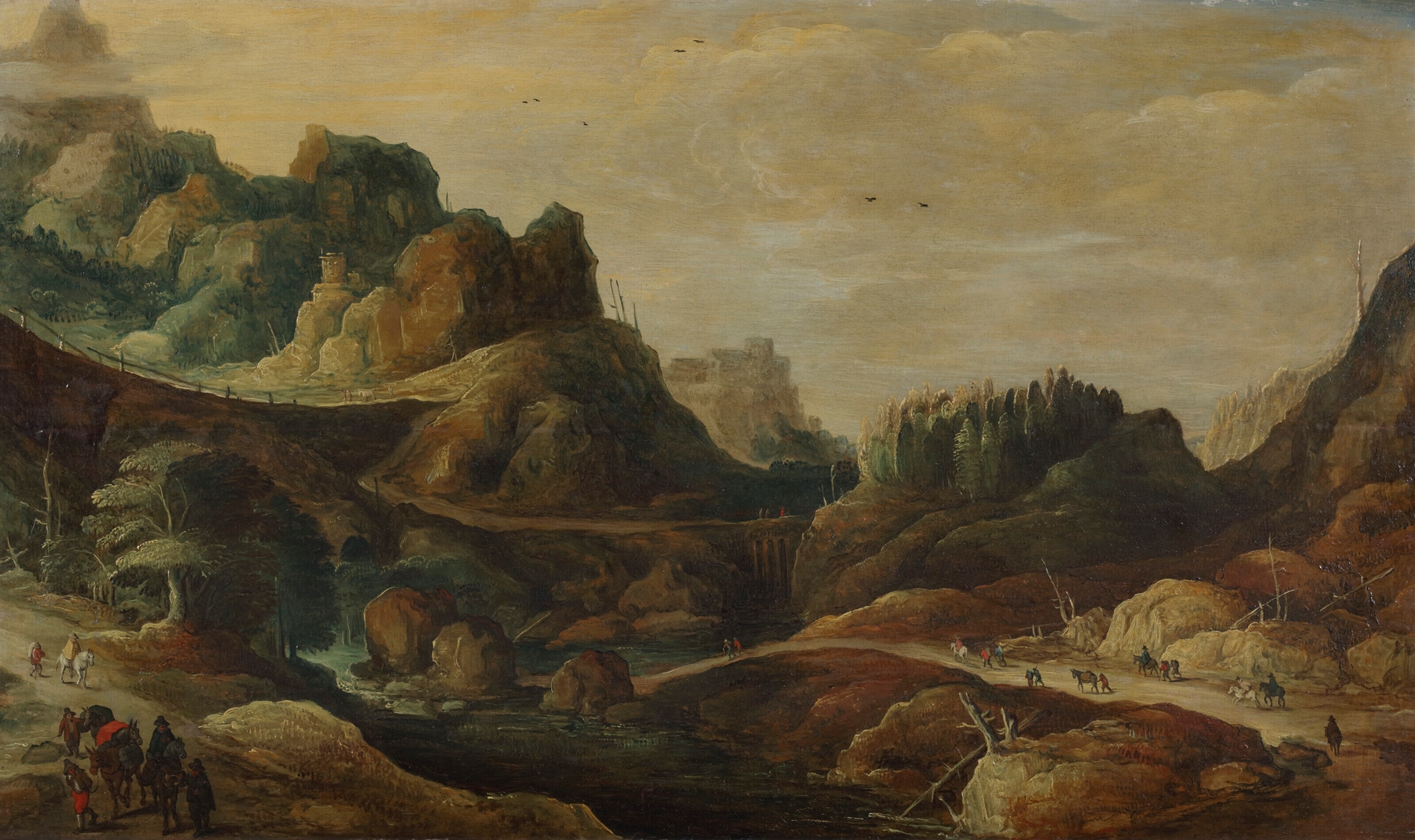
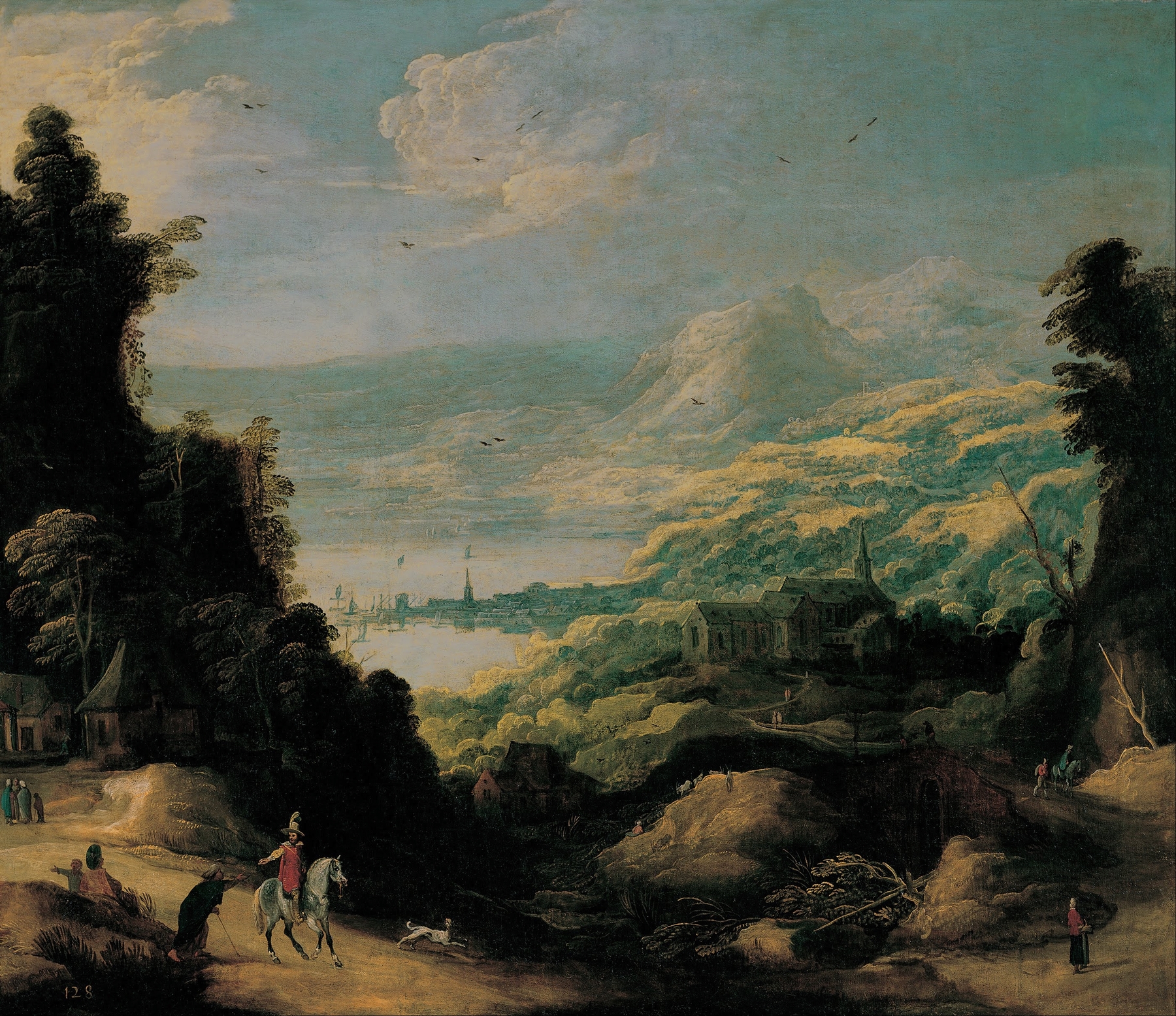
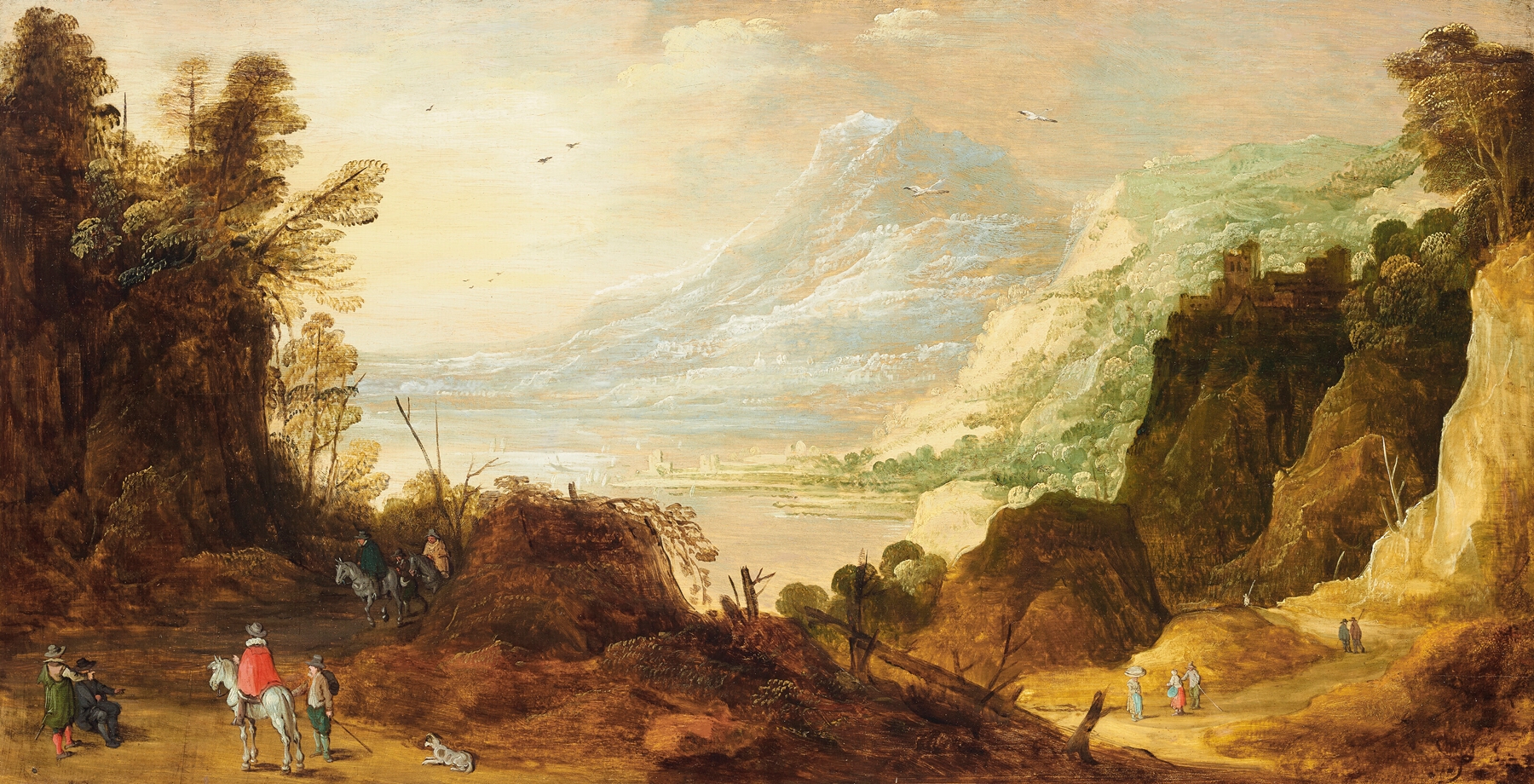
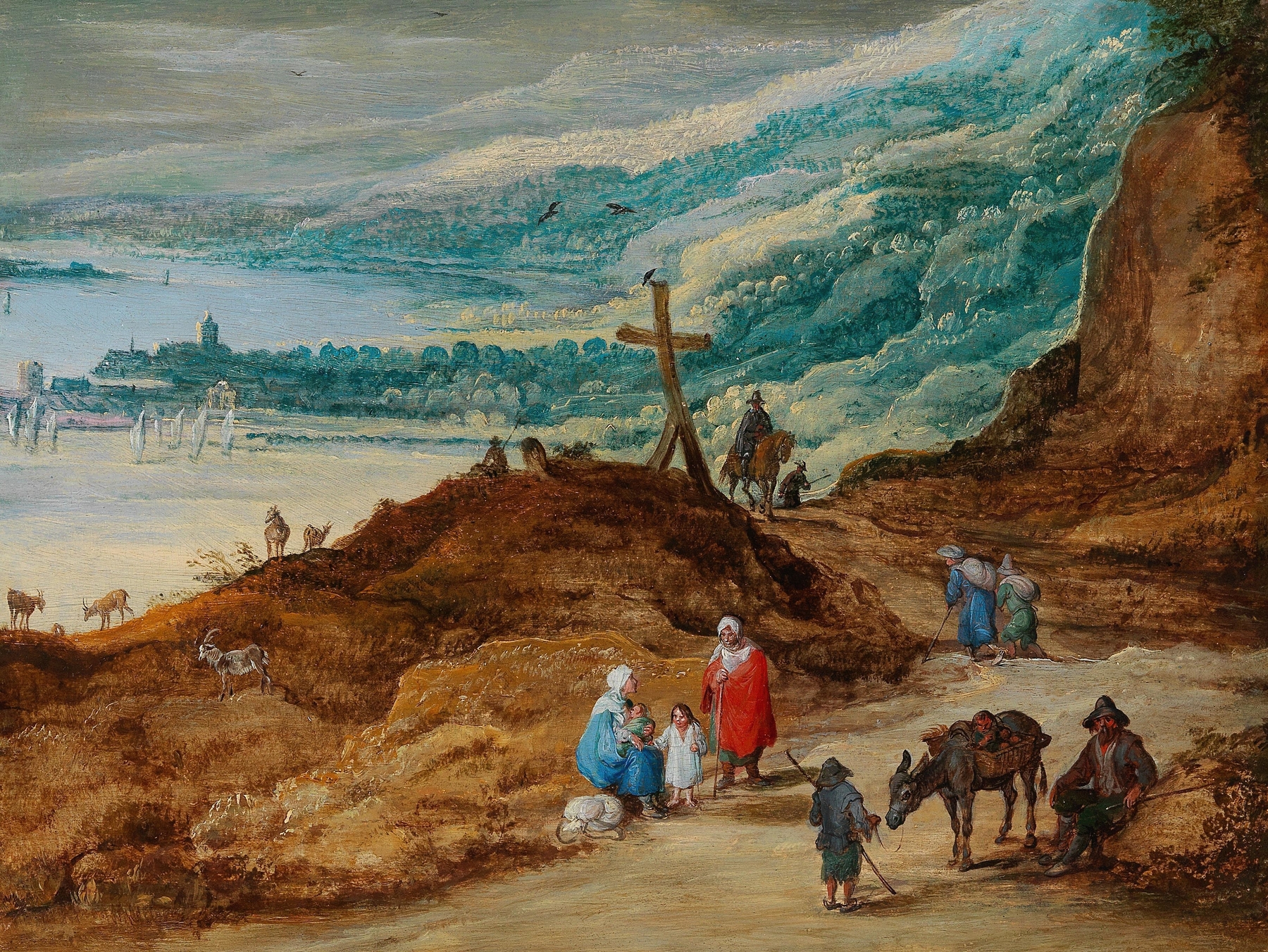
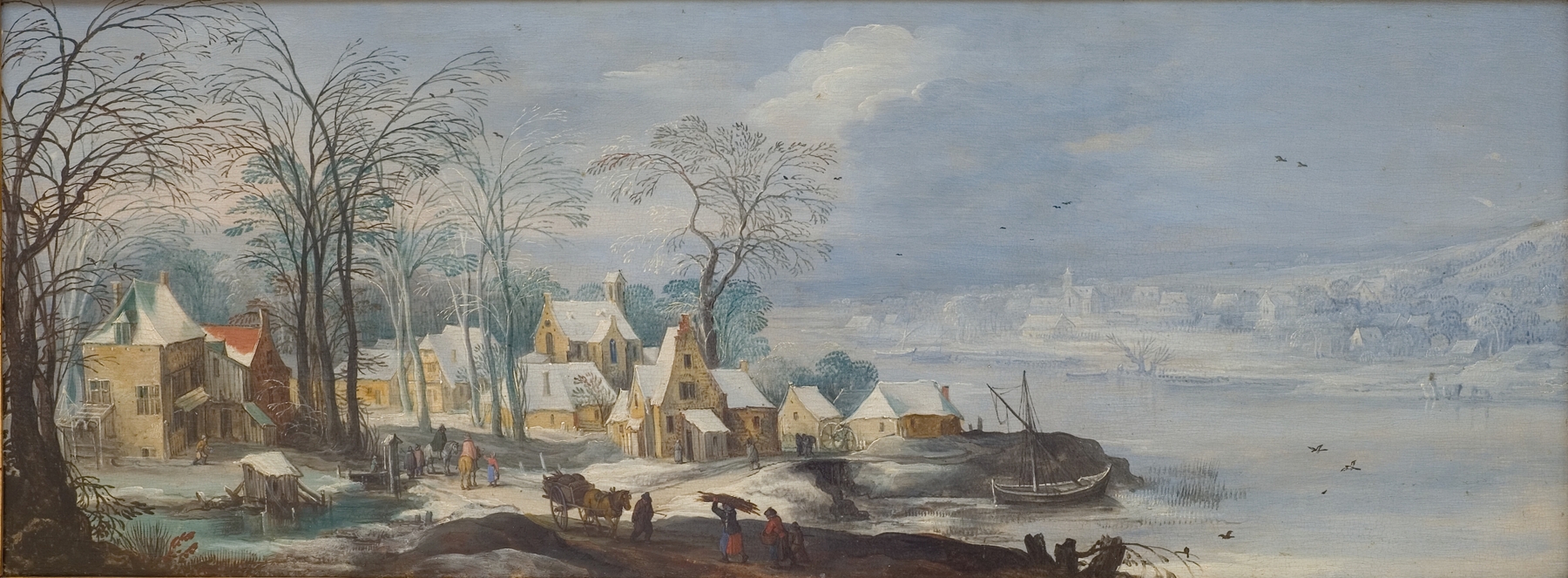
Where does light end, and longing begin? This question echoes through the sweeping valleys and towering peaks captured in this majestic work. Divine landscapes often mask the human yearning for connection with nature, whispering secrets of tranquility and solace. Look to the left, where bold mountain silhouettes rise against a luminous sky, their jagged forms softened by the delicate brushwork.
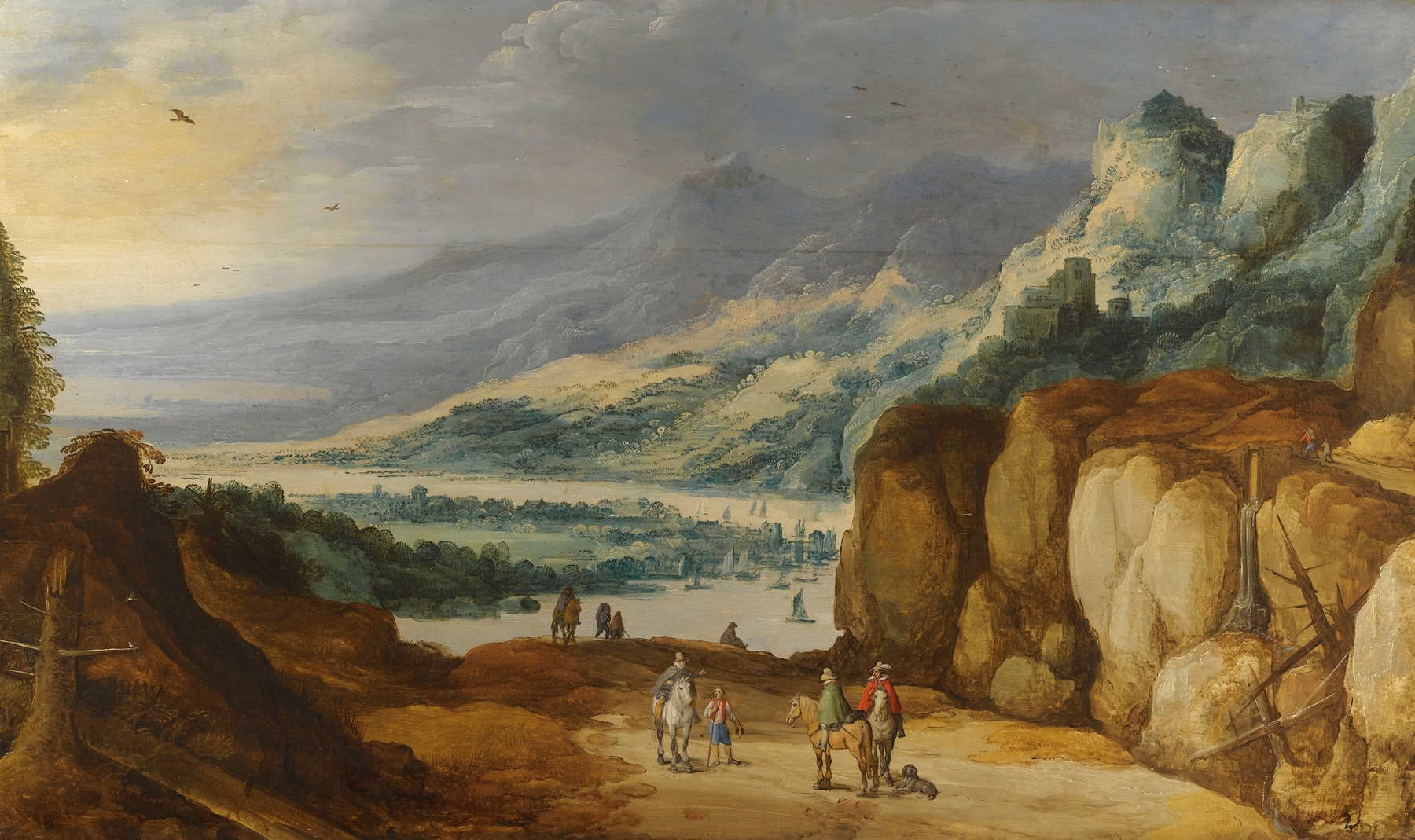
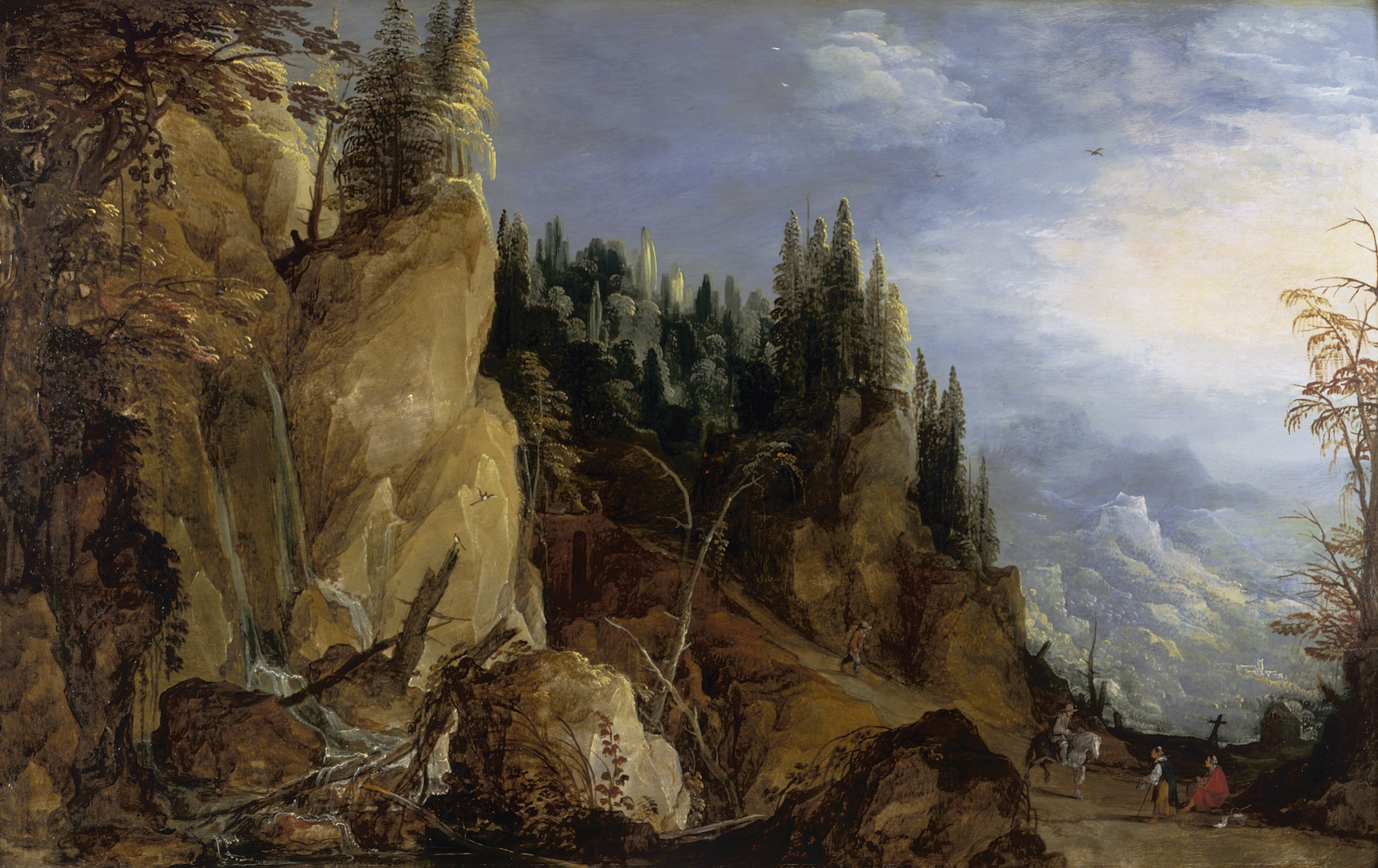
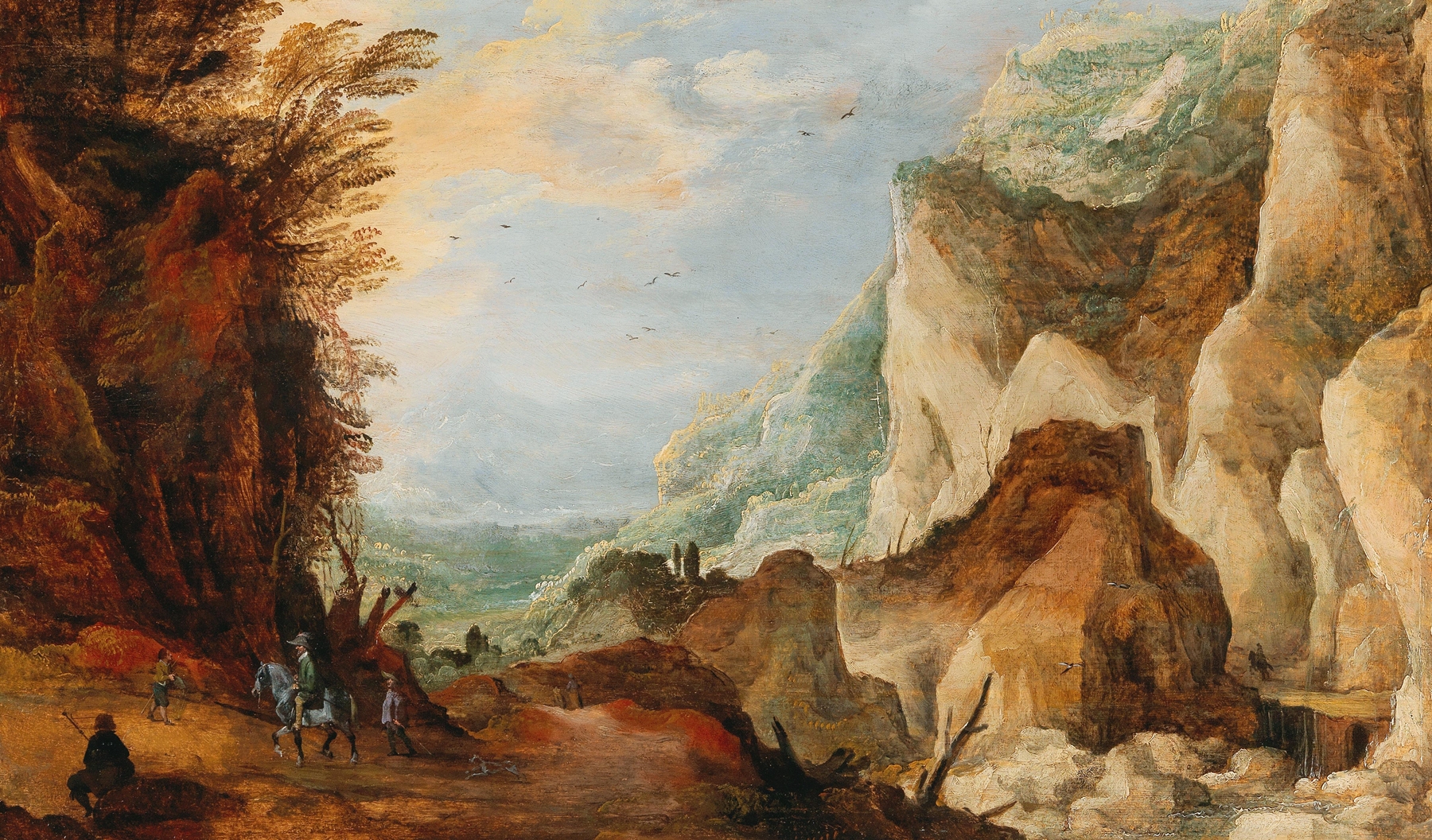
Notice how the golden light cascades over the horizon, illuminating valleys tucked into shadows and creating a striking contrast between the vibrant foreground and the muted background. The careful layering of colors—deep greens, soft blues, and hints of amber—draws the viewer’s eye across the canvas, inviting exploration of every nook and cranny of this celestial realm. A sense of harmony permeates the scene, yet beneath its serene surface lies an emotional tension between the overwhelming grandeur of nature and the vulnerability of the observer. Small figures dot the landscape; their diminutive scale against the vast mountains embodies humanity's eternal quest for meaning in the face of the sublime.
Each brushstroke reverberates with a profound reverence for the divine, suggesting that in the presence of such beauty, intimacy can emerge from solitude. In the 1620s, Joos de Momper was immersed in the flourishing Flemish Baroque movement, a time when artists sought to depict nature with increasing realism and emotional depth. Living in Antwerp, he experimented with landscapes infused with light, reflecting a growing fascination with the natural world that resonated with the spiritual and philosophical currents of his time. This was an era marked by exploration and discovery, both of the physical world and the inner self, as artists strove to capture the divine essence of their surroundings.