Mountainous Landscape — History & Analysis
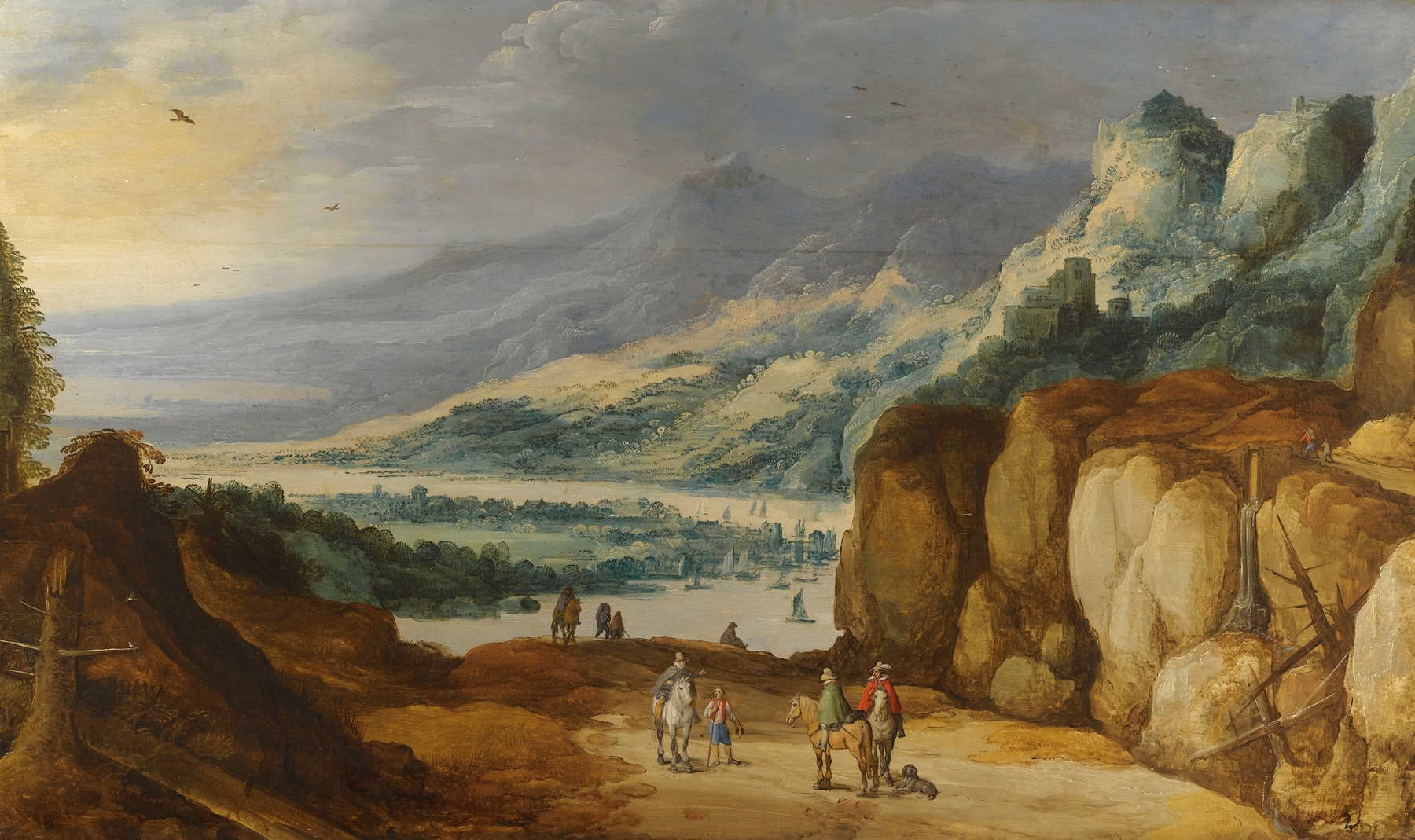
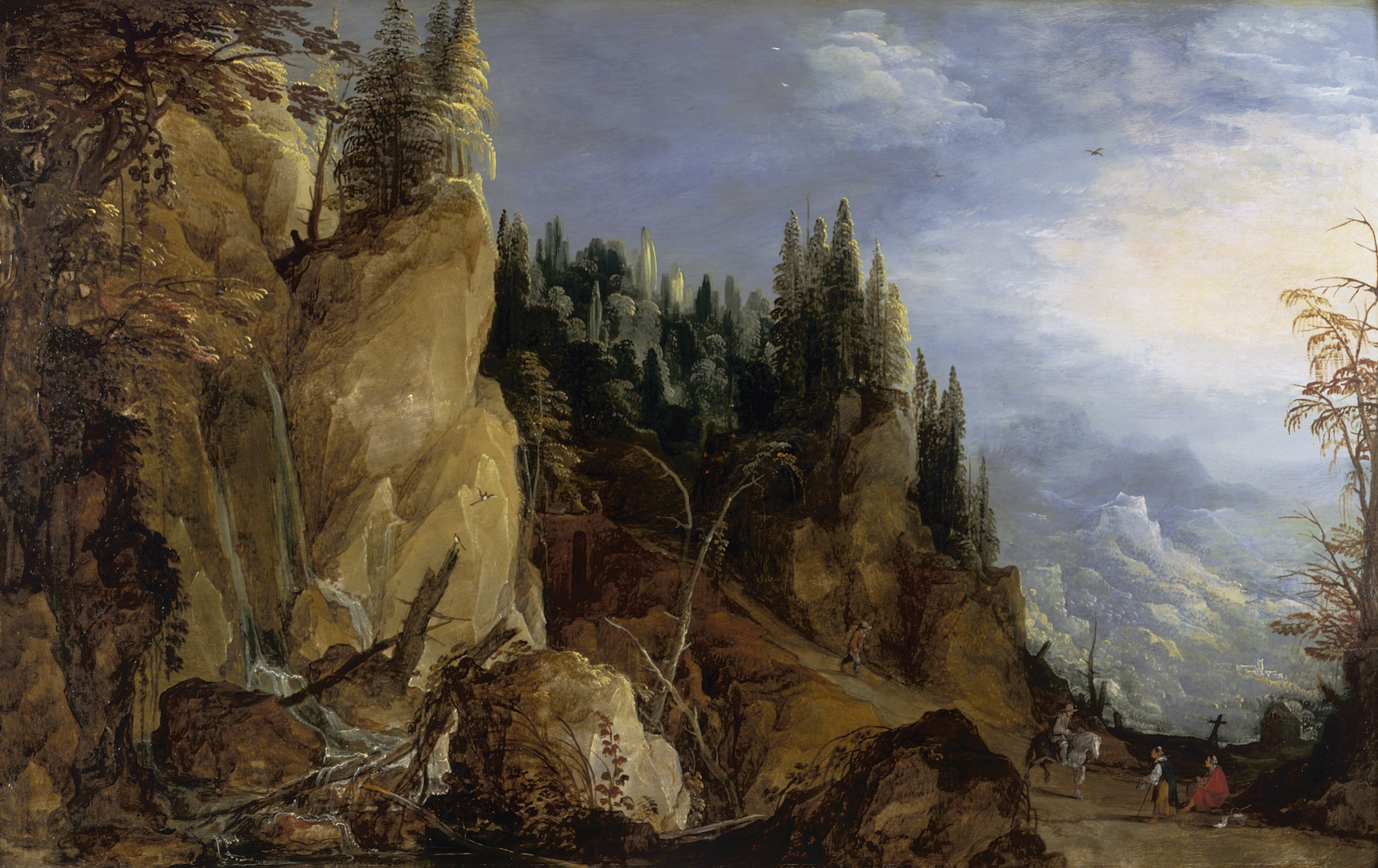
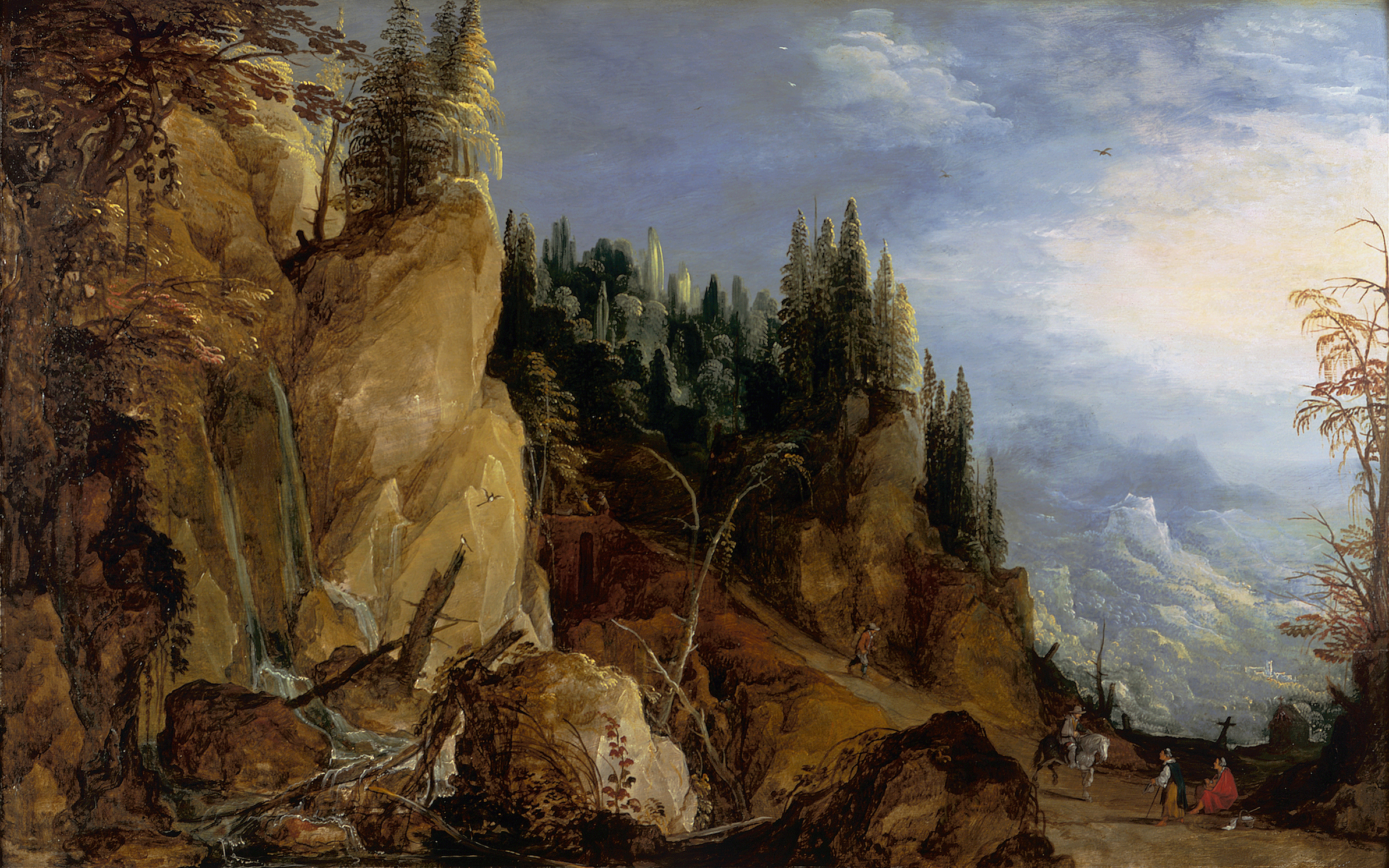
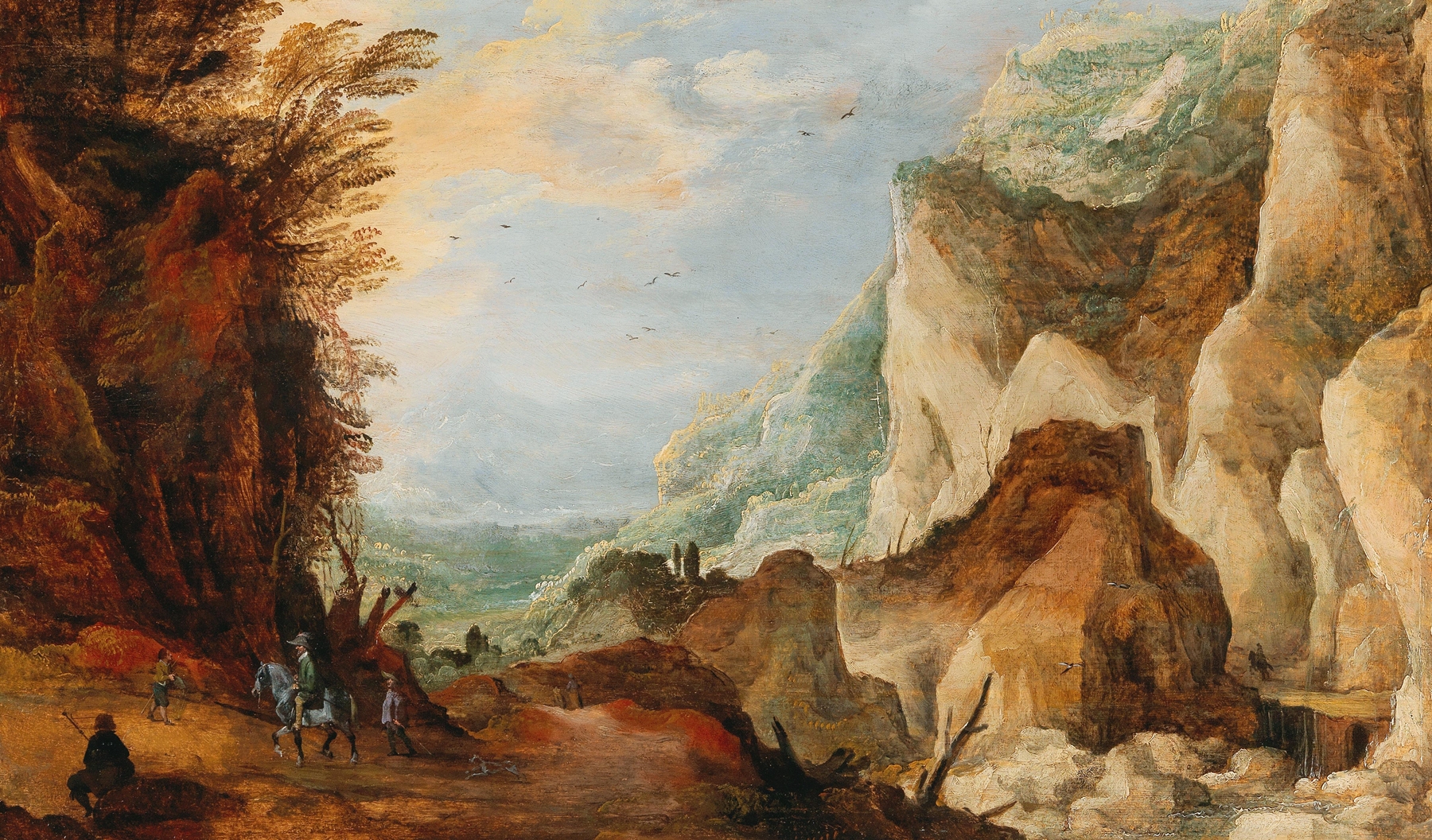
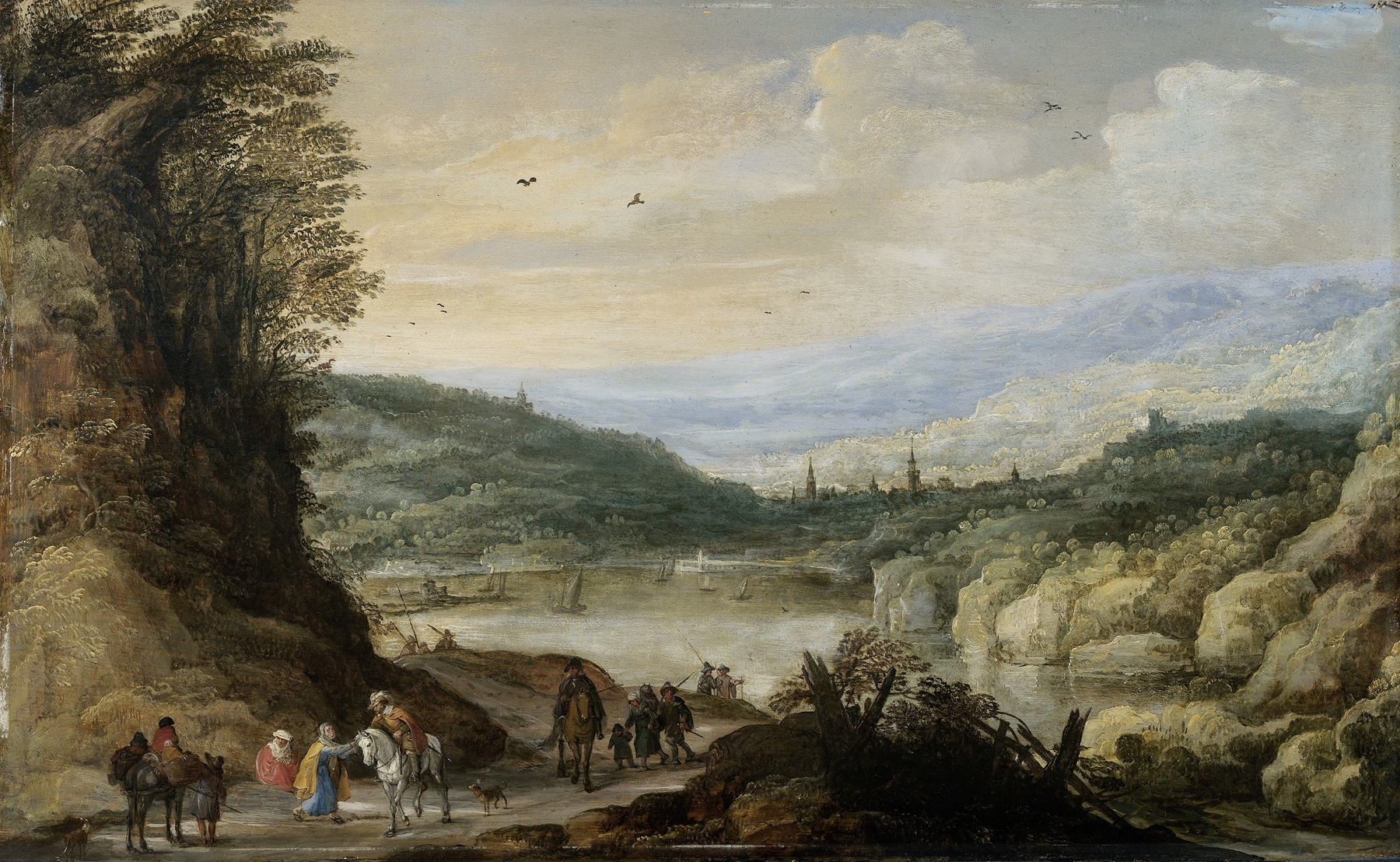
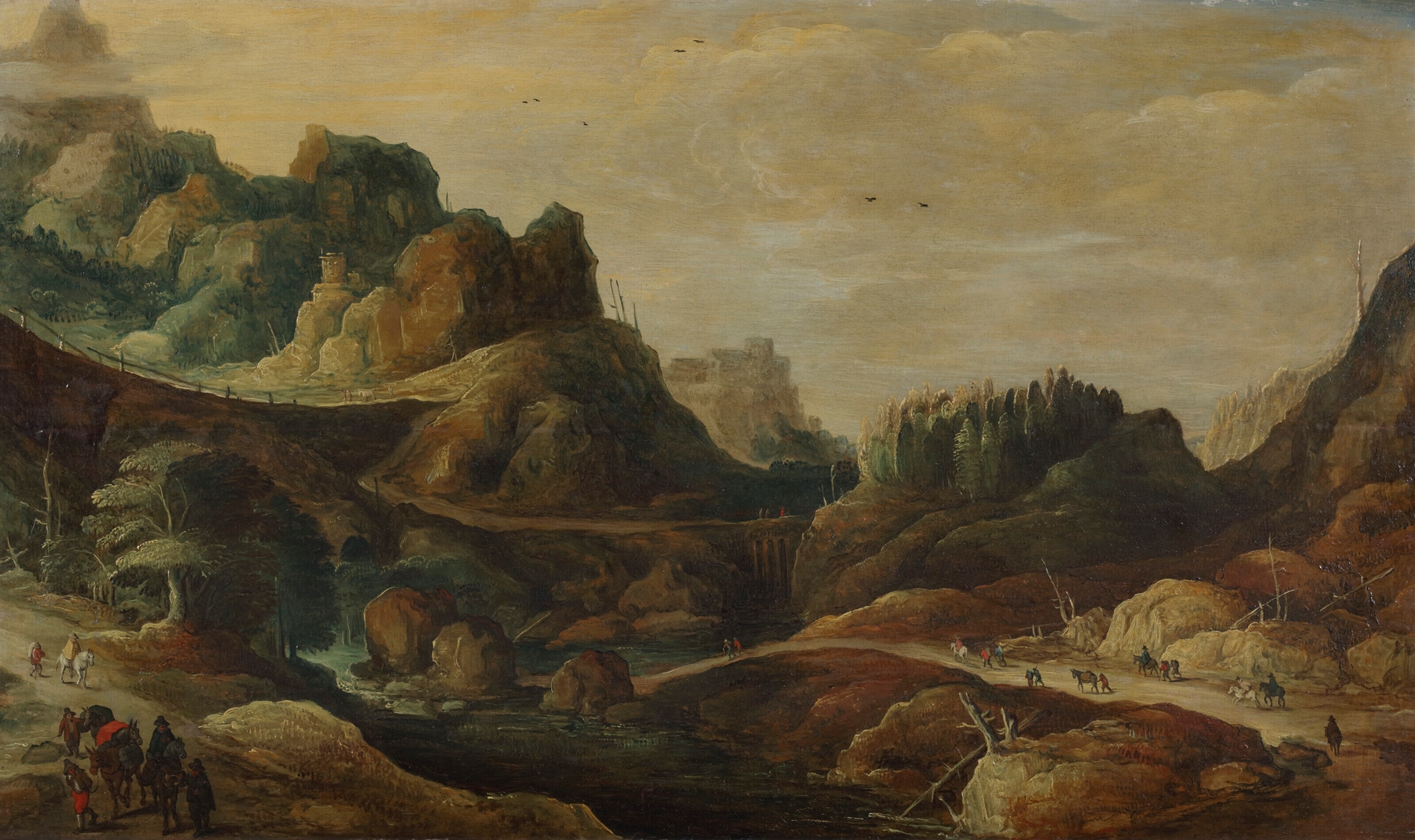
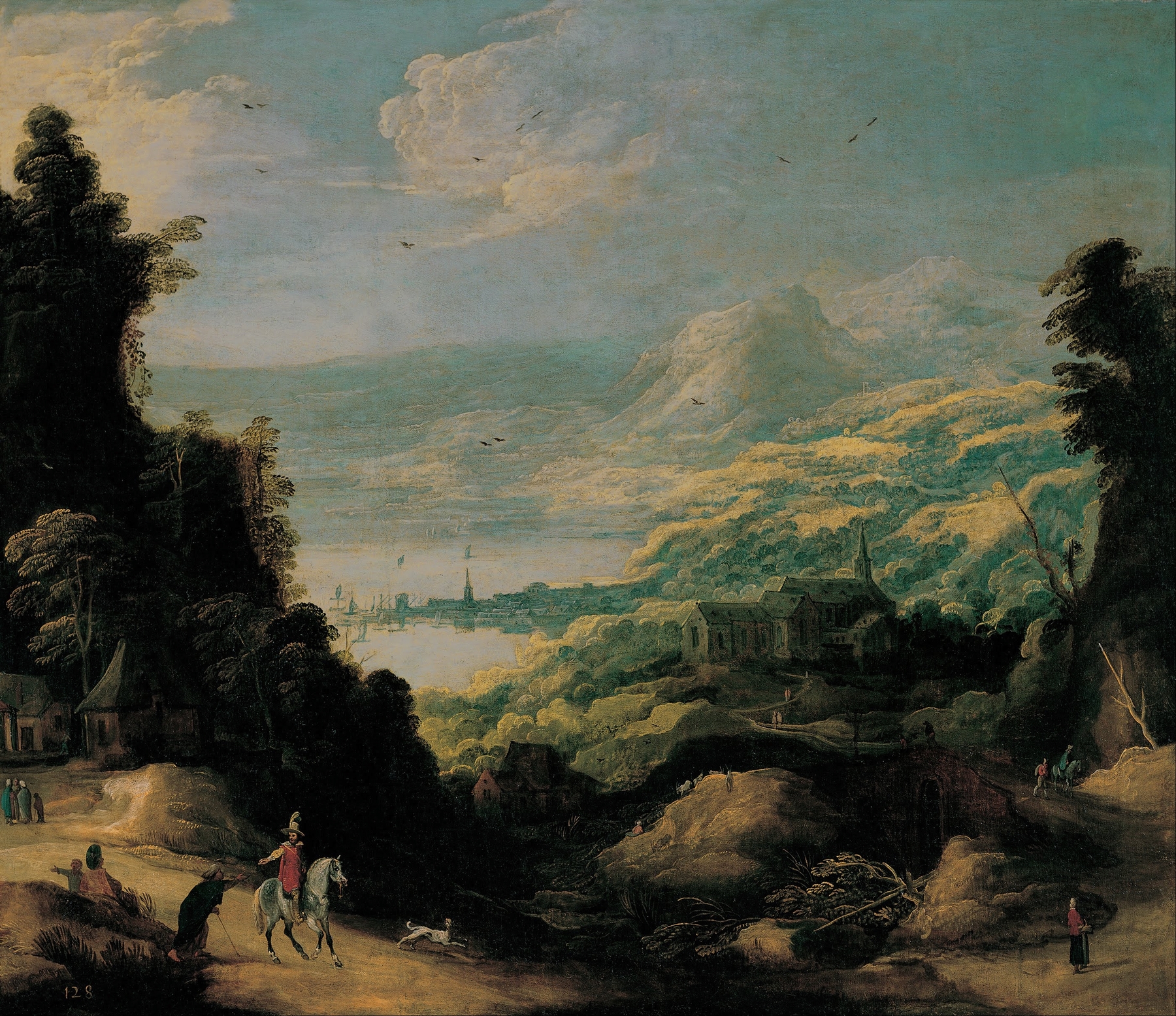
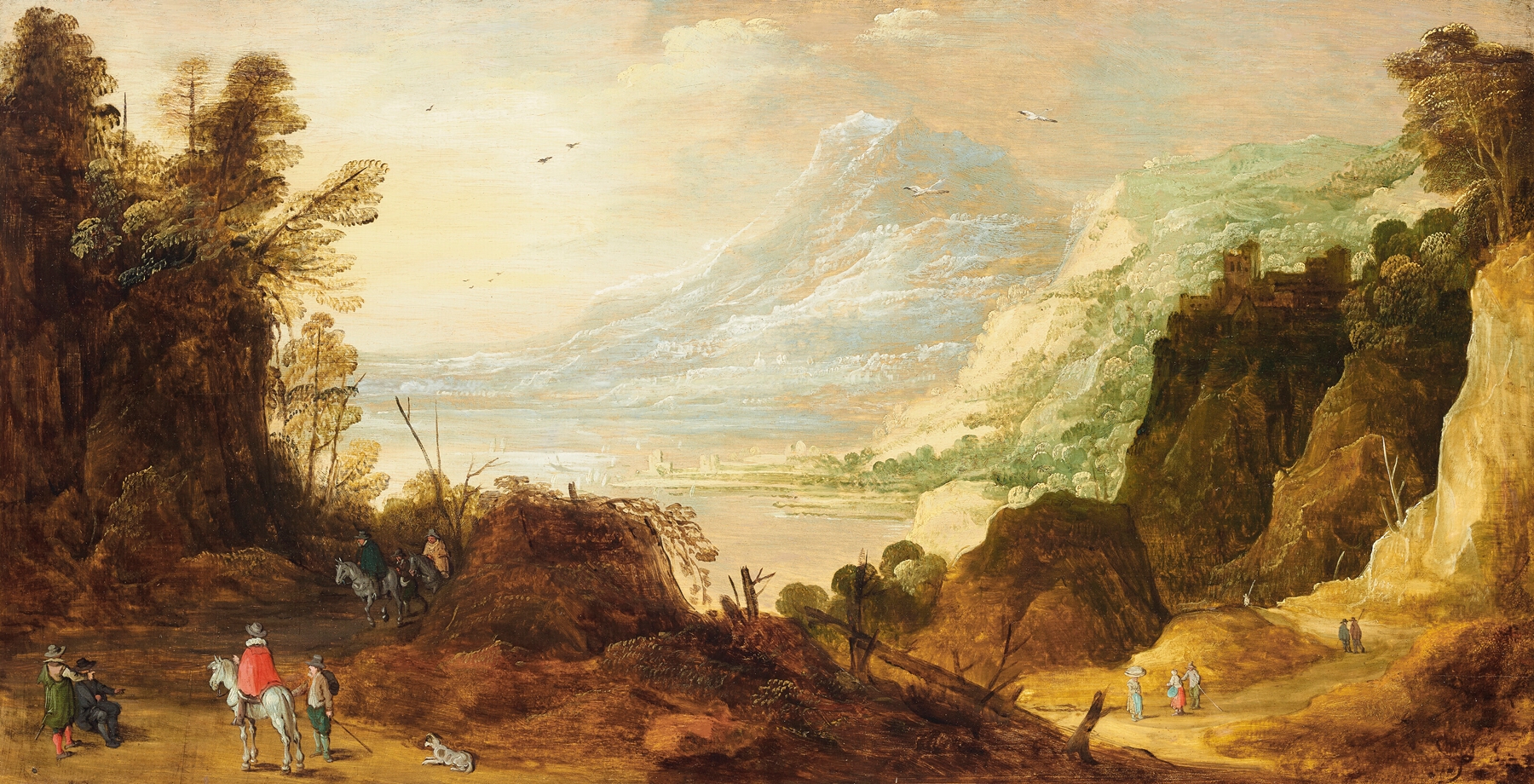
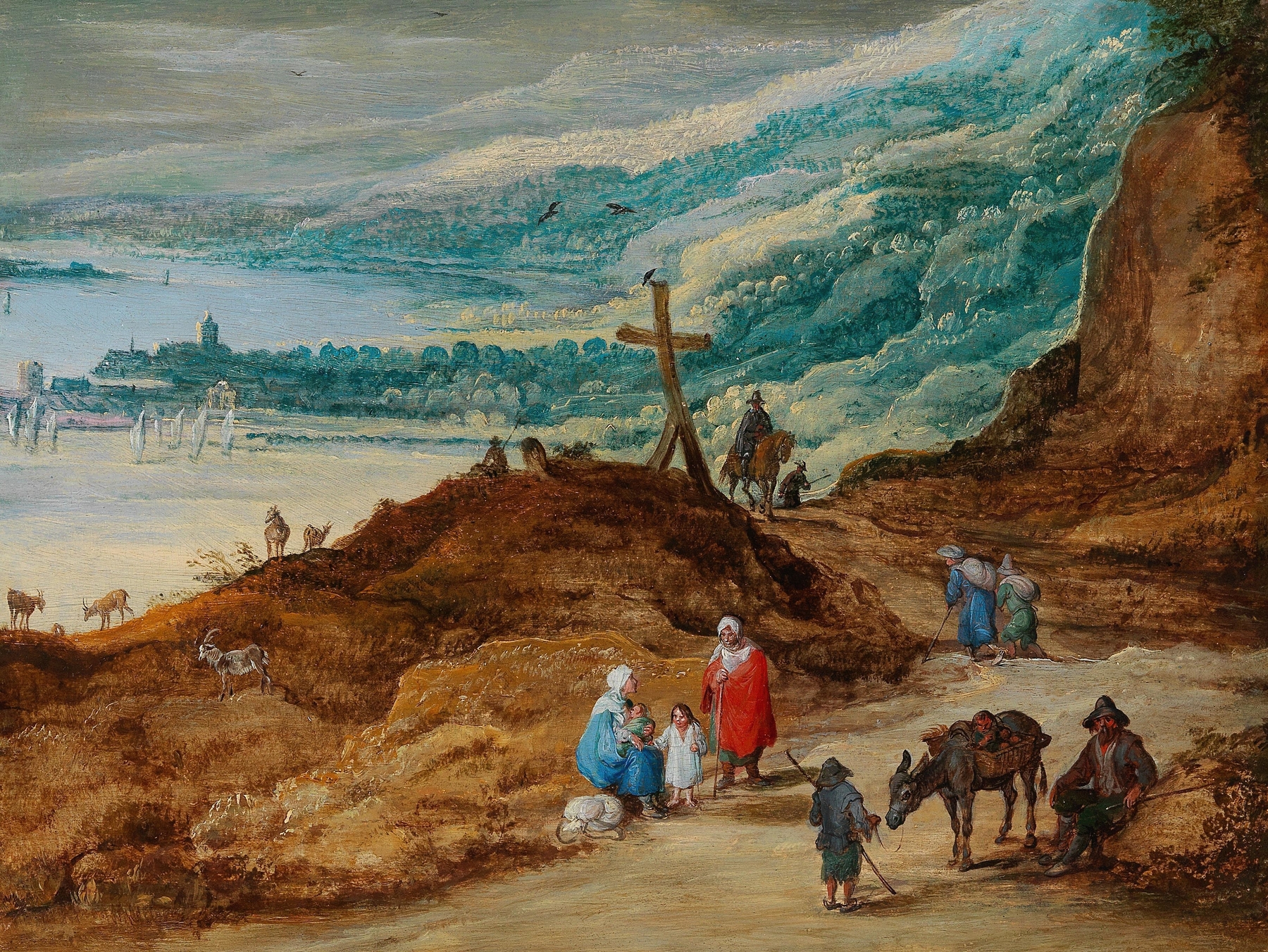
When did color learn to lie? In the interplay of hues and shadows, the essence of desire emerges, whispering secrets of nature's palette and our yearning for landscapes untamed. Look to the foreground, where vibrant greens and earthy browns intertwine, creating a lush carpet that invites your gaze. The towering mountains rise majestically in the background, their jagged peaks softened by the delicate application of light and shadow.
Notice how the artist employs a luminous sky, blending soft blues and subtle whites, which evoke a sense of vastness—a contrasting backdrop to the intricate details of the rugged terrain. Beneath the surface of this serene landscape lies a tension between the ideal and the real. The distant mountains, though breathtaking, appear almost unattainable, suggesting a longing for exploration and the sublime. The way light dances across the foliage hints at fleeting moments of happiness, while the shadows loom, reminding us of the inevitable passage of time.
This duality of desire and melancholy captures the viewer, prompting a reflection on our own aspirations and the landscapes we chase. In the 1620s, Joos de Momper was deeply immersed in the burgeoning Flemish landscape tradition, painting in Antwerp during a period of artistic flourishing. His work reflects the evolving interest in natural scenery, influenced by both a desire for realism and the romantic idealism of the time. As he captured the beauty of the world around him, de Momper was also responding to a society enraptured by exploration and discovery, making Mountainous Landscape a poignant expression of the era's spirit.