Allégorie de la chute de la famille du Barry — History & Analysis
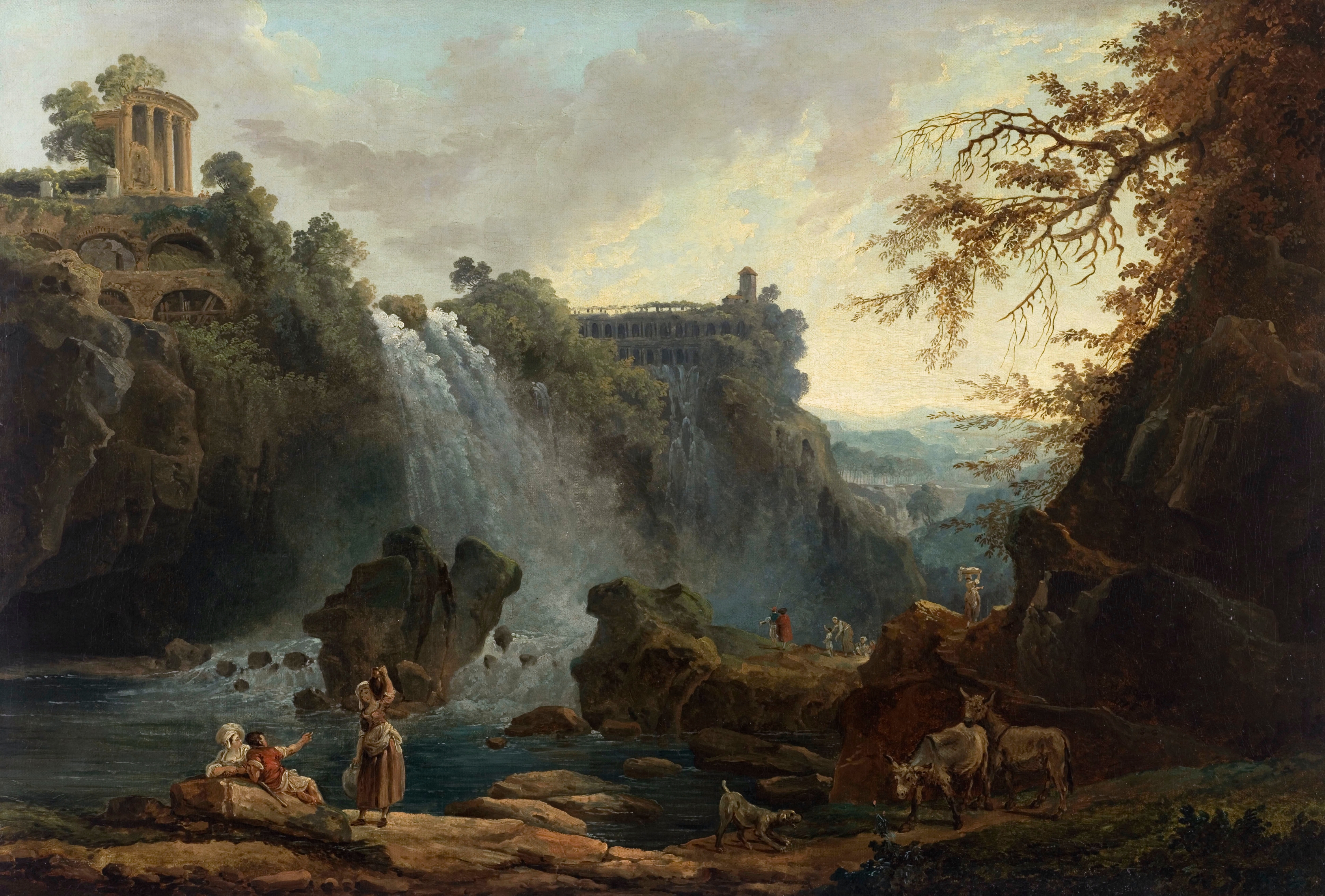
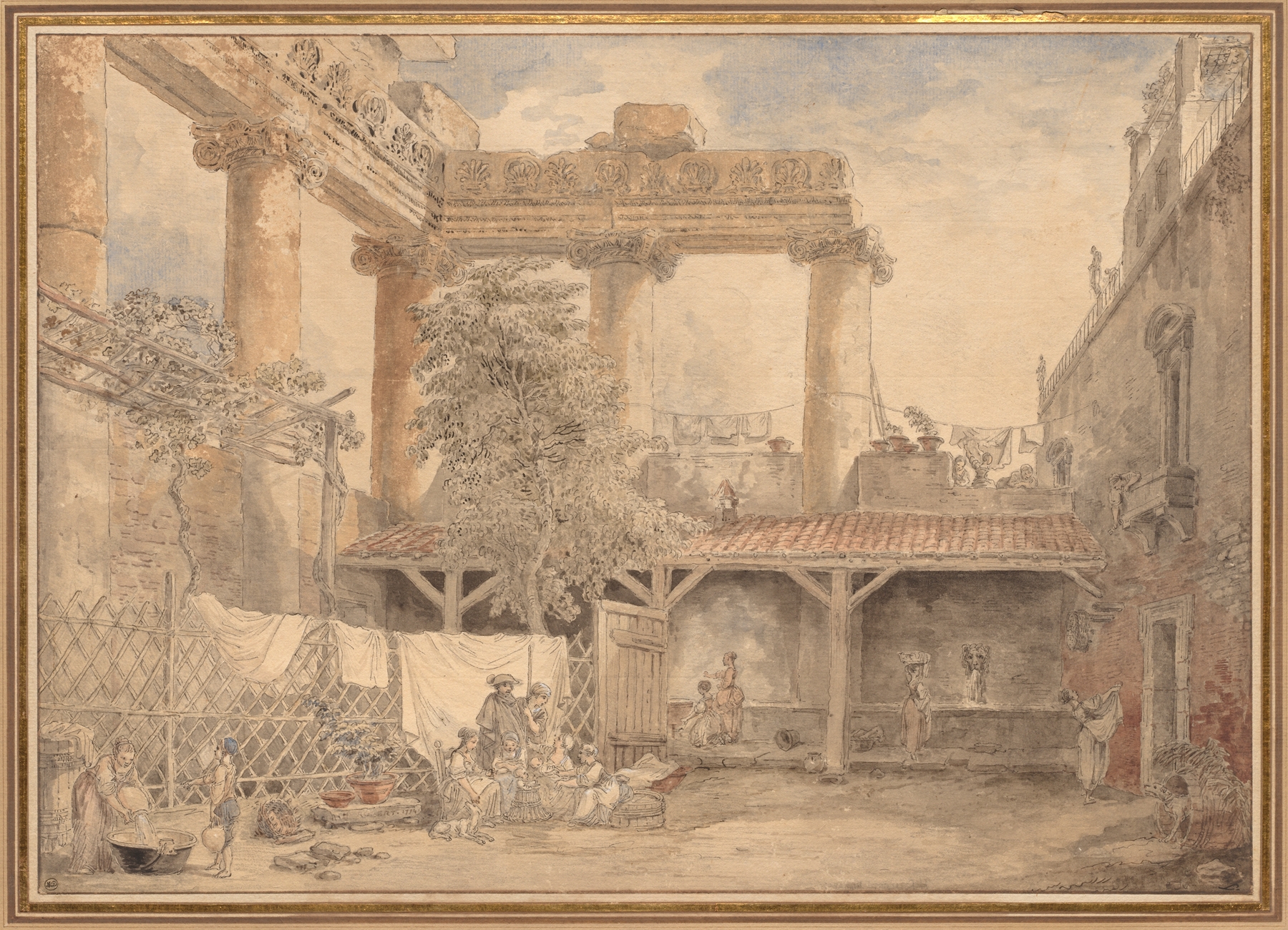
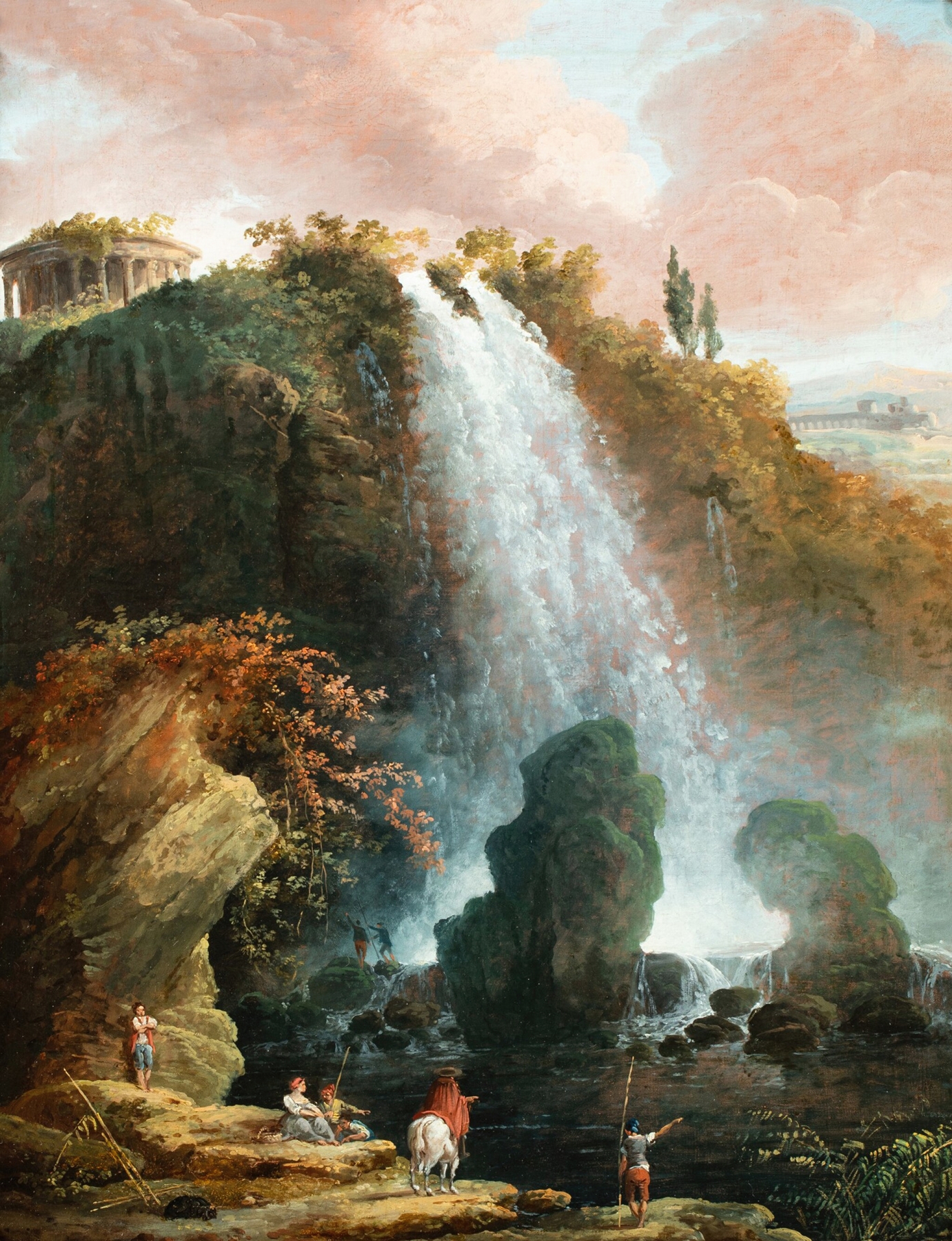
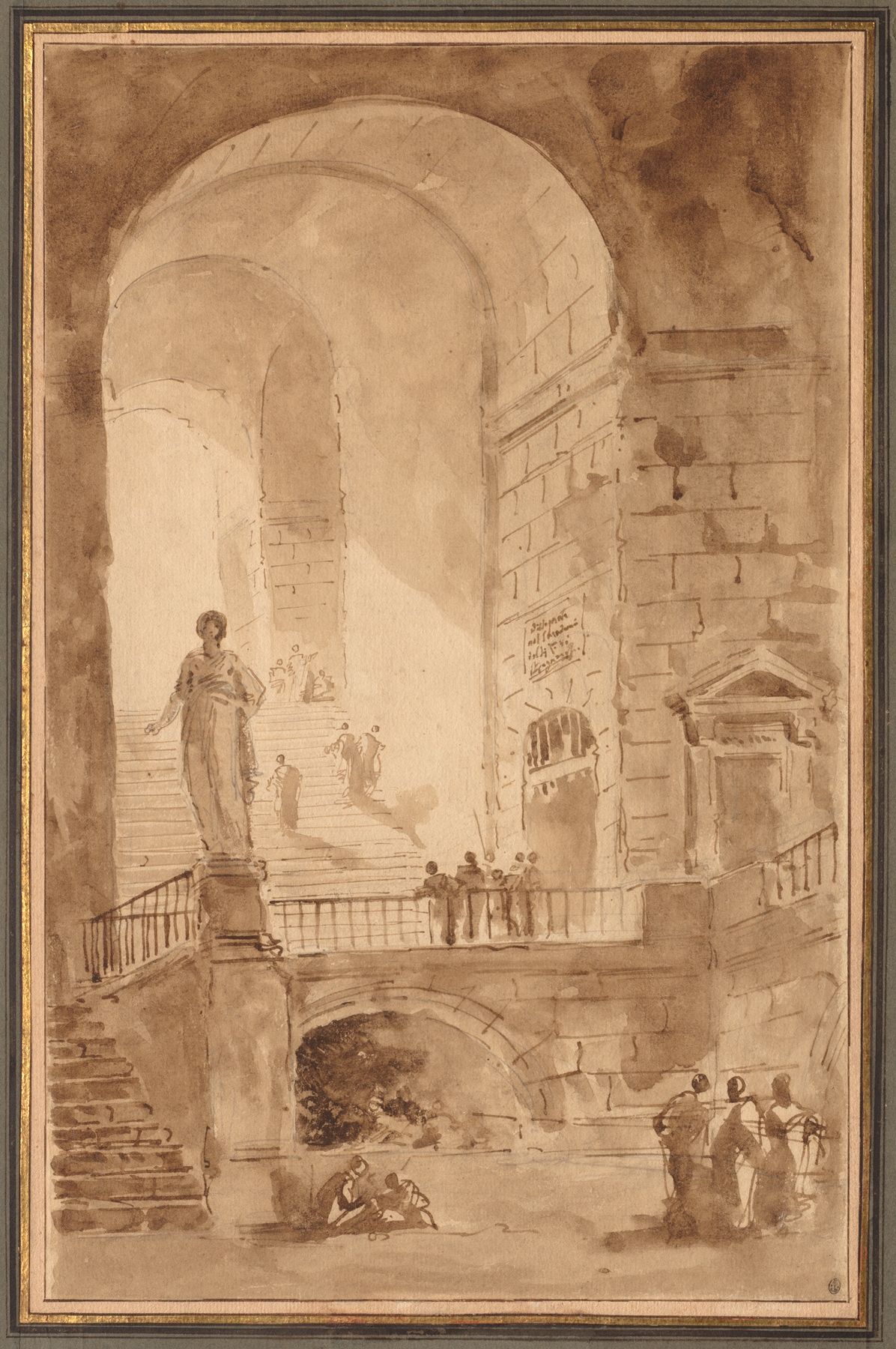
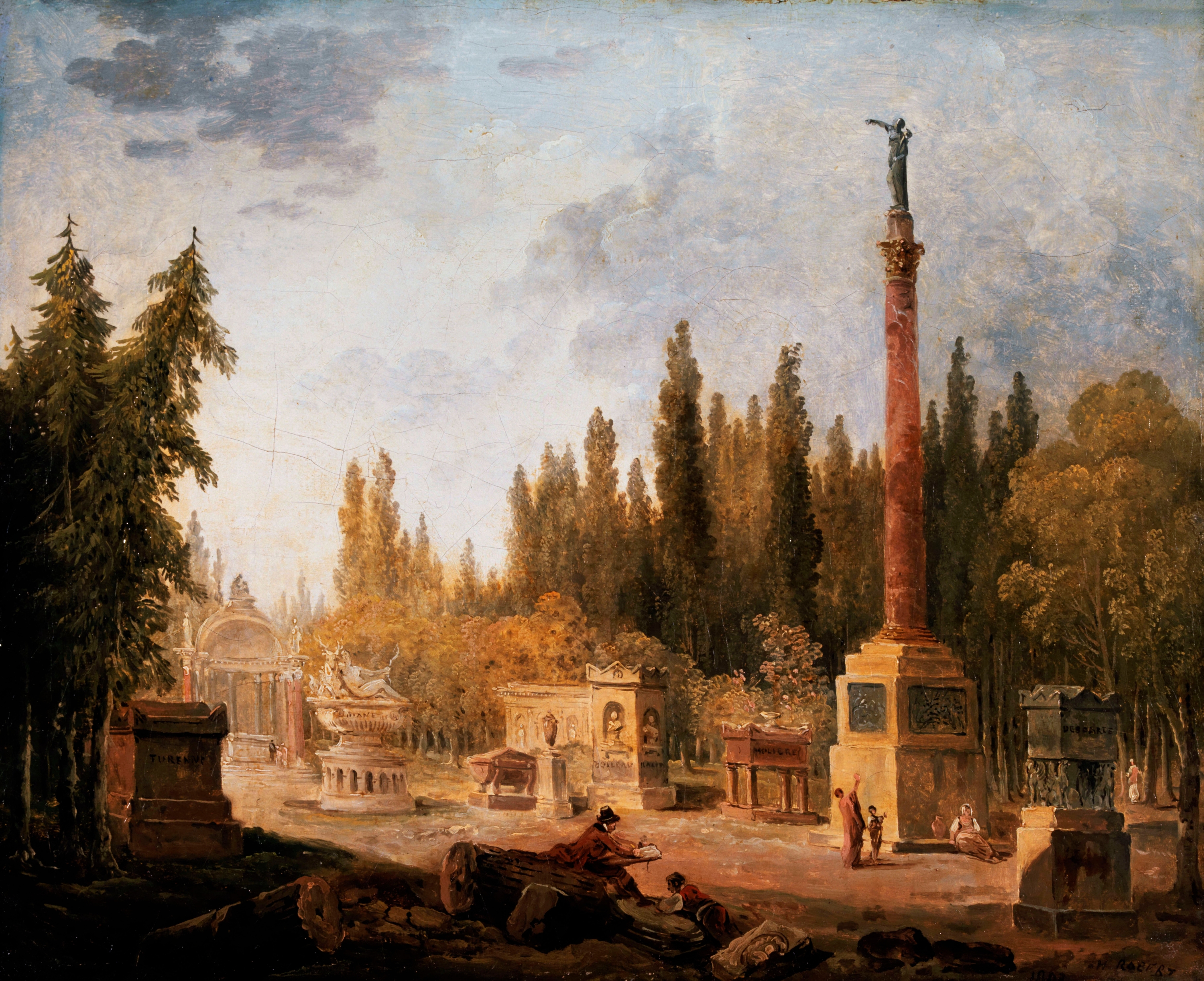
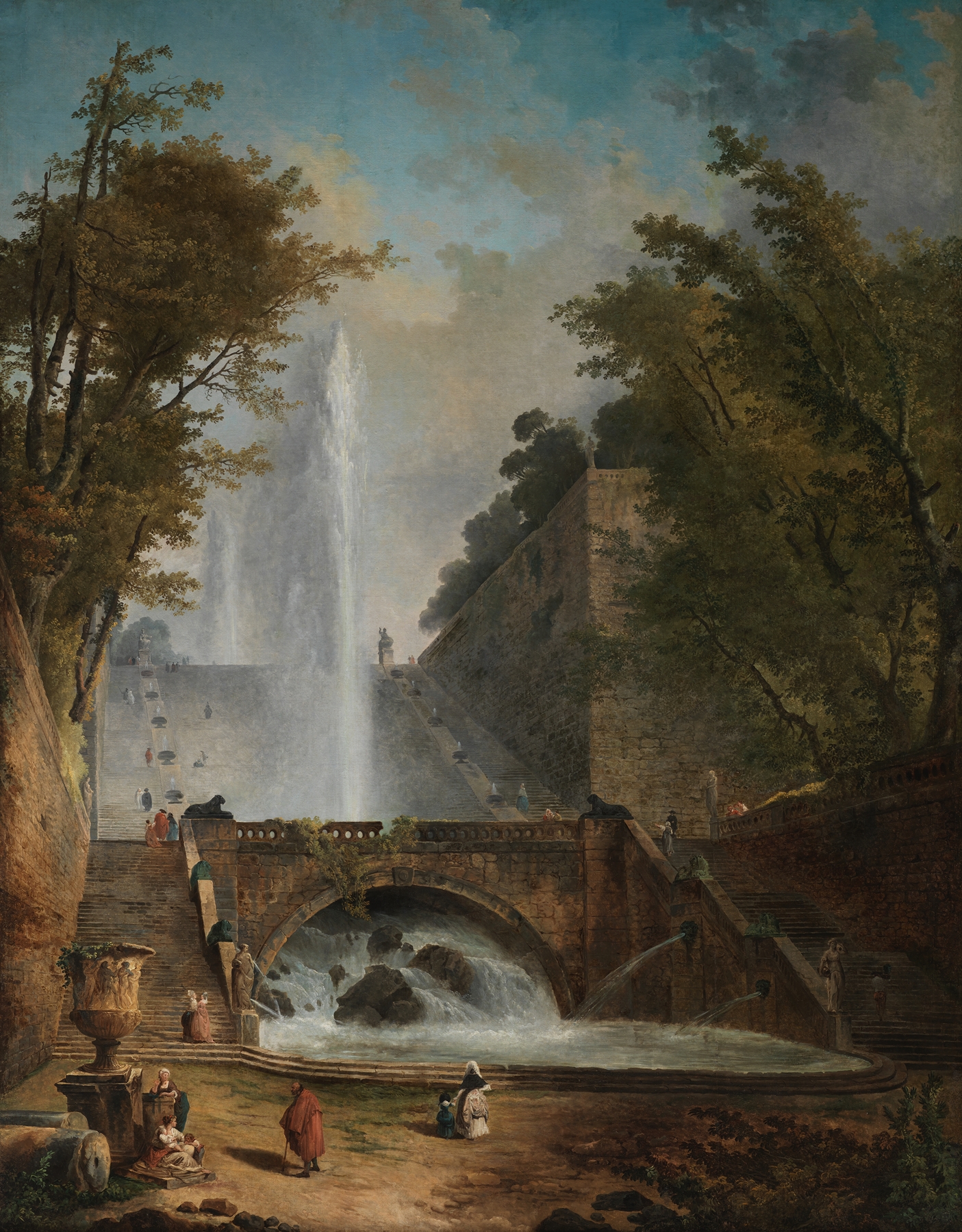
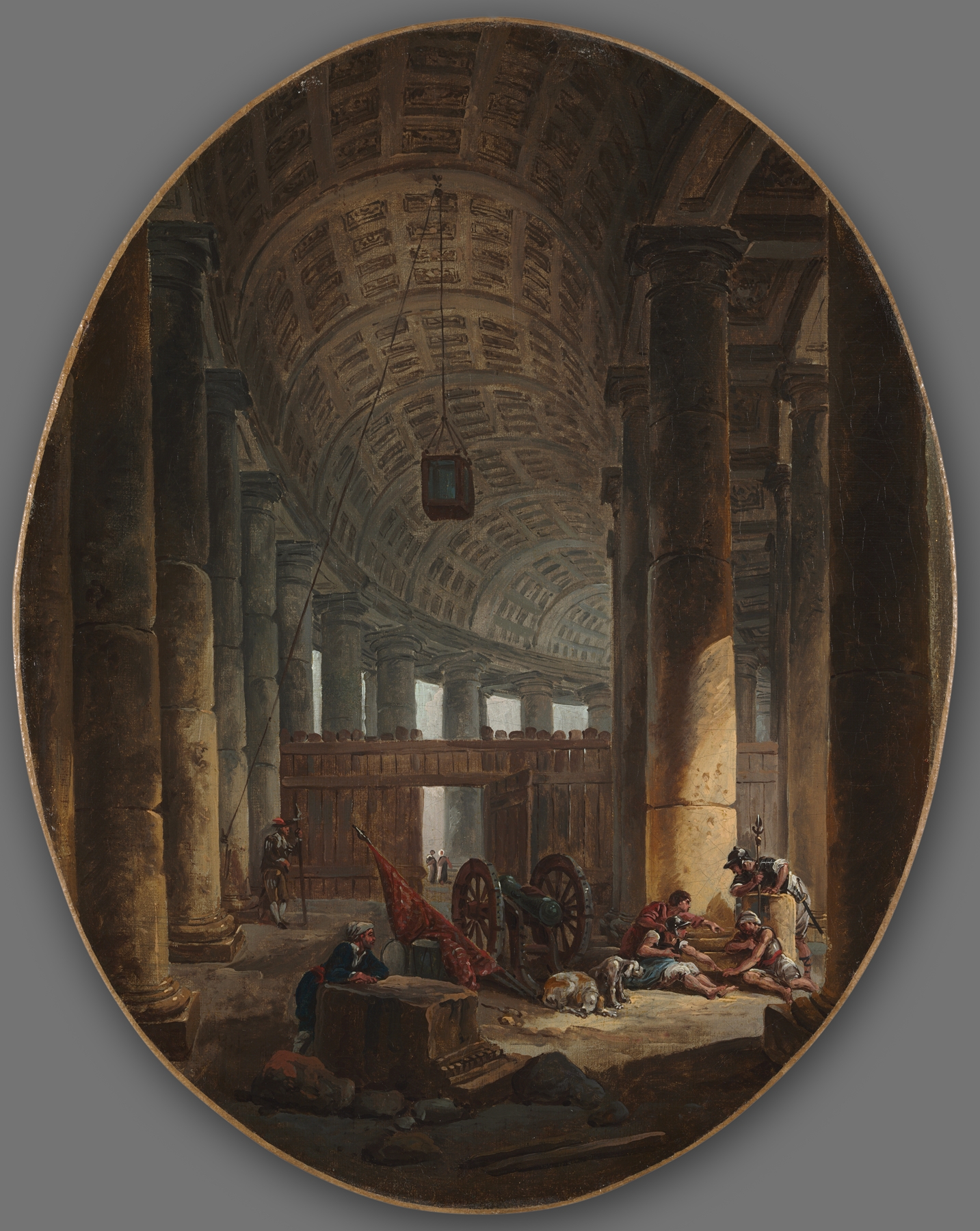
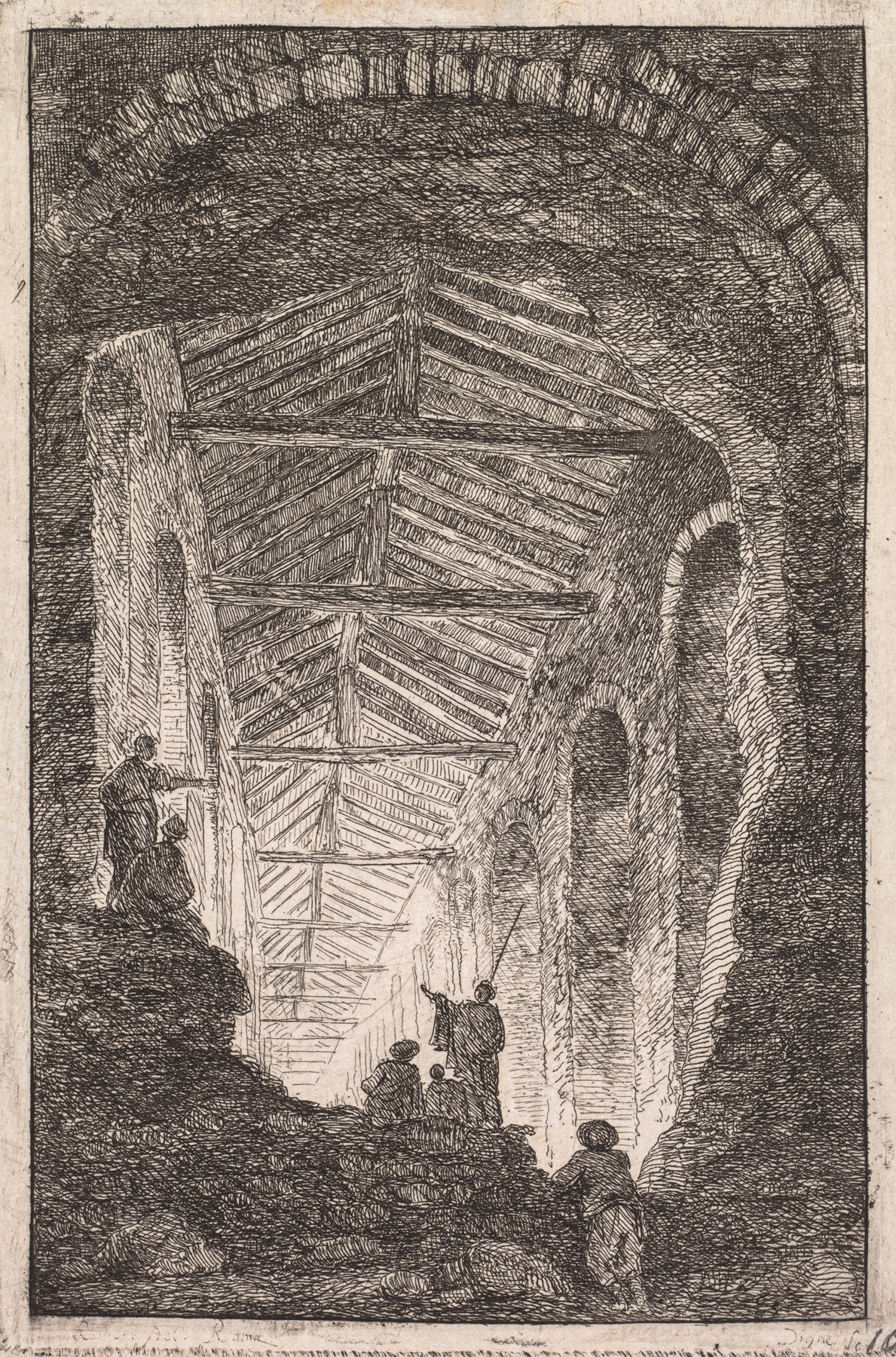
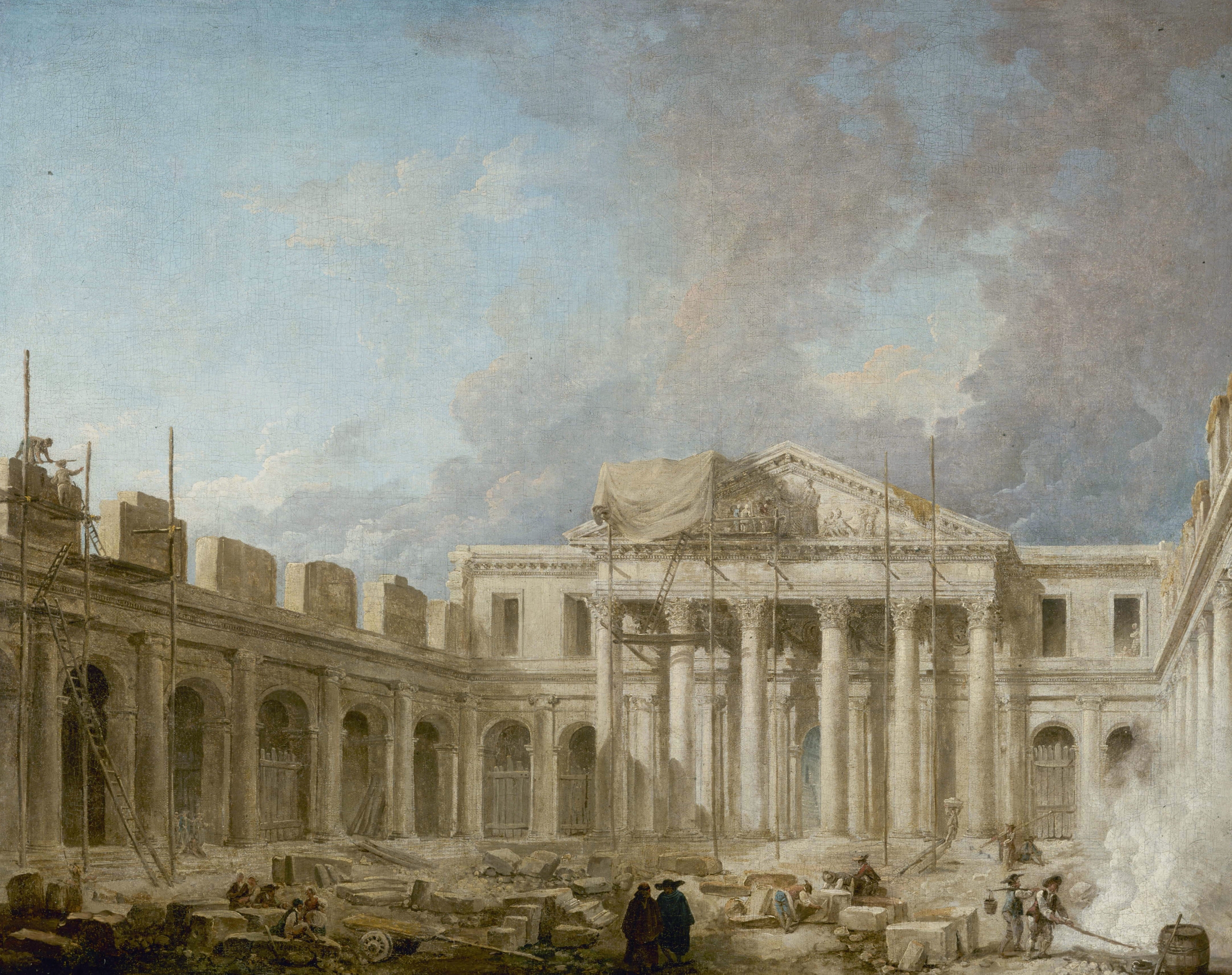
Who listens when art speaks of silence? In Allégorie de la chute de la famille du Barry, the weight of unspoken truths and the shadows of lost faith linger palpably, drawing viewers into a world rife with consequence. Look to the left at the crumbling architecture, where fragments of a once-grand palace loom like ghosts of the past. The deliberate use of muted earth tones contrasts sharply with the vibrant foliage, symbolizing the decline of nobility amidst nature's indifferent resurgence. Notice how the figures are scattered across the canvas, their postures conveying a mix of despair and resignation, each lost in their own moment of reckoning.
The soft, diffused light illuminates their faces, making the scene feel intimate yet expansive, ensconcing the viewer in this poignant reflection of human fragility. Delve deeper, and the emotional tensions between hope and despair become evident. The fallen family members, once surrounded by opulence, now find themselves at the mercy of time and nature, their faith in permanence stripped away. The juxtaposition of the vibrant greenery against the ruins emphasizes the inevitable passage of time, suggesting that all glory is transient.
Each detail—like the tender branches curling around the remnants—serves as a reminder of the cyclical nature of existence, hinting that from decay can arise new life, albeit not for those who have fallen. Hubert Robert painted this work around 1774, during a period of upheaval in France, as the winds of change heralded the coming Revolution. Living in Paris, he was deeply influenced by neoclassicism while also embracing a romantic view of nature reclaiming human constructs. This painting encapsulates his reflections on the fragility of power and the bittersweet acceptance of decline, marking a significant moment in both his career and the art world of the time.