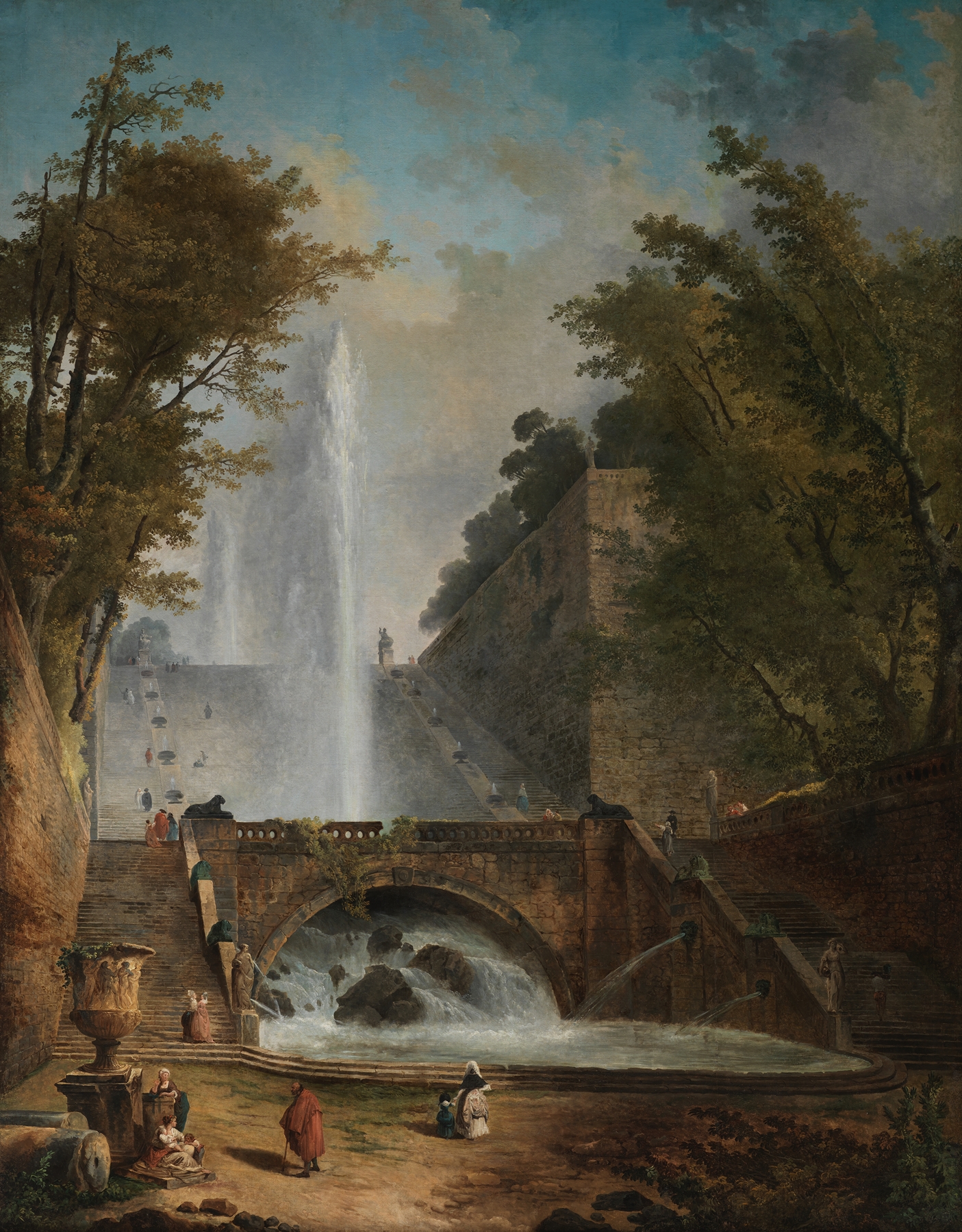
Stair and Fountain in the Park of a Roman Villa — History & Analysis
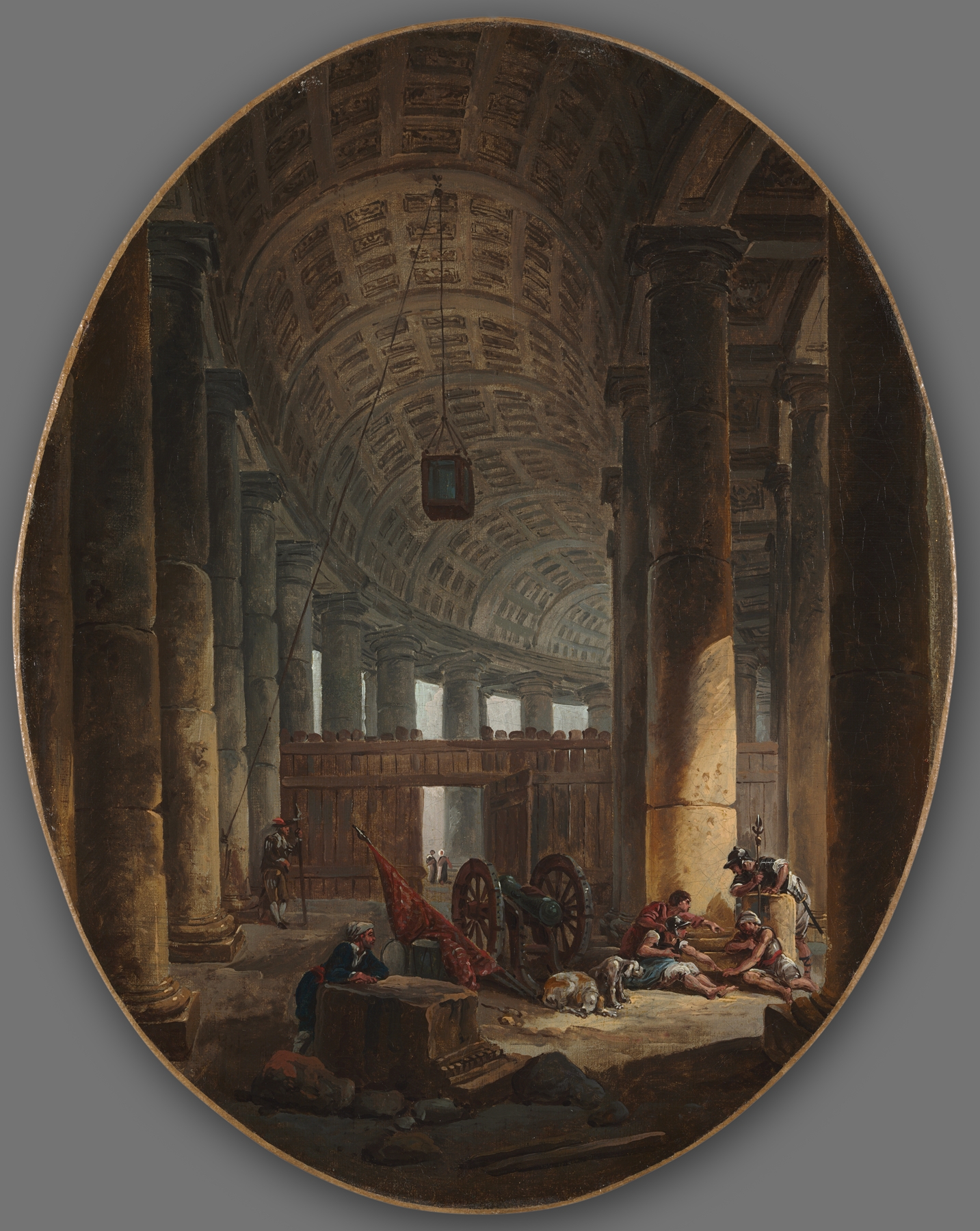
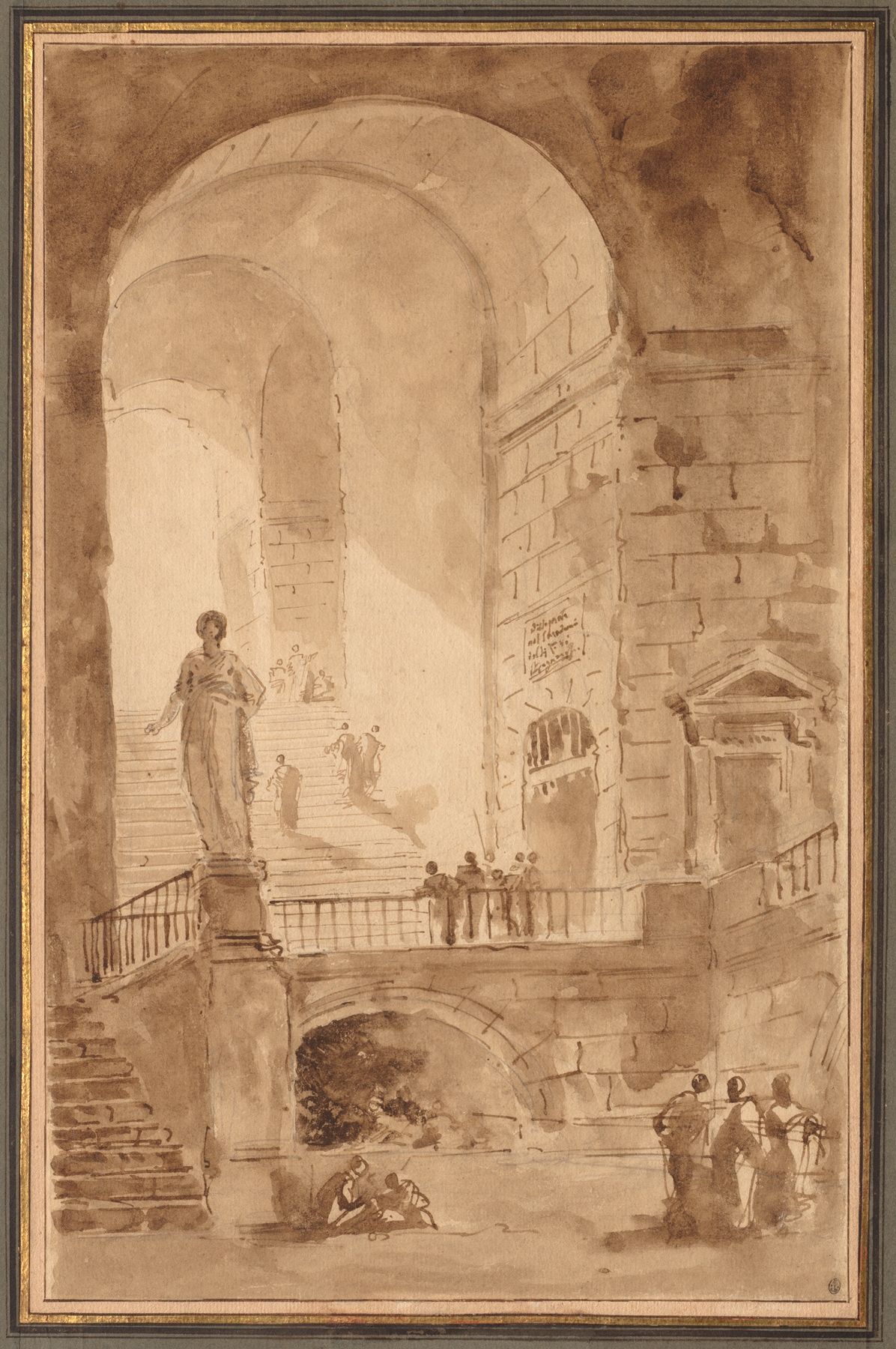
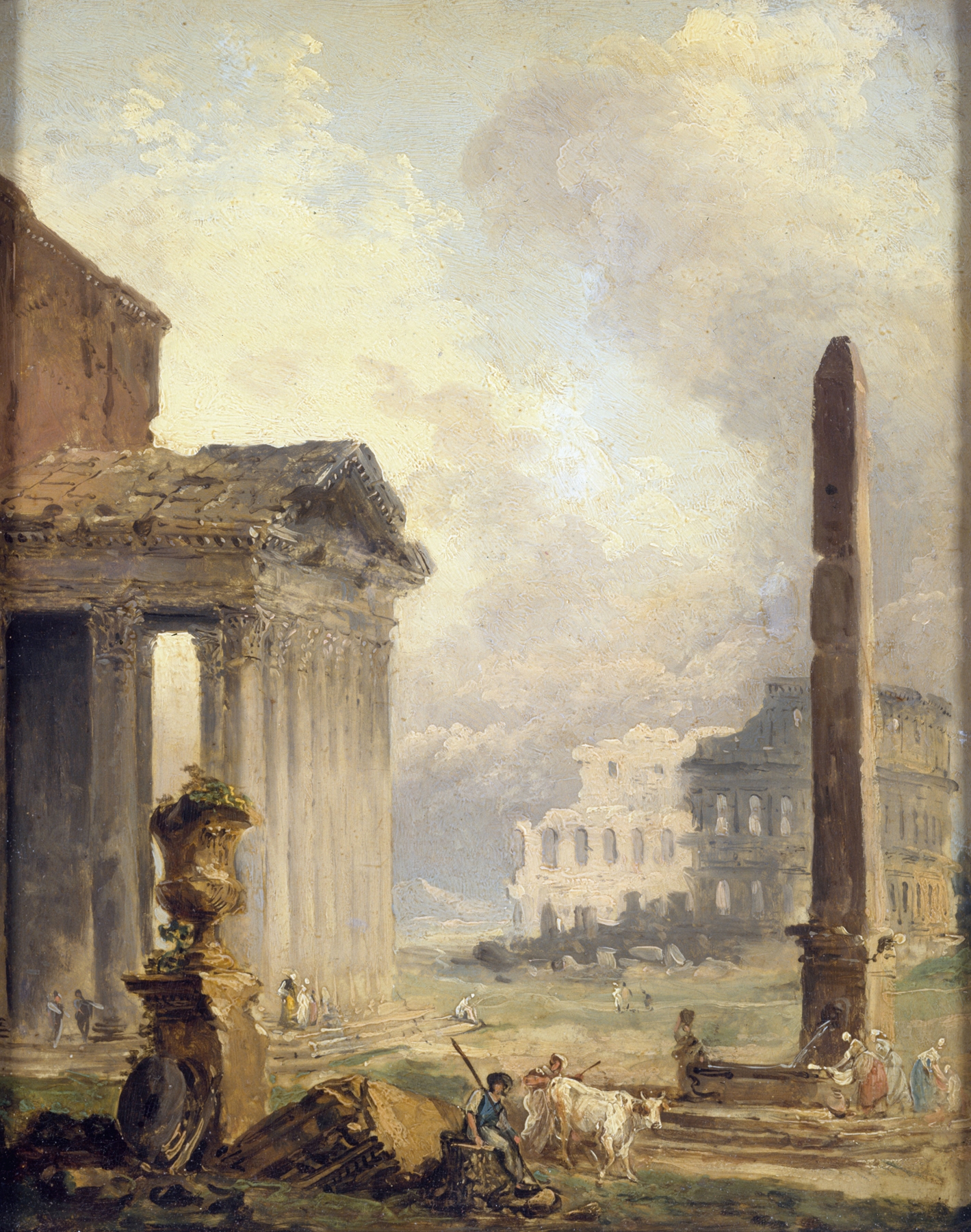
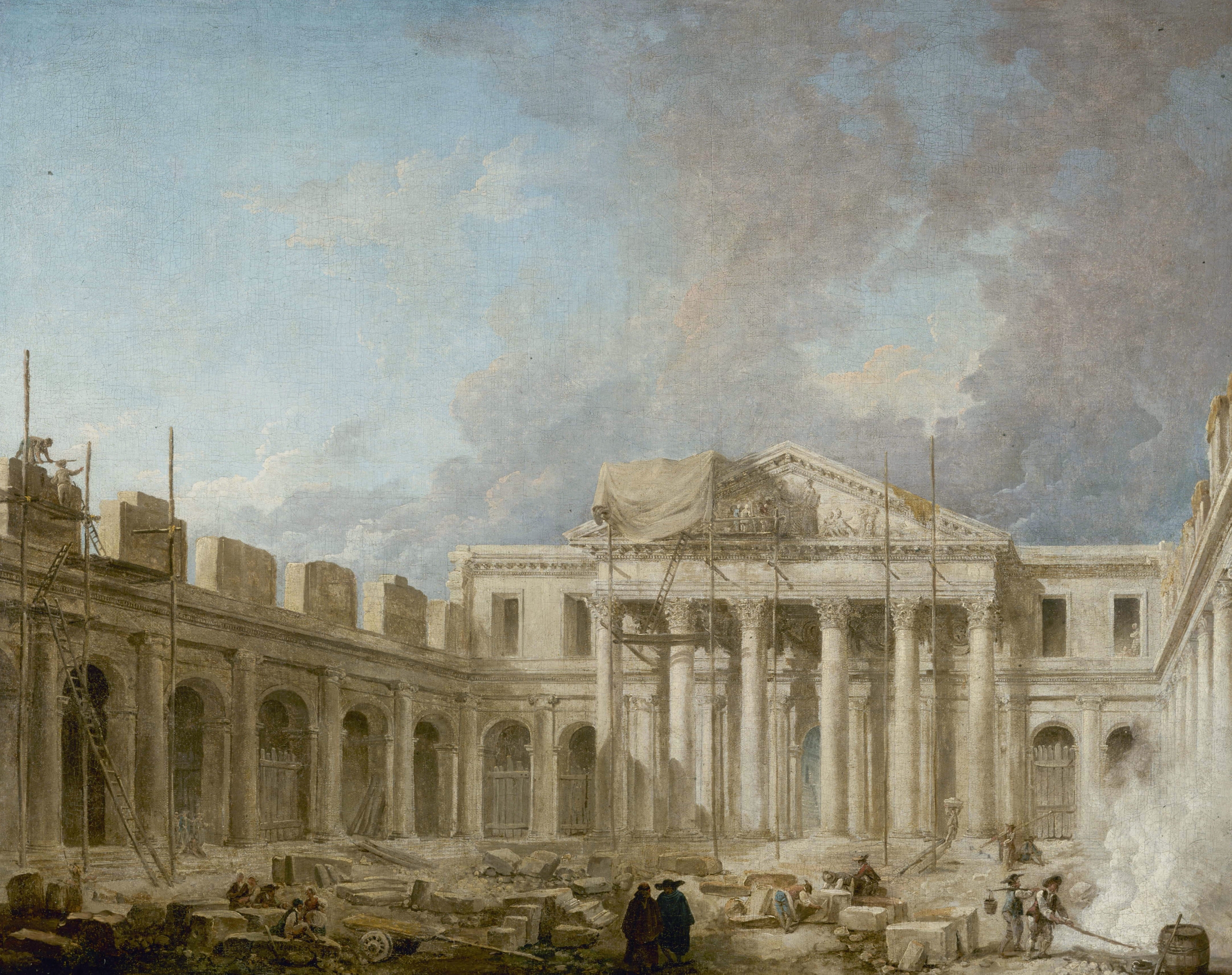
Is this a mirror — or a memory? The interplay of time and nature in this piece invites the viewer to reflect on moments both ephemeral and eternal. Look to the left at the elegantly curved staircase, its stone steps rising languidly. Notice how the soft light filters through the verdant foliage, casting delicate shadows that dance across the ground. The vibrant greens and earth tones create a harmonious palette, while the gentle flow of the fountain acts as a focal point, drawing the eye deeper into the scene. The composition’s balance between architectural structure and natural beauty captures a tranquil sense of purpose, illustrating the idyllic charm of a Roman villa. Yet, hidden beneath this serene façade is a dialogue between nature and human creation. The time-worn steps speak of countless visitors who have walked this path, their fleeting moments contrasted with the enduring beauty of the surrounding landscape. The playful water from the fountain hints at the passage of time, a reminder that life flows continuously, nurturing both memory and imagination. The juxtaposition of the carefully manicured park and the wild embrace of nature underscores our relationship with time — both structured and chaotic. In 1775, Hubert Robert crafted this work amidst the Age of Enlightenment, when society was embracing reason and the beauty of classical ideals. Living in Paris, Robert immersed himself in the cultural zeitgeist, capturing the harmony of architecture and nature as a reflection of both human achievement and the natural world. This painting embodies his vision of how beauty can exist in the interplay of time, memory, and the environments we create.