Washerwomen in a Ruined Gallery — History & Analysis
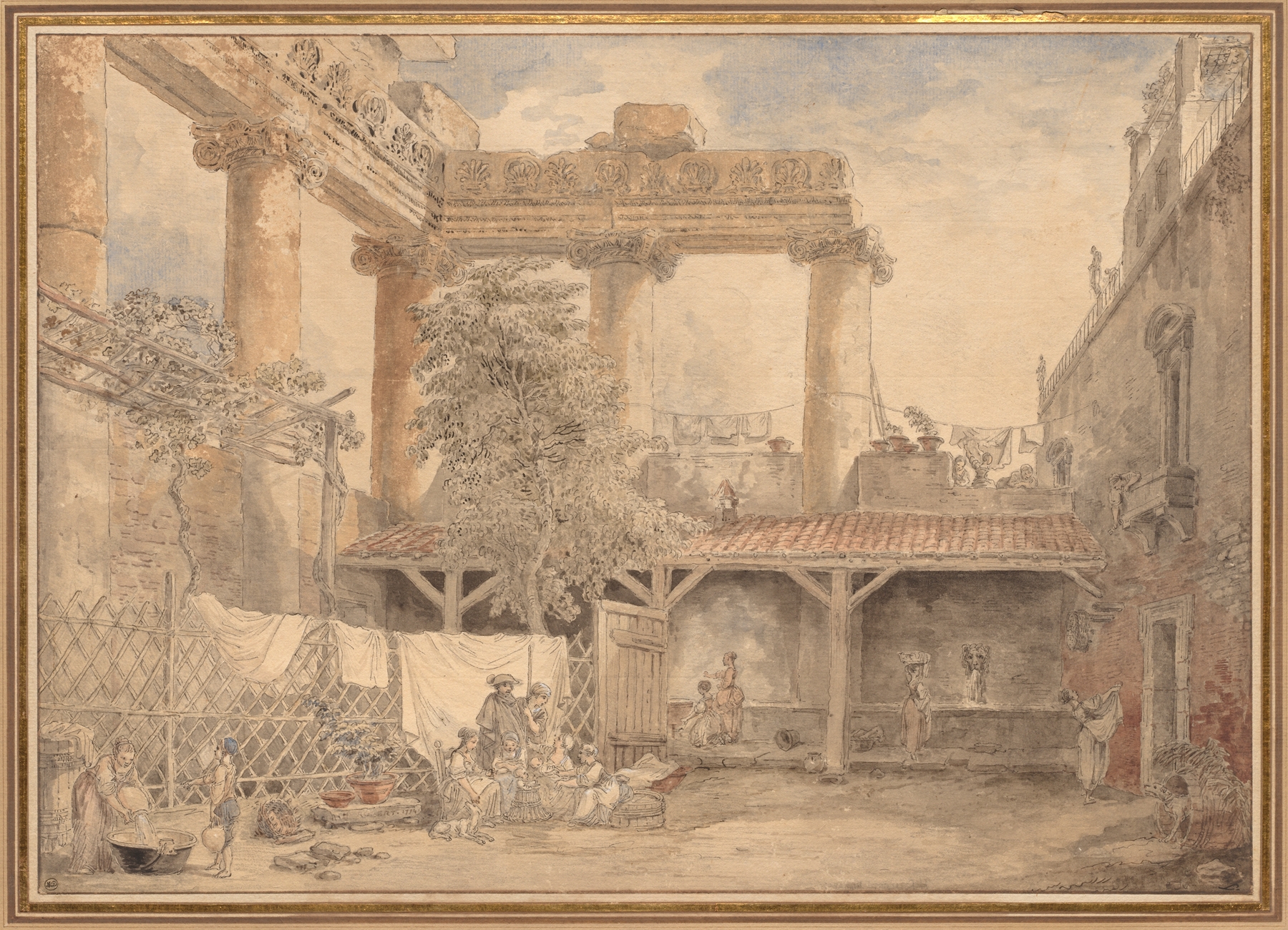
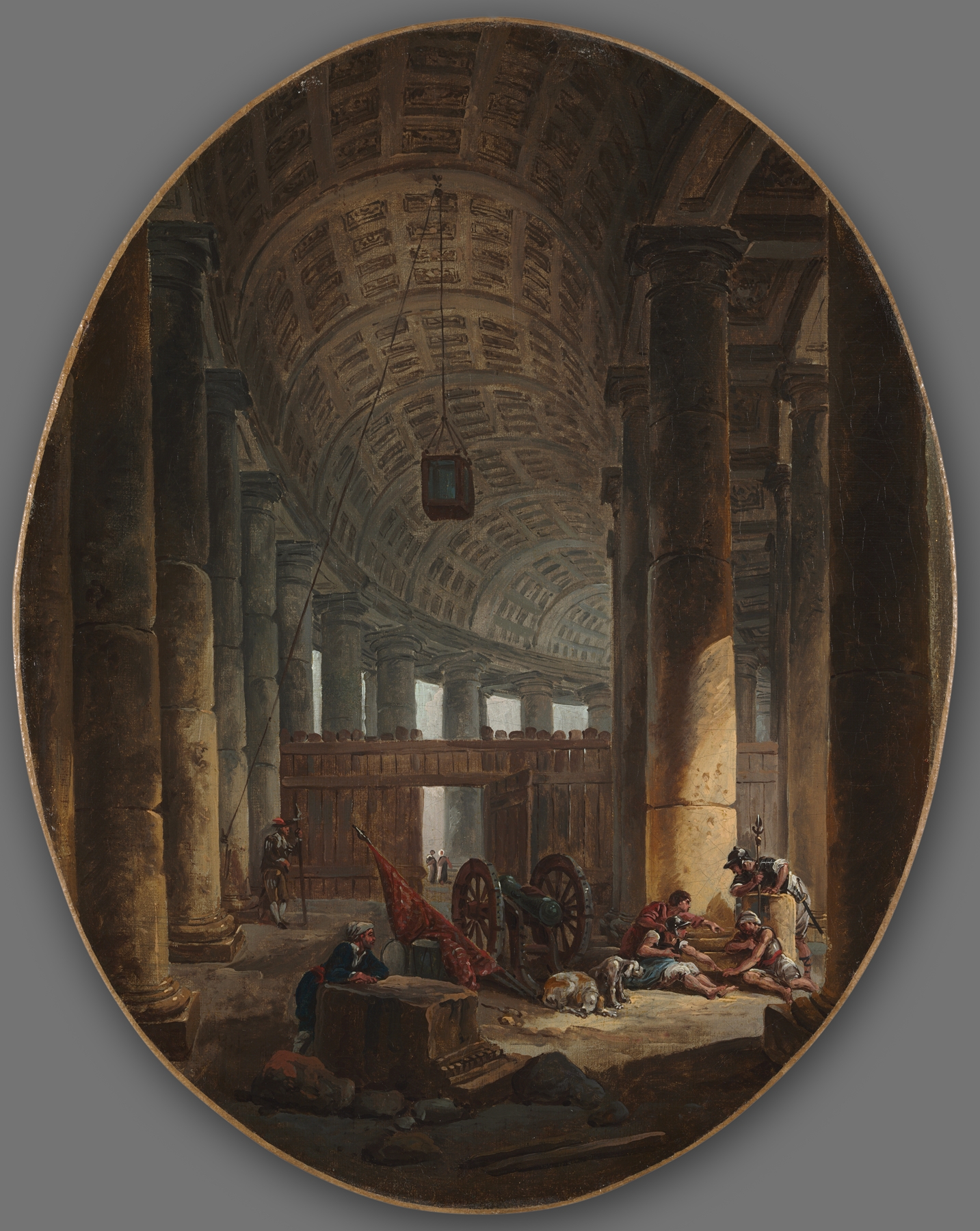
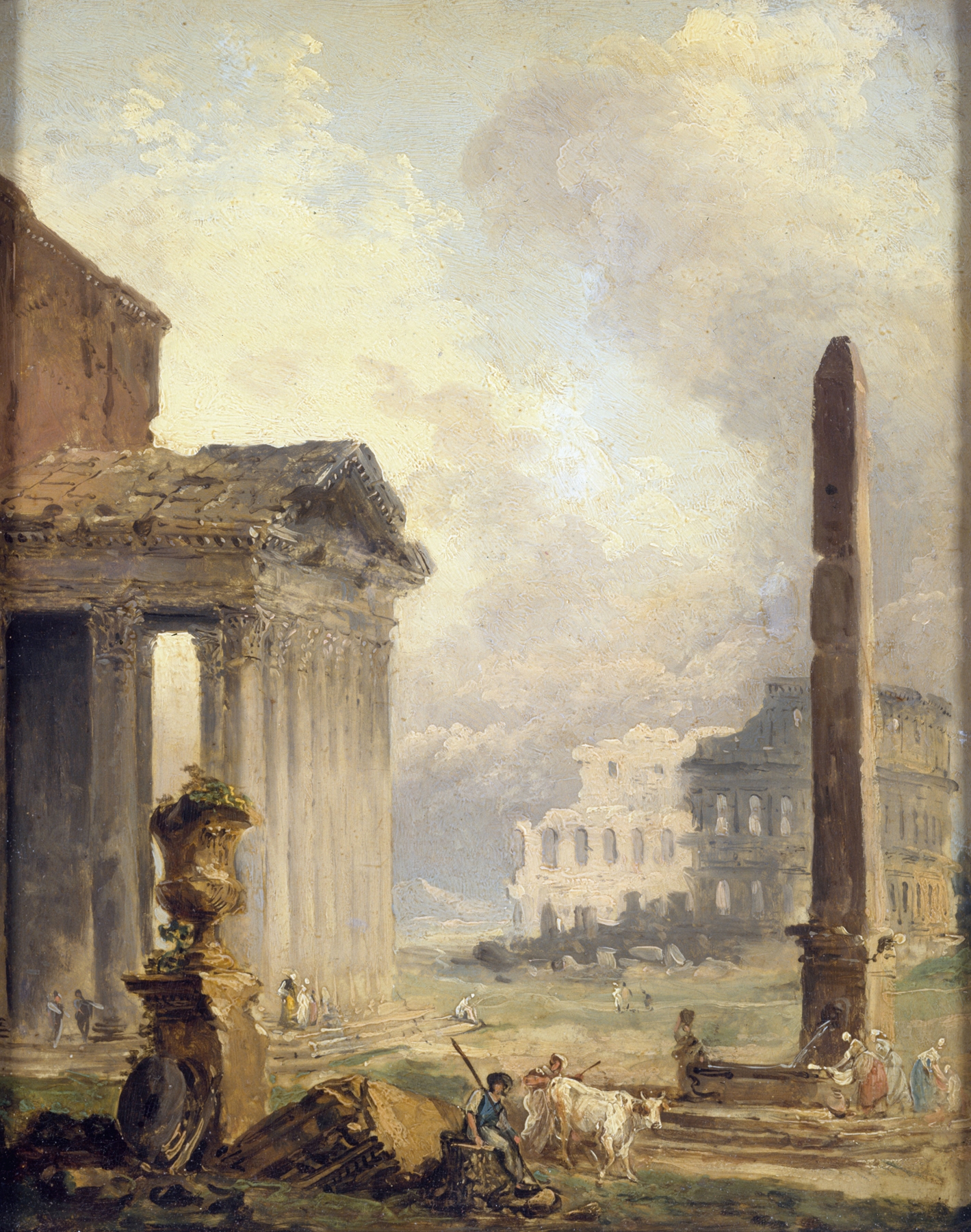
“Between color and silence, truth hides.” In a world laden with chaos, serenity often finds its home in the most unexpected places, inviting contemplation and stillness. Focus on the weathered walls adorned with remnants of grandeur, where the light filters softly through the broken windows. The figures of the washerwomen, clad in muted tones, draw your gaze as they work diligently, juxtaposed against the decay surrounding them. Notice how the warm hues of their garments contrast with the cool shadows, creating a dialogue between labor and rest amidst the ruins. As you delve deeper, the emotional tension emerges—a stark reminder of resilience in the face of adversity. The women’s steady hands, immersed in their task, symbolize perseverance, while the abandoned gallery stands as a metaphor for lost beauty and history. The interplay of light and shadow accentuates the transition from vibrancy to neglect, leaving an echo of what once was and what remains. Hubert Robert painted this scene in 1760, during a period marked by a burgeoning interest in both the picturesque and the sublime. Living in Paris at the time, he was influenced by the Enlightenment’s embrace of nature and ruins, which encouraged artists to explore the juxtaposition of human activity against the backdrop of timeless decay. Robert’s work not only reflects the artistic trends of his era but also invites viewers to meditate on the quiet resilience found within forgotten spaces.